


Kamphaeng Phet
กำแพงเพชร
UNESCO World Heritage laterite ruins, a "diamond wall" fortress on the Ping River, two national parks, and Thailand's most famous egg bananas.
Recommended by us
Kamphaeng Phet Historical Park
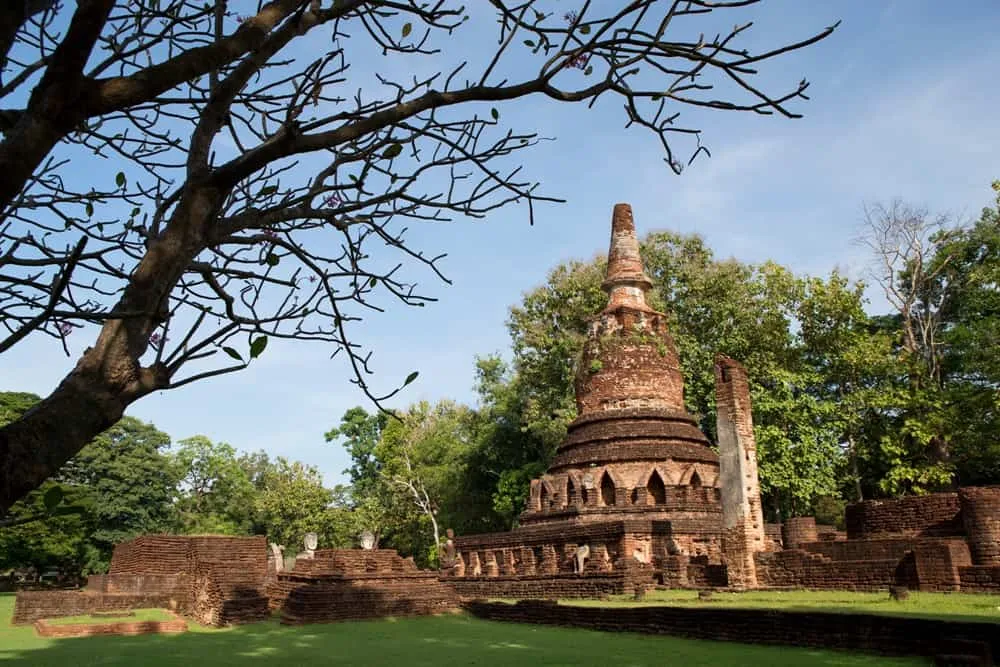
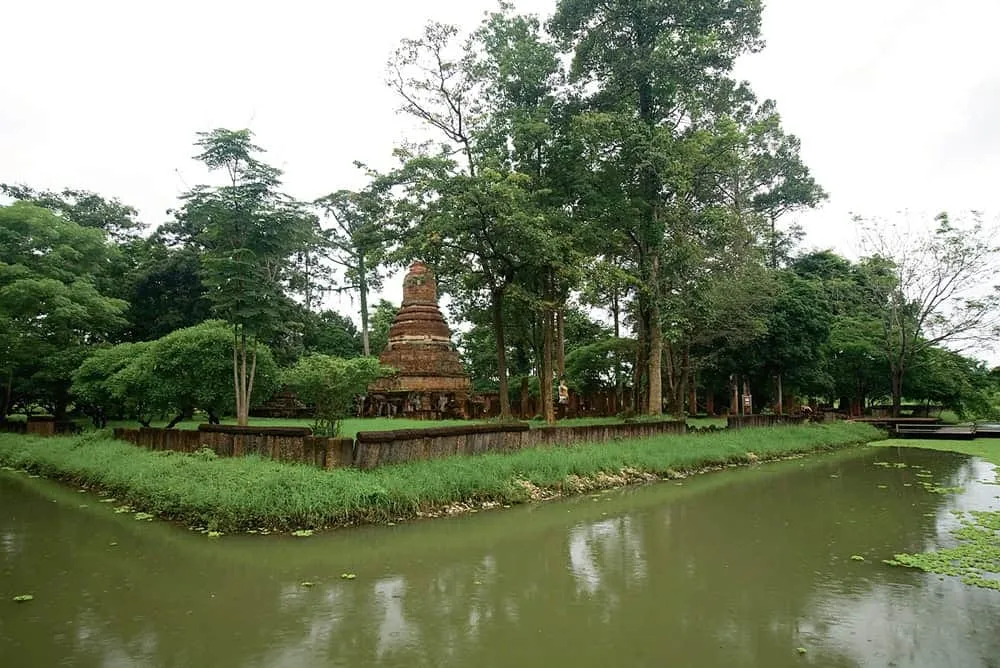
A UNESCO World Heritage laterite ruin complex on the west bank — partly covered in jungle, far less visited than Sukhothai. Rent a bike at the gate and give it two hours.

Wat Phra Si Iriyabot
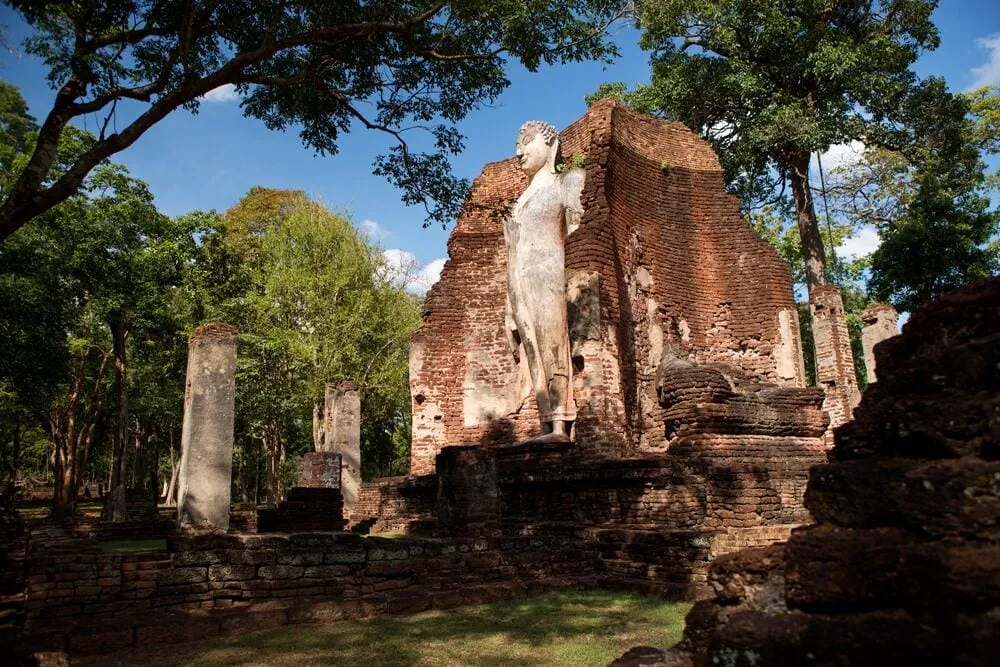
Four large Buddha images in the four traditional postures — one is unusually well-preserved for a 15th-century laterite structure. Inside the Aranyik zone of the historical park.

Khlong Lan National Park
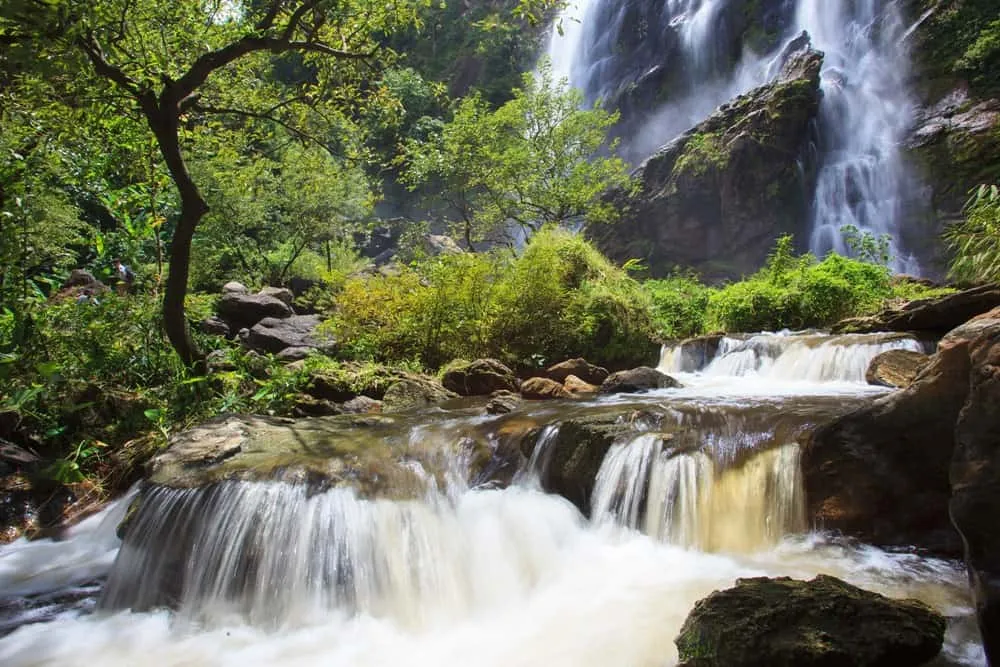
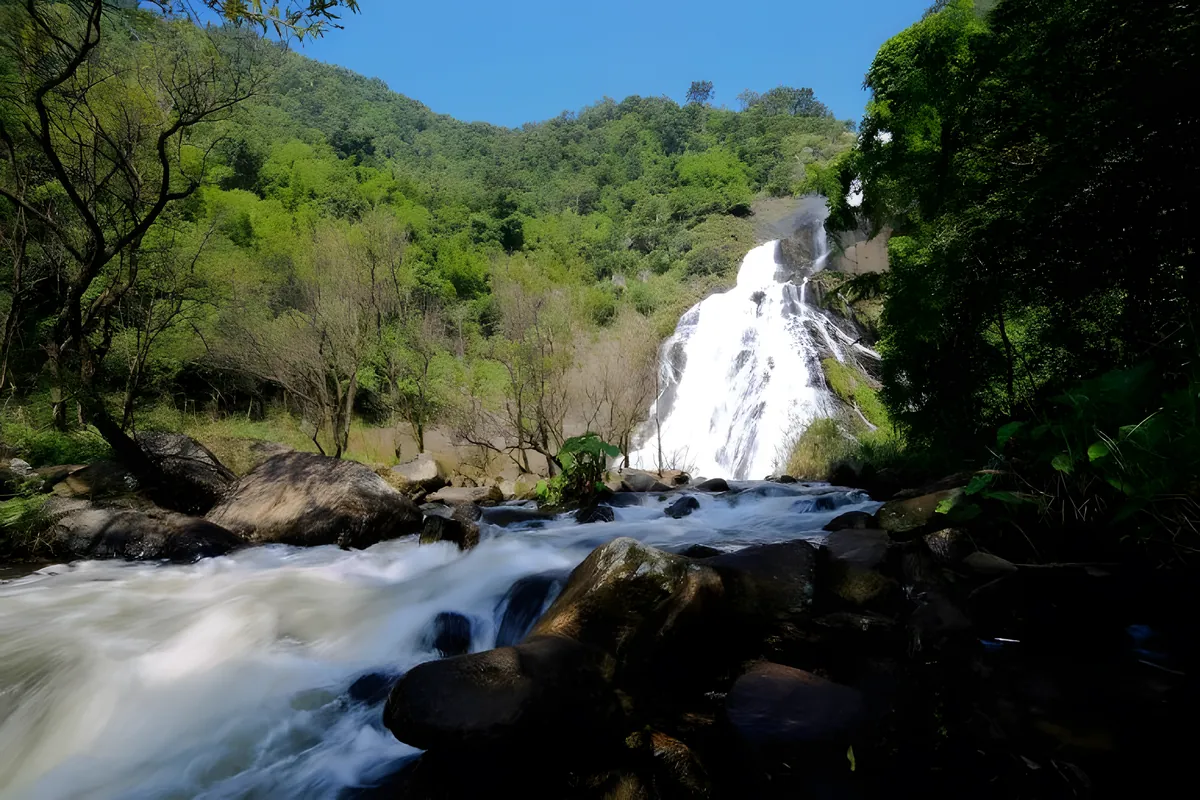
A forested park southwest of the city with a well-regarded waterfall and trails into old-growth forest. The falls are a 2km walk from the carpark — not too strenuous.

Kamphaeng Phet National Museum
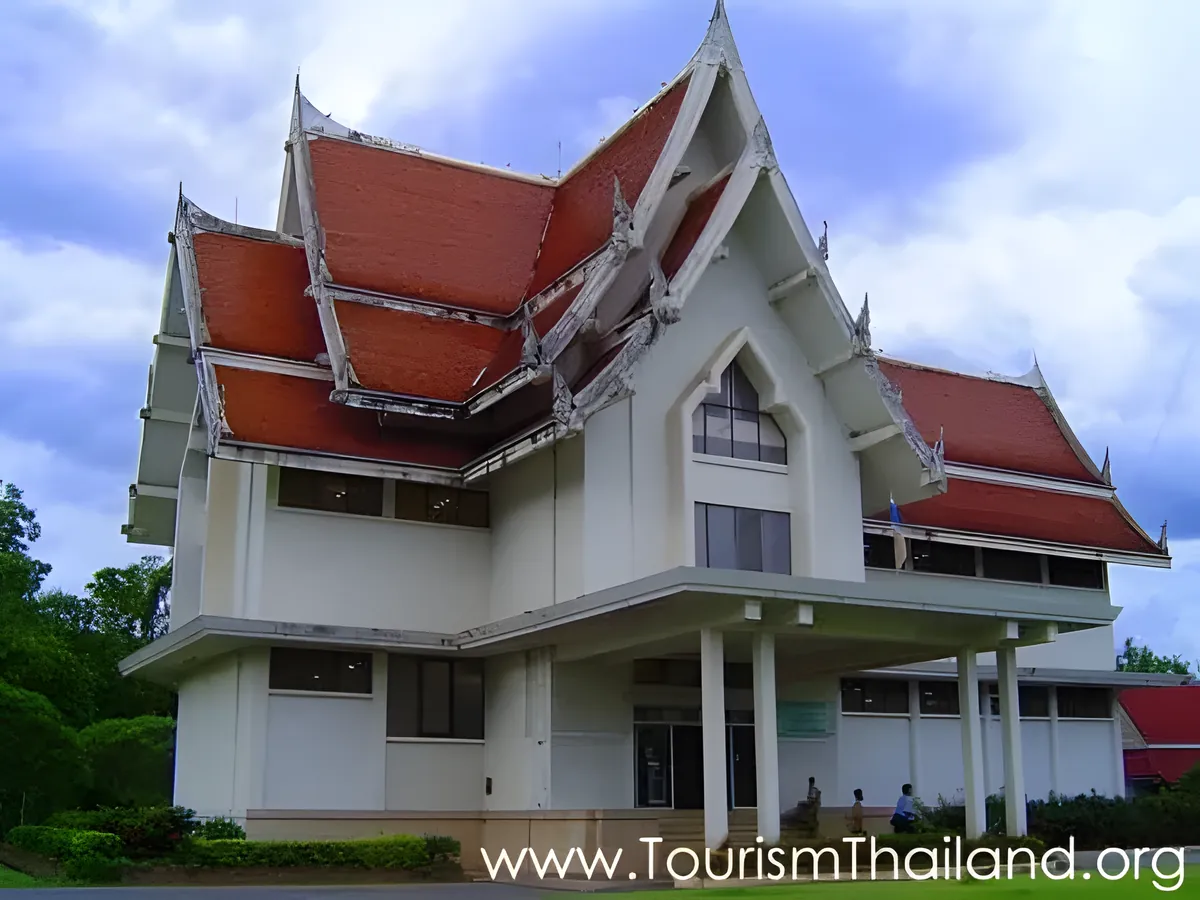
A compact regional museum with bronzes and artefacts excavated from the historical park — useful context before walking the ruins, especially if this is your first Sukhothai-era site.
Get to Kamphaeng Phet
Buses from Bangkok's Mo Chit terminal reach Kamphaeng Phet in around 5–6 hours. It also works as a stop between Sukhothai and Chiang Mai.

eSIM for Thailand
Land with data already working and skip the airport SIM queue. We tested six plans — code THAIHOLIDAY saves 10%.

Travel insurance
Cycling the ruins and hiking national park trails — sort cover before you go. Standard medical and trip cancellation is sufficient for most visits here.
Wats, shrines & spiritual sites
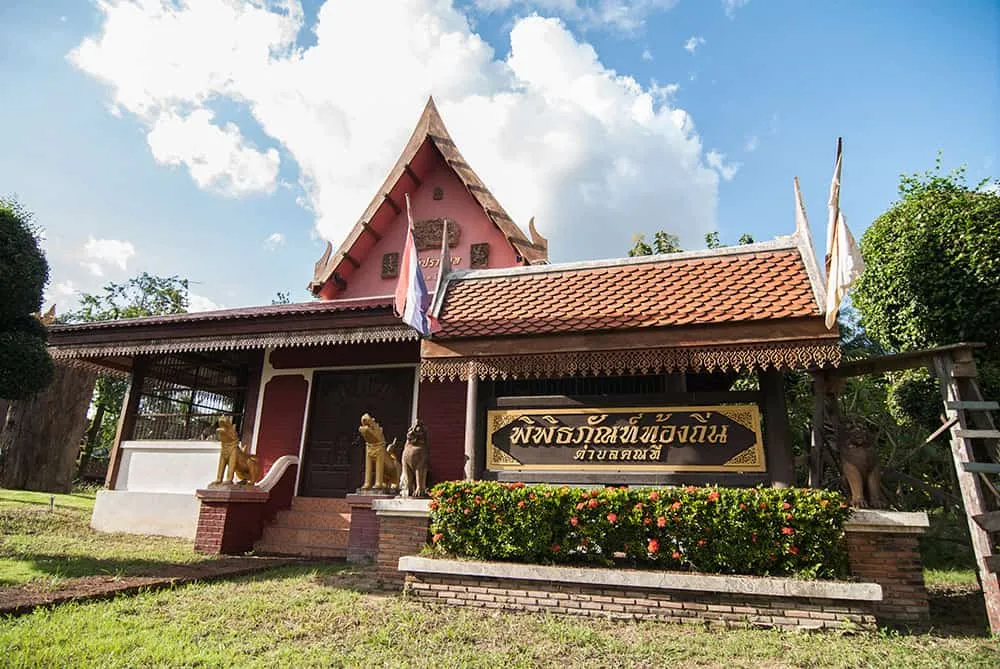
Temples in Kamphaeng Phet








Waterfalls, peaks, caves & parks
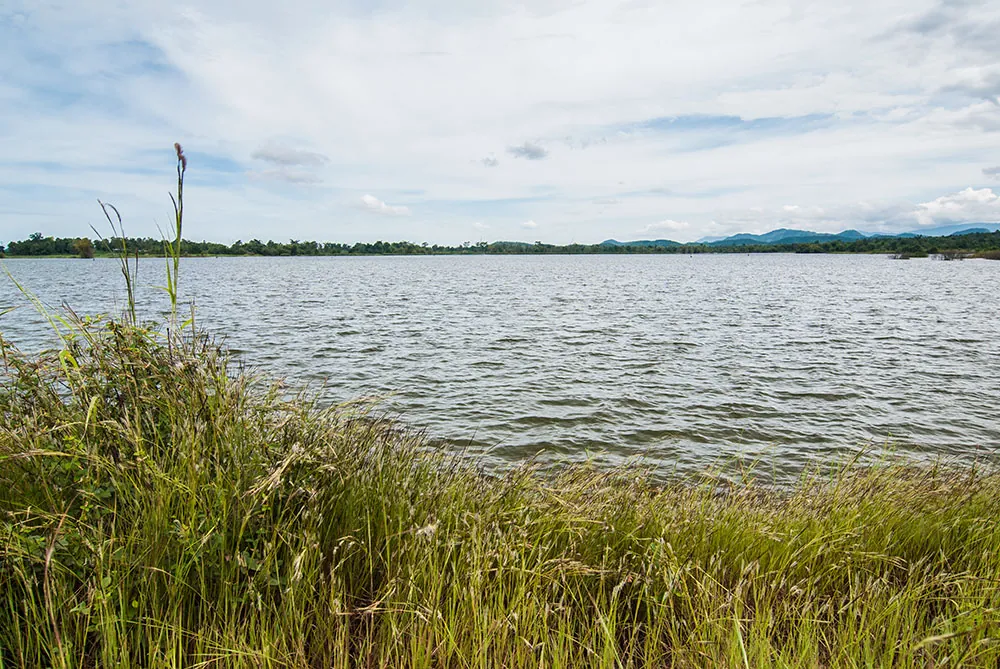
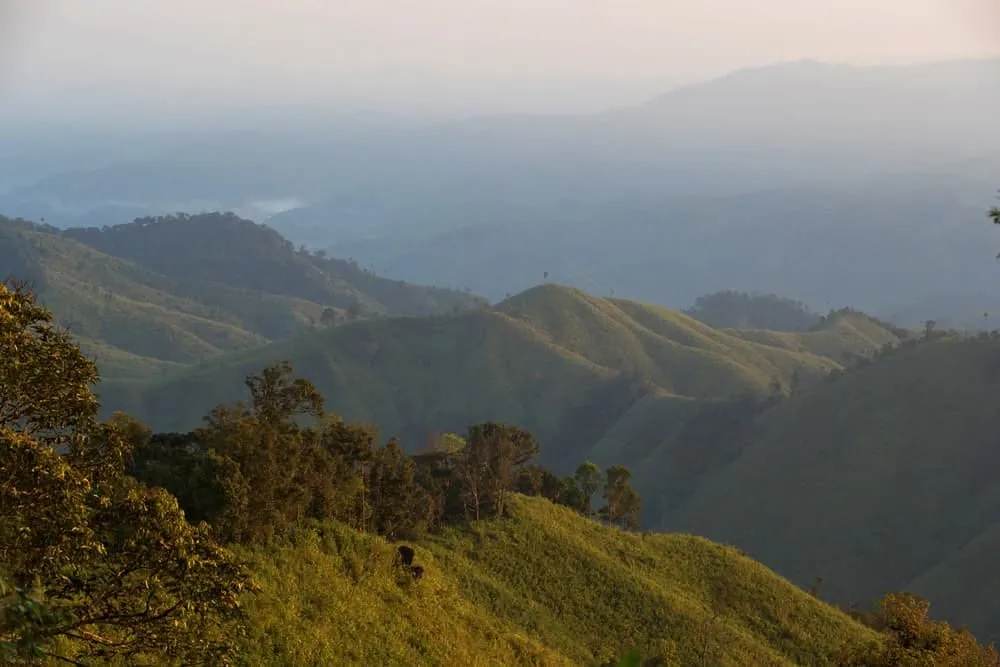
Nature & outdoors around Kamphaeng Phet




Things to do on the map
Tap a pin for details — 22 places in Kamphaeng Phet plotted.
When to go
Nov–Feb Dry cool season with temperatures dropping to 18–19°C at night. The best window for cycling the historical park, hiking in Khlong Lan, and the Aranyik forest-temple zone. Clear skies, light crowds.
Mar–Apr Hot season — April peaks near 37°C. Start at the ruins by 8am; the laterite temples offer little shade by mid-morning. Burning-season haze can reduce visibility in March and April.
May–Oct Southwest monsoon, with August and September the wettest months (230+ mm). Khlong Lan waterfall runs at full 100m height. Ruins remain accessible in dry spells but the Aranyik forest paths can become muddy.
About Kamphaeng Phet
Last updated September 2026
Overview
Kamphaeng Phet — กำแพงเพชร, “wall of diamond” — sits on the west bank of the Ping River in upper-central Thailand, about 75 kilometres south of Sukhothai. The name describes the city’s original purpose: a heavily fortified garrison town built by the Sukhothai Kingdom in the 14th century to guard its southern frontier. The laterite walls that gave the city its name still stand, enclosing one of Thailand’s least-visited UNESCO World Heritage sites.
The province divides neatly into three zones of interest. The historical park, split between the walled inner city and the forested Aranyik outer zone, holds the ruins and is the main reason to come. To the west, the Tenasserim hills rise steeply into two national parks — Khlong Lan and Khlong Wang Chao — with forest trails, waterfalls, and tiger-corridor habitat. And threading through the flat agricultural east, the Ping River floodplain produces the province’s most celebrated agricultural product: kluai khai, the small egg bananas that have their own annual festival.
Kamphaeng Phet sees a fraction of the visitor numbers that Sukhothai and Chiang Mai attract, which is both its best quality and the reason it takes some planning. The site has a Sukhothai page — the two UNESCO parks are about 80 kilometres apart by road and make a natural two-day pairing.
Top Things to Do
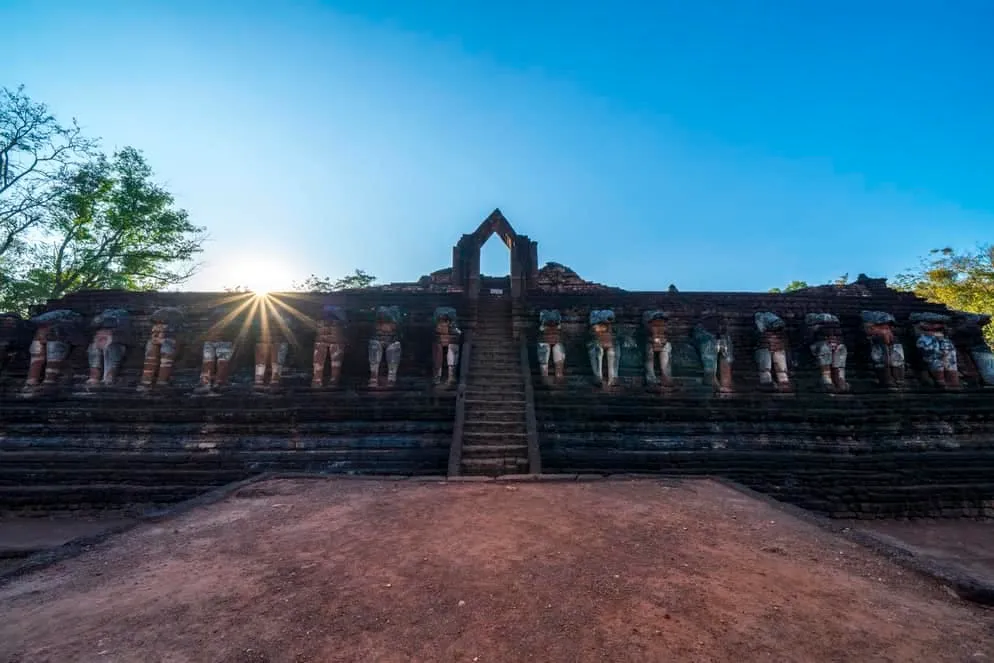
Kamphaeng Phet Historical Park — walled inner city is the more visited of the two zones and the obvious starting point. Wat Phra Kaew — the “temple of the Emerald Buddha” — was the largest royal temple in the old city, built in the 15th century at the heart of the walled compound. Its base retains elephant carvings and the surviving laterite structures. Adjacent Wat Phra That holds a bell-shaped chedi containing Buddha relics, built on a broad laterite base. The Kamphaeng Phet National Museum next to the park is small but well-curated, with original artefacts from both zones. Allow two hours for the inner city.
Kamphaeng Phet Historical Park — Aranyik zone is the more atmospheric half of the site. The Aranyik (“forest retreat”) area lies just north of the city walls — a hilly, wooded setting where monks from the Sukhothai period established meditation temples away from the urban core. Wat Phra Si Iriyabot (“temple of the four postures”) is the centrepiece: a 15th–16th century temple enclosing a mondop with Buddha images in walking, standing, sitting, and reclining positions. The nine-metre standing figure is largely intact, the reclining figure more fragmentary. The forest setting and the quality of the laterite work make this one of the more rewarding historical sites in the region. Wat Chang Rop, with its elephant-buttressed base, is a short cycle away.
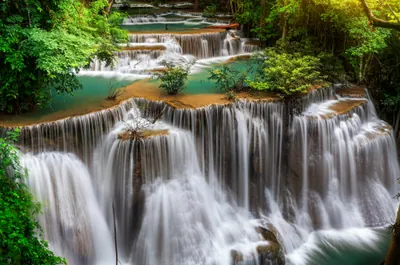
Khlong Lan National Park sits about 60 kilometres west of the city on the Kamphaeng Phet–Tak road. The park covers 300 square kilometres of montane forest and is best known for its main waterfall — Khlong Lan falls drops 100 metres over a 40-metre-wide cliff face into a swimmable pool. The falls run year-round but are at maximum flow from July to October. Access is via a short 0.8-kilometre path from the car park. The park is a viable day trip from the city with your own vehicle.
Khlong Wang Chao National Park shares a border with Khlong Lan to the south and forms part of the Western Forest Complex — a biodiversity corridor linking protected areas across into Myanmar that functions as critical tiger habitat. The park rises to 1,898 metres at its highest point, includes a natural hot spring, and receives far fewer visitors than Khlong Lan. It suits those wanting quiet forest hiking over a swimmable waterfall destination.
Nakhon Chum old town and heritage market occupies the west bank of the Ping River, directly across from the main city. The area around the old trading settlement has been partly restored, and the Nakhon Chum Old Town Market operates on the first Friday, Saturday, and Sunday of each month from around 5pm. The market has a heritage atmosphere — vendors in traditional dress, local food including banana-based preparations, and handmade goods. The Nakhon Chum Buddhist Amulets Learning Centre nearby is an unusual stop for anyone interested in the amulet trade that is deeply embedded in Thai popular religion.
The banana festival in late September or early October (tied to Sart Day of the 10th lunar month) is Kamphaeng Phet’s most distinctive annual event. Kluai khai — small, dense, intensely flavoured egg bananas — have been cultivated here commercially since at least the 1980s. The festival runs at the provincial grounds with variety contests, traditional ceremony, and a market selling banana products in forms that extend well beyond fresh fruit. If the timing works, it’s worth building a trip around.
Where to Stay
Accommodation in Kamphaeng Phet is functional rather than resort-grade. The city has a reasonable range of mid-range hotels and guesthouses concentrated near the historical park and the river. The standard is adequate for an overnight base; there are no luxury hotels or international chains. Budget options cluster near the bus station.
For visitors combining the province with Sukhothai, some choose to base themselves in Sukhothai (which has a slightly wider accommodation range) and make a day trip south to Kamphaeng Phet, though the historical park and the Aranyik zone together are enough to justify their own overnight.
Getting There
There is no rail connection to Kamphaeng Phet. By bus from Bangkok’s Mo Chit Northern Bus Terminal, the journey takes five to six hours (around 364 km) with multiple daily departures. By car, Highway 1 north to Nakhon Sawan, then continuing toward Kamphaeng Phet, takes just over four hours in normal conditions.
From Sukhothai, Kamphaeng Phet is about 80 kilometres by road — about an hour and fifteen minutes, making a one-day combined visit feasible if you start early and hire transport.
Within the province, you need your own vehicle or a hired driver for Khlong Lan and Khlong Wang Chao national parks. Cycling is the recommended way to cover the historical park — both zones are bikeable and rentals are available near the entrance.
Best Time to Visit
Kamphaeng Phet follows the lower-north climate pattern: wet from May through October, dry and cool from November to February, hot in March and April. The cool season is the clear best window — comfortable temperatures for cycling the ruins, clear skies for forest hiking, and light crowds throughout.
March and April bring serious heat (April can reach 37°C) and the burning-season haze that affects much of the northern lowlands from agricultural field burning. The ruins are still accessible but physically demanding.
During the wet season, the historical park stays mostly open and the laterite ruins look dramatic under grey skies. Khlong Lan waterfall is at its best — the full 100-metre drop runs at maximum volume from July to October. The Aranyik forest paths can be slippery, and the road to Khlong Lan may slow after heavy rain. Late September or early October coincides with the egg banana festival if you time it right.
Frequently Asked Questions about Kamphaeng Phet
How do I get to Kamphaeng Phet from Bangkok?
What is the best time of year to visit Kamphaeng Phet?
How long do you need in Kamphaeng Phet?
What is the UNESCO status of the historical park?
What makes the egg banana festival worth attending?
Spotted something out of date or incorrect? Let us know
Plan your
Kamphaeng Phet trip