





Mae Sariang
แม่สะเรียง
Quiet riverside town on the Mae Hong Son loop, a base for Salween treks and unhurried northern Thailand travel.
- Best time
- Nov–Feb (cool season)
- From Bangkok
- Flight to Chiang Mai + 3–4h south on Route 108
- How long
- 1–2 nights
- Getting around
- Own car or motorbike for trekking access; the town centre is walkable
Updated June 2026
Plan your trip
Recommended by us

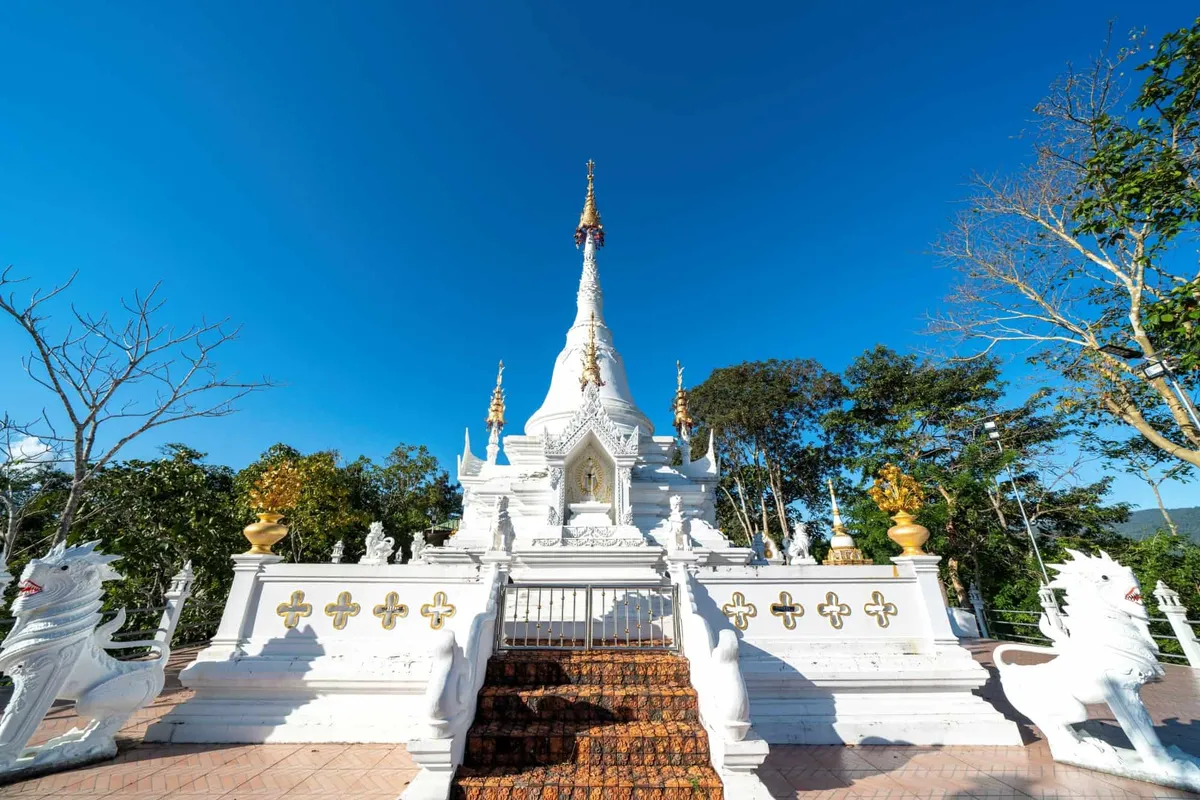
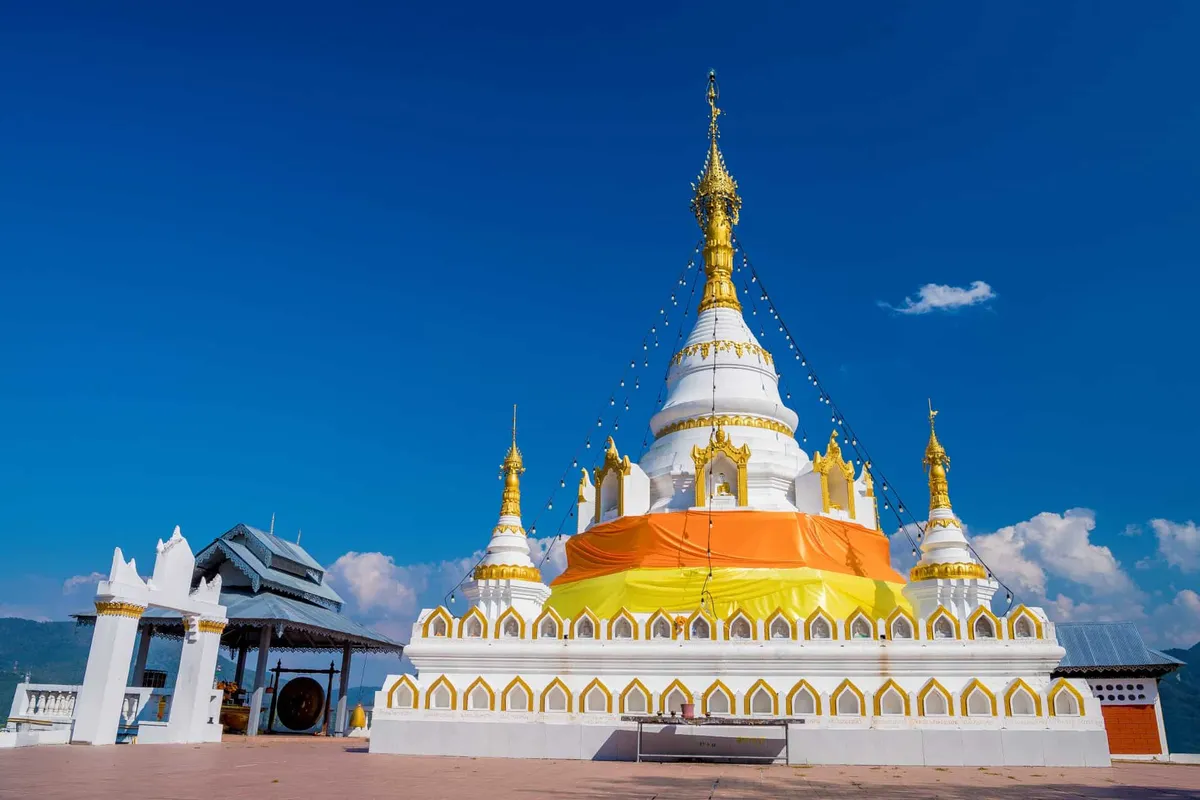
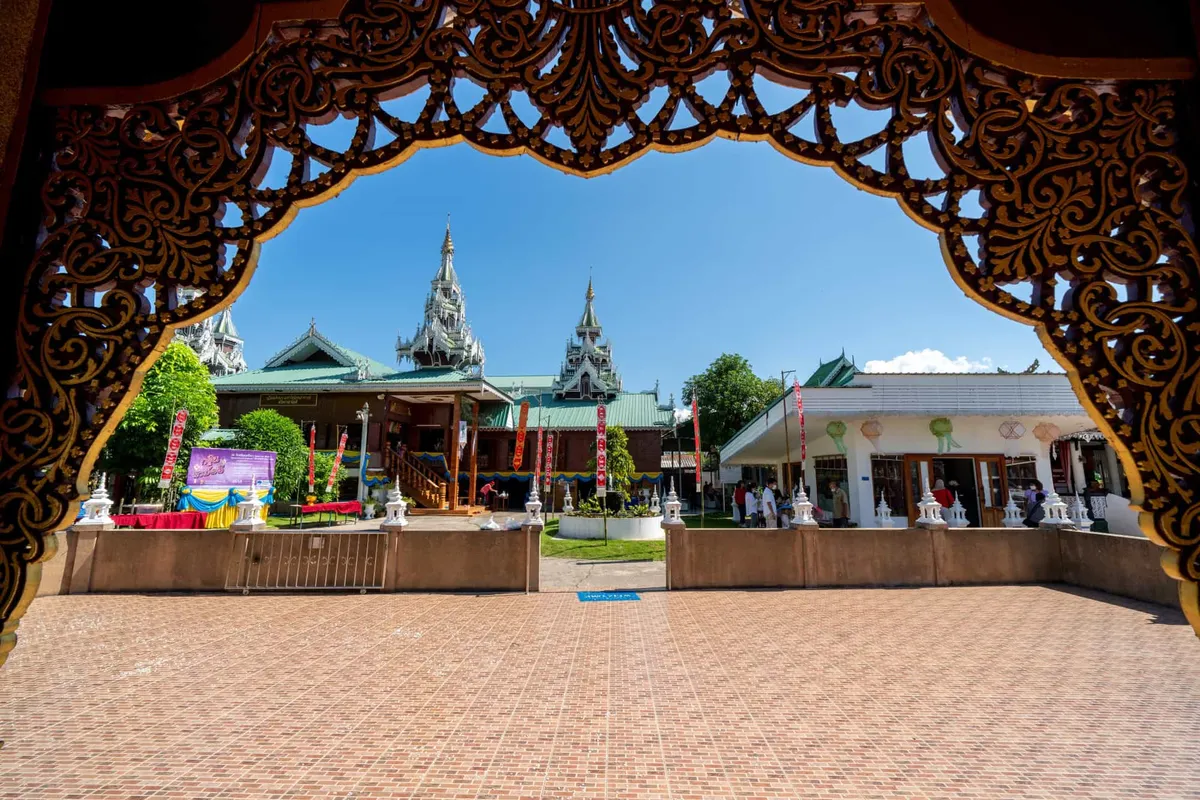
Wat Phrathat Chommon
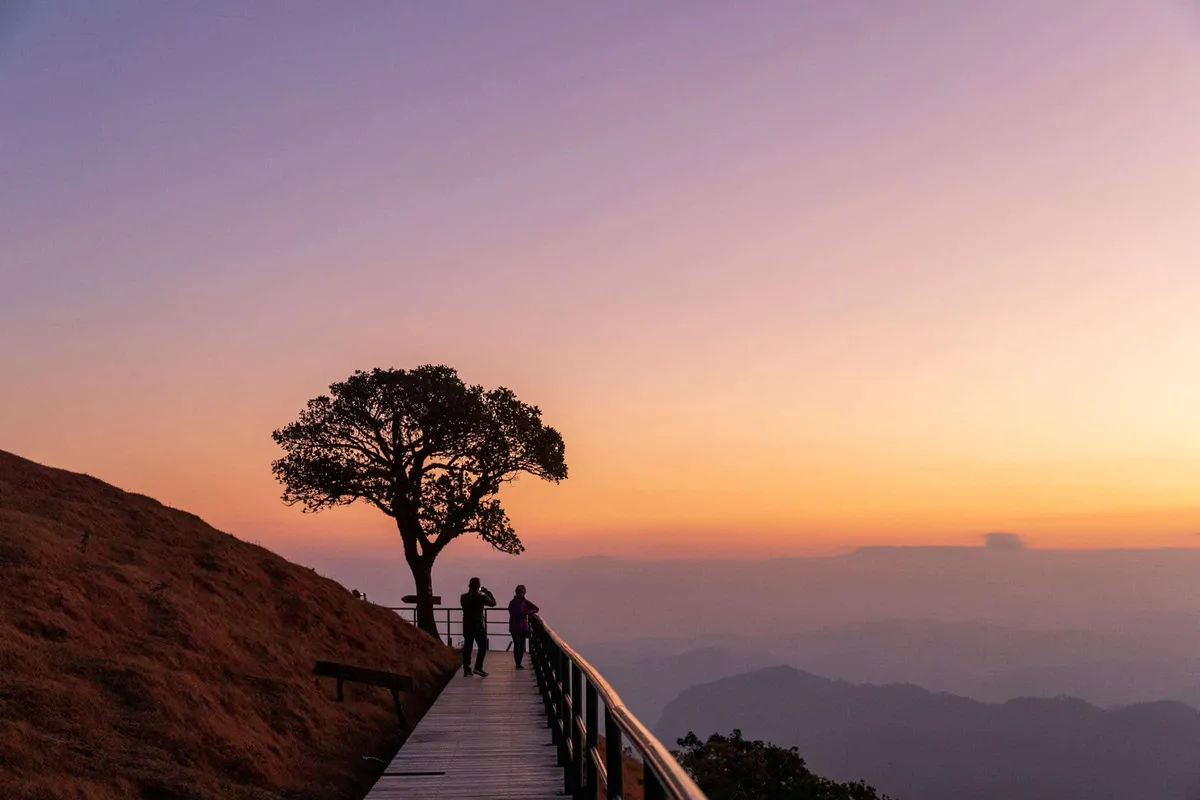
The hilltop Shan-style wat that overlooks the town and the river bend below. Arrive at dusk for the view: it's the reason most people climb up.

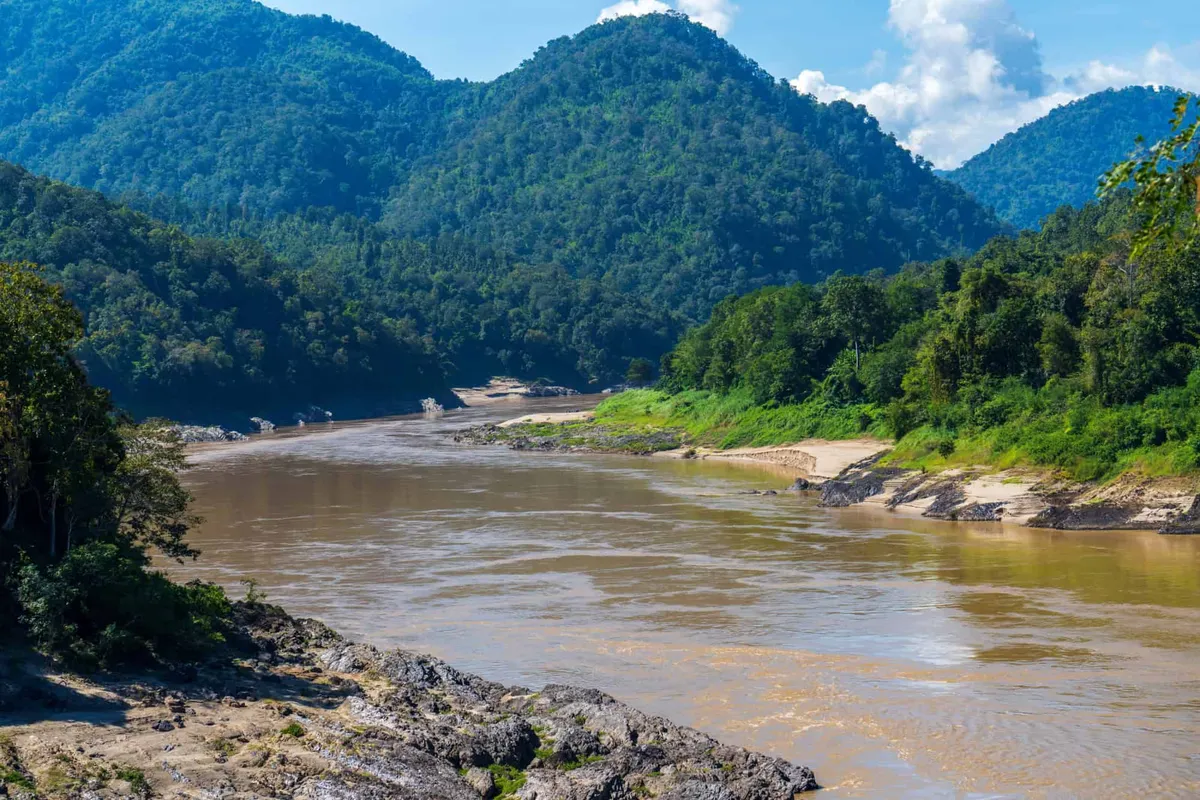
Salawin National Park
The remote park along the Salween River bordering Myanmar. Worth it for the river scenery; check road conditions before going in rainy season.
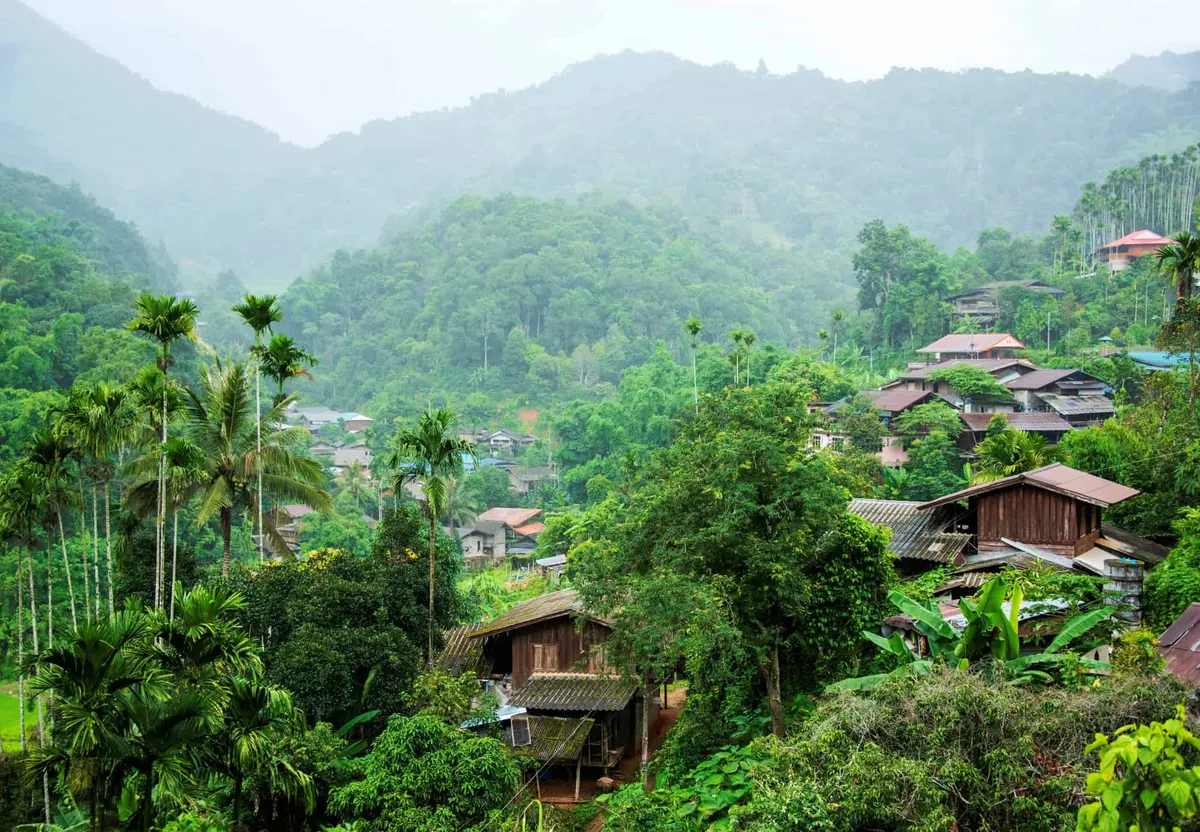
Ban La Up Tourism Community Mae Hong Son Province
Often called Thailand's largest Lawa community, in the hills of Mae La Noi north of Mae Sariang, known for silver craft and weaving. Stay the night if you can; the road in is slow.

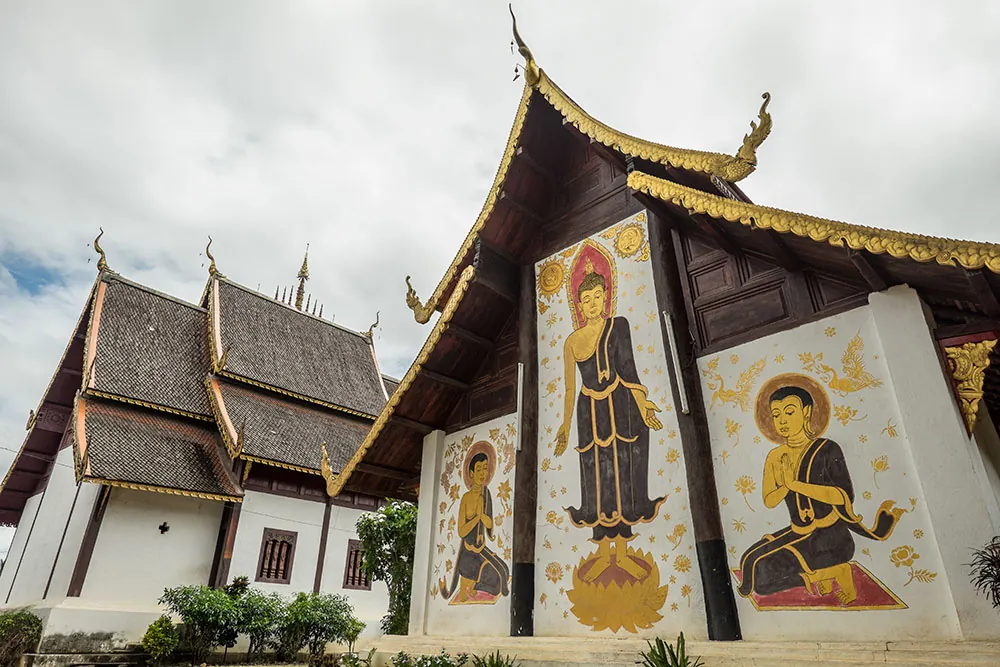
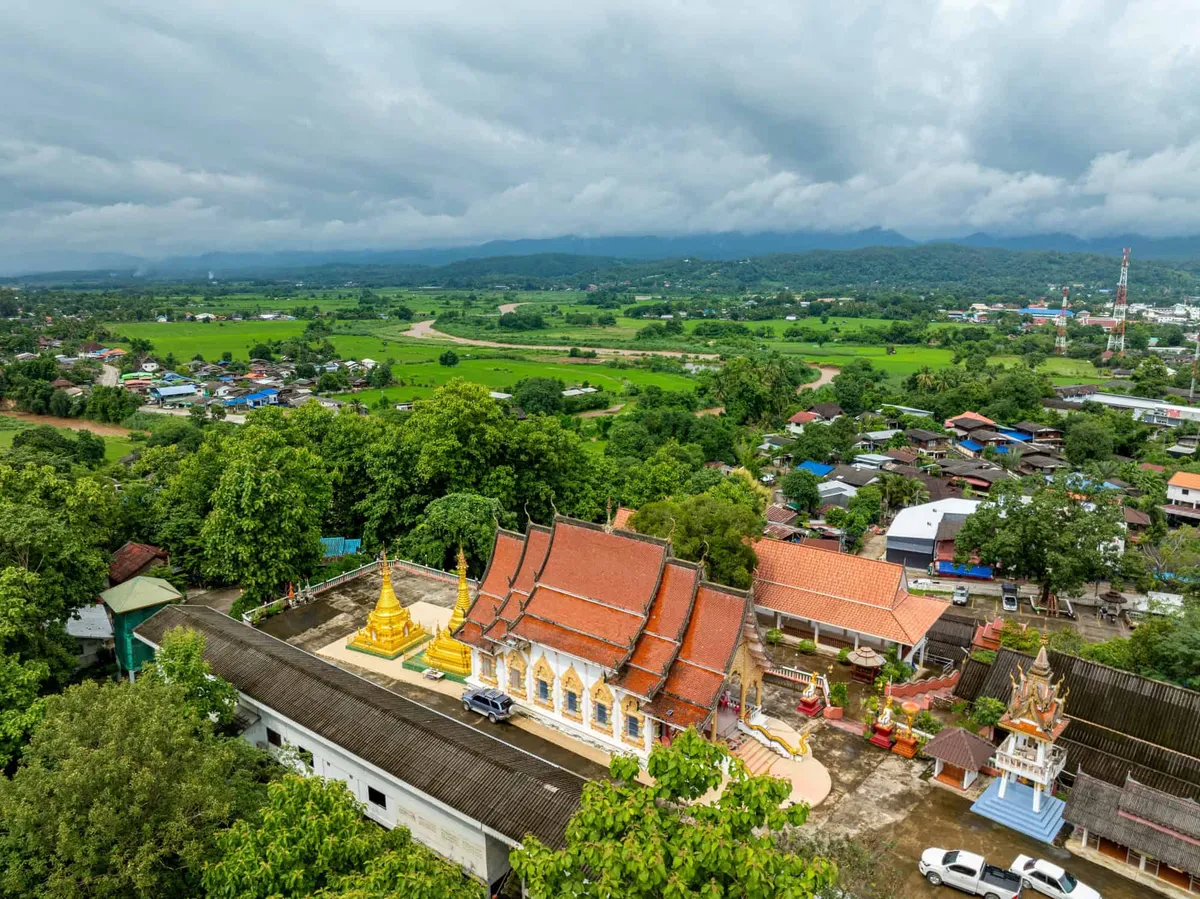
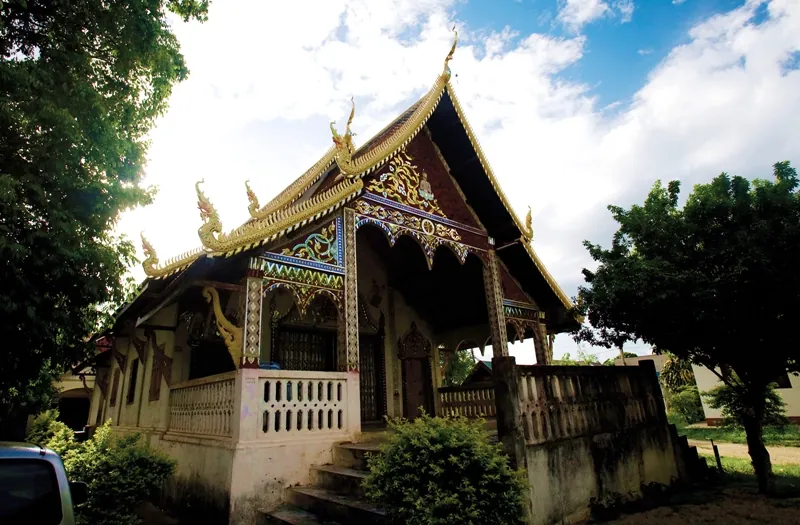
Wat Yang Luang
One of several Burmese-Shan temples in the town centre: the ornate woodwork sets it apart from the central Thai style you see elsewhere.
Get to Mae Sariang
The most practical route is a minivan or bus from Chiang Mai (3–4 hours south along Route 108). No direct service from Bangkok.

eSIM for Thailand
Land with data already working and skip the airport SIM queue. We tested six plans. Code THAIHOLIDAY saves 10%.

Travel insurance
Mountain roads and river treks in a remote border province. Sort cover before you go, and check the trekking clause.
Top sights & experiences
Things to do in Mae Sariang







Things to do on the map
Tap a pin for details. 10 places in Mae Sariang plotted.
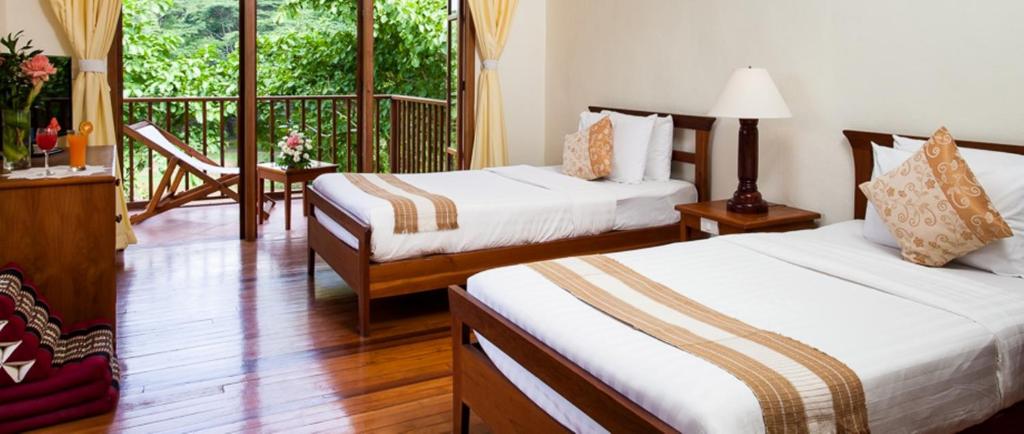
Where to stay in Mae Sariang

When to go
Nov–Feb Cool, dry, and clear, the best window for trekking into the Salween watershed and exploring the quiet riverside temples. Mountain roads are in their best condition and the views across the Salween hills are open and unobscured.
Mar–Apr Burning-season haze drifts across the Mae Sariang valley from highland farms on both sides of the border. Air quality deteriorates, hill views disappear, and the otherwise clear Yuam River scenery loses its appeal. March is typically the worst month.
May Pre-monsoon heat arrives but the haze starts to lift with the first rains. The town is quiet and prices are low. A reasonable option if you're travelling the Mae Hong Son loop and don't have flexibility on dates.
Jun–Oct The Yuam River swells and the surrounding hills go deep green. Trekking routes into the Salween region may be cut by flooding. The town itself is perfectly accessible and the rainy-season atmosphere (mist on the river, empty guesthouses) has its own charm.
More to explore around Mae Hong Son


About Mae Sariang
Last updated June 2026
Mae Sariang serves as the perfect introduction to Mae Hong Son province’s quieter side. This riverside town attracts travelers seeking authentic northern Thai experiences without the crowds of more popular destinations. You’ll find a genuine working town where locals go about their daily lives, making it ideal for cultural enthusiasts and those using it as a base to explore the wider Mae Hong Son region. The town sits along the Yuam River and provides easy access to nearby mountains, hot springs, and traditional villages. If you’re the type who prefers discovering places before they become tourist hotspots, Mae Sariang delivers that authentic northern Thailand experience you’re after.
Top Things to Do
Mae Sariang sits close to the Myanmar border and the town reflects that geography: its temples show both Thai and Burmese architectural influences, a reminder of the cross-border culture that shapes this part of Mae Hong Son province. River activities along the Yuam River are popular, as are visits to nearby hot springs and mountain viewpoints. Day trips to traditional hill tribe villages offer cultural insights, while the surrounding mountains provide excellent trekking opportunities. The town itself rewards those who enjoy wandering local markets, observing daily life, and discovering authentic northern Thai cuisine away from tourist-focused establishments.
Where to Stay
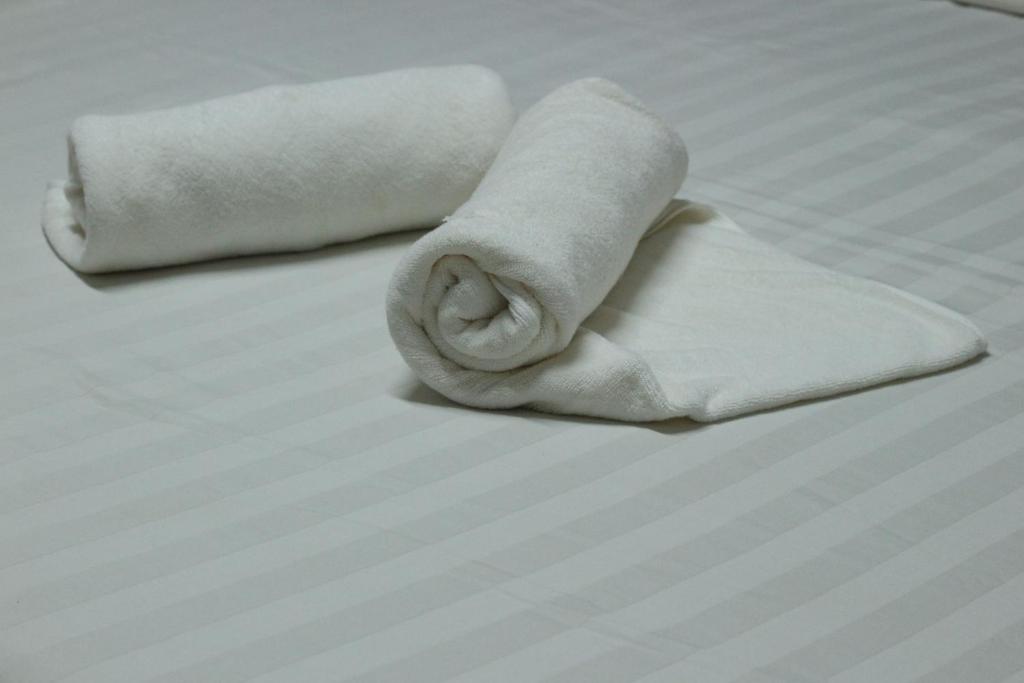
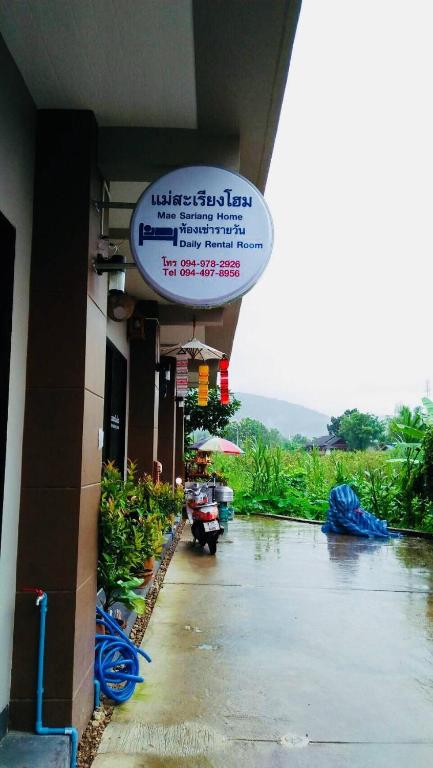
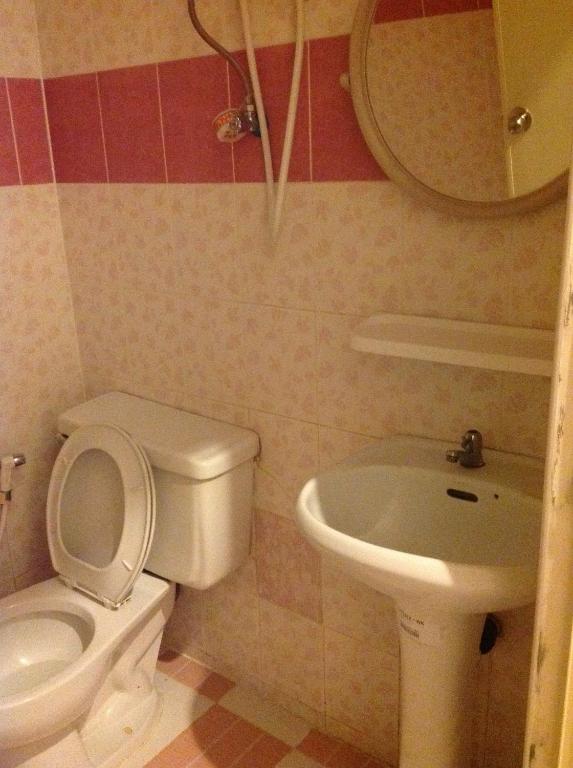
Mae Sariang has a small number of guesthouses, small hotels, and boutique properties that cater to travelers exploring northern Thailand’s less-visited areas. Properties along or near the river tend to be popular, offering peaceful settings after days of exploration. Accommodation here typically costs less than in Mae Hong Son town, and the personal touch you get in smaller establishments suits the overall character of the place.
Getting There
Mae Sariang’s location in Mae Hong Son province means you’re looking at overland travel from major northern Thailand hubs. The most common route involves flying into Chiang Mai, then taking a bus or private transport. The journey from Chiang Mai involves winding mountain roads typical of northern Thailand, so factor in travel time and consider motion sickness if you’re sensitive. Some travelers combine visits to Mae Sariang with the famous Mae Hong Son Loop, a popular driving circuit through the province. Local songthaews (shared trucks) connect Mae Sariang to nearby attractions and villages. Having your own transport or joining organized tours gives you more flexibility for exploring the region’s scattered attractions.
Best Time to Visit
Northern Thailand’s climate makes Mae Sariang most pleasant from November through February when temperatures are cooler and rainfall minimal. March to May brings the hot season with temperatures climbing significantly, while June through October sees the monsoon season with regular rainfall. The cooler months offer the best conditions for trekking and outdoor activities, plus clearer mountain views. However, the rainy season brings lush landscapes and fewer tourists if you don’t mind occasional downpours. Avoid March and April if possible due to burning season, which can create hazy conditions throughout northern Thailand.
Practical Tips
ATMs are available in town, but carry cash for smaller vendors and rural excursions. Basic English is understood at accommodations and tourist-oriented businesses, but learning a few Thai phrases helps with local interactions. Songthaews provide local transport, while motorbike rentals offer independence for exploring. If visiting temples, dress respectfully with covered shoulders and long pants. The town maintains a slower pace than major tourist centers, so adjust your expectations accordingly and embrace the authentic northern Thai rhythm of life.
Insider Tip: Mae Sariang works excellently as a less crowded alternative base for exploring Mae Hong Son province. You’ll get authentic local experiences while still having access to the region’s highlights, plus accommodation costs are typically lower than staying in Mae Hong Son town itself.