


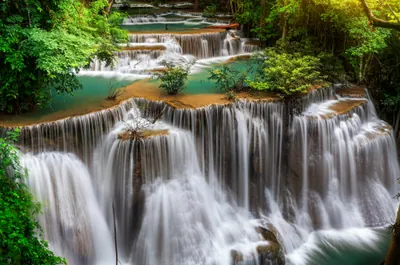


Pai
ปาย
Mountain town 762 curves from Chiang Mai, with hot springs and hill-tribe villages nearby.
- Best time
- Nov–Feb (cool season)
- From Bangkok
- Flight to Chiang Mai + 3–4h minivan (762 curves)
- How long
- 2–4 nights
- Getting around
- Motorbike rental in town (essential for canyon, hot springs, and viewpoints); centre is walkable
Updated June 2026
Plan your trip
Recommended by us

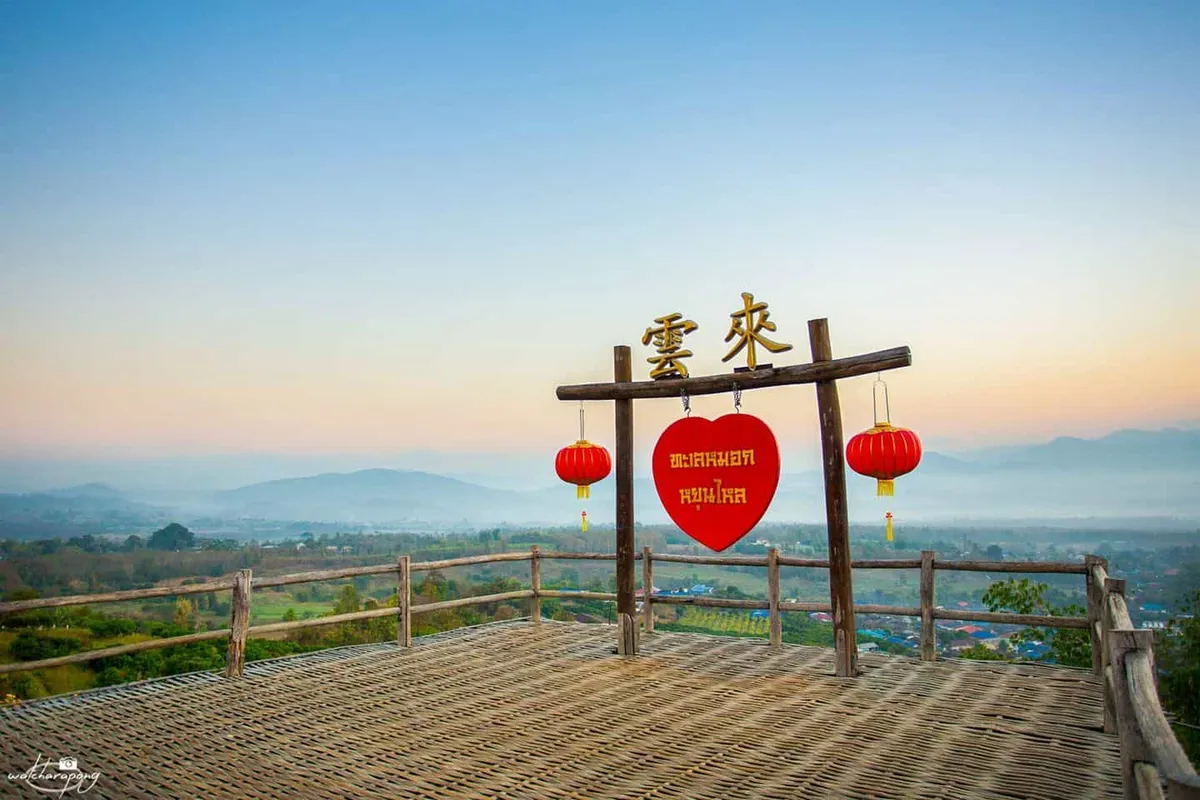
Yun Lai Viewpoint
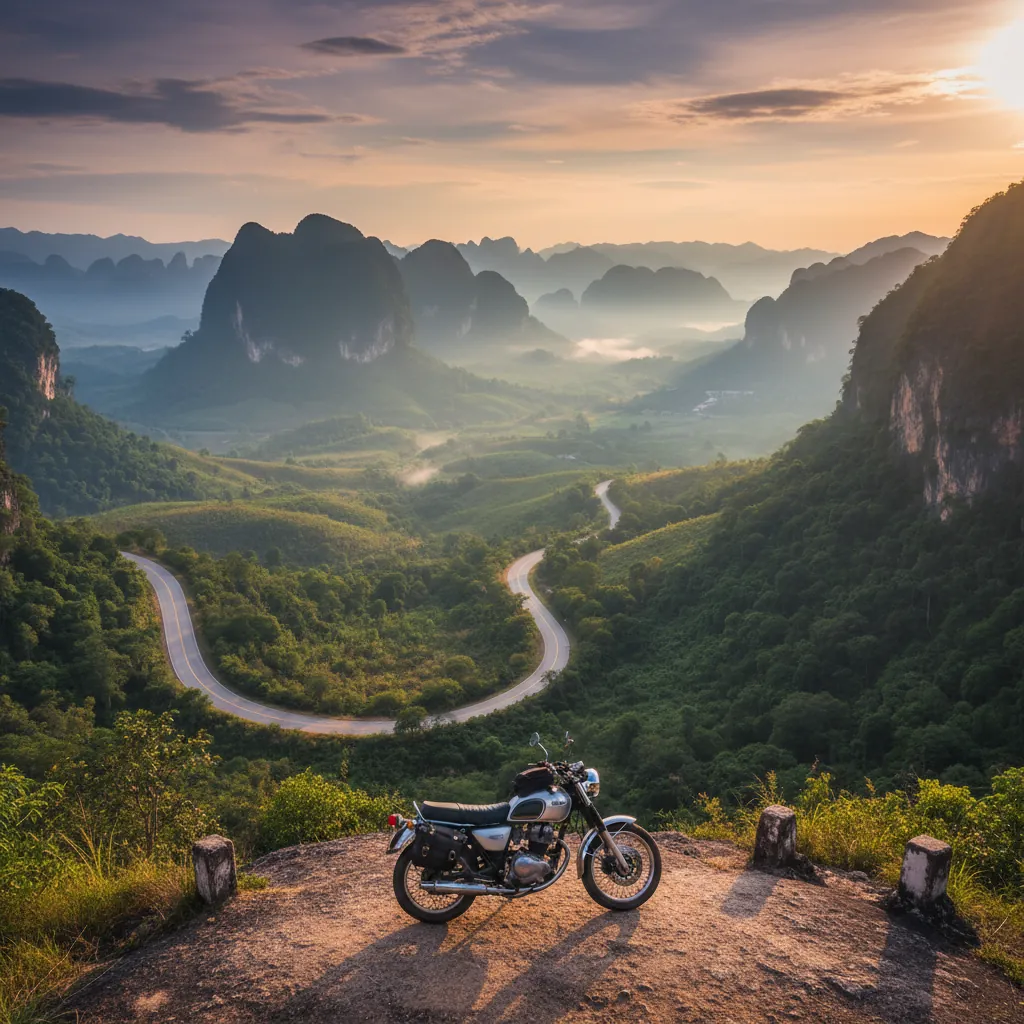
The valley view that appears on every Pai postcard, a sea of mist filling the basin below, best between November and February. Rent a scooter and get there before 7am.

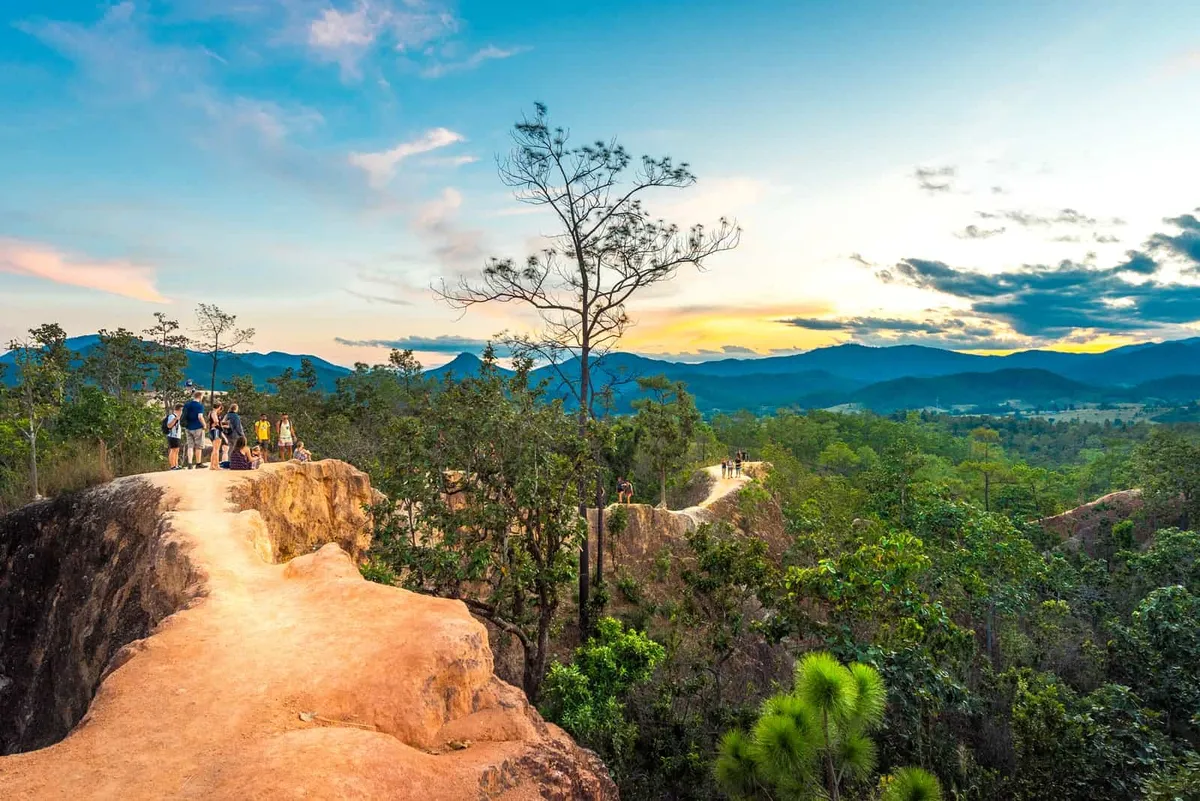
Pai Canyon
Narrow sandstone ridges above sheer drops: a 20-minute walk along the spine at sunset is one of the more memorable things you'll do in northern Thailand. Go barefoot for grip.

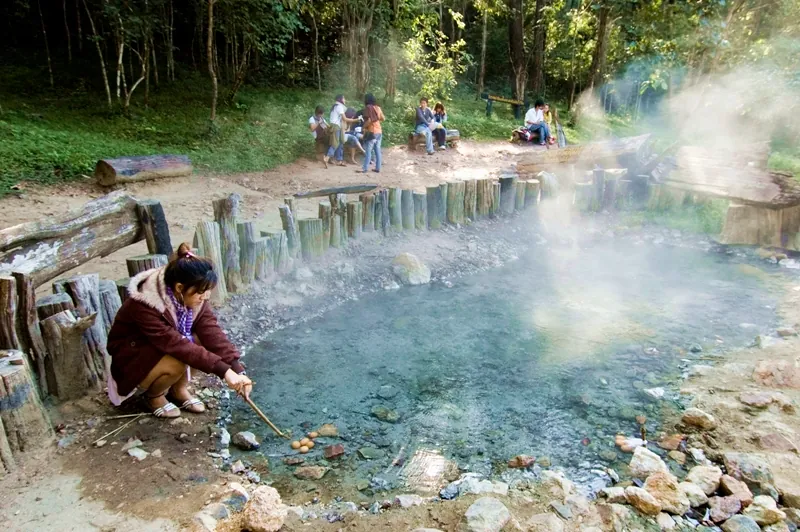
Tha Pai Hot Spring
A thermal stream feeding shallow soaking pools in a forested park 8 km from town. Arrive early before the day-trippers; the pools are genuinely hot, not warm.

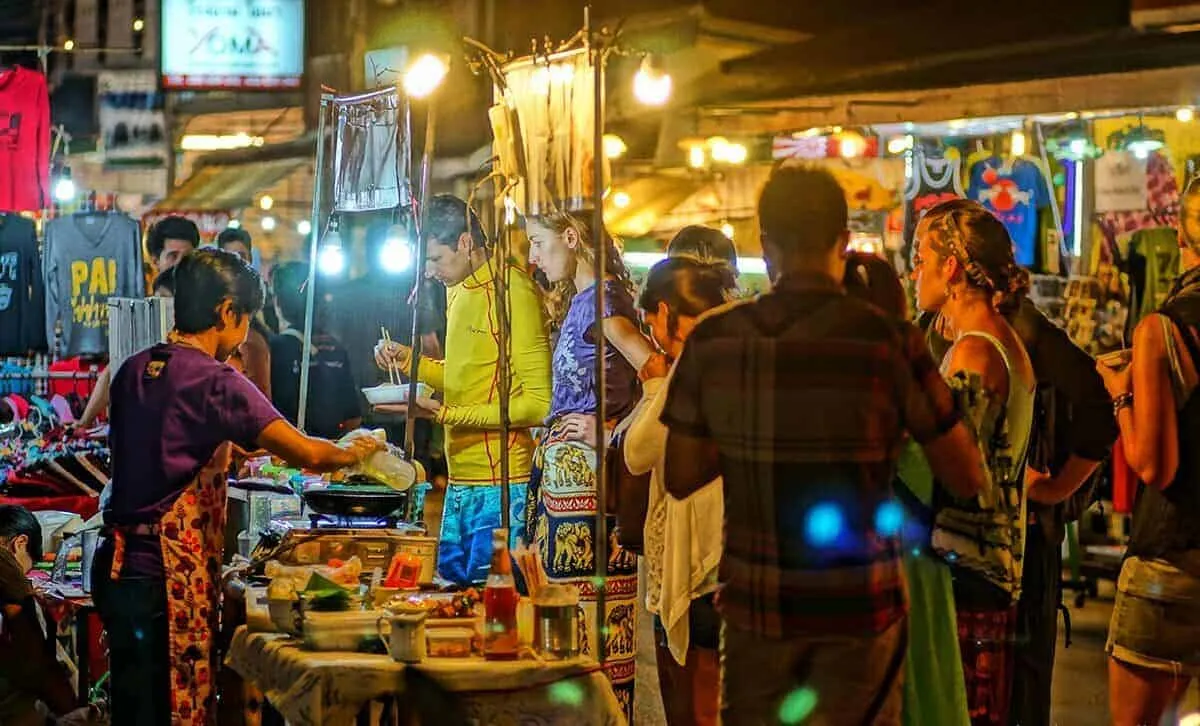
Pai Walking Street
Pai's main street closes to traffic from around 5pm: local food, hill-tribe crafts, and live music. It's a gentle evening, not a party strip.

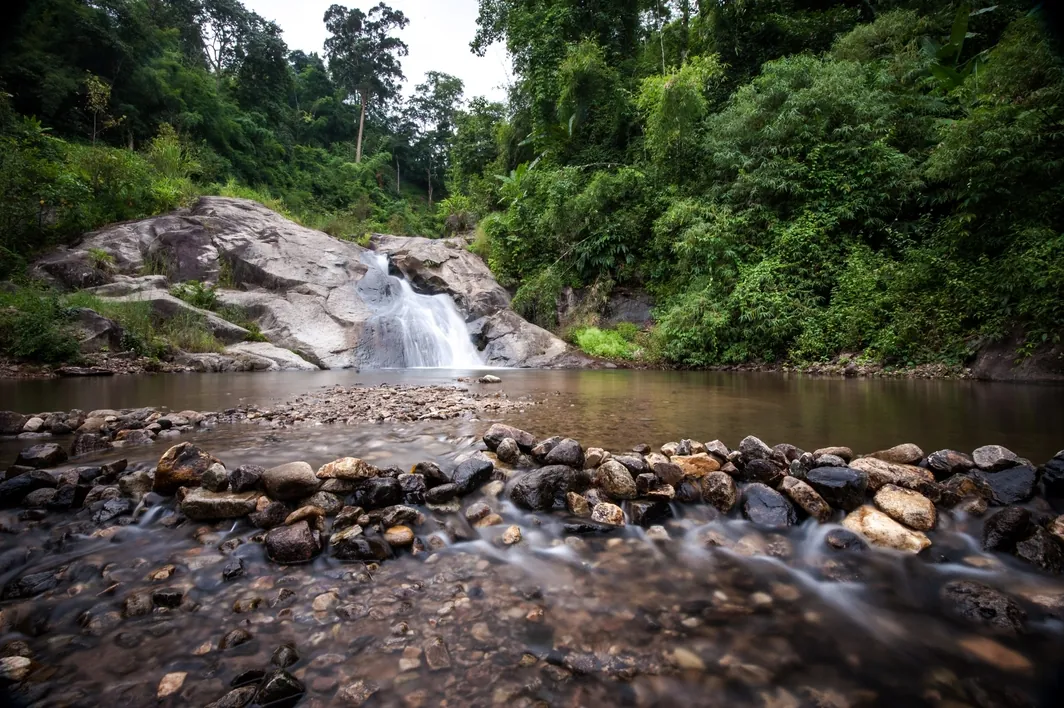
Mo Paeng Waterfall
A broad waterfall with natural slides into the pool below, busy on weekends but quieter on weekday mornings. The 8 km road there is scenic enough to be worth it either way.
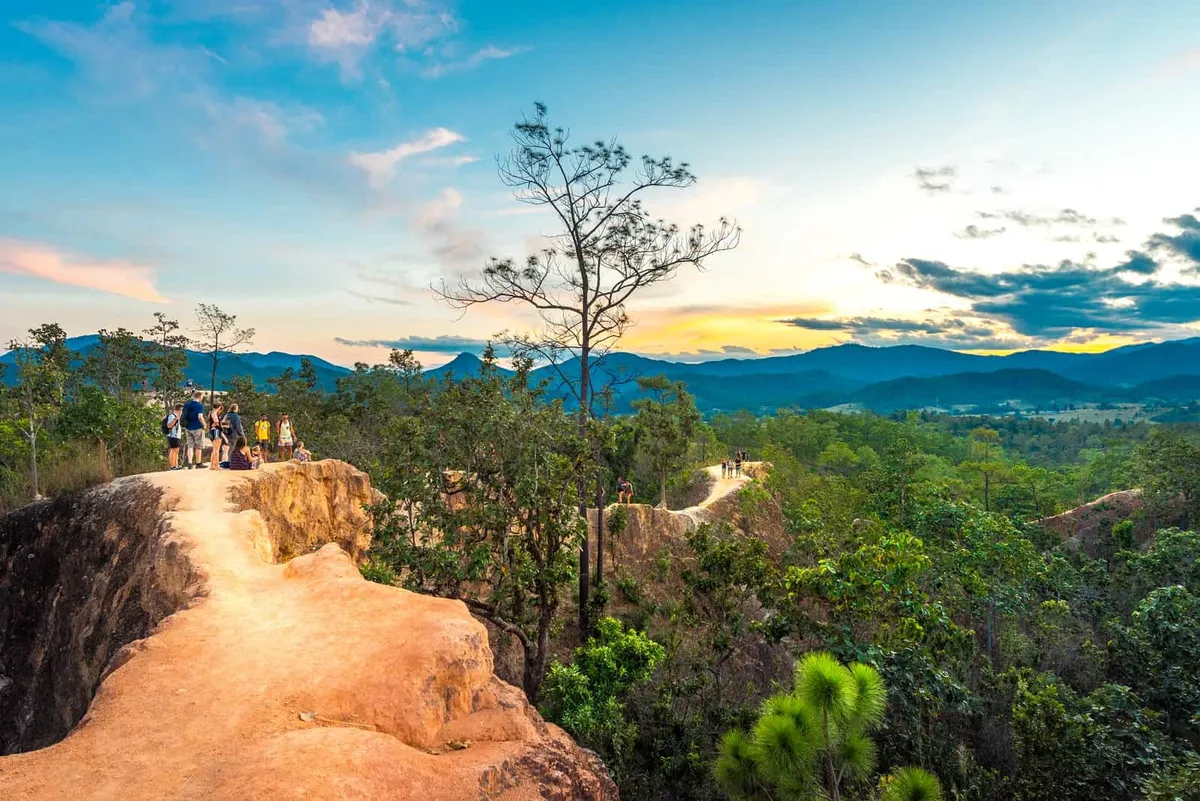
Get to Pai
The classic route is bus or minivan from Chiang Mai (3 hours, 762 curves). There's also a small airport with daily flights from Chiang Mai if you'd rather skip the mountain road.

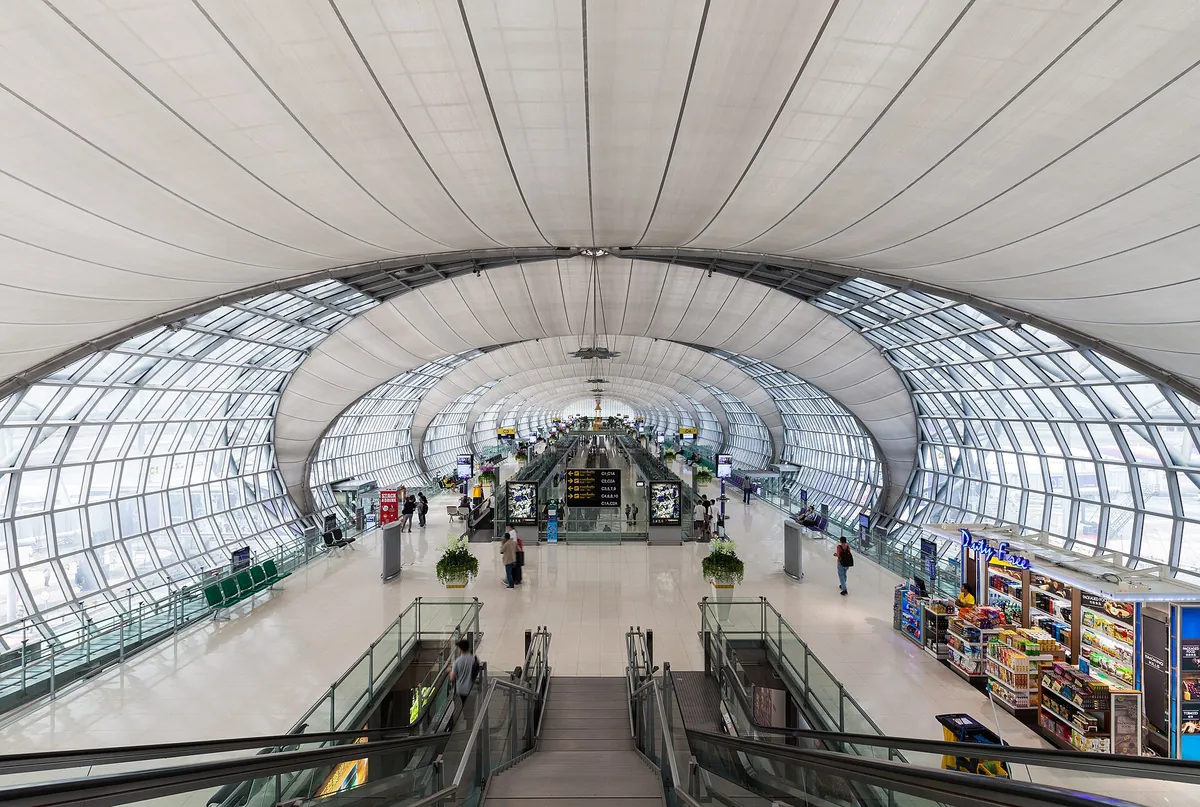
eSIM for Thailand
Land with data already working and skip the airport SIM queue. We tested six plans. Code THAIHOLIDAY saves 10%.

Travel insurance
Scooters on mountain roads and canyon walks without guardrails: sort cover before you go and confirm the motorbike clause is included.
Getting to Pai
Compare buses, trains, ferries, and flights to Pai.
Top sights & experiences
Things to do in Pai

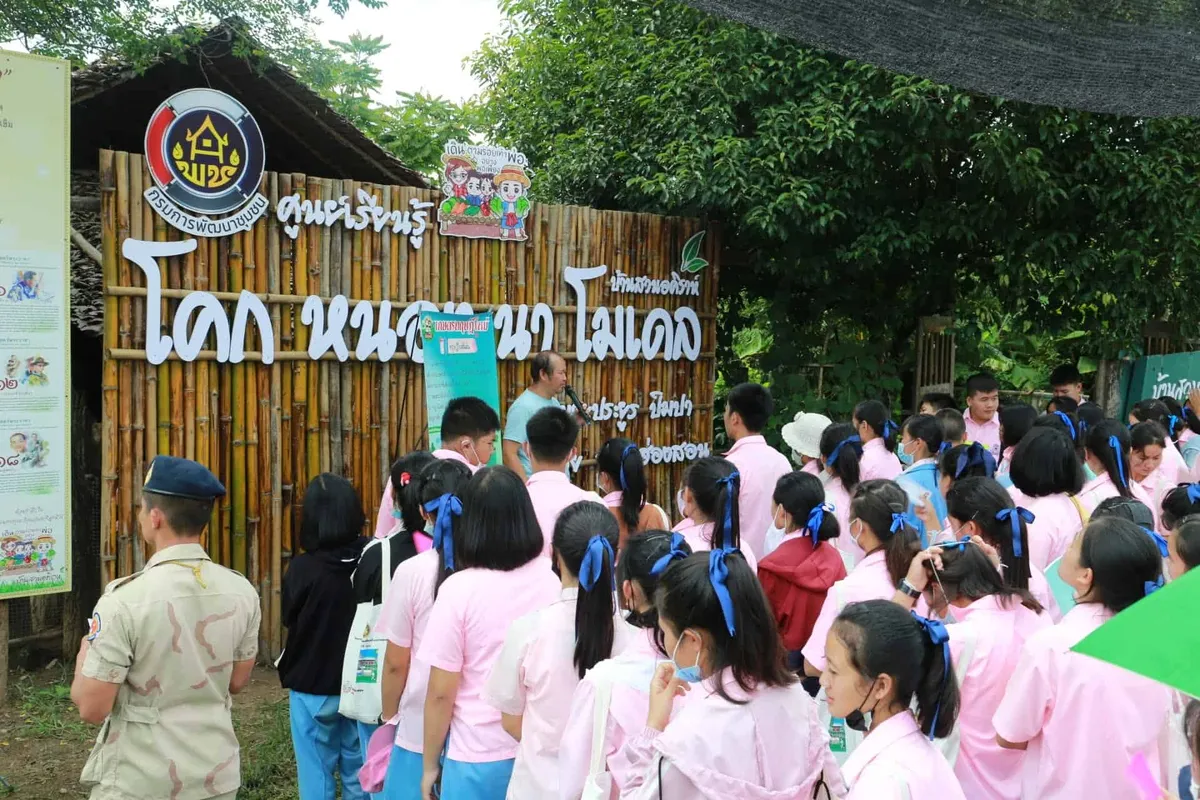
Ban Tha Pai Tourism Community Mae Hong Son Province
ชุมชนท่องเที่ยว OTOP นวัตวิถี บ้านท่าปาย

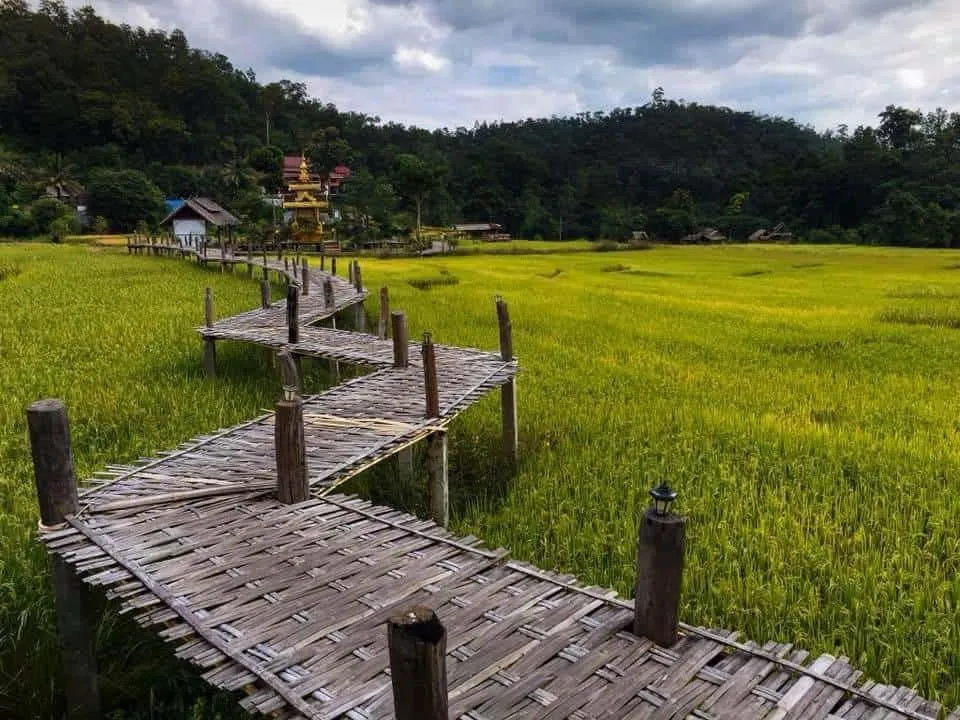
Buddha Bamboo Bridge
สะพานบุญโขกู้โส่

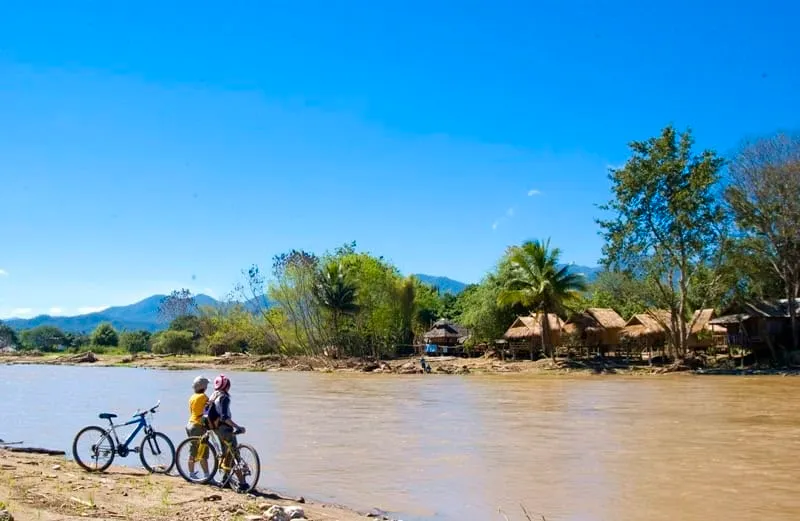
Cycling at Pai
ปั่นจักรยานชมเมืองปาย

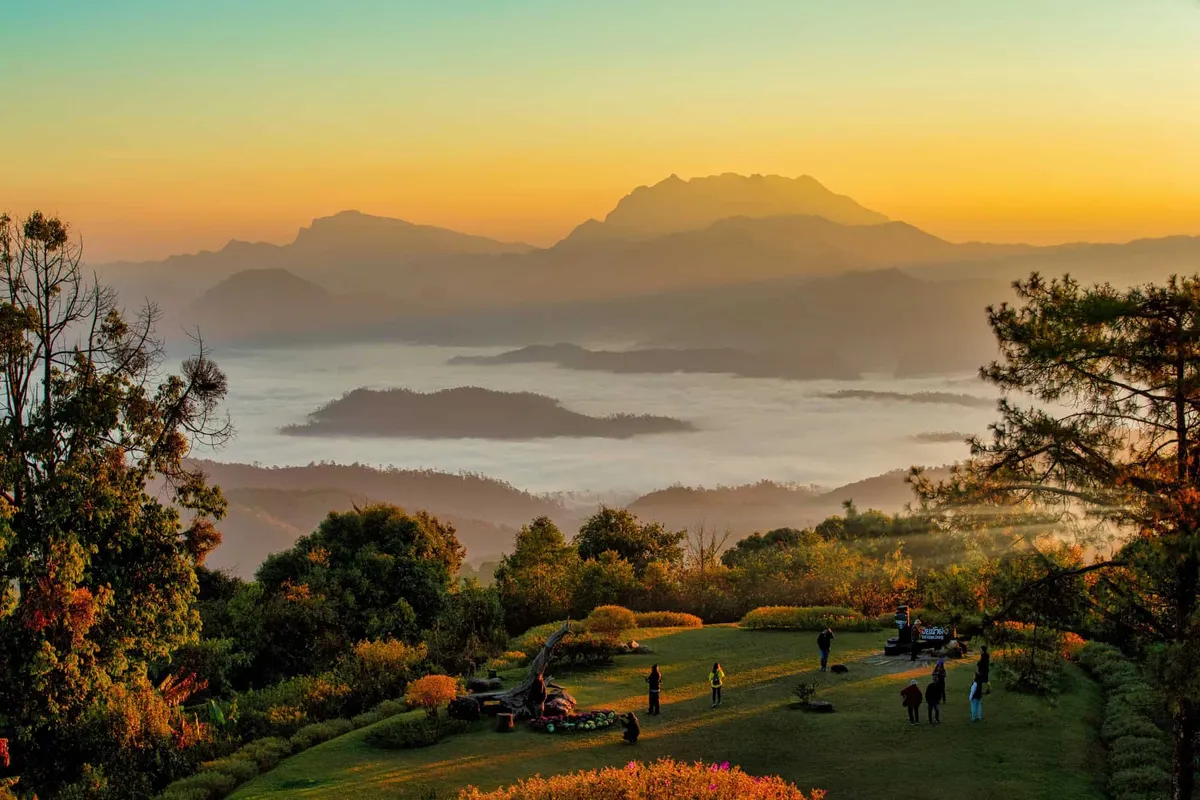
Huai Nam Dang National Park
อุทยานแห่งชาติห้วยน้ำดัง

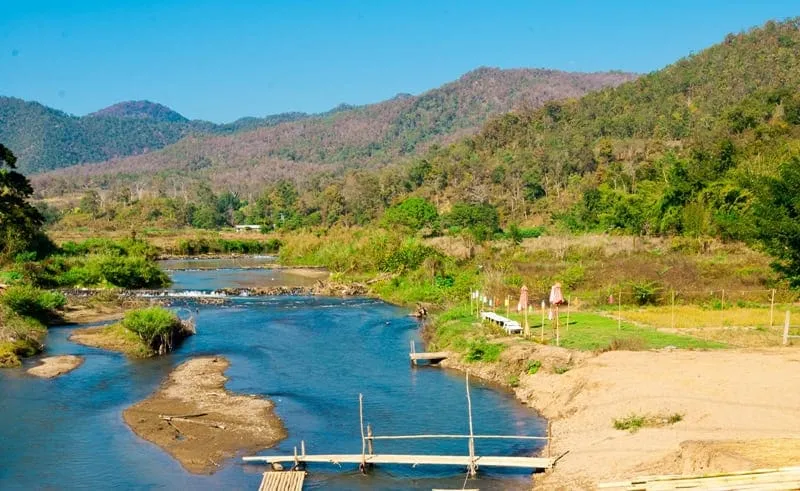
Maenam Pai
แม่น้ำปาย

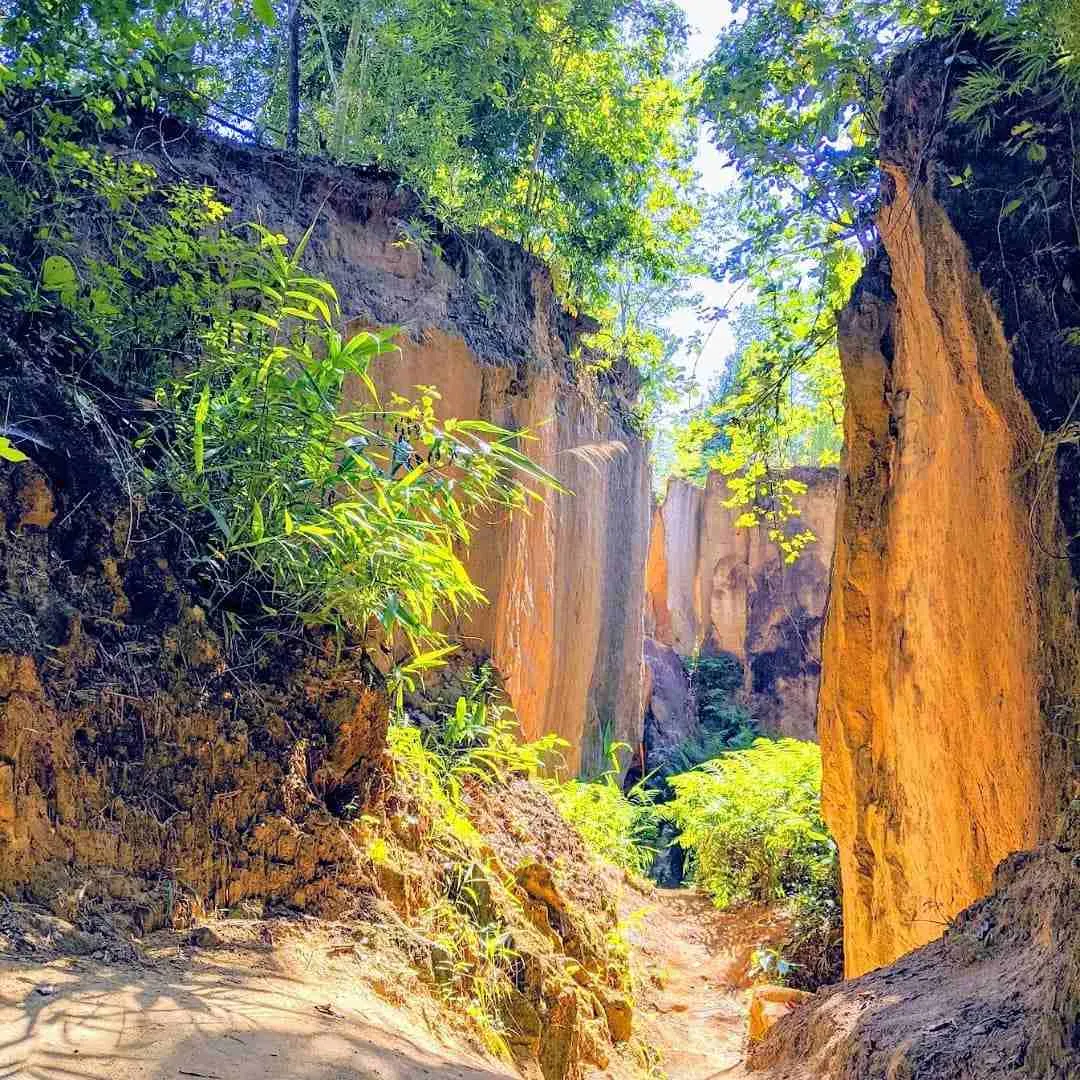
Pai Land Split
แผ่นดินแยก

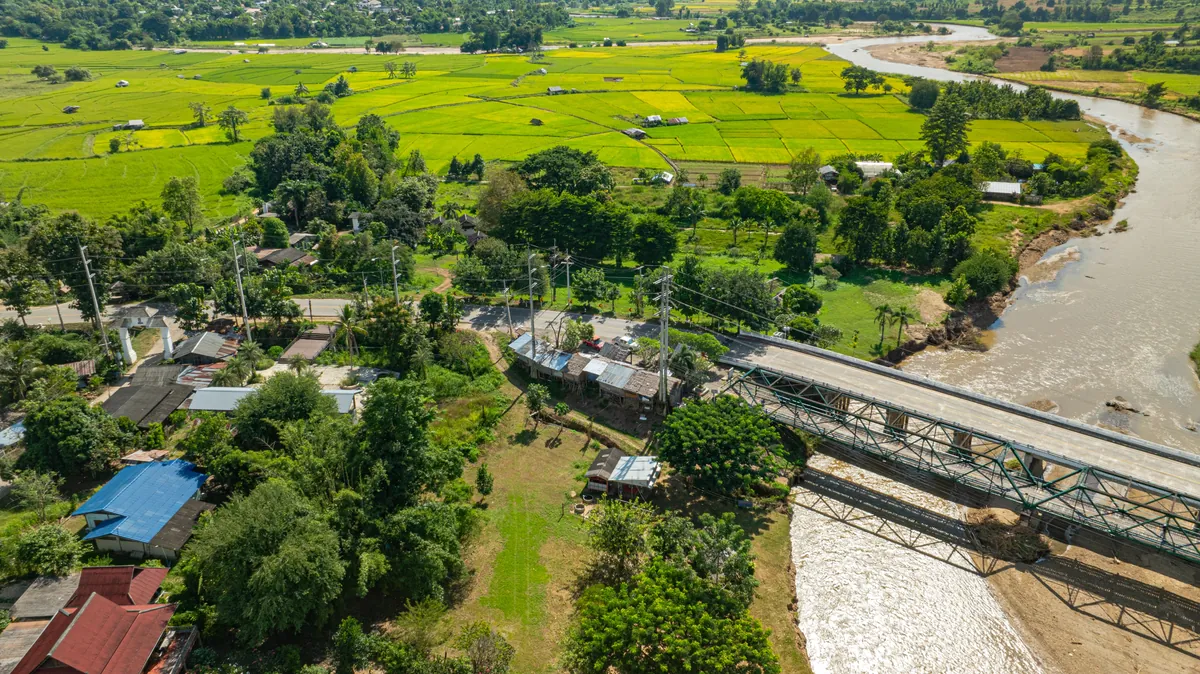
Pai Memorial Bridge
สะพานประวัติศาสตร์ท่าปาย

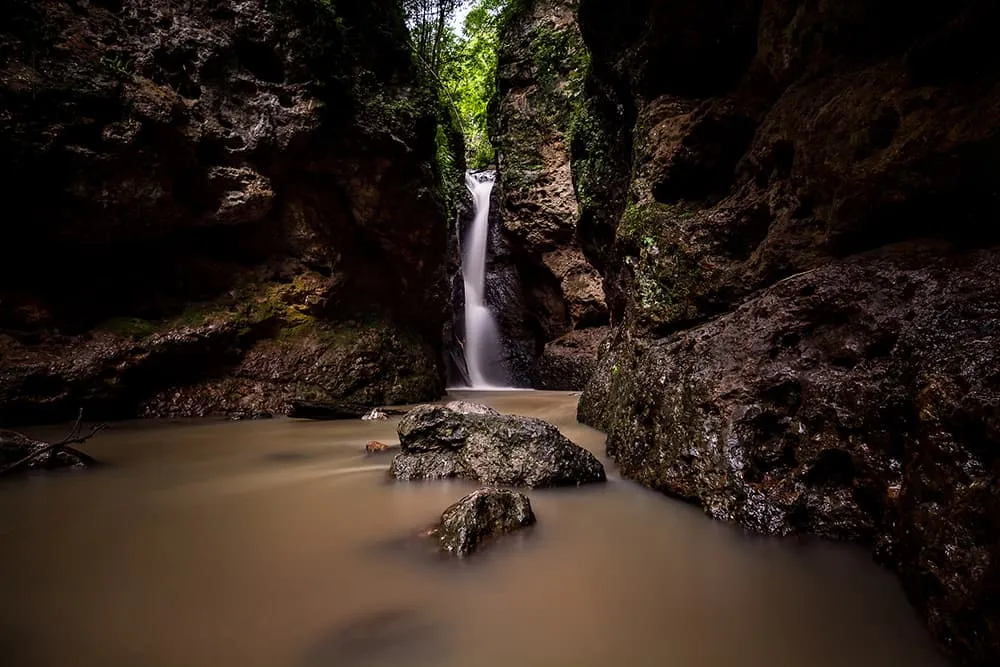
Pam Bok Waterfall
น้ำตกแพมบก


Pong Nam Ron Mueang Paeng
โป่งน้ำร้อนเมืองแปง

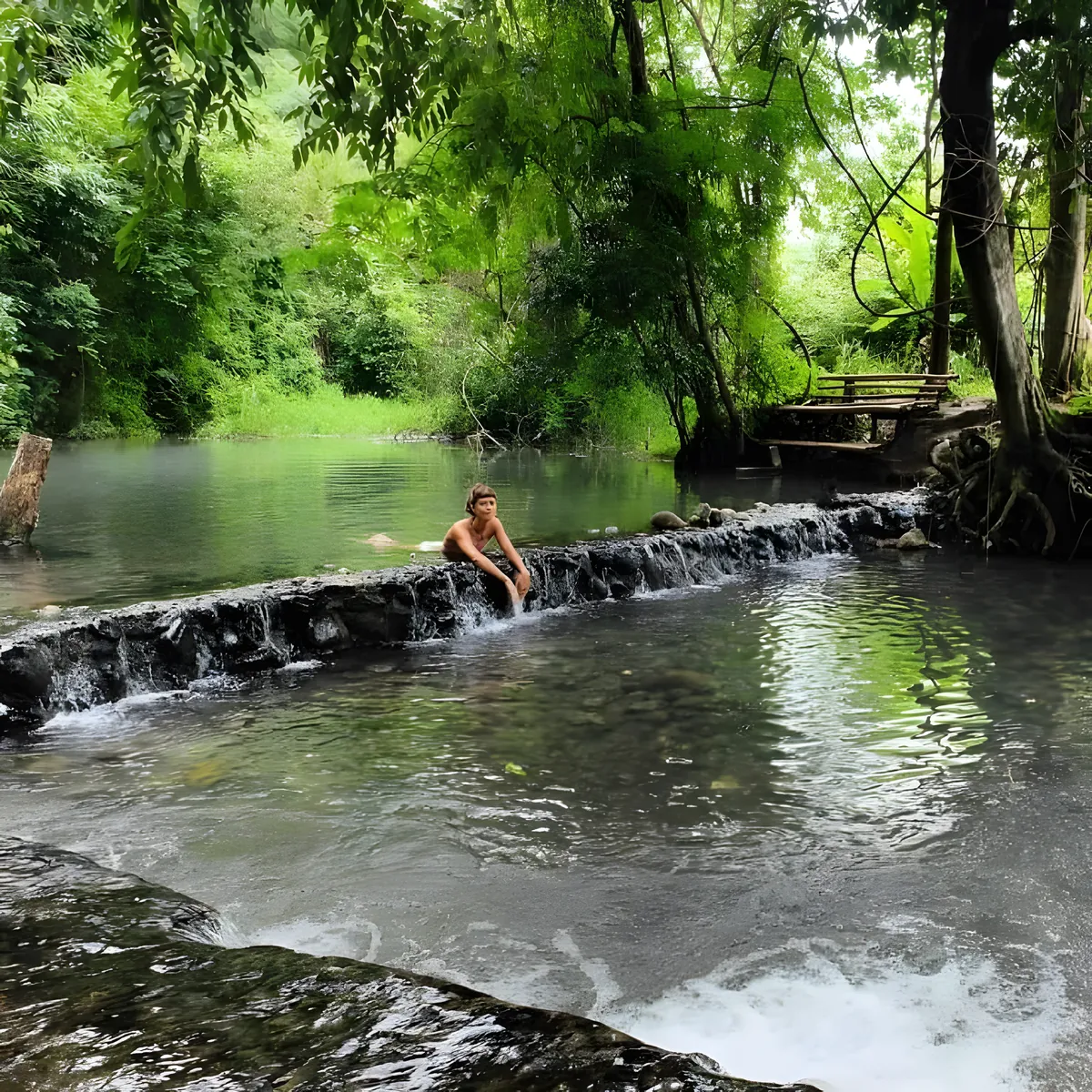
Sai Ngam Hot Spring
น้ำพุร้อนไทรงาม

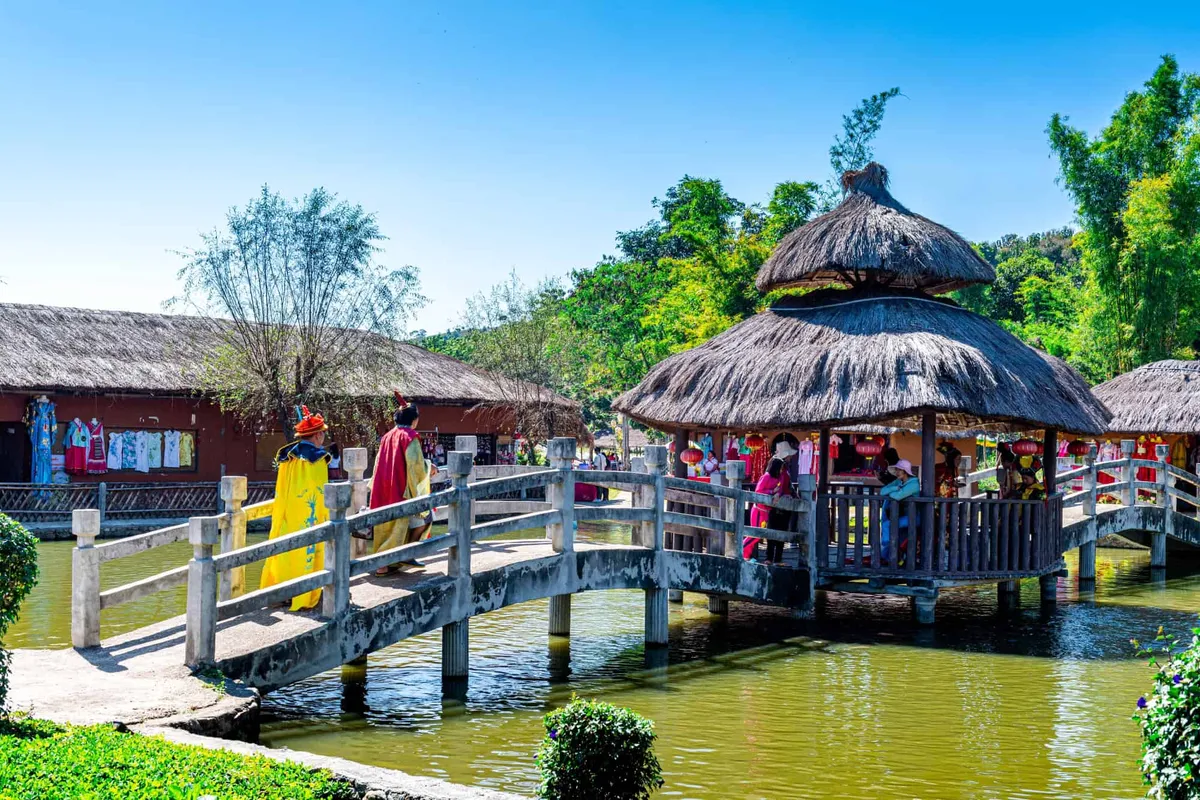
Suntichon Village
หมู่บ้านสันติชล

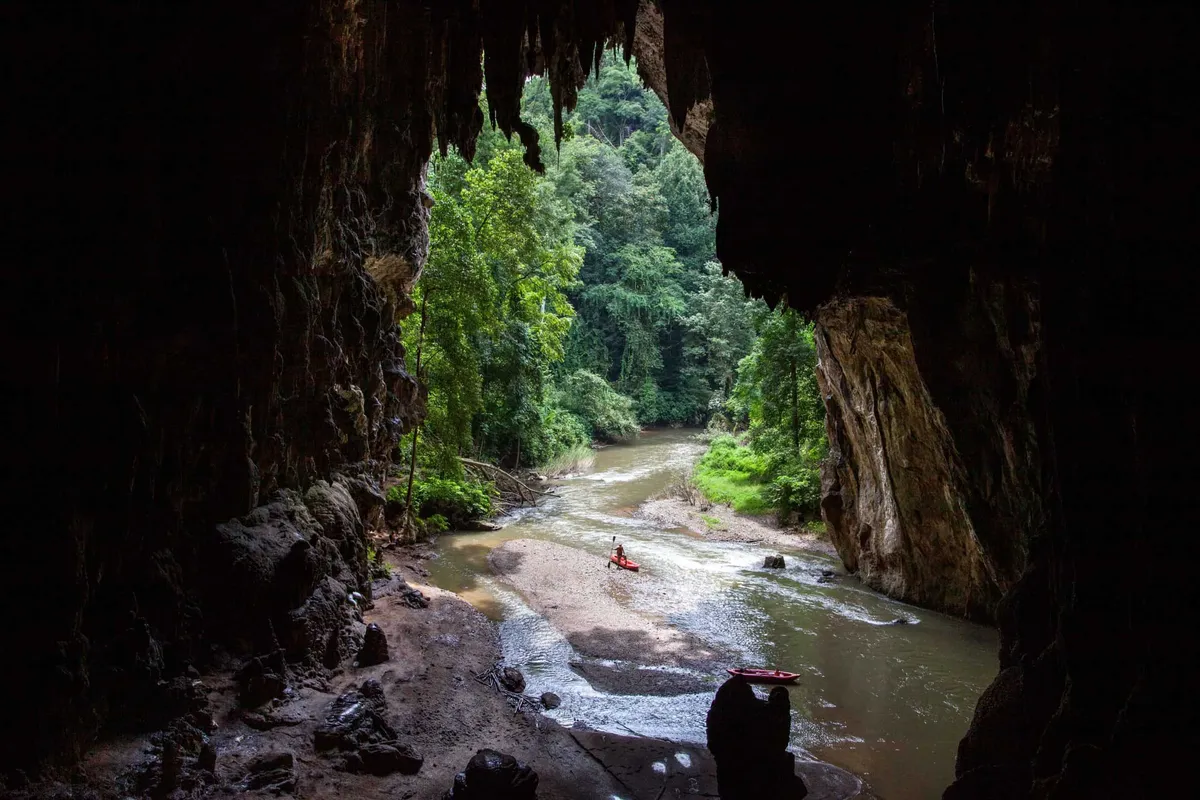
Tham Lod Cave
ถ้ำลอด
Things to do on the map
Where to stay in Pai

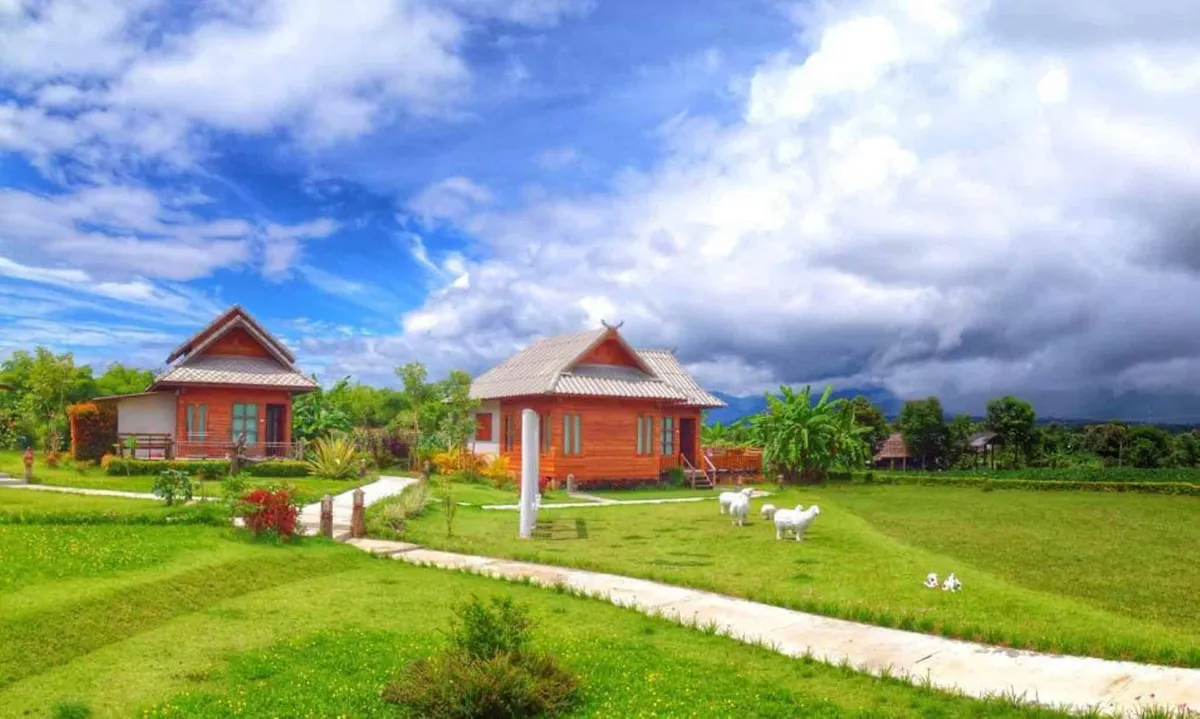
Tarnjedton Pai Resort
- 2 bedrooms

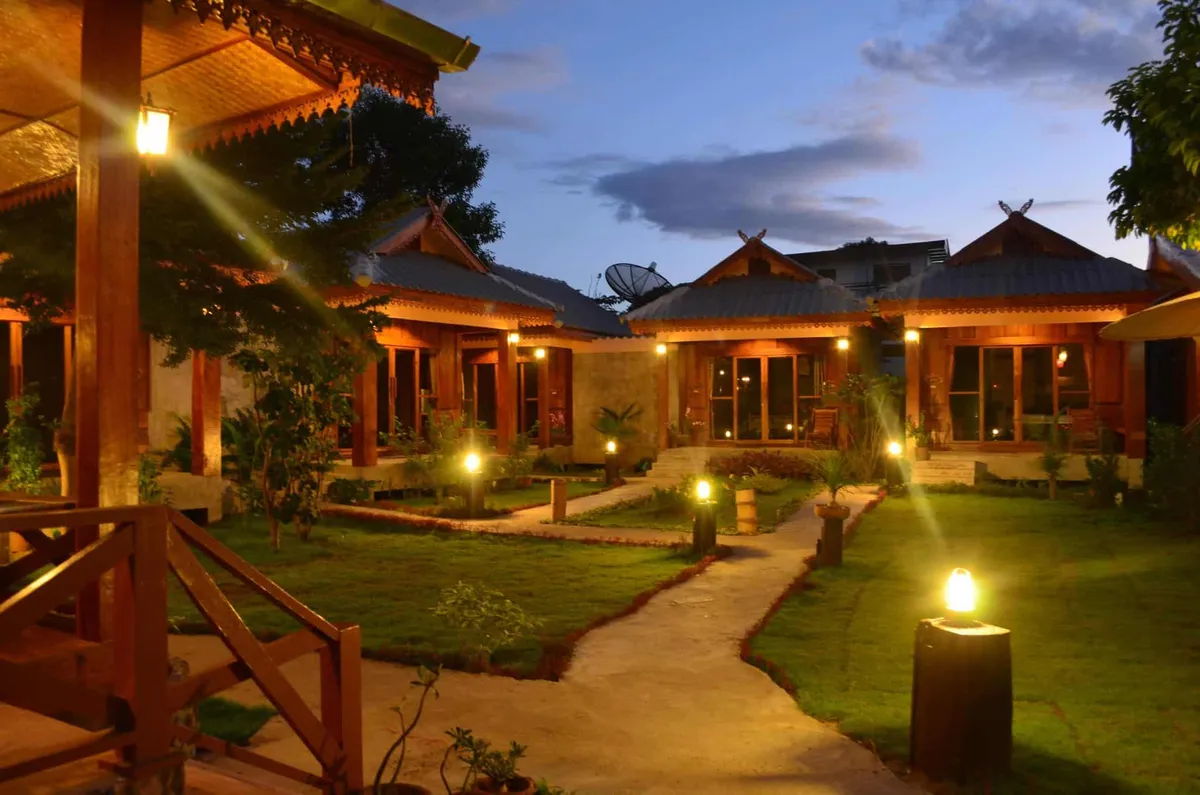
Baan Aew Pai
- Sleeps 2

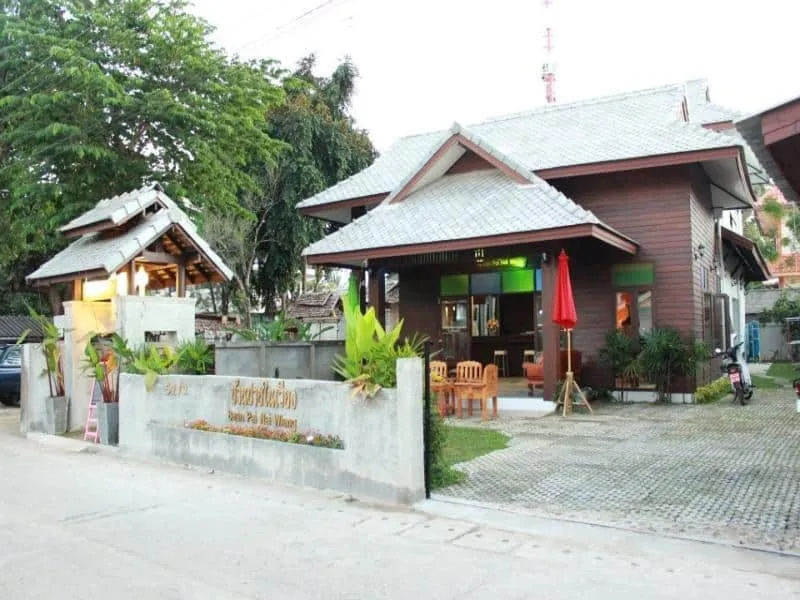
Baan Pai Nai Wieng
- Sleeps 2–3

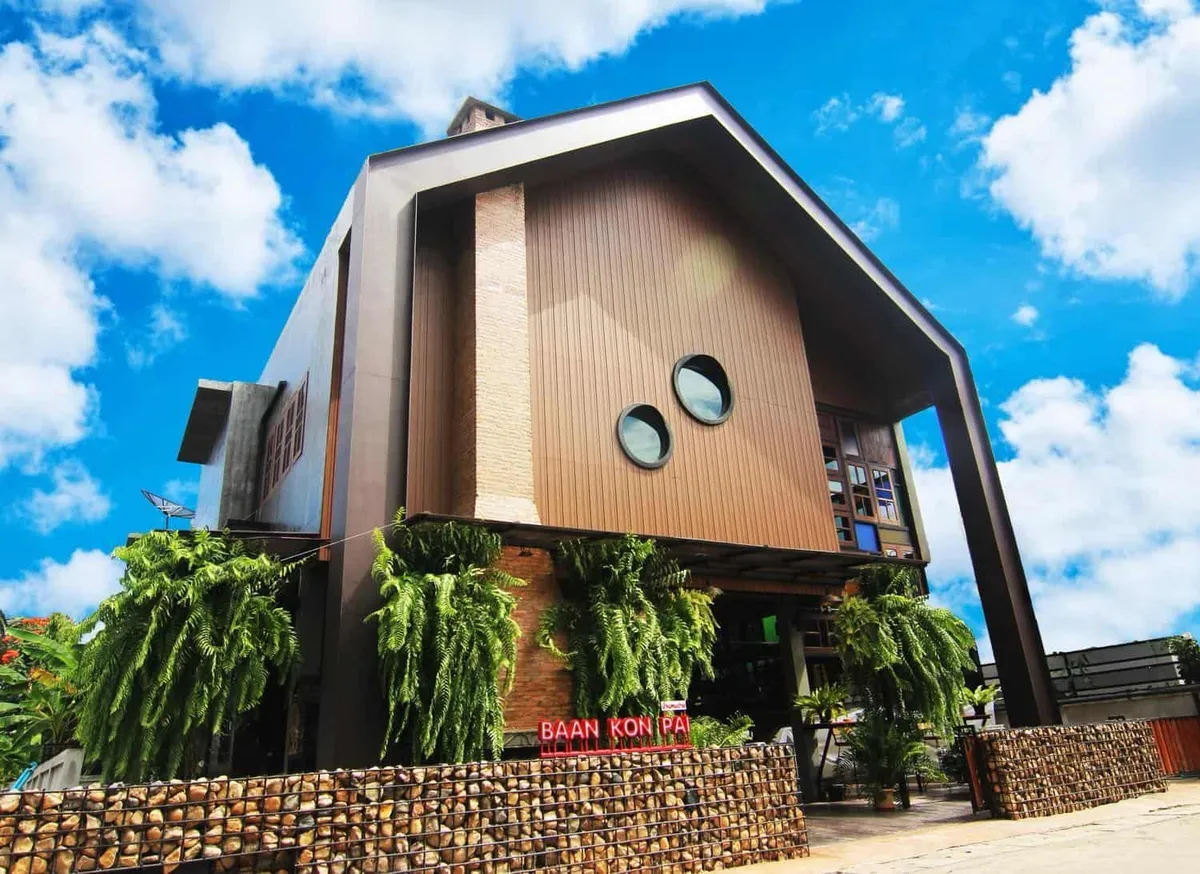
Baankonpai
- Sleeps 2

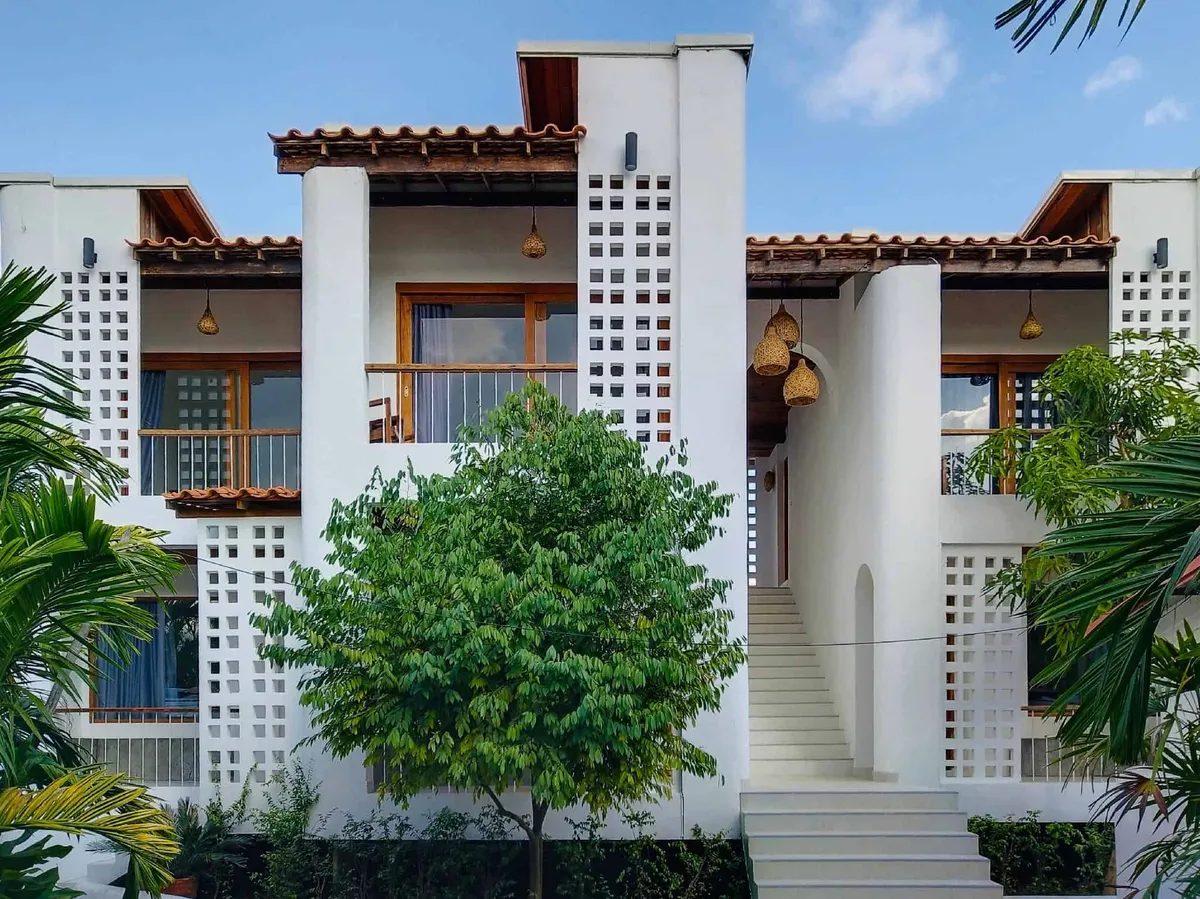
Canary Guesthouse
- Sleeps 2–3

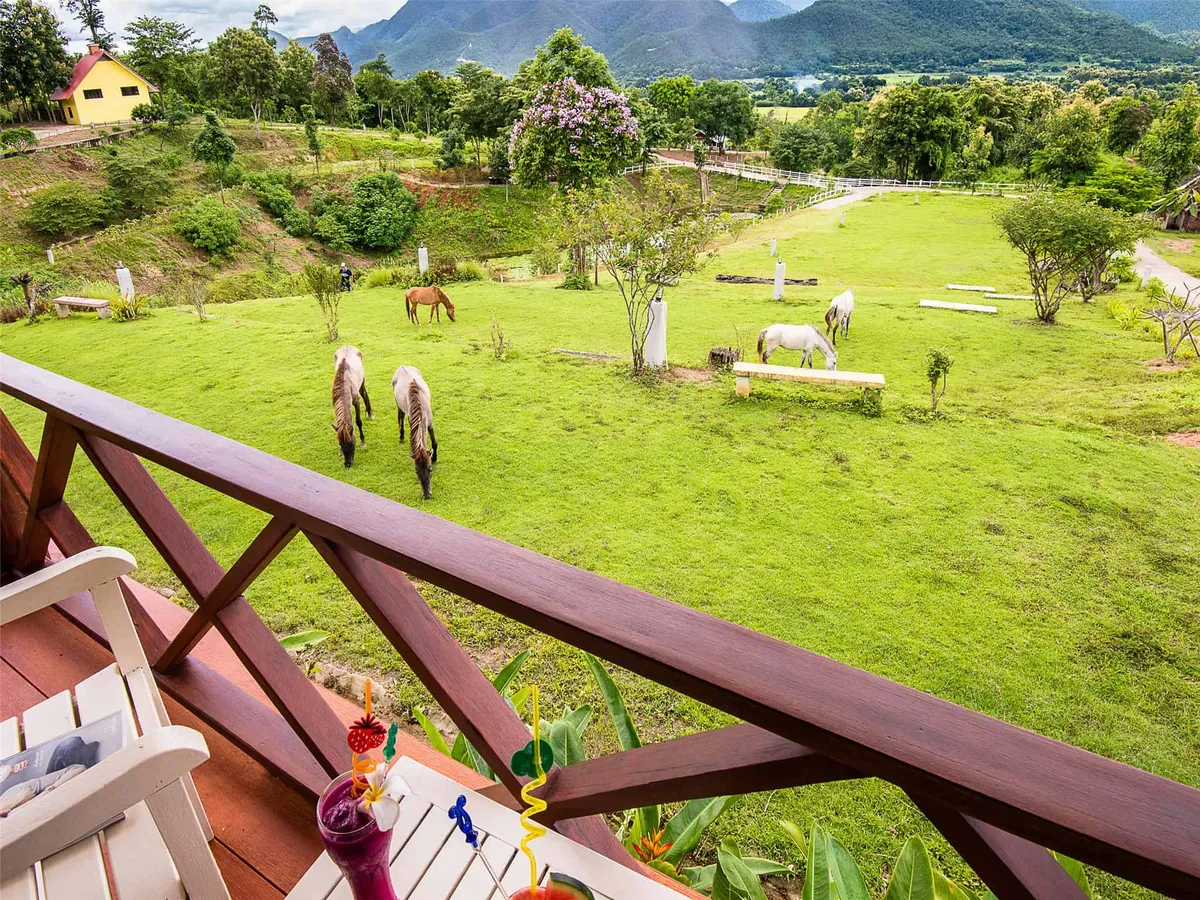
E-outfitting Pai Resort

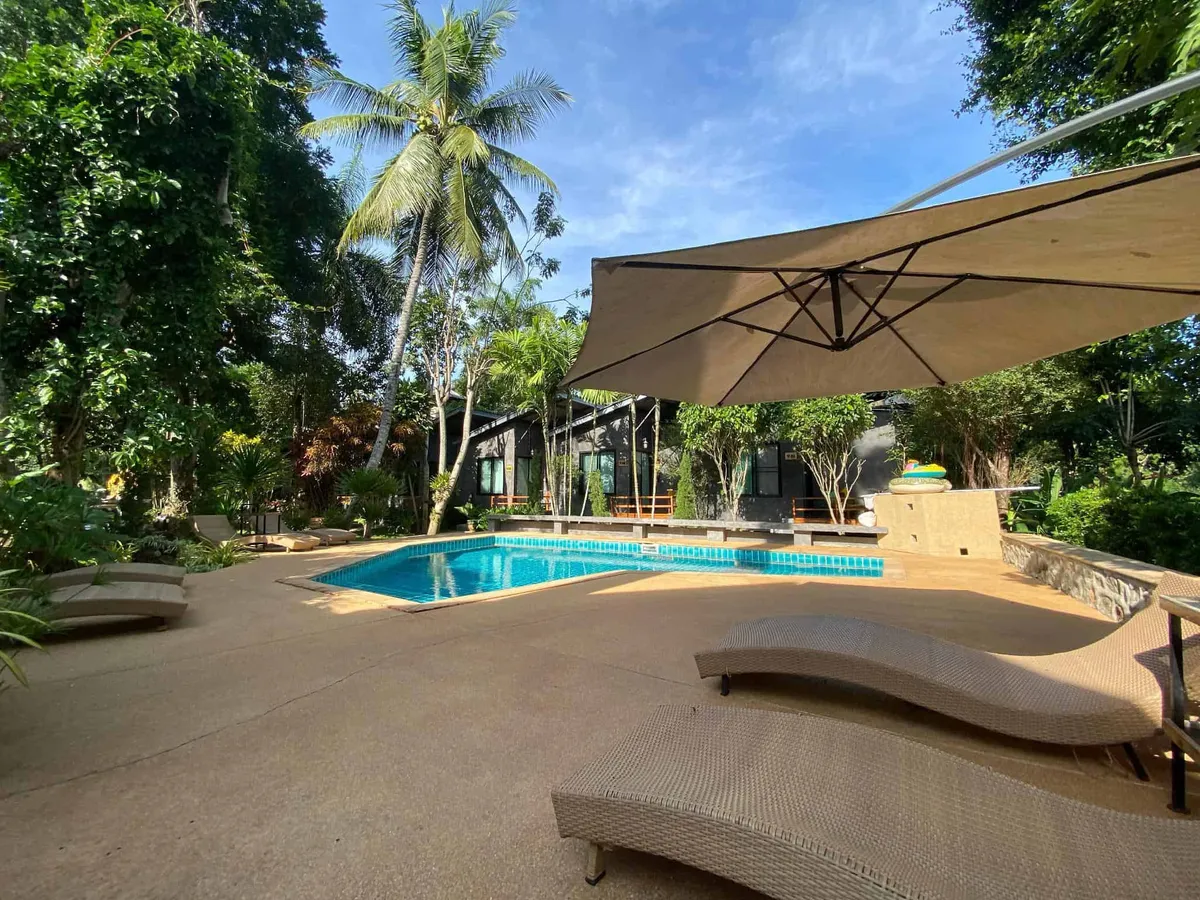
Family House @ Pai
- Sleeps 2

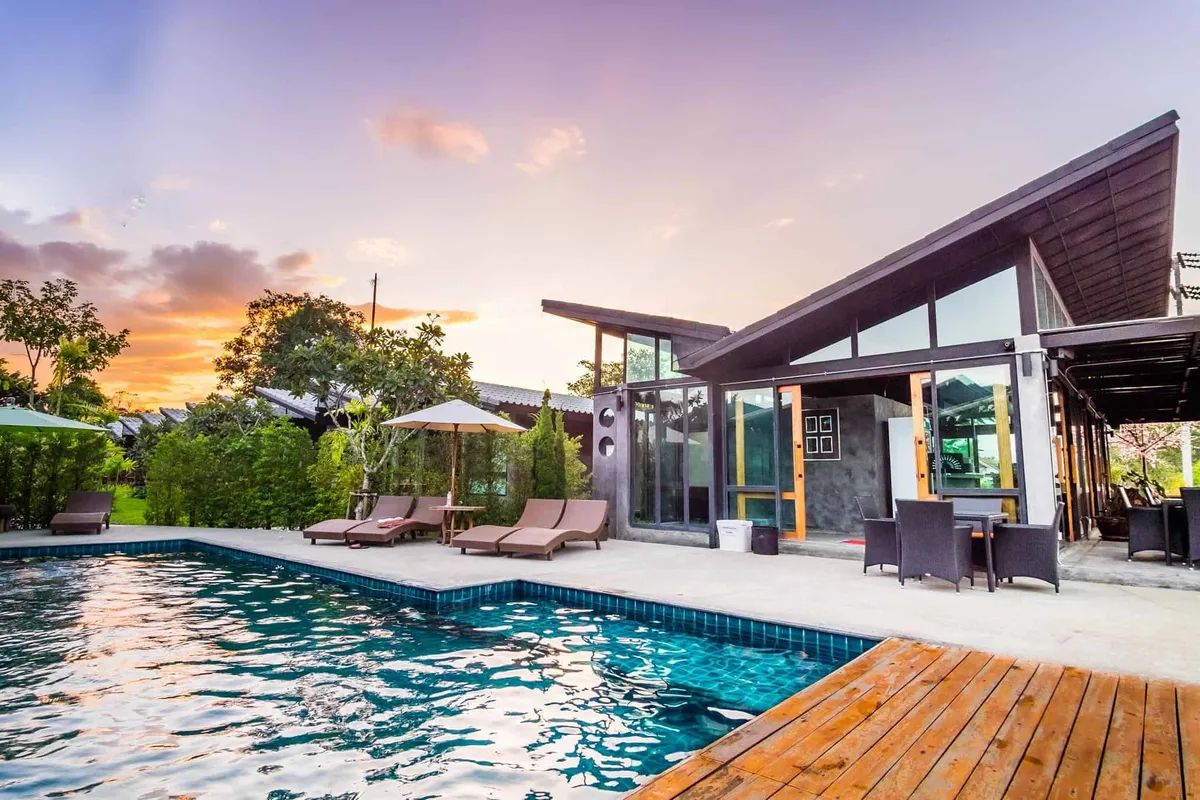
Family House Zen Boutique Resort
- Sleeps 2–3

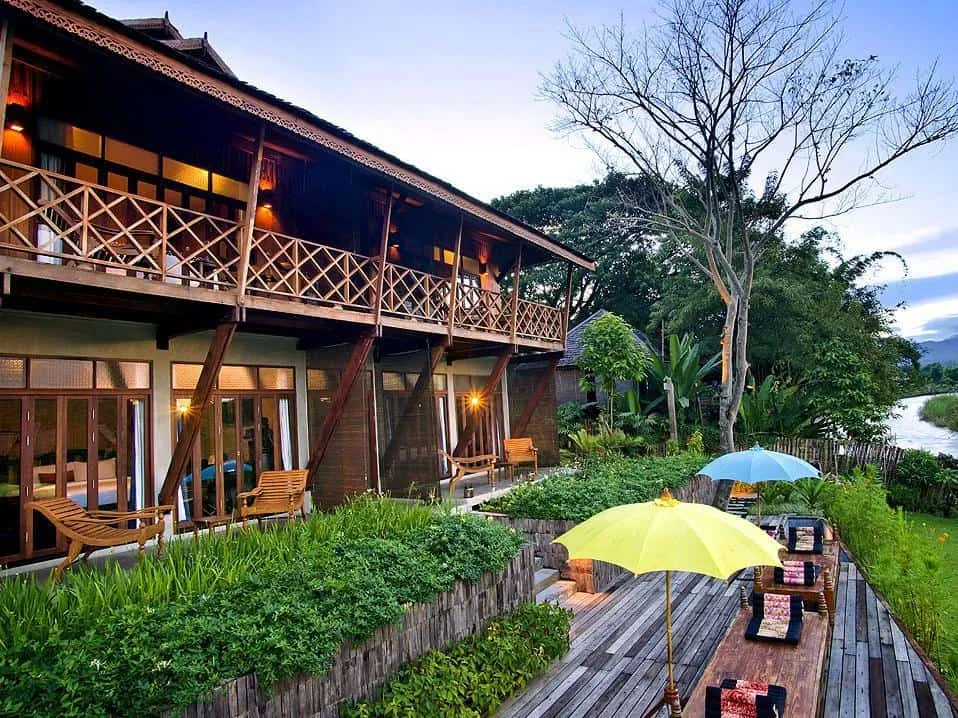
Hotel des Artists Rose of Pai
- Sleeps 2

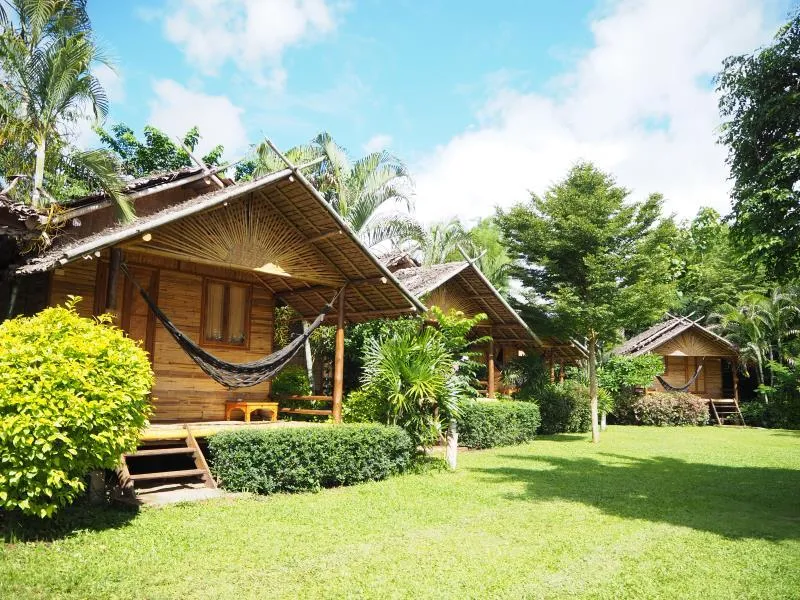
Hotel Pai Country Hut
- Sleeps 2

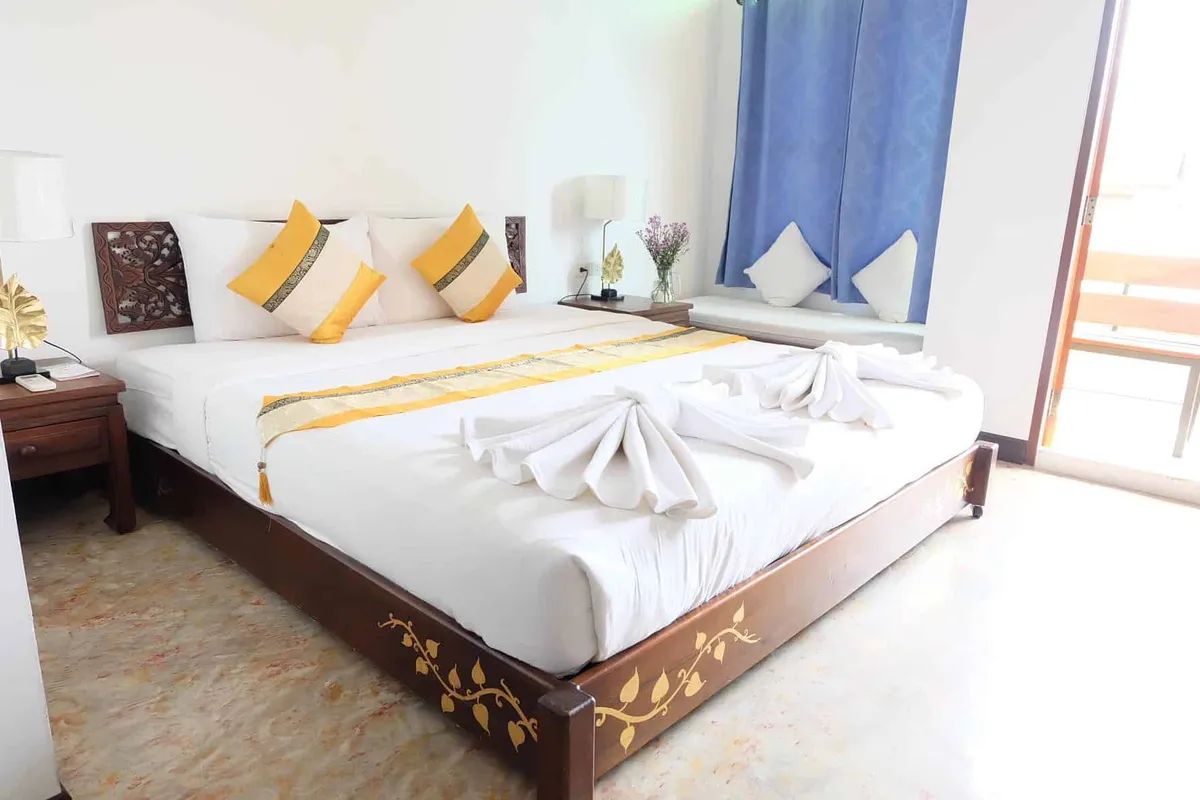
Hugga Pai
- Sleeps 2

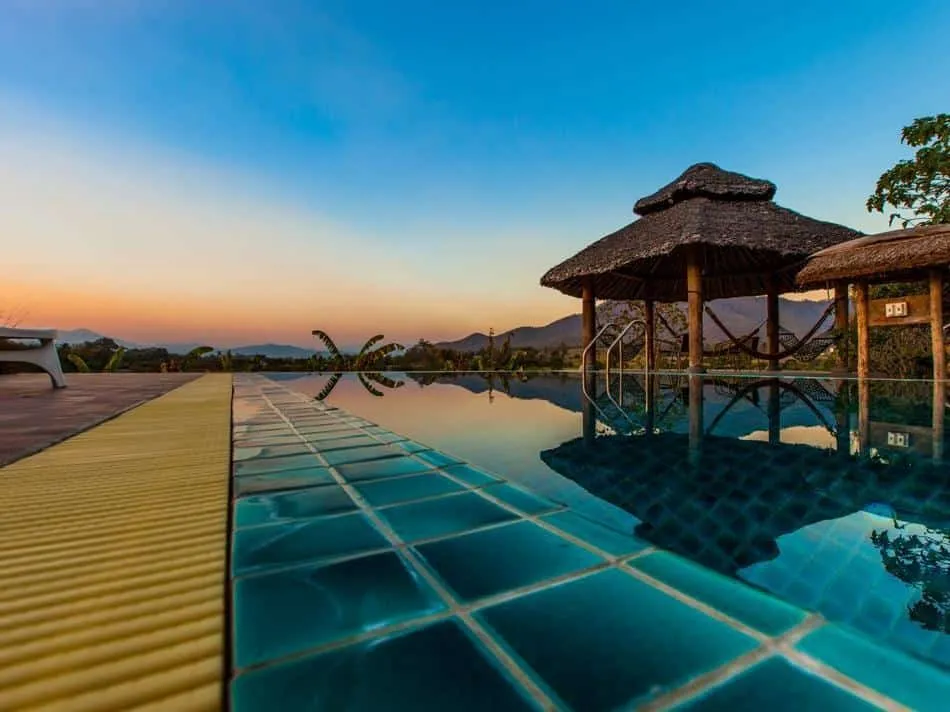
Kuad Khon Thoe Pai Cottage
- Sleeps 2
When to go
Nov–Feb Peak season and deservedly so. Cool nights make the sea-of-mist viewpoints genuinely rewarding at dawn, and the canyon, hot springs, and walking street are all at their best. Book accommodation early. December and January fill fast.
Mar–Apr Agricultural burning across Mae Hong Son province fills Pai's mountain valley with haze. March is consistently the worst month. AQI often reaches unhealthy levels. The sea-of-mist viewpoints become sea-of-smoke viewpoints. Those with respiratory conditions should avoid entirely.
May Hot, transitional, and quiet. The backpacker crowds thin, guesthouses drop prices, and the 762-curve road from Chiang Mai is less of a minivan convoy. Heat is real but bearable early morning at Pai Canyon.
Jun–Oct The valley turns intensely green and the hot springs feel luxurious in cooler rain. The road from Chiang Mai can wash out in severe storms. Pai's guesthouse culture persists year-round. This is a quieter, muddier, cheaper version of peak season.
Itineraries Featuring Pai


From the blog
Pai guides & reading

More to explore around Mae Hong Son


About Pai
Last updated June 2026
Overview
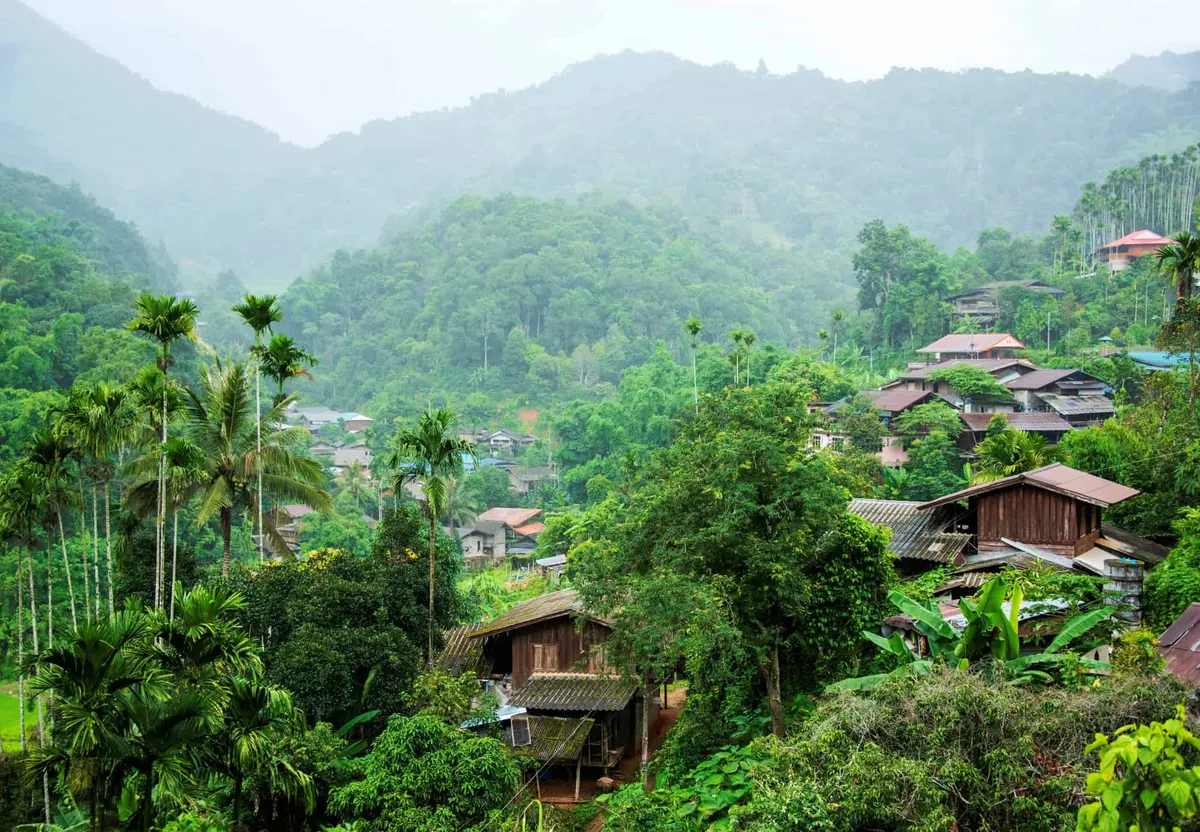
Pai draws backpackers, digital nomads, and anyone craving a slower pace after the chaos of Bangkok or Chiang Mai. This small town in Mae Hong Son province has become Northern Thailand’s unofficial capital of chill, where motorbike rides through mountain curves and sunset viewpoints fill your days, while reggae bars and organic cafes handle your evenings. The crowd skews young and international, with a healthy mix of gap-year travelers and remote workers who’ve extended their “few days” into weeks or months. Don’t expect luxury resorts or structured tour groups here: Pai is about finding your own rhythm among the mountains.
Top Things to Do
Your days will revolve around Pai’s 4 viewpoints, each offering different mountain panoramas perfect for sunrise or sunset sessions. The town’s 2 waterfalls provide swimming spots and photo opportunities, especially refreshing after exploring the winding mountain roads on a rented motorbike.
Two local villages showcase hill tribe culture, where you can learn about traditional ways of life that continue in these remote mountains. When you need to unwind, Pai’s 2 hot springs offer natural relaxation: some developed for tourists, others more rustic and local.
For active travelers, outdoor adventures range from hiking and rafting to more adrenaline-pumping activities, while families can cool off at the water park when mountain streams aren’t enough. Most attractions work perfectly for motorbike day trips, the preferred way to explore Pai’s scattered sights.
Where to Stay
With 31 hotels and resorts plus 6 retreat options, Pai caters mainly to budget and mid-range travelers. Accommodation averages $43 per night, with options spanning from $4 backpacker beds to $104 boutique experiences.
Top-rated properties include Tarnjedton Pai Resort, Baan Pai Nai Wieng, and Reverie Siam Resort for those wanting more comfort and style. Budget travelers love BAANKONPAI, while families often choose Family House Zen Boutique Resort for its name-appropriate atmosphere. Most places cluster around the walking street area or spread along the roads leading to major attractions.
Getting There
Pai sits in mountainous Mae Hong Son province, accessible primarily by road from Chiang Mai. The journey involves 762 curves through mountain passes, famous enough that locals sell “I Survived the 762 Curves” t-shirts. Most travelers take minivans or buses from Chiang Mai’s arcade bus station, a 3-4 hour ride depending on your driver’s curve-taking confidence.
Some choose to fly into Mae Hong Son’s small airport then drive 1.5 hours, while the adventurous rent motorbikes in Chiang Mai for the scenic but challenging mountain ride.
Best Time to Visit
Northern Thailand’s cool season (November-February) brings perfect weather to Pai: clear skies, comfortable temperatures, and minimal rain. March-May gets hot; agricultural burning also brings haze and poor air quality across the region roughly February–April, with March the worst, so plan outdoor activities accordingly. The rainy season (June-October) turns roads muddy and limits outdoor activities, though accommodation prices drop and crowds thin out.
December-January nights can get surprisingly cold in the mountains, so pack layers even if you’re coming from Thailand’s beaches.
Practical Tips
ATMs line the main walking street, though rural attractions operate cash-only. Rent a motorbike for maximum flexibility: most guesthouses arrange rentals, but check brakes carefully given the mountain roads. English works fine in tourist areas, though learning basic Thai helps in villages and local markets.
Insider Tip: Skip the crowded sunset viewpoints during peak season. Instead, grab a Beer Chang from any convenience store and find your own spot along the rural roads leading out of town. The mountain views are just as good, and you’ll have them to yourself.