



Nakhon Sawan
นครสวรรค์
Where the Ping and Nan rivers merge to form the Chao Phraya, with Thailand's largest freshwater swamp, one of the country's biggest Chinese New Year festivals, and a hilltop temple overlooking the confluence.
Recommended by us
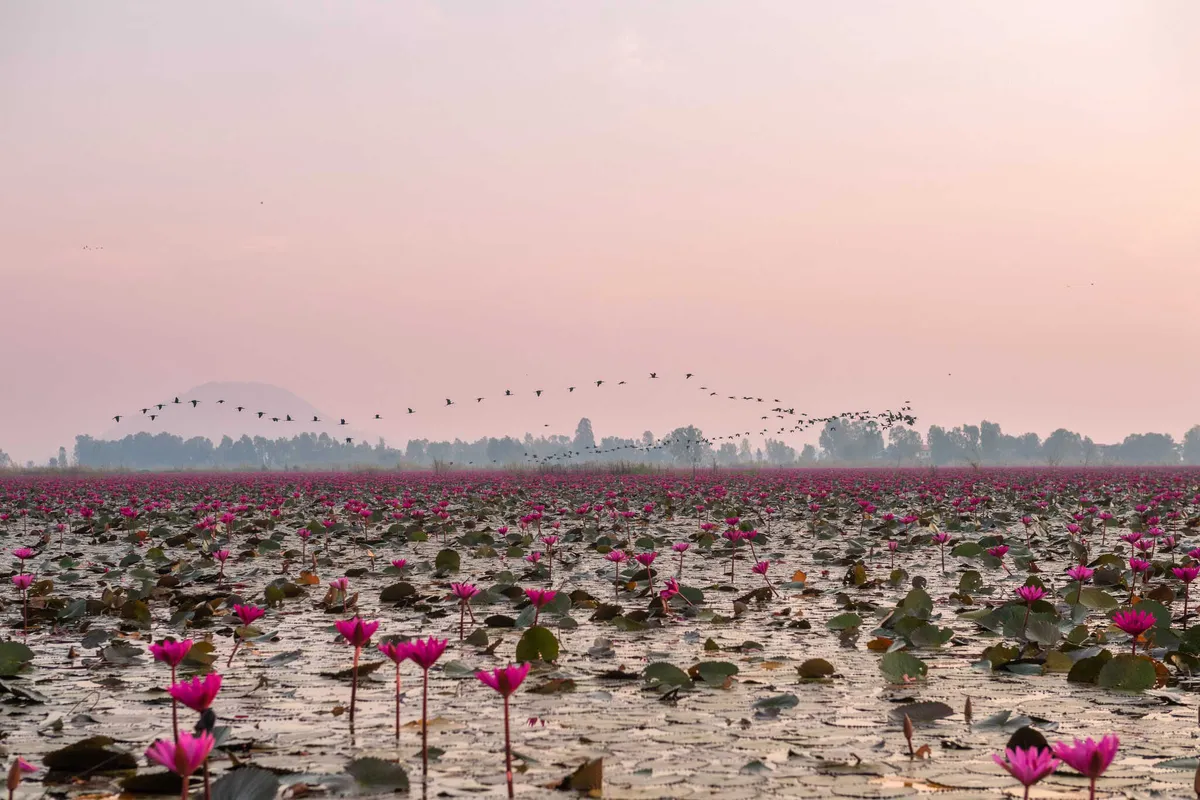
Bueng Boraphet
Thailand's largest freshwater swamp lake — a stopover for migratory birds from October to February. Rent a longtail at the pier and head into the reeds early.

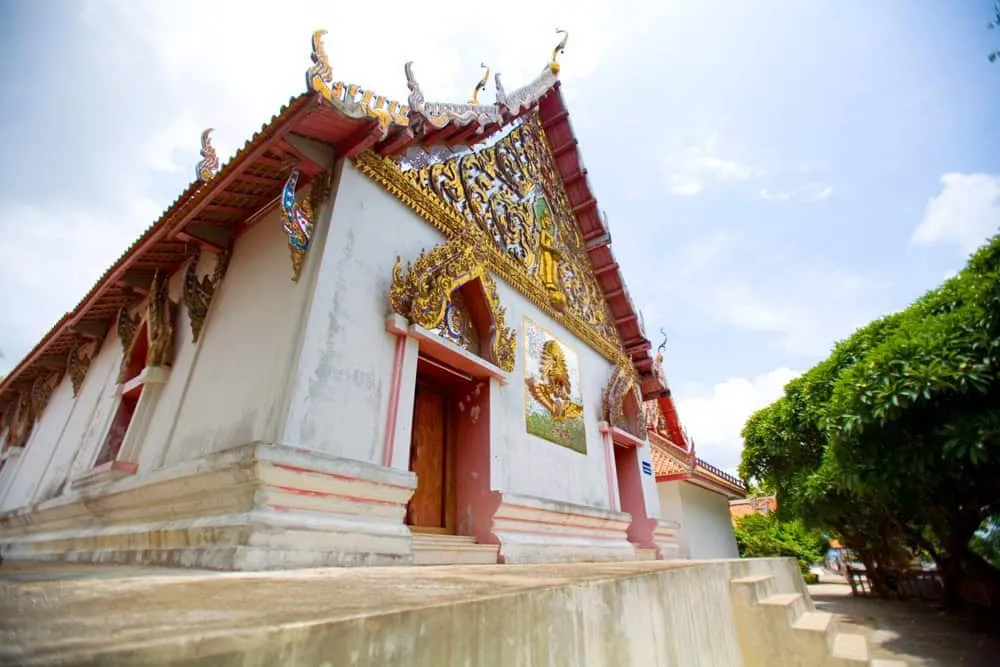
Wat Khao
Hilltop temple with sweeping views over the confluence where the Ping and Nan rivers meet to form the Chao Phraya. Worth the climb at dusk.

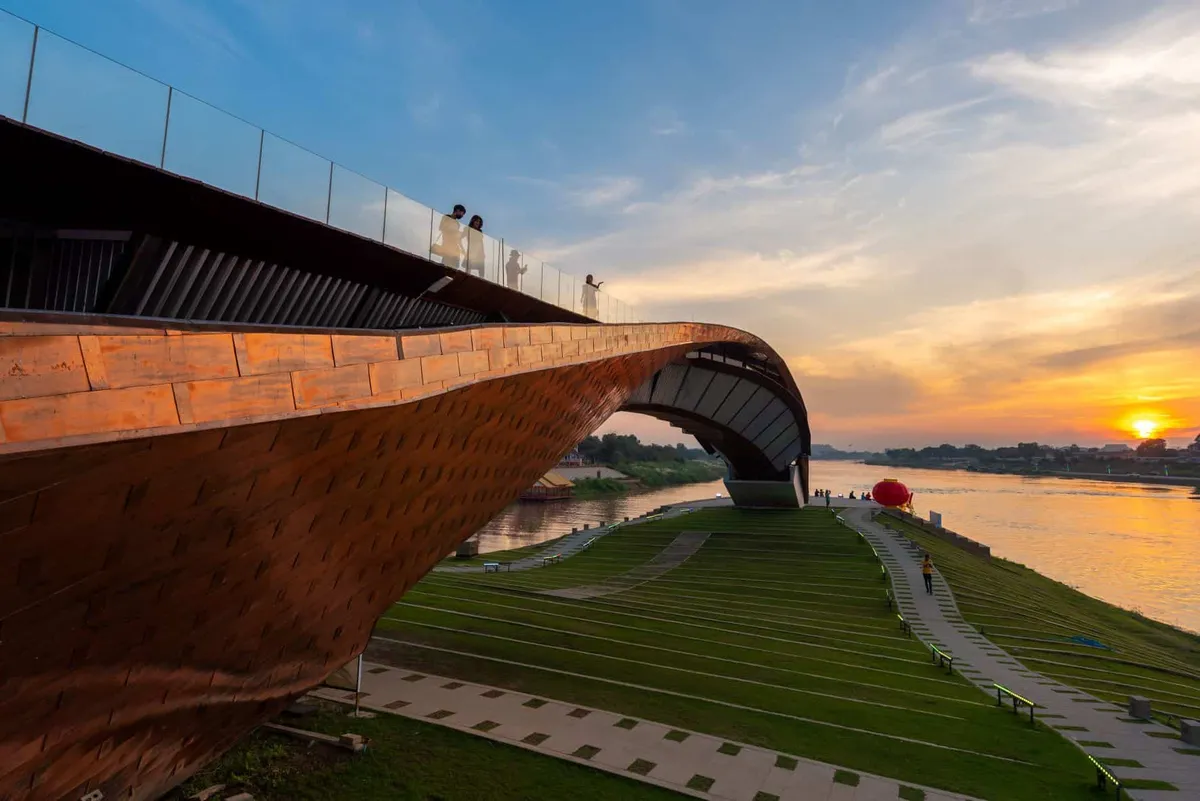
Chao Phraya Source
The exact spot where two rivers merge and become the Chao Phraya — a quieter monument than you'd expect for the birth of Thailand's main waterway.

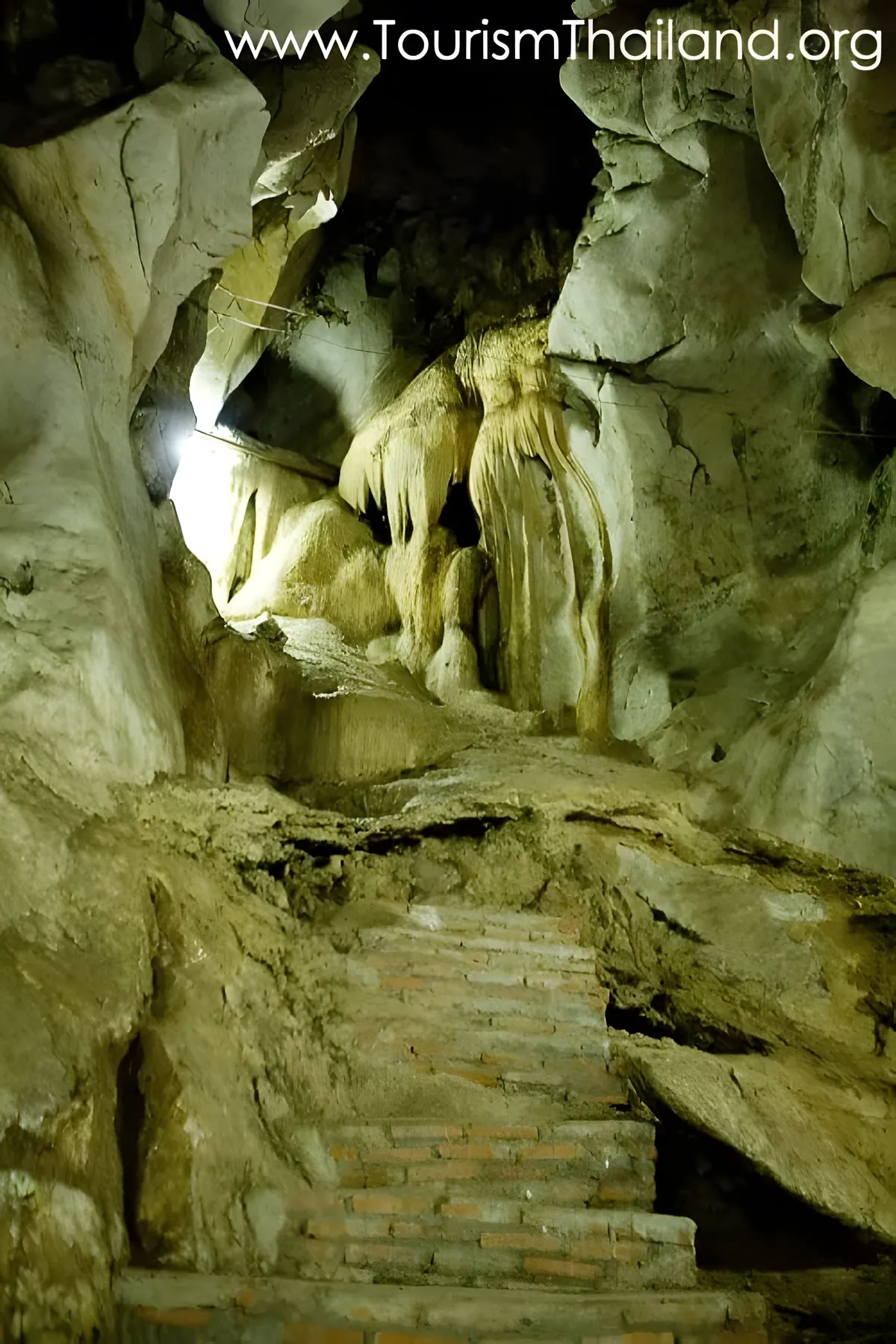
Khao Tham Phra
A hillside cave-temple complex with Buddhist shrines tucked into the rock. Cooler than the town below — good for an hour in the morning.

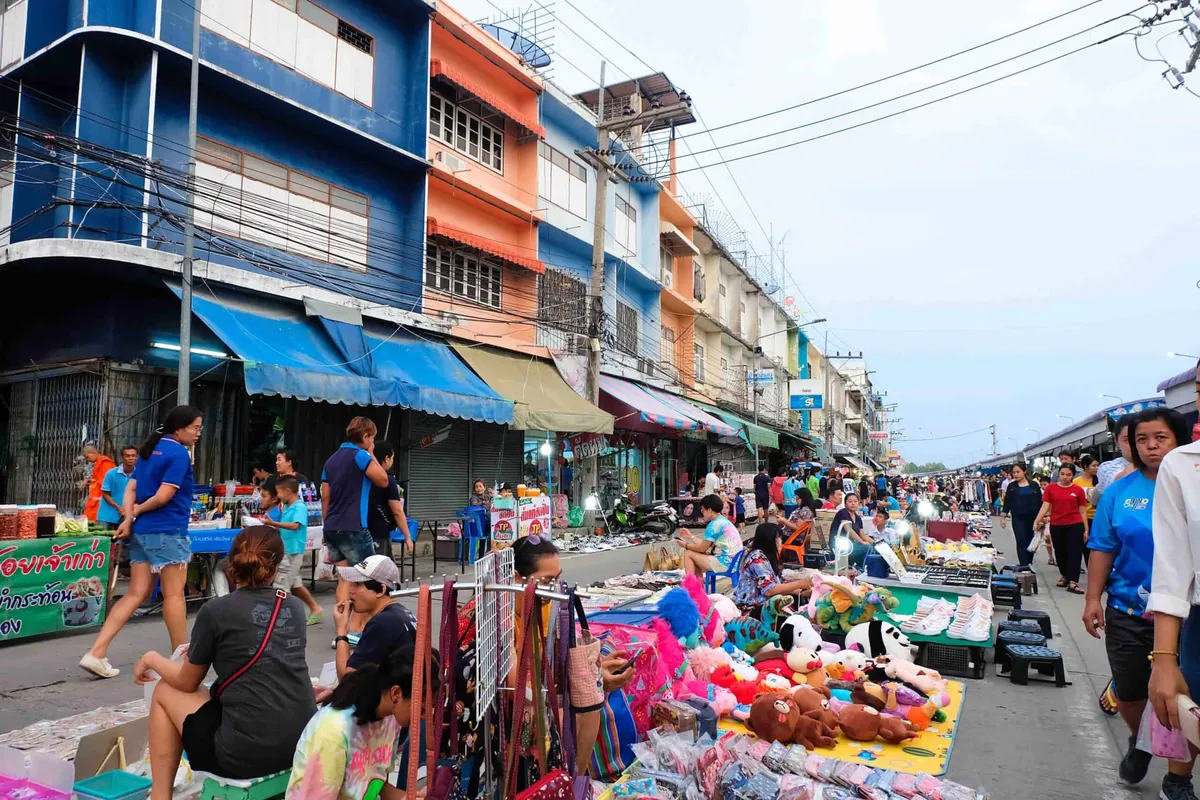
Rim Nam Market
Riverside market running along the Chao Phraya bank, busiest on weekend mornings with local produce and street food.
Get to Nakhon Sawan
About 240 km north of Bangkok — buses from Mo Chit take around 3 hours; the train from Hua Lamphong is slower but more comfortable.

eSIM for Thailand
Land with data already working and skip the airport SIM queue. We tested six plans — code THAIHOLIDAY saves 10%.

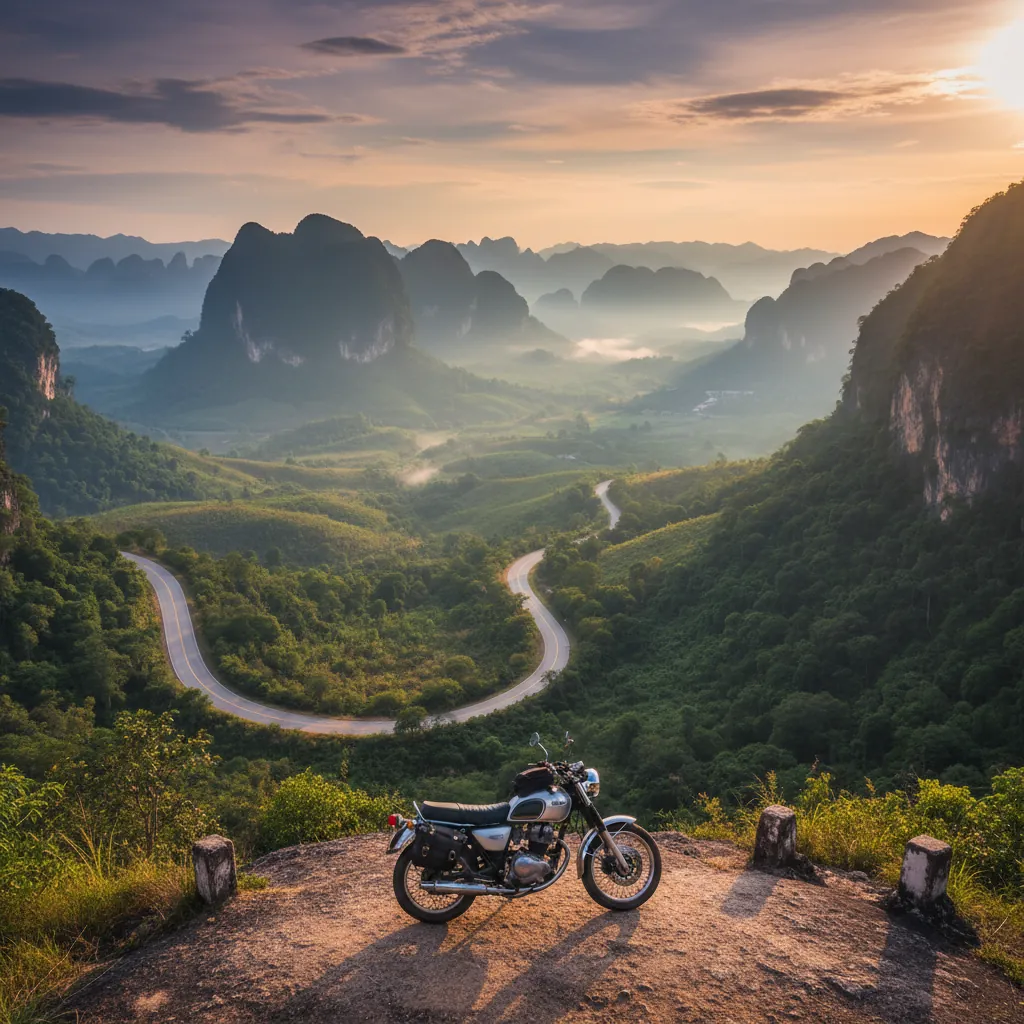
Travel insurance
Sort cover before you go — boat trips on the lake and temple climbs are low-risk, but medical cover is worth having anywhere outside Bangkok.
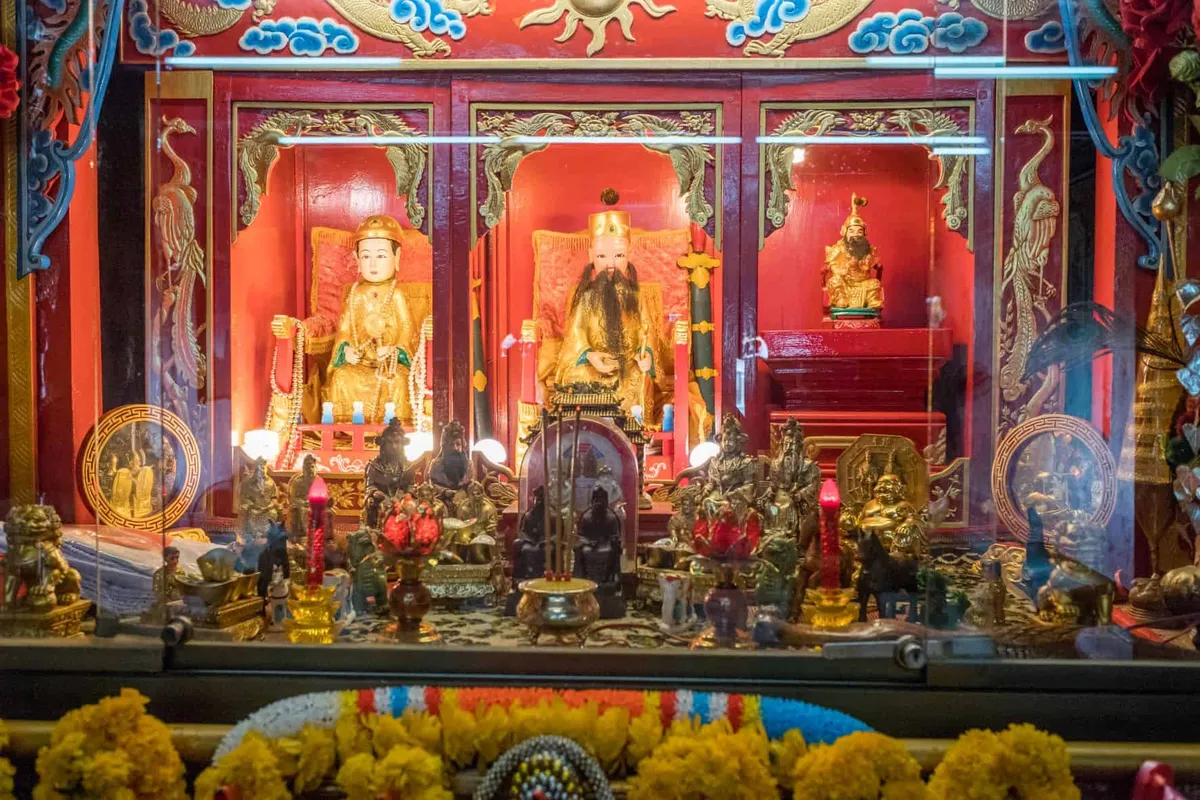
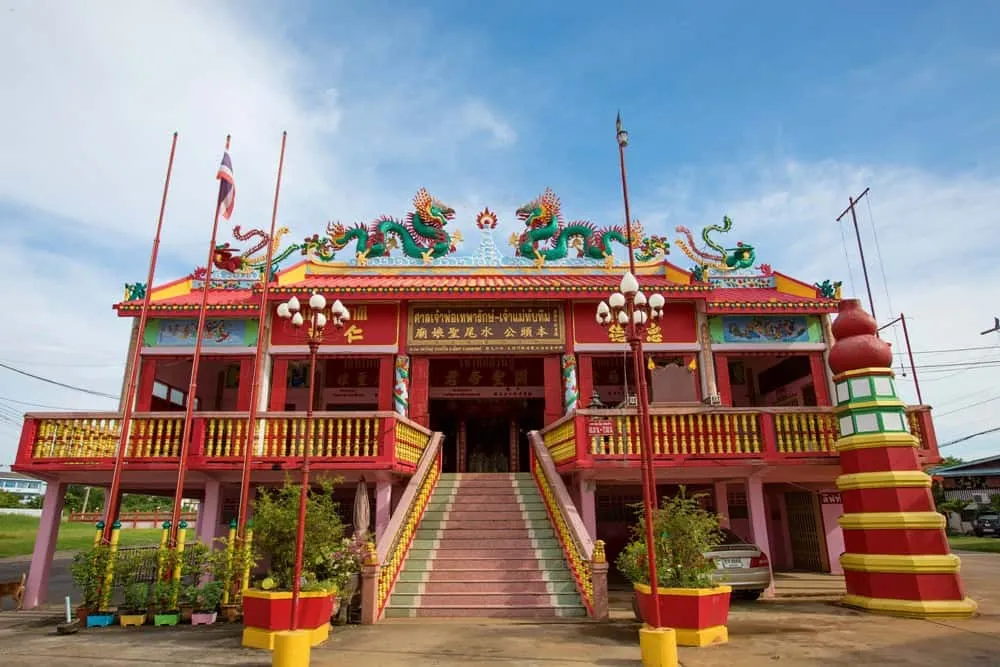
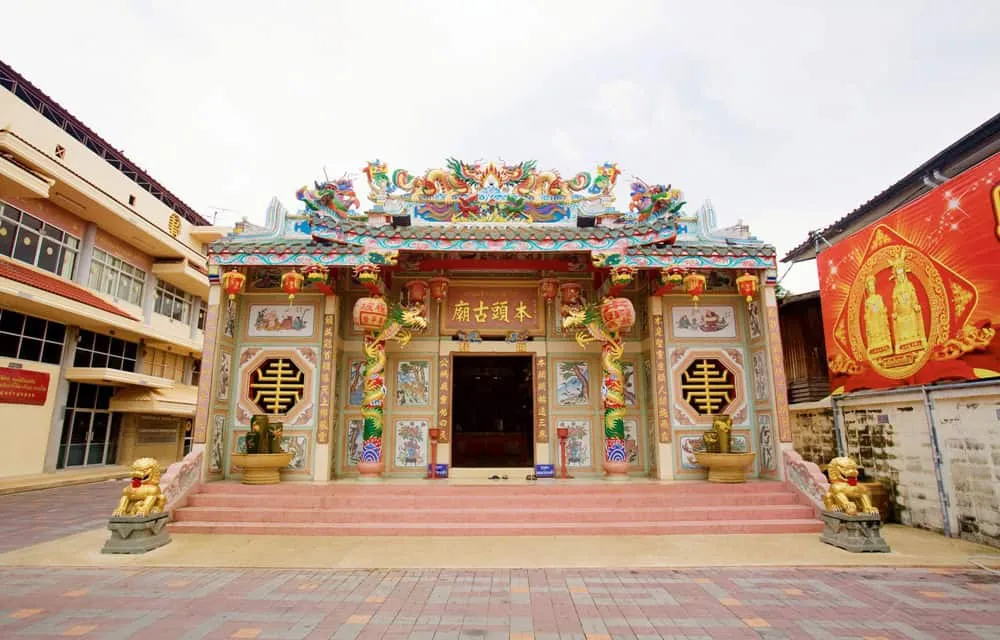
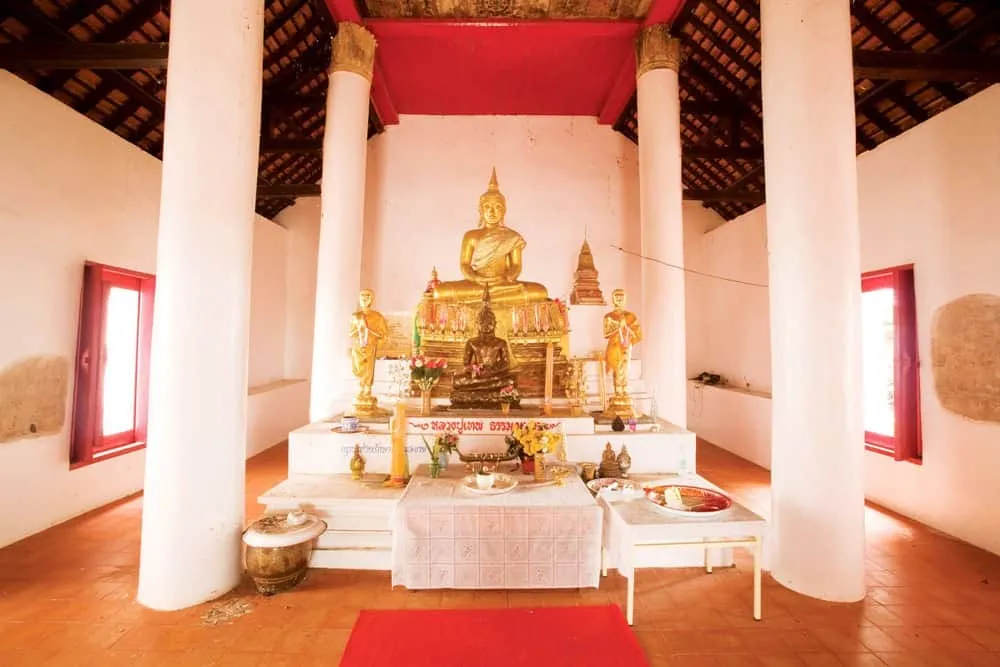
Wats, shrines & spiritual sites
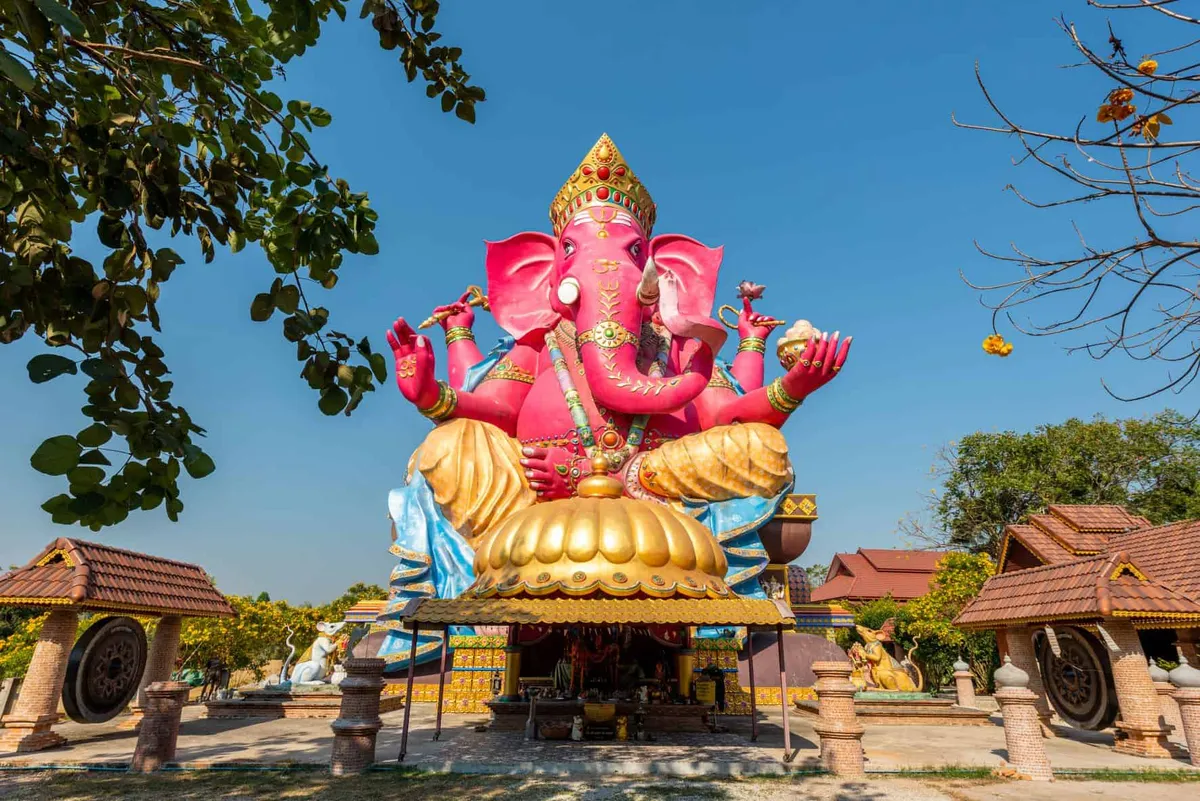
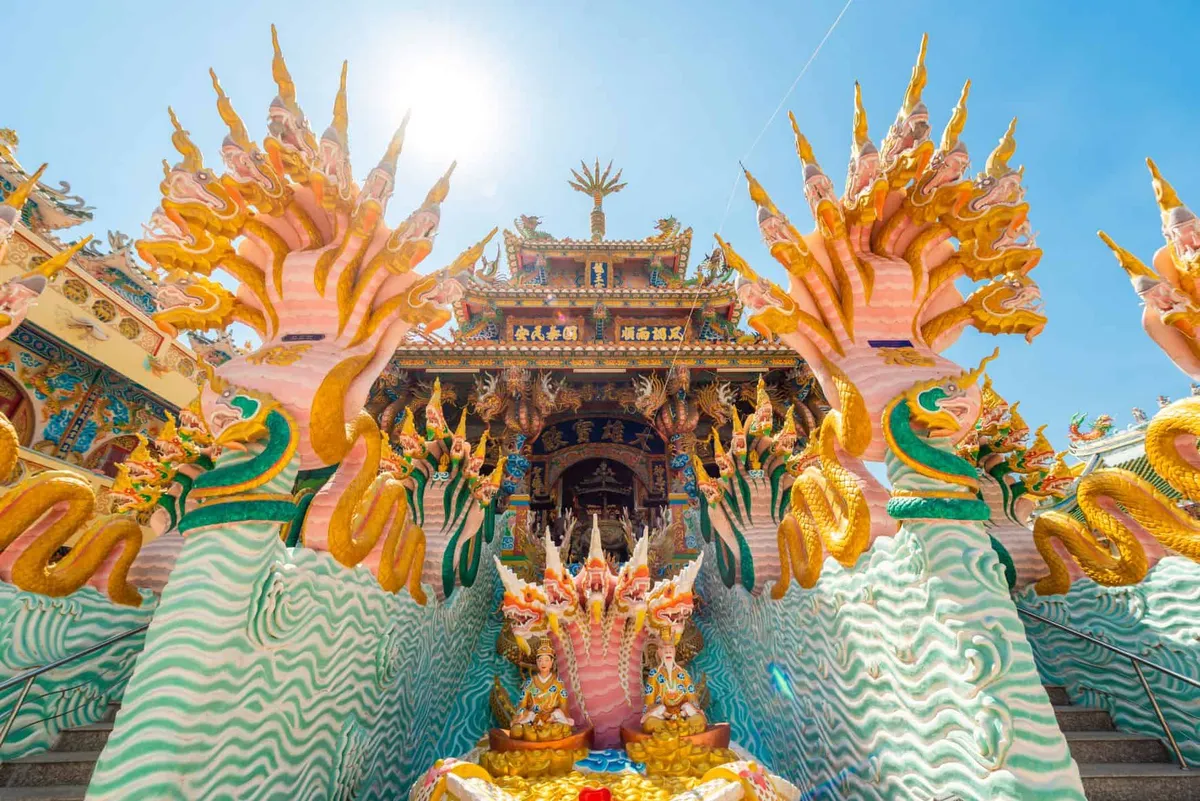
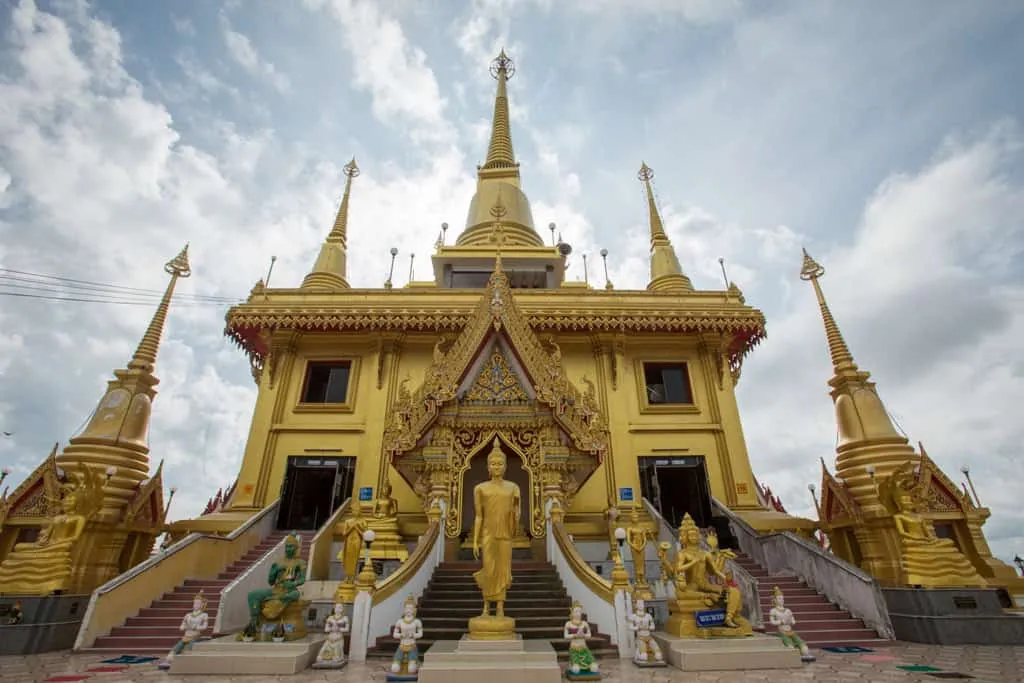
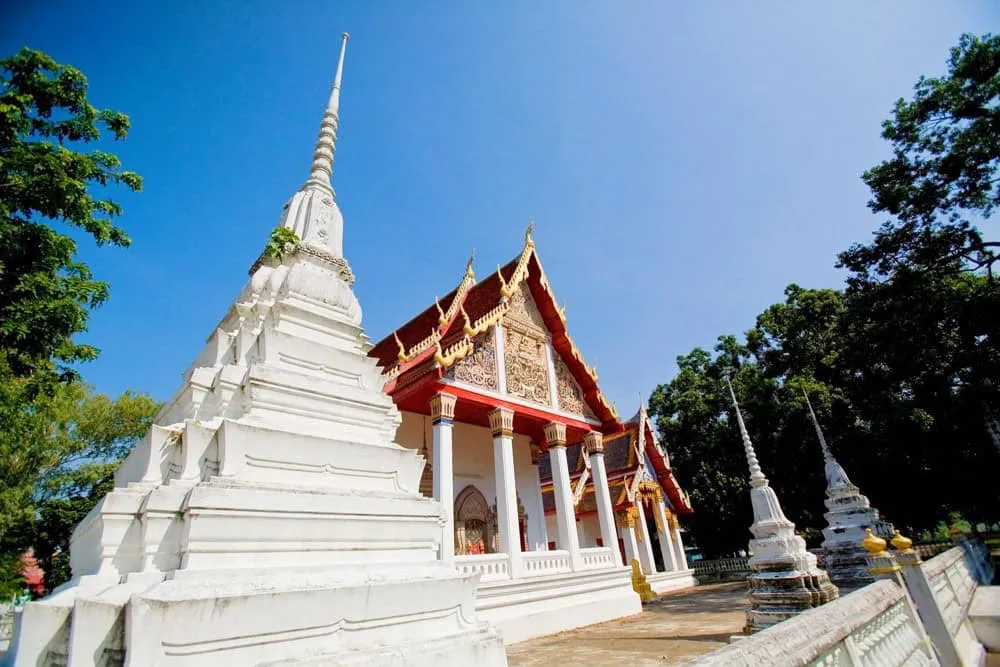
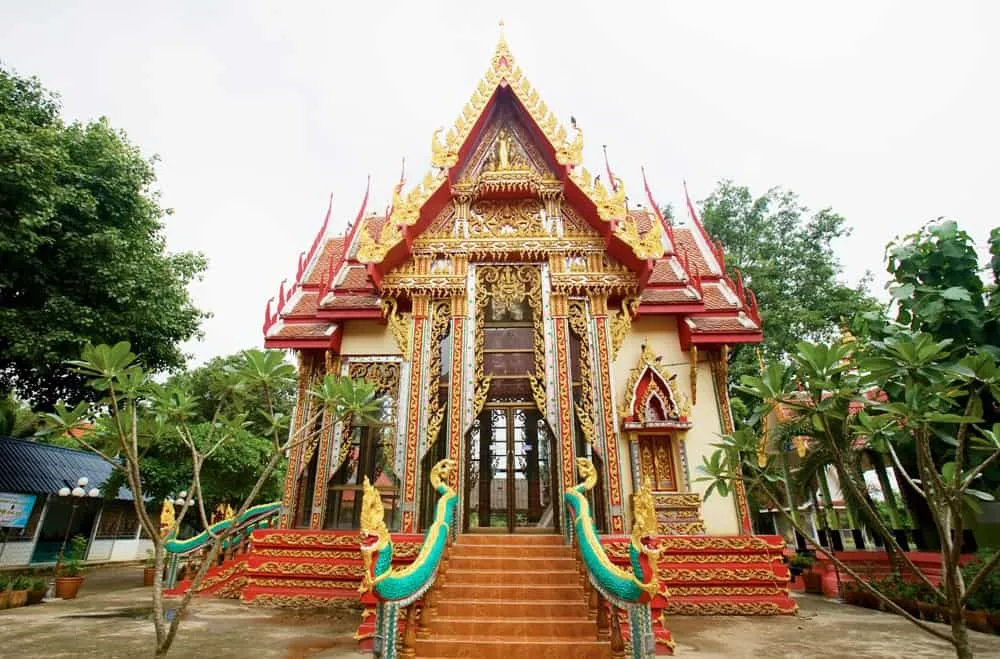
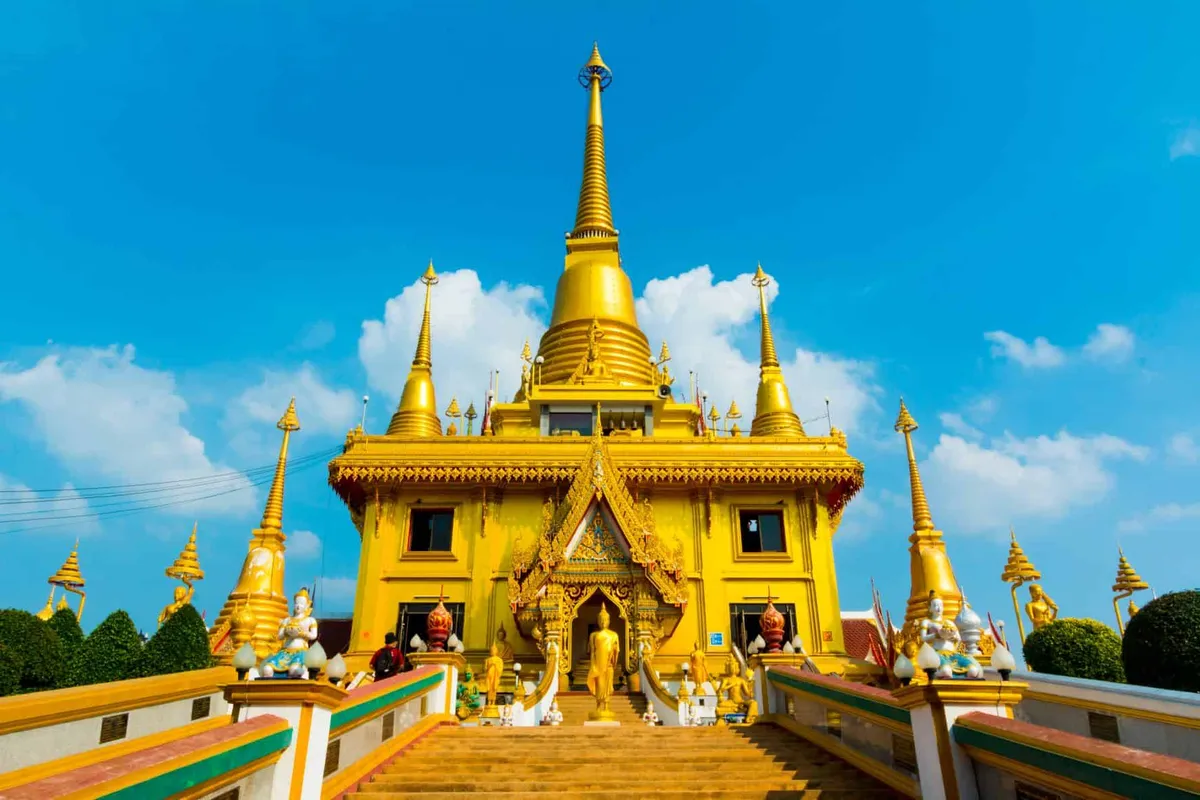
Temples in Nakhon Sawan












Waterfalls, peaks, caves & parks
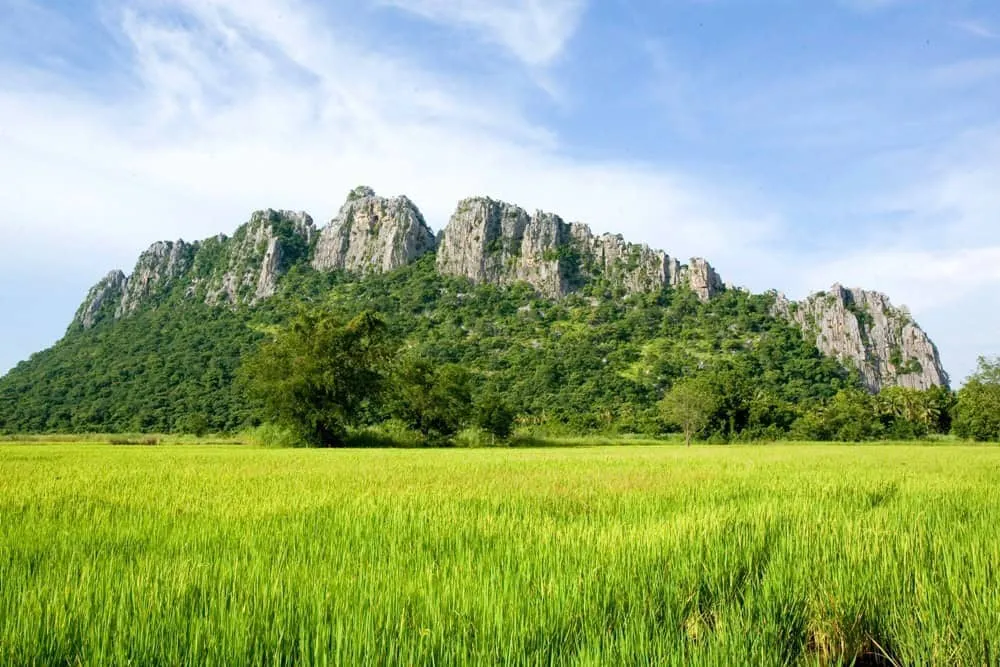
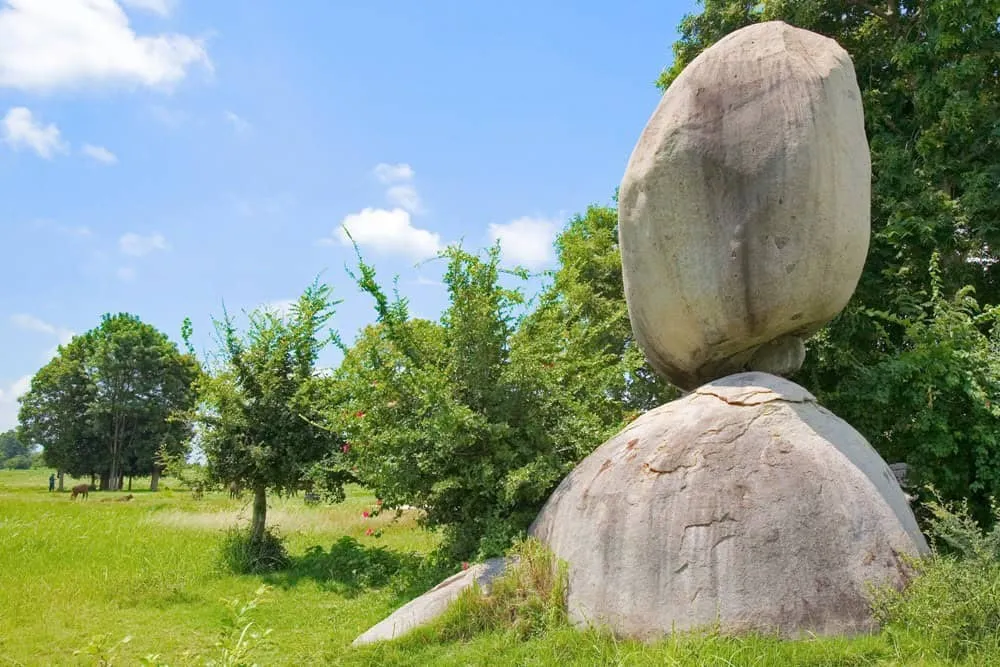
Nature & outdoors around Nakhon Sawan







Museums, history & heritage
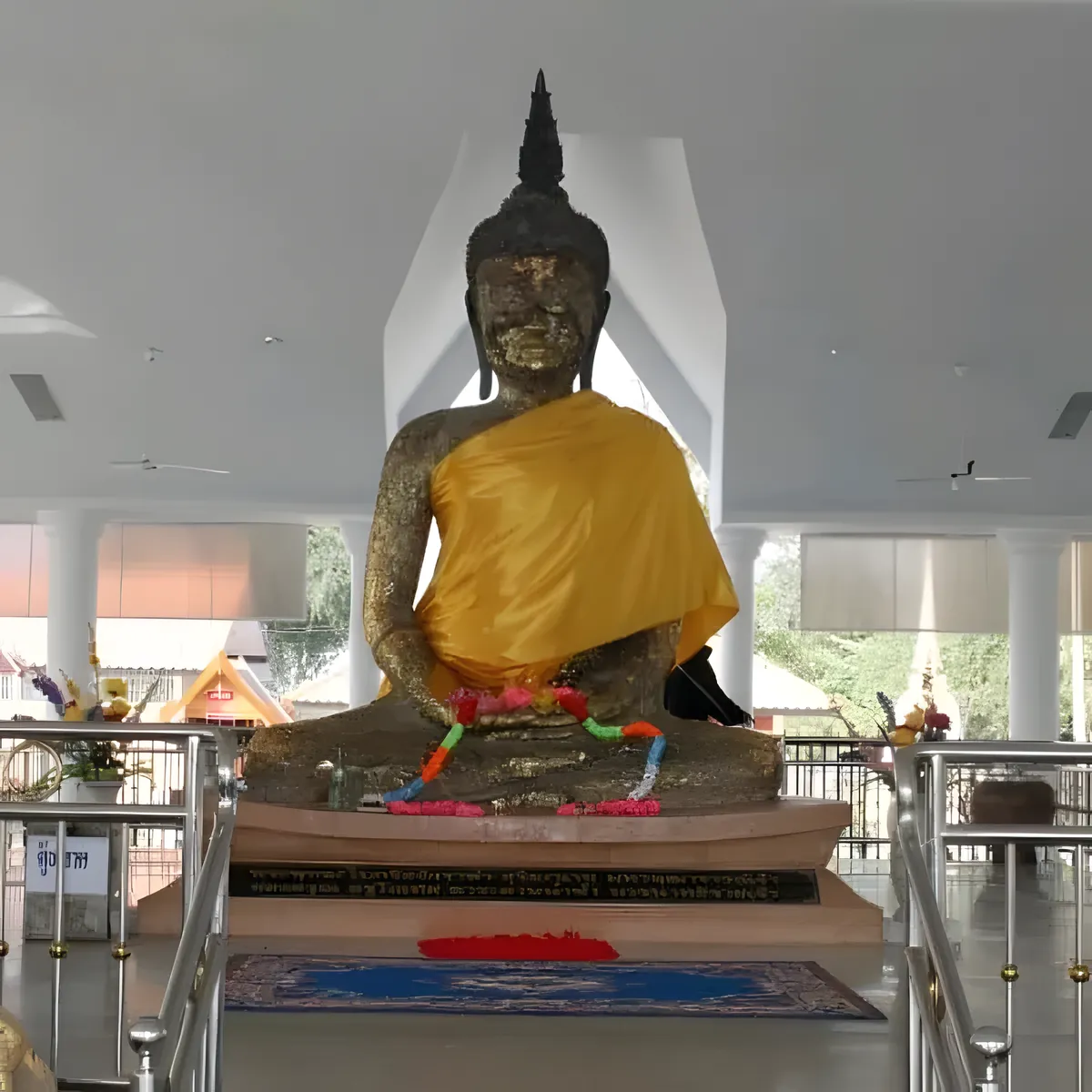
Museums & culture in Nakhon Sawan



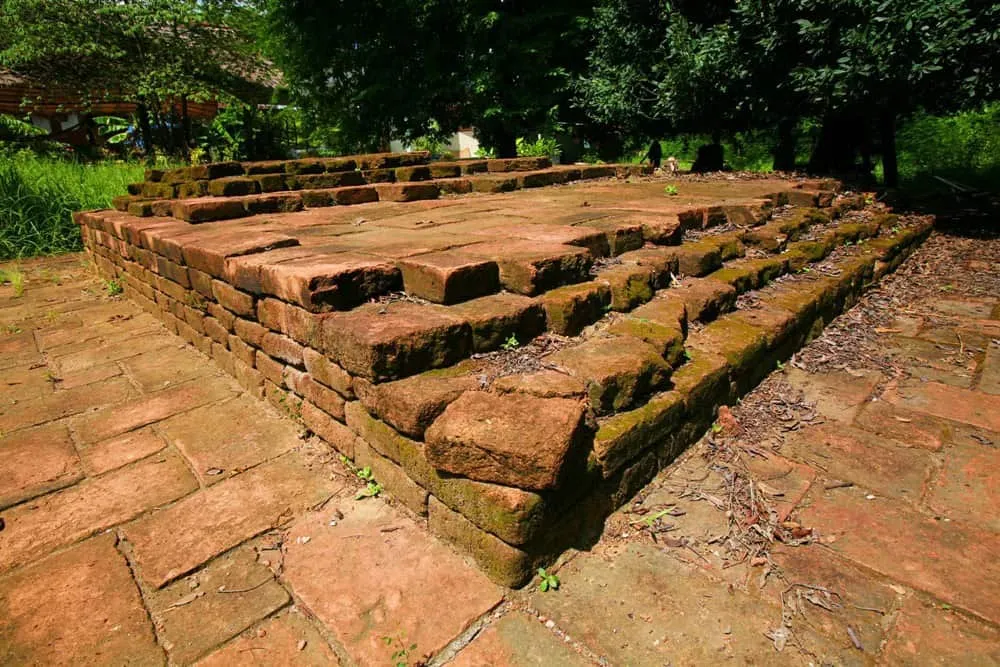

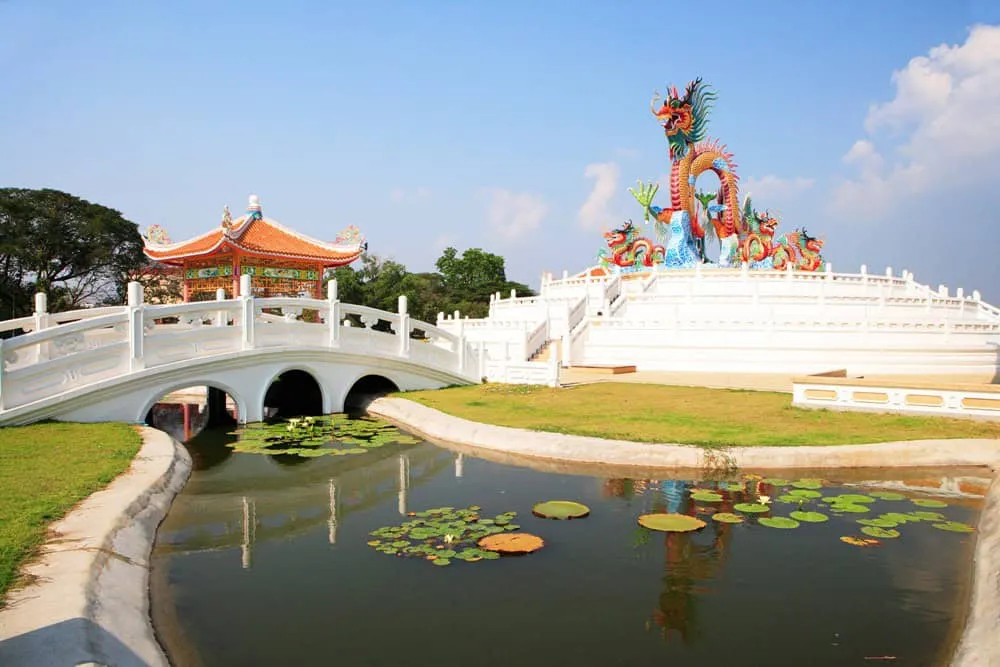

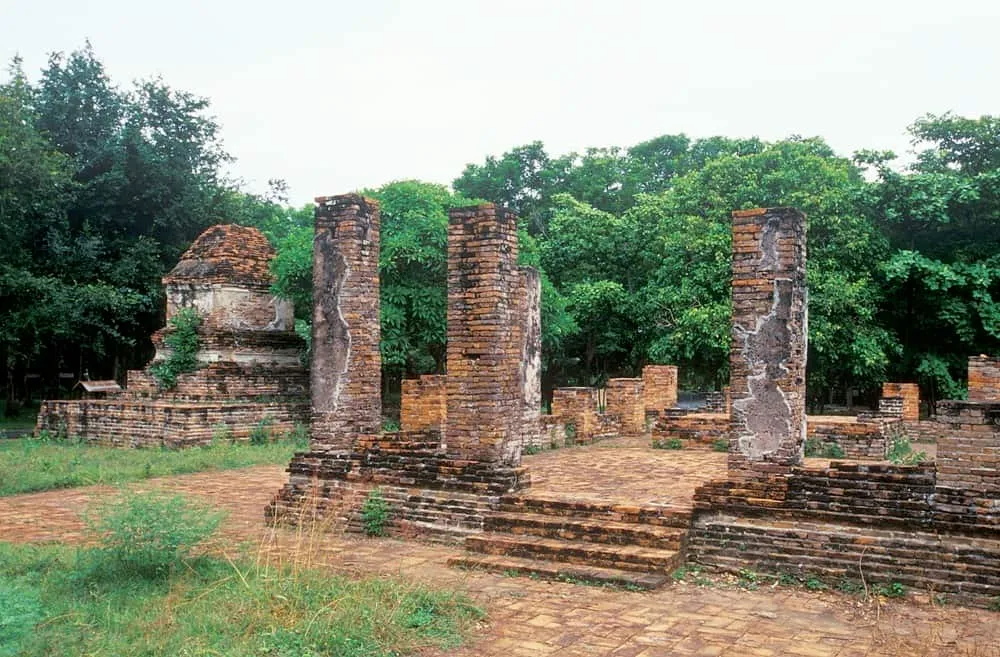
Things to do on the map
Tap a pin for details — 40 places in Nakhon Sawan plotted.
When to go
Nov–Feb The cool dry season is the best time to visit — comfortable temperatures (down to 25°C average in December), clear skies over Bueng Boraphet for birdwatching, and ideal for temple touring. Chinese New Year falls in this window (January or February) and draws large crowds to the city.
Mar–May The hot season is intense here — April averages 30.9°C with peaks above 40°C, making Nakhon Sawan one of Thailand's hottest lowland provinces at this time. Early-morning visits to the hilltop temples and wetland are essential; afternoons are brutal outdoors.
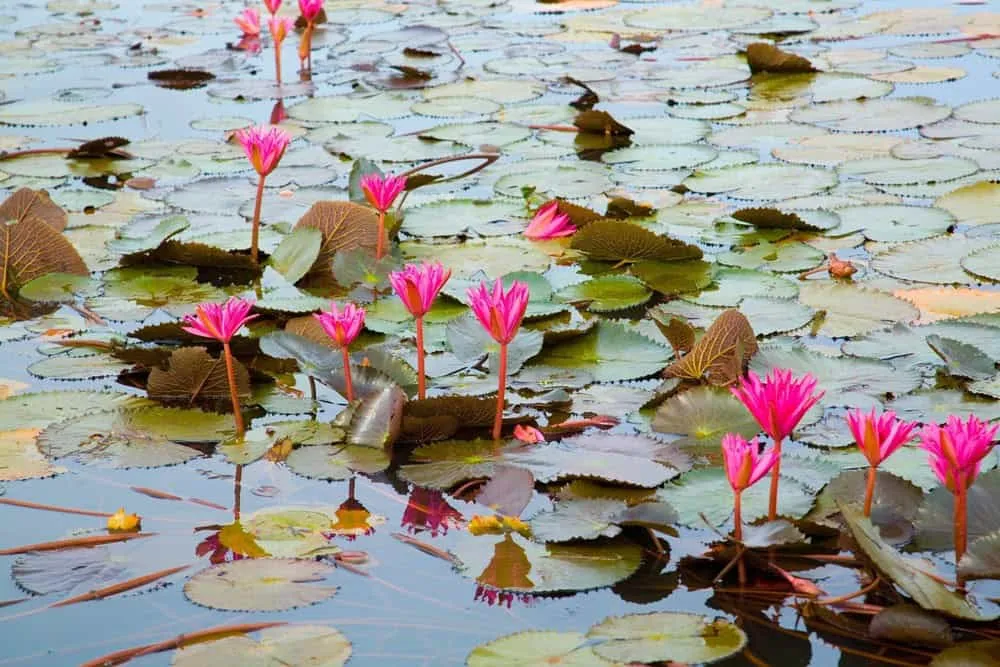
Jun–Sep The central-plains wet season, with September the heaviest month (average 279mm). Bueng Boraphet fills up and the lotus fields bloom through August and September. Sightseeing is largely still possible but afternoon downpours are the norm.
About Nakhon Sawan
Last updated September 2026
Overview
Nakhon Sawan sits about 240 kilometres north of Bangkok at one of the most geographically significant points in Thailand: the spot where the Ping and Nan rivers converge to create the Chao Phraya. Every drop of water that flows through Bangkok and into the Gulf of Thailand passes first through this junction. The city’s older name, Pak Nam Pho, literally marks this fact.
Stand at the Phasan Building by the river and you can see the two rivers run side by side in distinct colours before they merge — the Ping blue-green, the Nan reddish-brown from its upstream soil. It is one of those rare moments of visible geography that photographs well but is genuinely more interesting in person.
Beyond the river confluence, the province holds two contrasting natural draws. To the east, Bueng Boraphet is the largest freshwater swamp in Thailand — over 200 square kilometres of lake, marsh, and lotus fields that serve as critical habitat for more than 200 bird species, including rare wintering migrants. To the west, Mae Wong National Park covers 894 square kilometres of rugged Dawna Range forest shared with Kamphaeng Phet province, with waterfalls, tiger habitat, and multi-day trekking routes into remote terrain.
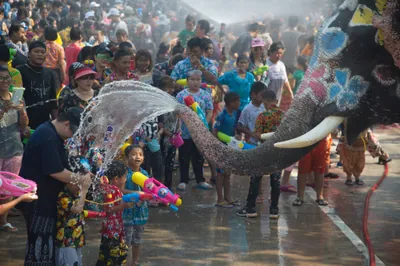
The city also has one of Thailand’s most significant Thai-Chinese communities, and the annual Chinese New Year festival — held for 12 days around the Pak Nam Pho waterfront — draws hundreds of thousands of visitors. The event is among the biggest Chinese New Year celebrations in the country, with dragon acrobatics, illuminated processions, and a night market that takes over the riverside for nearly two weeks.
Top Things to Do
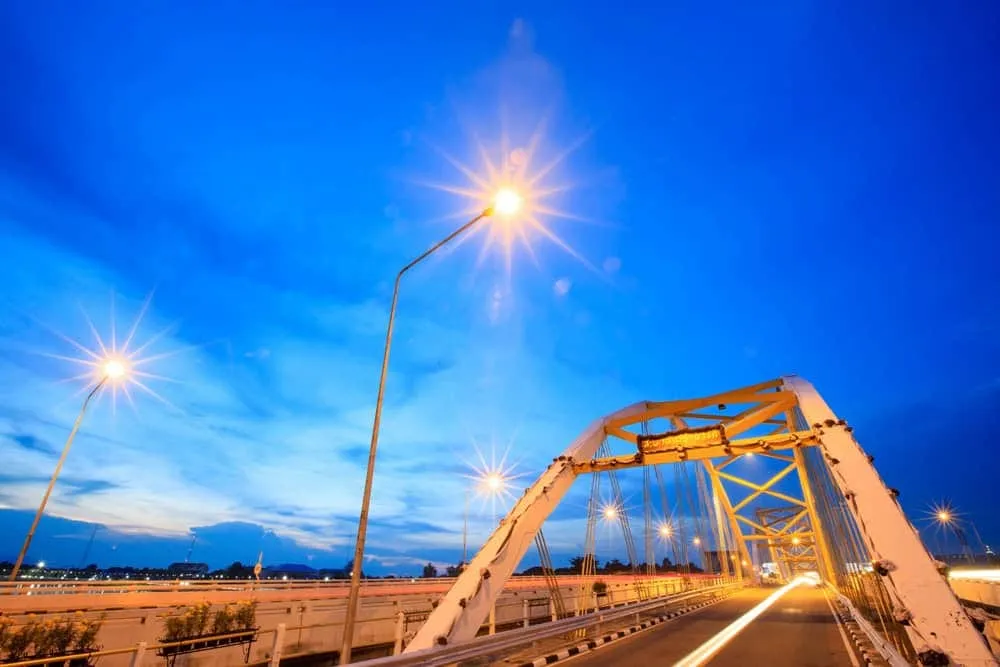
Pak Nam Pho river confluence is the defining experience of the city. The Phasan Building marks the spot where the Ping and Nan rivers officially meet to form the Chao Phraya. The site is well-presented with a riverside promenade, and the Dechatiwong Bridge nearby offers an elevated view of the two-coloured waters. A cluster of Chinese shrines — including Chao Pho Thepharak-Chao Mae Thapthim Shrine and Chao Pho-Chao Mae Chum Saeng Shrine — line the waterfront, a visible reminder of the long-established Thai-Chinese community that makes this city different from its central-plains neighbours.
Bueng Boraphet deserves an early-morning half-day. This is Thailand’s largest freshwater swamp — more than 200 square kilometres of open water, marsh, and lotus beds east of the city. The resident and migratory bird list runs to over 200 species; the Asian Openbill Stork is visible year-round, while November through March brings wintering passerines and wildfowl from further north. The Bueng Boraphet Freshwater Aquariums on site hold rare native species including the Siamese tigerfish. From August onward, the lotus fields are in bloom and the landscape is particularly striking.
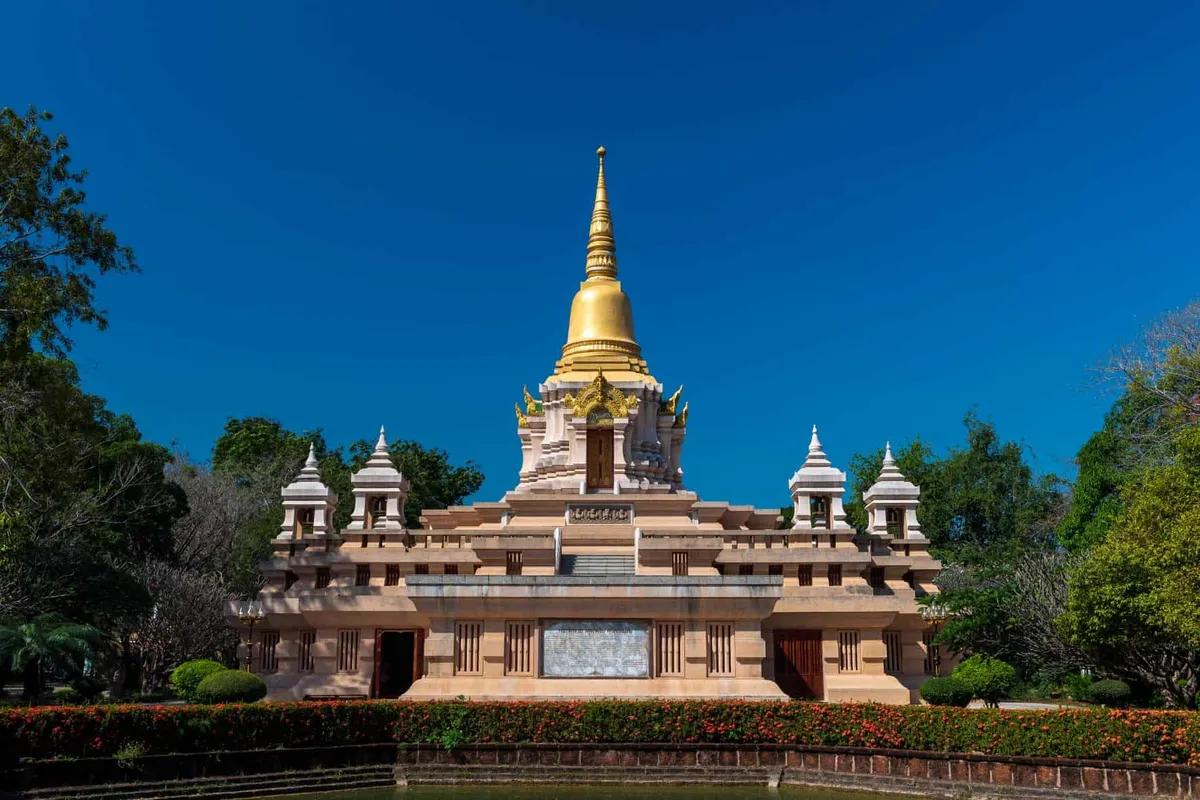
Wat Chom Khiri Nak Phrot (Wat Khao) sits on a hill above the city and offers the best views over the river confluence and provincial capital. The climb is moderate and the temple complex at the summit has a prominent white chedi and several Buddha images. It is busiest in November during the gold-leaf festival that honours the Buddha’s footprint. A second hilltop temple, Wat Khiriwong, offers similar elevated views in a different part of the city.
Chinese New Year festival runs for 12 days in late January or February depending on the lunar calendar. The Chao Pho-Chao Mae Pak Nam Pho Procession is the centrepiece — evening parades with dragon teams and costumed performers along the riverside, backed by a food market with vendors from across the region. The 2026 event marked the festival’s 110th-anniversary year and drew visitors from across Thailand. The city’s five-language heritage (Thai, Chinese, Lao, Burmese, and Karen communities all established here) makes the cultural mix during the festival notably layered.
Mae Wong National Park is a full-day commitment from the city but rewards the effort. The park covers nearly 900 square kilometres in the western hills, sharing boundary with Kamphaeng Phet province. Mae Gee waterfall — accessible via a multi-day trek — drops over 200 metres and is one of Thailand’s tallest. Shorter trails lead to smaller falls on day returns. The park is part of the Western Forest Complex, one of Southeast Asia’s largest intact forest areas, and holds confirmed populations of tigers, elephants, and gaur.
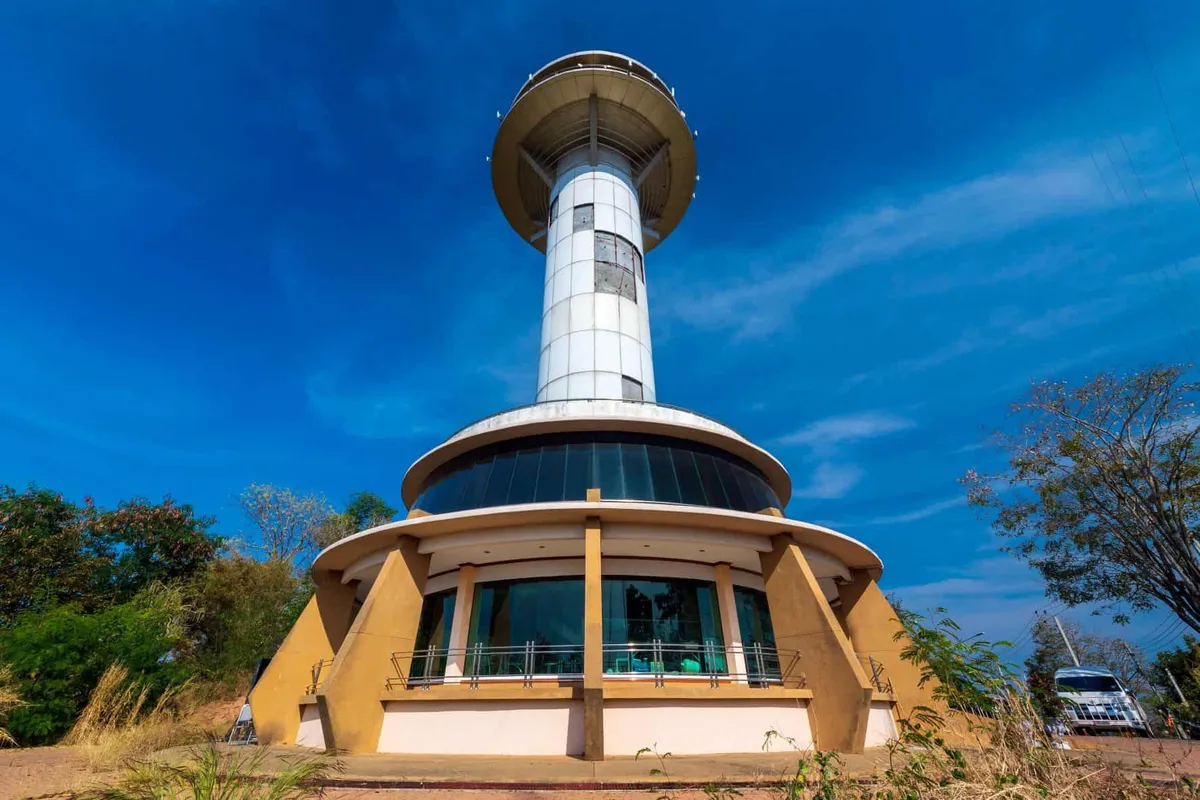
Rim Nam Market and the riverside area come alive in the evenings, particularly on weekends. The market runs along the Nan River bank and mixes fresh produce, cooked food, and small craft stalls. The Nakhon Sawan Tower offers panoramic views over the city if you want orientation before exploring.
Wesalee Ancient City and Ban Khok Mo Local Weaving Center round out a province that rewards those who get off the main road — the weaving village produces traditional cotton textiles using techniques that have largely disappeared elsewhere in the central plains.
Where to Stay
Nakhon Sawan city has a functional range of mid-range hotels, several of which sit close to the river and the Chinese New Year festival route. The 42C The Chic Hotel and Grand Hill Resort and Spa are the better-known options with pools. Budget guesthouses cluster around the city centre. There is nothing in the luxury-resort category, but the city is not that kind of destination.
If you are visiting for Chinese New Year, book well ahead — the festival fills accommodation across the city and the surrounding area. Out of festival season the city is easy to navigate as a one or two-night stop on the route north towards Phitsanulok or Sukhothai.
Getting There
Nakhon Sawan is 238 kilometres north of Bangkok on Highway 1 (Phahon Yothin Road) — roughly 2.5 to 3 hours by car under normal conditions. The northern railway line from Krung Thep Aphiwat Central Terminal stops at Pak Nam Pho station; the journey takes around four hours. Buses from Bangkok’s Mo Chit Northern Bus Terminal run throughout the day and take 3.5 to 4 hours.
The province sits at the junction of Thailand’s central and northern regions, making it a natural stop on a drive or train journey toward Chiang Mai, Sukhothai, or Phitsanulok — all within a further two to three hours to the north.
Best Time to Visit
Nakhon Sawan follows the central-plains pattern: wet season May through September (September is the wettest month at 279mm average), a short shoulder in October as rain eases, then a dry cool season from November through February. That cool season window is the clear best time — temperatures drop to pleasant levels and Bueng Boraphet fills with wintering birds.
March through May is when the province earns its reputation as one of Thailand’s hottest lowland areas. April regularly sees temperatures above 40°C, and the lack of coastal breezes or elevation makes it genuinely uncomfortable for extended outdoor activity. If visiting in the hot season, plan any outdoor sights for the early morning and treat afternoons as downtime.
The Chinese New Year festival in January or February is the province’s biggest annual draw — if timing coincides with your trip, it is worth building your visit around it.
Frequently Asked Questions about Nakhon Sawan
How do I get to Nakhon Sawan from Bangkok?
What is the best time to visit Nakhon Sawan?
How long do you need in Nakhon Sawan?
How do I get around the province?
What is Pak Nam Pho?
Spotted something out of date or incorrect? Let us know
Plan your
Nakhon Sawan trip