



Doi Tung
ดอยตุง
Former opium hills turned royal reforestation project, with a hilltop villa, flower garden and twin summit chedis.
- Best time
- Nov–Feb (cool season, garden in full bloom)
- From Chiang Rai
- ~45–60 min drive (about 45 km north)
- How long
- Half to full day. Most visitors day-trip from Chiang Rai or Mae Sai
- Combined ticket
- 220 THB for Royal Villa + Mae Fah Luang Garden + Hall of Inspiration + Botanical Garden
- Getting around
- Rental car or hired driver. No public transport runs up the mountain
Updated July 2026
Plan your trip
Recommended by us

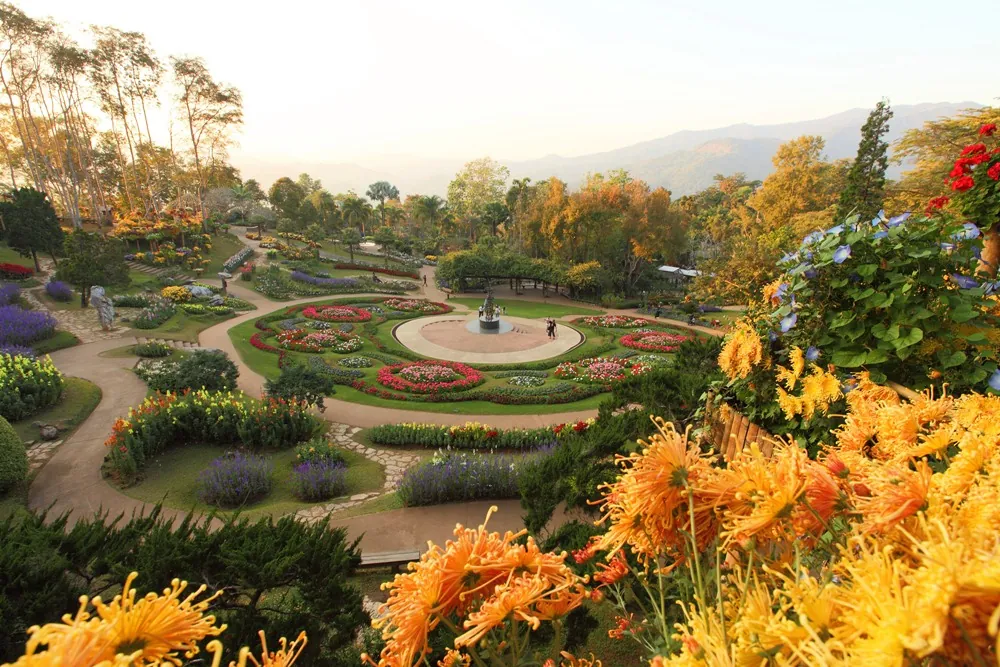
Mae Fa Luang Garden
Flagship Doi Tung gardens: seasonal blooms and mountain air.

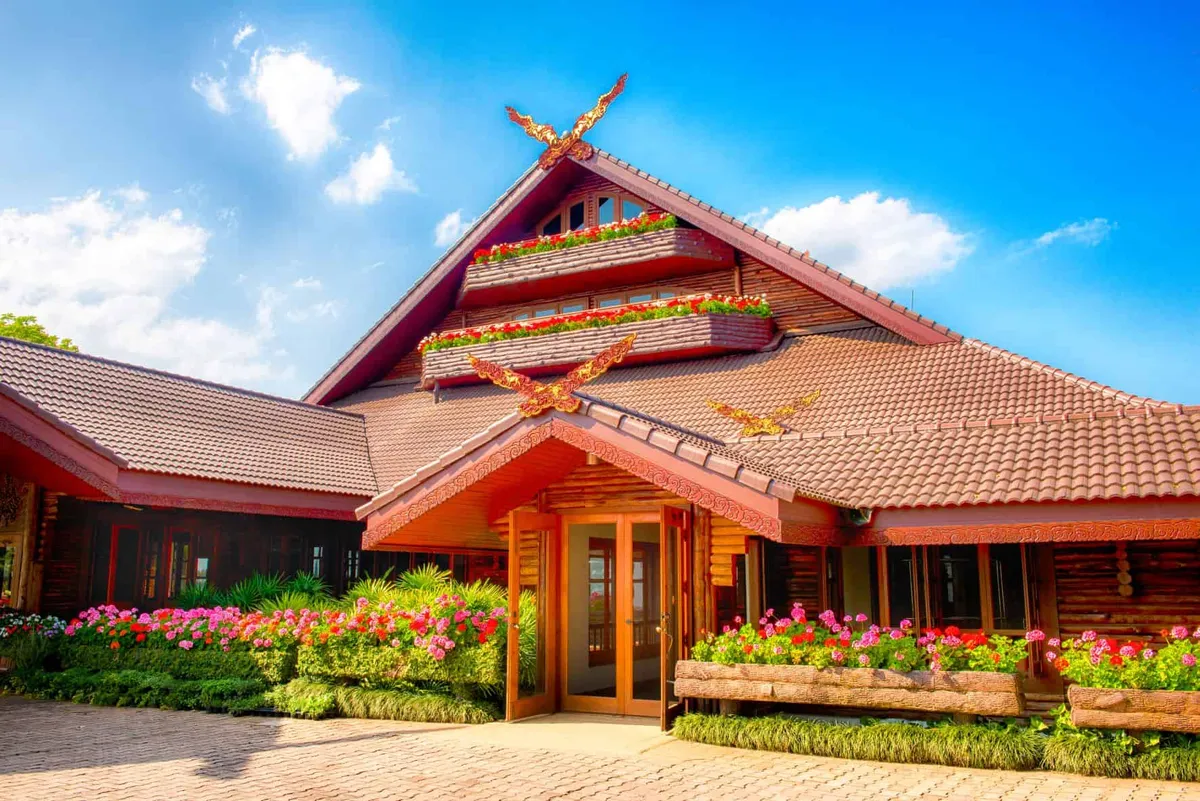
Phra Tamnak Doi Tung
Former royal villa open to visitors. Pair with the gardens.

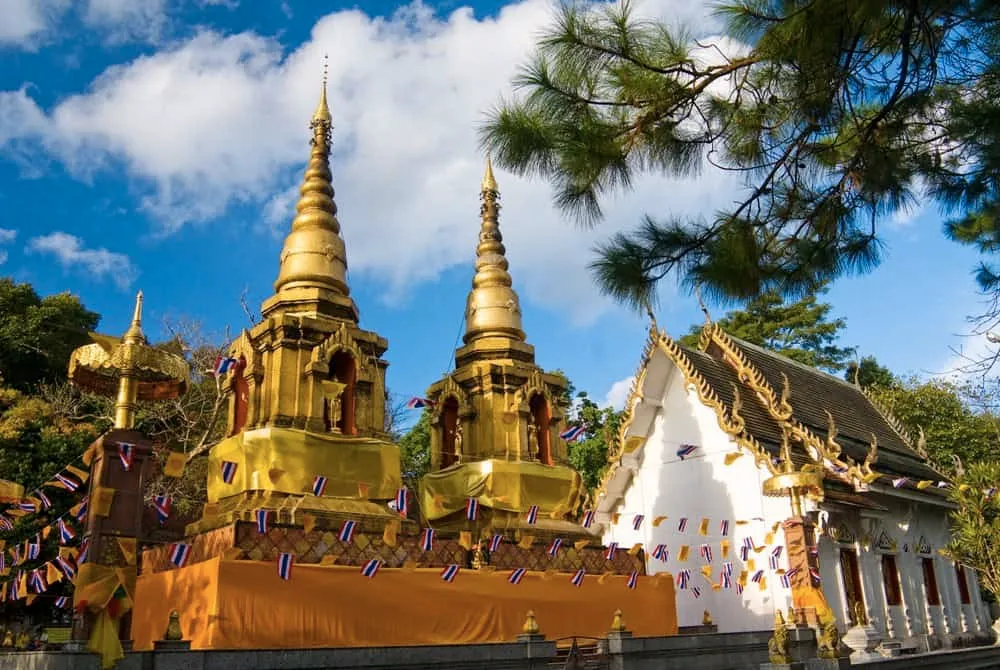
Phra That Doi Tung
Twin chedis on the ridge, classic Doi Tung photo stop.

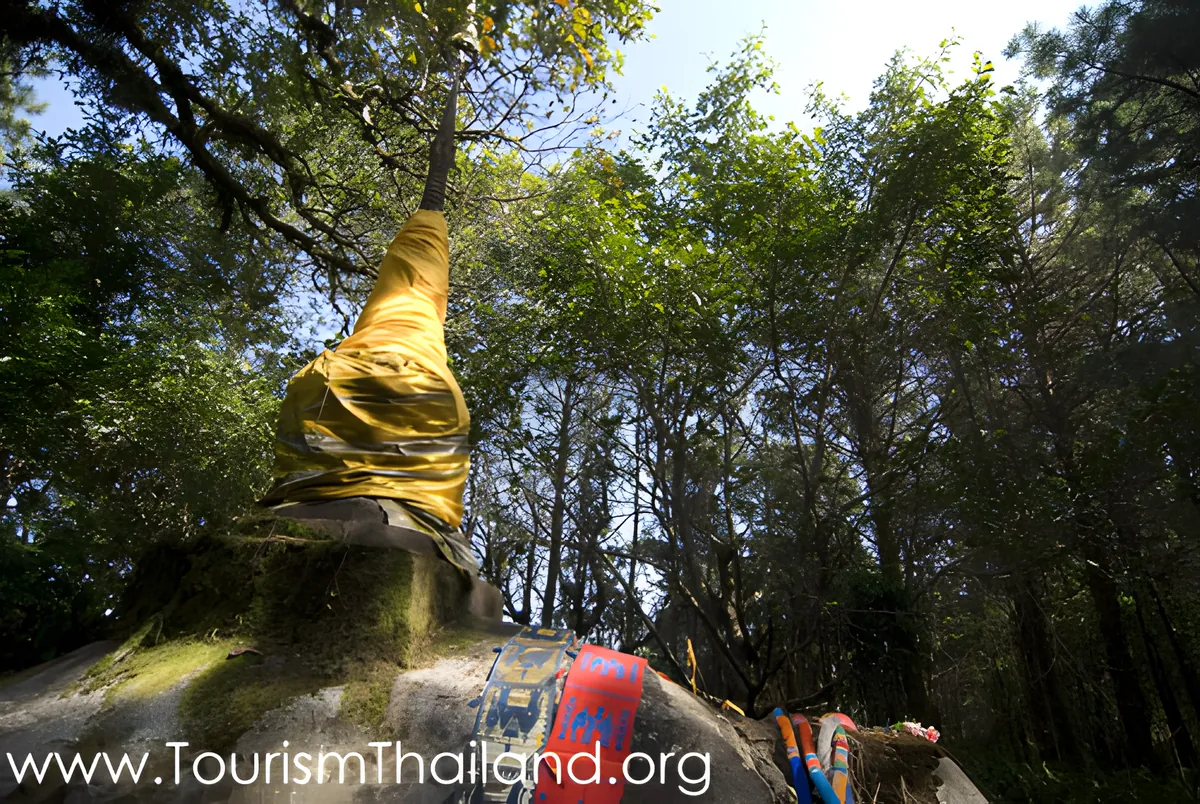
Doi Chang Mup Stupa
Quieter ridge stupa if you want fewer coaches.
Get to Doi Tung
Hilltop royal project near Chiang Rai / Mae Sai: day trip from Chiang Rai or overnight in the hills.

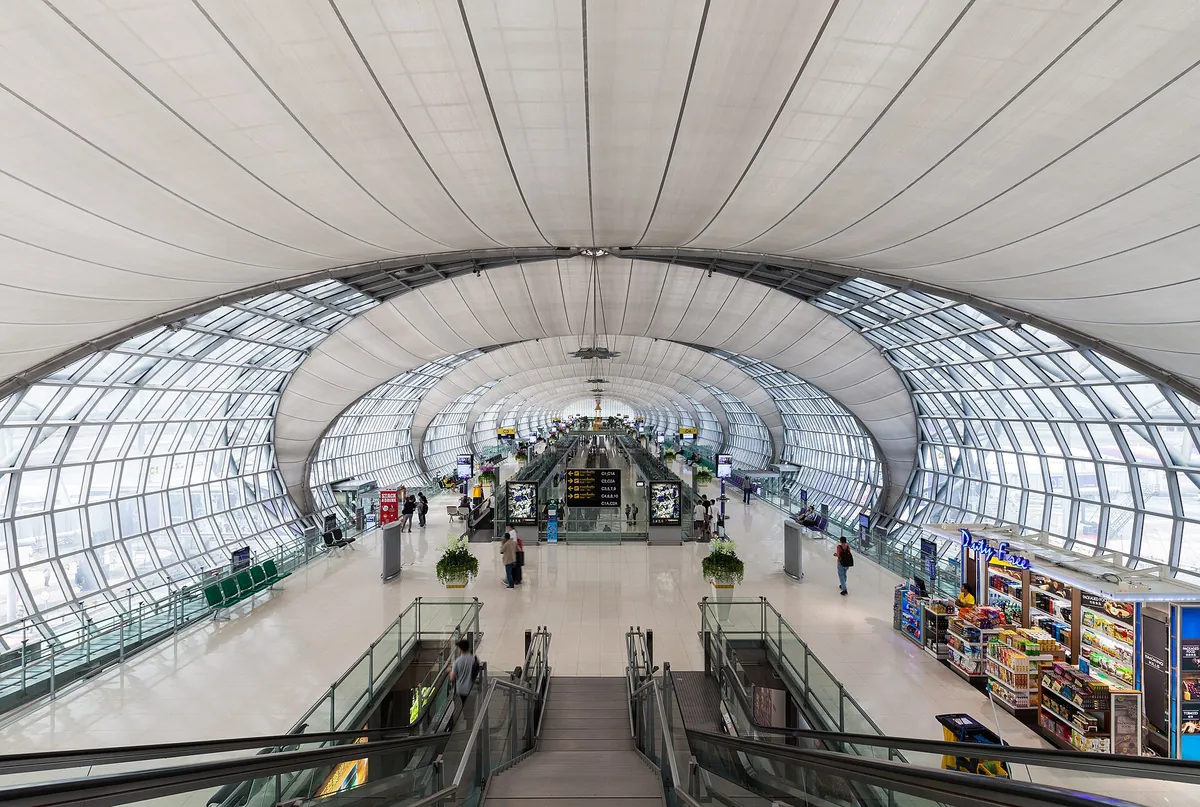
eSIM for Thailand
Land with data already working and skip the airport SIM queue. We tested six plans. Code THAIHOLIDAY saves 10%.

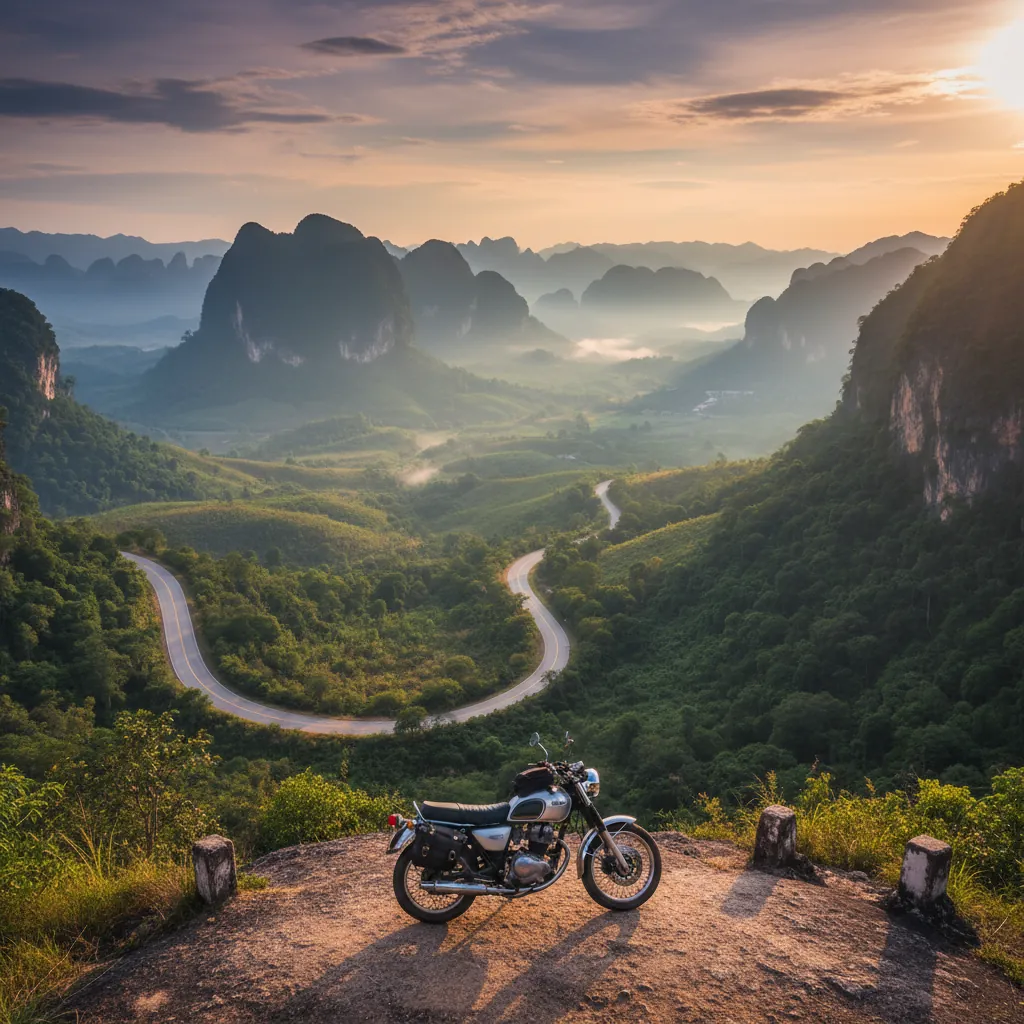
Travel insurance
Scooters and day trips are common here. Sort cover before you go and check the motorbike clause.
Where to stay in Doi Tung
Also nearby
Attractions in Chiang Rai

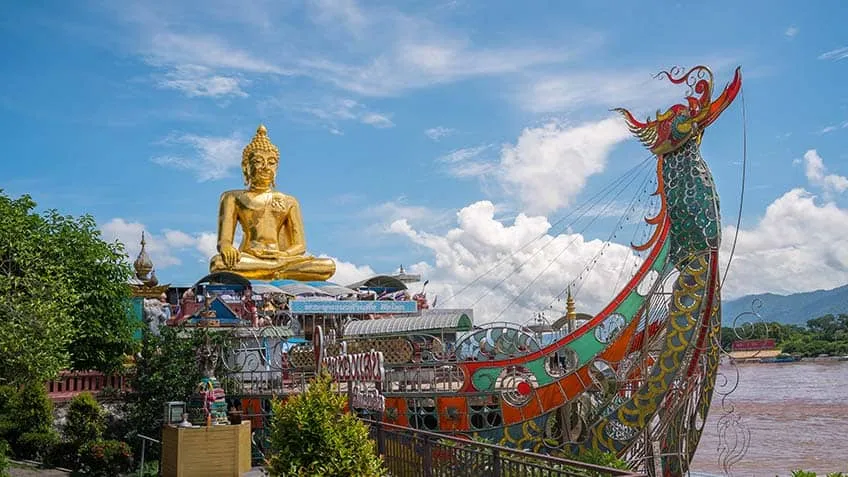
Golden Triangle Park
สามเหลี่ยมทองคำ

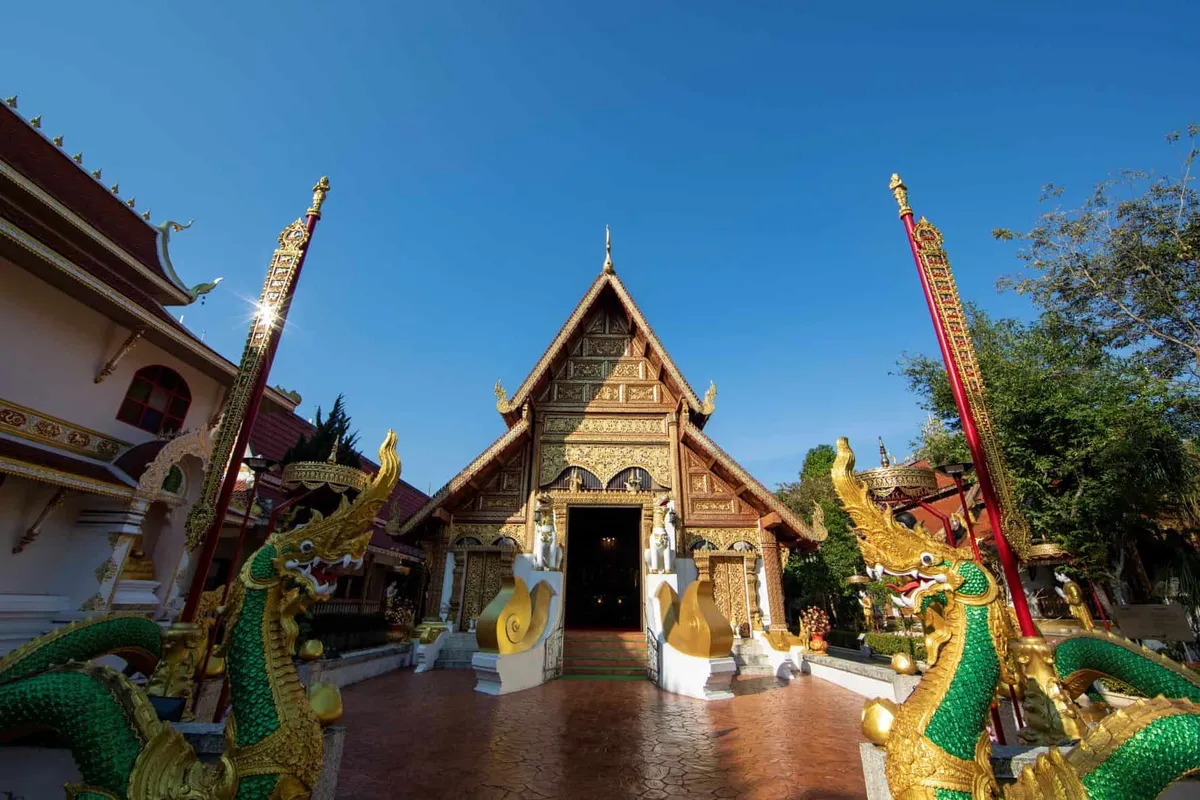
Wat Phra Singh Chiang Rai
วัดพระสิงห์

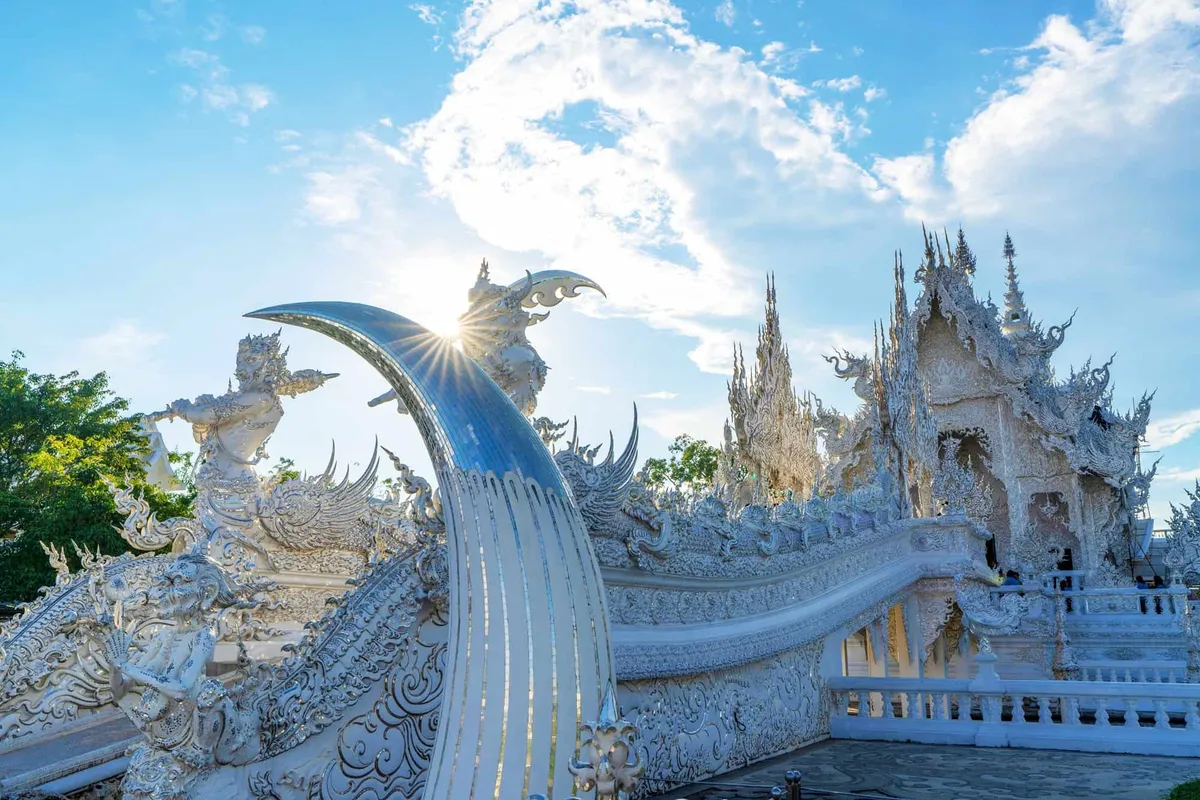
Wat Rong Khun (White Temple)
วัดร่องขุ่น

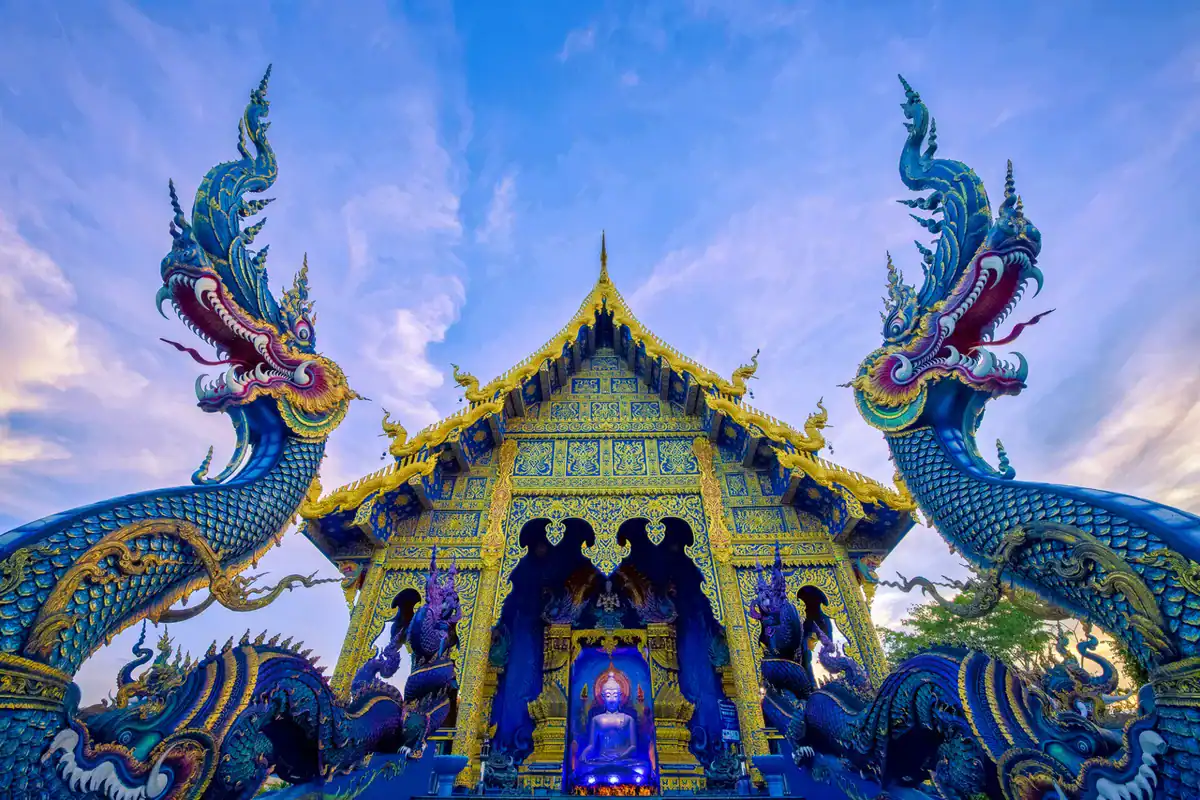
Wat Rong Suea Ten (Blue Temple)
วัดร่องเสือเต้น

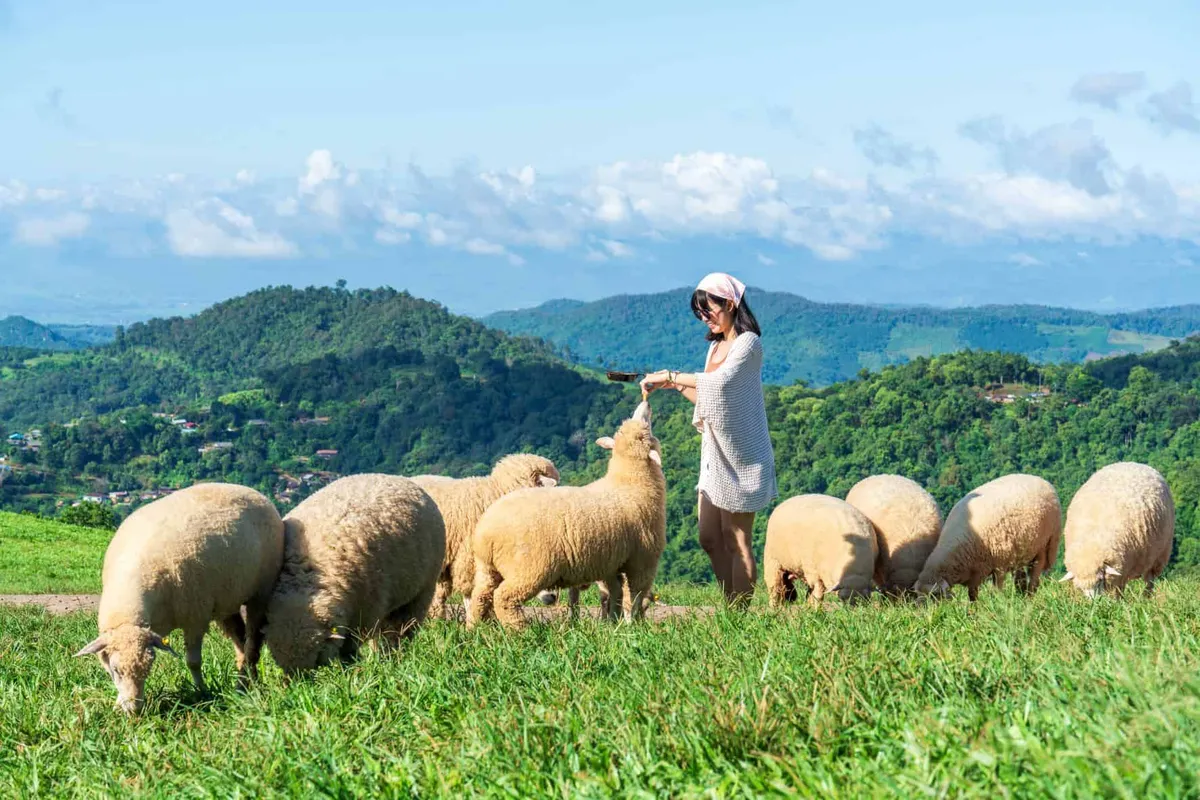
Akha Farm Ville
อาข่า ฟาร์มวิลล์


Art Bridge
ขัวศิลปะ

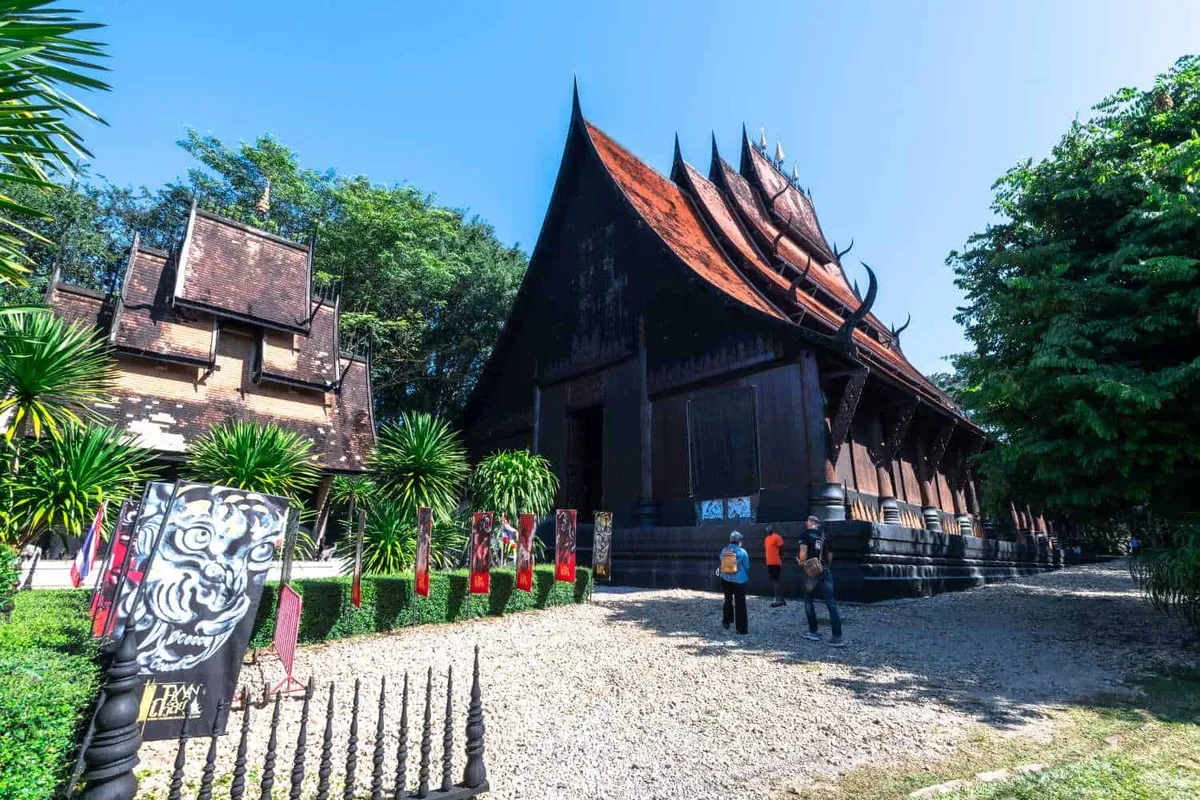
Ban Dam Museum
พิพิธภัณฑ์บ้านดำ

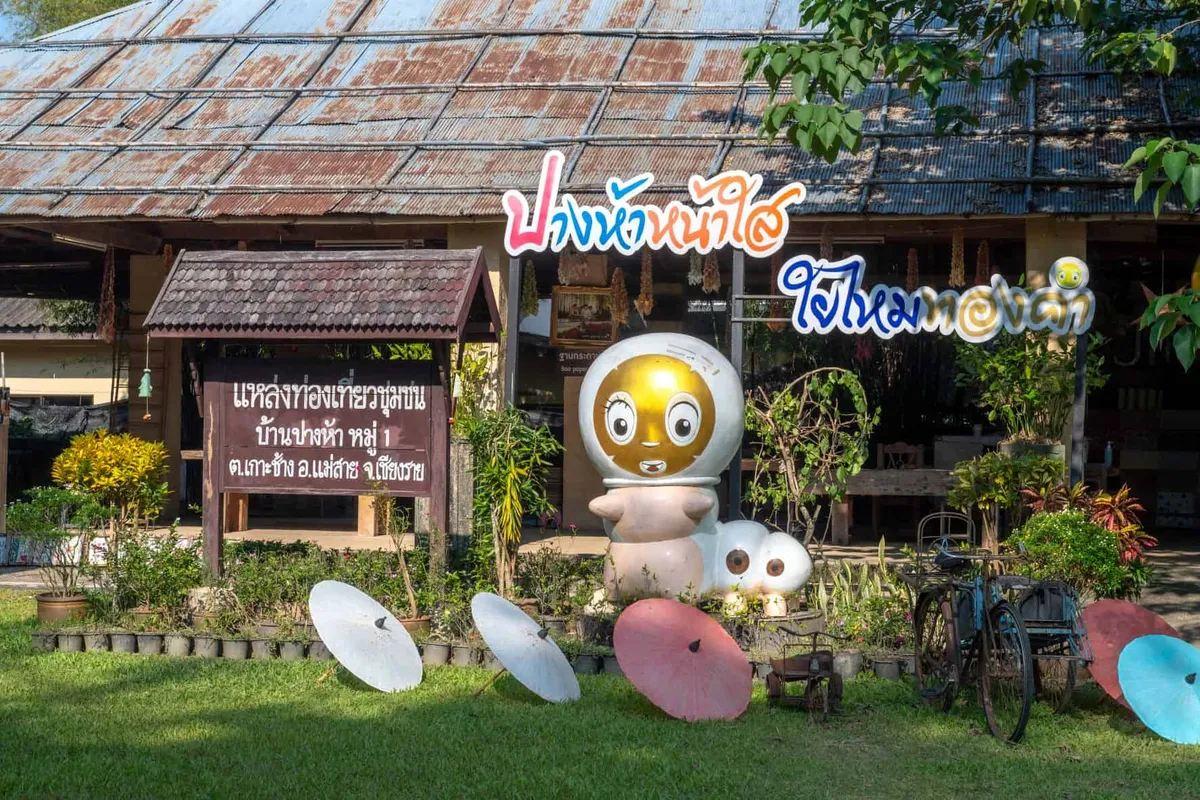
Ban Pang Ha Community
ชุมชนบ้านปางห้า

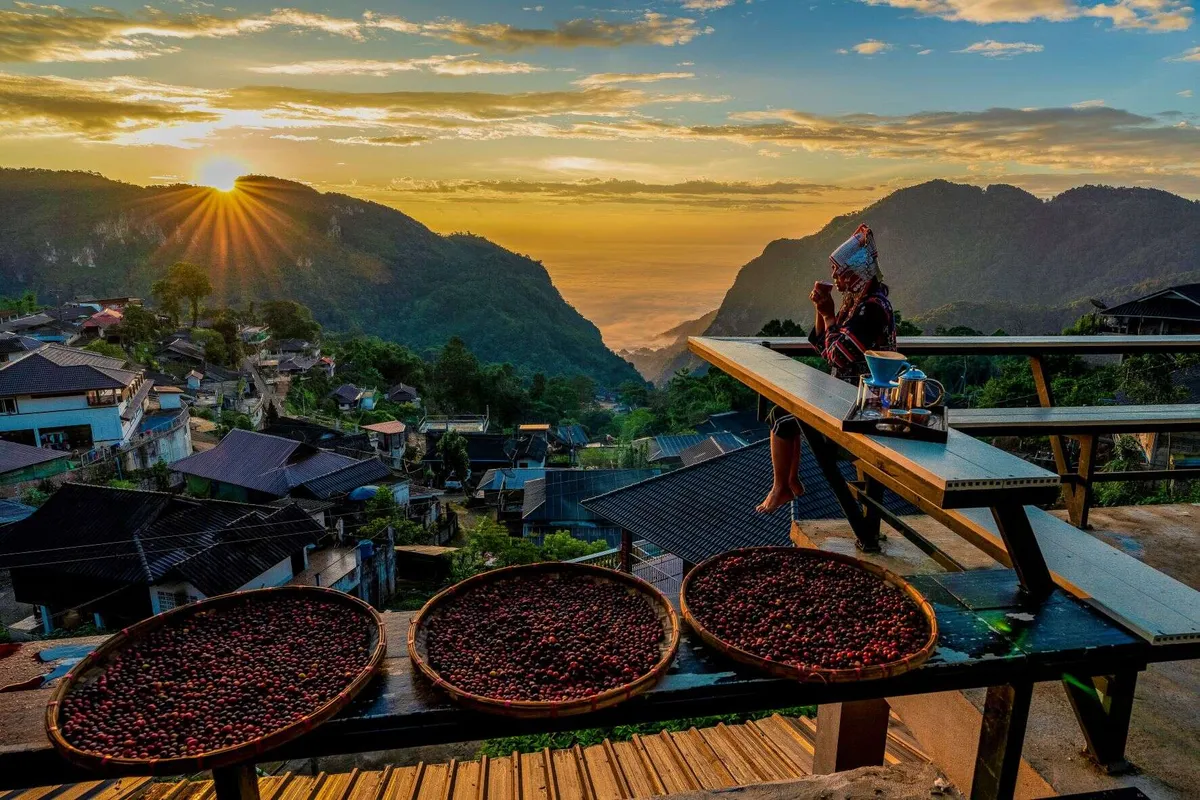
Ban Pha Hi
บ้านผาฮี้

Ban Pha Mi
บ้านผาหมี

Ban Tha Khanthong Community
ชุมชนบ้านท่าขันทอง

Bo Nam Ron
บ่อน้ำร้อน
Also nearby
Tours in Chiang Rai

Chiang Rai Cycling Tour: Countryside & White Temple

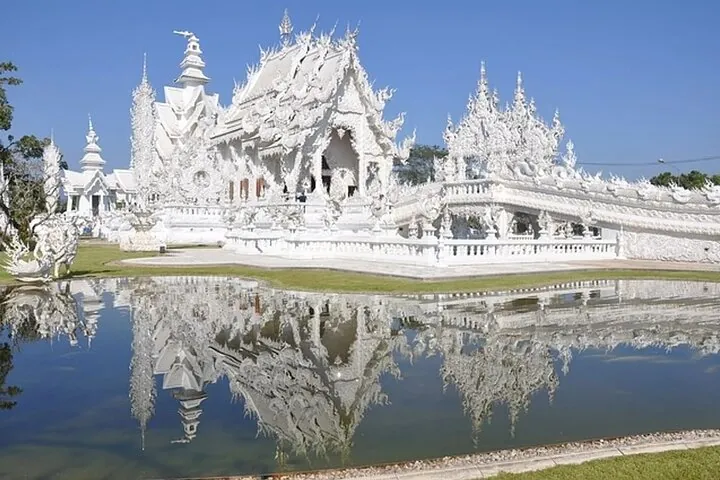
Full Day Group Tour in Chiang Rai

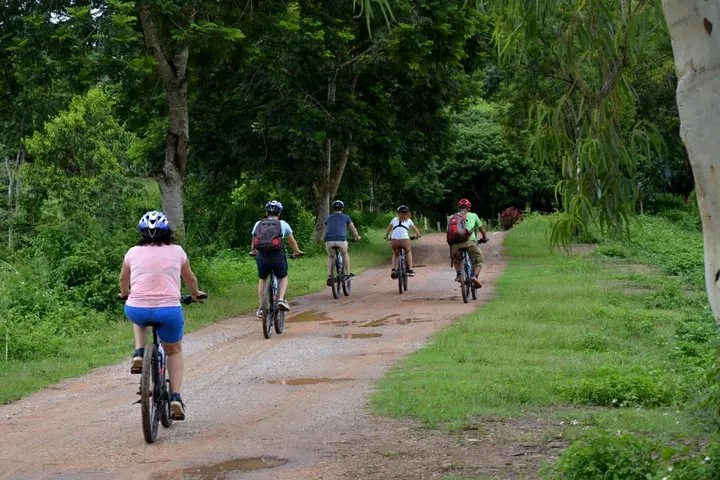
Half Day Cycling Tour to the White temple

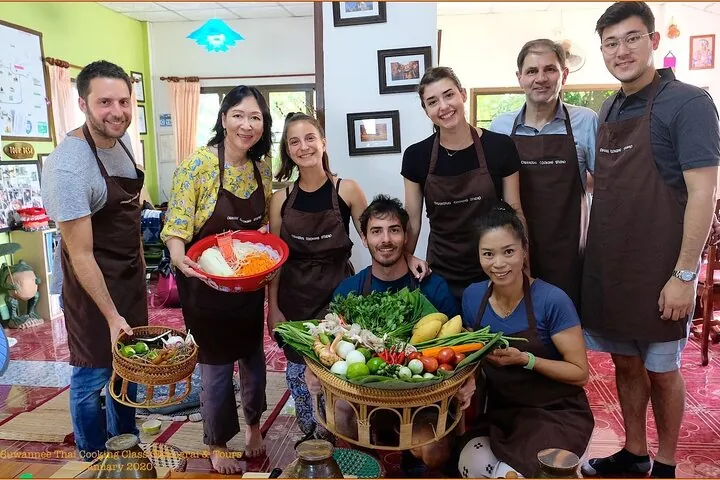
Chiang Rai Thai Cooking Class with Market Tour

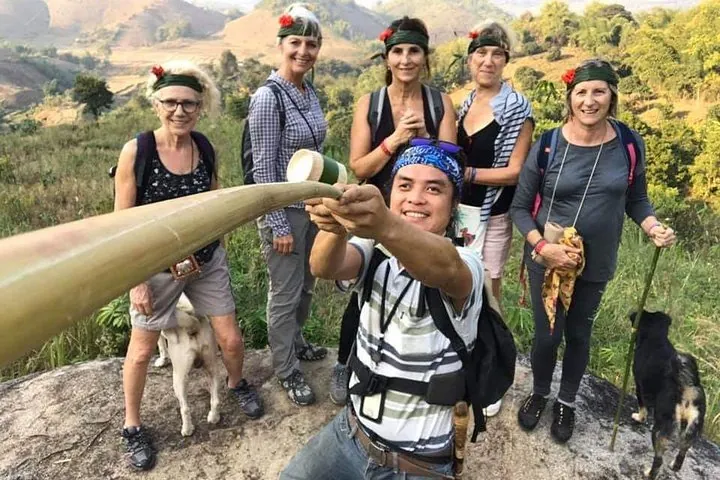
1 Day Trekking Group Tour With Bamboo Cooking / Chiang Rai

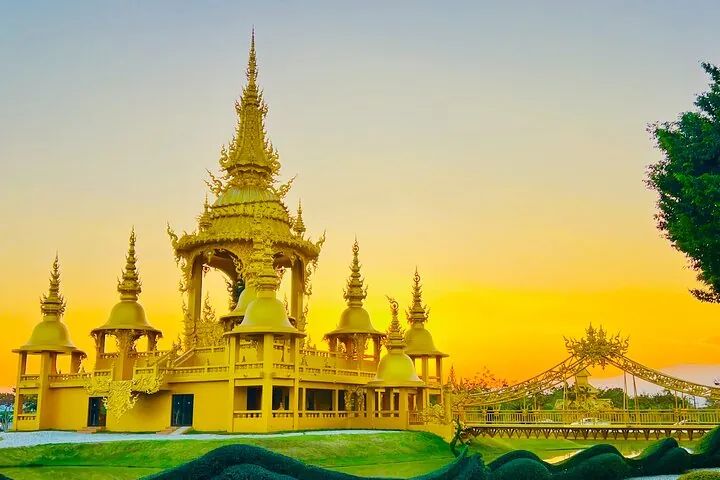
Chiang Rai: Discover 7 Must-See Spots & Lunch Buffet

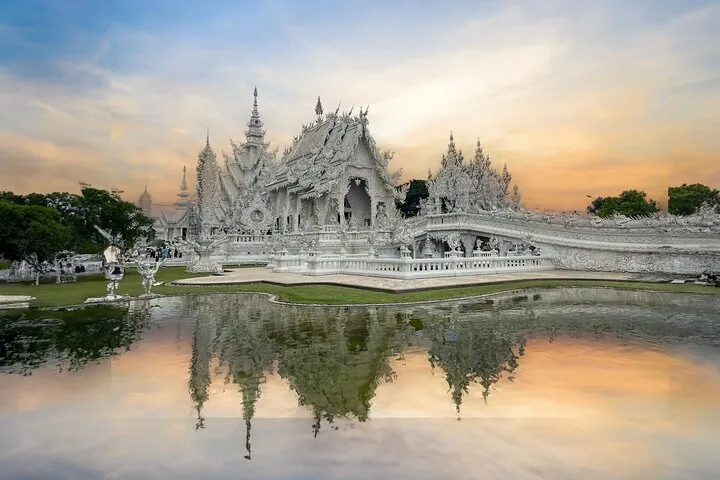
Chiang Rai Private Day Tour: White Temple and Black House

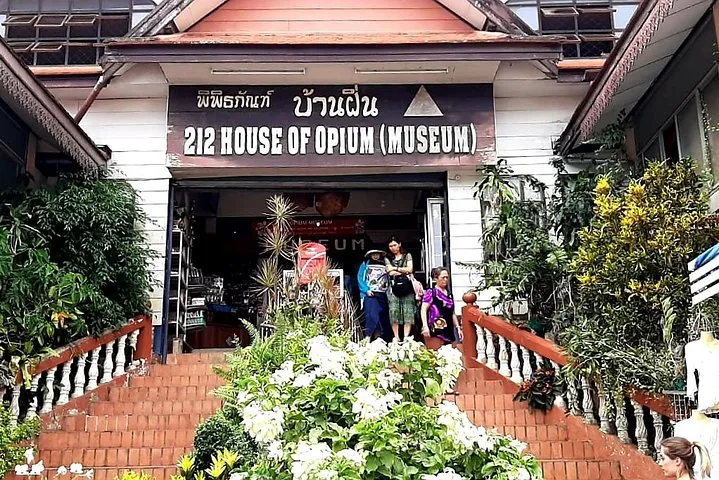
Chiang Rai Sightseeing Group Tour, Chiang Rai Pickup
When to go
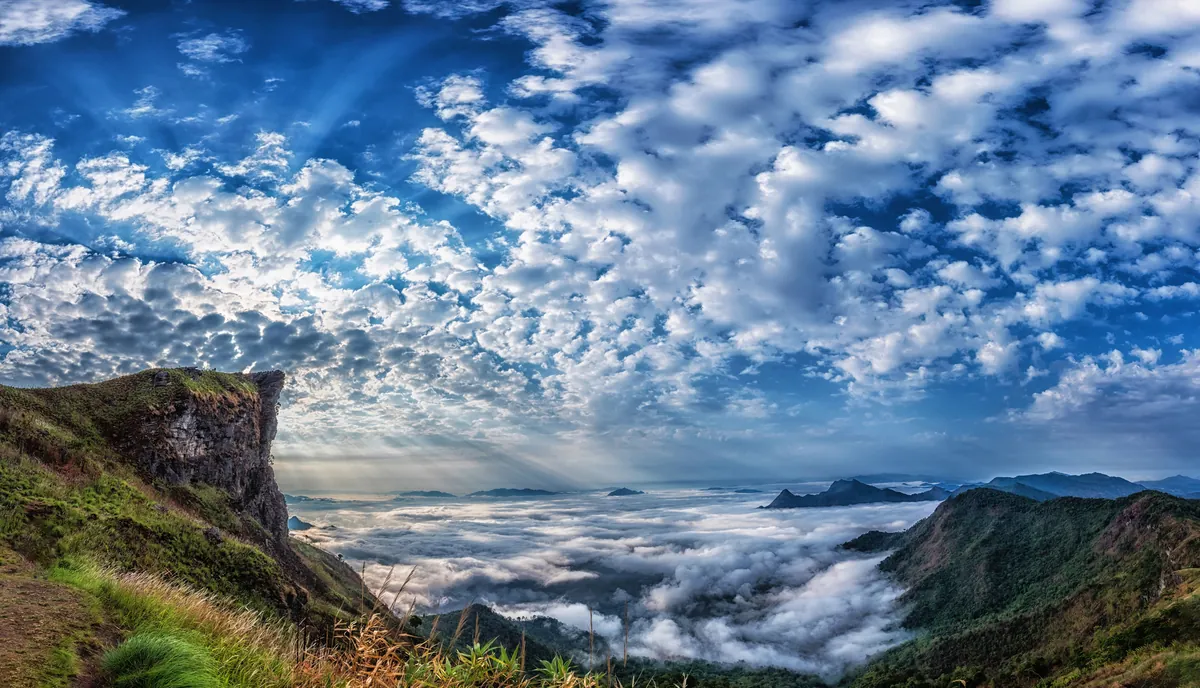
Nov–Feb Cool-season flower beds at Mae Fah Luang Garden are at their fullest, and mornings on the summit can dip close to freezing, the coldest air anywhere on the standard Chiang Rai itinerary. Clear skies give the best views from Doi Chang Mub and the twin chedis.
Mar–Apr Crop-burning haze across the border hills often erases the long views this mountain is known for, and air quality can turn genuinely unhealthy. Garden and villa still open, but photography suffers.
May Haze clears and pre-monsoon showers cool things down. Crowds thin out noticeably before the domestic holiday season resumes in November.
Jun–Oct The hillside forest the Doi Tung project replanted is at its greenest, but afternoon downpours turn the mountain road slick. Allow extra time and avoid late-afternoon drives down.
More to explore around Chiang Rai


About Doi Tung
Last updated July 2026
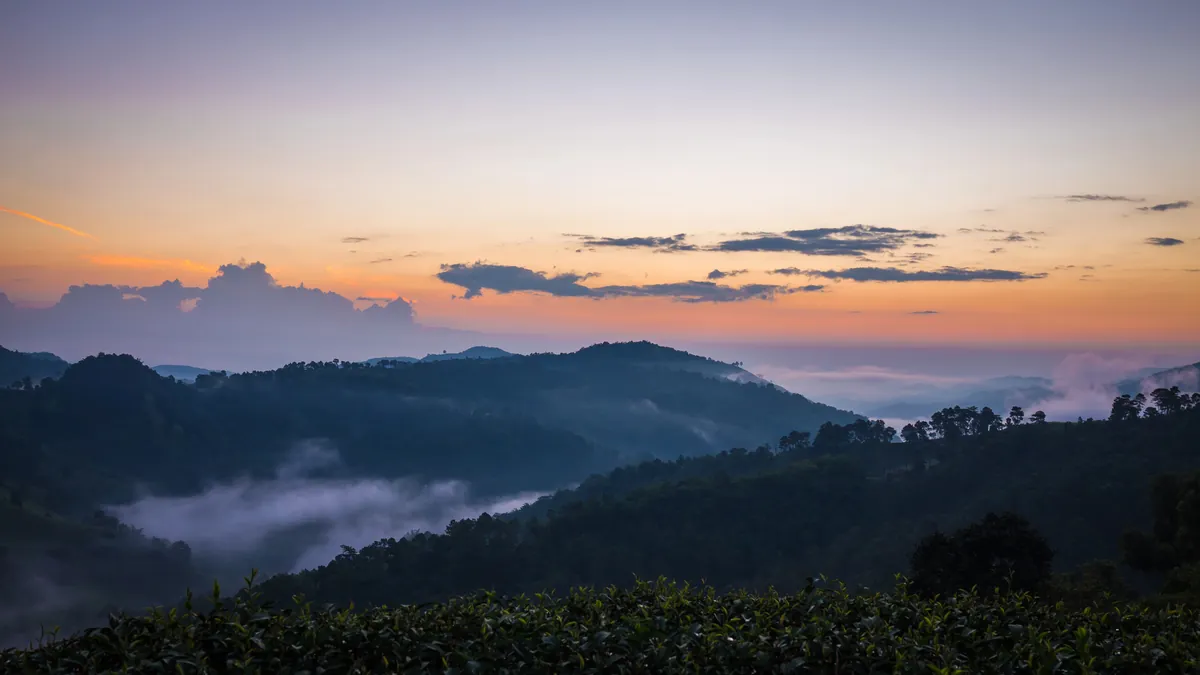
Doi Tung rises to 1,389 metres in Chiang Rai’s far north, close enough to the Myanmar border that the twin chedis on its summit look out over both countries on a clear day. Until the 1980s these hills grew opium poppies for the region’s drug trade; today the mountain is Thailand’s best-known example of royal development work turning that economy into coffee, macadamia, and forestry, wrapped around three sights most visitors see in a single loop: the Royal Villa, Mae Fah Luang Garden, and the mountaintop temple.
The Mae Fah Luang Foundation and the Doi Tung Project
The Princess Mother, Srinagarindra (King Bhumibol’s mother, known locally as Mae Fah Luang (“royal mother from the sky”)) had a hilltop villa built here in 1987 as her base for what became the Doi Tung Development Project. Her programme paid hill-tribe farmers to grow coffee, macadamia, and cut flowers instead of poppies, then built the processing and retail infrastructure to sell it: Doi Tung is now a real coffee and macadamia brand sold across Thailand, not just a garden you walk through. The reforestation was just as deliberate: much of the green hillside visible from the villa today was bare, eroded slope forty years ago.
The Three Headline Sights
Phra Tamnak Doi Tung, the Royal Villa, blends Thai and Swiss chalet styles (a nod to the Princess Mother’s years in Switzerland) and anchors a combined ticket covering four stops: the villa, the garden below it, the Hall of Inspiration (seven exhibition rooms on the royal family’s development work), and a smaller botanical garden near the Doi Chang Mub viewpoint. That ticket is 220 THB (110 THB concession), or 90 THB for any single site.
Directly below the villa, Mae Fah Luang Garden is the terraced flower garden most people photograph: salvia, petunia, and roses replanted seasonally, dotted with more than 70 sculptures by artist Misiem Yipintsoi. Further up the mountain, past the villa complex, Phra That Doi Tung is the summit temple: twin Lanna-style chedis that, by local legend, mark the ninth-century spot where a ceremonial flag (tung) came to rest, giving the mountain its name. A second chedi was added by King Mangrai, founder of Chiang Rai and Chiang Mai, in the 13th century. It’s free to enter and one of northern Thailand’s more serious pilgrimage stops. Expect Thai and Chinese visitors making merit, not just sightseers.
Hill Tribes and the Tree Top Walk
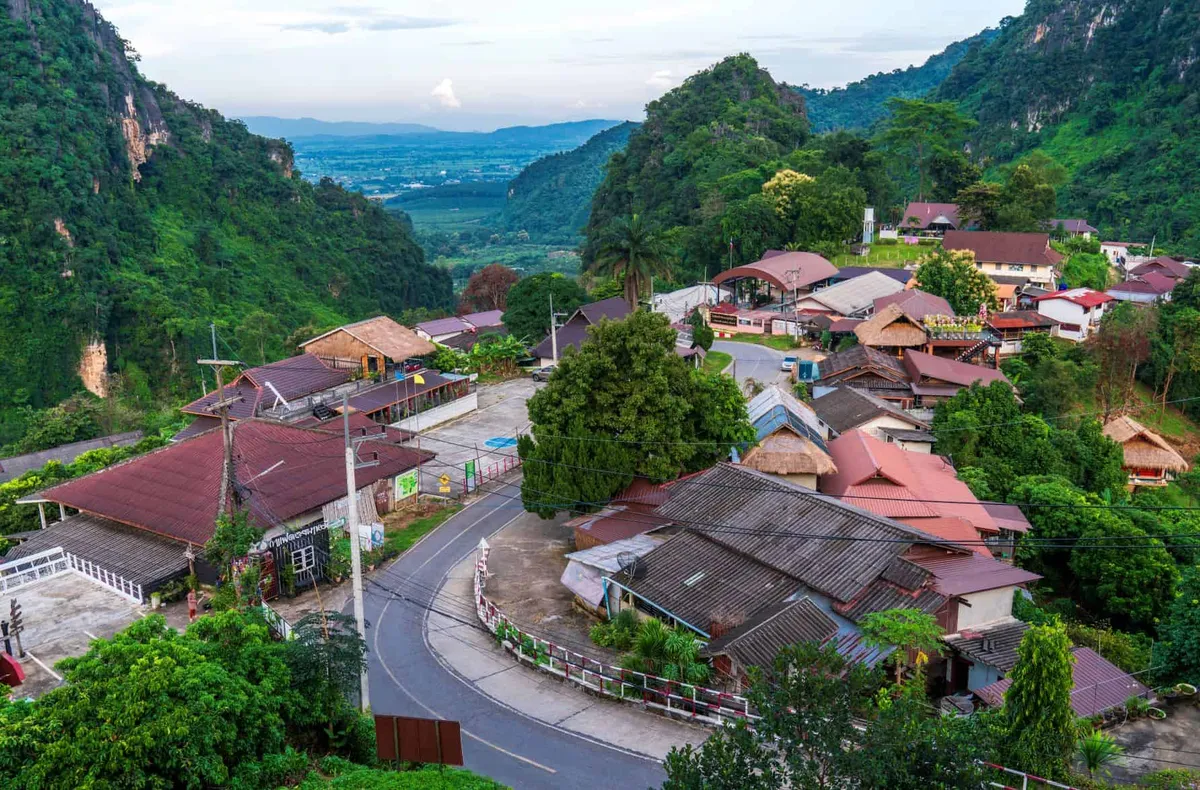
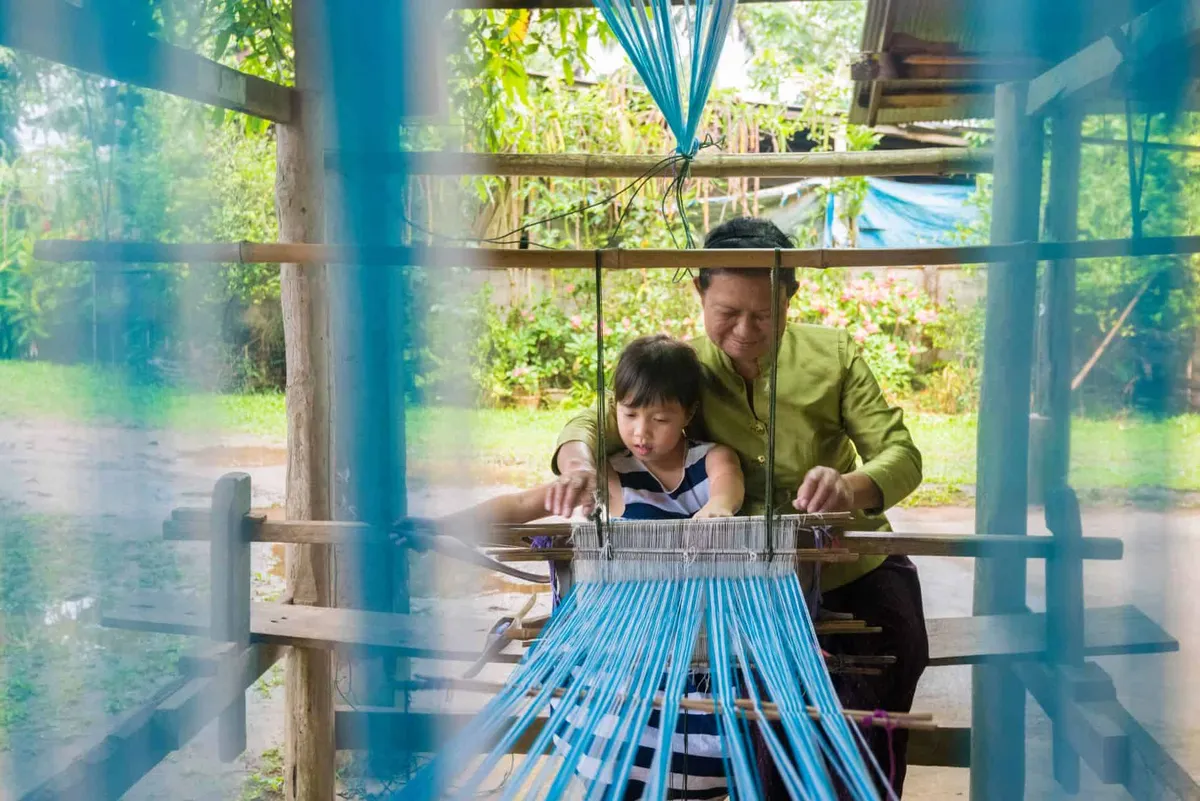
The slopes around Doi Tung are home to Akha and Lahu villages, some of them folded into the Doi Tung project as coffee and handicraft producers rather than left as photo-op stops. Ban Pha Mi and Ban Pha Hi are the two most commonly visited. For a different angle on the reforested hillside, the Doi Tung Tree Top Walk is a 1.6km suspended walkway through the forest canopy (150 THB, booked separately from the villa/garden ticket), worth adding if you have half a day rather than a couple of hours.
Where to Stay
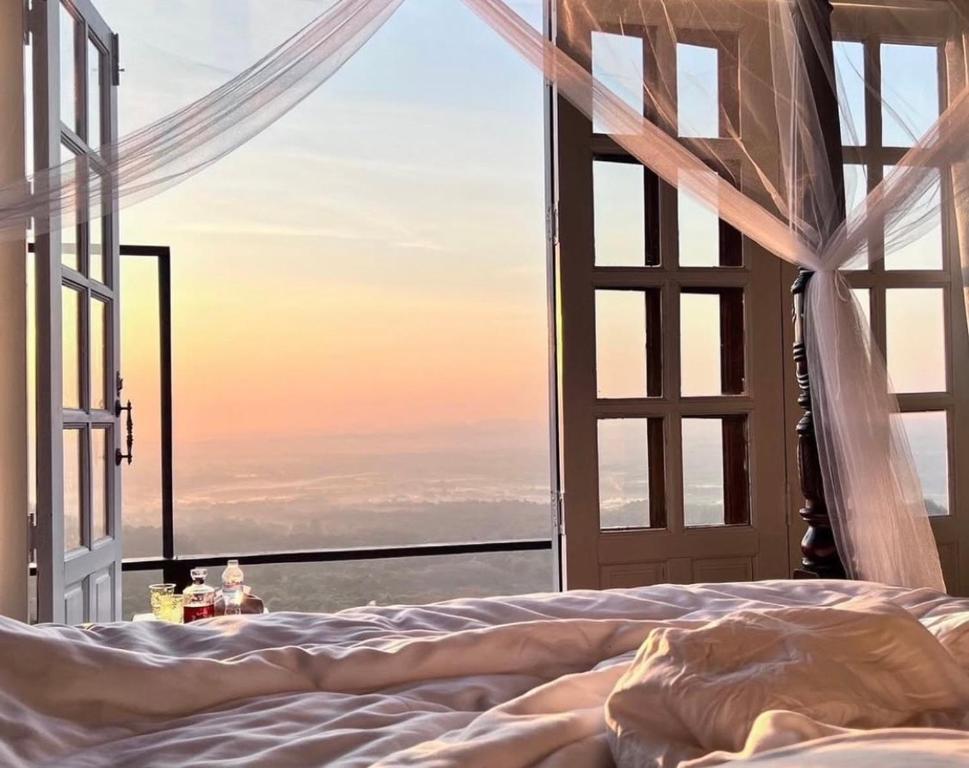
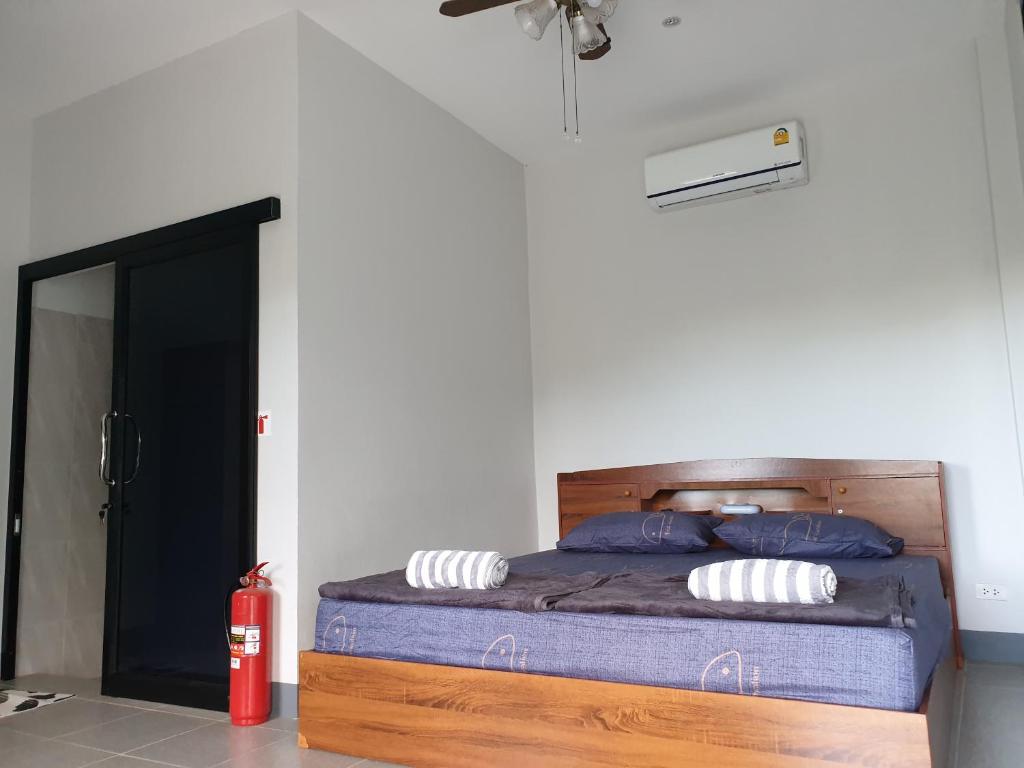
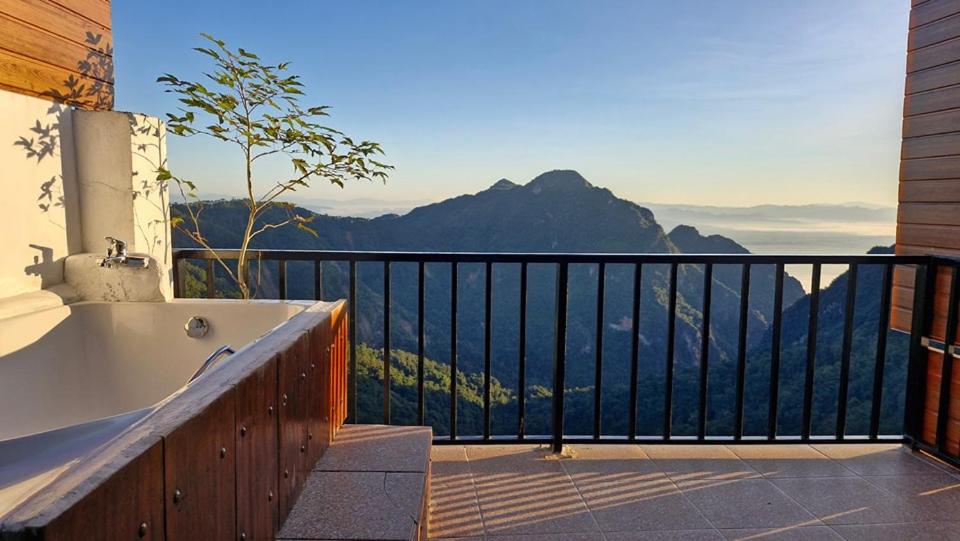
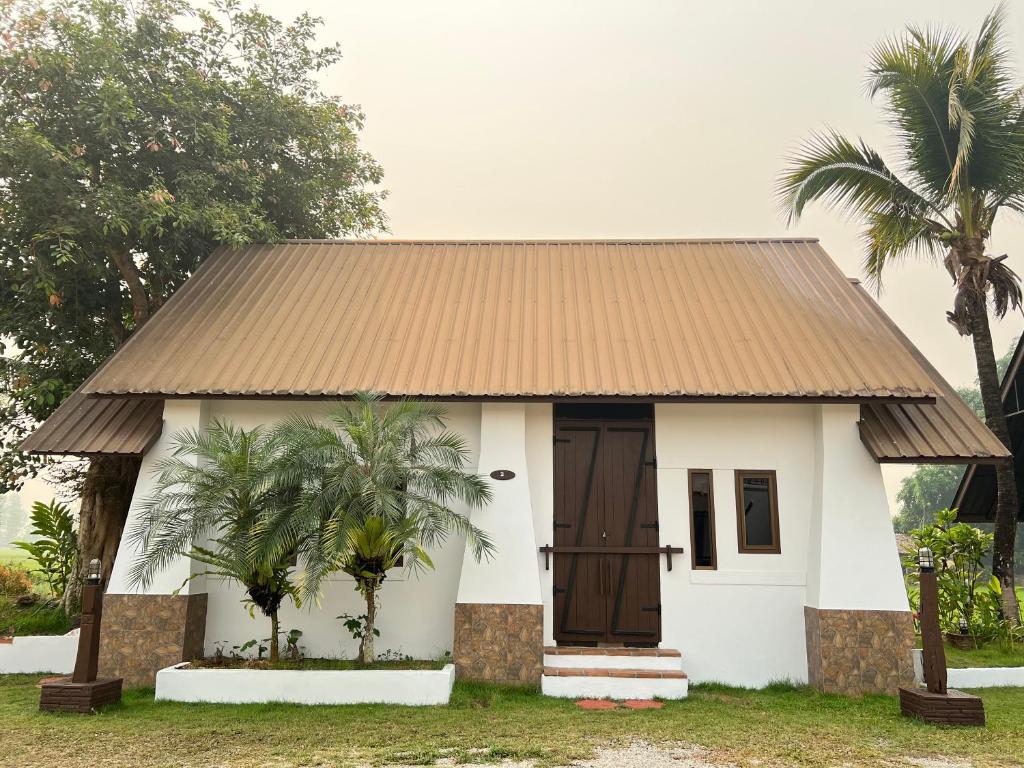
Doi Tung is a day-trip destination, not an overnight base for most travellers. Lodging on the mountain itself is limited to DoiTung Lodge, a few minutes’ drive from the Royal Villa; beyond that there’s little formal accommodation directly on-site. Most visitors sleep in Chiang Rai city and drive up for the day, or stop here as a detour on the way to or from Mae Sai and the Golden Triangle.
Getting There
Doi Tung sits roughly 45km, about 45 to 60 minutes by car, north of Chiang Rai city, on the mountain road that climbs off Highway 110 toward the Myanmar border. There’s no public transport to the summit, so a rental car, hired driver, or organised day tour from Chiang Rai is the only practical way up. Doi Mae Salong, the other well-known Chiang Rai hill destination, is a separate mountain about an hour further southwest. The two are sometimes combined into a two-day loop but shouldn’t be attempted as one long day.
Insider Tip: Go early. The villa and garden get a steady stream of coach tours from mid-morning, and the mountain air, genuinely cold by Thai standards in December and January, is at its best before 10 AM.
Watch out: The site is spread across a hillside with steps and slopes between the villa, garden, and Hall of Inspiration. Pack comfortable shoes rather than sandals.