


Koh Jum
เกาะจำ
Koh Jum trades Krabi's crowds for long empty beaches and a near-total absence of nightlife.
- Best time
- Nov–Apr (dry season)
- From Bangkok
- Flight to Krabi (1h 20m) + taxi + longtail from Klong Jirad Pier
- How long
- 3–5 days
- Getting around
- Motorbike hire; longtail between beaches
Updated June 2026
Plan your trip
Recommended by us

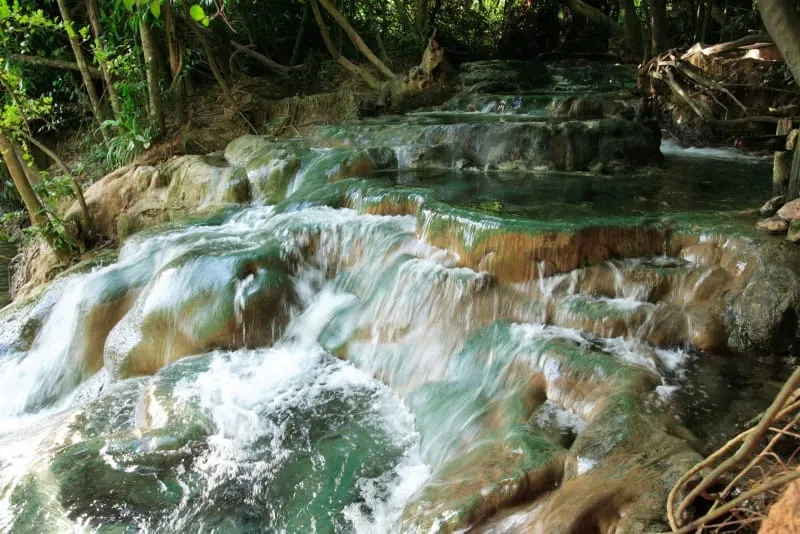
Namtok Ron Khlong Thom
Warm spring water cascades through a series of natural rock pools, different to any waterfall you've visited before. About an hour from Koh Jum by longtail and road.

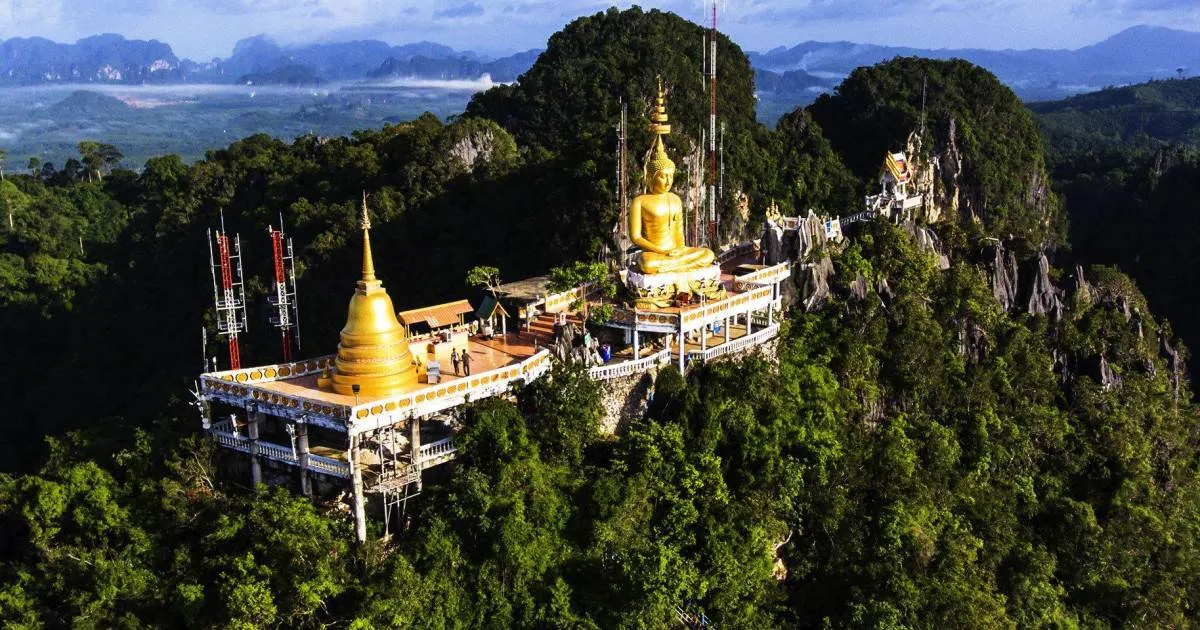
Tiger Cave Temple
Climb 1,260 steps to a viewpoint that looks out over Krabi and the Andaman. The Buddha footprint at the top makes it a pilgrimage for Thai visitors. Go at dawn before the heat.

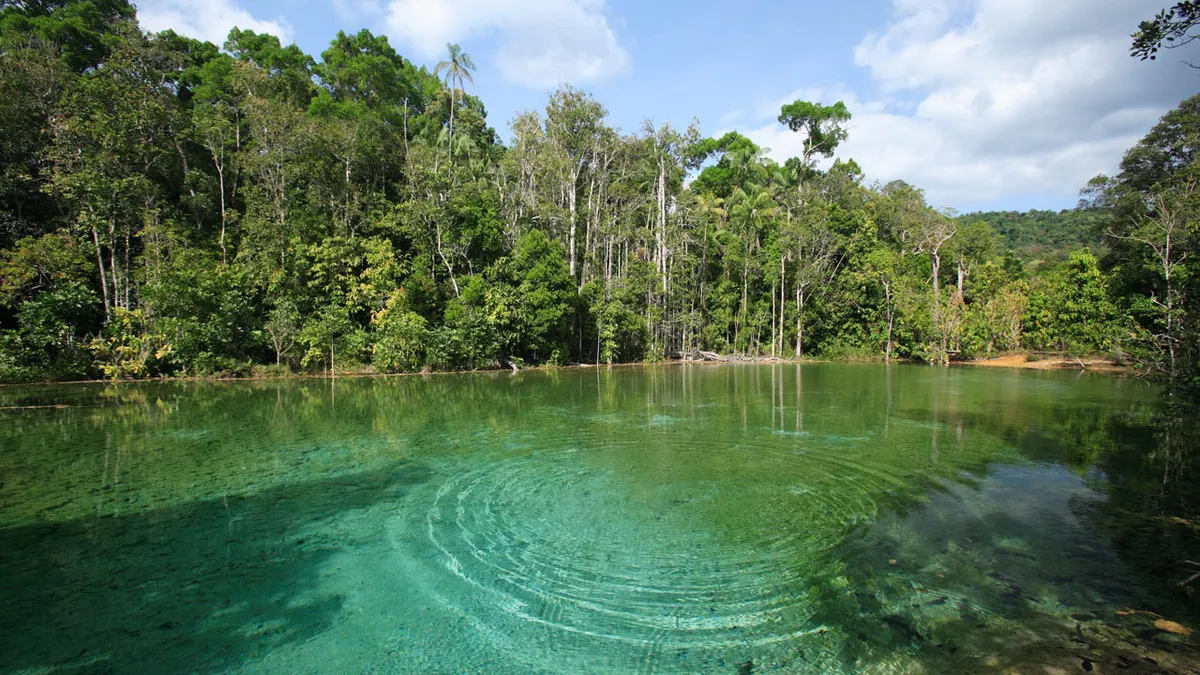
Emerald Pool
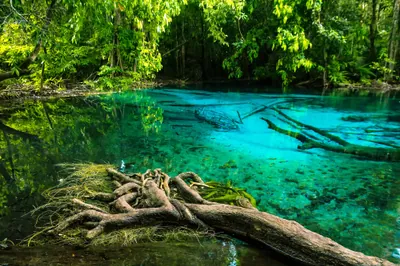
A spring-fed turquoise pool in the middle of lowland rainforest, a day trip from the island. Go early (before 9am) before the tour groups arrive from Krabi.

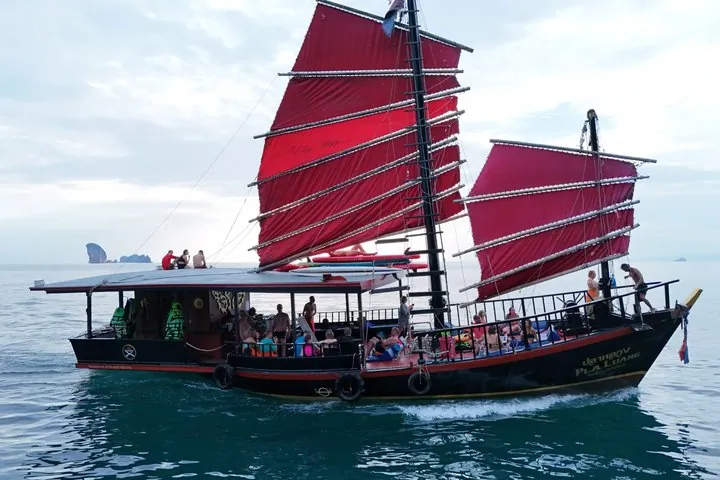
Krabi 4 Island sunset cruise
A 4.9 from 1,934 guests: four islands by longtail ending with a bioluminescent night swim. The Koh Jum equivalent of a proper Krabi evening out.

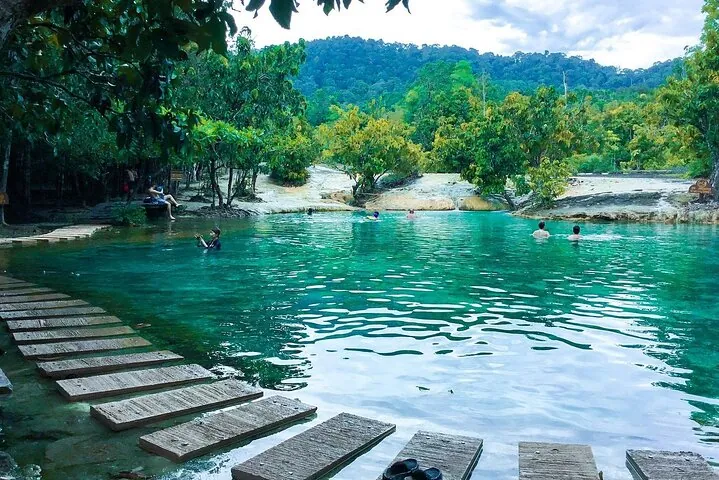
Krabi jungle tour
A 4.7 from 337 guests: hot springs, the Emerald Pool, and Tiger Cave Temple in one day. Saves renting a scooter for three separate trips.
Get to Koh Jum
Fly into Krabi, then take a taxi to Laem Kruat pier and the longtail ferry across, about 30 minutes on the water.

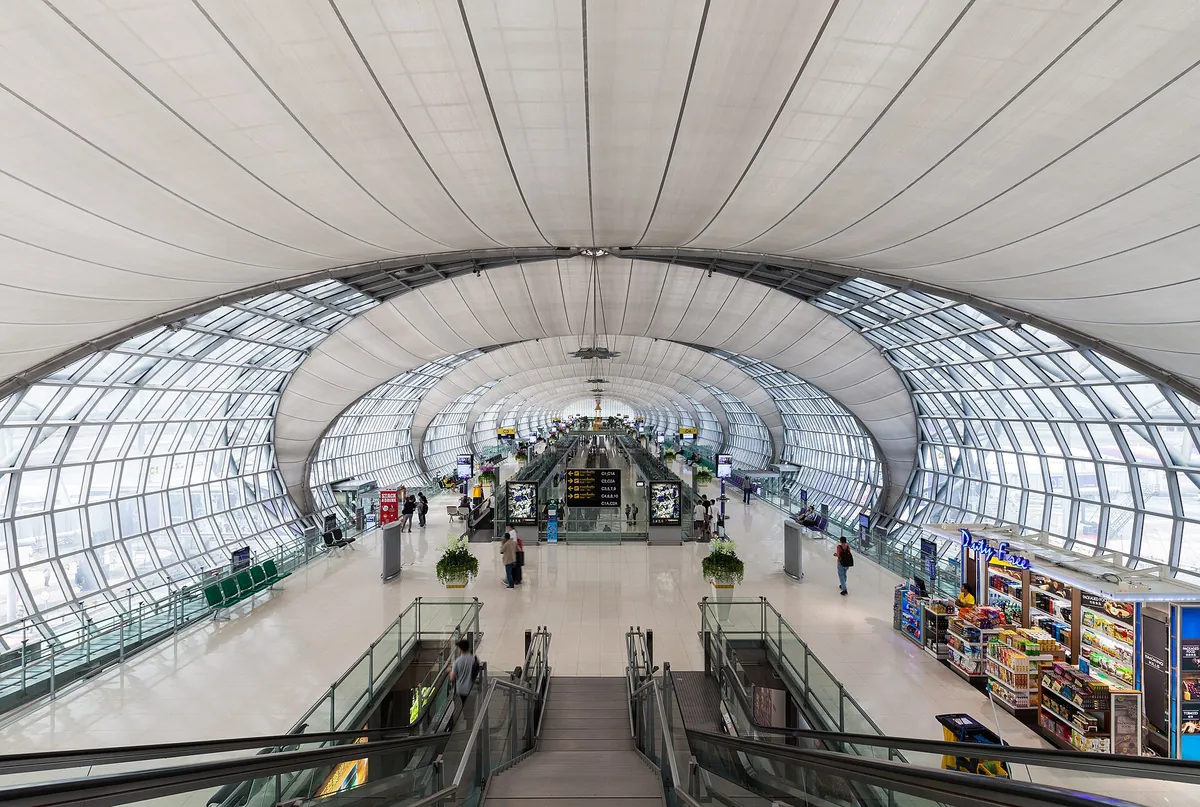
eSIM for Thailand
Land with data already working and skip the airport SIM queue. We tested six plans. Code THAIHOLIDAY saves 10%.

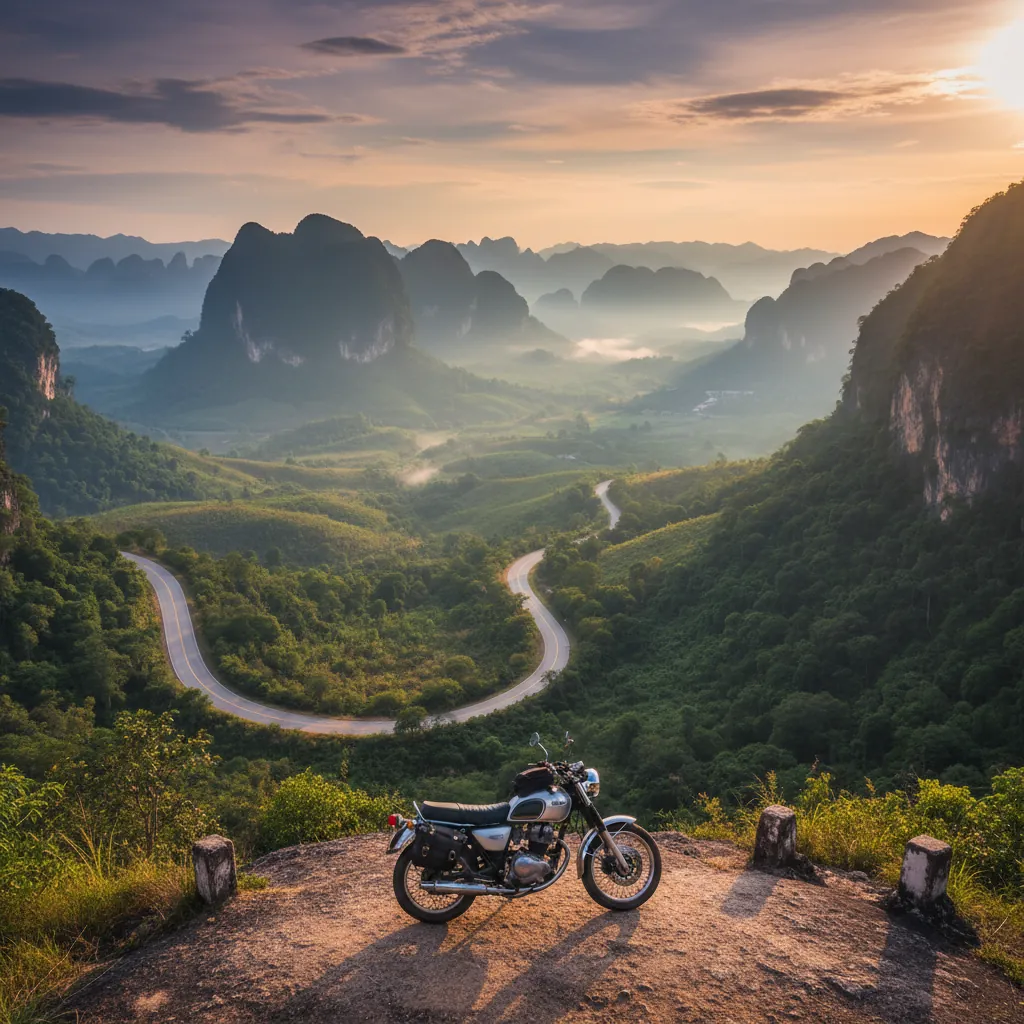
Travel insurance
Longtail boats, kayaking and scooters on narrow island roads. Sort cover before you go, and read the motorbike clause.
Where to stay in Koh Jum
Also nearby
Attractions in Krabi
Sa Morakot (Emerald Pool)
สระมรกต

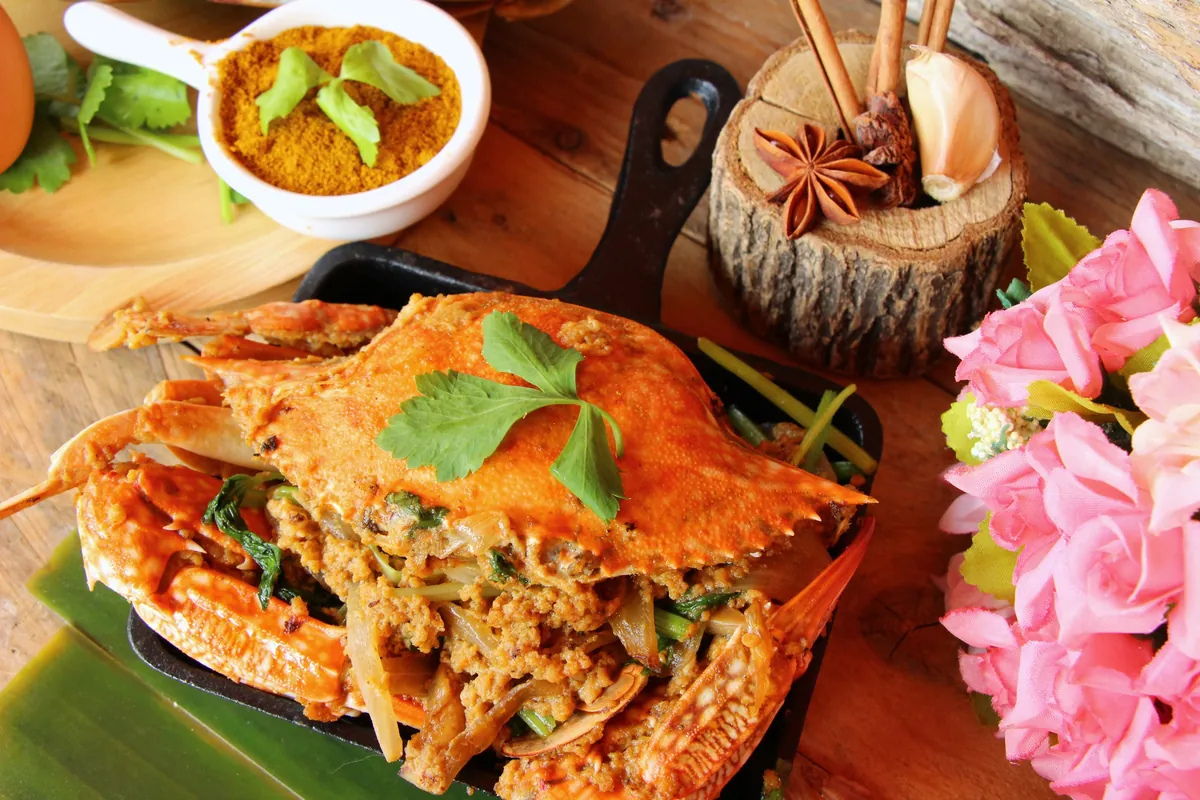
Baitoey Seafood (Krabi Town)
ร้านอาหารใบเตย

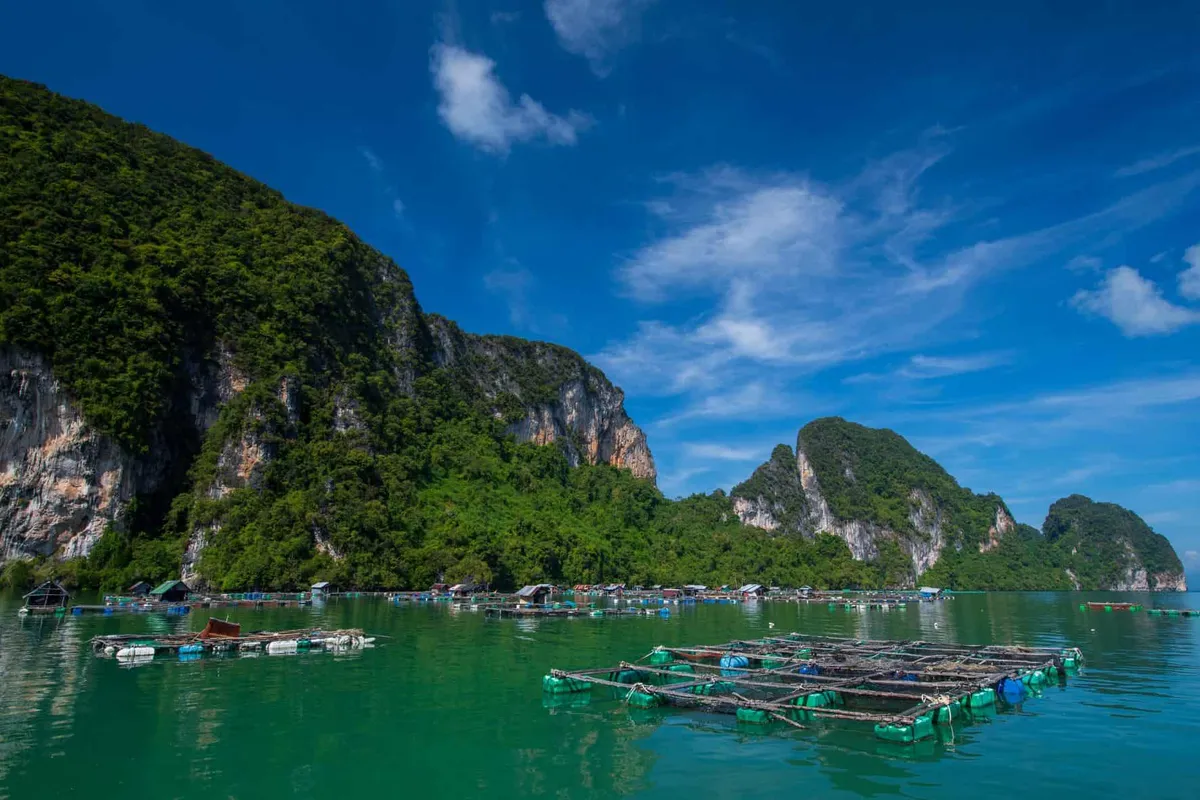
Ban Laem Sak Tourism Community
ชุมชนท่องเที่ยวบ้านแหลมสัก

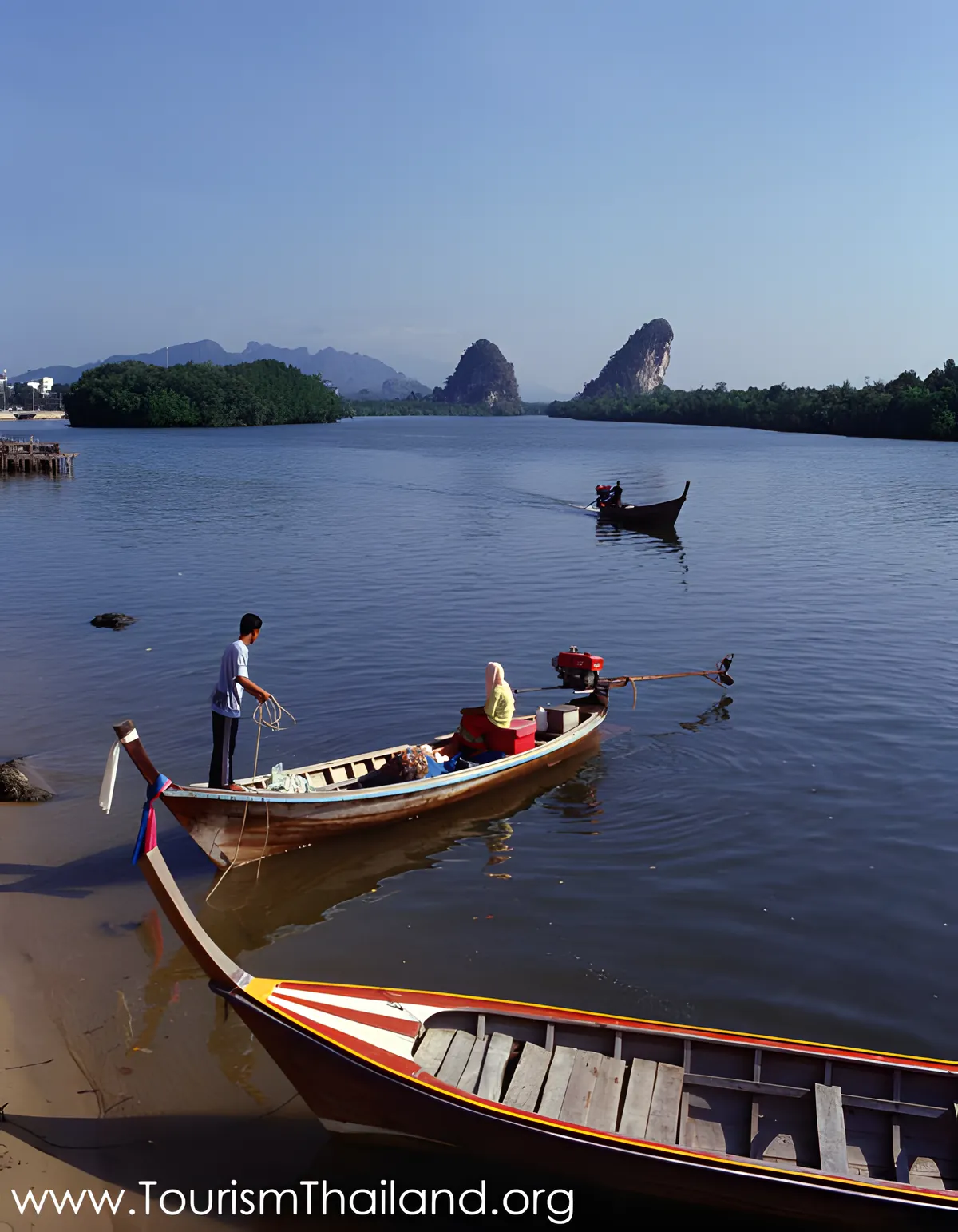
Khao Pra-Bang Khram Wildlife Sanctuary
เขตรักษาพันธุ์สัตว์ป่าเขาประ-บางคราม

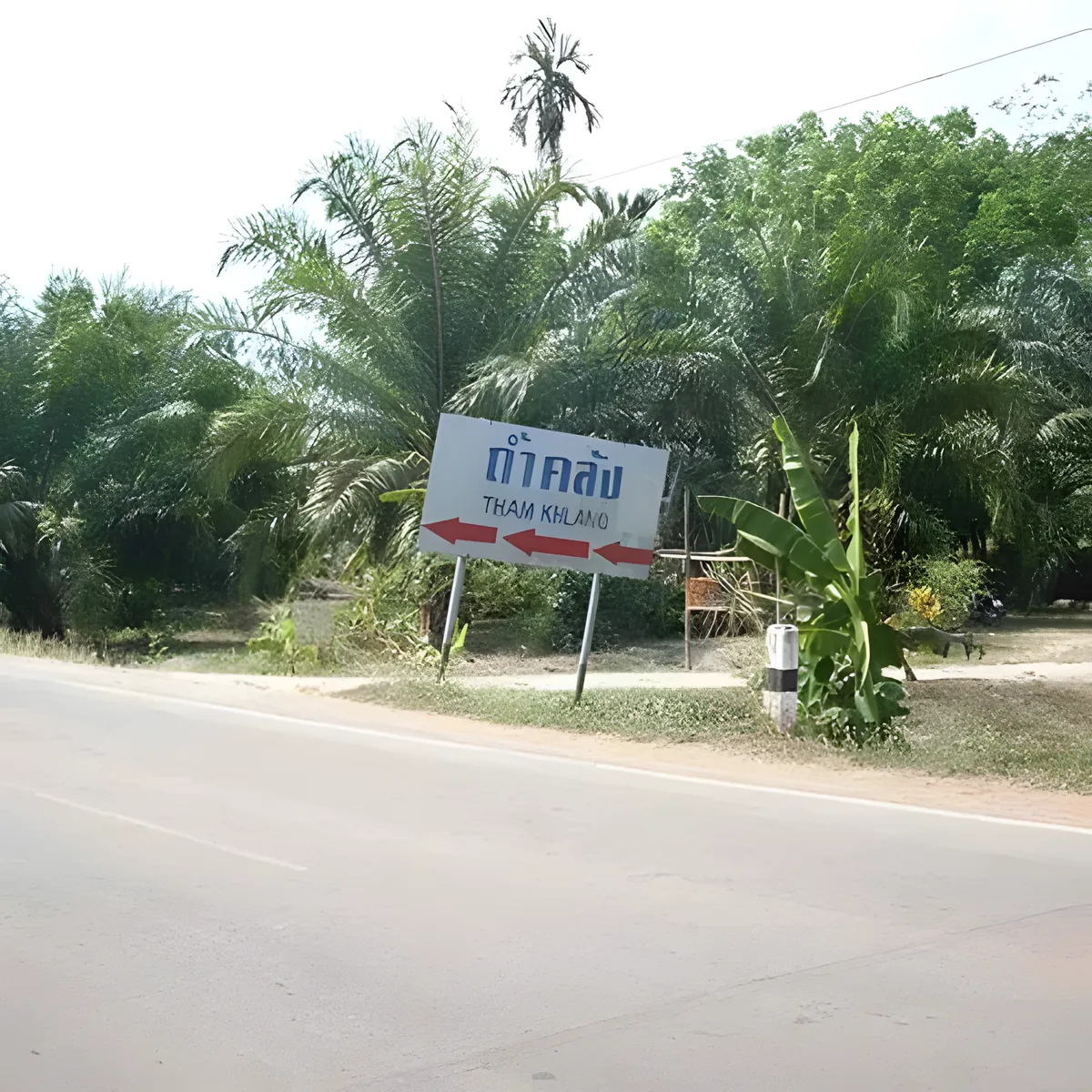
Klang Cave
ถ้ำคลัง

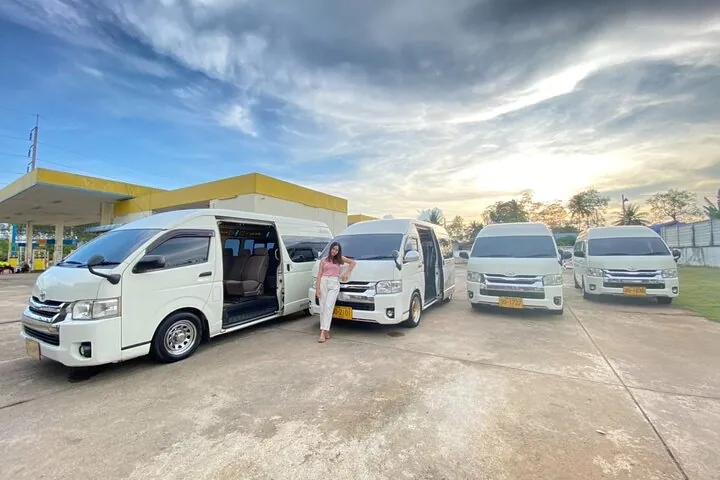
Krabi Airport (KBV)
ท่าอากาศยานกระบี่

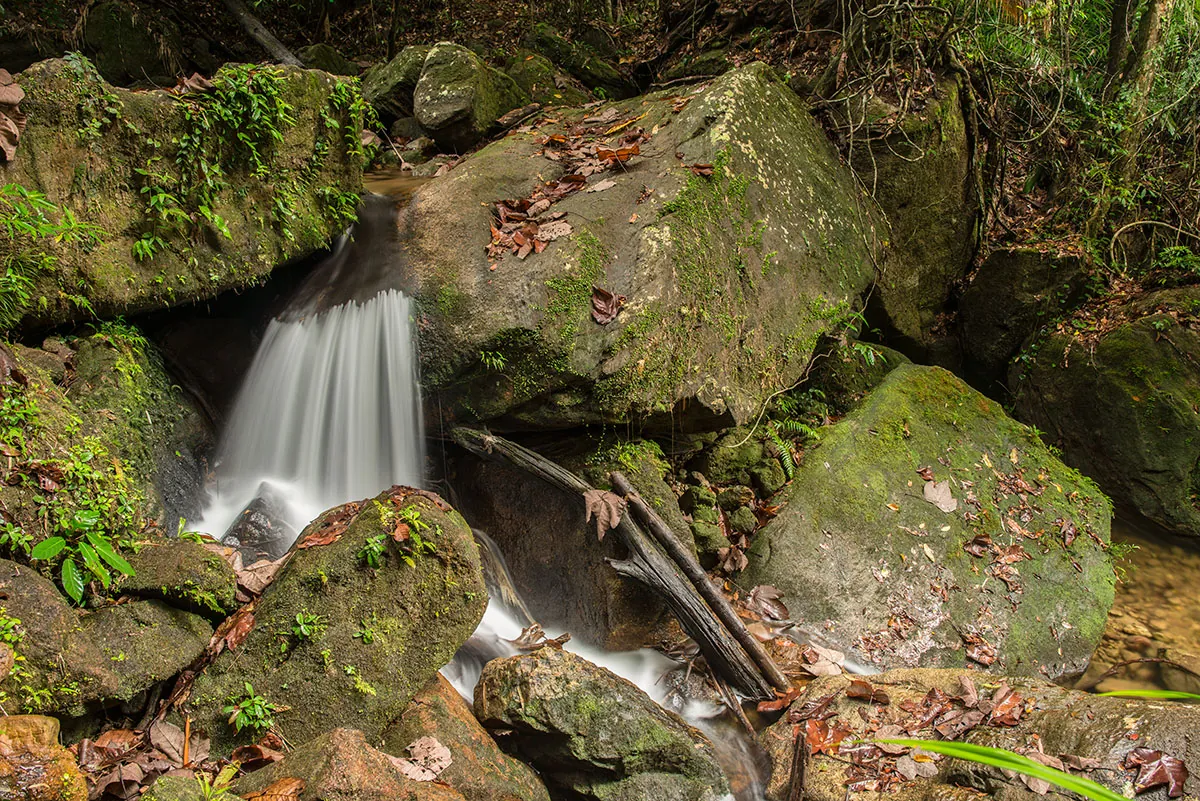
Namtok Hin Phoeng
น้ำตกหินเพิง
Namtok Ron Khlong Thom
น้ำตกร้อนคลองท่อม

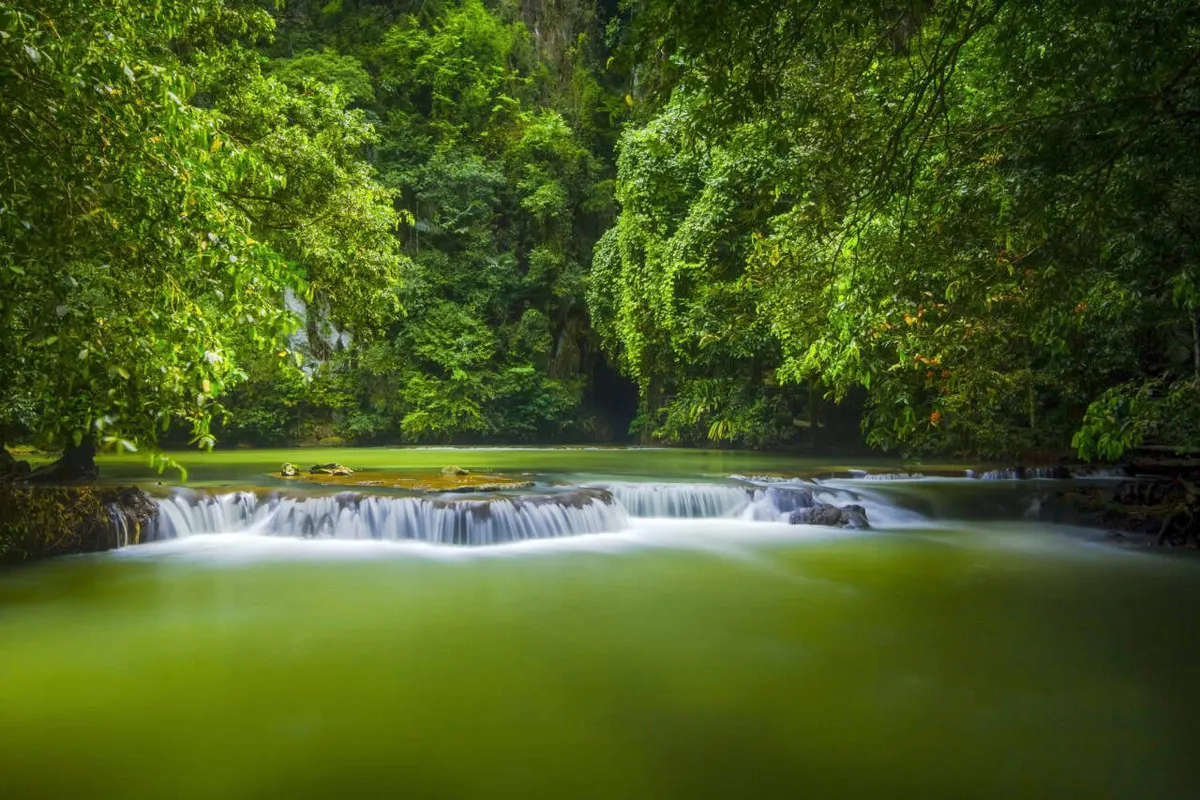
Than Bok Khorani National Park
อุทยานแห่งชาติธารโบกขรณี

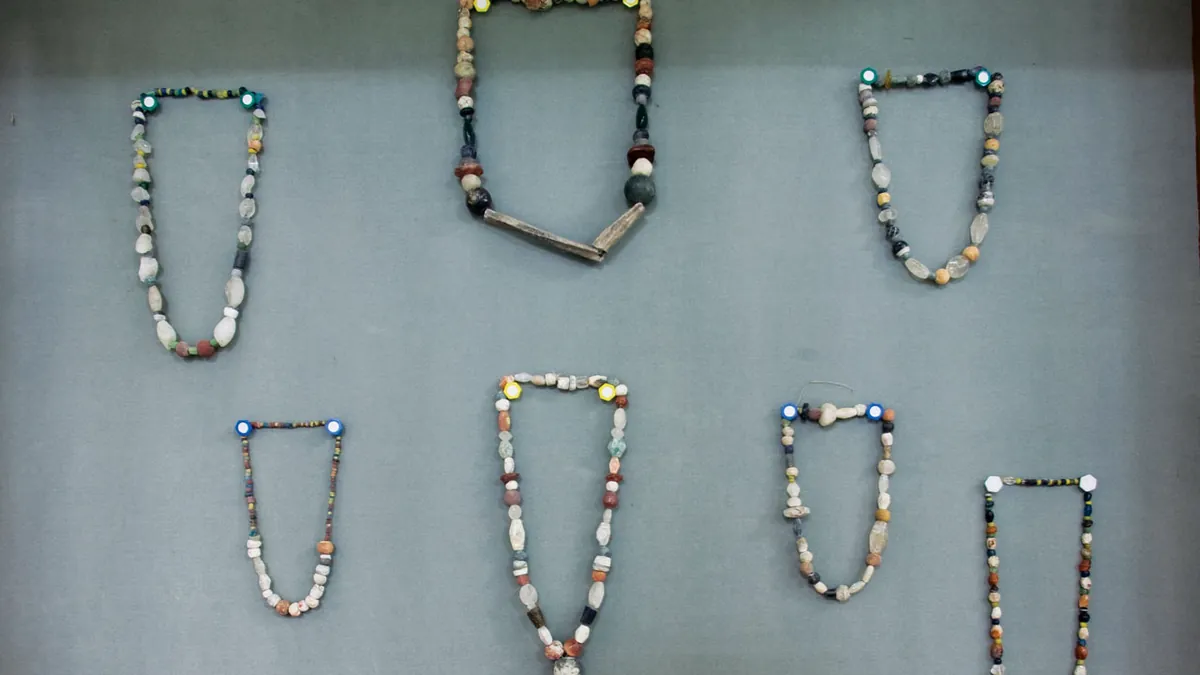
Wat Khlong Thom Museum
พิพิธภัณฑสถานวัดคลองท่อม

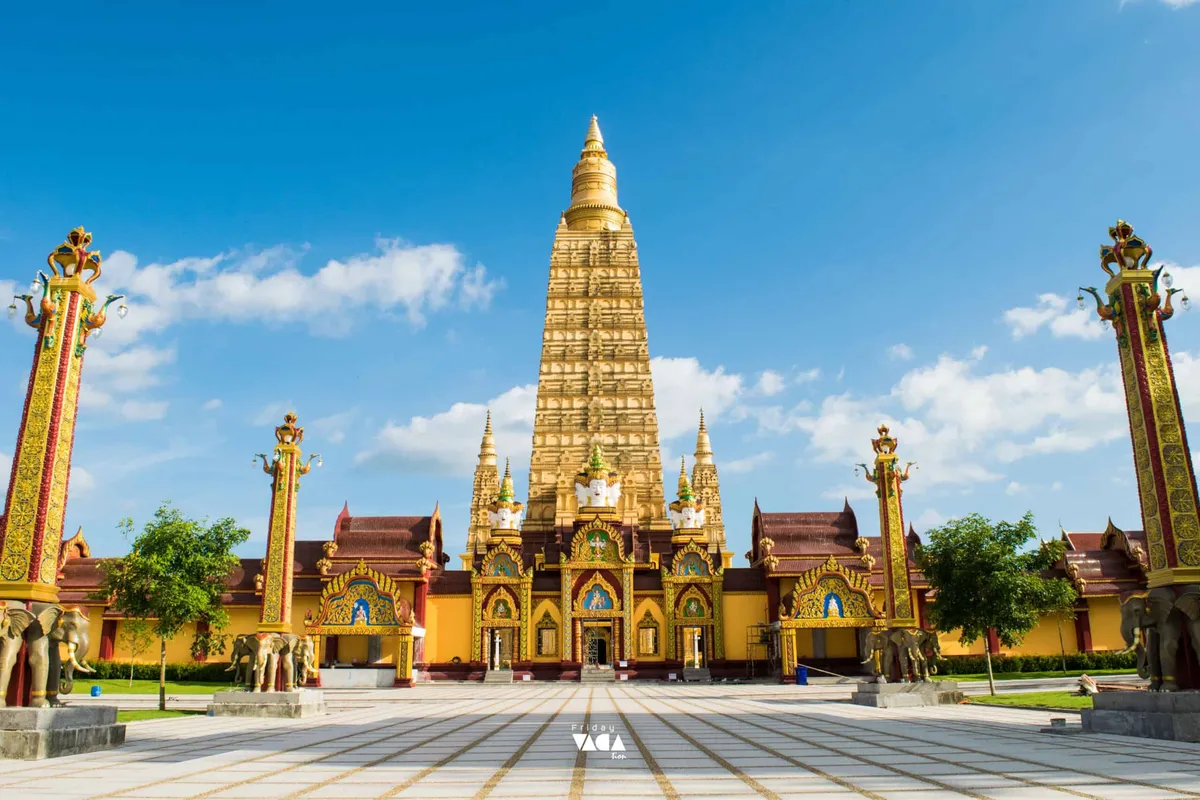
Wat Maha That Wachiramongkol (Wat Bang Thong)
วัดมหาธาตุวชิรมงคล
Also nearby
Tours in Krabi

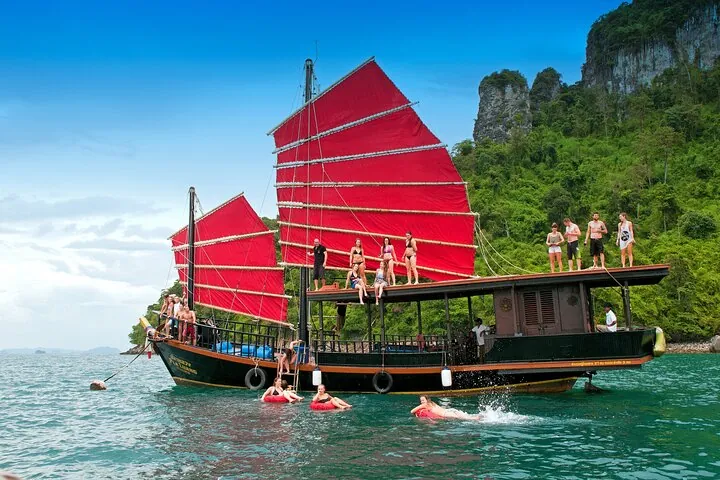
Krabi 4-Island Morning Cruise: Snorkeling and Breakfast

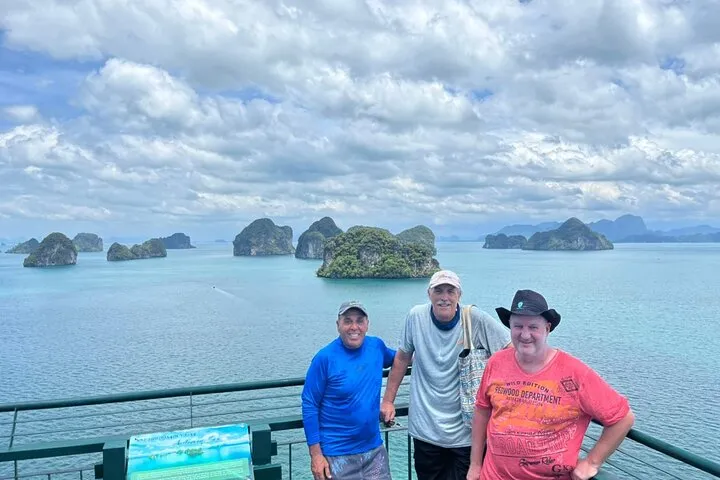
Krabi Islands Private Tour

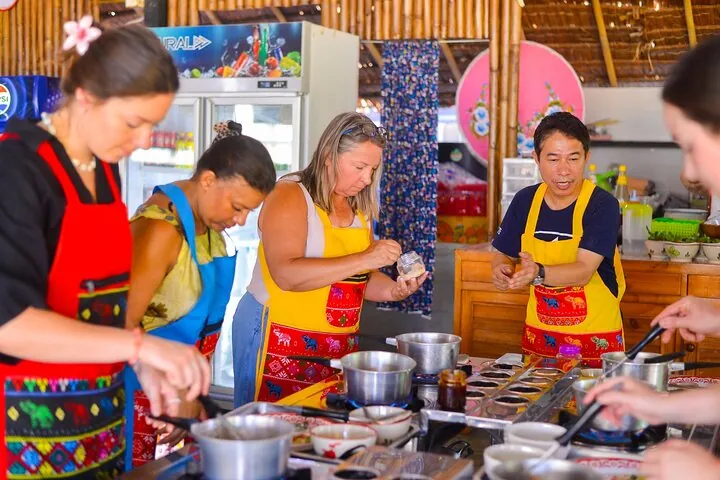
Smart Cook Thai Cookery School in Aonang, Krabi

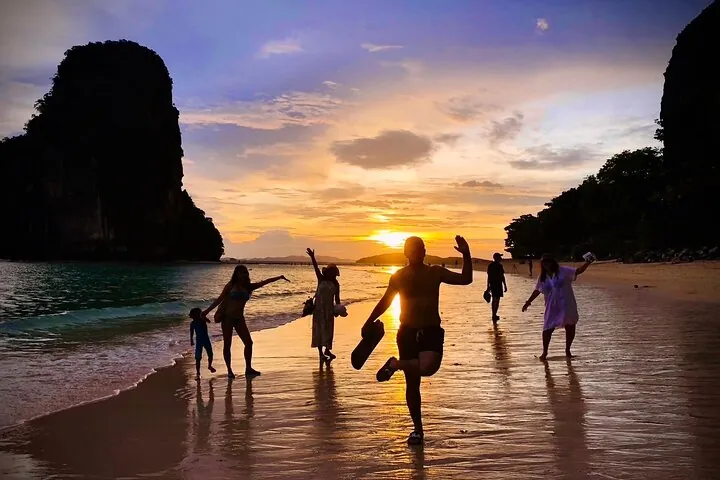
Krabi 4 Islands Sunset & Plankton Speedboat Tour

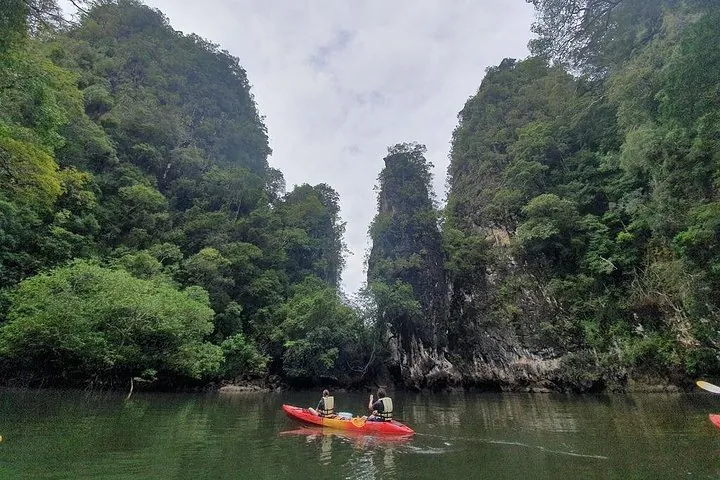
Deep Mangrove and Canyon Kayak Tour in Krabi

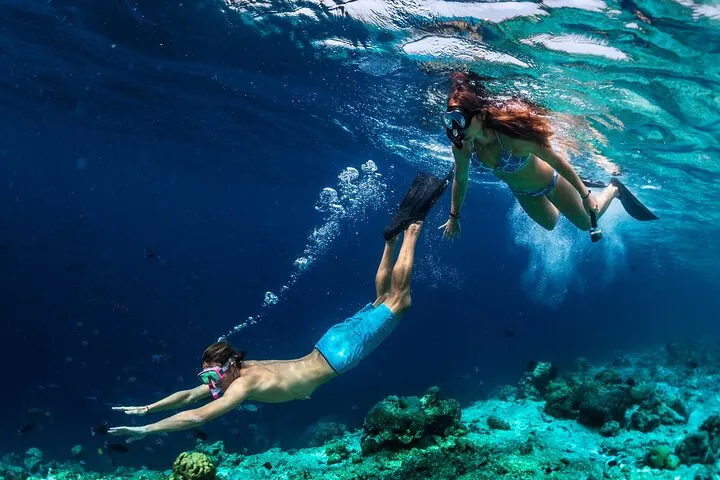
Krabi 7 Island Sunset & BBQ Dinner (Join Tour)

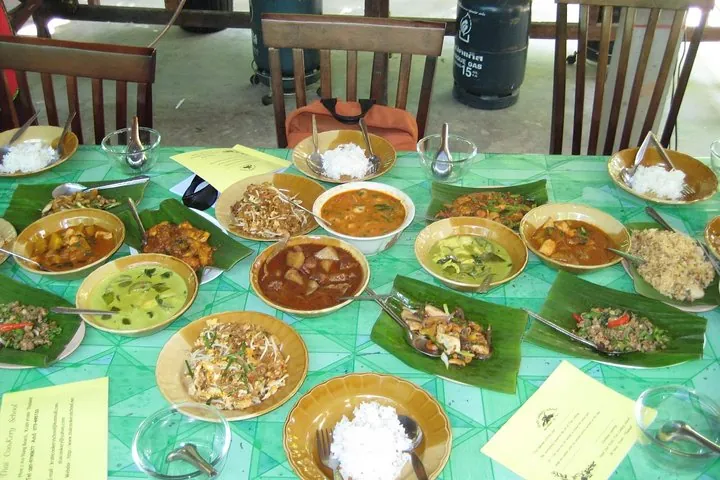
Ya Thai Cookery School Class in Krabi

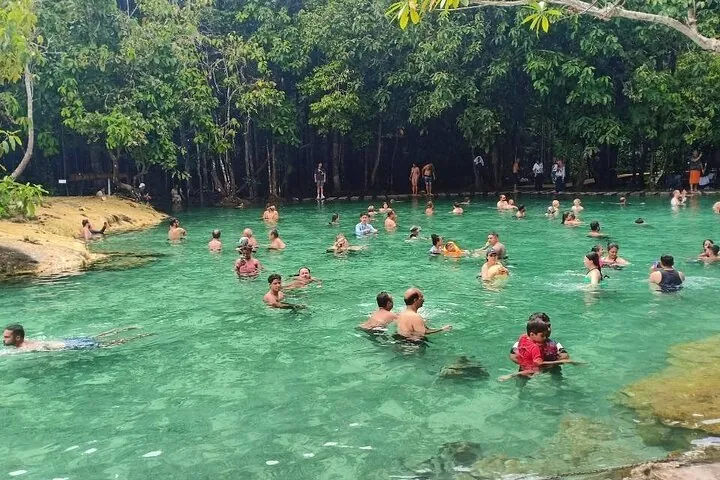
Krabi Emerald Pool, Hot Springs & Tiger Cave Temple

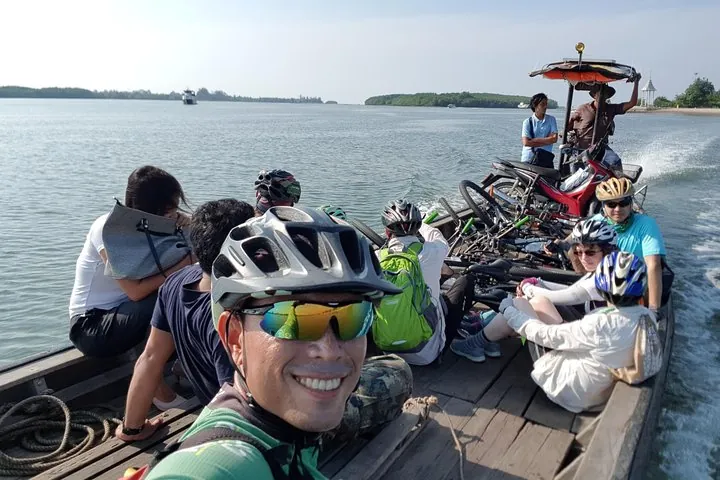
Half day Koh Klang culture cycling

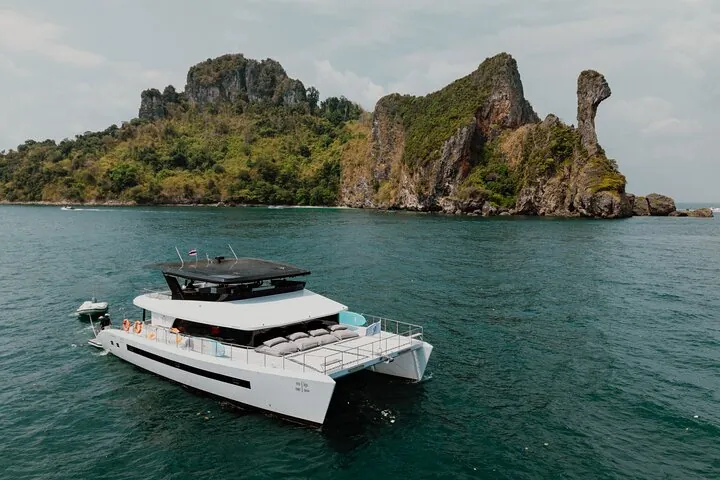
Krabi 4-Island Luxury Yacht: Snorkelling and Clear Kayaking

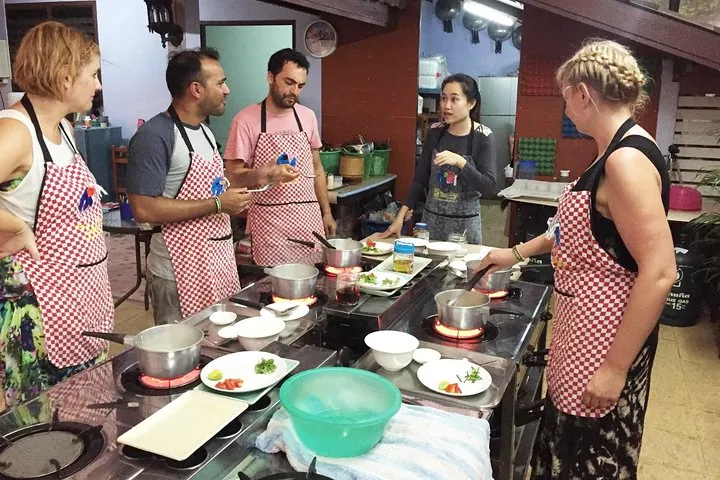
Small-Group Smart Thai Cooking Class in Krabi

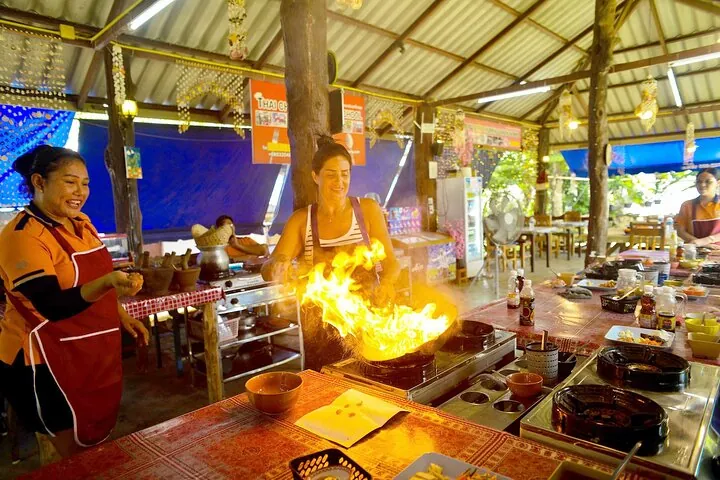
The Best Cooking Class at Thai Charm Cooking School in Krabi
When to go
Koh Jum
Gulf coast · Koh Samui, Koh Phangan, Koh Tao
From June to September, Koh Jum is in its rainy season while the Gulf coast has its best months. Compare the two coasts
Nov–Feb Calm seas mean the longtails from Klong Jirad Pier and Koh Lanta run reliably. Koh Jum draws a quieter crowd than Phi Phi, uncrowded beaches and clear water with no jet-ski noise.
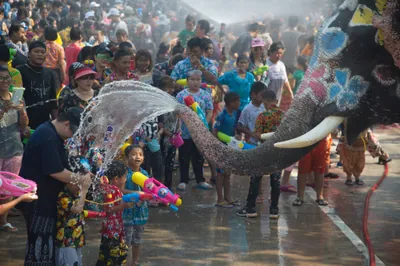
Mar–Apr Warm and still pleasant; boat connections remain dependable. A good time to find your own patch of beach without peak-season prices. The island stays calm even when Songkran grips the mainland.
May–Oct Several small resorts close entirely for the low season. Boat schedules thin out as seas become unpredictable. If you're happy with solitude and cheaper rates, a few guesthouses stay open.
More to explore around Krabi







About Koh Jum
Last updated June 2026
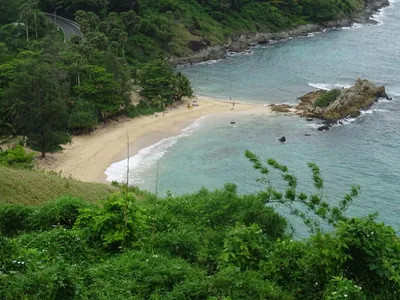
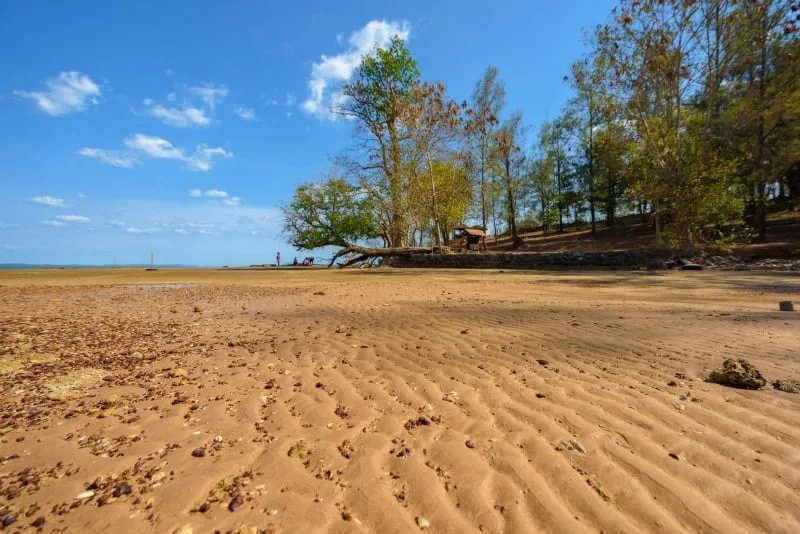
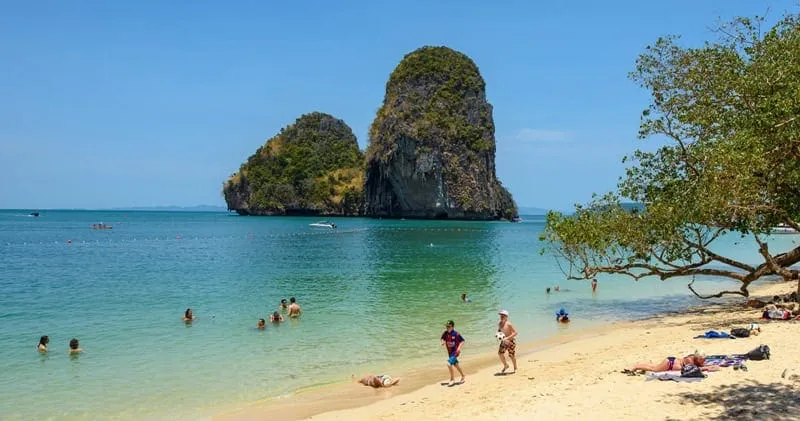
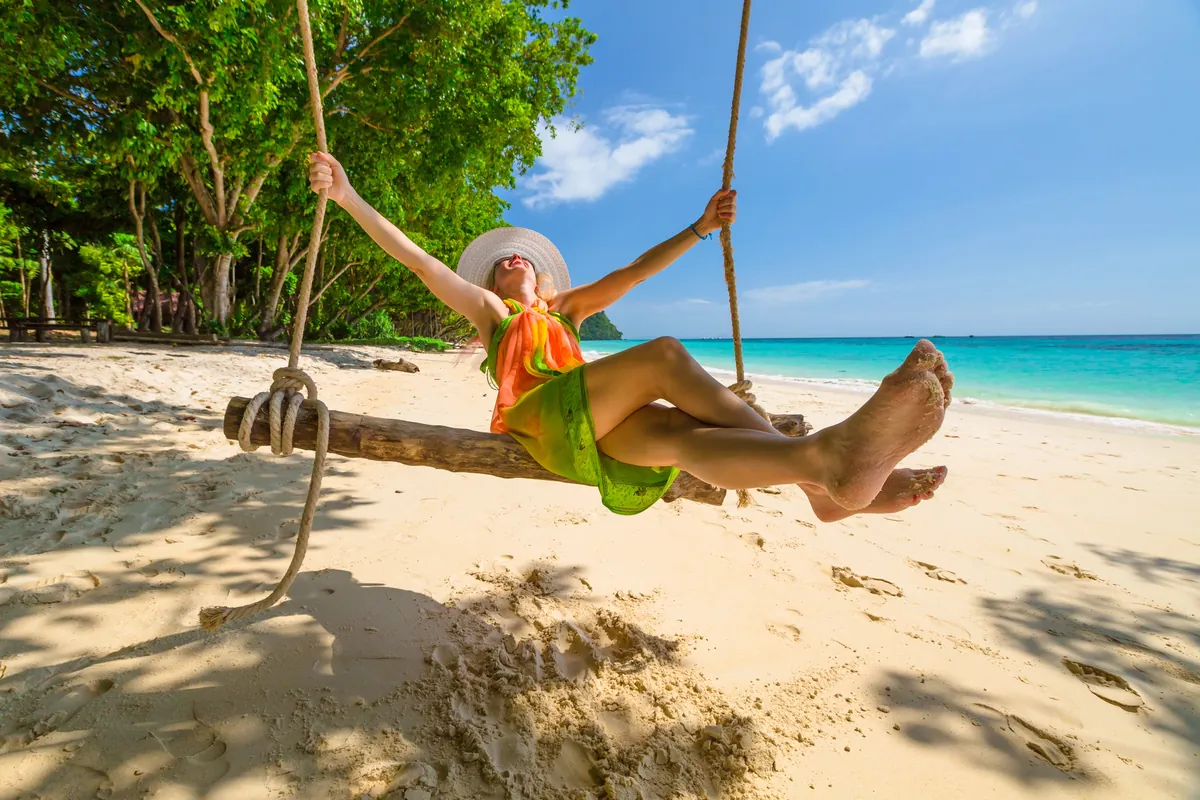
Picture a small island where fishing boats still outnumber tourist boats, where you can walk the entire coastline in a day, and where the biggest decision is which empty beach to claim as your own. That’s Koh Jum, a laid-back island in Krabi province that attracts travelers seeking authentic Thai island life without the crowds. This Andaman Sea hideaway draws visitors who prefer hammocks to nightclubs, local seafood shacks to resort restaurants, and dirt roads to tuk-tuk traffic. Within Krabi’s island collection, Koh Jum sits between the popular Phi Phi Islands and Koh Lanta, offering the perfect middle ground of accessibility and tranquility.
Top Things To Do
Days on Koh Jum revolve around the coast and the fishing village life that still shapes the island’s character. The beaches on the western and northern sides of the island stay quiet even in peak season. Snorkelling off the beaches and longtail boat trips to nearby reefs are the main water activities. Walking or cycling through the villages gives you a look at a way of life little changed by tourism. Its small rivers and canals make for good kayaking. Many visitors simply move between beach, hammock, and the small cluster of restaurants near the main pier.
Where To Stay
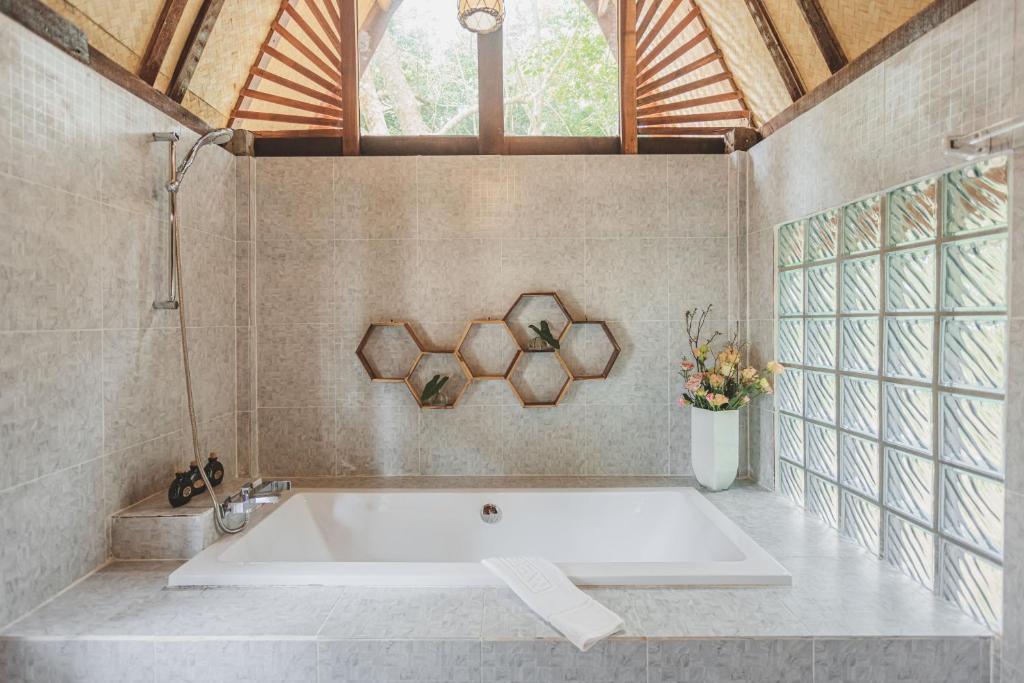
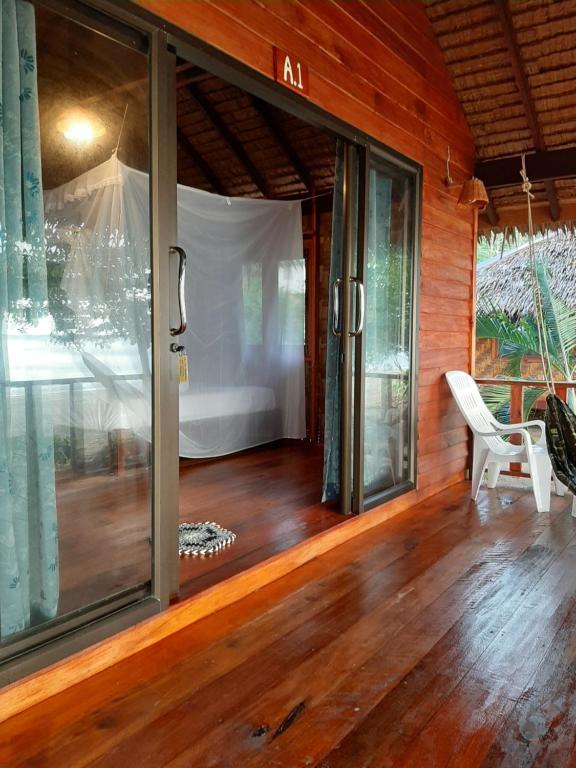
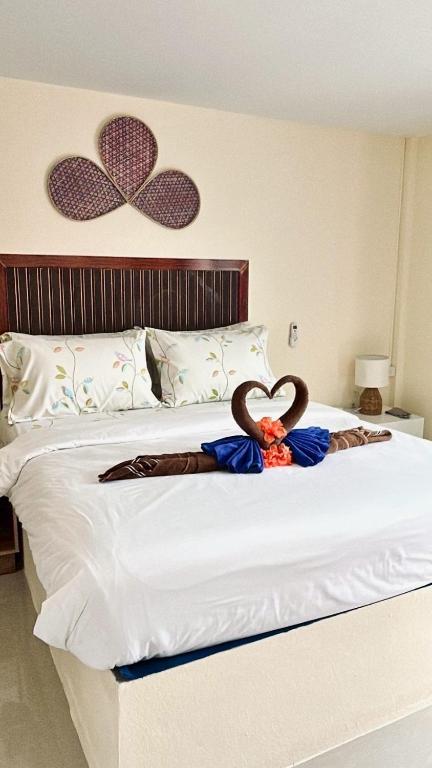
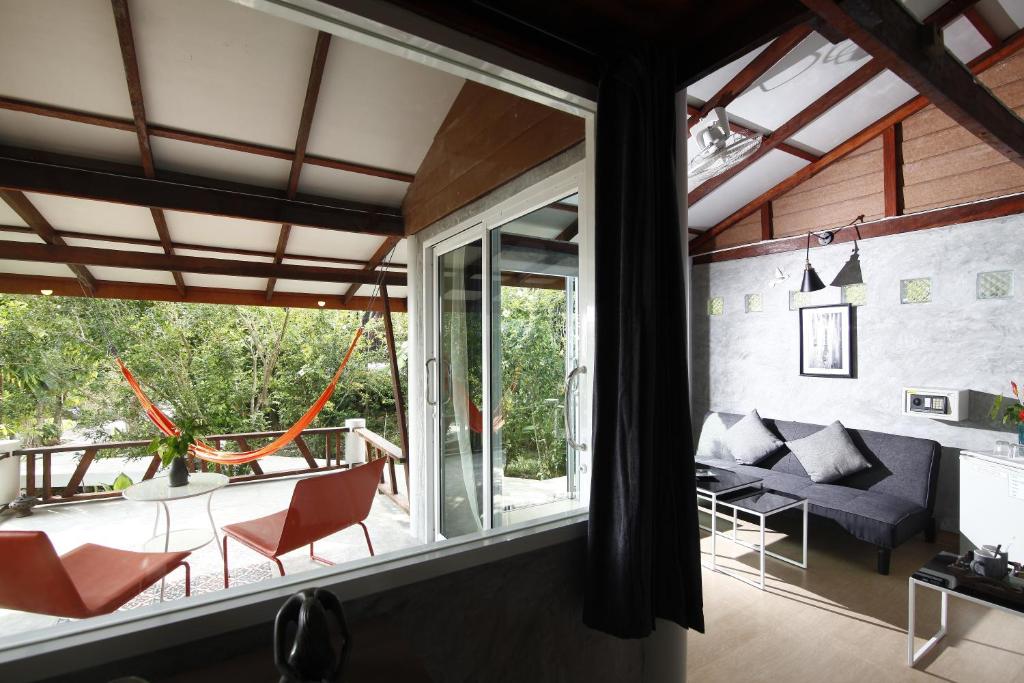
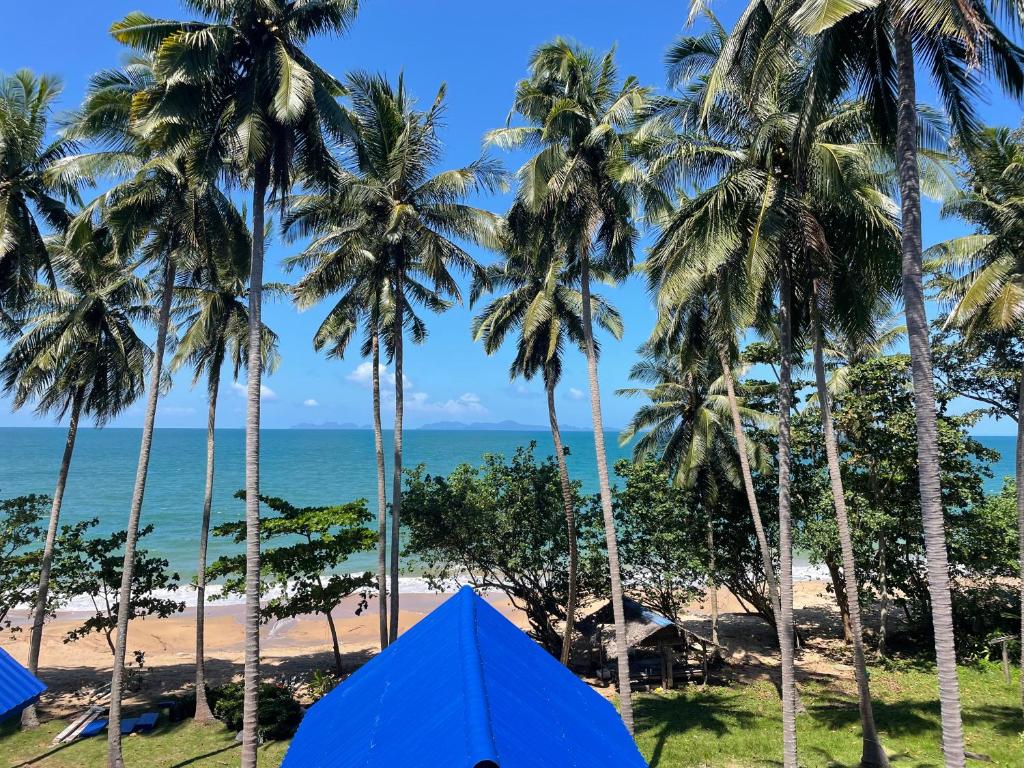
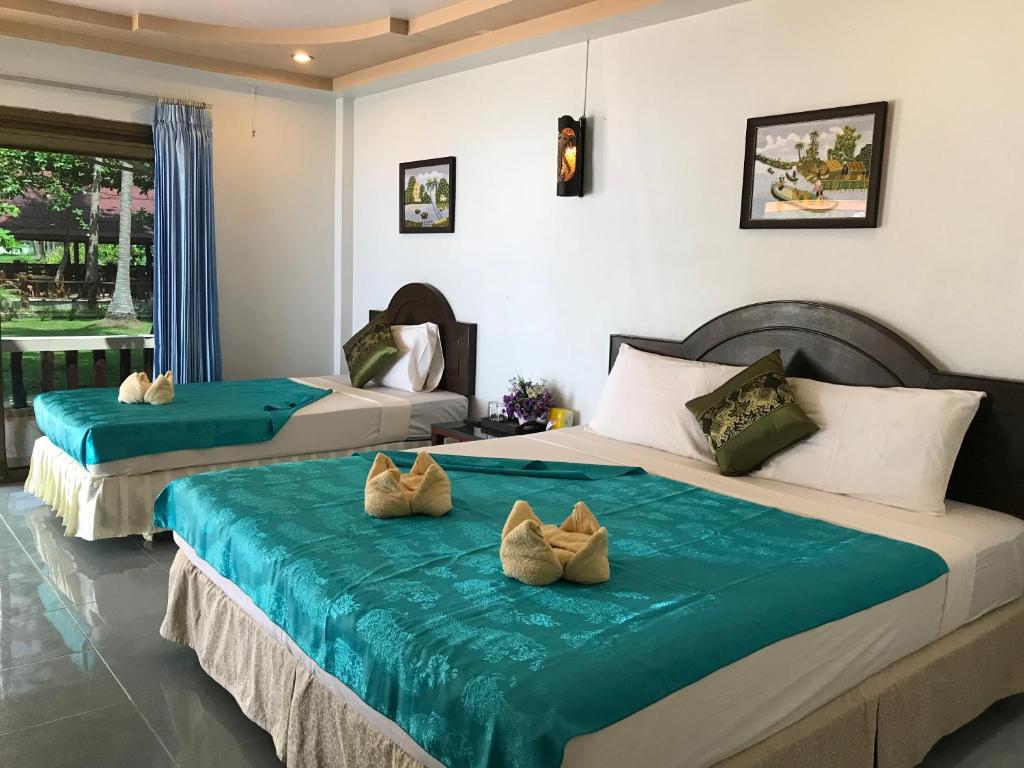
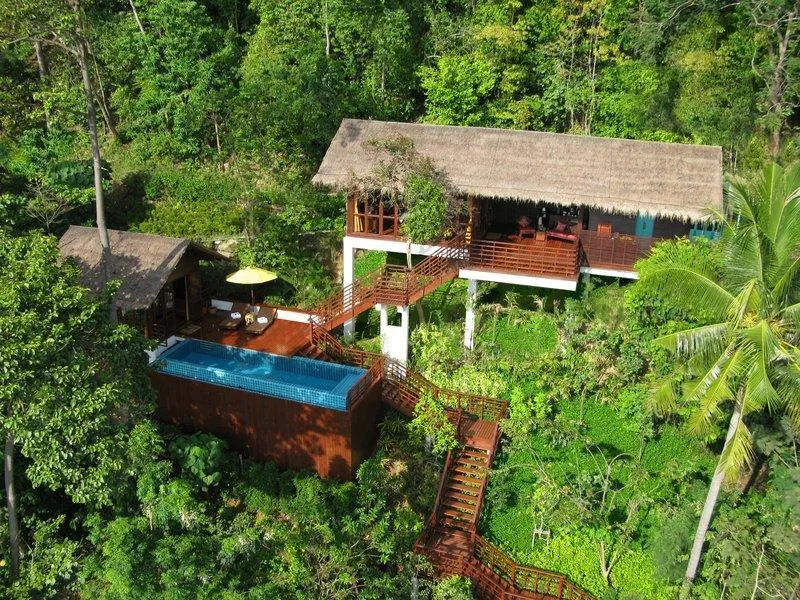
Koh Jum has a small number of beachfront bungalow resorts and guesthouses on the northern and western coasts. Accommodation runs from simple bamboo bungalows to small boutique resorts; there are no large hotel chains on the island. During peak season (November through April) the better properties book out, so reserving ahead is worthwhile.
Getting There
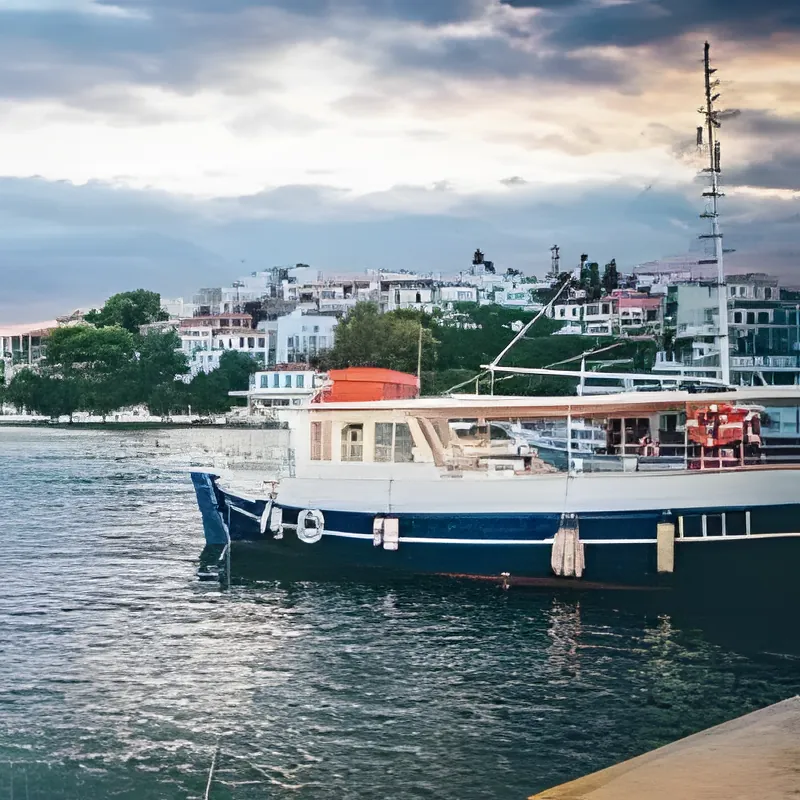
The island sits in Krabi province between the Phi Phi Islands and Koh Lanta. Longtail boats and speedboats run from Krabi Town’s Klong Jirad Pier and from Koh Lanta; schedules increase during the dry season. Most travelers fly into Krabi Airport, transfer to the pier, and take the boat crossing from there.
Best Time To Visit
Koh Jum sits on Thailand’s Andaman coast, which means the wet season runs from May through October. Plan your visit between November and April for the best weather - sunny days, calm seas perfect for swimming, and minimal rainfall. The dry season offers ideal conditions for exploring the island and enjoying beach time. December through February brings the coolest temperatures and lowest humidity, though this is also peak season. March and April get quite hot but remain dry.
Practical Tips
As a small island, Koh Jum likely has limited ATM access, so bring sufficient cash from Krabi or the mainland. English may be less common than on more touristy islands - basic Thai phrases help with local interactions. Transportation around the island would typically be on foot, bicycle, or motorcycle taxi on smaller roads. The island’s fishing village character means casual dress is appropriate, though respect local customs when visiting any religious sites.
Insider Tip: The island splits into a busier north end (near the main pier) and a quieter south end. Arriving on the first morning ferry from Krabi gives you the beaches largely to yourself before any day visitors arrive.