

Chumphon
ชุมพร
Thailand's mainland ferry gateway to Koh Tao — a quiet Gulf coast province of island archipelagos, long beaches, and Robusta coffee hills.
Recommended by us

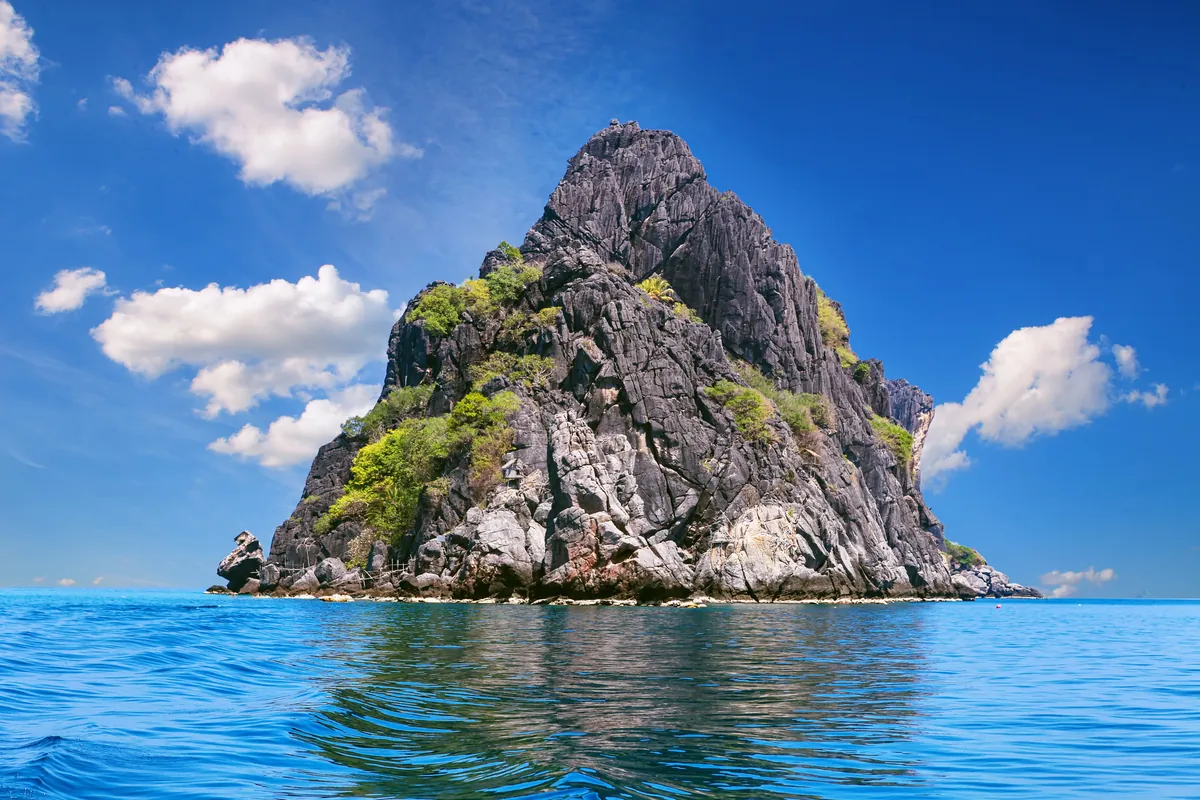
Mu Ko Ngam (Koh Ngam Islands)
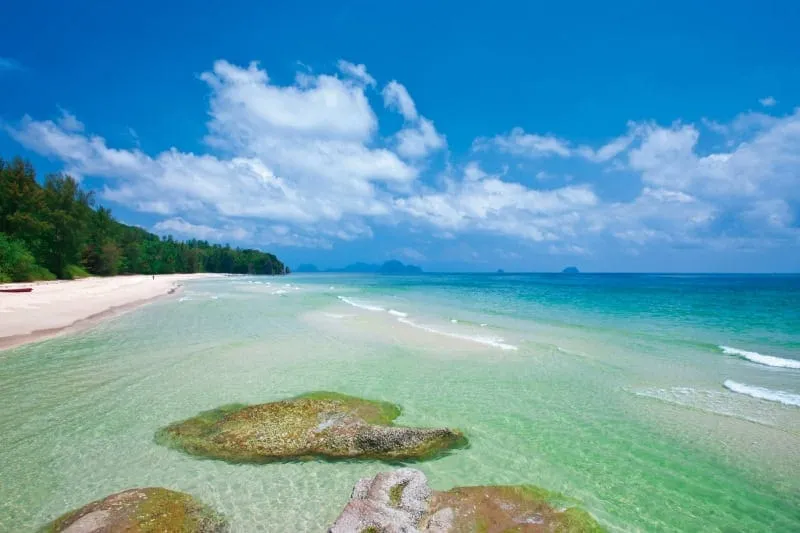
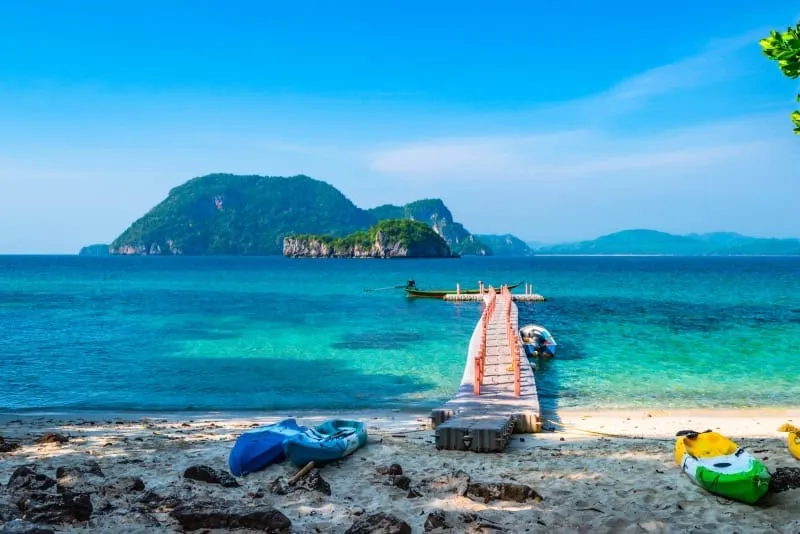
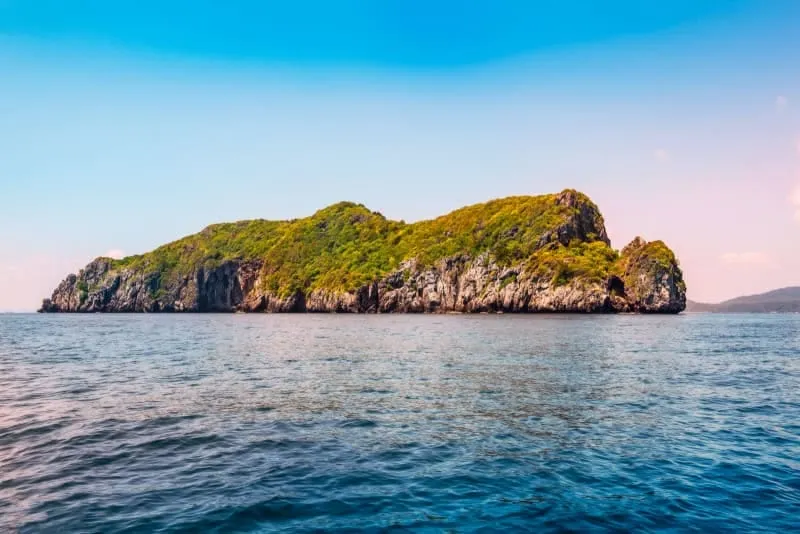
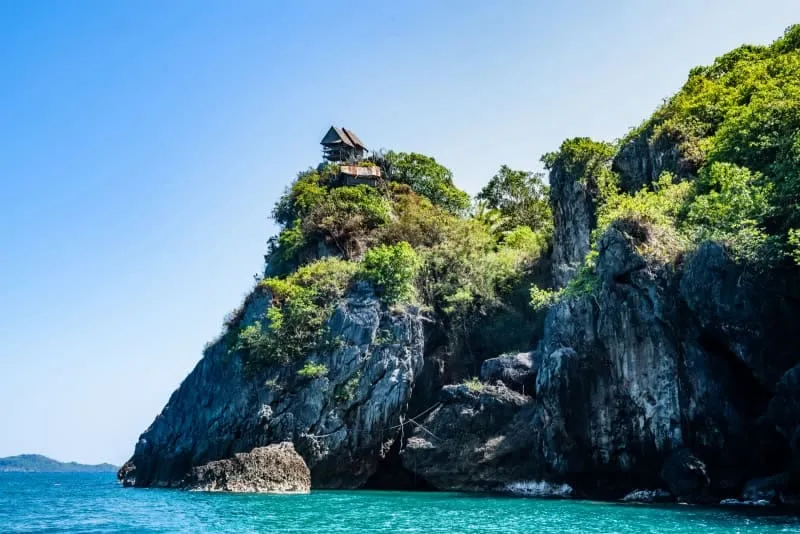
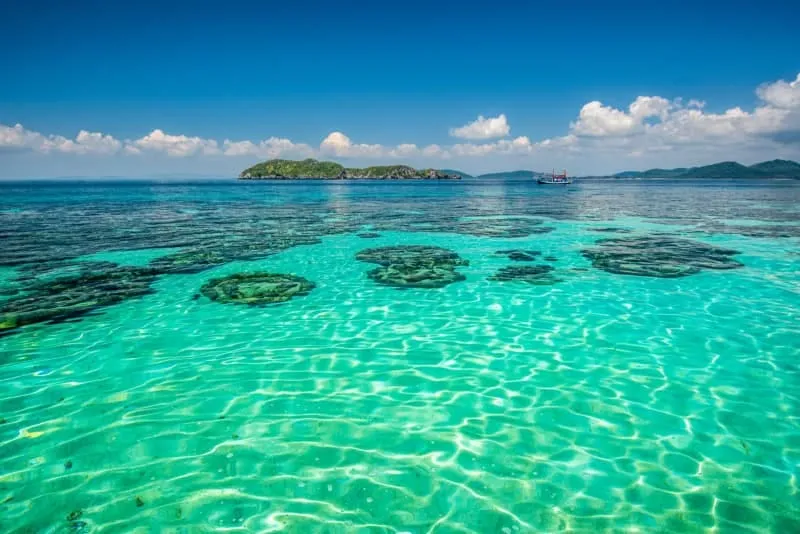
Two small limestone islands off the Chumphon coast with coral gardens and a bird colony. Most visitors reach Koh Tao and skip these — which is their main advantage.

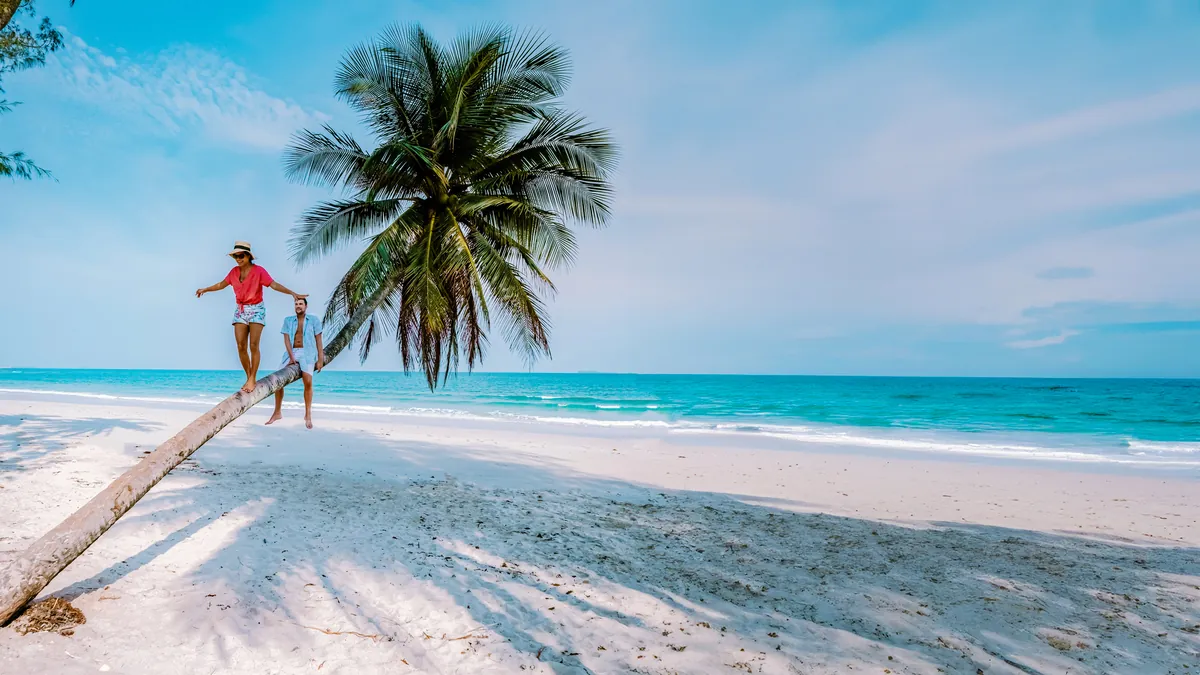
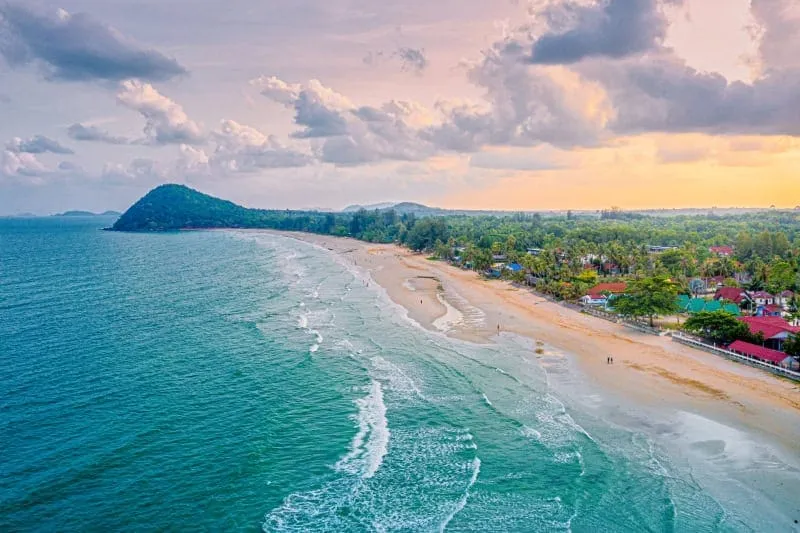
Tawan Chai Beach
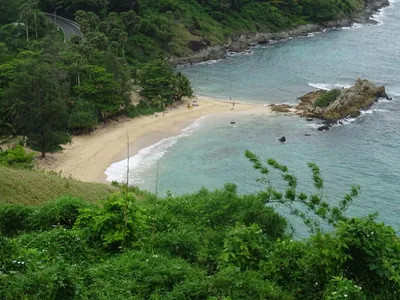
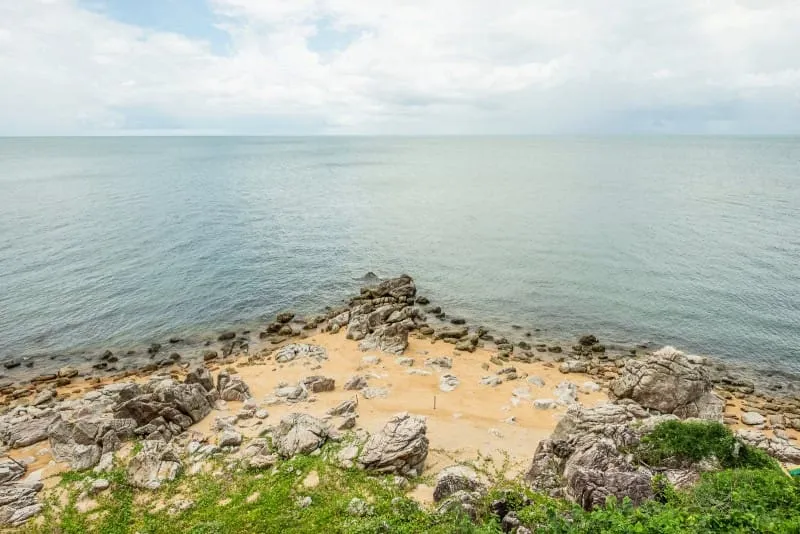
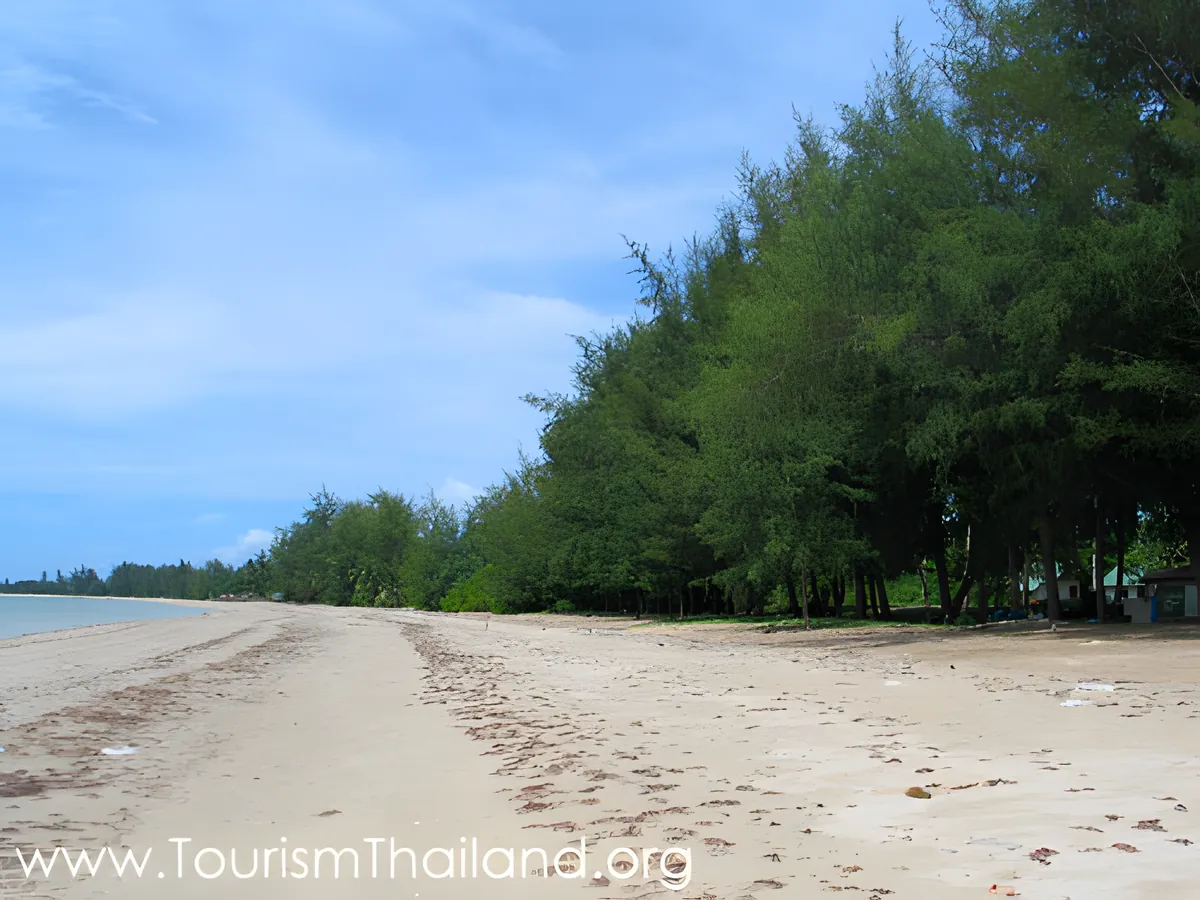
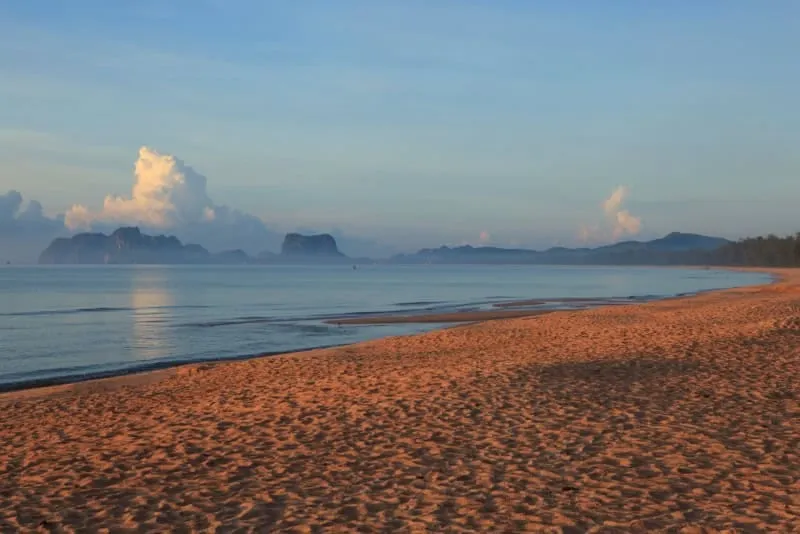
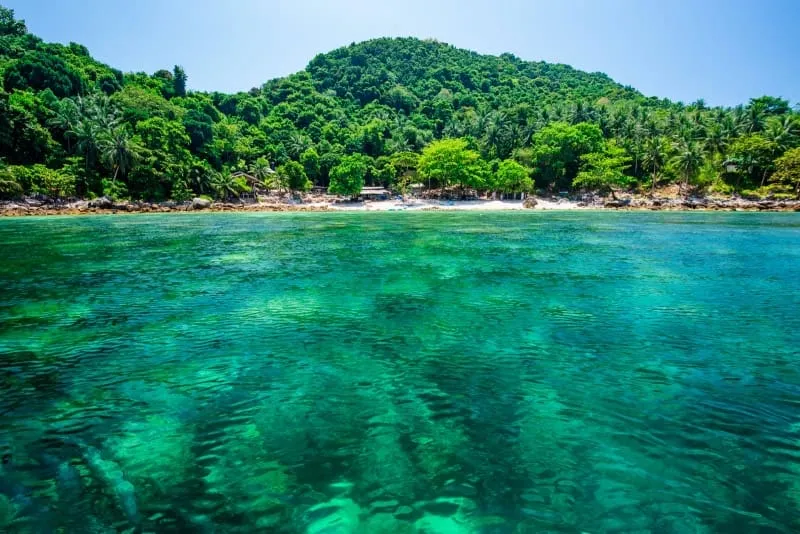
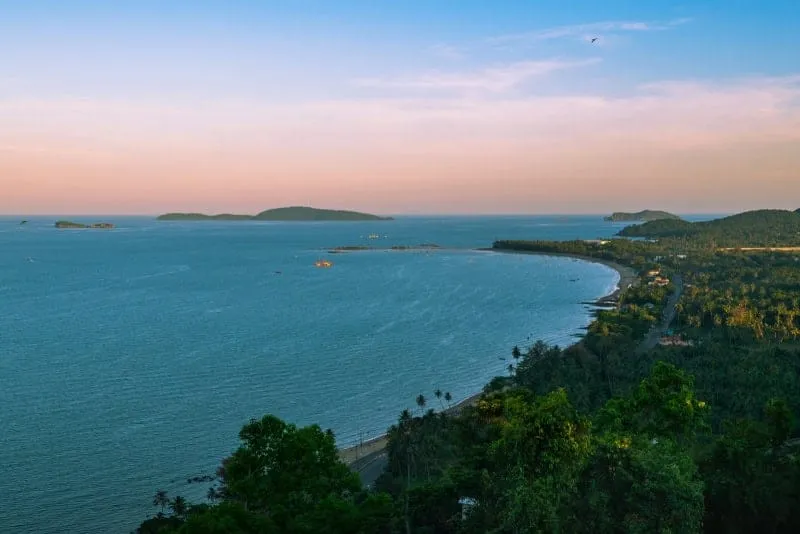
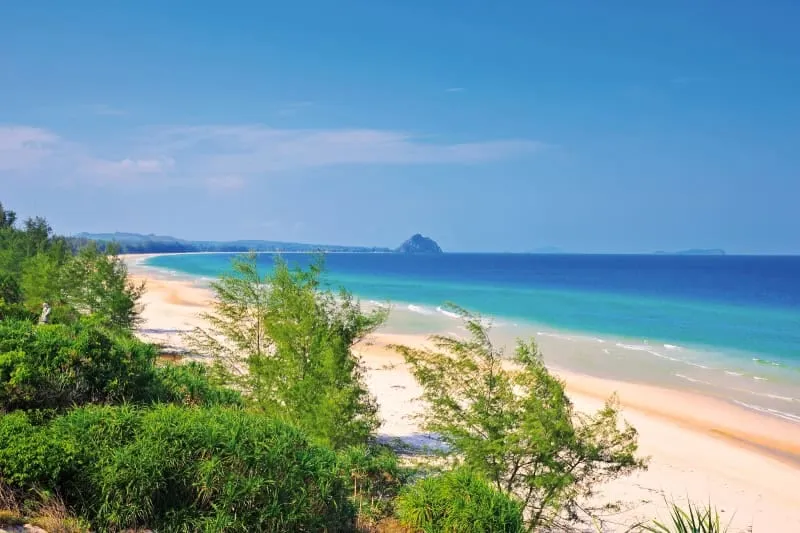
A long, wide Gulf coast beach backed by casuarina trees — the kind of quiet stretch that's genuinely hard to find once you reach the island crowds. Good for early mornings.

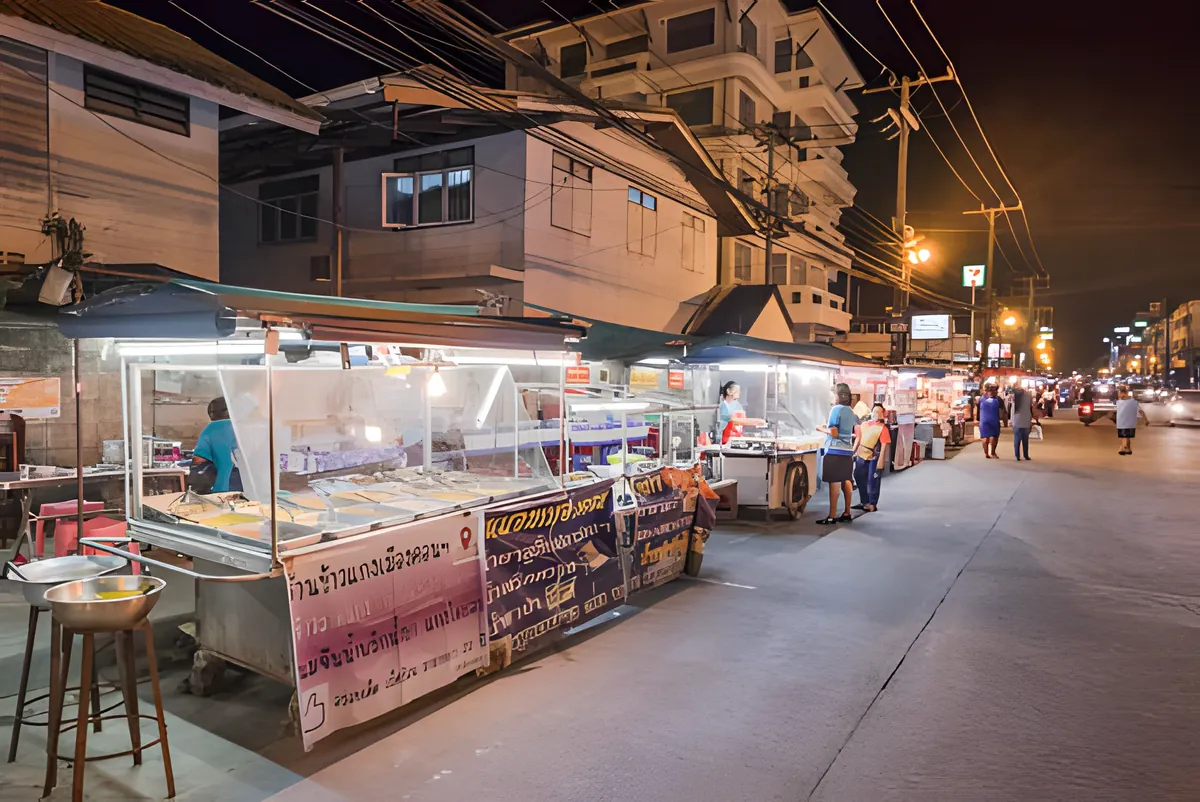
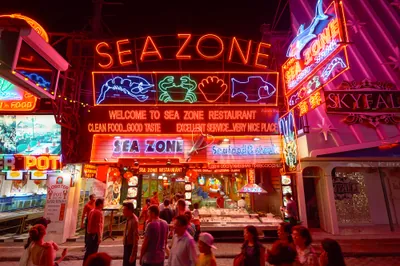
The Chumphon Night Market
The town's nightly street market where the ferry crowd eats before boarding. Good seafood at local prices — a practical stop rather than a destination in itself.

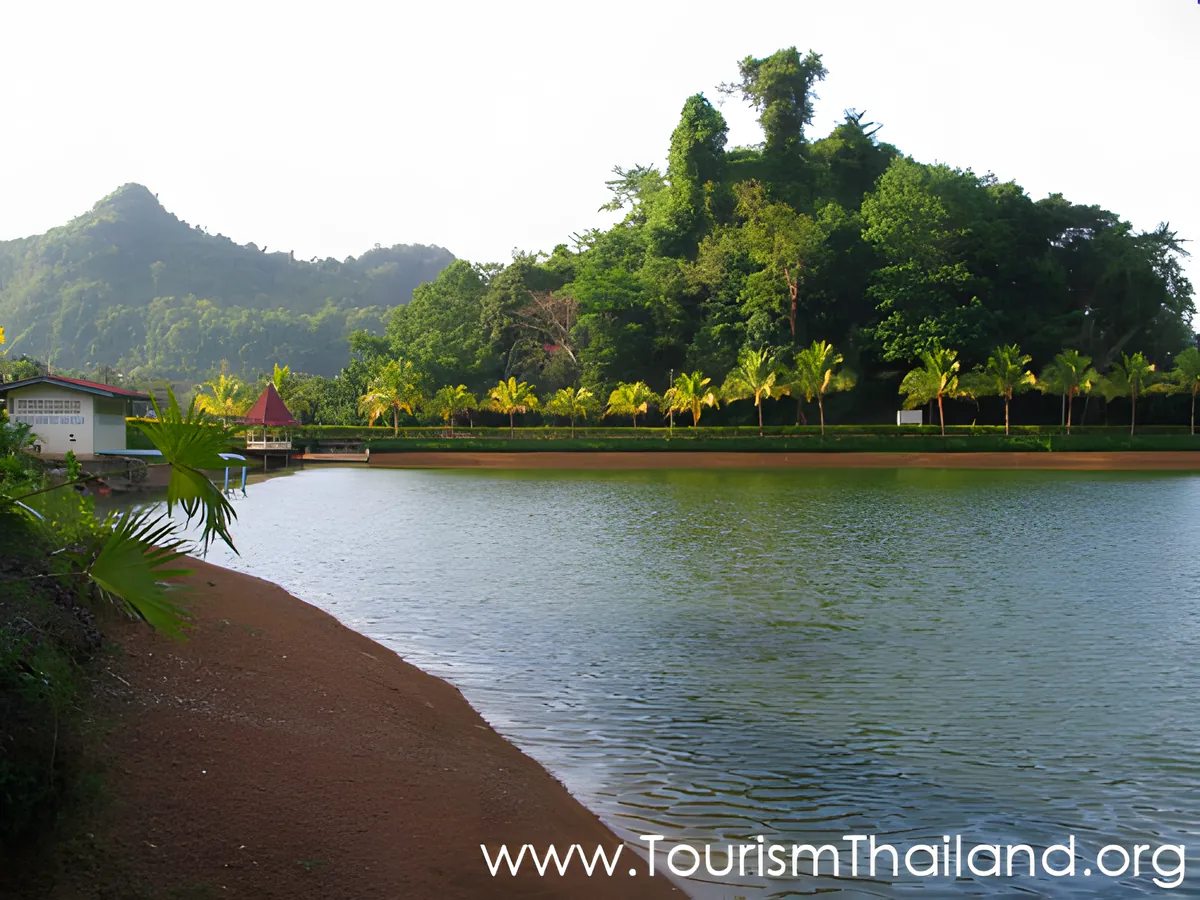
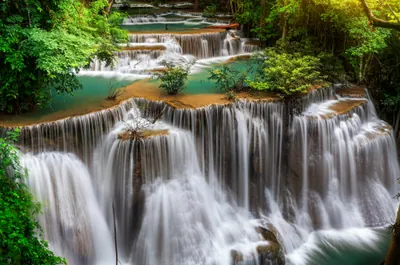
Pla Suan Montip Forest Park
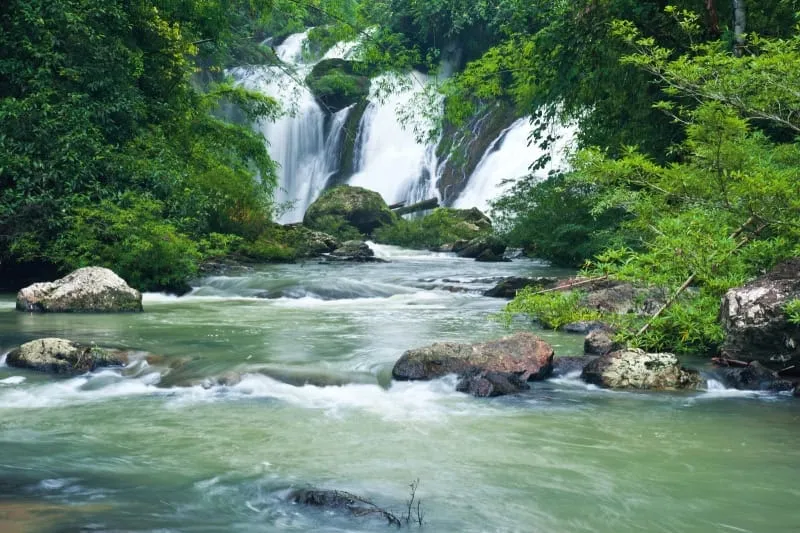
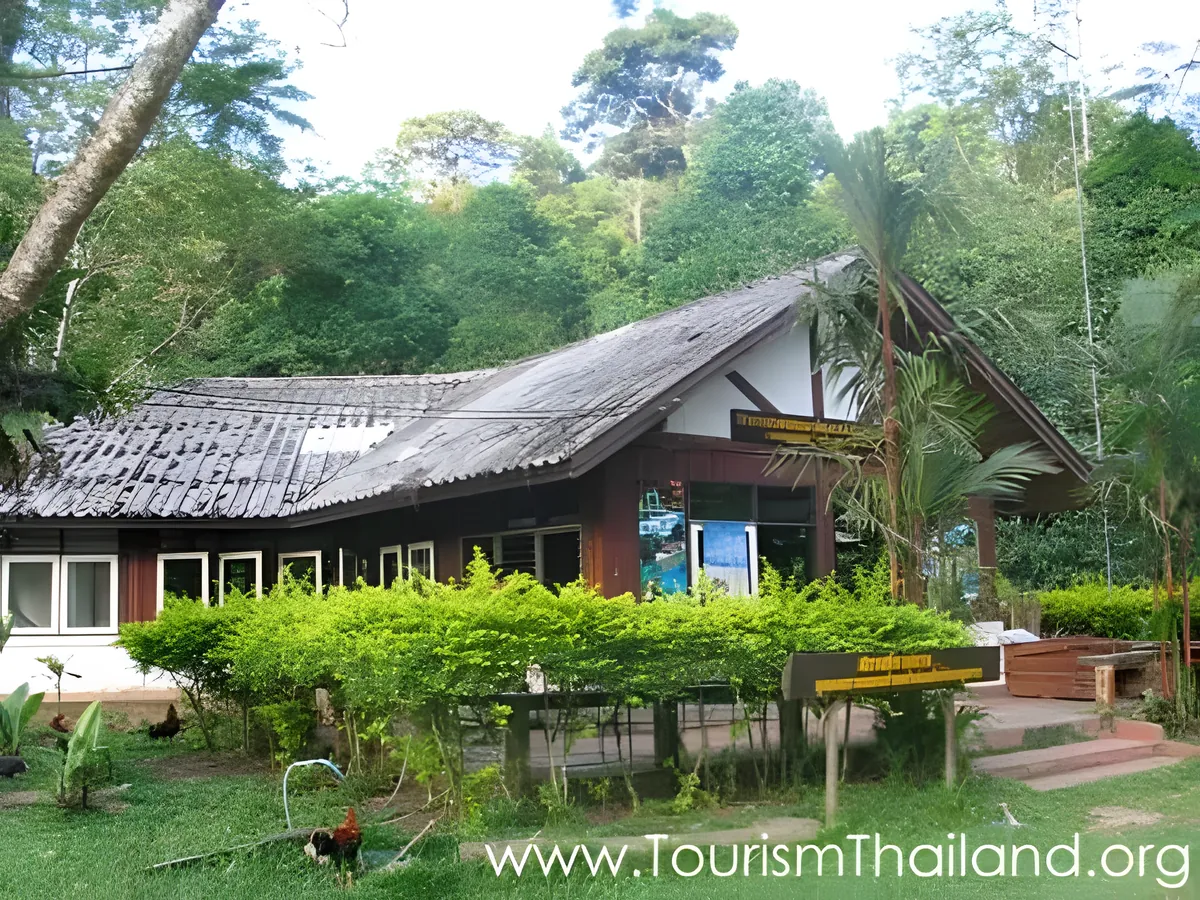
A quiet national park in Chumphon's hilly interior with waterfalls and forest trails. Worth a half-day if you're waiting for an evening ferry to Koh Tao.
Get to Chumphon
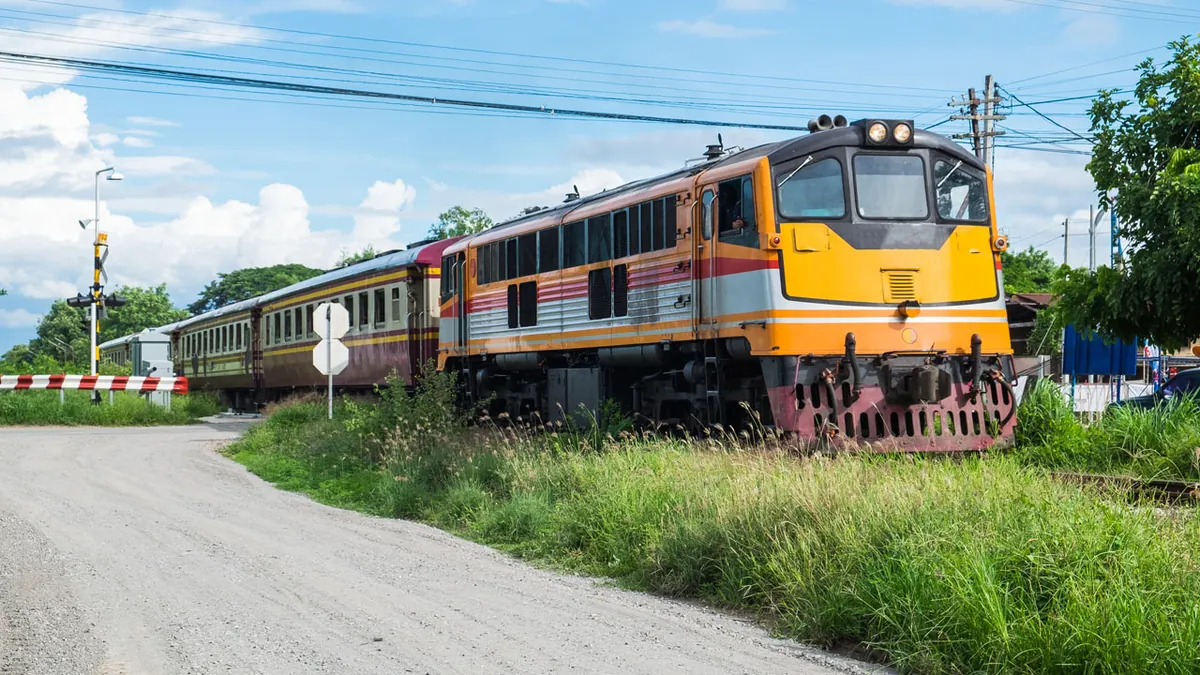
The overnight train from Bangkok to Chumphon is the classic route — wake up on the Gulf coast with the first ferry to Koh Tao already boarding. Book a sleeper early.

eSIM for Thailand
Land with data already working and skip the airport SIM queue. We tested six plans — code THAIHOLIDAY saves 10%.

Travel insurance
Ferry crossings, island snorkelling, and scooter rentals — sort cover before you board. Watersports and diving claims require specific cover; check your policy.
Wats, shrines & spiritual sites
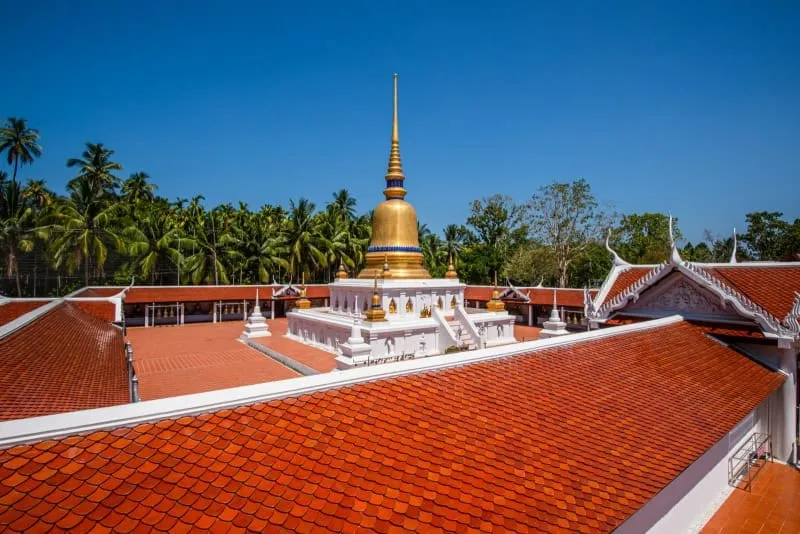
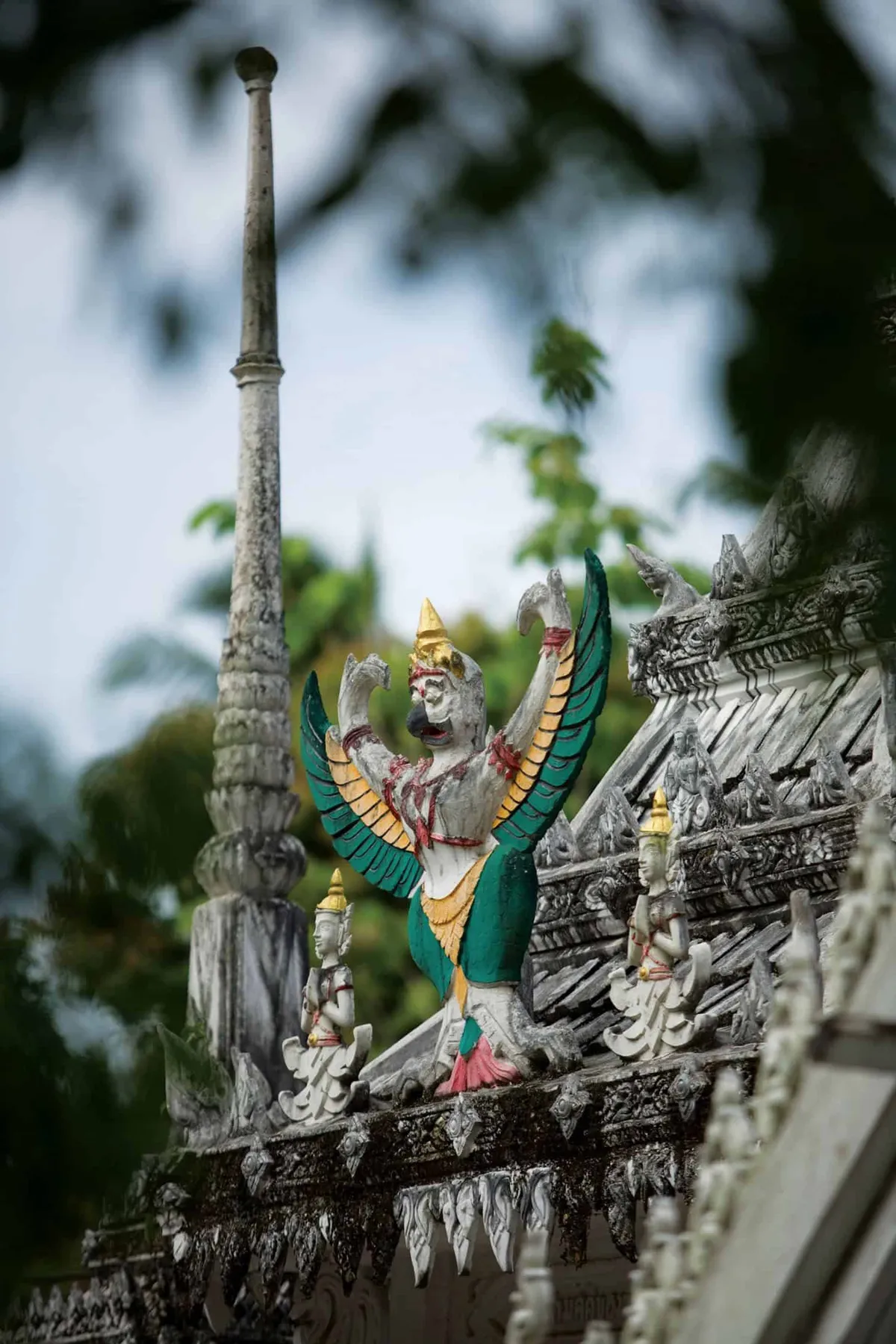
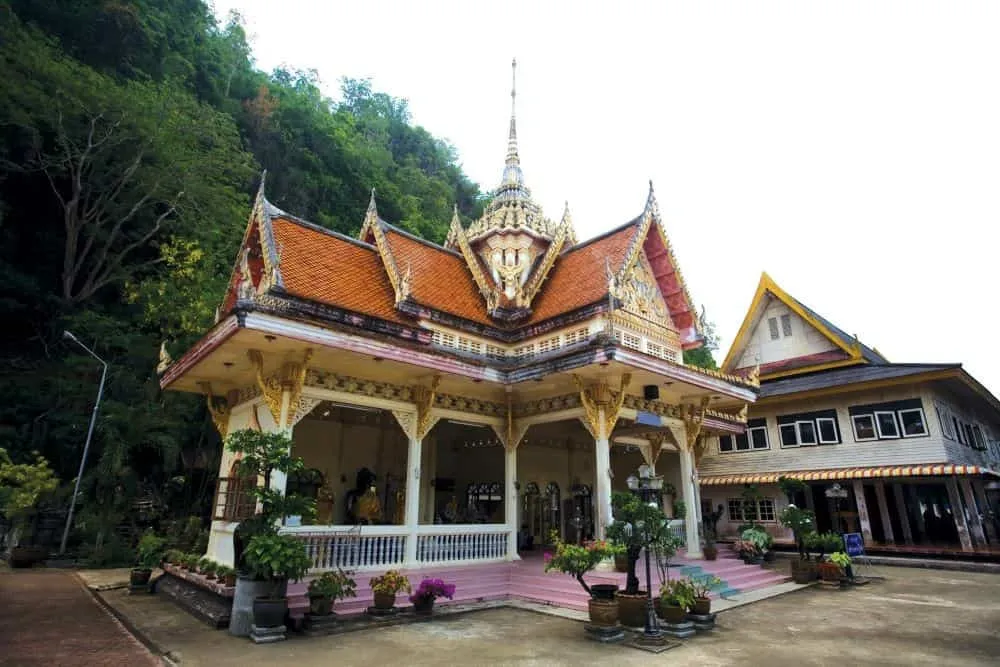
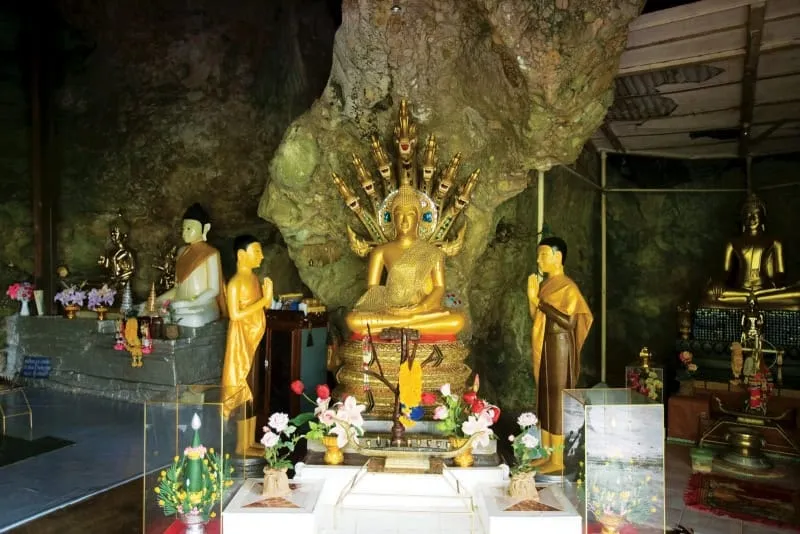
Temples in Chumphon











Sand, snorkelling & island-hopping
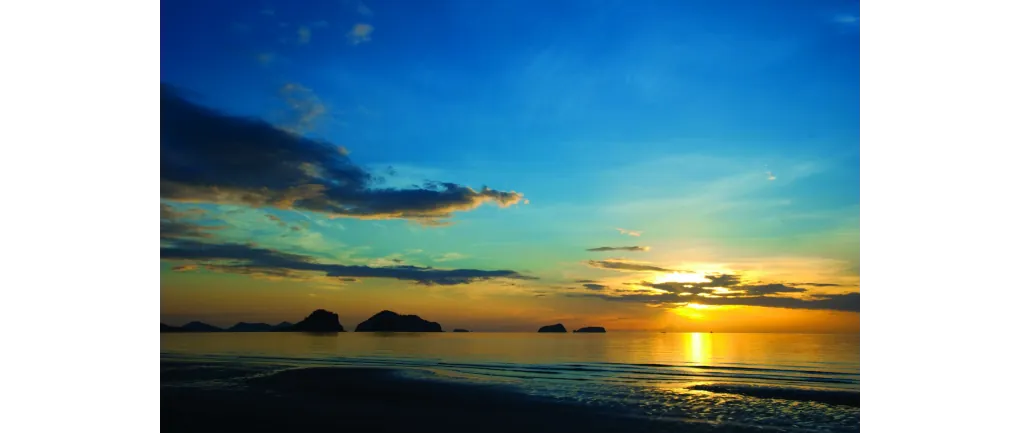
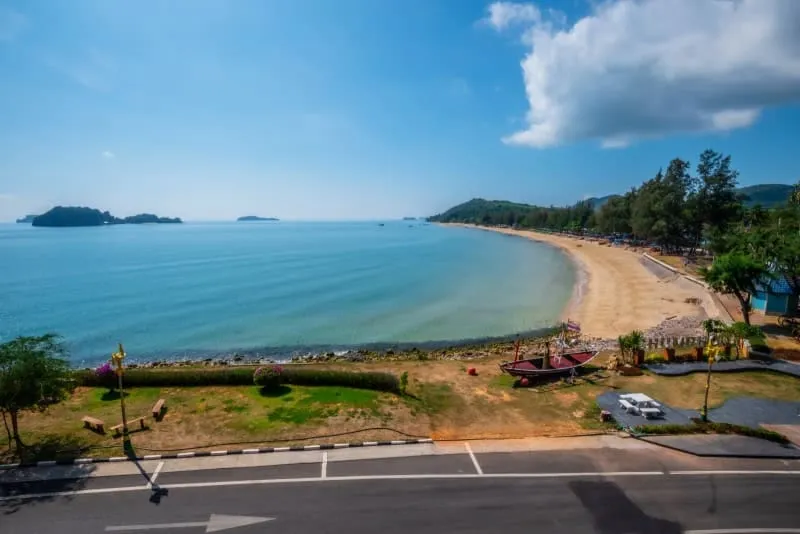
Beaches & islands in Chumphon












Waterfalls, peaks, caves & parks
Nature & outdoors around Chumphon











Museums, history & heritage
Museums & culture in Chumphon





Crafts, communities & farms
Villages & countryside around Chumphon









Things to do on the map
Tap a pin for details — 40 places in Chumphon plotted.
Retreats in Chumphon


When to go
Dec–Mar The driest months — February is the driest of all, with clear skies and calm seas ideal for island day trips and snorkelling around Mu Ko Chumphon. Ferry services to Koh Tao run at full frequency.
Apr–May Hot and increasingly humid as the monsoon builds. Beach days are still fine in April; May brings the first heavy showers. Ferry schedules to Koh Tao may start to thin.
Jun–Nov Upper southern Gulf wet season. October and November bring the heaviest rainfall — Chumphon sits in the transitional zone where the northeast monsoon arriving from October adds to the tail of the southwest monsoon. Beaches are largely empty, accommodation is cheaper, and the jungle waterfalls run full. Rough seas can disrupt Koh Tao ferry crossings during October and November.
About Chumphon
Last updated September 2026
Overview
Chumphon sits at the northern tip of the Thai-Malay Peninsula, roughly 485 kilometres south of Bangkok, where the land narrows towards the Kra Isthmus and the Gulf of Thailand opens out to the east. For most travellers, it is a transit point — the mainland departure for ferries to Koh Tao, Thailand’s most popular dive island. That reputation is well-earned: the overnight train from Bangkok deposits you at Chumphon station in time to catch the morning high-speed catamaran and be snorkelling off Koh Tao by late morning.
But Chumphon is more than a relay station. The province has 222 kilometres of coastline, 44 offshore islands, several long and largely uncrowded beaches, and a working agricultural economy centred on Robusta coffee and durian. It is the largest coffee-producing province in Thailand — Tha Sae district once supplied the majority of the country’s Robusta crop — and the coffee plantations covering the inland hills behind town give the province a different character from the resort strips further south.
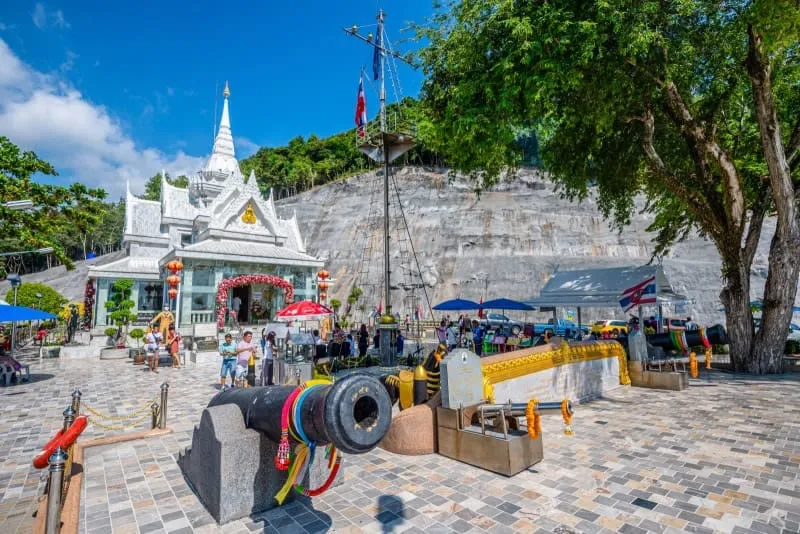
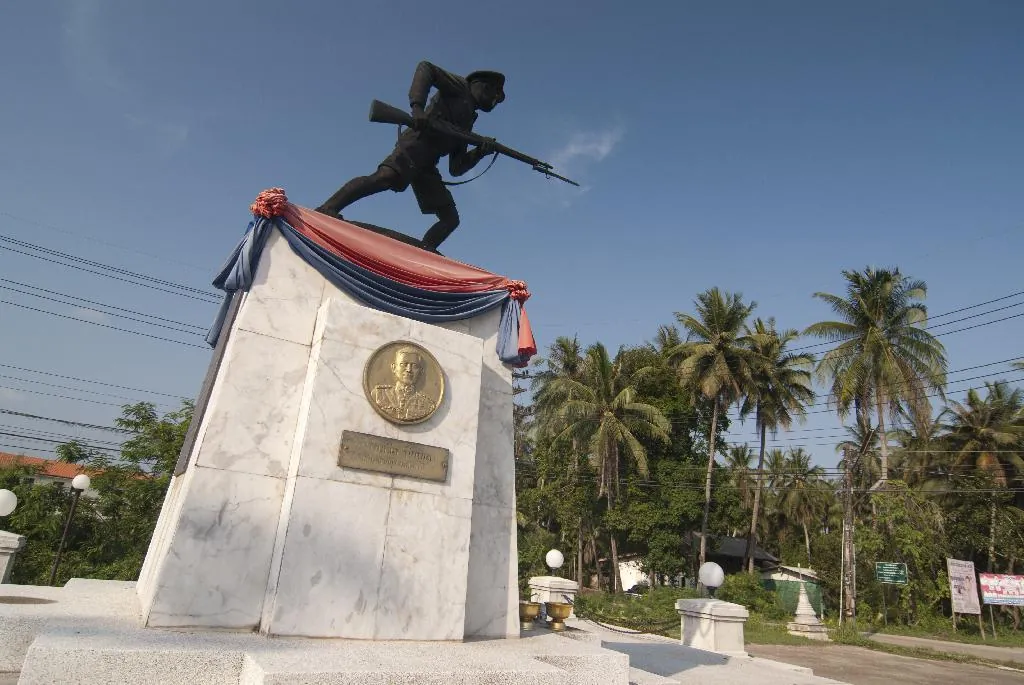
The province also carries real historical weight. Prince Abhakara Kiartivongse, a son of King Rama V, held the title Krom Luang Chumphon Khet Udomsak and is venerated throughout Thailand as the Father of the Royal Thai Navy. He died at Hat Sai Ri beach, and the shrine built in his memory there draws steady streams of Thai pilgrims, navy personnel, and fishermen seeking protection at sea.
The coastline runs roughly north-south, with the town of Chumphon itself sitting inland from the Gulf. Most of the province’s beaches are accessed by songthaew or hired transport — there is no coastal road linking them all — and that accessibility gap is a large part of why they remain quiet.
Top Things to Do
Thung Wua Laen Beach is the beach everyone recommends. A two-kilometre stretch of white sand about 12 kilometres north of town, backed by casuarina trees and a low fringe of beachfront bungalows and seafood restaurants. The water is clear enough for snorkelling off the southern end, and the beach faces northeast, which means it catches the morning light and avoids the afternoon glare. Dive shops here offer day trips to the islands of Mu Ko Chumphon.
Mu Ko Chumphon National Park covers a cluster of small islands sitting five to eight kilometres offshore, with coral gardens reaching down to around 20 metres in places. Koh Ngam Yai and Koh Ngam Noi are the main snorkel and dive destinations — clear water, decent hard and soft coral, and sea turtles present year-round. Long-tail boat hire from the national park headquarters runs around 3,000 THB for a full-day trip; organised tours from Thung Wua Laen beach are an easier option for independent travellers.
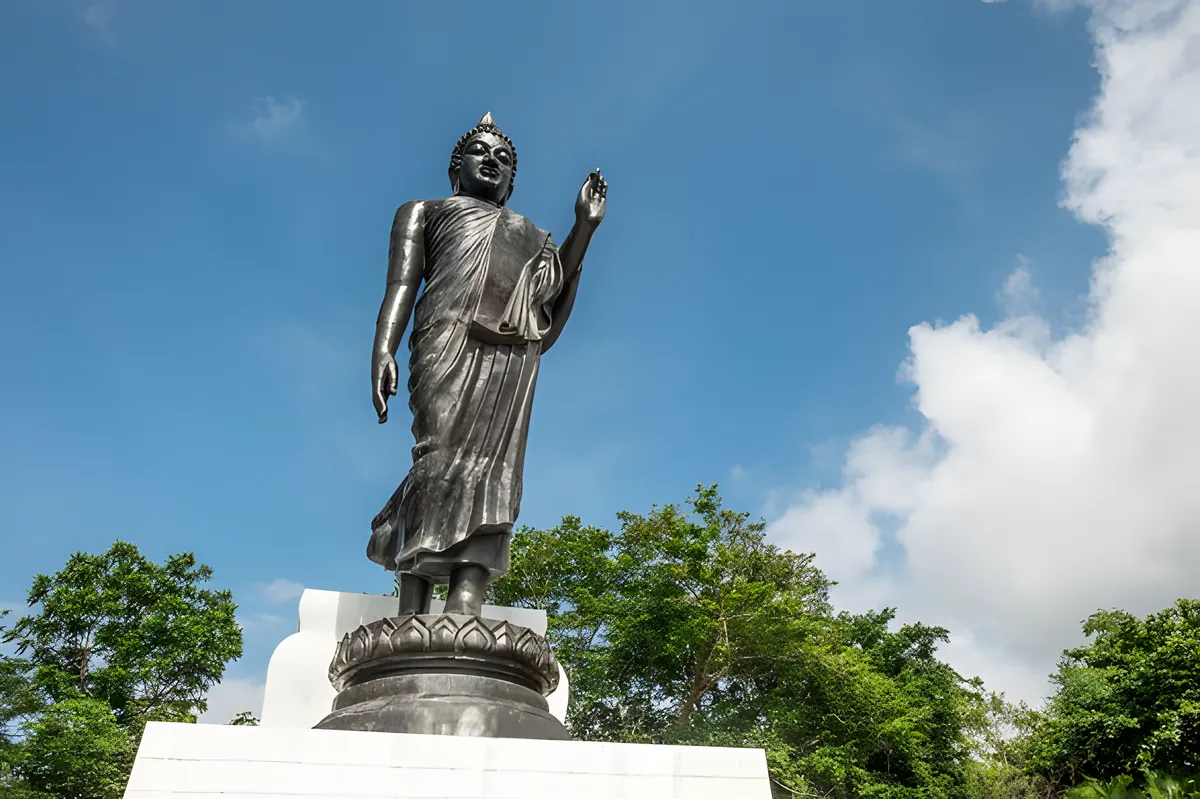
Krom Luang Chumphon Khet Udomsak Shrine stands on Hat Sai Ri beach, 20 kilometres southeast of town. The shrine honours Prince Abhakara Kiartivongse, the navy reformer who died at this beach in 1923. The site includes a life-size statue of the prince, naval exhibits, and the preserved hull of HTMS Chumphon — a 68-metre torpedo boat. The beach beside it is long, pine-shaded, and largely empty on weekdays. Thai sailors and fishermen regard the prince as a protective deity; the atmosphere is more devotional than touristic.
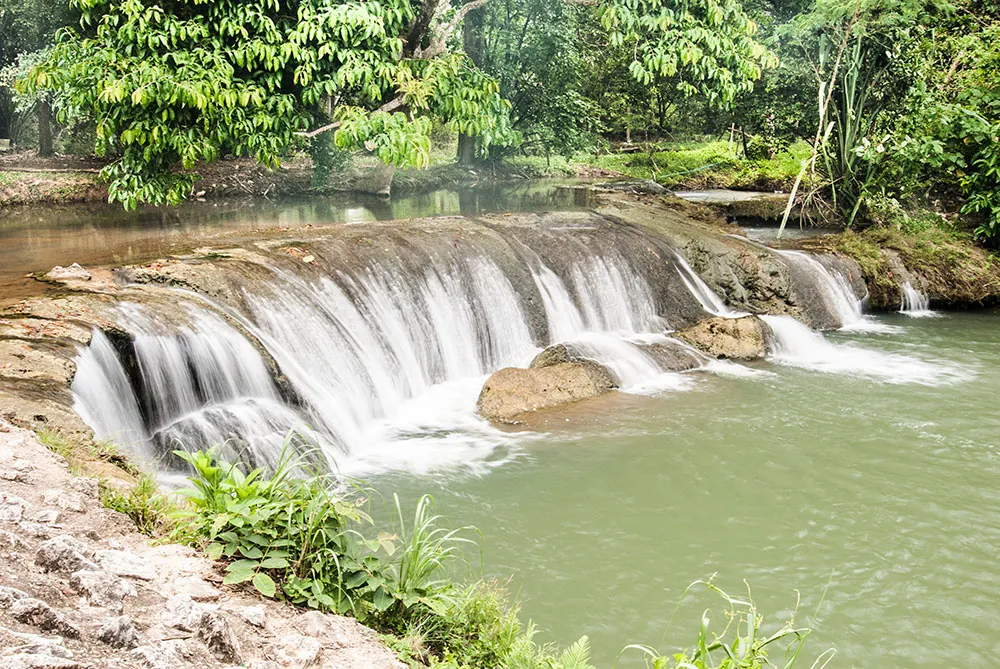
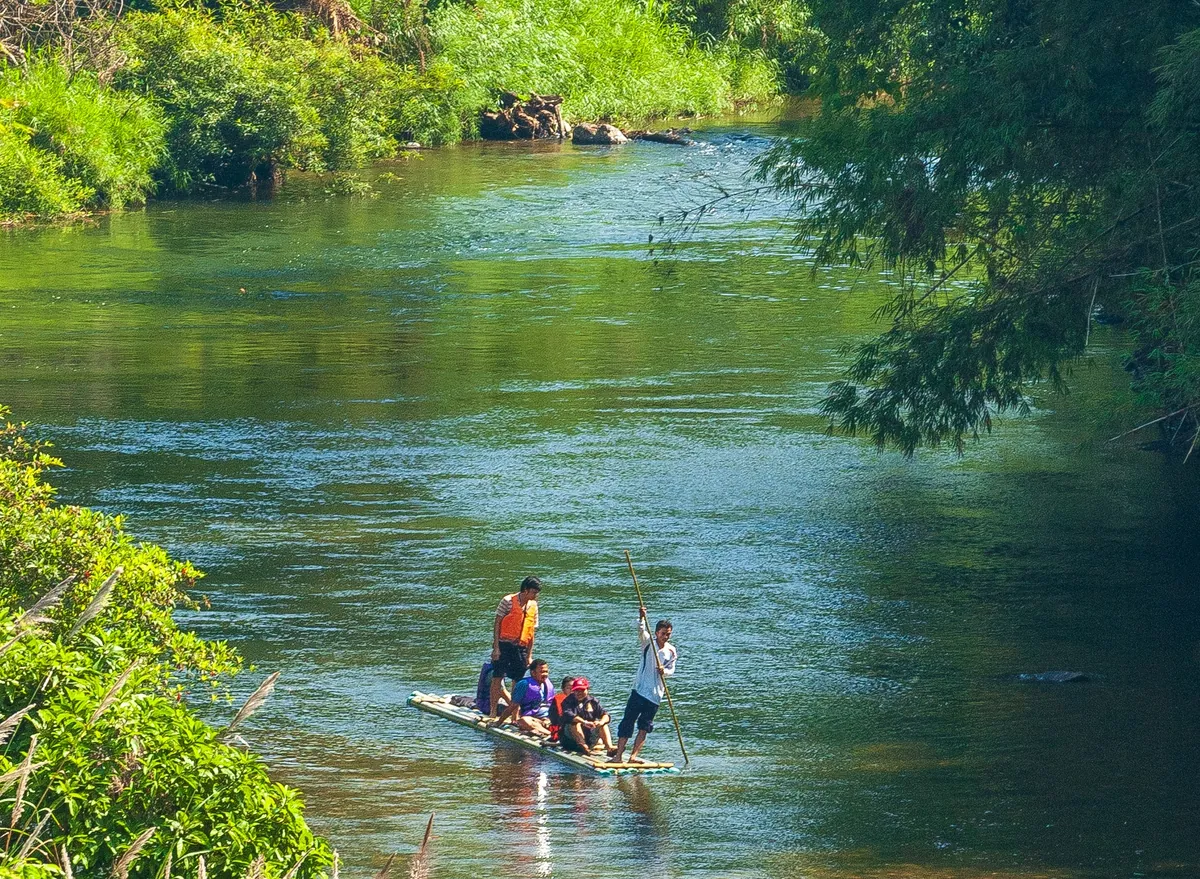
Kapo Waterfall Forest Park and Khlong Phrao Waterfall are the main inland escapes. Both are set in forested hills an easy drive from town, with swimming holes fed by clear water. Kapo is the more developed of the two, with trails and picnic areas; Khlong Phrao runs deeper into the forest with fewer facilities. Both are at their best immediately after the wet season when the flow is high.
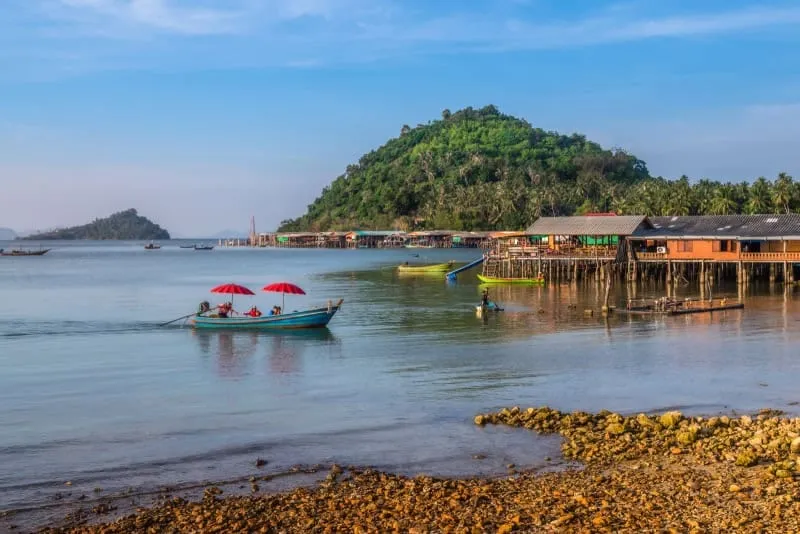
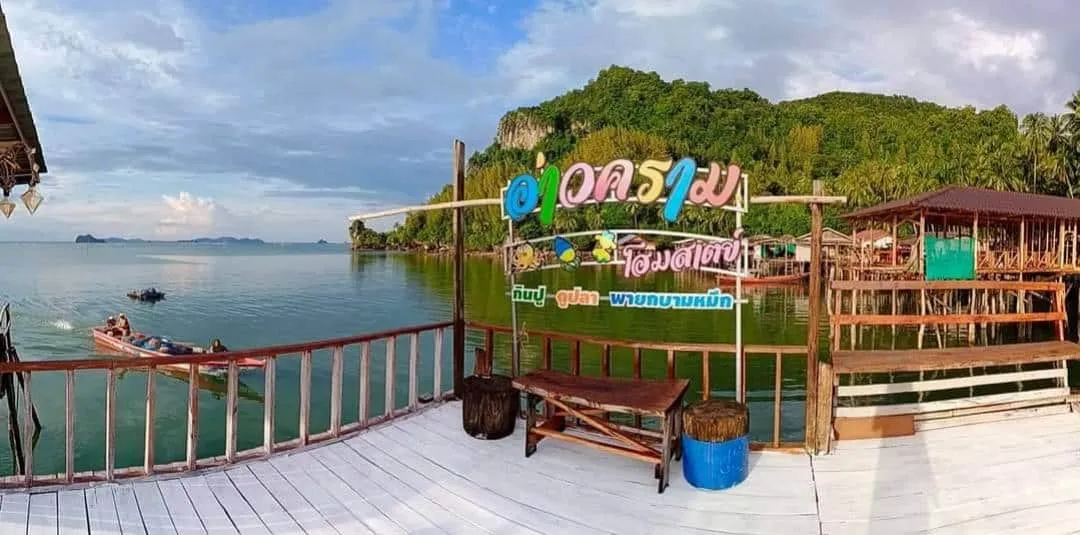
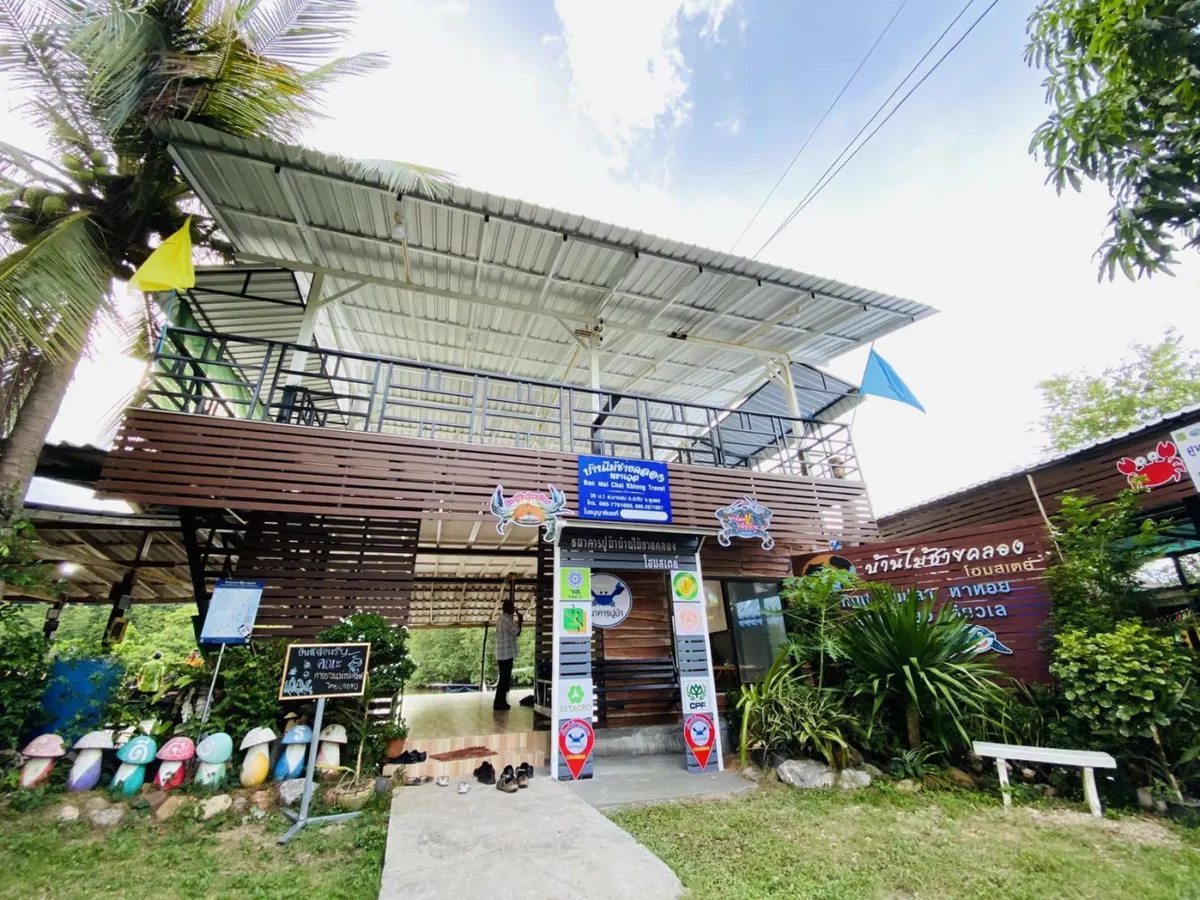
Koh Pitak Homestay is worth considering if you want a completely different pace. This small island — reachable by a short long-tail ride — runs a low-key community homestay programme with mangrove kayaking, seafood dinners cooked by local families, and almost no other tourists. It is entirely off the resort circuit and gives a genuine sense of Gulf coast village life.
Chumphon Night Market in the town centre runs most evenings and is a good introduction to the local food scene — durian in various forms during the season (June to October), fresh seafood grilled to order, and coffee from the surrounding plantations. The town has a lived-in, unhurried quality that is increasingly hard to find in the more developed parts of southern Thailand.
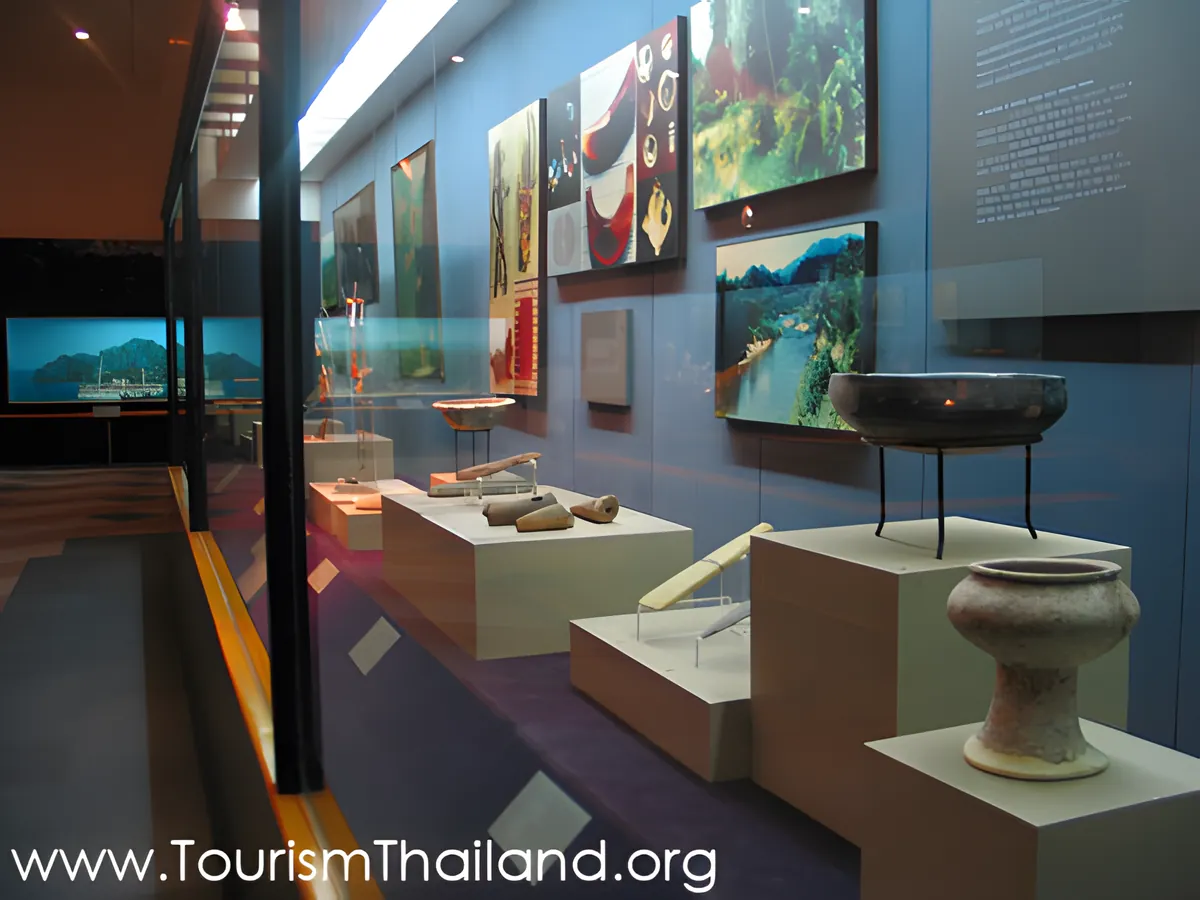
The Chumporn National Museum in the provincial capital traces the region’s history from prehistoric settlement through the Kingdom of Ligor, the Ayutthaya-era trade routes, and into modern times — including the province’s role in the development of the Royal Thai Navy. The collection is modest but well-contextualised.
Where to Stay
Accommodation in Chumphon divides into two clusters: town hotels aimed at transit travellers, and beachside bungalows and small resorts at Thung Wua Laen. The town options are simple and functional, almost all within walking distance of the train station — if your plan is the overnight train then morning ferry, these work perfectly. Thung Wua Laen is the better base if you want to spend time at the beach; a handful of mid-range bungalow operations there have beachfront settings at prices that seem almost implausibly reasonable given their quality.
For Koh Pitak, the homestay is the only accommodation and needs to be booked directly with the community.
Getting There
The overnight train from Krung Thep Aphiwat Central Terminal in Bangkok is the classic route — trains depart in the evening and arrive at Chumphon station in seven to eight hours, putting you there in the early morning in time for the first Koh Tao ferry. The timing is intentional and almost everyone travelling to Koh Tao uses it. Sleeper berths book out fast in the December-to-March high season.
Buses from Bangkok’s Southern Bus Terminal take around seven hours and are cheaper, though they drop you at the bus terminal on the outskirts of town rather than the central station. AirAsia and Nok Air serve Chumphon Airport (CJM) from Bangkok in approximately 1 hour, with taxis and songthaews connecting to town and the piers.
From the town to the Koh Tao ferry piers, expect to pay around 150–200 THB for a taxi or arranged transfer. Lomprayah operates a bus-and-ferry combination ticket from Bangkok that handles the connection automatically.
Best Time to Visit
Chumphon sits in the Gulf of Thailand’s transitional climate zone, north of the full southern pattern. The wet season runs May through November, with a notable double peak — the tail of the southwest monsoon in September and October, followed by the northeast monsoon arriving from October to November, which makes October and November the wettest and most disruptive months on this stretch of coast. The Koh Tao ferry can be cancelled or delayed during rough seas in October and November.
December through March is the driest window, with February seeing less than 40mm of rain on average. January through March is comfortable and breezy — temperatures sit around 26–28°C — and seas are calm enough for good snorkelling around the national park islands. April is still largely fine but gets hot; May brings the first rains.
Chumphon receives very little smoke haze; the province’s hills and humidity keep the burning-season PM2.5 of the north largely absent here.
Frequently Asked Questions about Chumphon
How do I get from Chumphon to Koh Tao?
What is the best time of year to visit Chumphon?
How do I get to Chumphon from Bangkok?
How long do you need in Chumphon?
What is Chumphon known for besides the Koh Tao ferry?
Spotted something out of date or incorrect? Let us know
Plan your
Chumphon trip