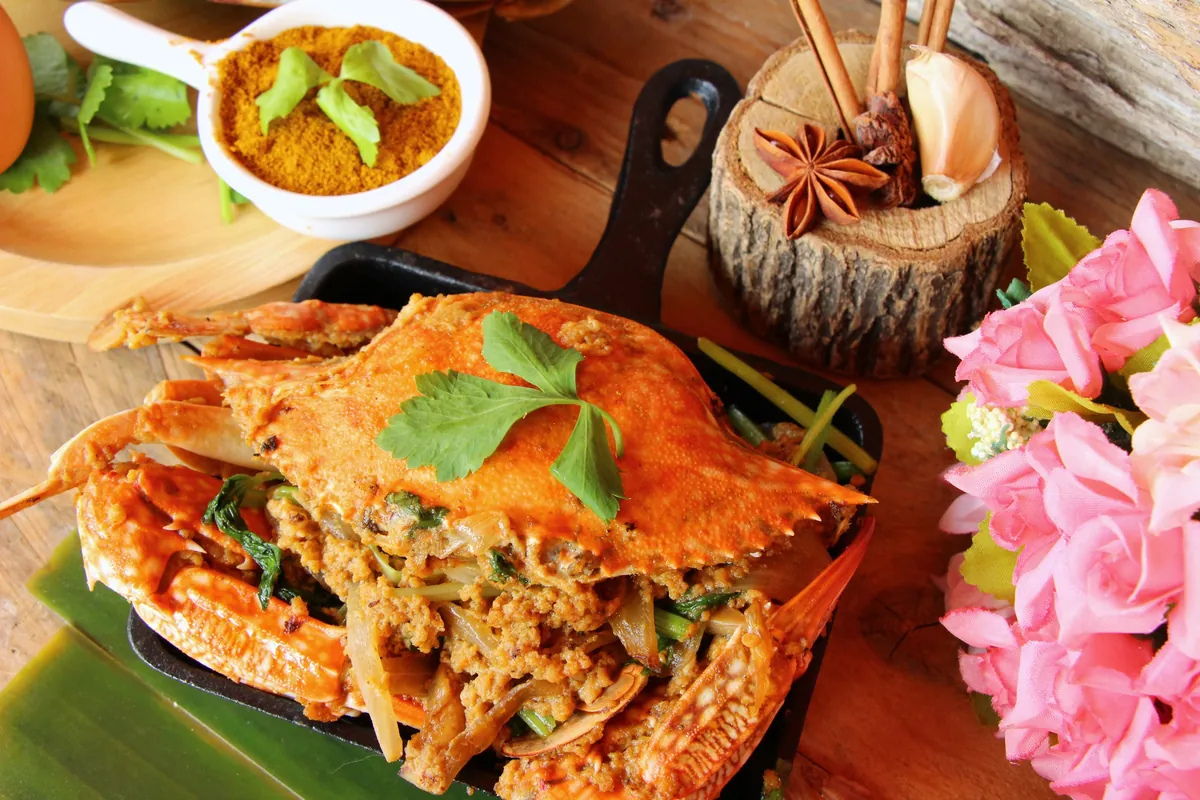
Koh Samui has resort restaurants, beachside seafood places, market stalls and everyday shophouse cooking. Chaweng is convenient, but Nathon, Hua Thanon, Bophut and Bang Po give you more local options.
The best food in Koh Samui runs through Nathon, Hua Thanon, Bophut’s Friday market, and the seafood shacks lining the north shore at Bang Po.
Insider Tip: Plan dinner around the part of the island you are already in. A 20-minute ride across Samui feels much longer after a seafood dinner, especially when the ring road is wet or traffic backs up near Chaweng.
Quick answer
For most visitors, the best food plan on Koh Samui is Fisherman’s Village Friday Walking Street for one market night, Bang Por Seafood Takho or the neighbouring Bang Po restaurants for a proper seafood dinner, and Nathon for the cheapest everyday Thai meals. Add Hua Thanon if you want southern Thai dishes in the morning, and use Sabeinglae when you need a reliable sit-down seafood meal without resort pricing.
| Best for | Place | Area | Why pick it | Main tradeoff |
|---|---|---|---|---|
| Friday street food market | Fisherman’s Village Walking Street | Bophut | Easy market night to plan around | Check current hours locally |
| Everyday market food | Nathon Night Food Market | Nathon | Convenient near the ferry area | Vendor numbers vary by day |
| Beachfront seafood dinner | Bang Por Seafood Takho | Bang Po north shore | MICHELIN Guide-listed seafood | Check seafood prices by weight |
| Southern Thai food | Hua Thanon | South Samui | Thai-Muslim community and southern dishes | Market hours need checking locally |
| Beachfront local seafood | Sabeinglae Restaurant | Lamai | Sea-view tables near Hin Ta Hin Yai | Busy around dinner |
| Cheap ferry-town meal | Jit Restaurant | Nathon | 60–150 THB | Confirm it is trading before a special trip |
- Budget: Market food is usually cheaper than beachfront dining; ask for the price of seafood sold by weight
- Best market: Fisherman’s Village Friday Walking Street in Bophut; check current hours locally
- Local market: Nathon Night Food Market near the ferry area; vendor numbers vary
- Cash: Most local stalls and markets are cash only; bring 100 and 20 THB notes
- Getting around: A rented scooter or songthaew (shared red-truck taxi) reaches every area in this guide
- Avoid: The overlit seafood-tank restaurants on Chaweng Beach Road — quality is average, prices are not
How we picked these food stops
This guide combines three named restaurants with market and neighbourhood suggestions because many useful Samui meals are found outside formal dining rooms.
We prioritised food stops that change how you plan the day: a Friday-only walking street, a ferry-town market, a north-shore seafood dinner, and a morning market where southern Thai food is the point. Tourist-strip Chaweng restaurants are intentionally downweighted unless convenience matters more than value.
Fisherman’s Village Friday Market, Bophut
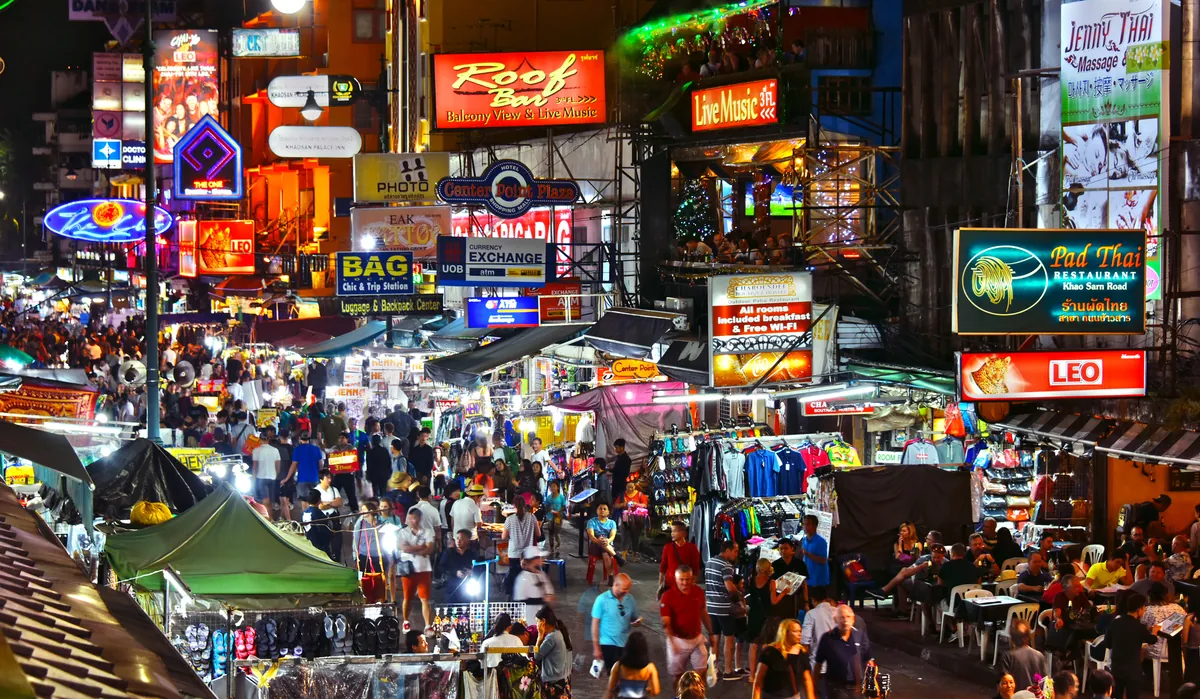
Fisherman’s Village is the easiest Samui market night to plan around on Fridays. The event uses the beachfront road in Bophut, with food, clothing and craft stalls; confirm the current start and finish times locally.
Look for kanom krok (coconut rice pancakes), grilled satay, pad thai and mango sticky rice. Prices and vendors change, so walk the market once before choosing a stall.
The market also has craft and clothing stalls. Arrive near the beginning of the event for the widest food choice and less congestion.
Insider Tip: Walk the full market before ordering a large meal. Several stalls sell similar dishes, and the queues make it easier to judge which ones are turning food over quickly.
Bophut village also has a row of permanent restaurants along the same road for a sit-down meal before or after the market. The best restaurants in Koh Samui guide covers the full Bophut dining strip in more detail. The nightlife in Koh Samui concentrated around Chaweng is a 20-minute drive south if the evening continues.
Nathon: The Everyday Local Option
Nathon is the island’s administrative capital and ferry hub on the west coast. It functions mostly for civil servants, shop owners, and people catching the ferry to Surat Thani. That means the restaurants here cook for people who eat there every day, not for people on a fortnight holiday.
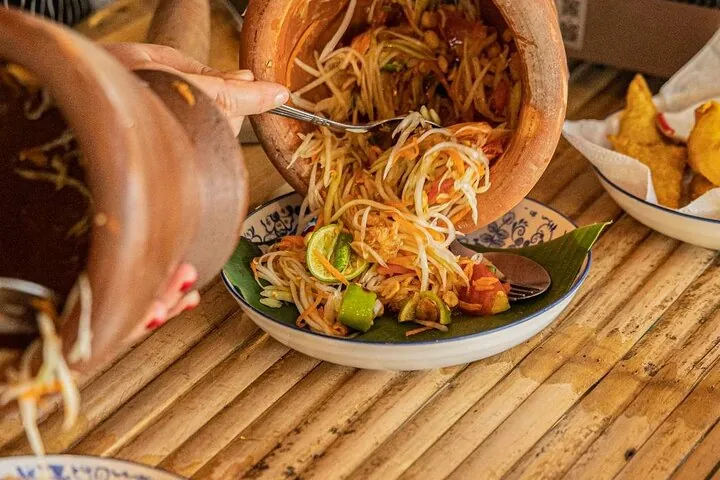
The Nathon Night Food Market sets up near the ferry area in the evening. Expect skewers, fried chicken, som tam (papaya salad), stir-fries and sausages, but do not rely on a fixed price ceiling or the same number of vendors every night.
For a sit-down meal in Nathon, Jit Restaurant on the main road is a longstanding local option for straightforward Thai cooking — rice plates, curries, and soup.
Jit Restaurant
A longstanding local shophouse on the main road through Nathon — rice plates, curries, and soup at prices set for civil servants and ferry workers, not tourists. Even the seafood dishes run around 150 THB; most plates are under 100. The portions are large and meant for sharing. A practical stop before or after the Surat Thani ferry. Call ahead to confirm it is still trading before making a special trip.
- Area
- Nathon · Main road, Nathon, near the Tesco Lotus
- Hours
- Daily, lunch and dinner — call ahead to confirm current hours
- Price
- 60–150 THB
- Go for
- Rice plate with curry and soup
- Usually cheaper than the main beachfront restaurant strips
- Many menus are in Thai, so a translation app helps
- Easy ferry connection — eat here before or after Surat Thani boats
- Limited English spoken, menus rarely translated
- Vendor numbers and operating nights can change
- Not worth a special trip purely for the food if you are staying in Chaweng
Hua Thanon and Southern Thai Food
Hua Thanon sits on the south coast, about 4 km east of the main ring road junction. The village is predominantly Thai-Muslim, and the food reflects that: southern Thai flavours, heavy on coconut, sour tamarind, and dried spices, alongside proper Muslim-style roti.
Hua Thanon has fresh produce and cooked-food stalls, but dependable public opening hours are hard to find. Go in the morning and check locally before making a special trip. Look for khao yam (herbal rice salad), roti with curry and southern-style curries.
Kaeng tai pla is a strongly flavoured southern curry made with fermented fish innards. Order a small serving with rice if you want to try it, but do not assume every market stall will have it that day.
Insider Tip: Ask which curries were cooked that morning and choose from the busiest pots. Selection changes through the day.
For families who want a calmer base than Chaweng while still having food options nearby, the Koh Samui family resorts in the south-central area put Hua Thanon within easy reach.
Bang Po: Seafood on the North Shore
The north coast between Maenam and the junction to Bo Phut has a string of seafood restaurants sitting directly on the waterfront, most of them operating out of converted wooden houses or open-sided pavilions built over the sand. This is where Samui residents go for a proper seafood dinner.
Bang Por Seafood Takho
Bang Por Seafood Takho is listed in the MICHELIN Guide for its southern Thai seafood; it is not currently identified as a Bib Gourmand. The restaurant sits directly on Bang Po beach and opens daily. Check the menu and reserve a waterfront table if the view matters.
- Area
- Bang Po, North Shore · 56/4 Moo 6, Bang Por Beach, Mae Nam
- Hours
- Daily, roughly 10am–10pm (hours approximate — confirm before visiting)
- Price
- 300–500 THB per person
- Go for
- Pla kapong neung manow (steamed sea bass with lime and chilli)
The neighbouring seafood restaurants along the Bang Po shoreline provide alternatives if Bang Por Seafood Takho is full. Compare the displayed seafood prices before sitting down.
Order the pla kapong neung manow (steamed sea bass with lime and chilli) if it is on the board — it appears at every north-shore seafood place and gives you an honest benchmark for the kitchen’s skill. Around 350-500 THB depending on the fish size.
Insider Tip: Reserve or arrive before the main dinner period if you want a waterfront table, especially at weekends.
The Ring Road Reliable: Sabeinglae
Sabeinglae Restaurant
The Lamai branch sits on the beachfront near Hin Ta Hin Yai, with tables facing the sea. The menu covers seafood and southern Thai dishes. A second branch operates in Bangrak, so check the map before setting off.
- Area
- Lamai, Ring Road · 438/82 Moo 1, Maret Rd (Ring Road), near Hin Ta Hin Yai
- Hours
- Daily 10am–10pm
- Price
- 300–500 THB per person
- Go for
- Hoi mang phu ob woon sen (mussels with glass noodles and ginger)
It is the better choice for a group that wants seafood without the Friday-night waiting list at Fisherman’s Village or the drive to Bang Po.
Popular Thai Dishes to Order Across Samui
The staples are everywhere, but the southern Thai versions differ from what you get in Bangkok. A primer:
Som tam (papaya salad) in the south uses fermented crab (pu dong) and dried shrimp more aggressively than central Thai versions — spicier and more pungent. At 50-70 THB it is on almost every menu.
Pad kra pao (basil stir-fry with fried egg on rice) is the benchmark lunch dish across the island at 60-80 THB. The quality range is wide — the best versions use fresh holy basil, not sweet basil, and the egg is fried in very hot oil so the edges are lacy and crisp.
Tom kha gai (coconut milk soup with galangal and chicken) appears at tourist and local restaurants alike. The local version is more sour and less sweet. Around 80-120 THB depending on the place.
For a solid grounding in popular Thai food beyond the Samui context, the full national guide covers regional variations that explain why the south tastes different.
Get a reliable data connection for navigating between these spots — the best eSIM for Thailand lists the options that work well in Surat Thani province.
How to choose where to eat in Koh Samui
Treat Chaweng as the convenience option. Beach Road has plenty of choice, but check menus and seafood prices before ordering. Nathon, Hua Thanon and Bang Po are better areas to compare with it.
Go where the taxis park. Songthaew and taxi drivers eat somewhere every morning and noon. The shophouse restaurants they choose near Nathon pier and around the Big C in Chaweng are the reliable cheap options — nothing special, but honest and fast.
Use the markets for dinner, not lunch. Fisherman’s Village Friday market and the Nathon Night Market both run evenings only. Plan your things to do in Koh Samui itinerary so you end up near one of them when you are hungry.
Learn one Thai phrase: “Pet nit noi” means “a little spicy” — useful anywhere outside tourist restaurants, where the default for farang is often no spice at all.
Cash in small bills. Bring 20 and 50 THB notes to markets; larger notes cause friction. Most seafood restaurants accept cards, but most street food stalls do not.
Go to Hua Thanon in the morning. Confirm the current market hours locally because published schedules are inconsistent.
Verdict: Plan one Friday evening around Fisherman’s Village, use Bang Po or Sabeinglae for a beachfront seafood meal, and visit Hua Thanon in the morning for southern Thai food. Nathon is useful before or after a ferry, but confirm Jit Restaurant is still operating before travelling there specifically.