


Chiang Rai Lantern Festival 2026: A Quieter Yi Peng


DepositPhotos (standard license)
On this page
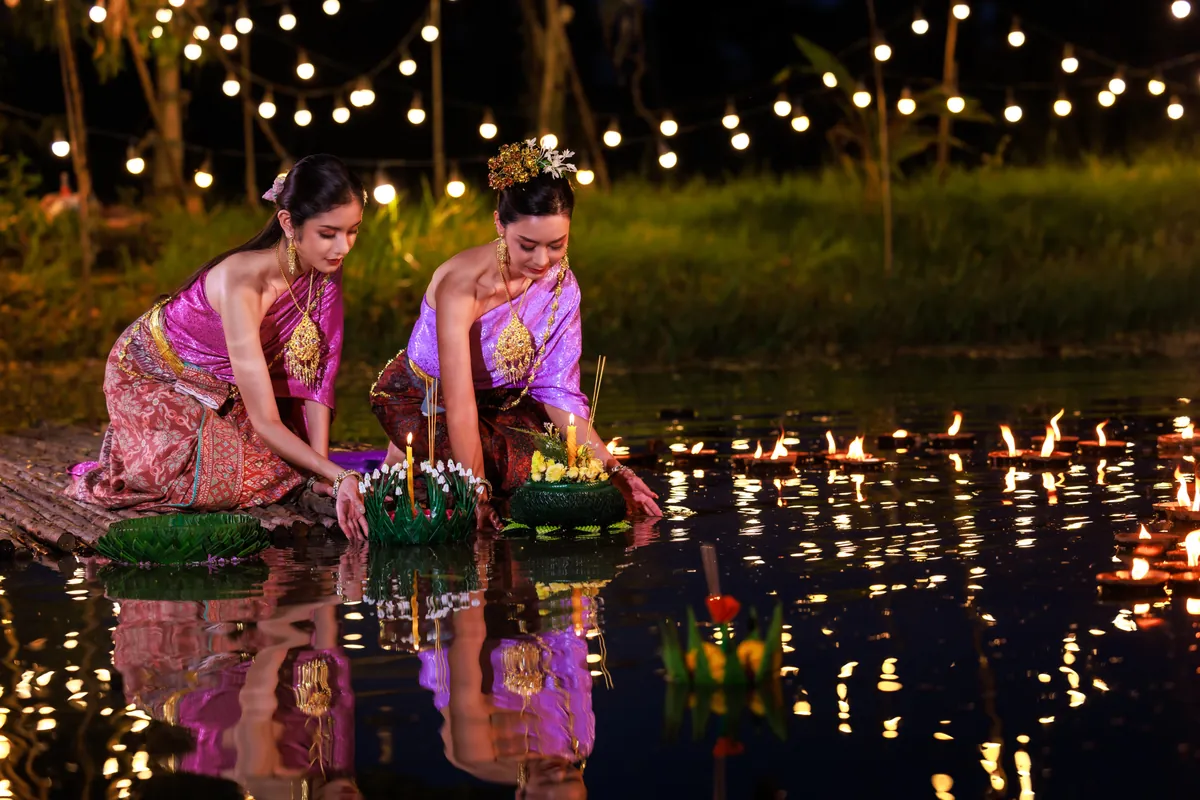
While Chiang Mai gets the crowds and the Instagram posts during Yi Peng and Loy Krathong, neighbouring Chiang Rai celebrates the same festivals with a fraction of the tourists and most of the magic. On the full moon of the twelfth lunar month, Chiang Rai’s temples, riverside areas, and the Kok River come alive with floating krathongs, candlelit ceremonies, and yes, sky lanterns rising above the northern mountains. In 2026, Loy Krathong falls on the nights of 24–25 November.
Book the room before you go. Chiang Rai rarely books out completely, but the best riverside places go a couple of weeks ahead. Riva Vista Riverfront Resort and The Imperial River House Resort are both on the Kok River and open on 24 to 26 November. More picks in Hotels We Like for the Chiang Rai Lantern Festival.
- When: Full moon of the twelfth lunar month: nights of 24–25 November 2026
- Where: Kok River waterfront and municipal park, Chiang Rai; temples including Wat Phra Kaew and Wat Phra Singh
- Entry fee: Free (public areas and riverside)
- Sky lanterns: Restricted near the airport; elsewhere only in approved windows (check the yearly announcement)
- From Bangkok: ~1.5-hour flight from around 1,500 THB; or 3 hours by road from Chiang Mai
- Accommodation: Significantly cheaper than Chiang Mai; best guesthouses book a couple of weeks ahead
What Makes Chiang Rai Different
The main celebrations centre on the Kok River waterfront and Chiang Rai’s municipal park. Locals gather along the river to release krathongs (banana-leaf boats carrying candles, incense, and flowers) while monks perform chanting ceremonies at riverside temples. The water takes on a slow drift of small, flickering lights as the evening advances.
Khom loi releases in Chiang Rai follow the same civil aviation rules as Chiang Mai: no releases in the safety zones around Mae Fah Luang–Chiang Rai International Airport, and elsewhere only in the approved windows announced each year. Scattered khom loi floating over the dark silhouette of the northern hills, reflected in the Kok River below, is the image that Chiang Mai’s commercialised Yi Peng promises but increasingly struggles to deliver. Here it happens without ticketing, without crowds five deep, and without a photographer in every sightline.
The honest tradeoff is scale. Chiang Mai’s Yi Peng main events, particularly the big paid mass releases, are genuinely spectacular. Chiang Rai is quieter, more dispersed, and entirely local in character. Which is better depends on what you are actually looking for.
The Evening Programme
The town’s temples hold wien thien (candlelit circumambulation) ceremonies throughout the evening. Wat Phra Kaew and Wat Phra Singh are among the most atmospheric: the scent of incense and melting wax, monks chanting in the courtyard, families circling the main chedi with candles cupped in both hands. The ceremonies run from dusk into the late evening.
Food stalls line the waterfront selling northern Thai dishes: khao soi (the region’s signature coconut-curry noodle soup), sai oua sausage grilled over charcoal, and khanom jeen nam ngiao (rice noodles in spicy pork-tomato broth). Cultural performances, including traditional Lanna music and dance, are staged at the municipal park. The market element is lively without being overwhelming: vendors, food, lantern sellers, and local families sharing space on the riverbank.
Insider Tip: Buy your krathong from a stall selling biodegradable versions (look for those made entirely from banana leaves and natural materials, not foam bases). The river takes several days to clear after the festival, and the banana-leaf ones dissolve properly. Vendors near the riverside sell both: the natural versions cost slightly more but are worth it.
Combining Chiang Rai and Chiang Mai
Chiang Rai is 3 hours north of Chiang Mai by road. Direct flights from Bangkok take about 1.5 hours from around 1,500 THB on budget carriers. A practical itinerary for Yi Peng / Loy Krathong season is to spend the full moon night itself in Chiang Rai, then travel down to Chiang Mai the following day for the free temple celebrations that run for several evenings around the full moon. Accommodation in Chiang Rai is significantly cheaper than Chiang Mai during festival season and rarely books out completely, though the best riverside guesthouses should still be reserved a couple of weeks ahead.
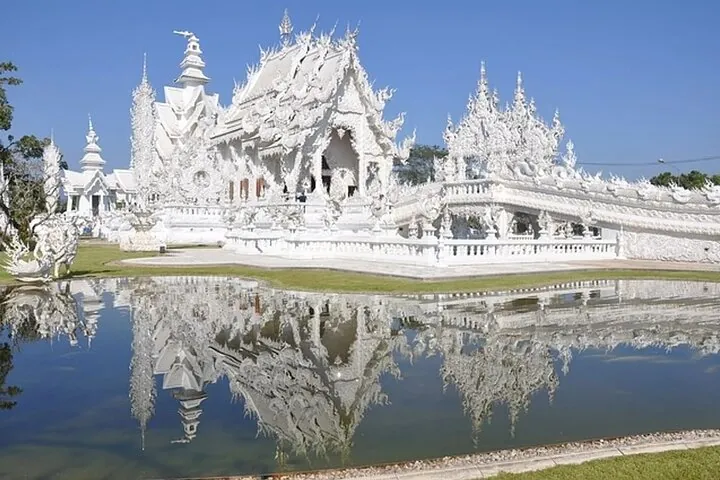
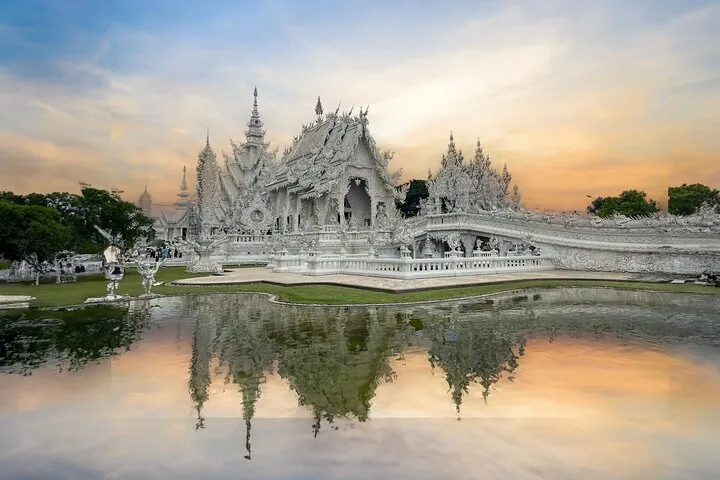
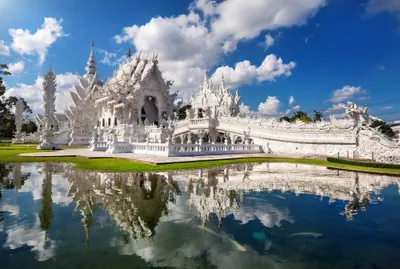
Pro Tip: Chiang Rai’s White Temple (Wat Rong Khun) and Blue Temple (Wat Rong Suea Ten) are both worth a half-day visit. Either makes an easy addition to a festival trip and ensures the journey from Chiang Mai is worthwhile beyond the single evening of celebrations.
Where to Stay
The celebrations centre on the Kok River waterfront and the municipal park, so a room on the river keeps the krathong launch close. Chiang Rai costs less than Chiang Mai in festival season and rarely books out completely, but the best riverside guesthouses should still be reserved a couple of weeks ahead.
Hotels We Like for the Chiang Rai Lantern Festival
Each name opens the hotel on Booking.com for the nights of 24 and 25 November 2026.
- Riva Vista Riverfront Resort Chiang Rai: a 5-star resort on the Kok River with rooms looking over the river and gardens, and Wat Phra Singh and the Saturday Night Walking Street nearby. Our review.
- The Imperial River House Resort: a 4-star resort on Mae Kok Road in the Rim Kok area, right on the Mae Kok River in a quieter part of town. Our review.
- Wilacha Chiang Rai: a 3-star budget pick in the residential Rimkok district, away from the tourist crowds. Our review.