




Ban Khu Bua Ancient Town
เมืองโบราณบ้านคูบัว
Ban Khu Bua is one of central Thailand’s most important Dvaravati-period sites, a moated ancient town that flourished between roughly the 6th and 11th centuries on the plain south of Ratchaburi town. Rectangular earthen ramparts and a moat still trace its outline across the Khu Bua subdistrict, and dozens of ruined Buddhist monuments — stupa bases and brick foundations — are scattered across the surrounding fields and orchards. The site is open daily and free to enter.
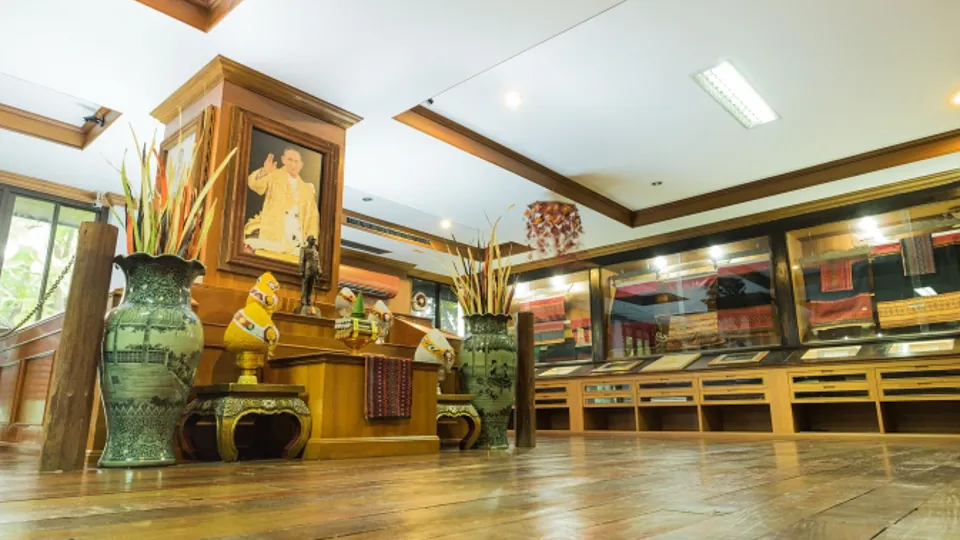
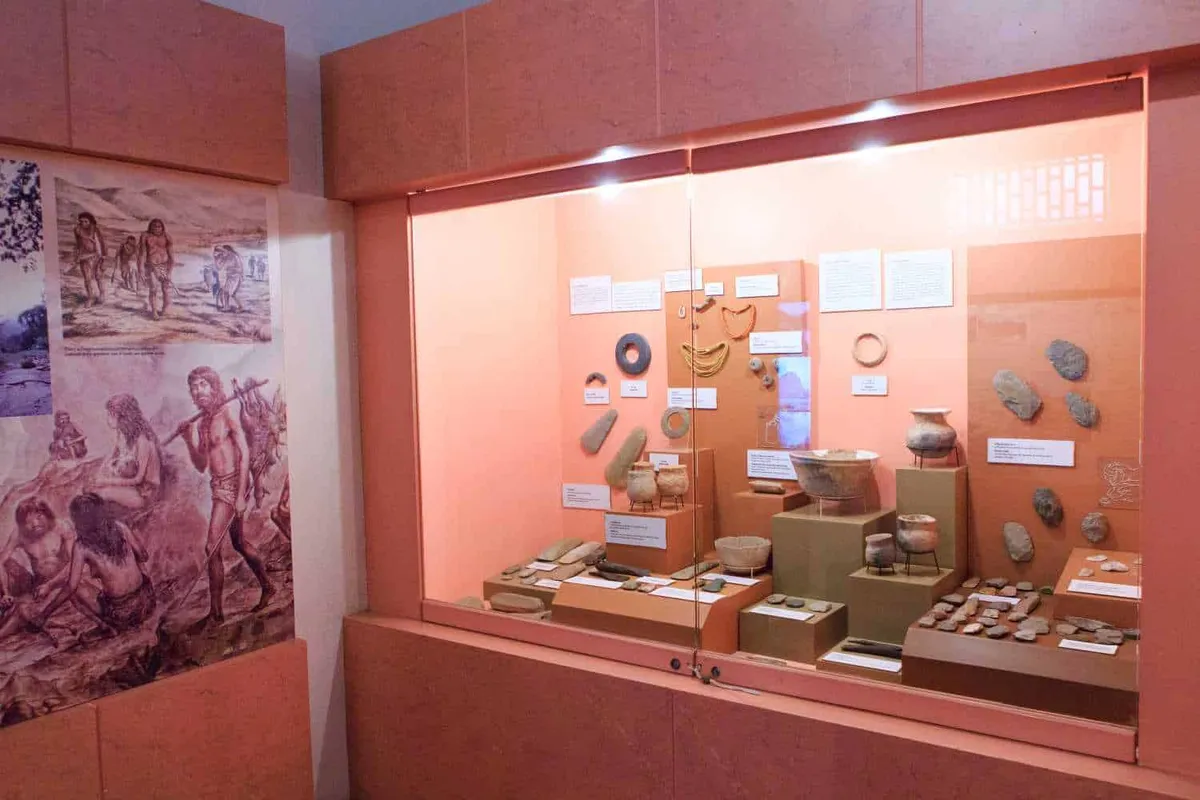
Excavations here have produced stucco reliefs, terracotta figures and Buddha images that place Khu Bua among the major Dvaravati centres, alongside U Thong and Nakhon Pathom. The finest pieces are now displayed at the Ratchaburi National Museum in town (100 THB for foreigners, 20 THB for Thai nationals, open Wednesday to Sunday 09:00-16:00), while the Jipathapun Ban Khu Bua Museum a few kilometres away covers the more recent side of local history — household items and farming tools from the village that grew up over the ruins. Taken together, the ancient town and the two museums work better as a loop than as a single stop.
The monuments themselves are weathered and low, so seeing the ancient town is more about reading the landscape and information boards than seeing standing temples — rewarding for those already interested in early Thai history, less so as a first or only stop for a casual visitor.
Insider Tip: Go to the Ratchaburi National Museum before the ruins, not after — the stucco fragments and site model there make the low brick foundations at Khu Bua far easier to read once you’re standing on them.
Watch out: There’s little shade across the open mounds and orchards, and the earthen ramparts turn uneven underfoot after rain — proper shoes matter more here than sun hats.
The site sits a short drive from Ratchaburi town, with basic parking near the main rampart section. Bring water and sun protection, and pair the visit with the museum stops above to get the most out of the fragmented remains. Mornings and late afternoons are the most comfortable times to walk the ramparts.
- Entry fee: Free
- Period: Dvaravati, roughly 6th-11th century CE
- Nearby museum: Ratchaburi National Museum — ฿100/฿20, Wed-Sun 09:00-16:00
- Also nearby: Jipathapun Ban Khu Bua Museum — free, daily 09:00-16:00
- Getting there: Khu Bua subdistrict, short drive south of Ratchaburi town
Location & Directions
Mueang Ratchaburi, Ratchaburi
Ratchaburi, Thailand
Show your taxi or Grab driver
เมืองโบราณบ้านคูบัว
Within Walking Distance






Frequently Asked Questions
Is Ban Khu Bua Ancient Town free to enter?
What period is Ban Khu Bua from?
What will I actually see at the site?
How does it connect to the Ratchaburi National Museum?
Is there shade or facilities at the ruins?
Spotted something out of date or incorrect? Let us know
Stay Near Ban Khu Bua Ancient Town
Compare places to stay in Ratchaburi, or open the map for options closest to the attraction.