


Chanthaburi
จันทบุรี
Thailand's gem-trading capital — a riverfront old town with a French Gothic cathedral, royal waterfall park, and the country's richest durian orchards.
Recommended by us
Namtok Phlio National Park
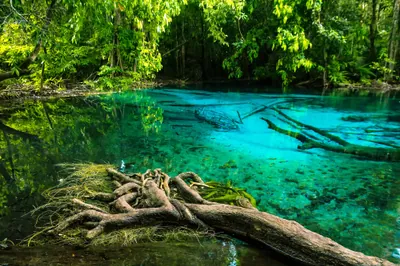
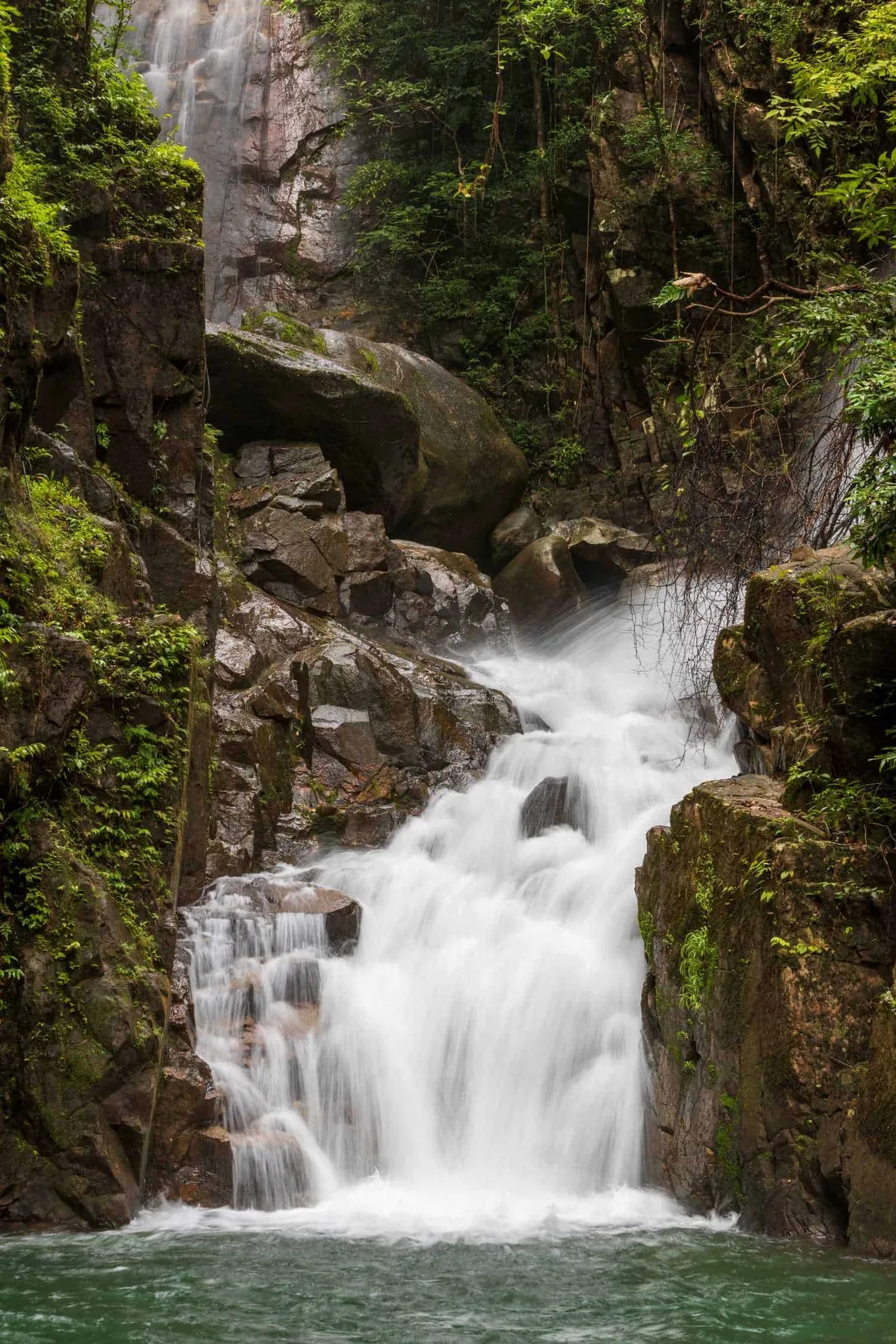
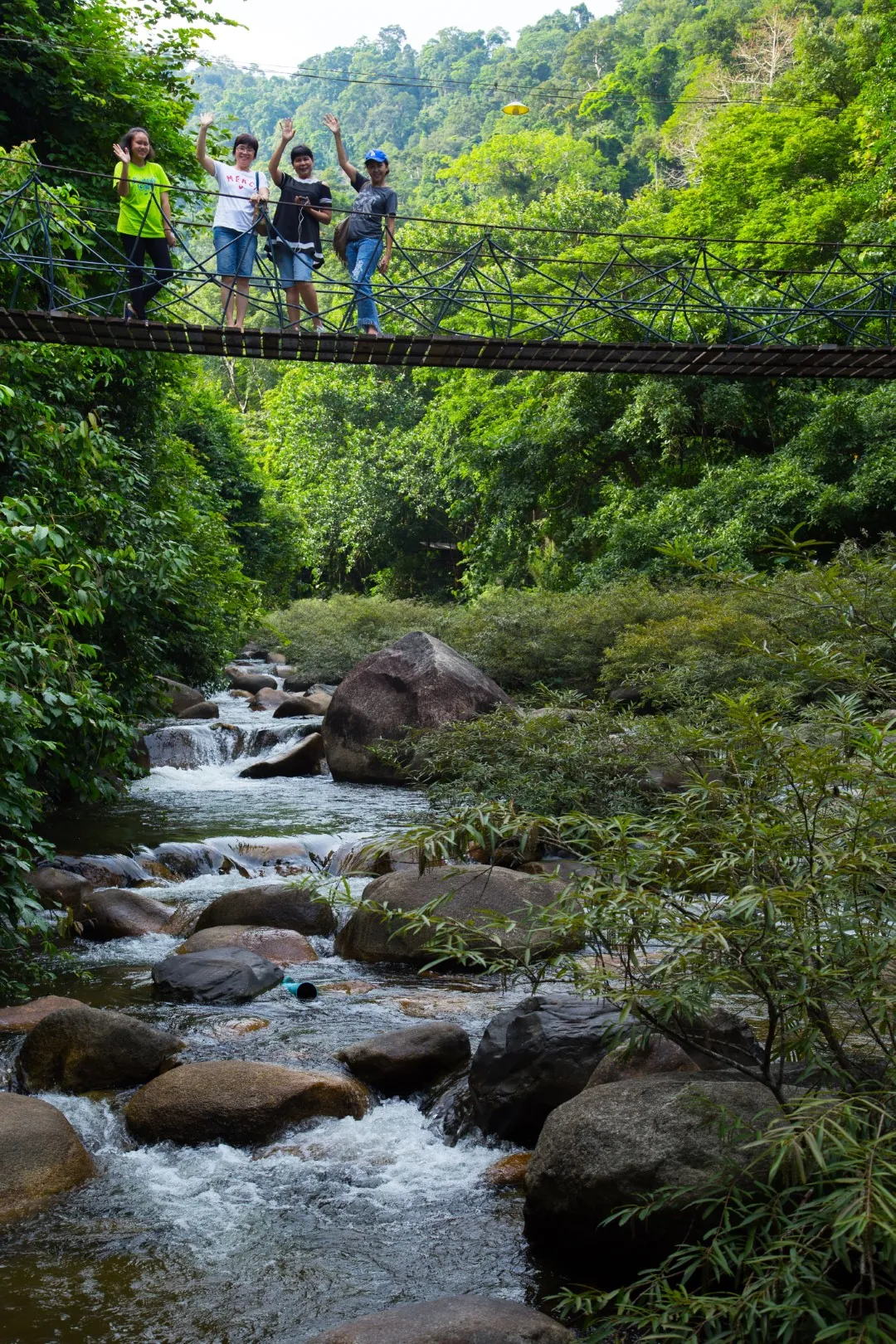
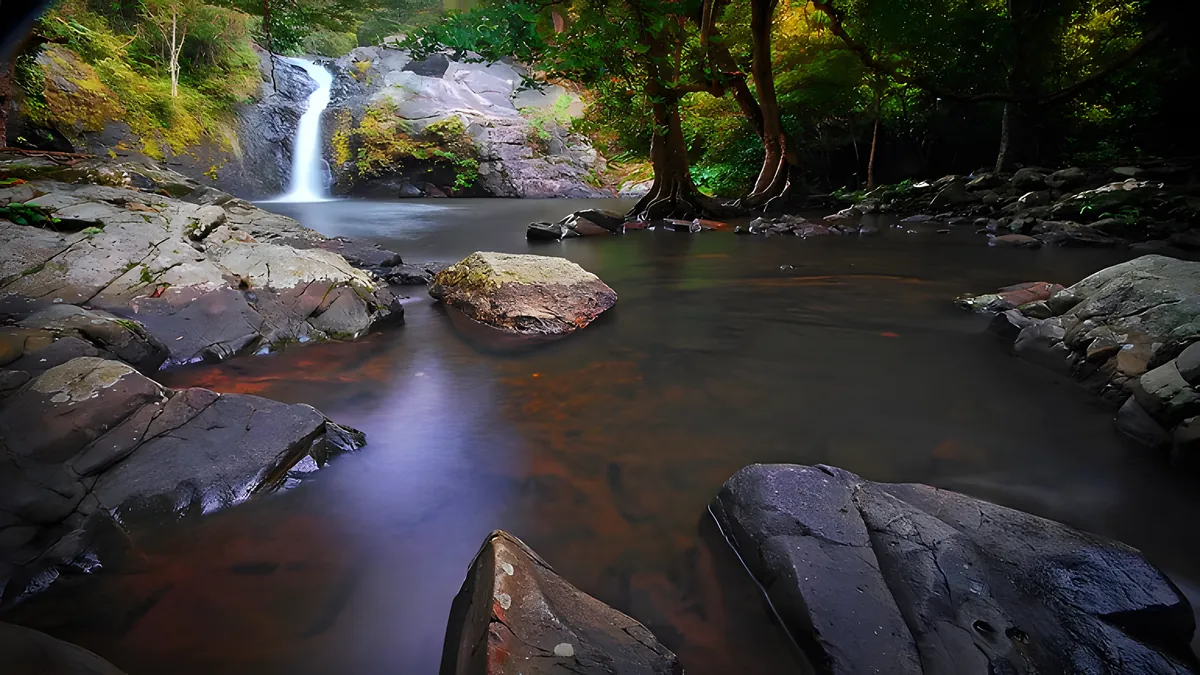
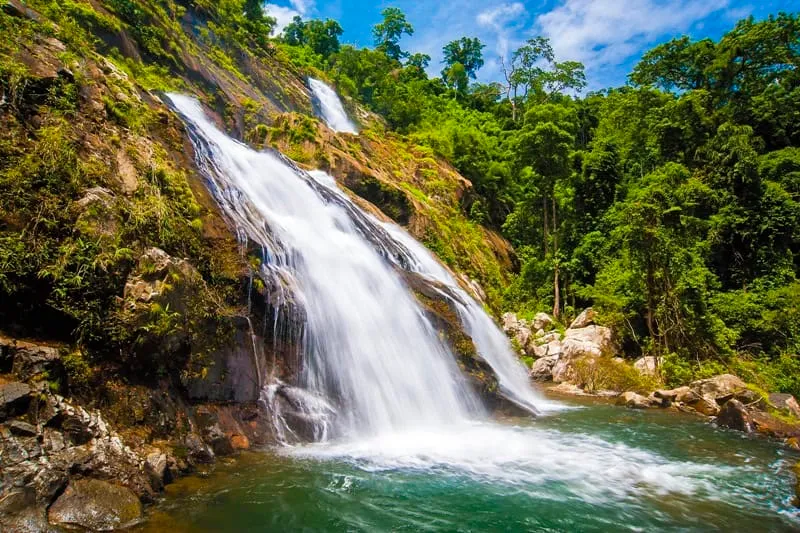
A royal waterfall where giant Siamese catfish gather in the pool below — you can see them from the bridge. The forest trail to the upper falls is worth the extra 20 minutes.

Gems Market
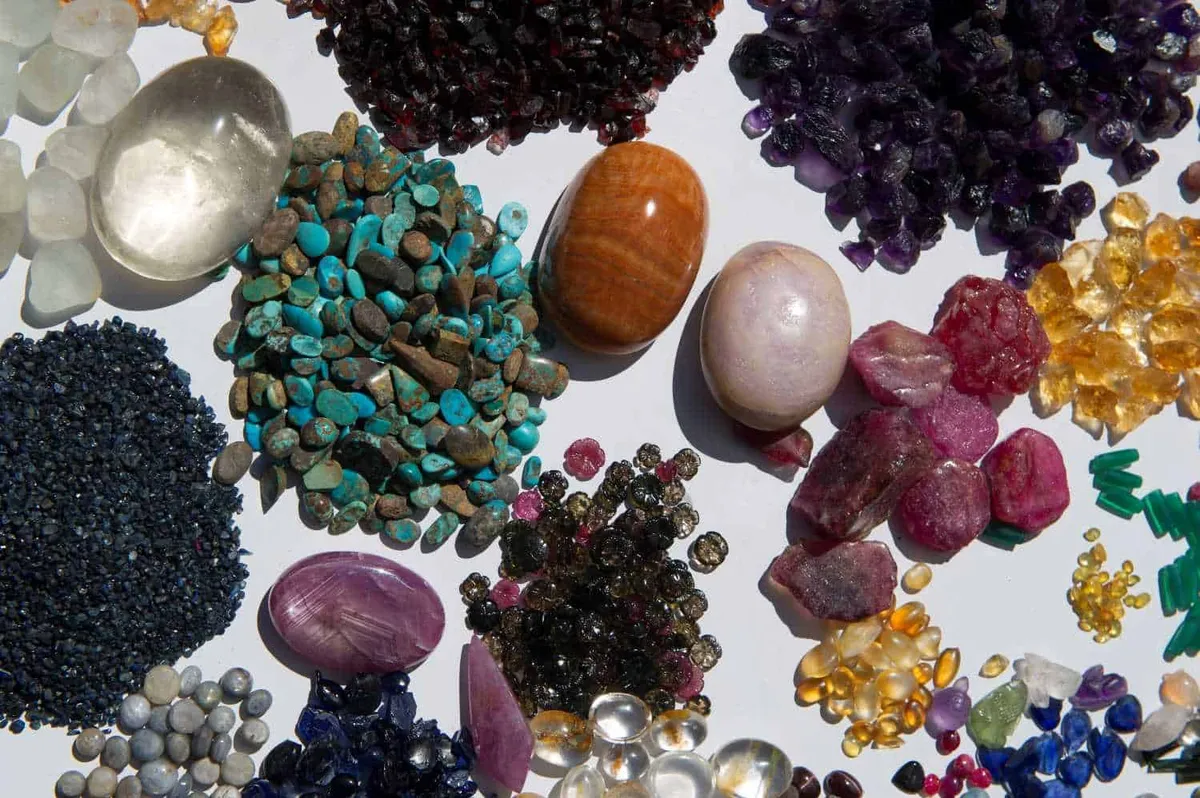
Chanthaburi is Thailand's gem-trading capital, and this is where the dealers gather on weekends. You don't need to buy — watching the traders sort rubies and sapphires by hand is the show.

Cathedral of the Immaculate Conception
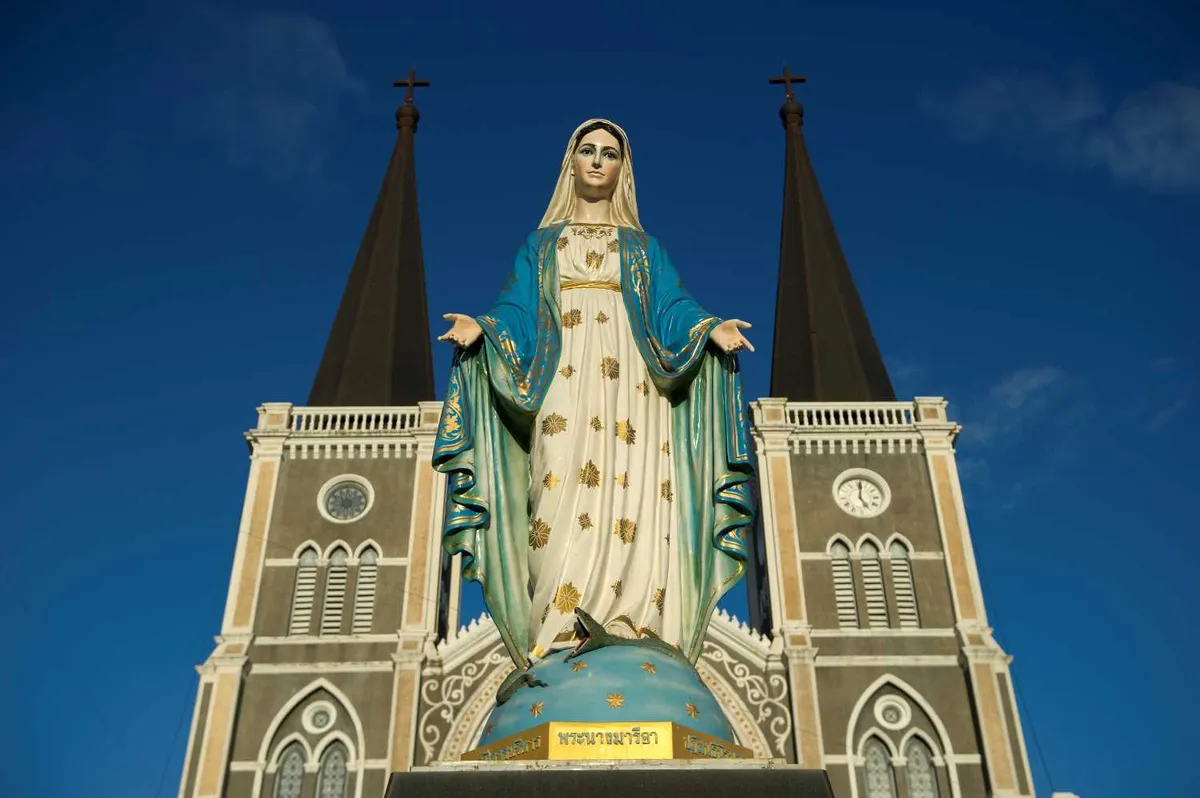
The largest Catholic cathedral in Thailand — a French Gothic structure on the riverfront, completed in 1909 on a site where Vietnamese refugees first built a chapel in the 1700s. The interior is quiet and cool; dress modestly.

Noen Nang Phaya Viewpoint
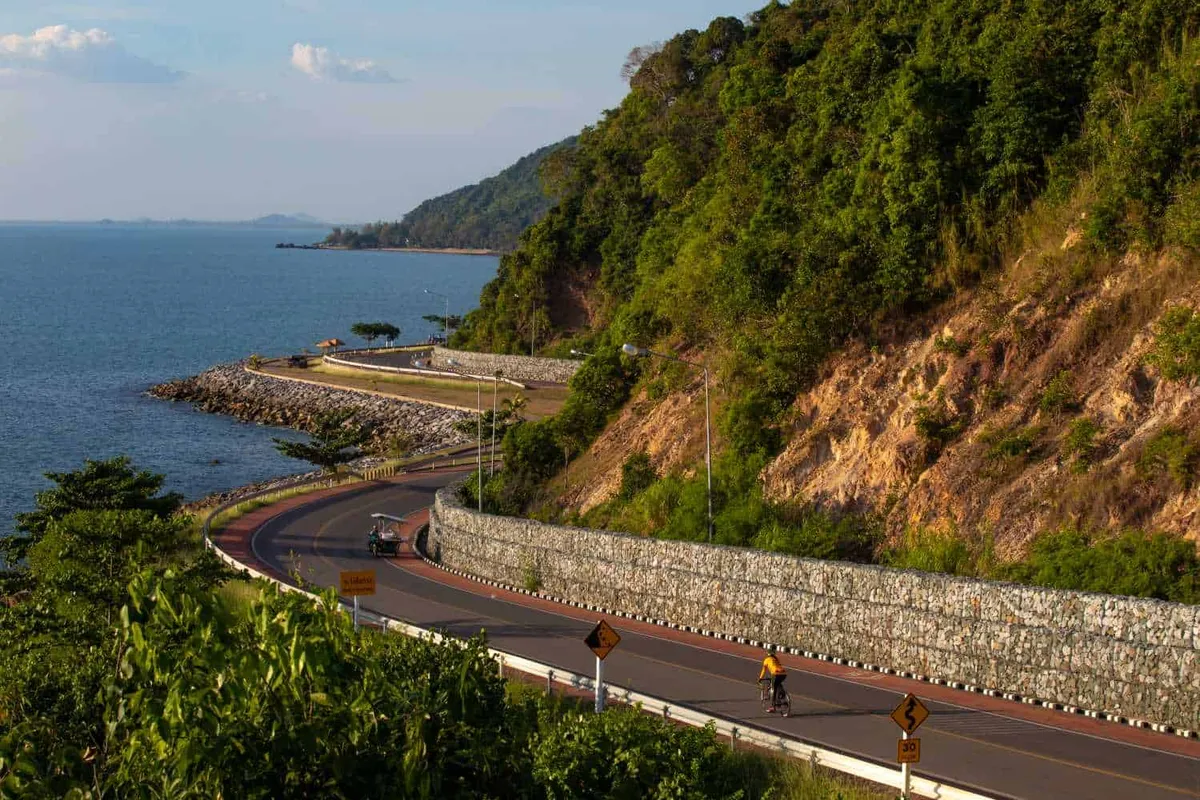
A hilltop viewpoint above the coast with a clear view over the gulf. Come late afternoon when the light is low and the fishing boats are heading out.
Get to Chanthaburi
Buses from Bangkok's Eastern Bus Terminal (Ekkamai) reach Chanthaburi in around 4 hours — the standard way in from the capital.

eSIM for Thailand
Land with data already working and skip the airport SIM queue. We tested six plans — code THAIHOLIDAY saves 10%.

Travel insurance
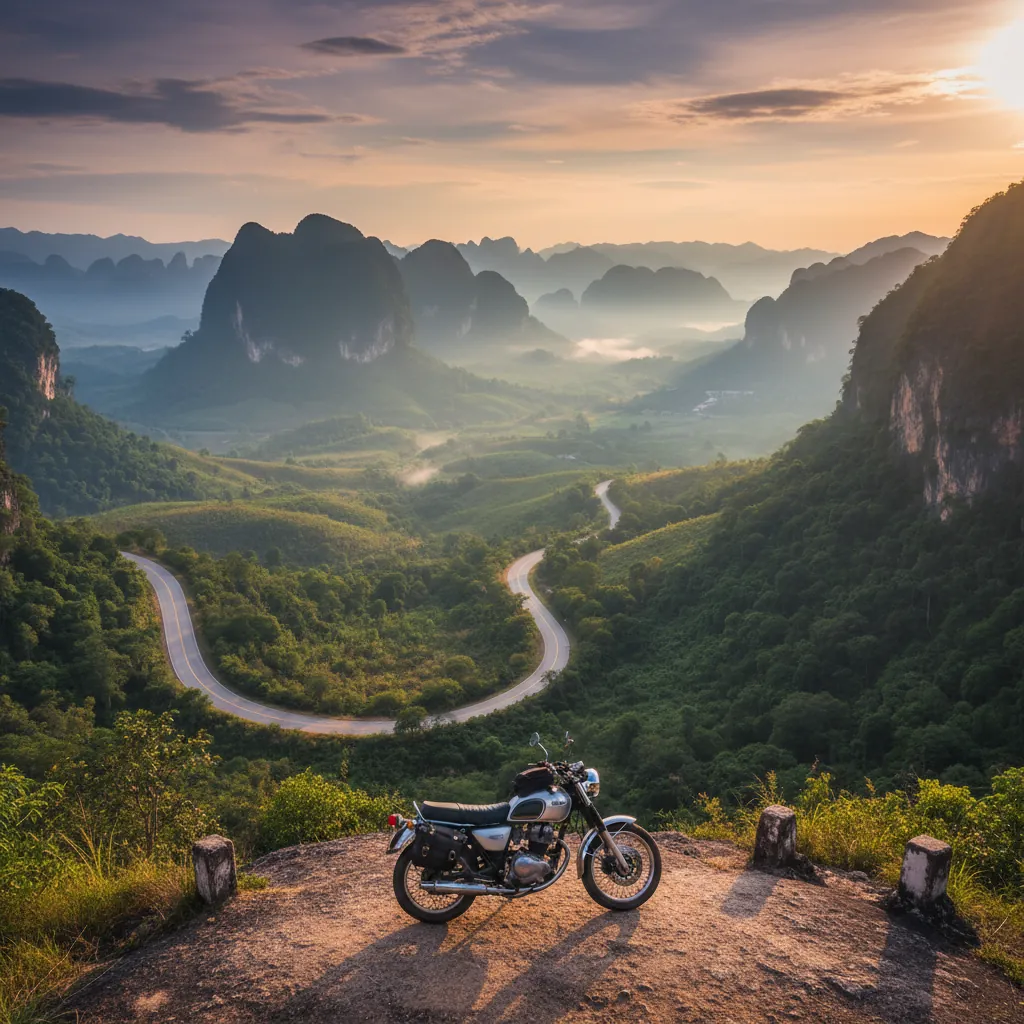
Coastal drives, national park trails, and scooter rentals on rural roads — sort cover before you go. The motorbike clause matters.
Wats, shrines & spiritual sites
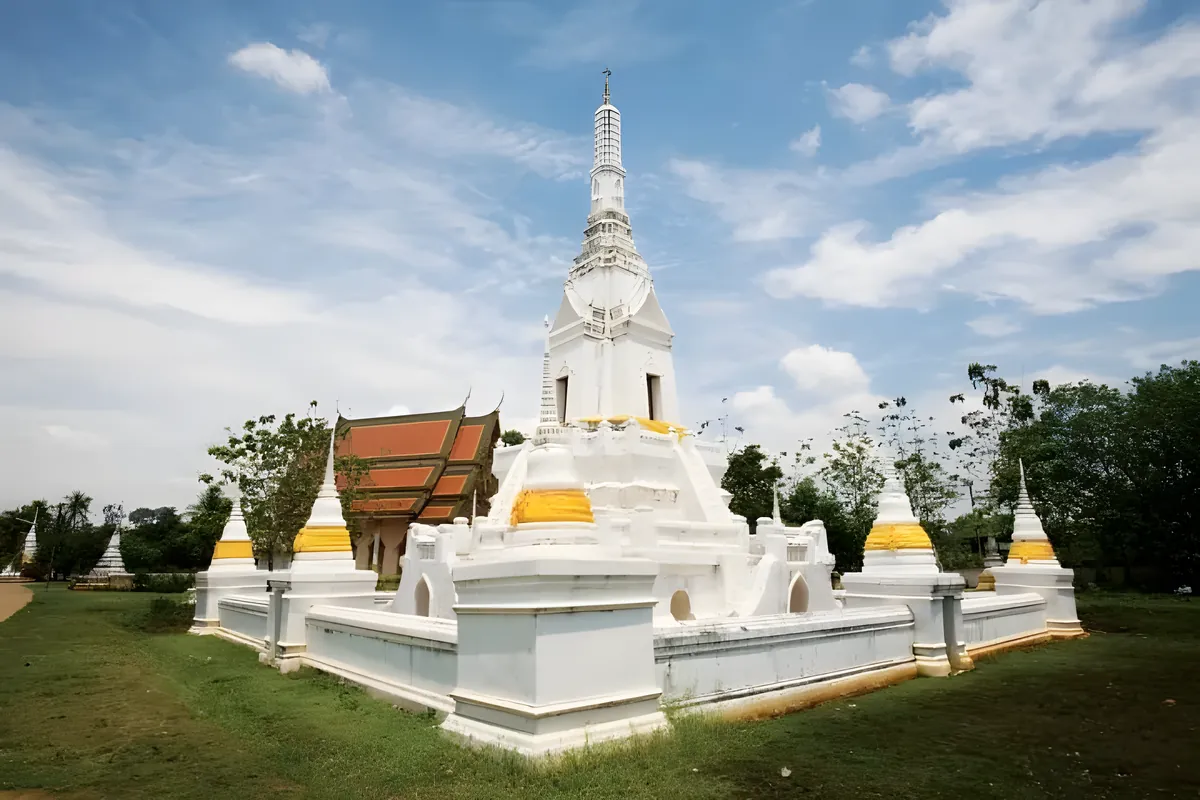
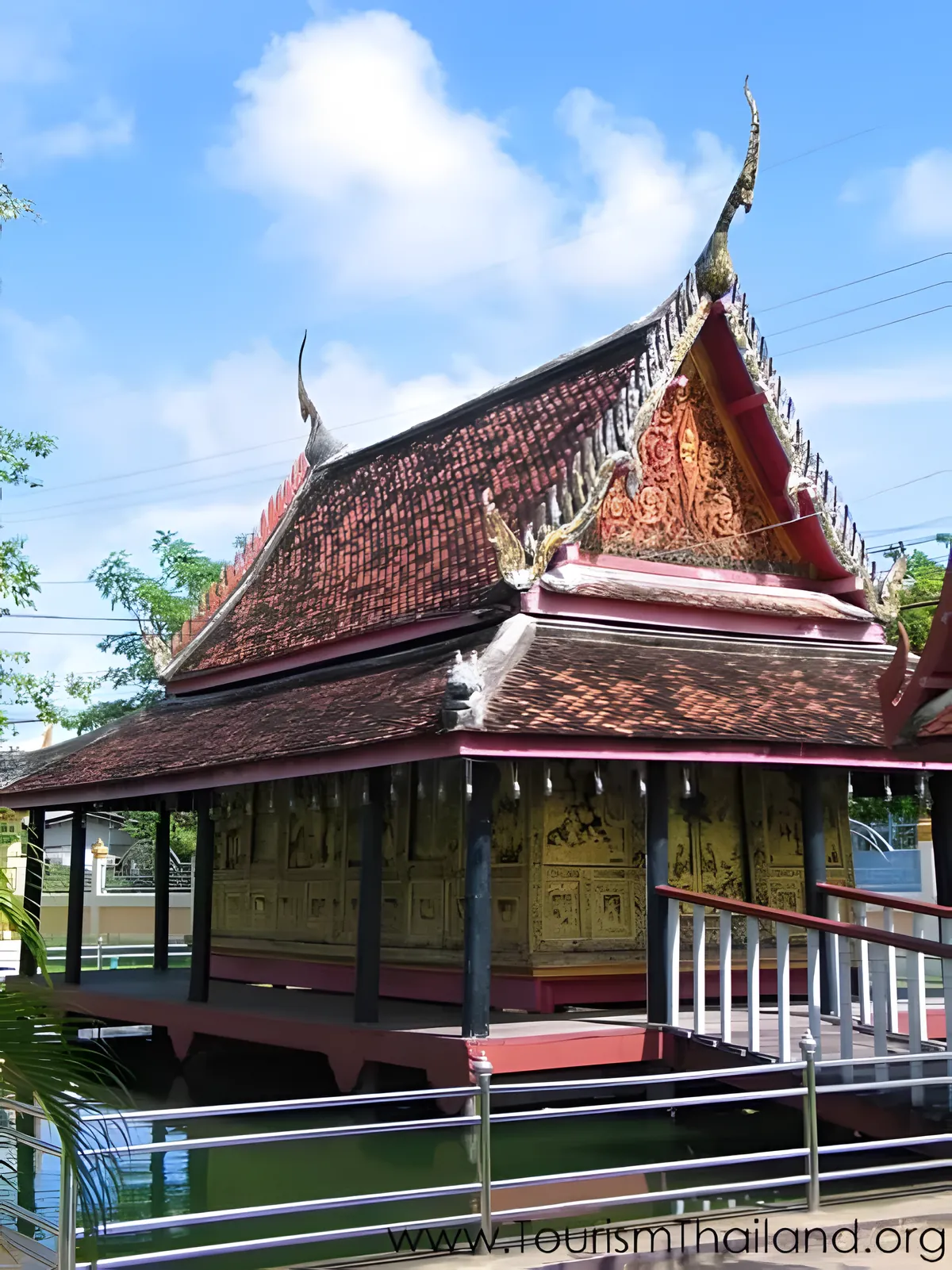
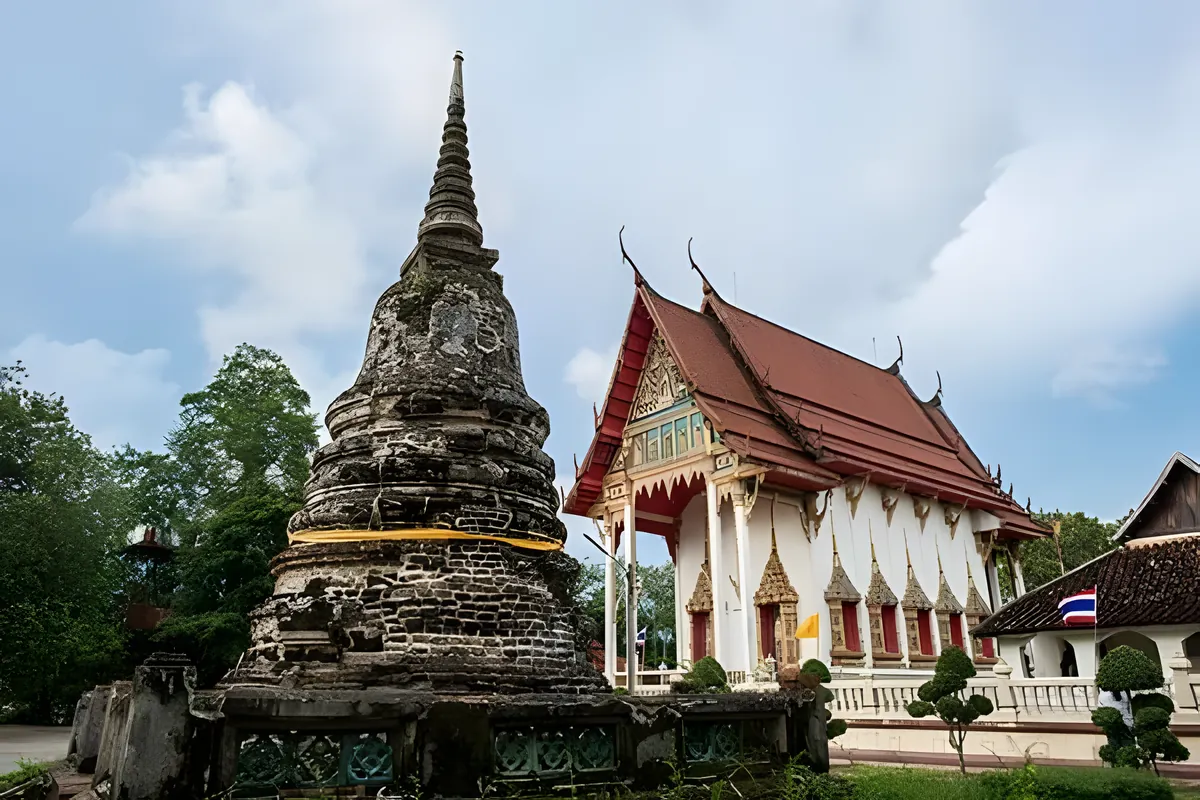
Temples in Chanthaburi










Sand, snorkelling & island-hopping
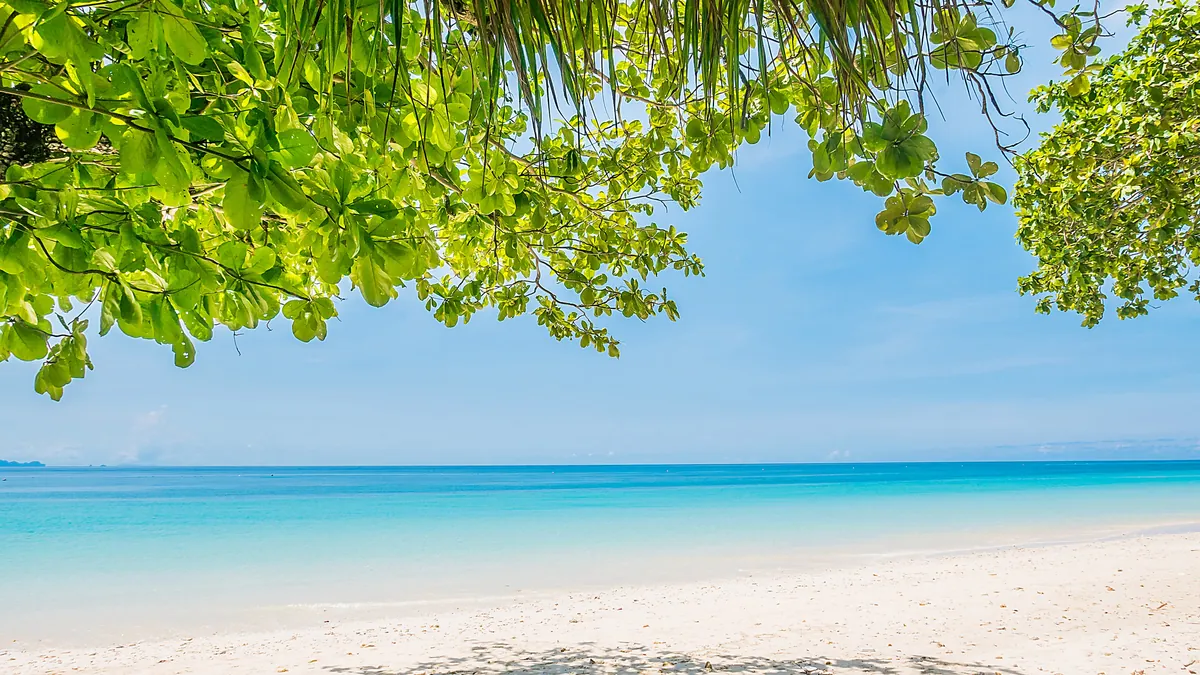
Beaches & islands in Chanthaburi






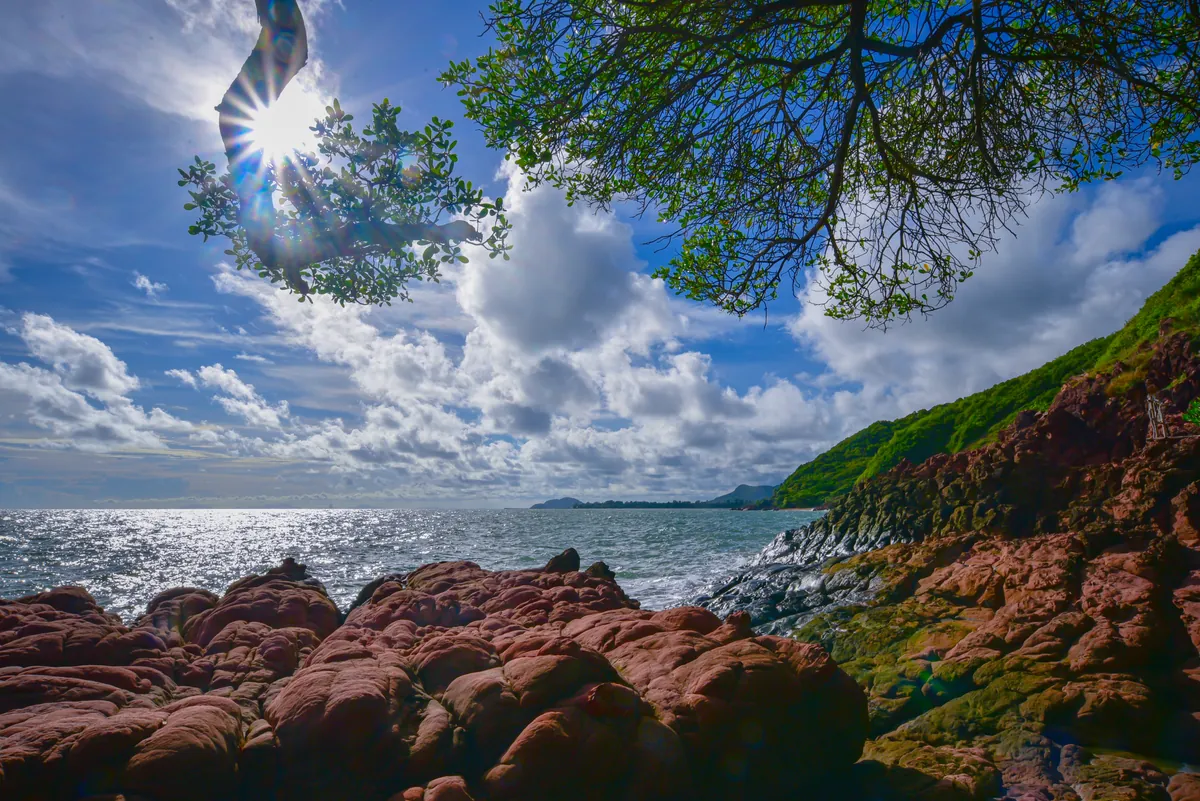
Waterfalls, peaks, caves & parks
Nature & outdoors around Chanthaburi

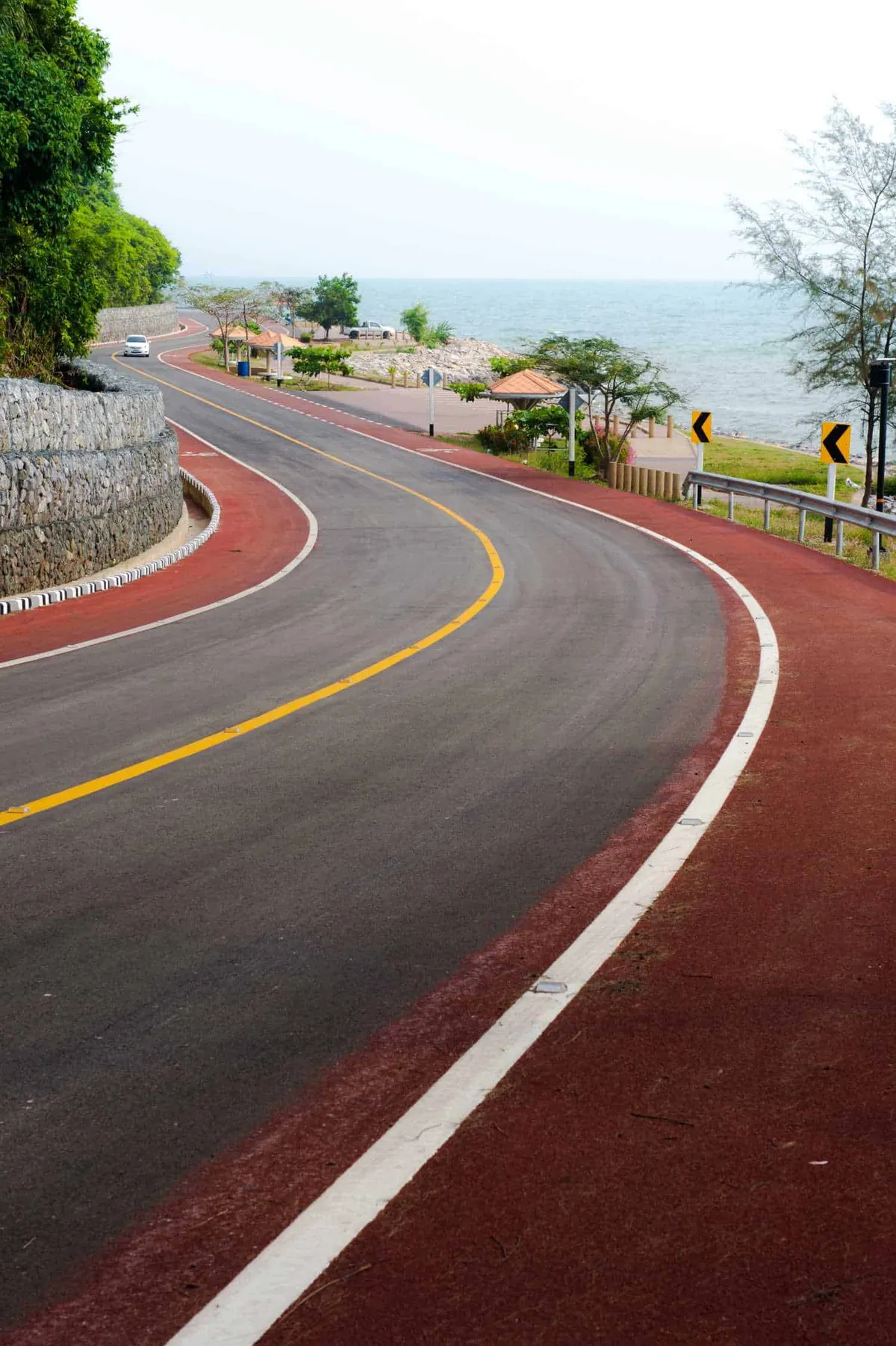

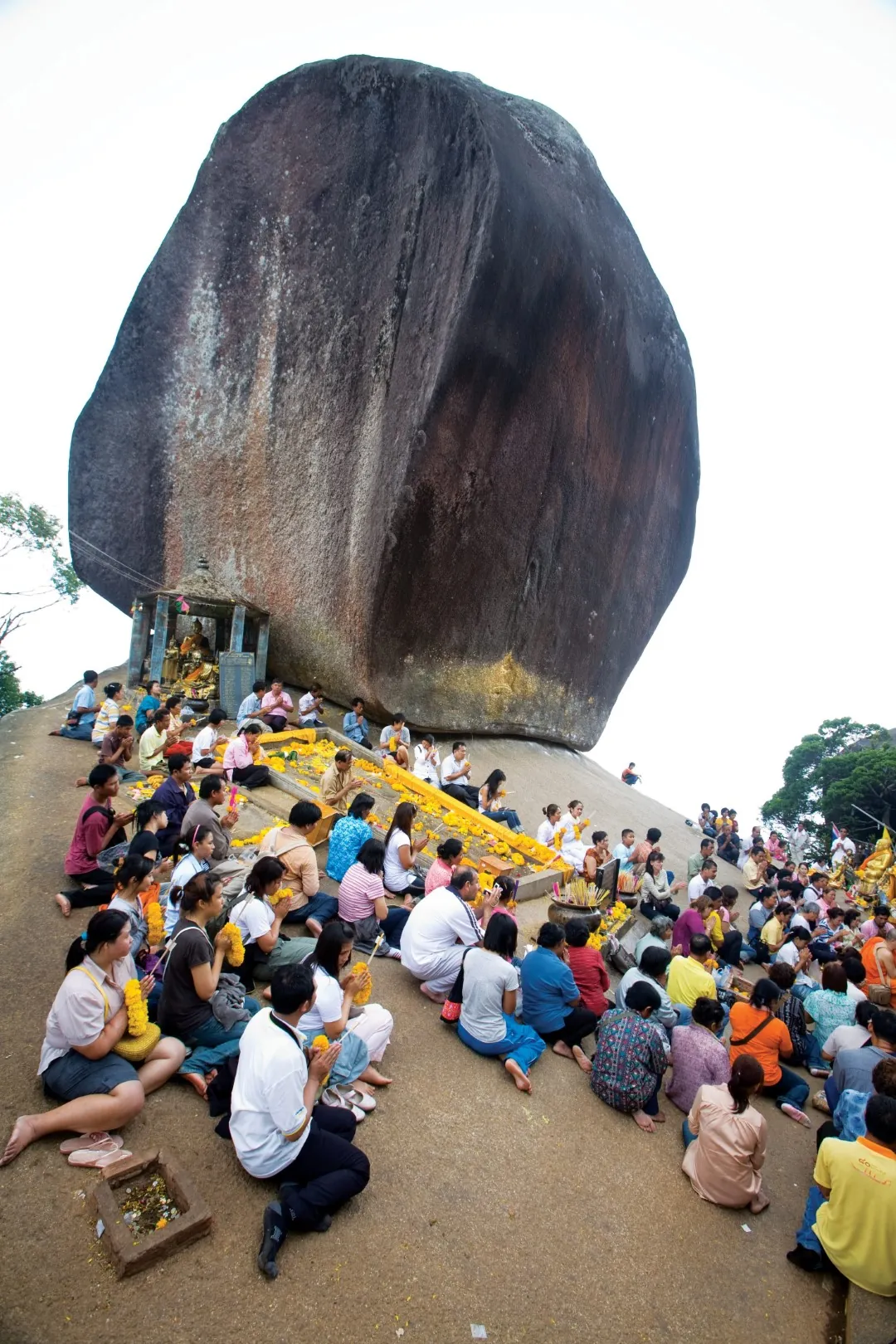

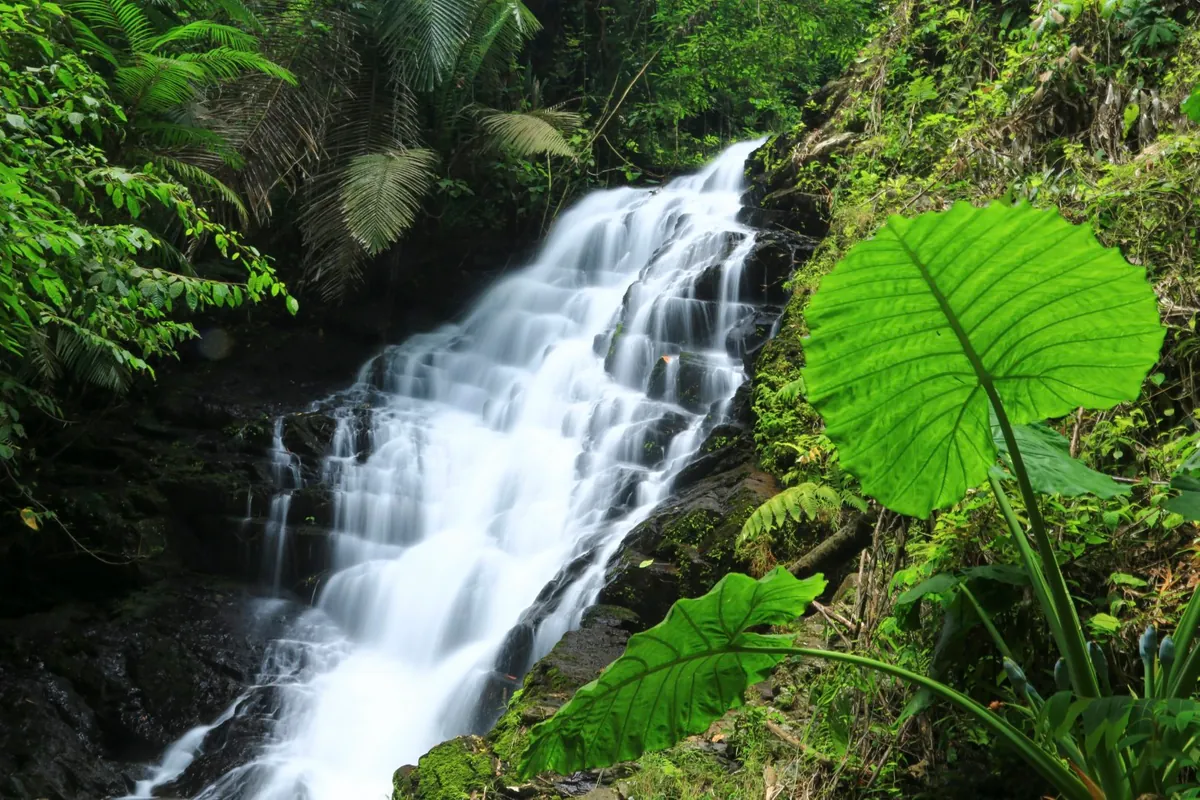




Museums, history & heritage
Museums & culture in Chanthaburi

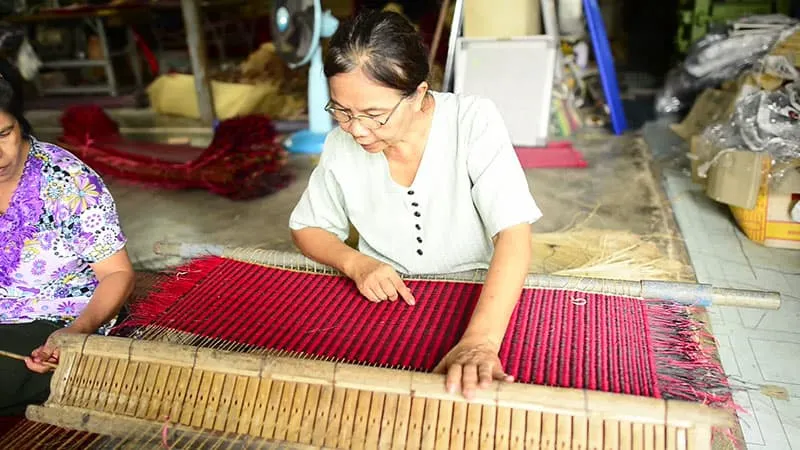

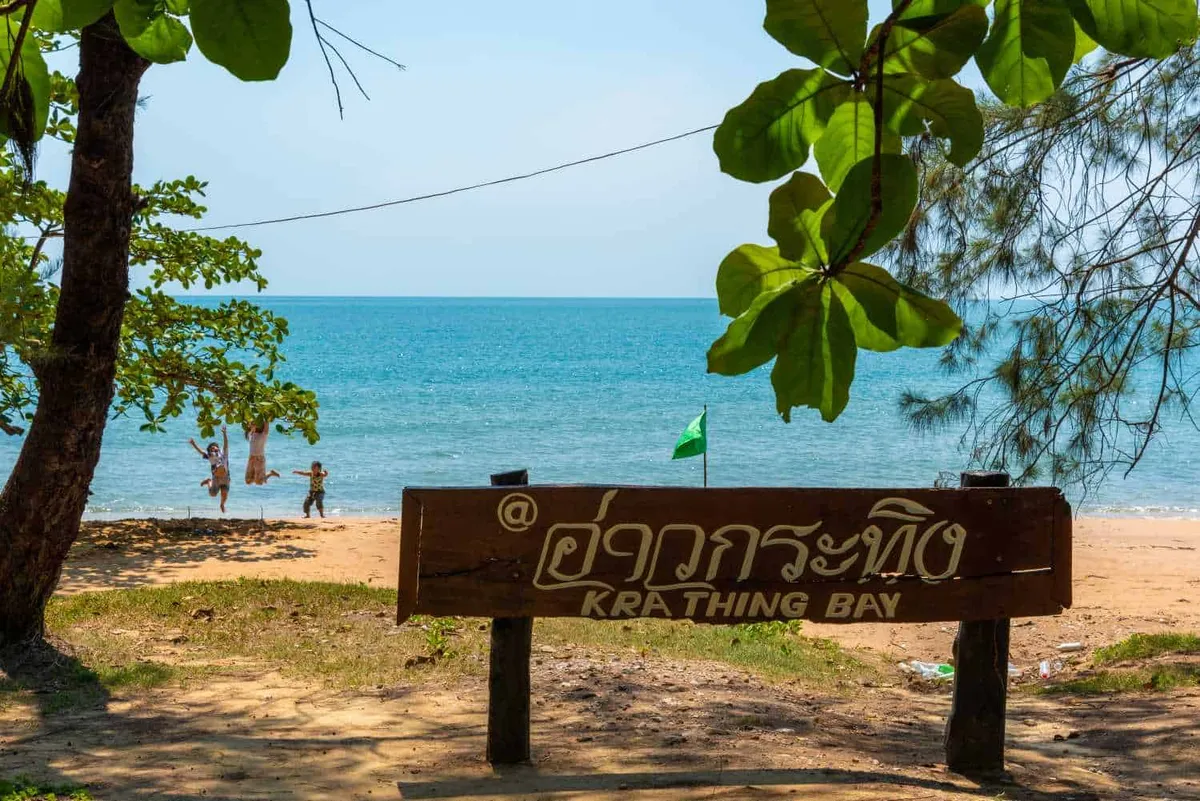

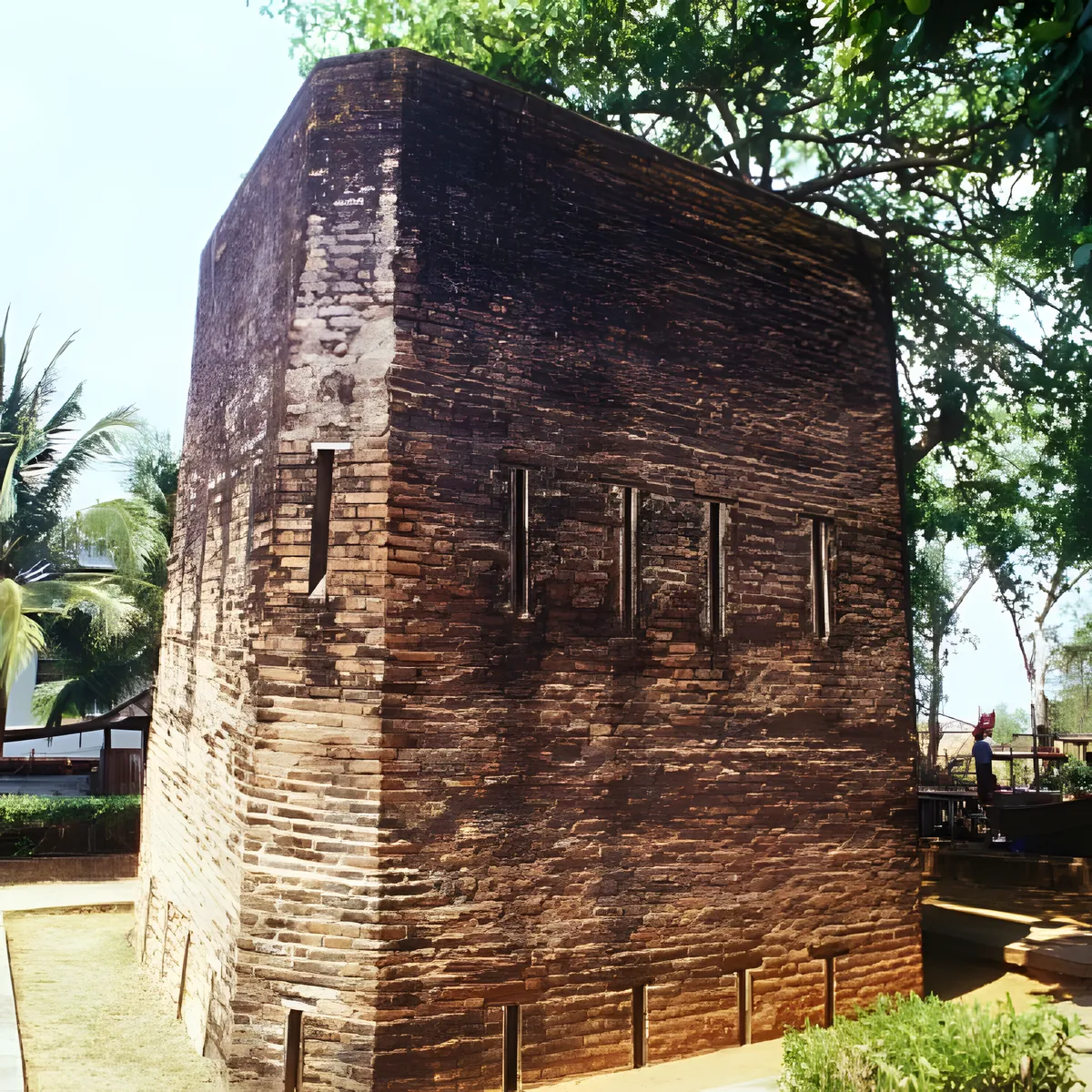

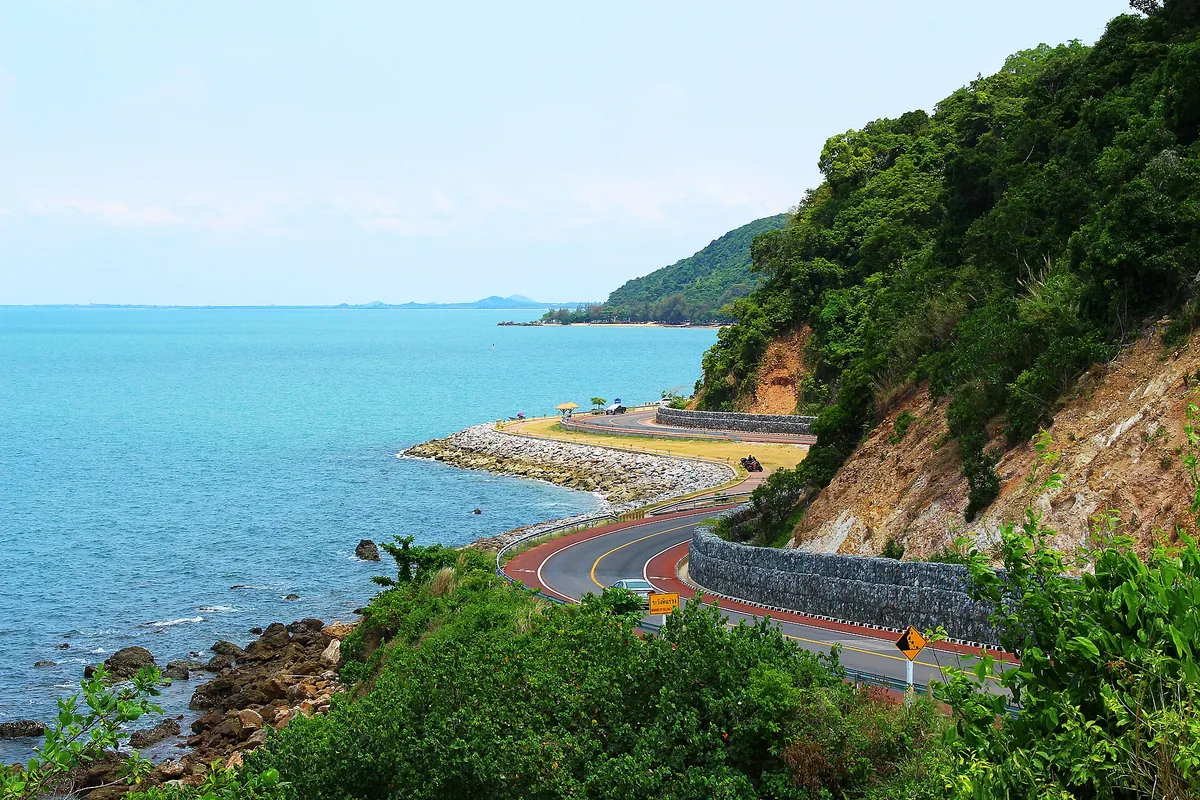



Crafts, communities & farms
Villages & countryside around Chanthaburi



Things to do on the map
Tap a pin for details — 40 places in Chanthaburi plotted.
When to go
Nov–Mar The dry season is the most comfortable window. Humidity drops, skies clear, and temperatures are manageable for outdoor sightseeing — good for the national park, old town walks, and beach days at Khung Wiman.
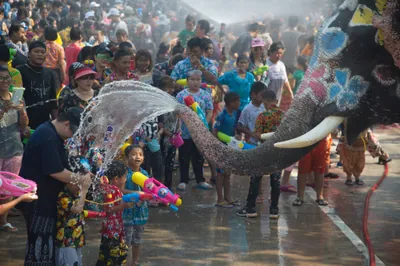
Apr Hot and increasingly humid before the rains arrive. The Songkran period brings domestic crowds. Durian orchards start producing in late April — a reason to visit if you can handle the heat.
May–Oct Chanthaburi is one of the wettest provinces in Thailand, with June the peak month (over 500mm average). The southwest monsoon sweeps in off the sea — rain is heavy and frequent. May–July is peak durian and fruit season, which draws visitors despite the weather. Waterfalls and forest parks are lush but trails can be slippery.
About Chanthaburi
Last updated September 2026
Overview
Chanthaburi sits on Thailand’s eastern seaboard between Rayong and Trat, roughly 245 kilometres from Bangkok — close enough for a long weekend but far enough that it draws fewer international visitors than the Pattaya or Koh Samet coastline. The province’s name means “Moon City” in Sanskrit, and it has a character unlike anywhere else in the region: a gem-trading culture rooted in centuries of mining, a Catholic community descended from Vietnamese refugees, and the kind of fruit-growing scale that makes it Thailand’s most productive durian province.
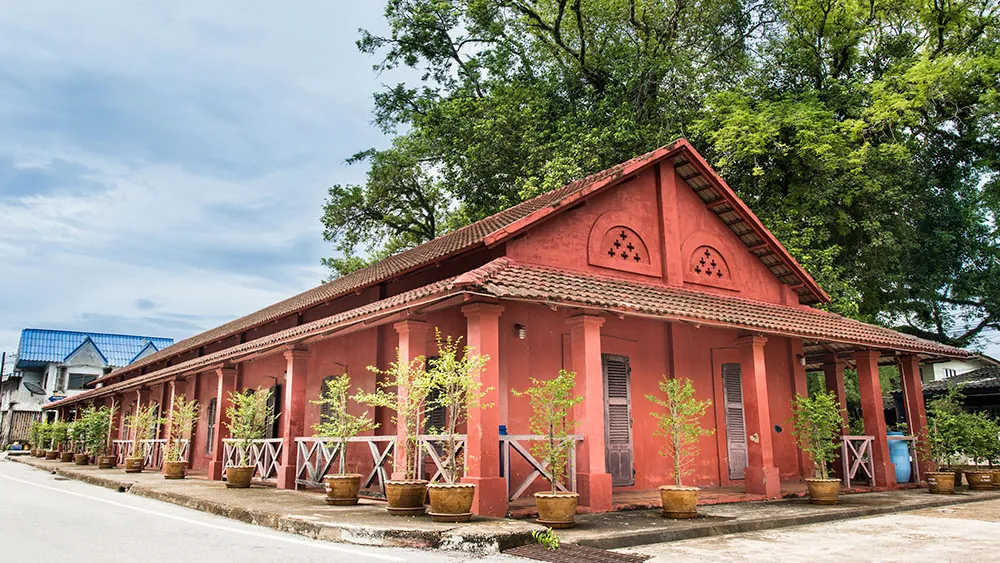
The provincial capital is where most of the interest concentrates. The Chanthaboon Waterfront Community — a kilometre-long strip of Sino-Portuguese and colonial shophouses along the Chanthaburi River — is among the better-preserved old-town streetscapes in eastern Thailand. Behind it stands the Cathedral of the Immaculate Conception, built in neo-Gothic style and consecrated in 1909: one of the largest Catholic churches in Thailand. The two sit directly beside each other, which says something about the town’s layered history.
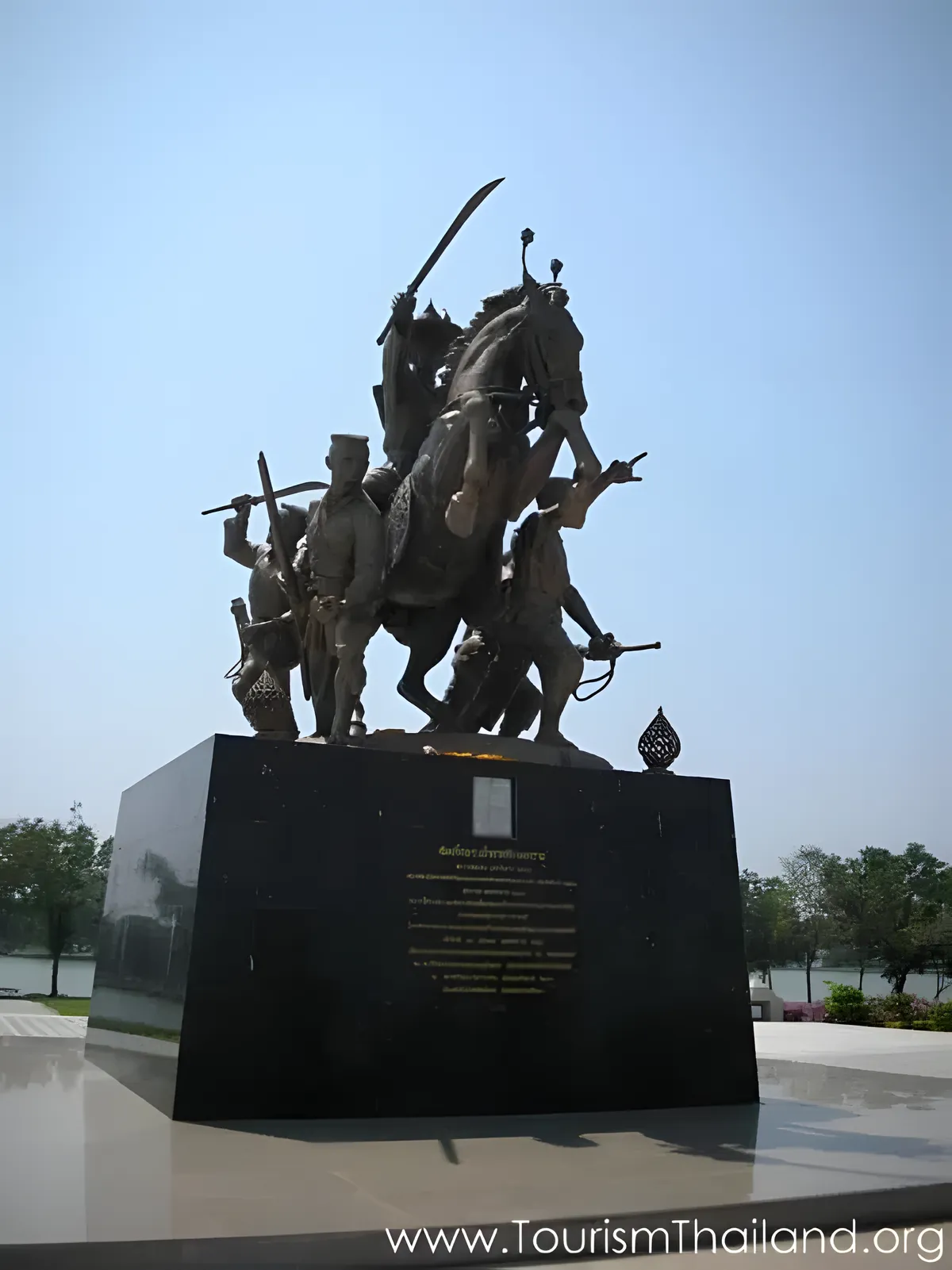
Chanthaburi’s role in Thai history is tied to one pivotal moment. When Ayutthaya fell to the Burmese in April 1767, the military commander Taksin fled east with around 500 followers and made for Chanthaburi. He spent around five months here rebuilding his forces — the town’s shipyard at Ban Samet Ngam was where new warships were constructed — before sailing back with some 5,000 soldiers and 100 vessels to drive out the Burmese and eventually found the Thonburi Kingdom. The park bearing his name, Somdet Phra Chao Taksin Maharat Public Park, stands in the city today.
Beyond the town, the province extends west into forested mountains. Namtok Phlio National Park, 14 kilometres south of the capital, protects 135 square kilometres of forest and contains the royal waterfall where King Rama V carved his name into rock on twelve separate visits. Khao Khitchakut National Park to the northeast covers another 59 square kilometres of dense hill forest.
Top Things to Do
Chanthaboon Waterfront Community (old town) is the place to start. The one-kilometre pedestrian street along the river holds shophouses in Sino-Portuguese, Thai, and Vietnamese styles — many still occupied and trading. The Vietnamese Catholic community that settled here over 300 years ago left a visible imprint: roadside shrines, the smell of bread from small bakeries, and the cathedral at the end of the strip. Walk the street in the morning when the cafés open, then double back toward the gem quarter.
Cathedral of the Immaculate Conception stands on the east bank of the Chanthaburi River and has been rebuilt and extended five times since a small chapel was first raised here in 1711. The current structure dates from 1909 — French Gothic in style, with twin spires, stained-glass windows, and a Virgin Mary statue on the facade adorned with hundreds of thousands of semi-precious gems. It is the principal church of the Roman Catholic Diocese of Chanthaburi and genuinely impressive for a building you’ll find on a small-town riverside in eastern Thailand.
The Gems Market on Si Chan Road runs on Fridays and Saturdays from around 10am to 3pm. Over 120 shops cluster along this stretch, dealing in rubies, sapphires, alexandrite, and other stones, predominantly sourced from mines in Chanthaburi, Trat, and across the border in Cambodia. Most of the trading is wholesale, but retail buyers are welcome. Even if you’re not buying, the density of the trade — dealers crouched over trays of loose stones, loupe in hand — is worth seeing.
Namtok Phlio National Park is the most visited natural attraction in the province, and rightly so. The centrepiece is Phlio Waterfall, a wide single-drop cascade into a clear pool in the forest. King Rama V visited here twelve times between 1873 and 1881 and had a royal stupa built in the grounds to commemorate Princess Sunandha, who drowned in 1880. The royal signatures carved into the rock above the falls — Rama V, VI, and VII — are still visible. The park is 14 kilometres south of the city on Highway 3; the falls are an easy walk from the entrance.
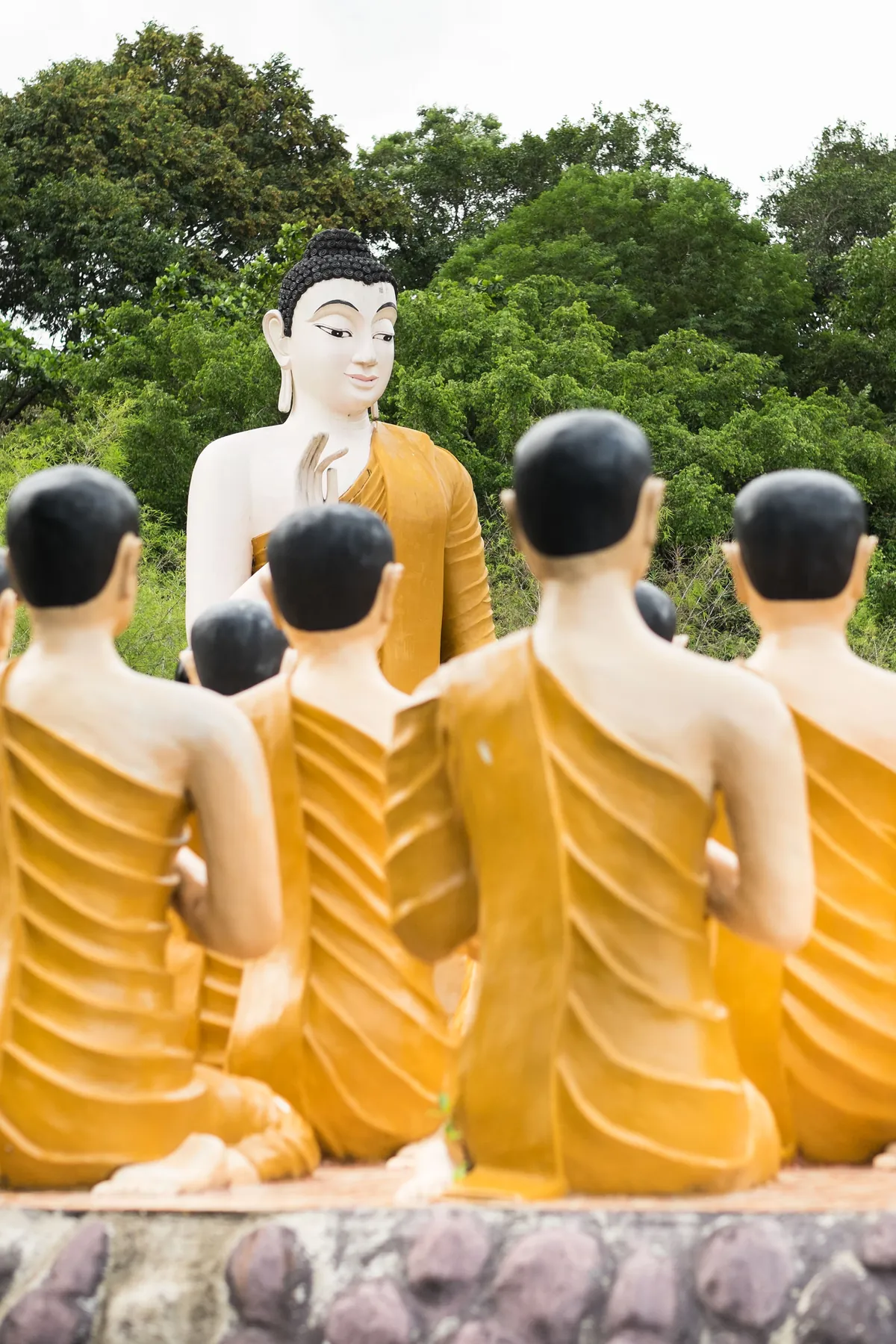
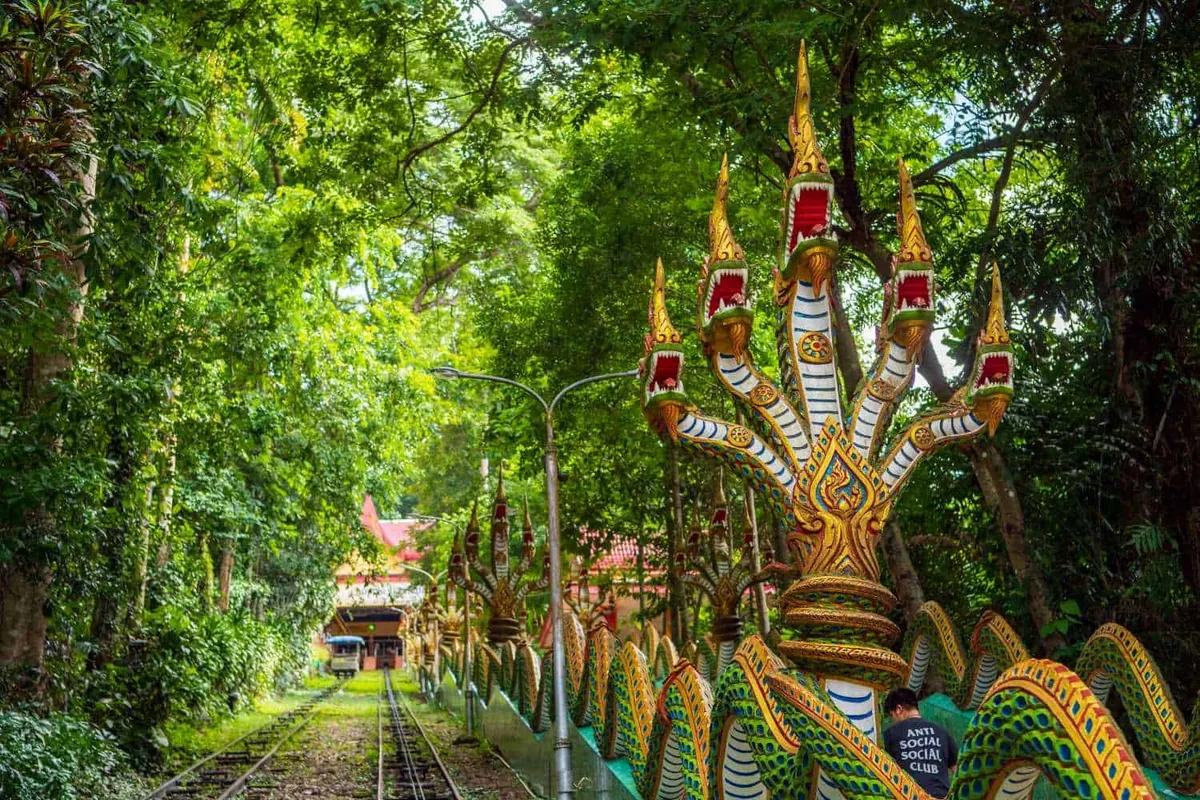
Wat Khao Sukim sits on a forested hill about 20 kilometres from the city and operates as both an active monastery and a museum. A free cable car takes you from the lake at the base up to the hall complex. Inside, donations over the decades have accumulated into one of the more eclectic temple collections in eastern Thailand: bronze Buddhas, Chinese ceramics, ancient stone tools, and twenty lifelike wax figures of revered monks. The views across Chanthaburi Province from the hill are a bonus.
Kung Krabaen Bay Royal Development Study Centre in Tha Mai district is a King Rama IX coastal development project set around a large mangrove bay. A 1.6-kilometre raised boardwalk runs through the mangrove forest, with crabs, mudskippers, and wading birds visible from the walkway. A 78-step birdwatching tower overlooks the bay. Entry is free. It is one of the least-visited genuinely worthwhile sites in the province.
Durian and fruit orchards around the provincial capital are at their best from May through July — peak harvest for durian, mangosteen, rambutan, longkong, and other varieties. Several orchards near the city offer open-sided shuttle tours and orchard-buffet experiences. Chanthaburi accounts for a substantial share of Thailand’s durian export crop; the sheer scale of production — trucks loaded with fruit moving constantly through town during harvest — is something to witness if you time it right.
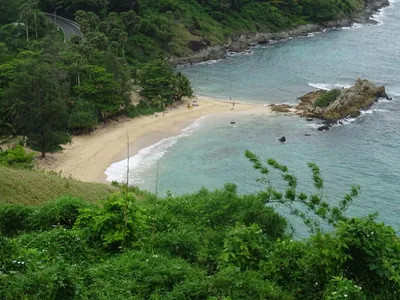
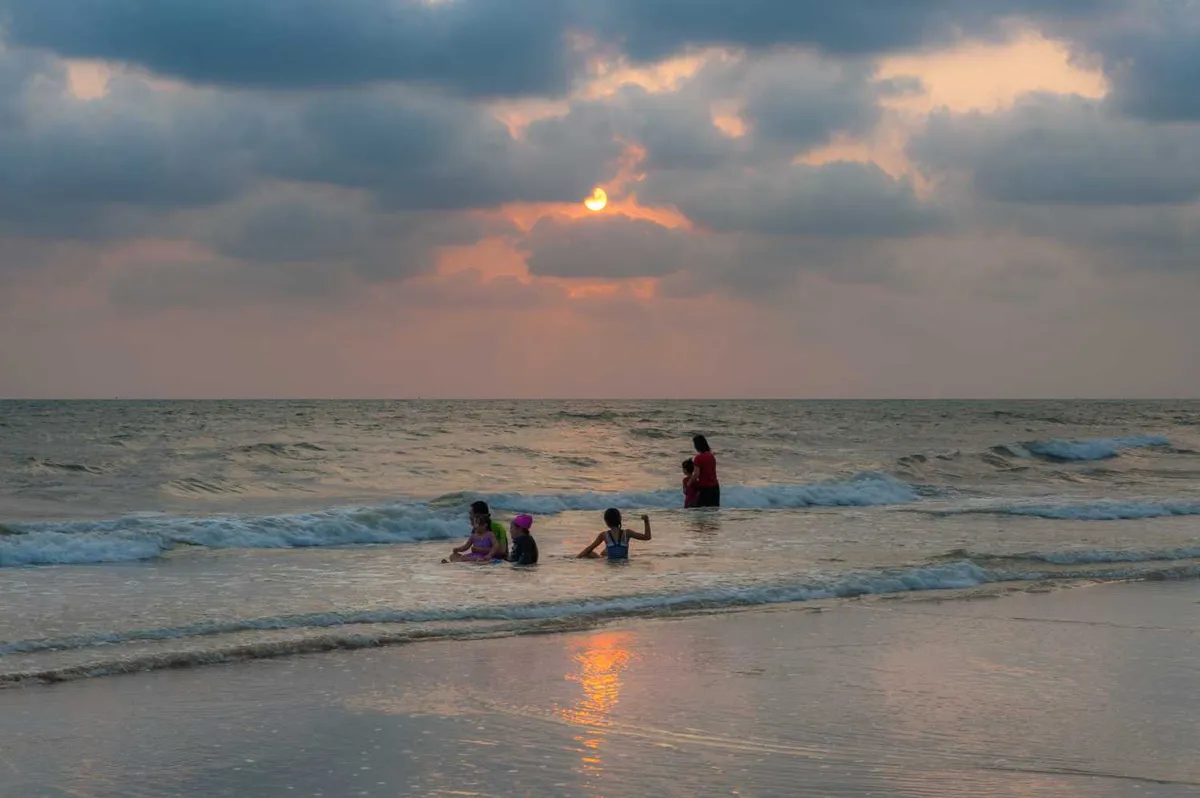
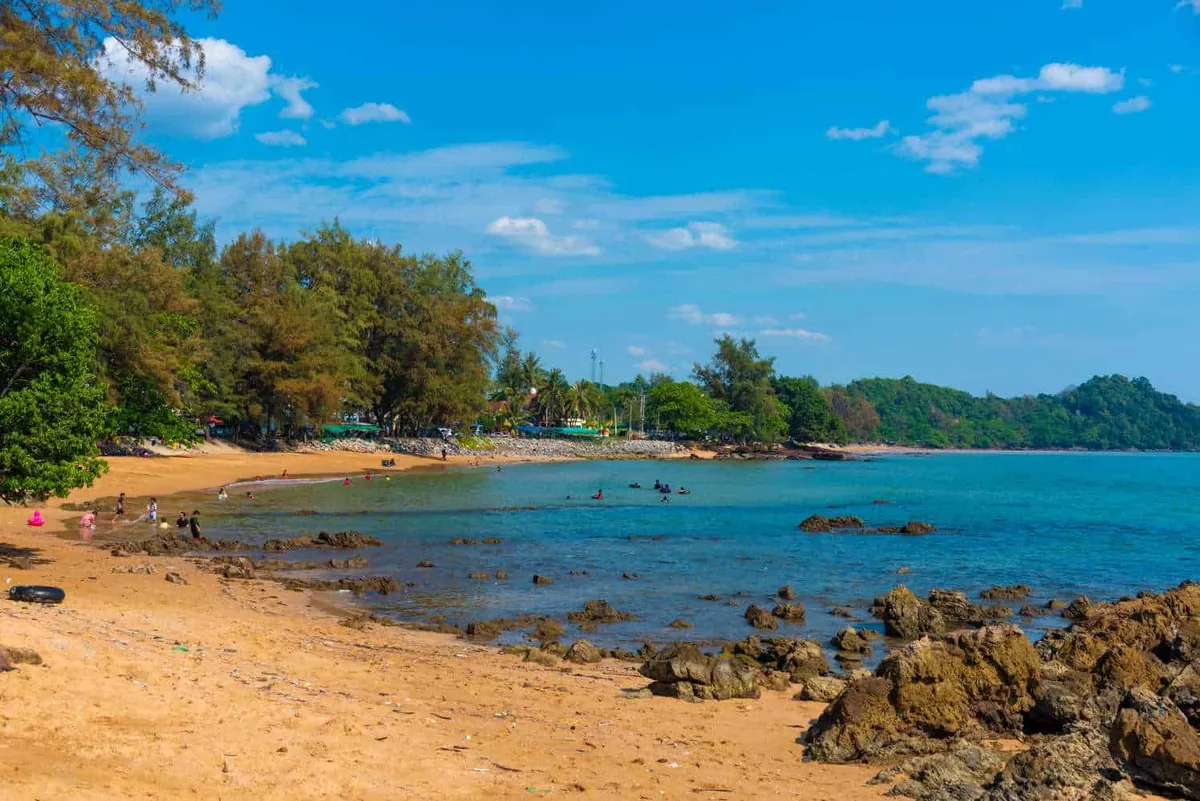
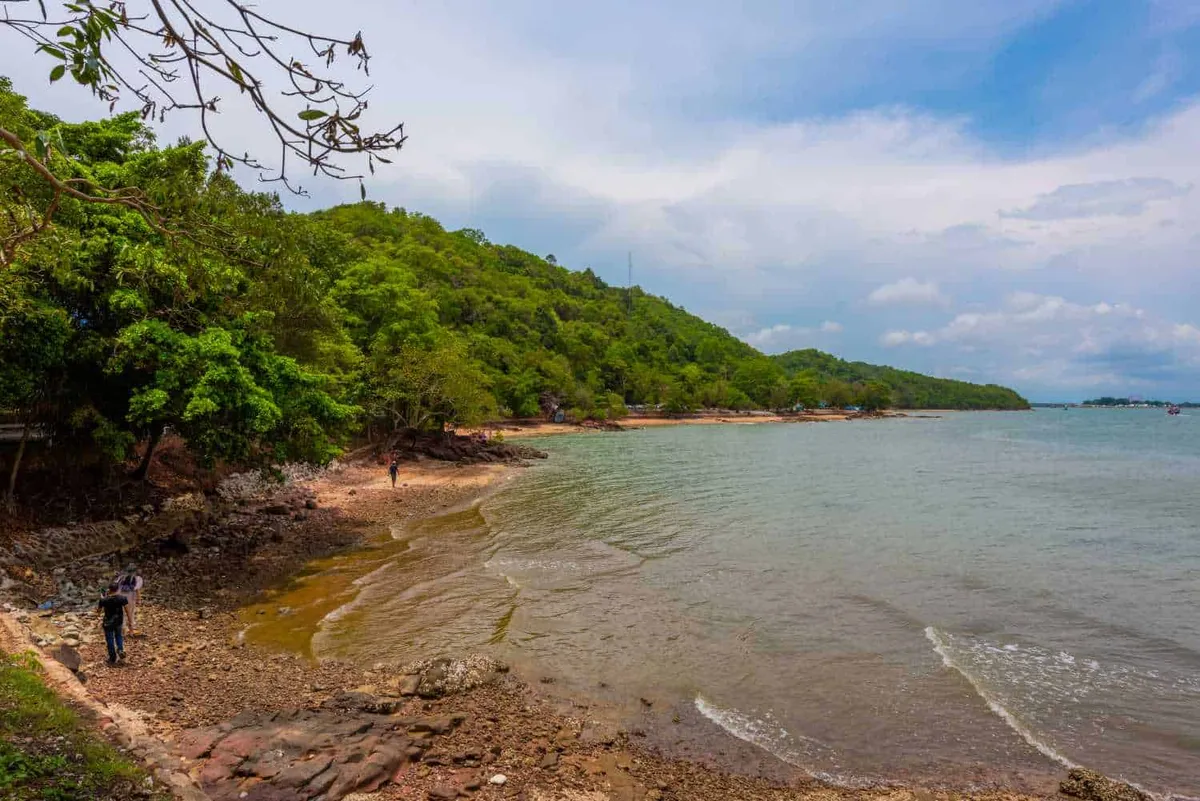
Khung Wiman Beach is the most accessible beach in the province, a quiet stretch of sand on the Gulf coast south of the city. It draws Thai families rather than international resort traffic, and the pace is accordingly relaxed. Chao Lao Beach to the north is another option. Neither competes with the beaches of Koh Chang or Koh Samet for visual impact, but they suit an afternoon away from the town circuit.
Where to Stay
Most accommodation in Chanthaburi concentrates in the provincial capital, within reach of the old town and gem market. The range runs from small guesthouses to mid-range business hotels — nothing at resort level, which fits the province’s character as a domestic travel destination. Properties near the Chanthaburi River give easy access to the waterfront community. If you want to be closer to Namtok Phlio National Park, a handful of small guesthouses in the Makham district area provide a base.
Getting There
The main route from Bangkok is Highway 7 (the motorway) east toward Pattaya, continuing on Highway 3 (Sukhumvit Road) through Rayong and Chanthaburi — 245 kilometres in total, roughly four hours by car in ordinary traffic. Direct buses from Bangkok’s Eastern Bus Terminal (Ekamai) run throughout the day and take around four hours; minivans are a faster alternative on the same route. There is no passenger train service to Chanthaburi. Once in the province, songthaews cover the city, but a hire car or motorbike is needed for the national park, beaches, and outlying temples.
Best Time to Visit
Chanthaburi follows the eastern Gulf pattern, with one significant difference: it receives more rain than most of its neighbours. Annual rainfall averages around 2,700mm, with June the wettest month at over 500mm. The southwest monsoon drives heavy rain from May through October. The dry season, November through March, is the clear choice for most visitors — comfortable temperatures, manageable humidity, and consistent sunshine.
April is transitional — still largely dry but hot, with humidity rising before the rains break. From May onward, expect frequent downpours. The practical exception to avoiding the wet season is the durian and fruit harvest window of May through July, when the province fills with Thai visitors and the orchards are operating at full capacity. Rain and ripe fruit coexist without much difficulty, and prices on accommodation drop outside the dry-season peak.
Frequently Asked Questions about Chanthaburi
How do I get to Chanthaburi from Bangkok?
When is the best time to visit Chanthaburi?
How long do you need in Chanthaburi?
How do I get around Chanthaburi province?
What are the gem markets and when do they operate?
Spotted something out of date or incorrect? Let us know
Plan your
Chanthaburi trip