




Nakhon Nayok
นครนายก
Bangkok's closest adventure escape — waterfalls, a massive dam reservoir, whitewater rafting, and a Dvaravati archaeological site within two hours of the capital.
Recommended by us

Khun Dan Dam
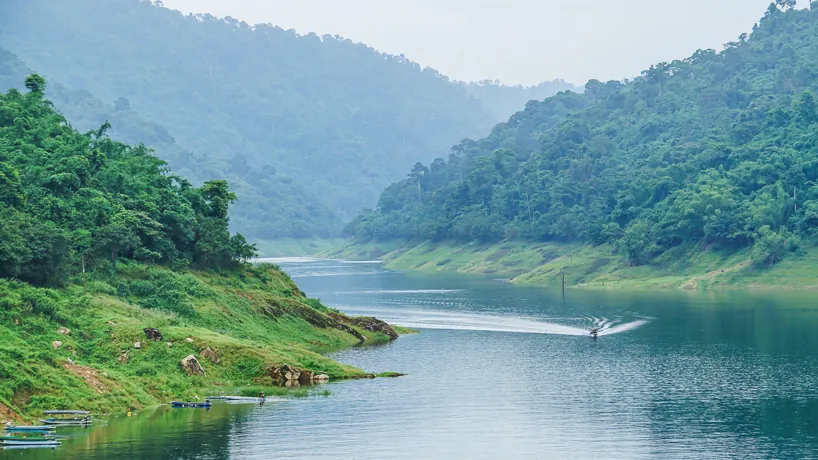
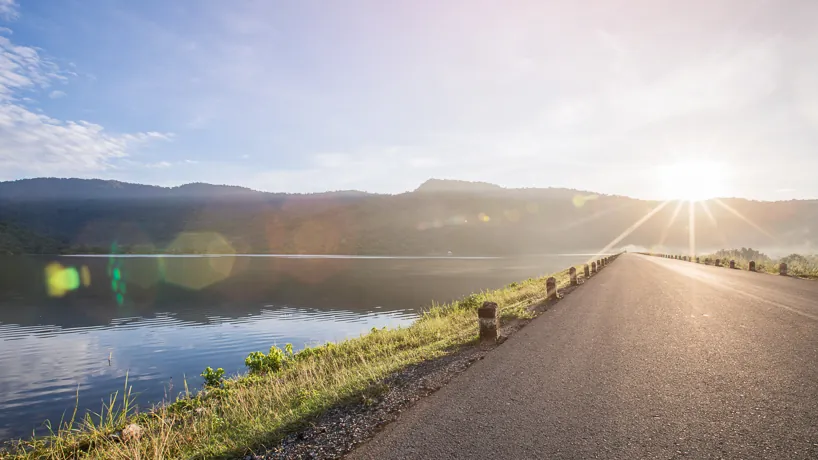
One of the longest roller-compacted concrete dams in the world — the reservoir behind it is a popular spot for kayaking and morning mist photography.

Sarika Cave
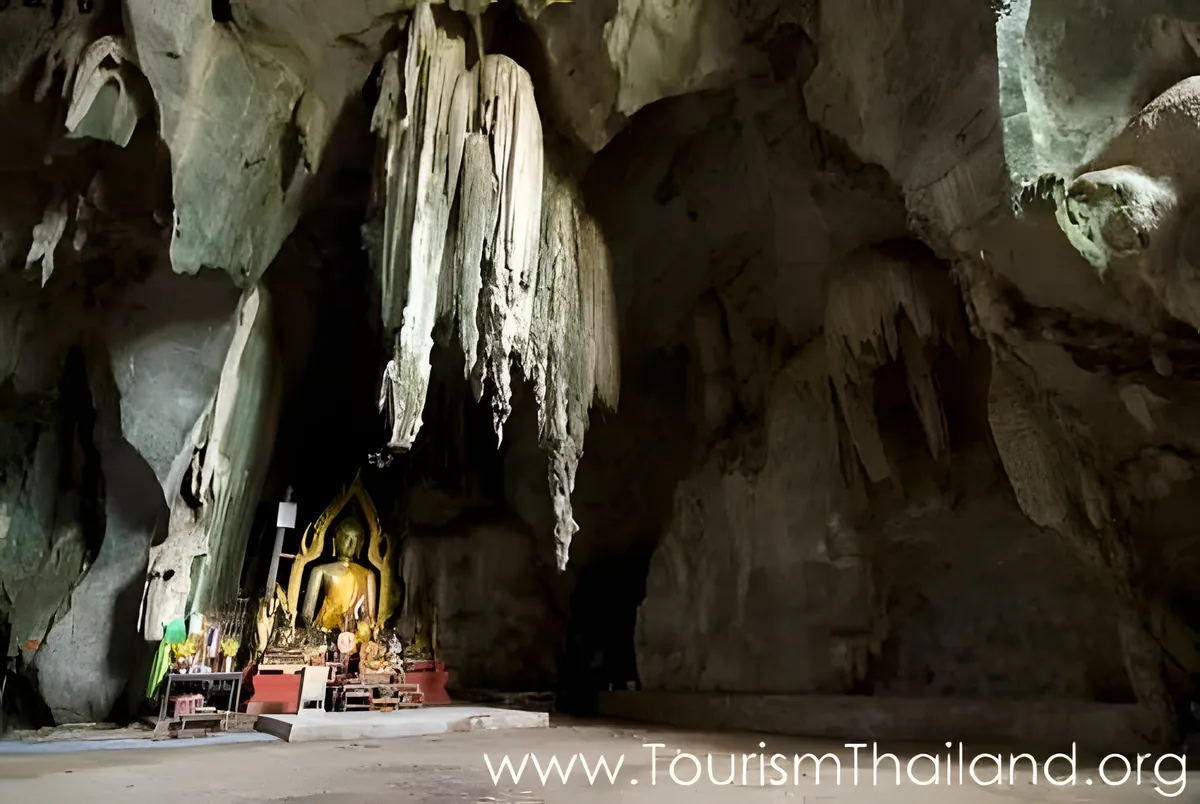
A sizeable limestone cave with stalactite formations and a resident bat colony — bring a torch for the inner chambers and go early before the heat builds.

Rafting in Nakhon Nayok River
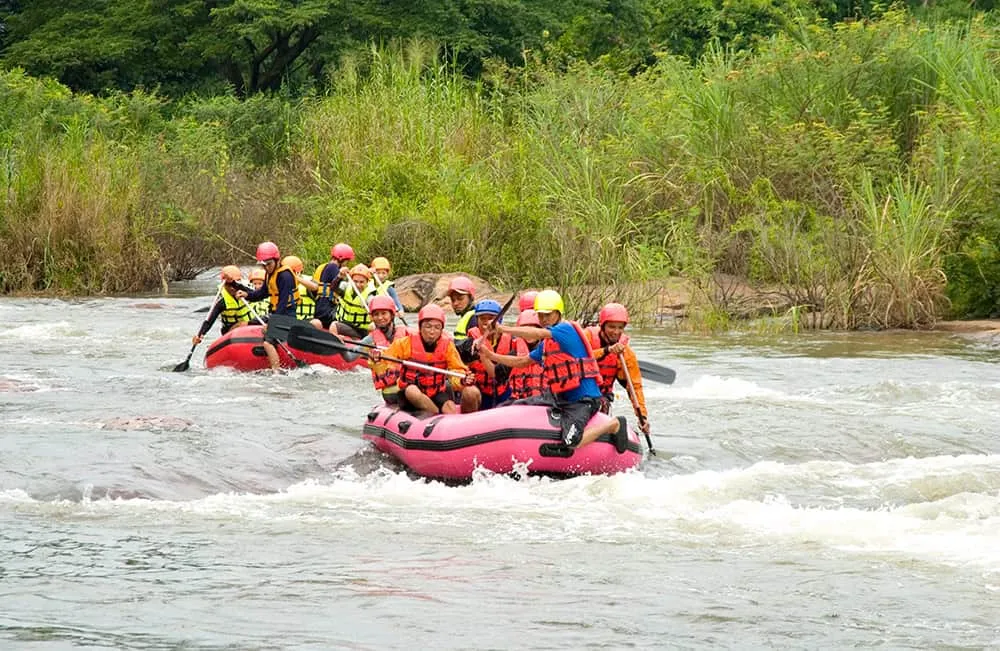
The river rafting here is the main reason Bangkok groups make the drive — short rapids, safe for families, and busy on weekends with good reason.
Dong Lakhon Ancient Town
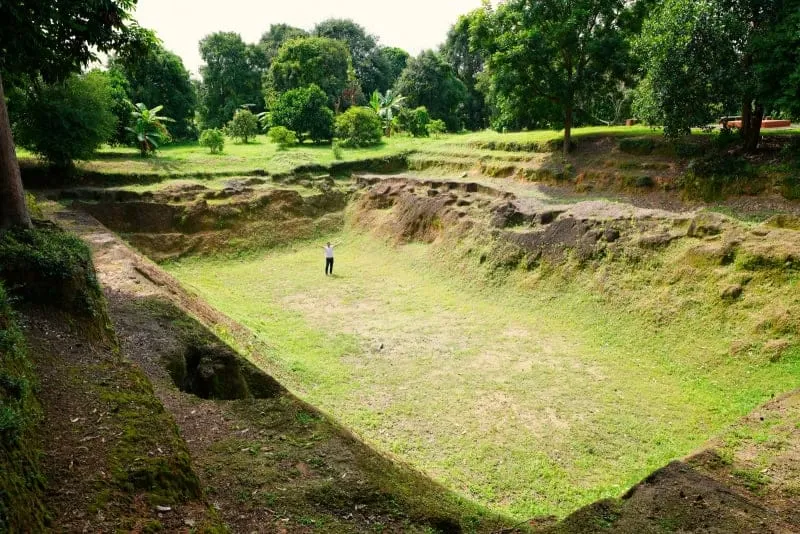
A Dvaravati-era archaeological site at the edge of a quiet forest — easy to combine with the dam for a day that mixes history and scenery.
Get to Nakhon Nayok
Buses from Bangkok's Mo Chit terminal take about 2 hours — close enough to do as a day trip, comfortable enough to stay a night.


eSIM for Thailand
Land with data already working and skip the airport SIM queue. We tested six plans — code THAIHOLIDAY saves 10%.

Travel insurance
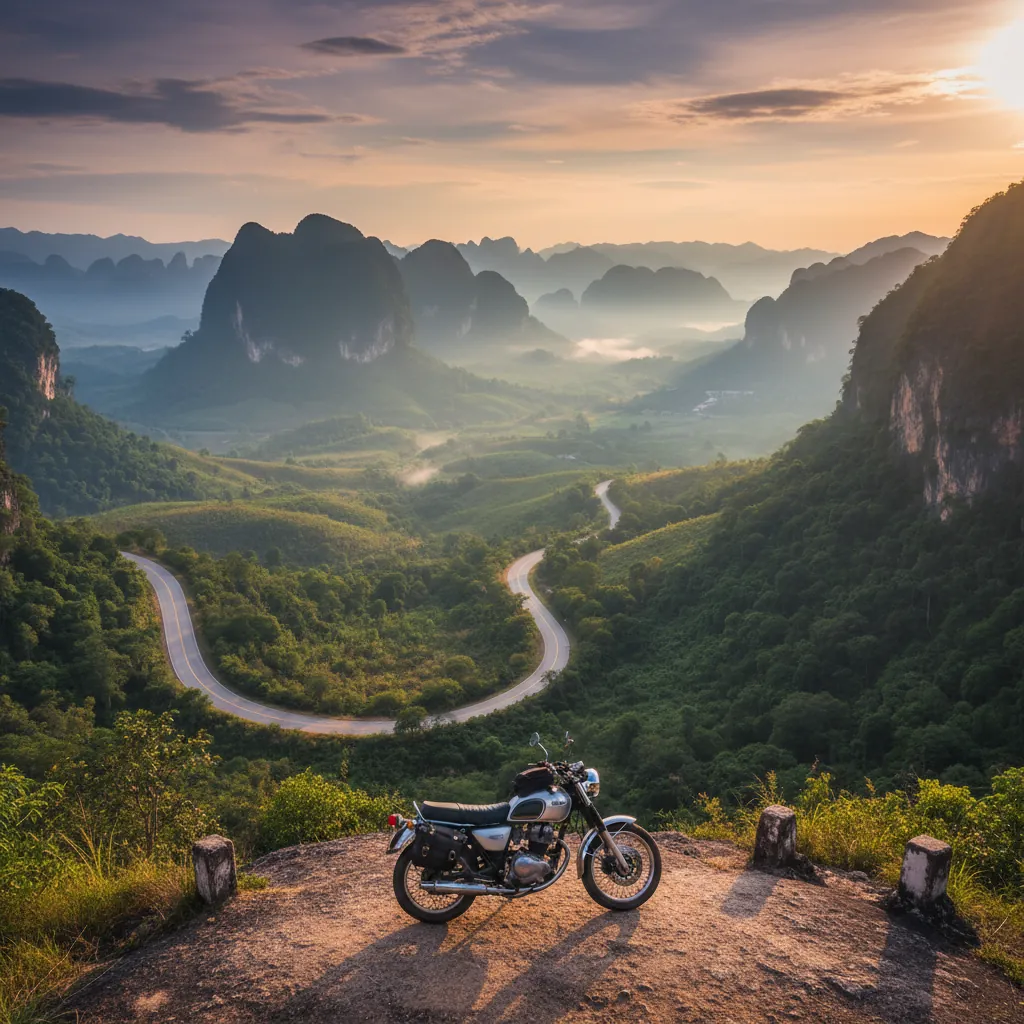
River rafting and hiking in the hills — sort cover before you go, especially if you're renting a motorbike to reach the trailheads.
Wats, shrines & spiritual sites
Temples in Nakhon Nayok

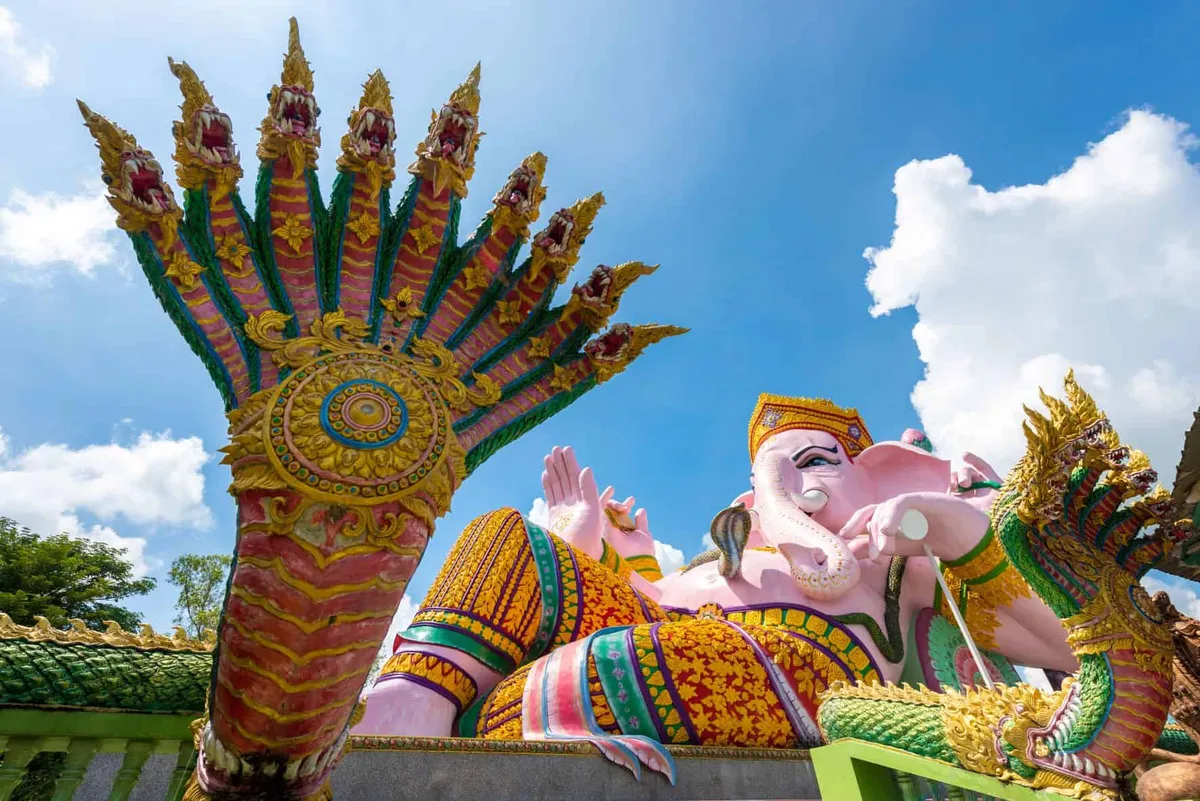
Ganesha Park

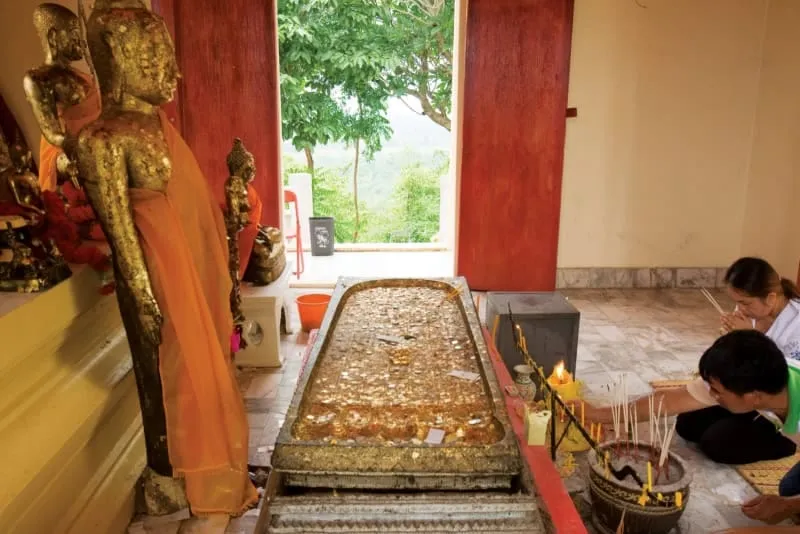
Lord Buddha's Footprint Replica

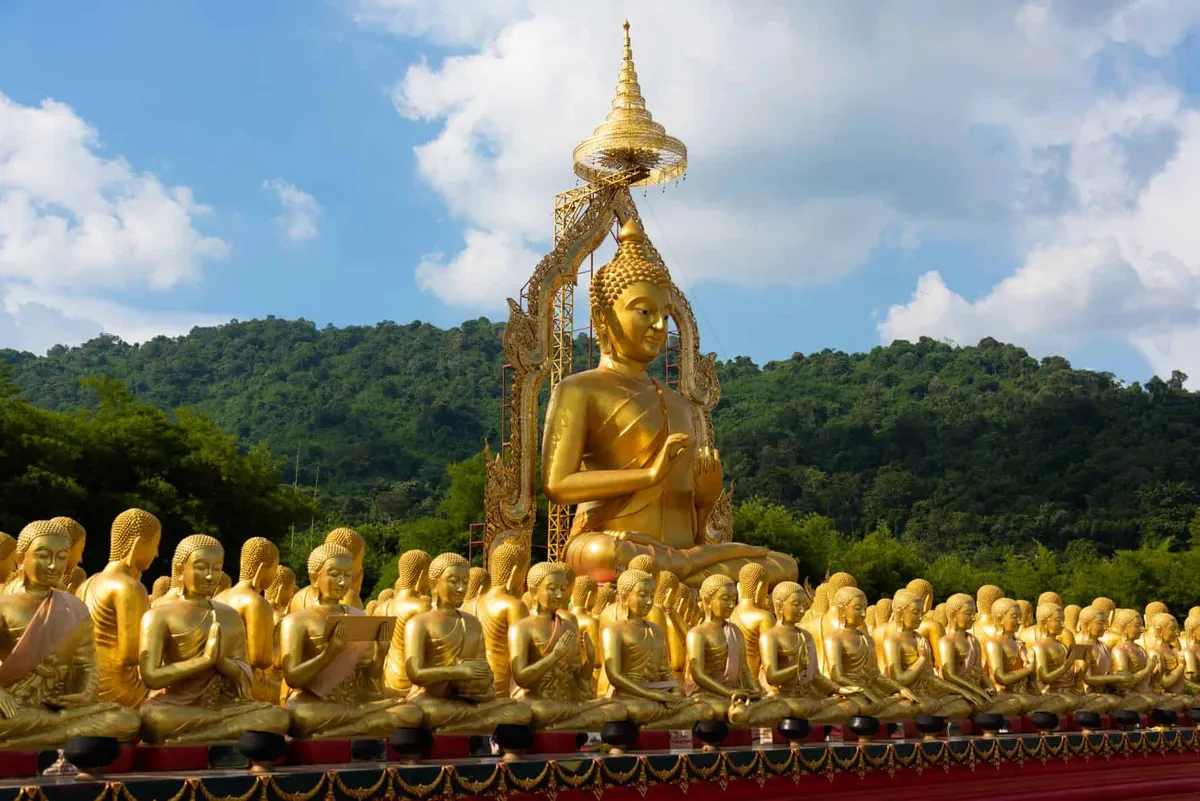
Phuttha Utthayan Makha Bucha Anusorn

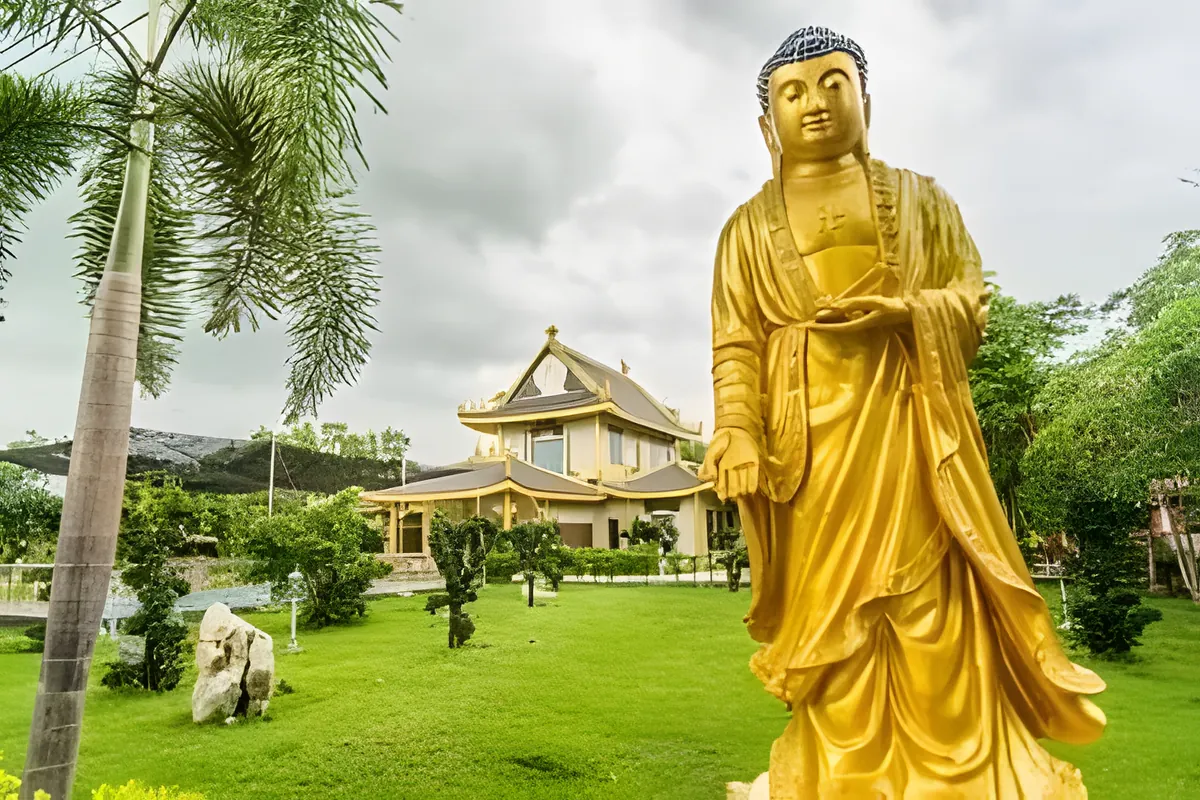
Phutthasathan Che Tek Lim

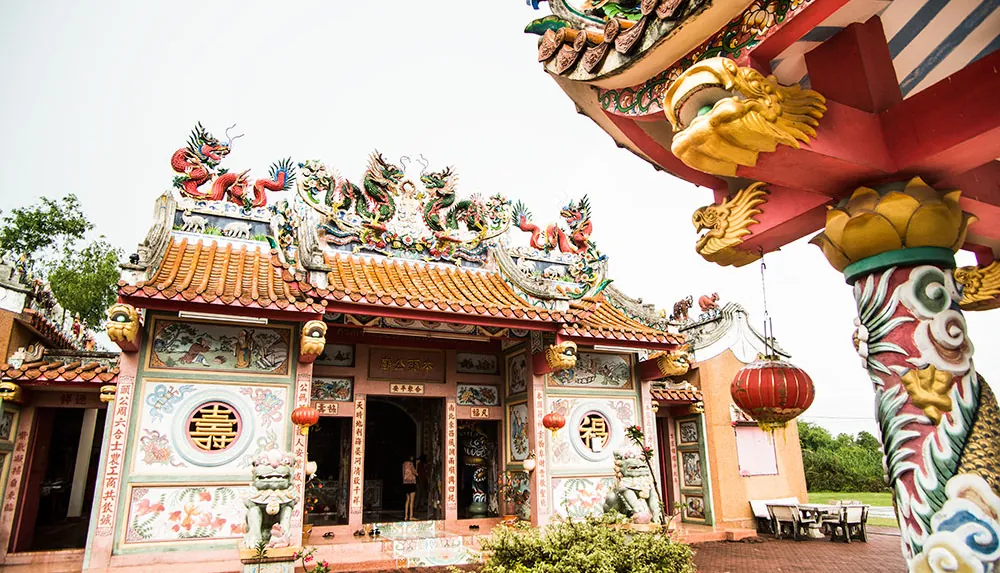
San Chao Pho Ongkharak (Chao Pho Ongkharak Shrine)

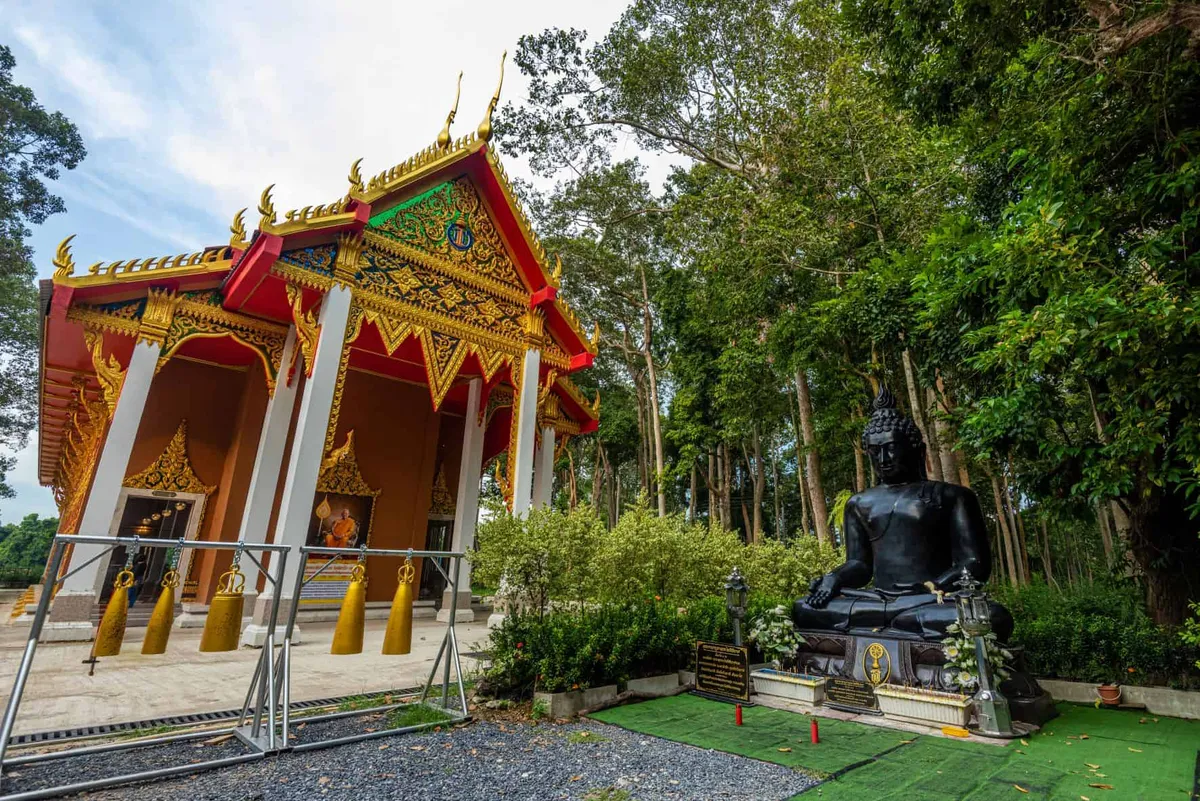
Wat Chulabhorn Wanaram

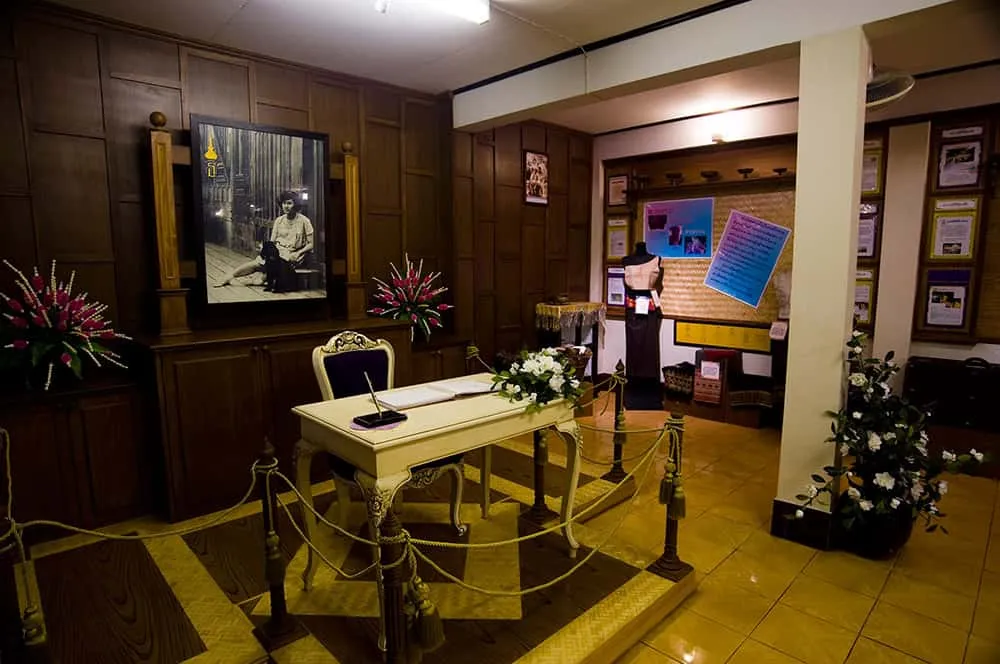
Wat Fang Klong Chalermraja Cultural Center

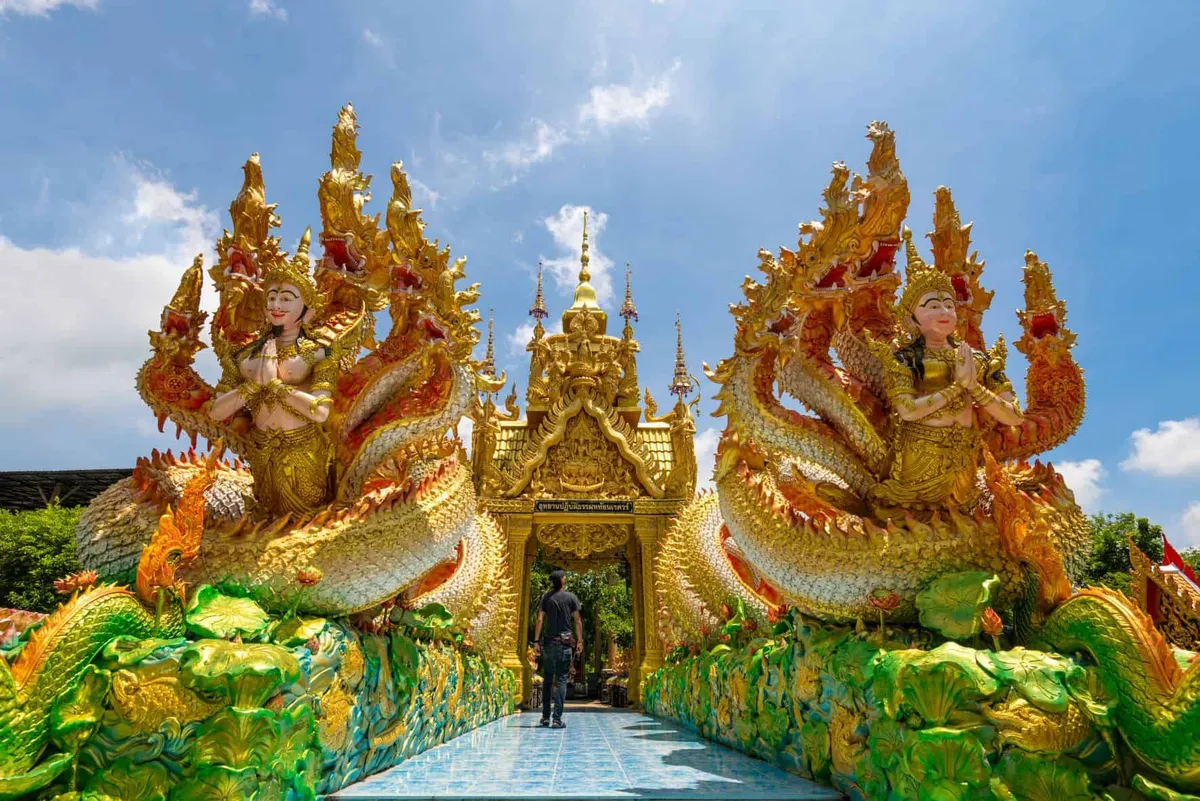
Wat Manee Wong

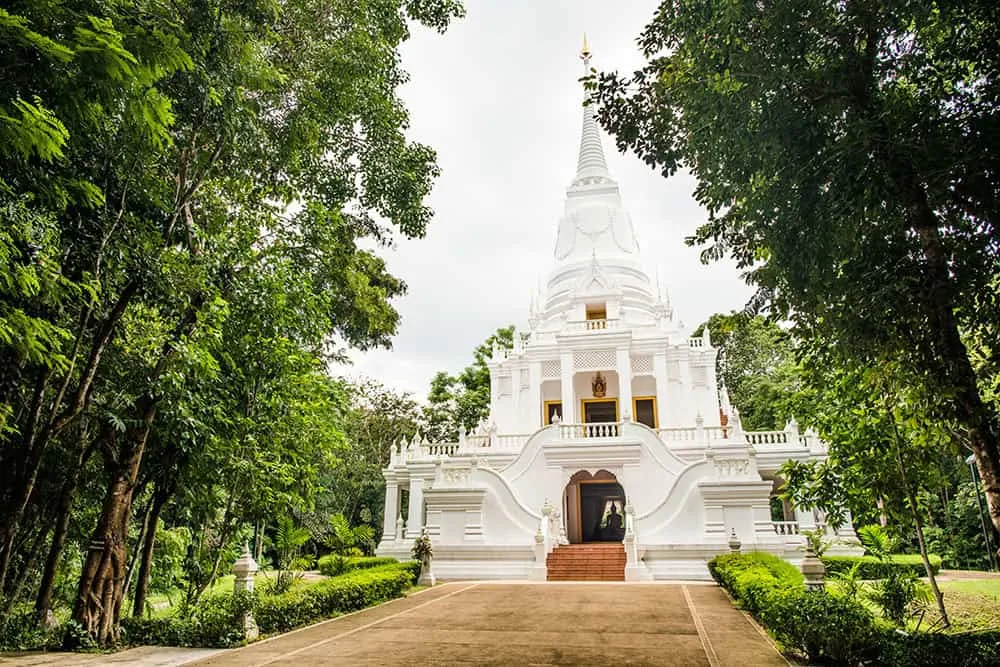
Wat Pa Si Thawon Nimit (Si Thawon Nimit Temple)

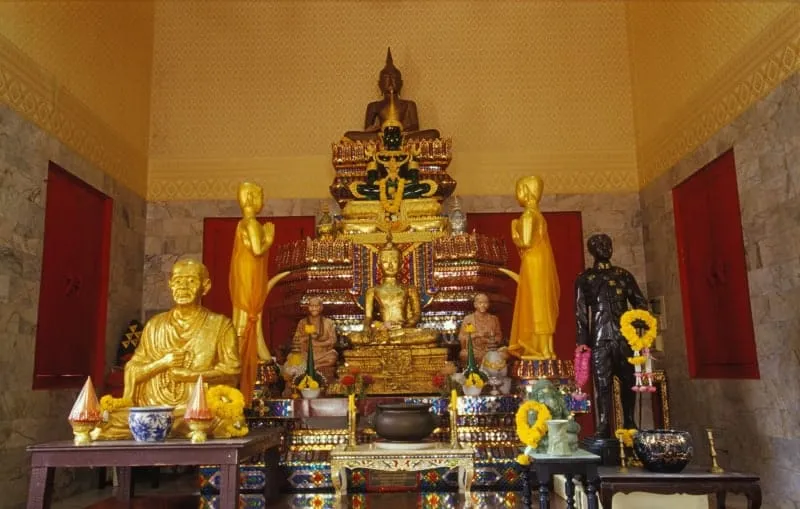
Wat Phrammani

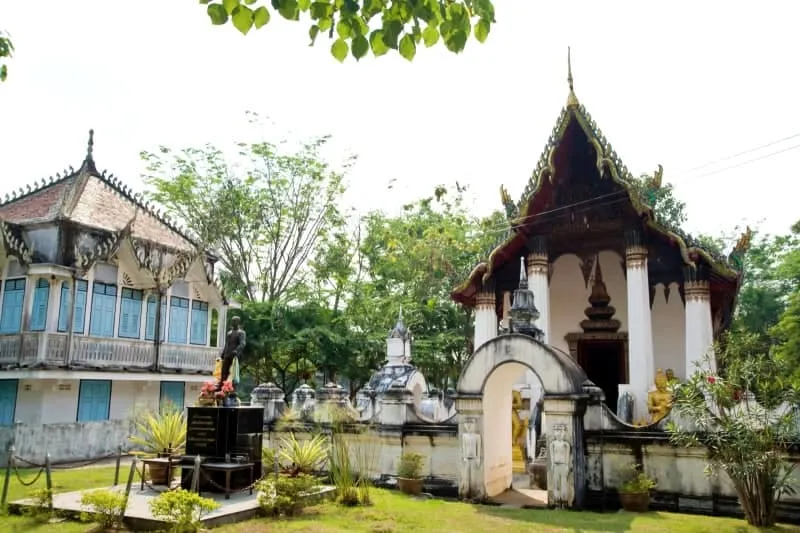
Wat Yai Thakkhinaram
Waterfalls, peaks, caves & parks
Nature & outdoors around Nakhon Nayok








Museums, history & heritage
Museums & culture in Nakhon Nayok








Crafts, communities & farms
Villages & countryside around Nakhon Nayok




Things to do on the map
Tap a pin for details — 34 places in Nakhon Nayok plotted.
When to go
Nov–Feb Cool dry season is the most comfortable time for sightseeing and temple visits. The dam reservoir is calm and clear, and Dong Lakhon is pleasant to explore on foot.
Mar–Apr Hot and increasingly humid before the rains arrive. Waterfalls are low and less impressive. Start outdoor activities early — it is very exposed around the dam and the ancient site at midday.
May–Oct The monsoon is the best time to visit the waterfalls — Sarika runs at full nine-tier flow and rafting on the Nakhon Nayok River is at its most powerful. The dam controls the river's base flow so rafting runs year-round, but the wet-season surge adds genuine whitewater. Afternoon downpours are typical; roads to the park and dam rarely flood.
About Nakhon Nayok
Last updated September 2026
Overview
Nakhon Nayok sits roughly 110 kilometres northeast of Bangkok, making it the capital’s closest proper green escape. The province is small — about 2,100 square kilometres — but the terrain shifts abruptly from rice paddies in the south to the forested slopes of the Khao Yai massif in the north, where the southern section of Khao Yai National Park falls within provincial boundaries. That geography produces rivers fed by mountain rainfall, and the province has built an outdoor-activity economy around them.
The three things most visitors come for are Sarika Waterfall, the Khun Dan Prakan Chon Dam, and whitewater rafting on the Nakhon Nayok River. All three are within a short drive of the provincial capital and can be combined in a single long day from Bangkok. The province is not set up for resort holidays — there is no beach, no luxury hotel strip, and no sprawling night market. What it does well, it does well: access to moving water, forest, and the kind of fresh air that Bangkok residents genuinely miss.
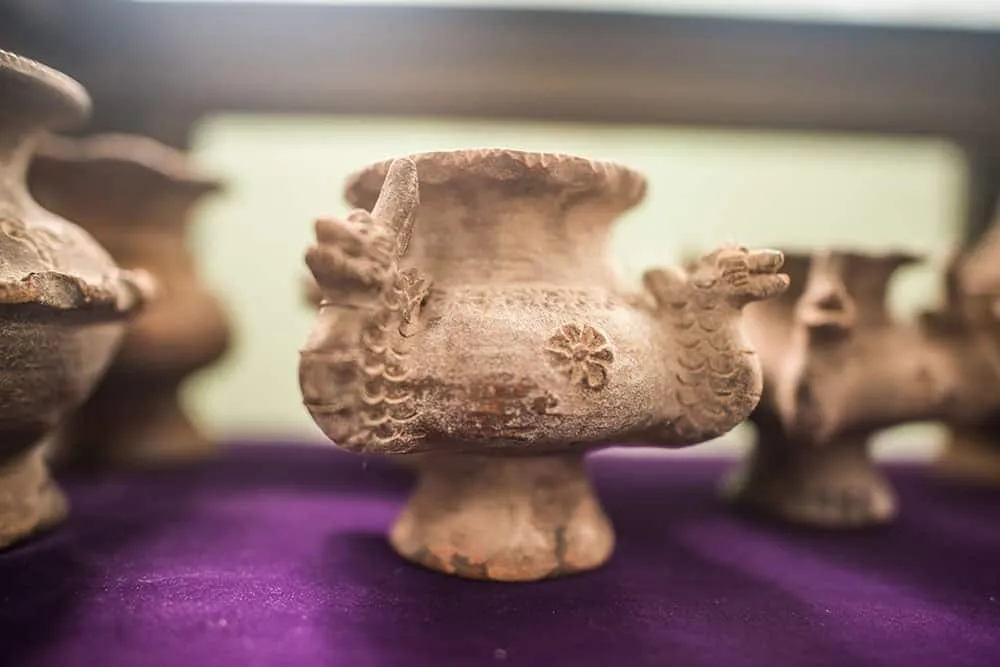
There is also history here that most day-trippers skip. Dong Lakhon, a few kilometres from the capital, is one of the best-preserved Dvaravati archaeological sites in central Thailand, inhabited from around the 6th century CE and later absorbed into the Khmer sphere before its abandonment in the 1300s. Excavations have turned up Dvaravati coins, gold-plated Buddha images, and pottery from China and Persia.
Top Things to Do
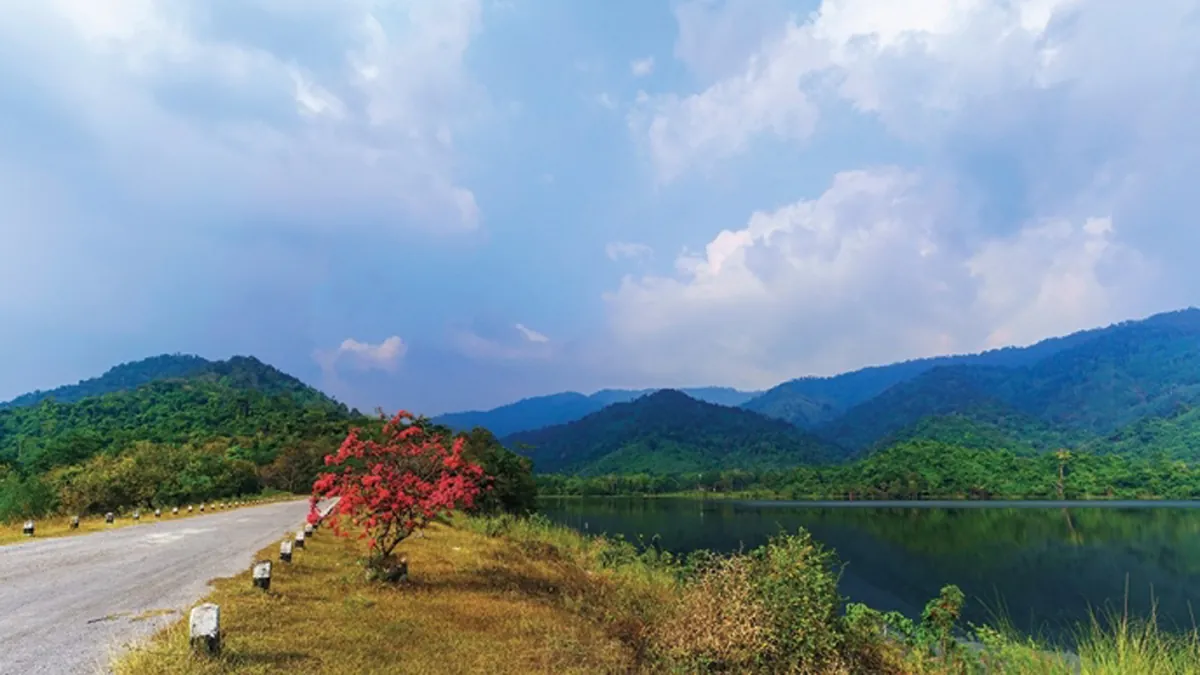
Khun Dan Prakan Chon Dam is the province’s most photographed landmark and a remarkable piece of engineering in its own right. Completed in 2005, its crest runs roughly 2.6 kilometres across the Nakhon Nayok River valley — the world’s longest roller-compacted-concrete dam since its completion — at a height of around 93 to 95 metres. The reservoir it creates is the main water source for the province’s agriculture. You can walk along the dam crest, take a boat across the reservoir, and access nature trails on the far bank. The Royal Irrigation Department maintains the site as a visitor attraction; the view from the crest, looking south across the reservoir and the forested hills, is genuinely worth the drive.
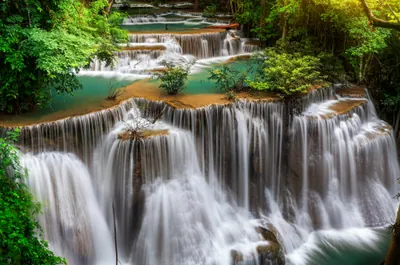
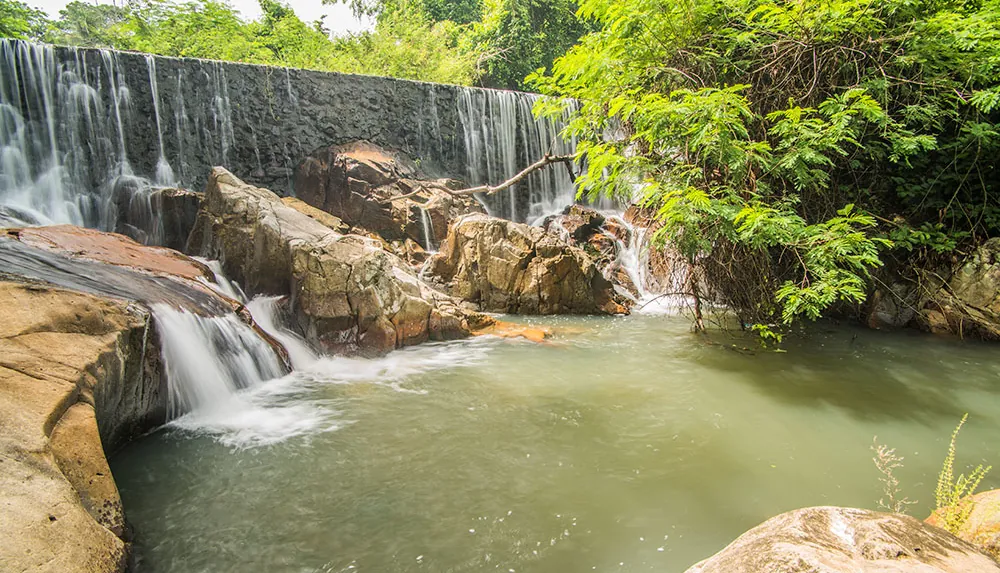
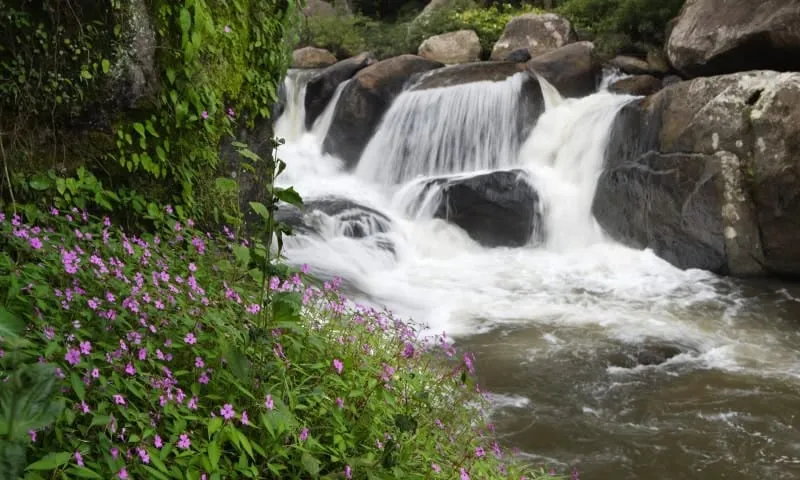
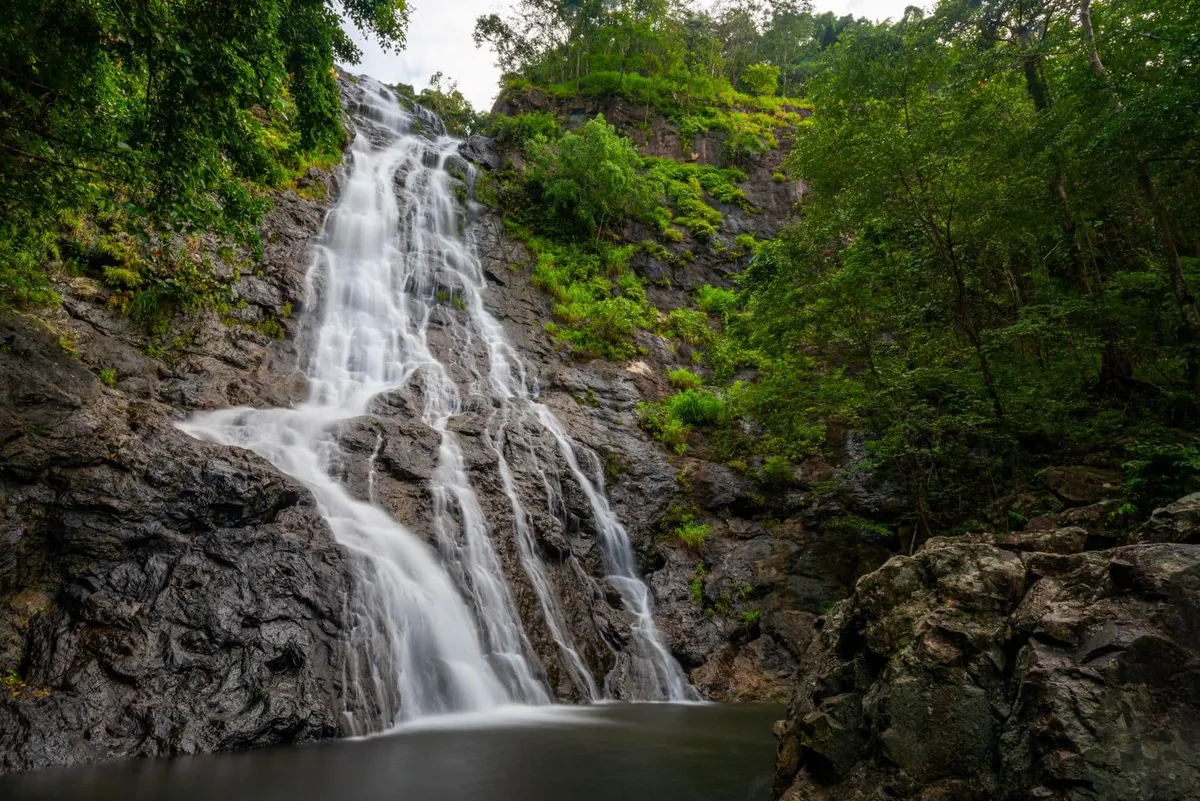
Sarika Waterfall is the most accessible and the largest waterfall in the province, set within the southern reaches of Khao Yai National Park. It drops in nine tiers over roughly 200 metres, and the lower pools are open for swimming. The volume of water fluctuates sharply with the seasons — in the dry months the falls can be thin, so if you want the full nine-tier view, come between July and October. The waterfall is also associated with the forest hermitage where the revered monk Luang Pu Man stayed during a meditation retreat from 1917 to 1920; Sarika Cave, near the waterfall, is a stop on the circuit.
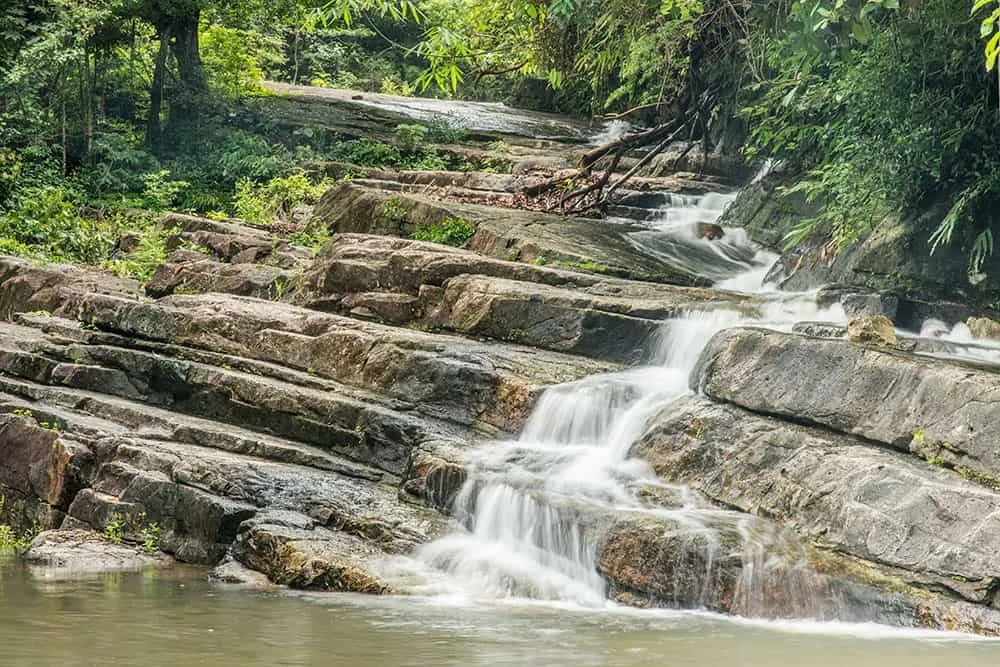
Nang Rong Waterfall is a few kilometres from Sarika and worth including in the same trip. It cascades in several stages through forest to a series of natural pools. A short walk of around 200 metres from the car park brings you to the main falls, and a wooden footbridge over the river gives a clean view of the upper tier. Nang Rong is generally quieter than Sarika — less infrastructure, fewer vendors — and the swimming is good in the wet season.
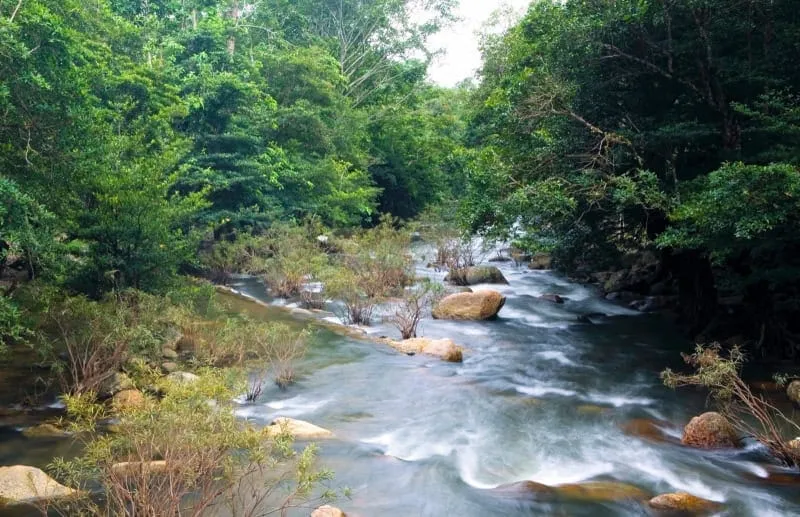
Whitewater rafting and kayaking on the Nakhon Nayok River is the province’s most popular adventure activity. The main stretch runs about 8 kilometres from the base of the dam through light forest. Because the dam regulates the river’s flow, there is always enough water for rafting year-round, but the wet season adds genuine whitewater from seasonal runoff. You can book an 8-10 person dinghy or a two-seat kayak with outfitters near the dam — multiple operators are clustered in the area. Day trips from Bangkok packaged with lunch and transport are widely available and make logistical sense if you don’t have a car.
Dong Lakhon ancient town is the kind of site that rewards visitors who go in knowing something about what they’re looking at. The oval earthwork ramparts and moat are visible but subtle — grass-covered mounds rather than dramatic ruins. What makes the site significant is its long sequence of occupation: Dvaravati Mon culture from the 6th or 7th century, Khmer influence from around the mid-10th century (bronze bells in Baphuon and Bayon styles were found here), and abandonment around the 14th century. The 6-square-kilometre site is about 9 kilometres from the provincial capital. The Fine Arts Department registered it as a national ancient site in 1985.
Wat Chulabhorn Wanaram is a working temple in Ban Na district built to honour Princess Chulabhorn. Its standout feature is an 800-metre tunnel formed by tall bamboo stems arching overhead — the kind of place that reads as gimmicky in photos but feels genuinely atmospheric on a still morning. The grounds are well maintained, entry is free, and the temple sees relatively few foreign visitors. It is roughly 116 kilometres from Bangkok via Route 305.
Cycling and trekking are increasingly organised around the dam and Khao Yai foothills. Several operators in Nakhon Nayok town run day trips combining cycling on reservoir-edge trails, ziplining, and ATV riding alongside the rafting. The province is developing this adventure circuit deliberately, and facilities have improved markedly in recent years.
Where to Stay
Nakhon Nayok is primarily a day-trip destination, and most visitors return to Bangkok in the evening. For those who want to stay, the provincial capital has a modest range of local hotels and guesthouses covering the budget and mid-range tiers. A handful of eco-resorts and nature retreats have opened near the dam and the park boundary, including some well-reviewed properties with private pool villas. Booking.com lists around 50 properties in the area.
Staying overnight makes sense if you want to do both the waterfalls and the dam on separate mornings — when the light is better and the coach parties have not yet arrived — or if you want to combine Nakhon Nayok with a visit to Khao Yai National Park from its southern entrance.
Getting There
From Bangkok, the most straightforward route is Highway 305 (Rungsit to Nakhon Nayok), heading northeast past Rangsit and Ongkharak. The drive is around 110 kilometres and takes 1.5 to 2 hours in normal conditions, though leaving on Friday afternoons or returning on Sunday evenings will add significant time.
Minivans from Bangkok’s Northern Bus Terminal (Mo Chit) and from the Victory Monument area run frequently throughout the day and reach Nakhon Nayok in about 1.5 to 2 hours. These drop passengers at the provincial bus station in town, after which you need a songthaew or motorcycle taxi to reach the dam and waterfalls. There is no rail connection.
Hiring a car or joining an organised day tour from Bangkok is the most practical option if you plan to cover the dam, waterfalls, and rafting in one go — the distances between sights add up without your own vehicle.
Best Time to Visit
Nakhon Nayok follows the central plains wet-season pattern: rains arrive in May and run through October, with peak rainfall in August and September. The cool dry season from November through February is the most comfortable time for sightseeing and the dam visit — clear skies, lower humidity, and the reservoir calm and blue.
The wet season is, paradoxically, also the best time for the main draws. Sarika Waterfall is thin and underwhelming in the dry months but runs at full nine-tier capacity from June through October. Rafting is technically possible year-round because the dam regulates base flow, but the mid-monsoon surge from July to September gives the river real character. If the waterfalls and rafting are the reason for coming, plan accordingly.
March and April are hot and dry — not uncomfortable for temple visits, but the waterfalls are at their lowest and the heat around the dam crest is considerable at midday. April draws domestic visitors for Songkran and the province gets notably busier than usual over that long weekend.
Frequently Asked Questions about Nakhon Nayok
How do I get to Nakhon Nayok from Bangkok?
When is the best time to visit Nakhon Nayok?
How long do you need in Nakhon Nayok?
How do I get around the province?
What is Dong Lakhon?
Spotted something out of date or incorrect? Let us know
Plan your
Nakhon Nayok trip