


DepositPhotos (standard license)
Ang Thong
อ่างทอง
Central-plains province with Thailand's tallest Buddha statue, riverside temple villages, and traditional drum-making craft.
Recommended by us

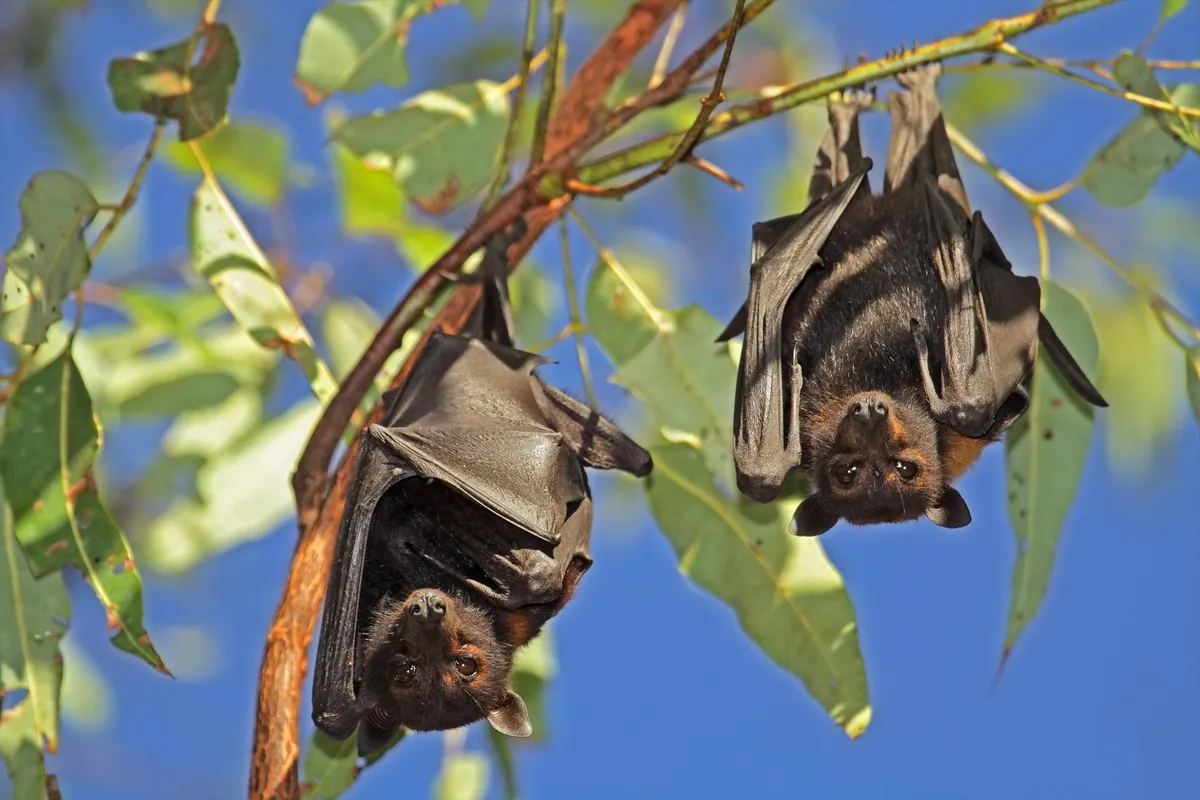
Flying Foxes at Wat Chantaram
Thousands of Lyle's flying foxes roost in the temple grounds — one of the largest colonies in central Thailand. Come at dusk when they stream out to feed.

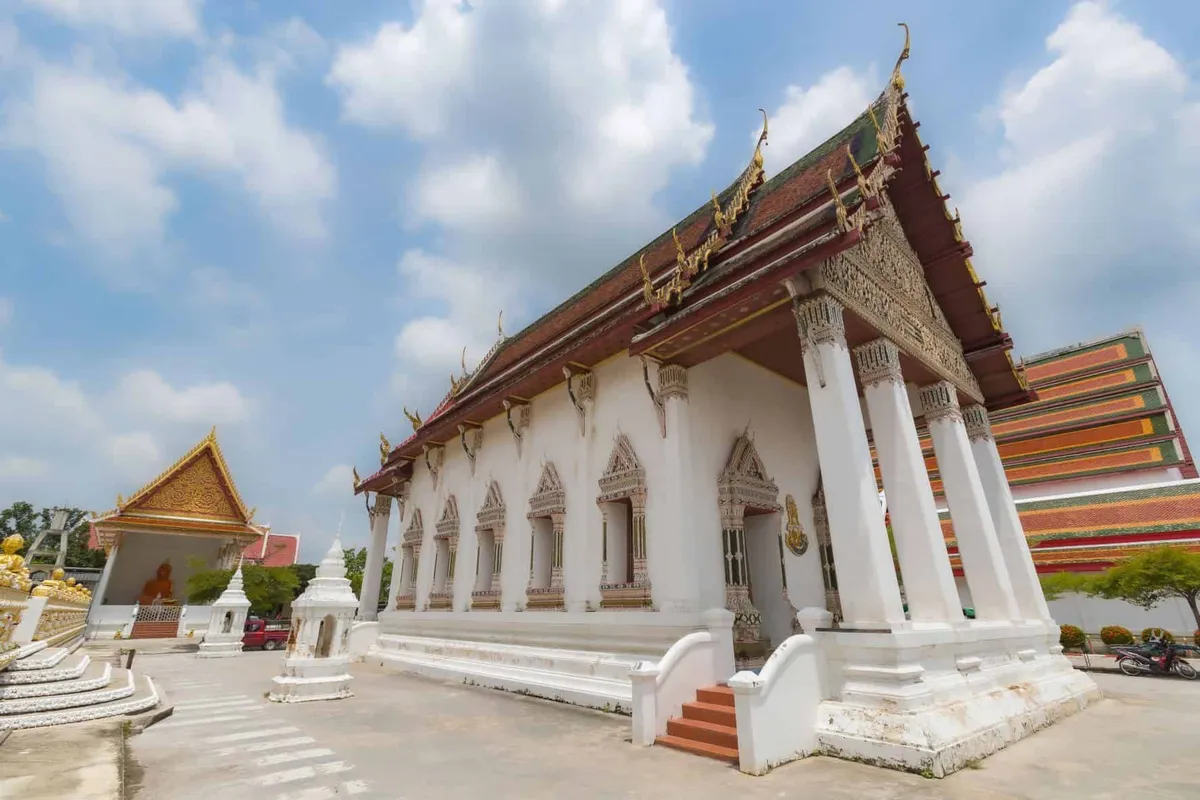
Wat Pa Lelai Worawihan
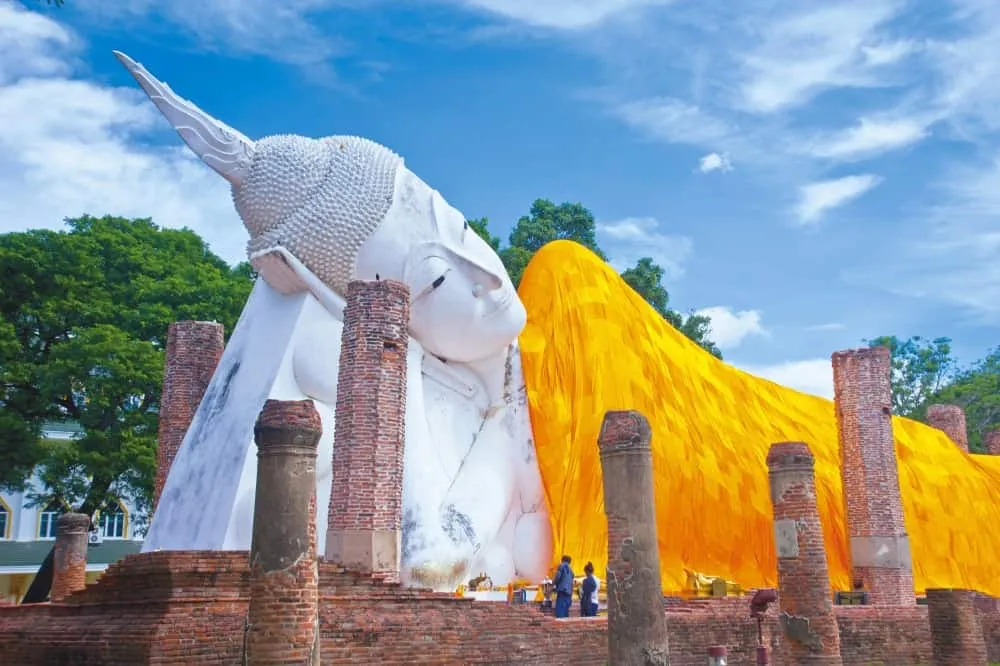
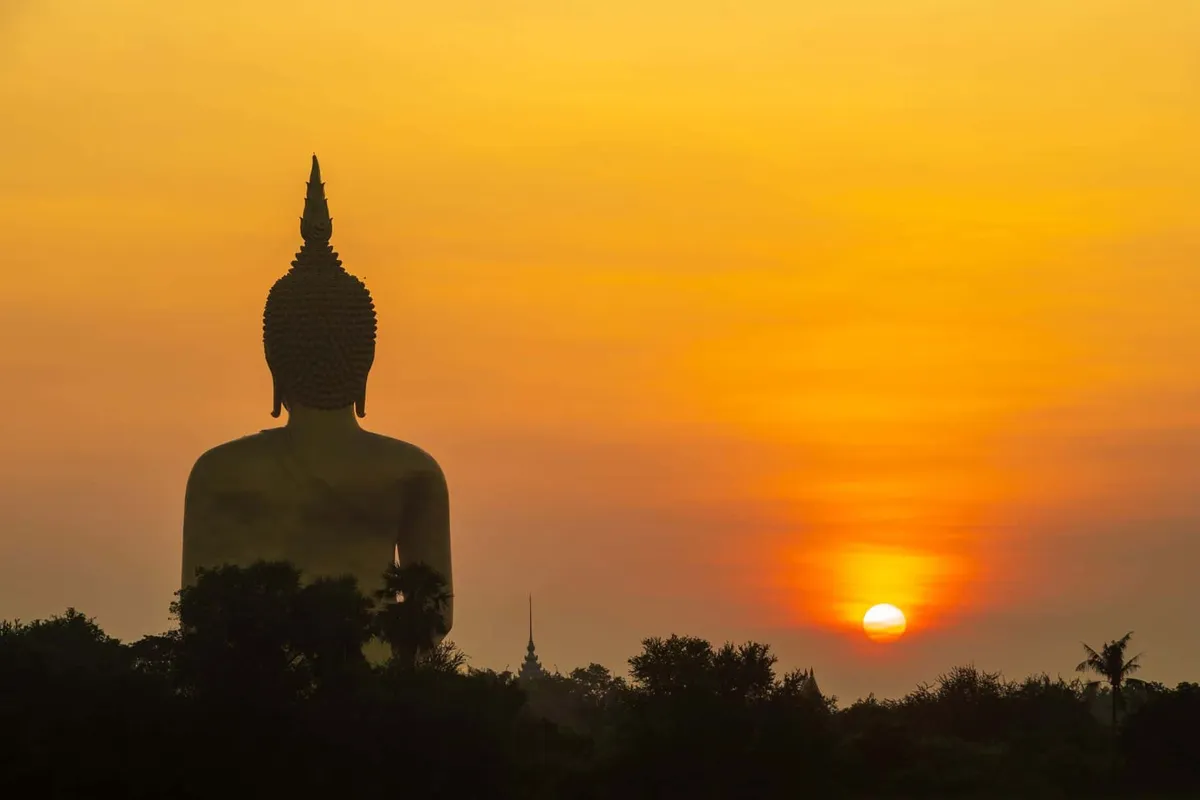
A 13th-century temple with a towering seated Buddha — one of the oldest in the region. Worth an hour for the murals and the scale.

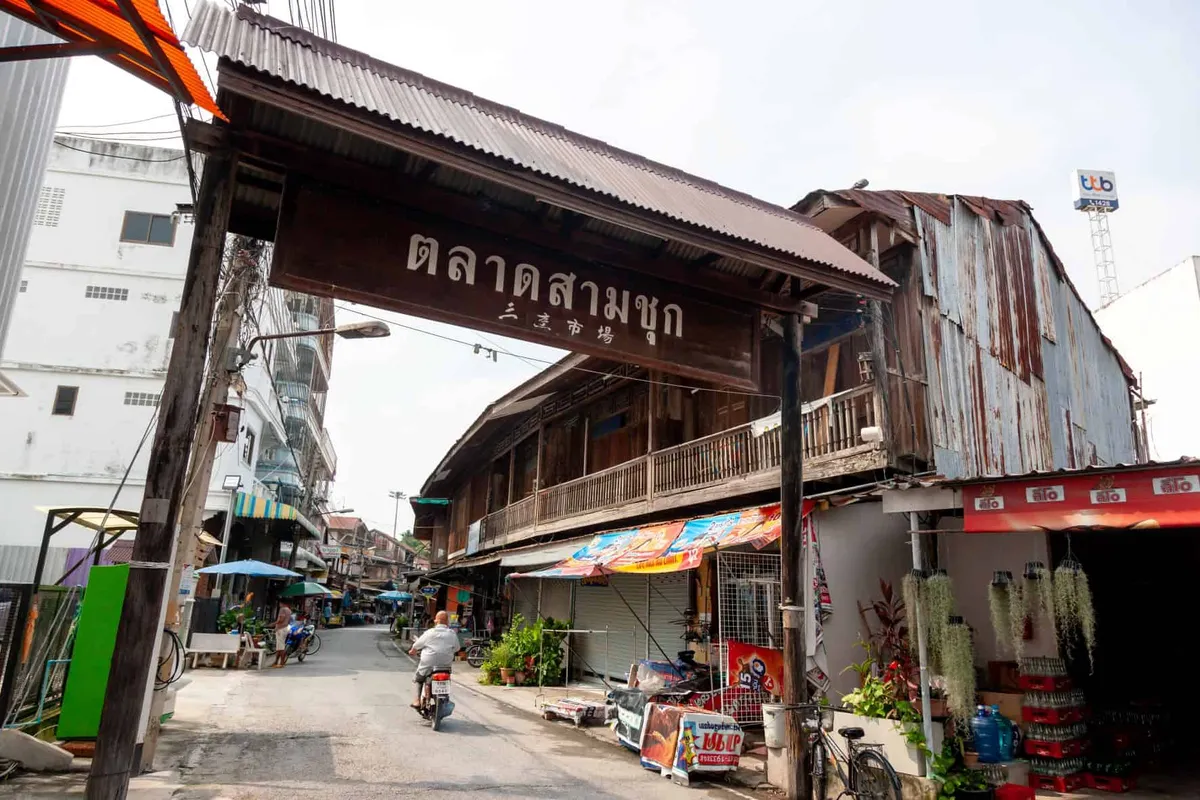
Sam Chuk Old Market
A restored 100-year-old riverside market with wooden shophouses, artisan vendors, and decent Thai food. Weekends are livelier but weekdays are calmer.

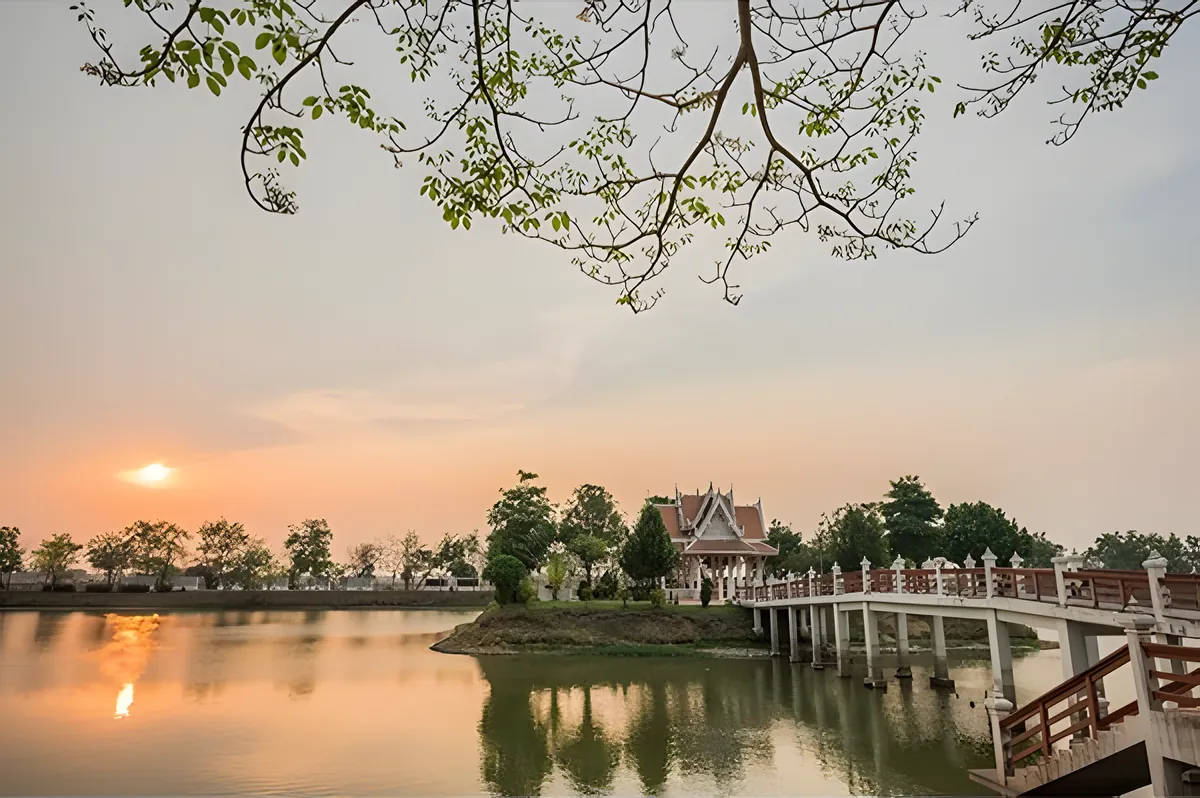
Bueng Nong Sarai
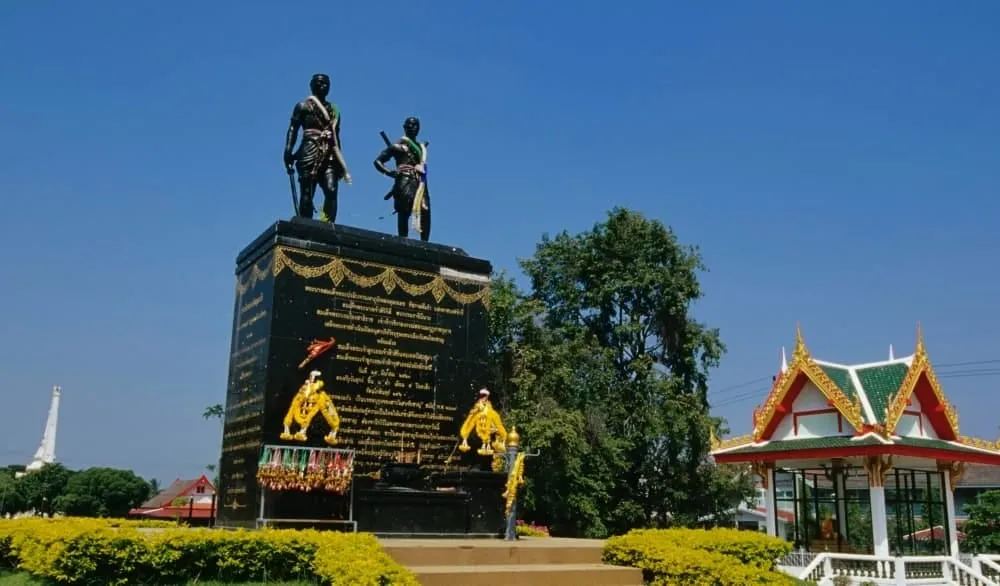
The site of a decisive 16th-century elephant battle between Thai and Burmese kings. A commemorative park surrounds the lake — more interesting than it sounds.

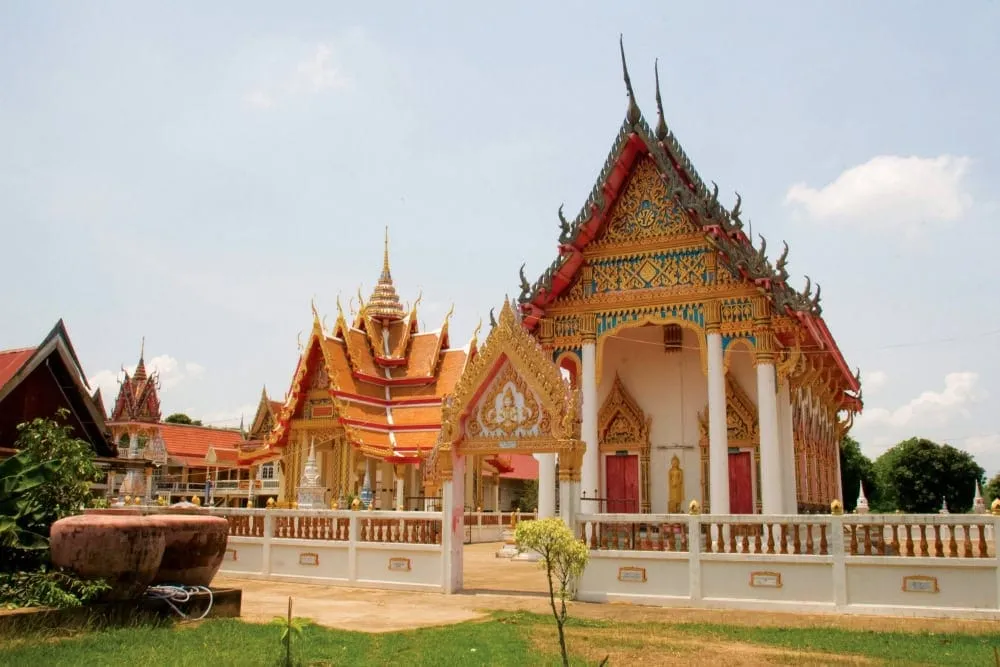
Get to Ang Thong
Ang Thong is about 100km north of Bangkok — most people take a minivan from Victory Monument, which takes around 90 minutes.

eSIM for Thailand
Land with data already working and skip the airport SIM queue. We tested six plans — code THAIHOLIDAY saves 10%.

Travel insurance
Sort cover before you go — day trips on hired scooters or songthaews are the usual way around the province, and the motorbike clause matters.
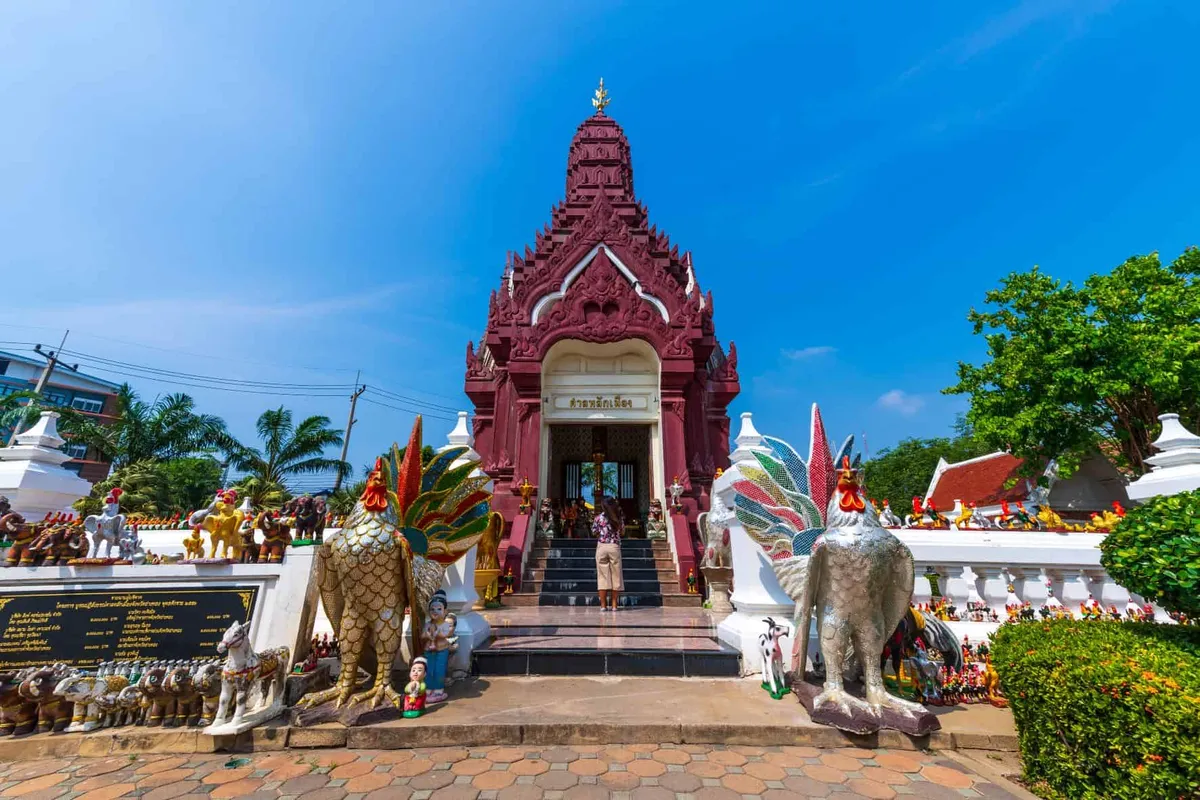
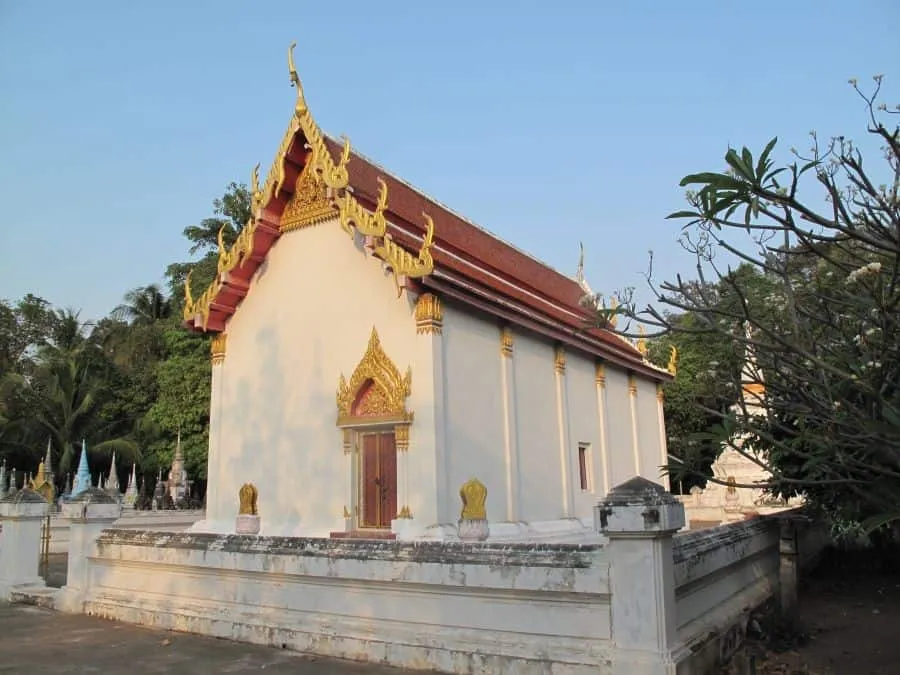
Wats, shrines & spiritual sites
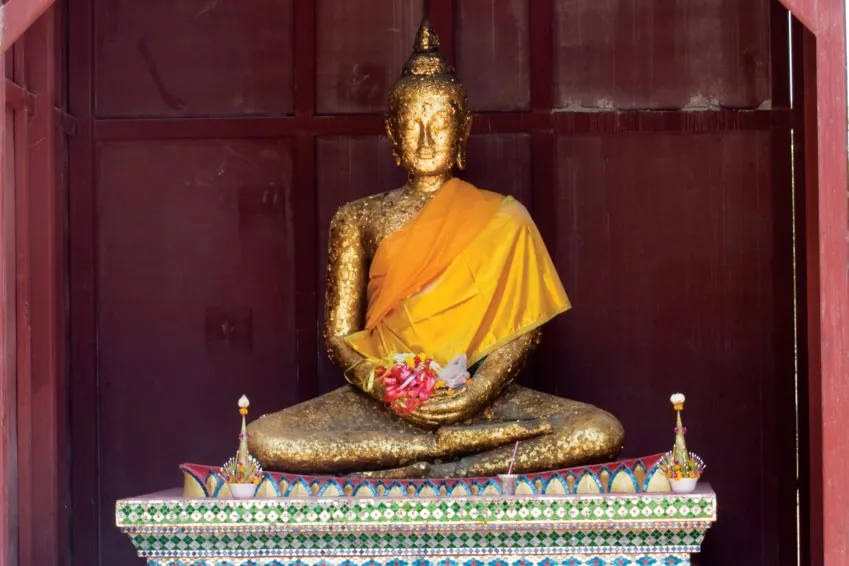
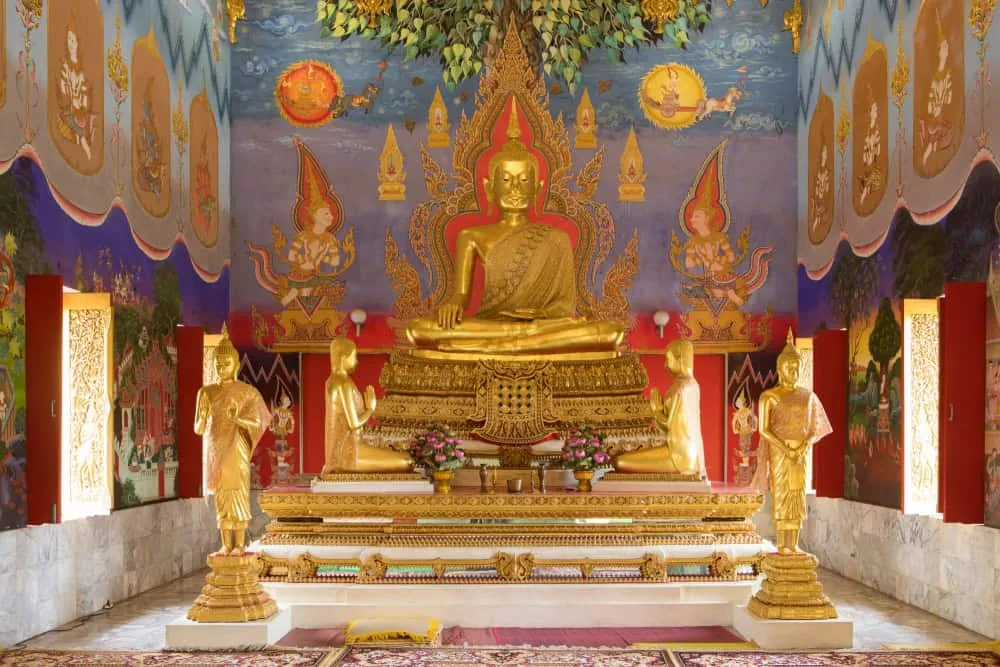
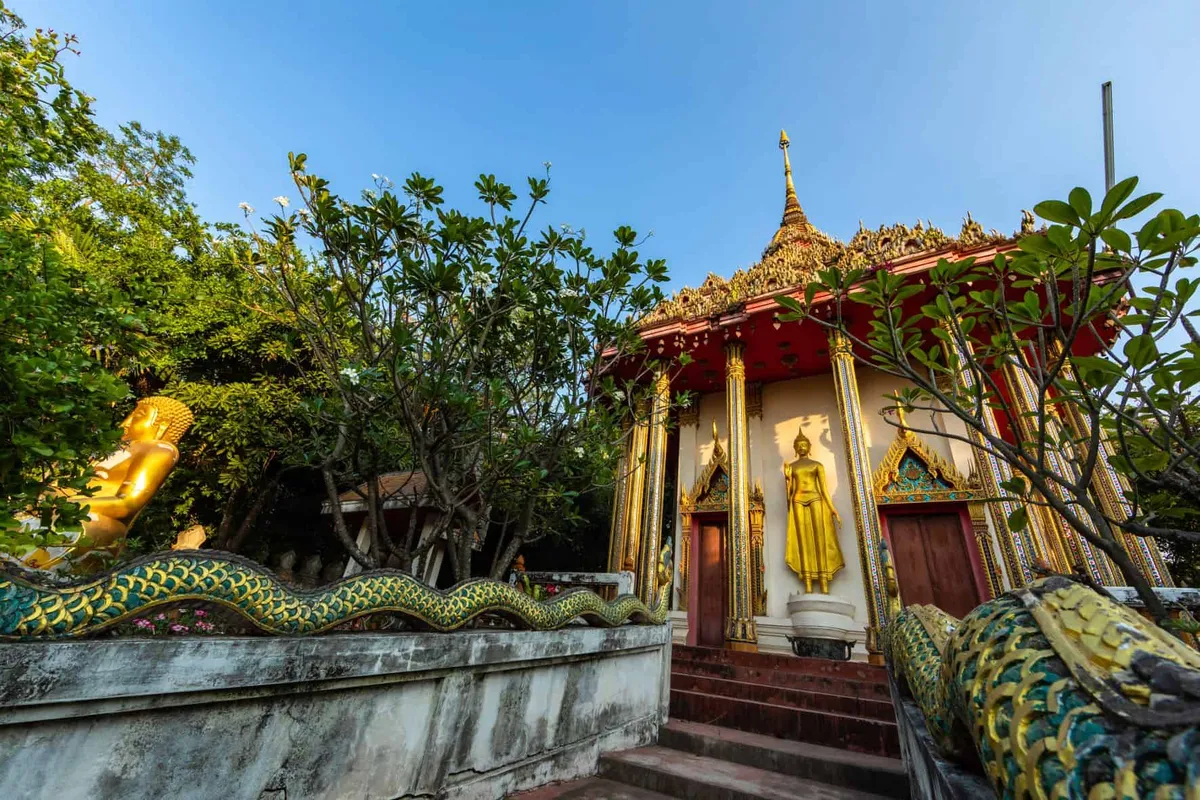
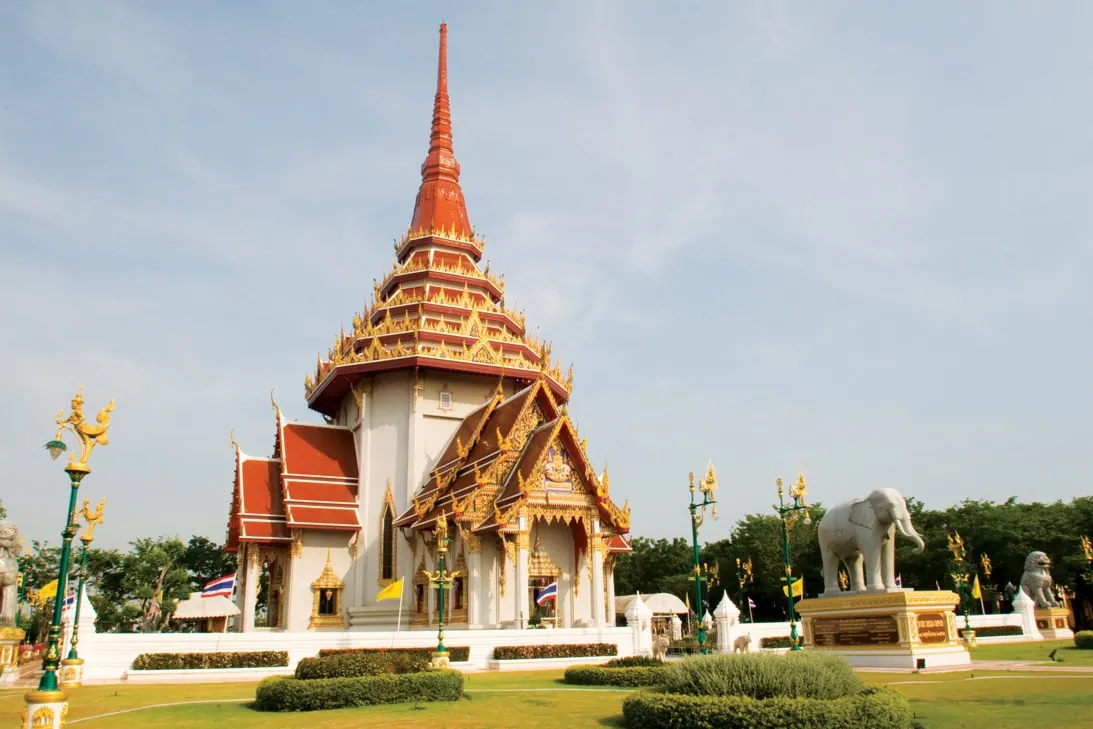
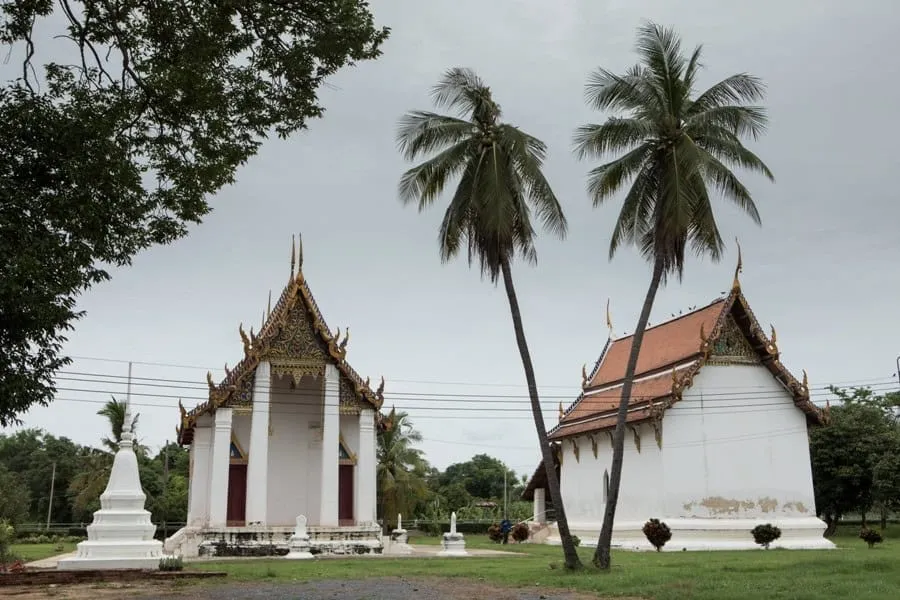
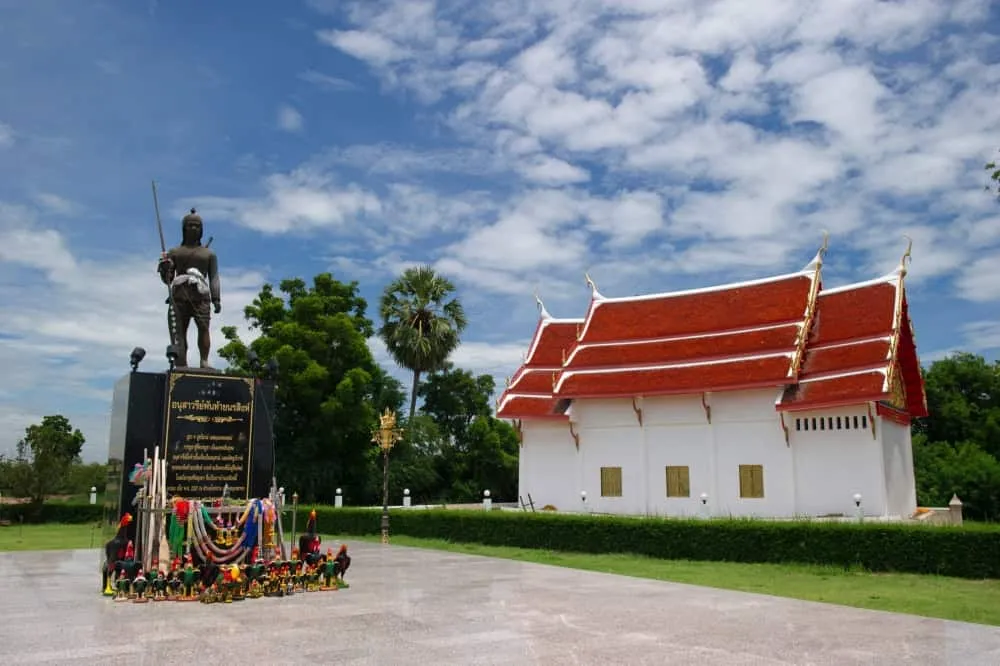
Temples in Ang Thong


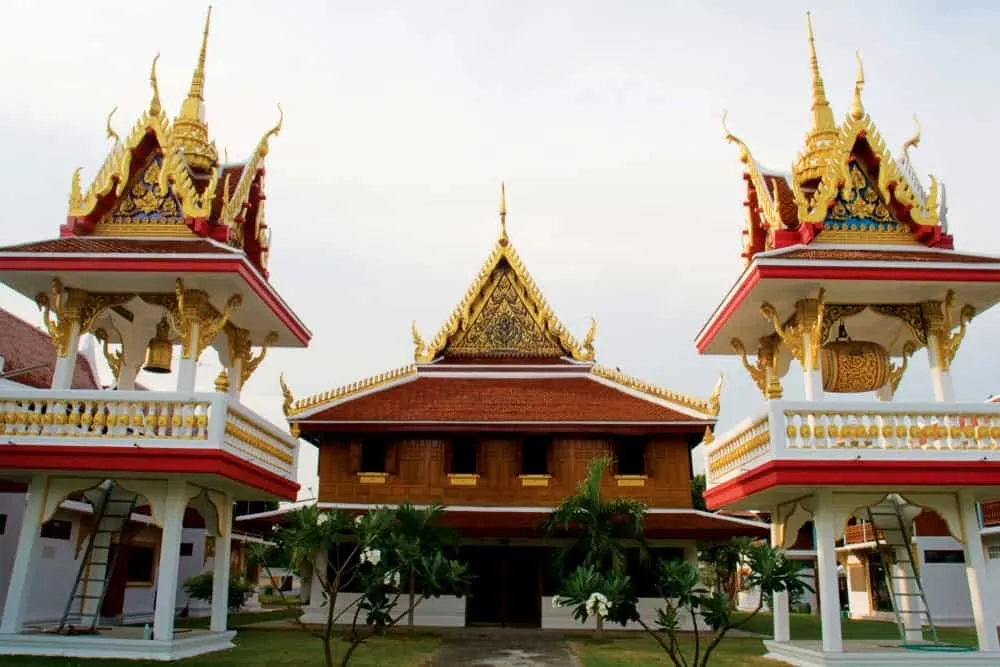










Museums, history & heritage
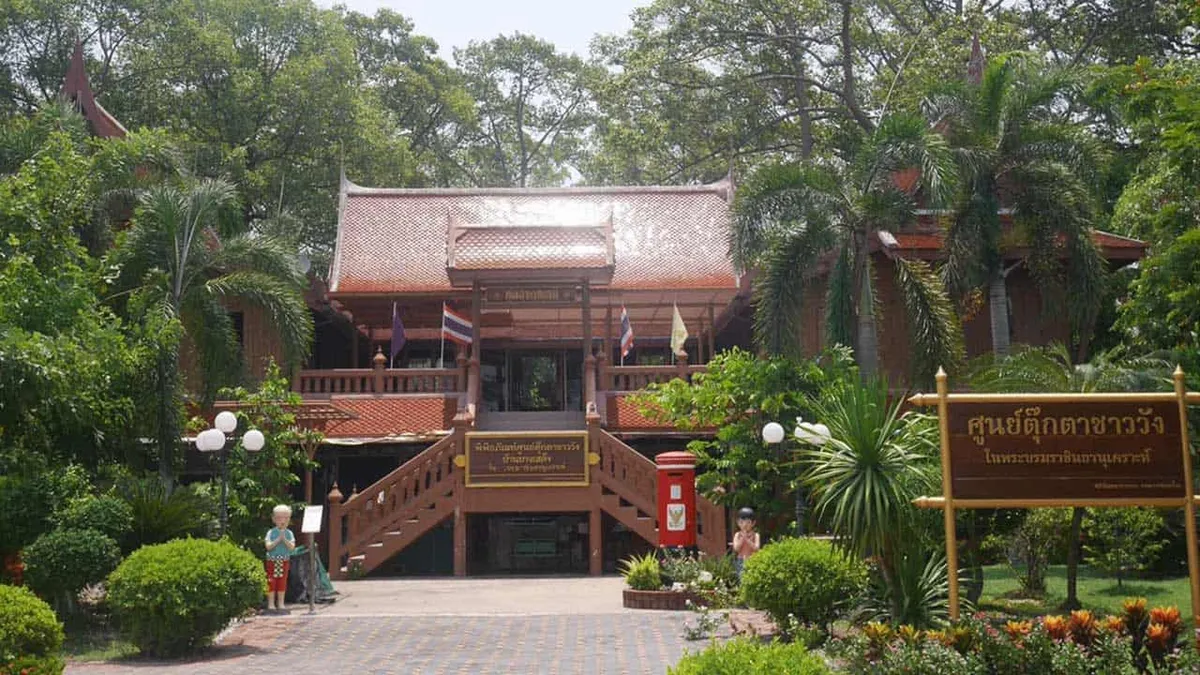
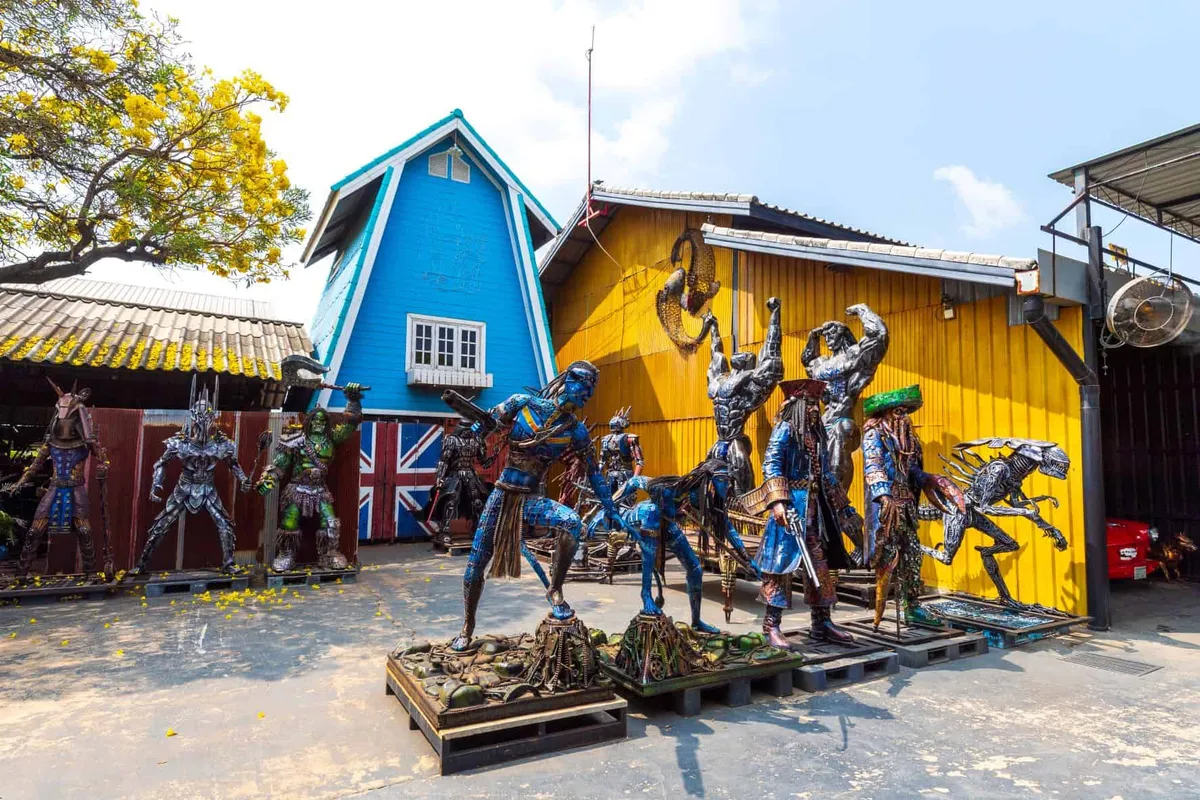
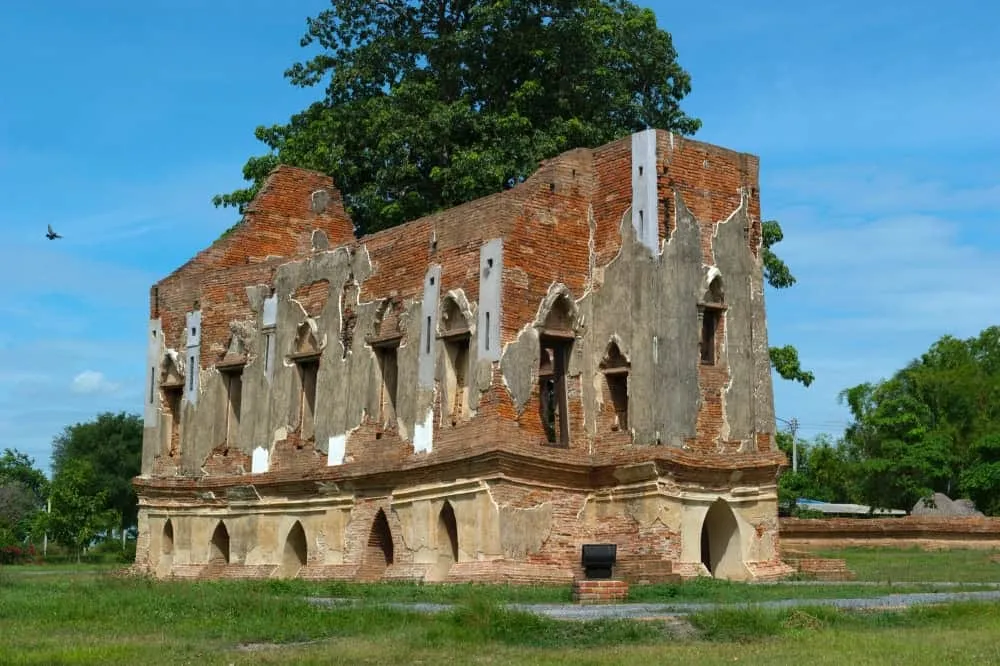
Museums & culture in Ang Thong








Things to do on the map
Tap a pin for details — 40 places in Ang Thong plotted.
When to go
Nov–Feb Cool-season weather is dry and comfortable — the best window for temple touring and combining the province with an Ayutthaya day trip.
Mar–May Hot season on the central plains pushes past 35°C by April. Start early at Wat Muang — there is little shade around the big Buddha at midday.
Jun–Oct Monsoon rains peak in August and September, and the Chao Phraya basin around Ang Thong can flood in heavy years — check conditions for late-season visits.
About Ang Thong
Last updated September 2026
Overview
Ang Thong is a small, flat province on the Chao Phraya basin, about 100 kilometres north of Bangkok between Ayutthaya and Sing Buri. Rice farming defines the landscape — you’ll drive through paddies and fruit orchards rather than resorts or beaches. What brings visitors here is one extraordinary landmark: Wat Muang’s seated Buddha, at 92 metres the tallest statue in Thailand and one of the tallest in the world.
The province is also known across Thailand for its concentration of working temples and a strong tradition of artisan crafts. It doesn’t have the tourist infrastructure of Ayutthaya or Lopburi, which is precisely why the people who do make the trip tend to appreciate it.
One quick note on names: if you’re searching for the famous Ang Thong Marine Park with its island-studded lagoons, that’s Mu Ko Ang Thong National Marine Park in Surat Thani province, near Koh Samui — roughly 600 kilometres south of here. The two places share a name but are entirely different destinations.
Top Things to Do
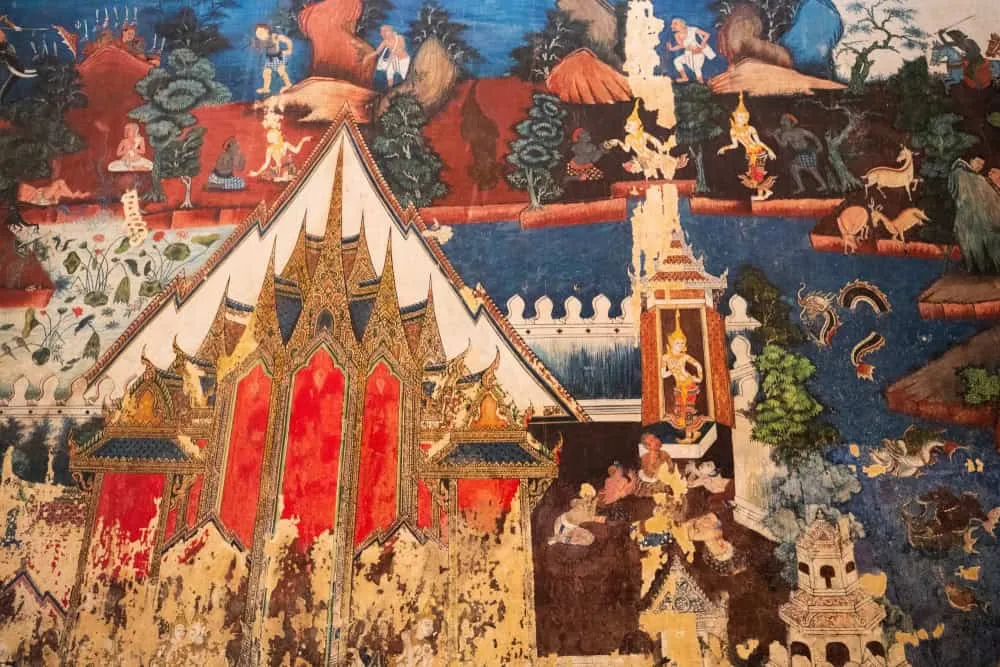
Wat Muang and the Great Buddha is the reason most people come. The seated Buddha (officially Phra Buddha Maha Nawamin) rises 92 metres from a wide base in Wiset Chai Chan district — the scale only becomes clear once you’re standing beneath it. The surrounding temple grounds are active and well-kept, with murals depicting the life of the Buddha on the surrounding gallery walls. Entry is free.
Temple touring is rewarding throughout the province. Ang Thong has an unusually high density of wats relative to its size, and many of them see almost no foreign visitors. Hiring a driver for half a day and asking them to take you to their favourite local temples is a reasonable strategy.
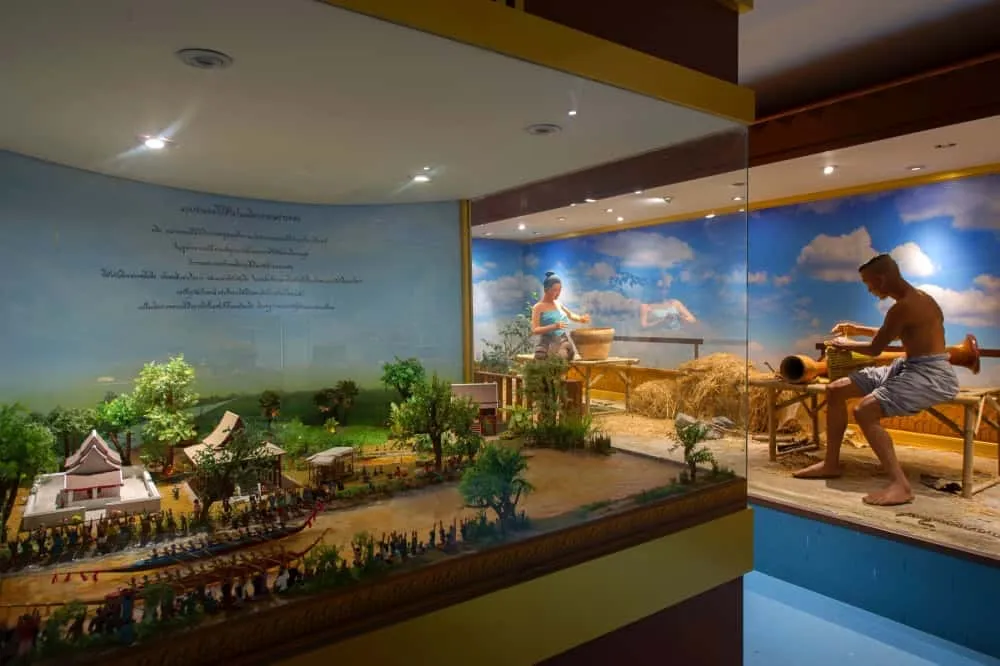
Ban Phae drum village in Pa Mok district is where most of Thailand’s traditional hand-made drums are produced. You can watch craftspeople at work and buy direct from the workshop — prices are a fraction of what you’d pay in Bangkok souvenir shops.
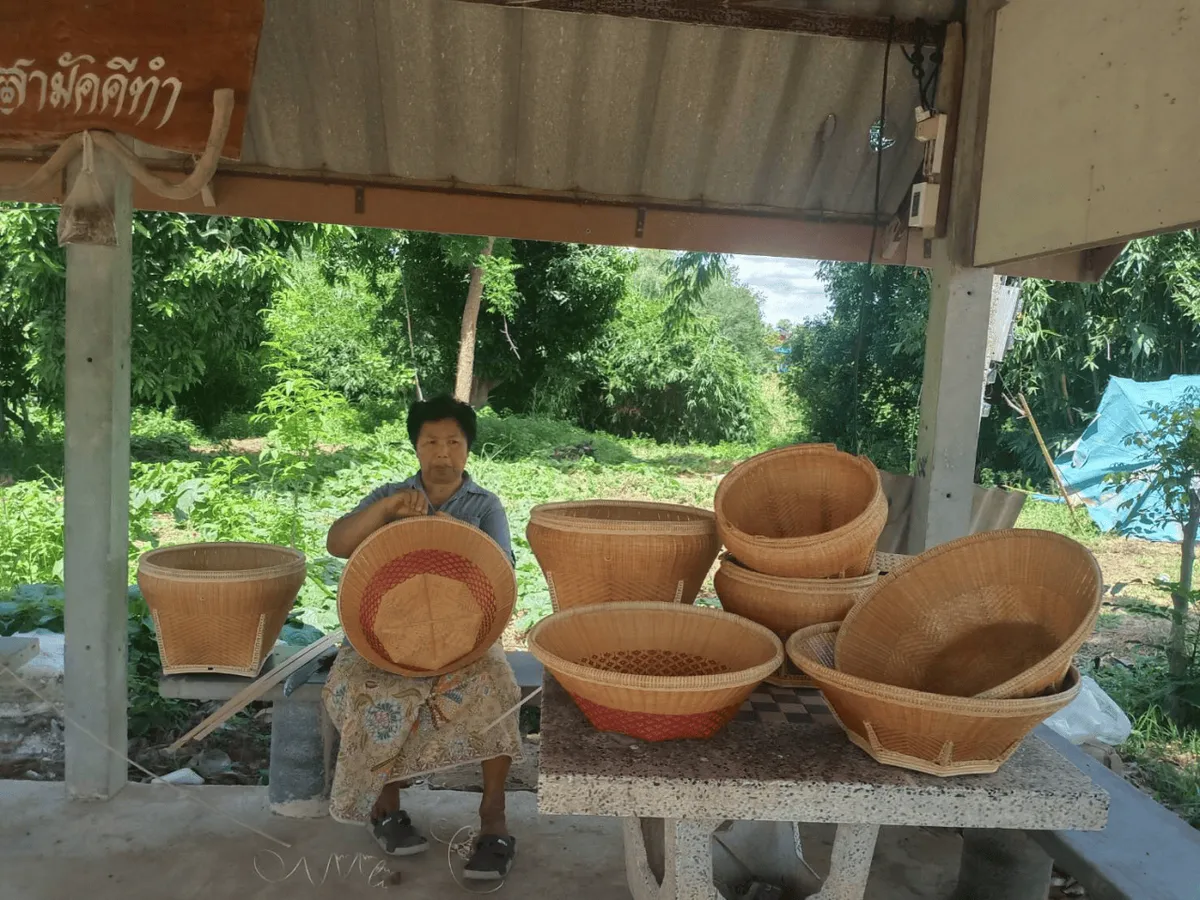
Wickerwork and basketry is another local speciality. Several villages near the provincial capital produce woven goods using traditional techniques, and the markets here stock them cheaply.
Where to Stay
Accommodation in Ang Thong town is modest — mostly small local hotels and guesthouses. There are no international chains and no resort complexes. That’s fine for a day trip base, but most visitors doing Wat Muang will come from Bangkok or Ayutthaya as a day excursion rather than overnight.
If you want to stay, family-run guesthouses offer clean rooms and local knowledge. The provincial capital is small enough that you can walk most of it. Mid-range options occasionally include a pool, which is welcome in the hot season.
Getting There
From Bangkok’s Mo Chit Northern Bus Terminal, buses to Ang Thong take around 1.5 to 2.5 hours depending on traffic (the province is roughly 100 kilometres north of the capital). Private car hire from Bangkok cuts the journey to around 1.5 hours on a clear run.
Ang Thong pairs well with Ayutthaya — the two provinces share a border and are about 40 minutes apart by road. A Bangkok day trip covering Ayutthaya’s ruins in the morning and Wat Muang’s Buddha in the afternoon is a logical combination.
Best Time to Visit
Ang Thong has a central-plains climate. The wet season runs May through October, with peak rainfall in August and September. November through February is cool and dry — the most comfortable time for sightseeing, with temperatures dropping pleasantly in the evenings. March through May is hot and dry before the monsoon arrives.
Unlike coastal destinations, Ang Thong’s sights are largely unaffected by rain — temples and craft villages are accessible year-round. The main thing to avoid is the peak midday heat in March and April if you’re spending time outdoors at Wat Muang.
Insider Tip: Visit local markets early in the morning around 6–7 AM when vendors sell directly to residents rather than tourists. You’ll find the freshest produce and authentic street food at local prices.
Practical Tips
ATMs are available in the main town centre, but carry cash for rural temples and craft villages. English isn’t widely spoken outside of town, so having a translation app helps. When visiting temples, dress respectfully with covered shoulders and long pants or skirts — Wat Muang in particular draws Thai pilgrims and maintains a respectful atmosphere throughout the site.
Frequently Asked Questions about Ang Thong
What is the main reason to visit Ang Thong province?
Is English widely spoken in Ang Thong?
What's the best way to get around Ang Thong province?
When should I avoid visiting due to weather?
Are there ATMs available throughout the province?
Spotted something out of date or incorrect? Let us know
Plan your
Ang Thong trip