


Ratchaburi
ราชบุรี
Home of Thailand's most famous floating market, dragon-jar pottery, Dvaravati ruins, and hill-country escapes near the Myanmar border.
Recommended by us

Tao Hong Tai
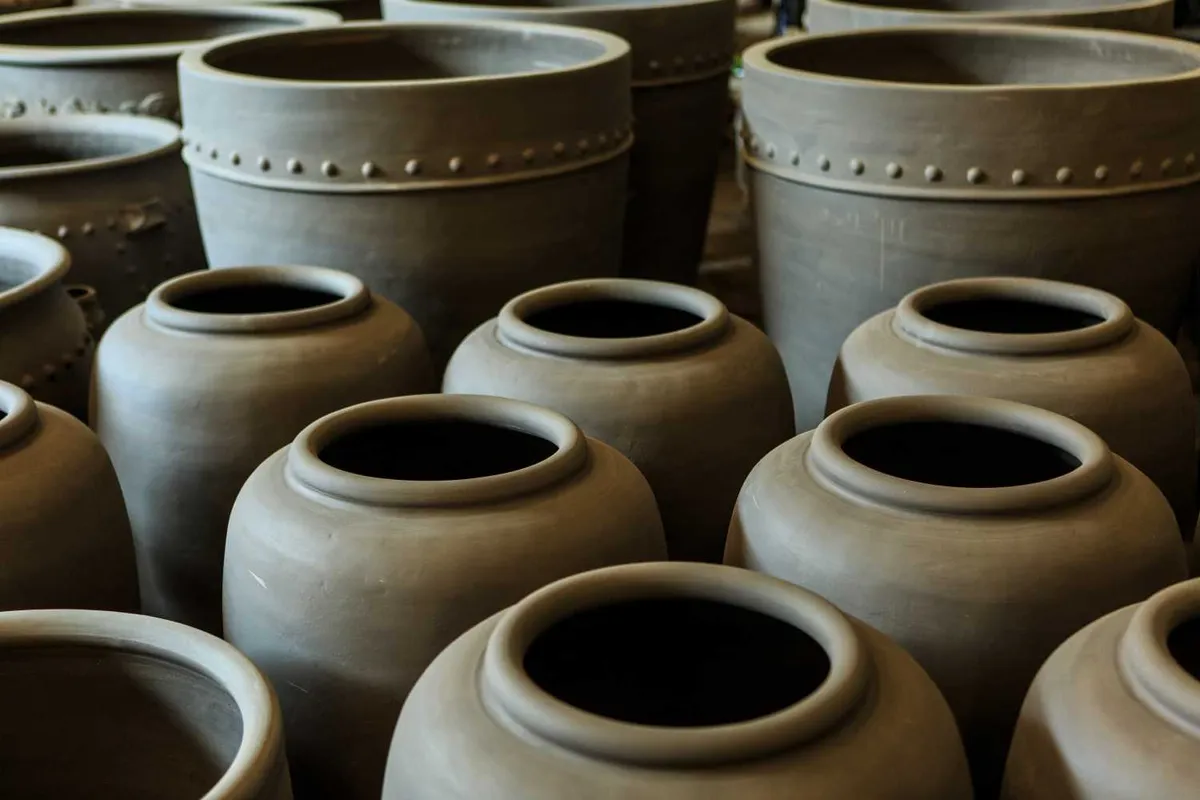
The most famous name in Ratchaburi's dragon-jar pottery tradition — the ceramic trade that made this province known beyond Thailand. You can watch the kilns and buy direct.

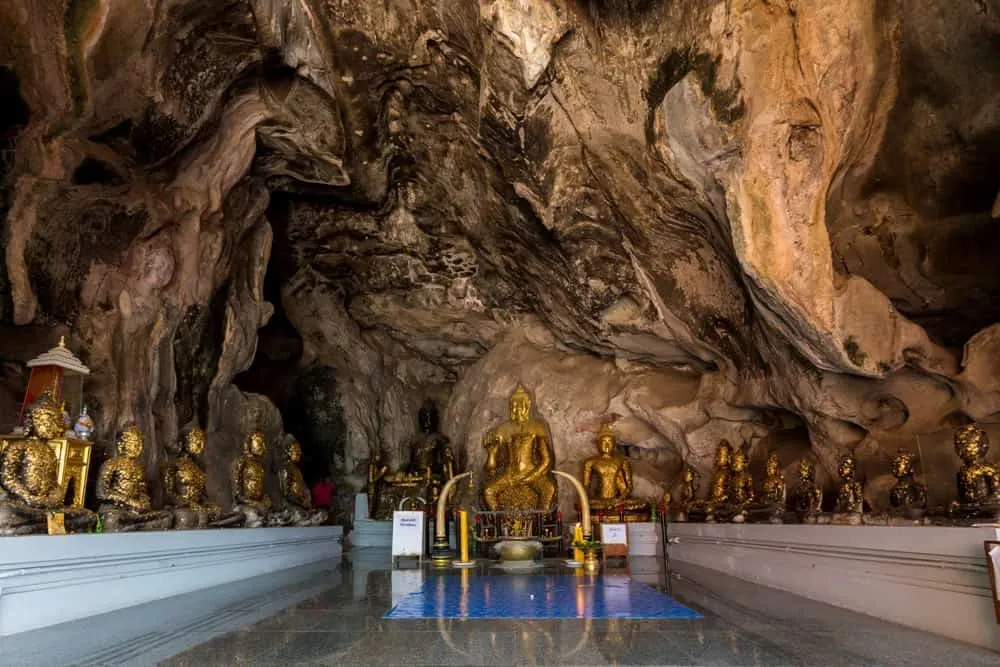
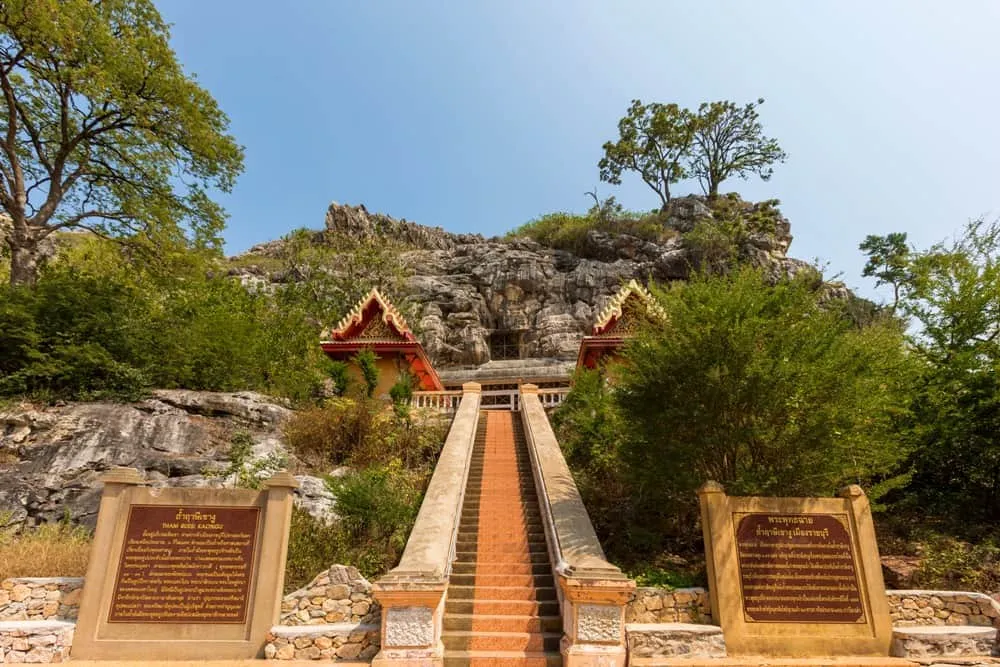
Tham Ruesi Khao Ngu
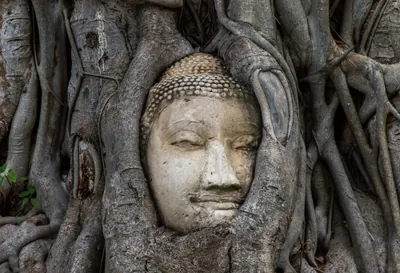
Ancient Buddha images in a cave at the foot of a limestone hill — the oldest religious site in Ratchaburi and genuinely atmospheric in the cool interior.

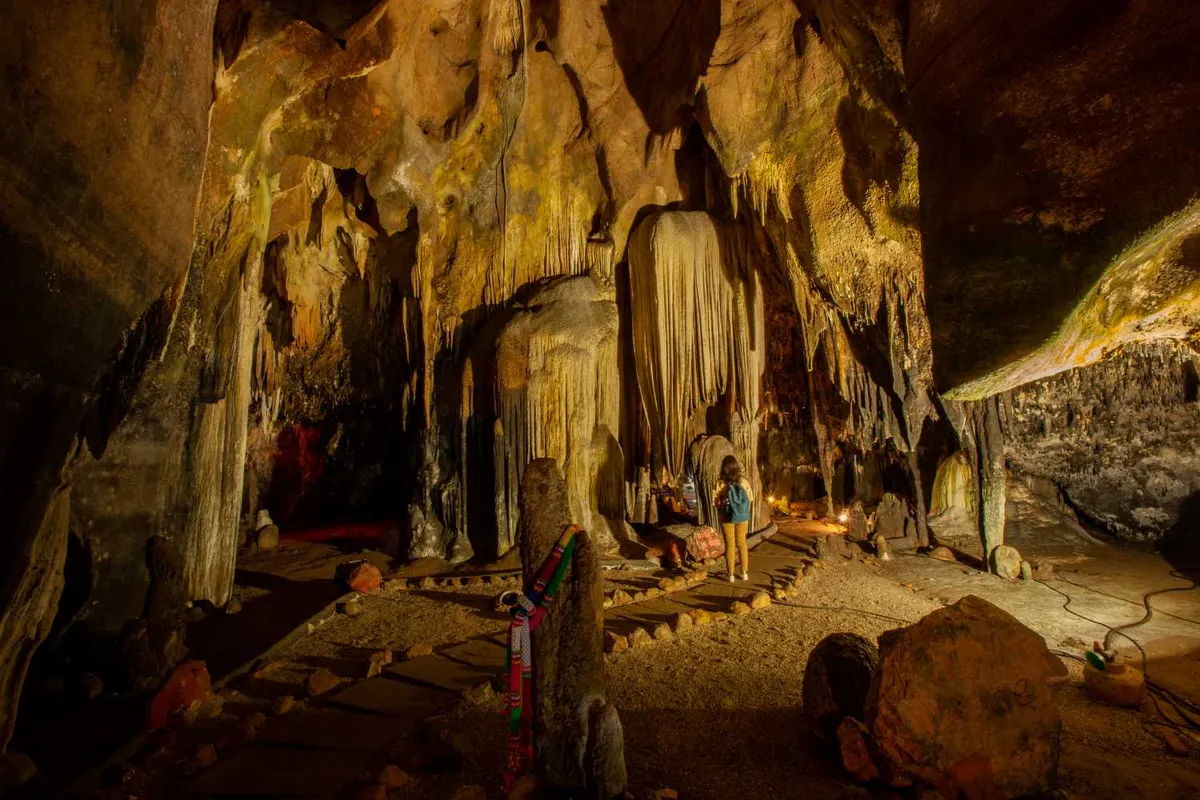
Khao Bin Cave
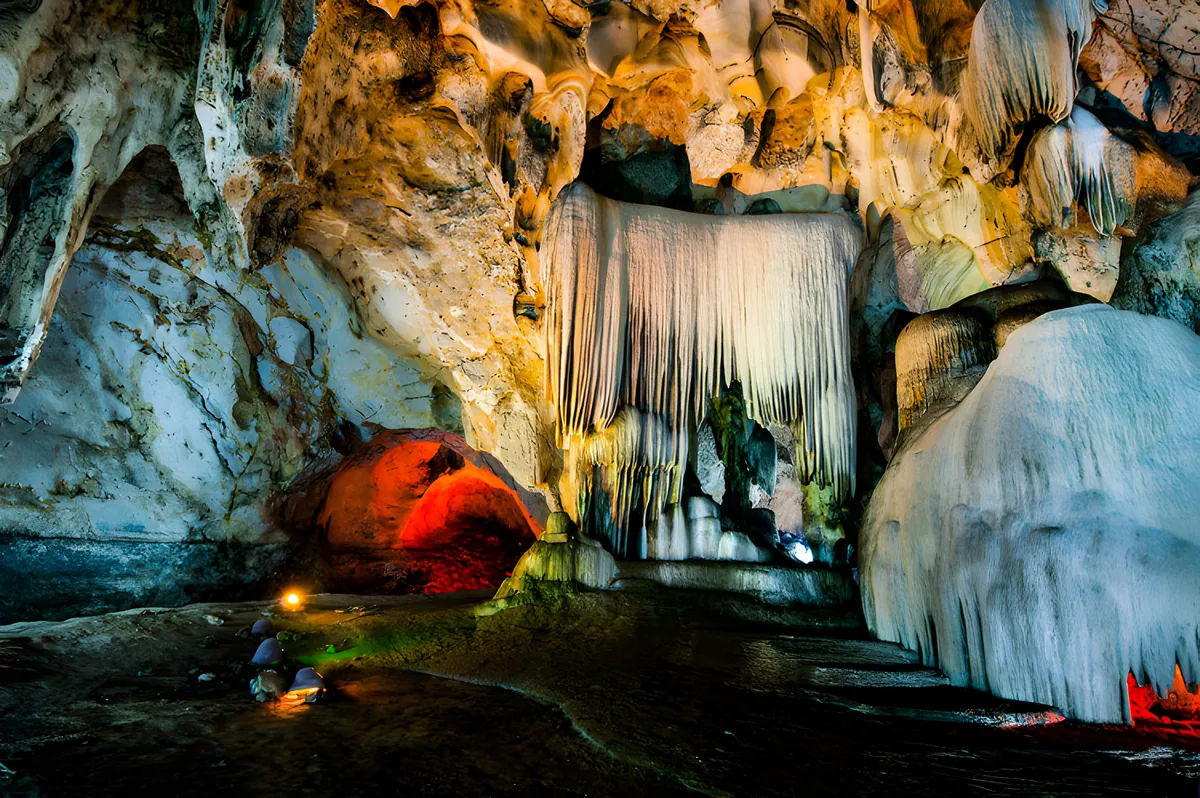
A larger cave system with stalactites and a resident population of bats. Bring a torch for the inner chambers; the main hall is dramatic enough without going far in.

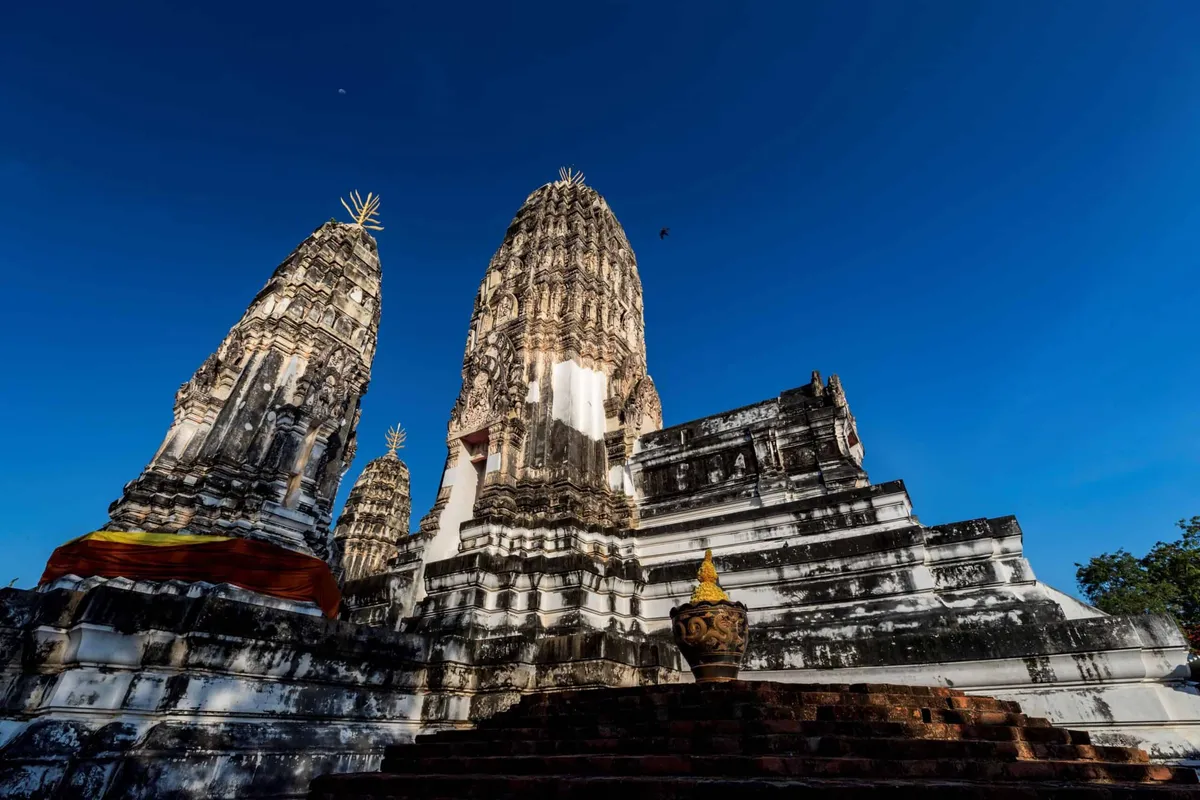
Wat Mahathat Worawihan
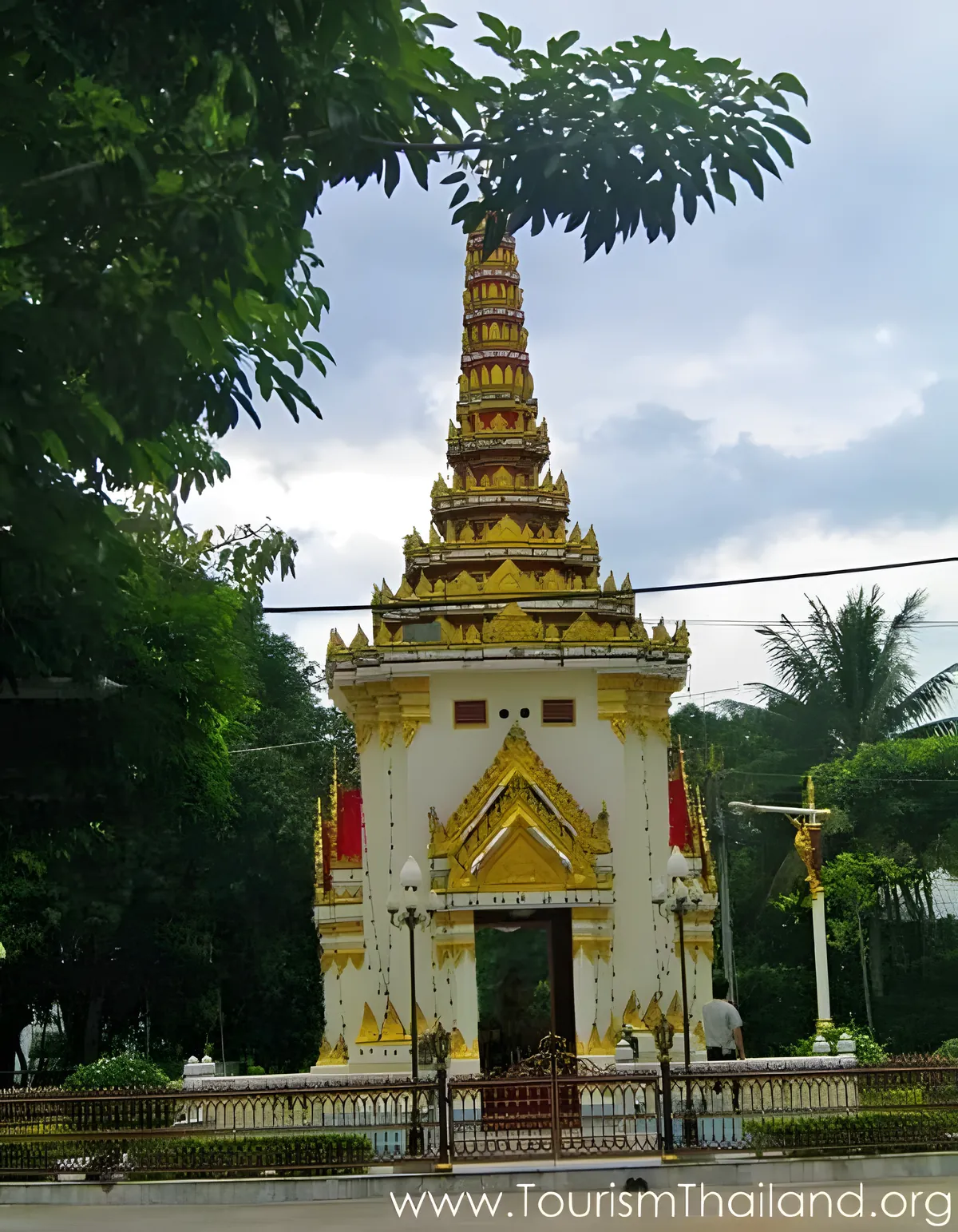
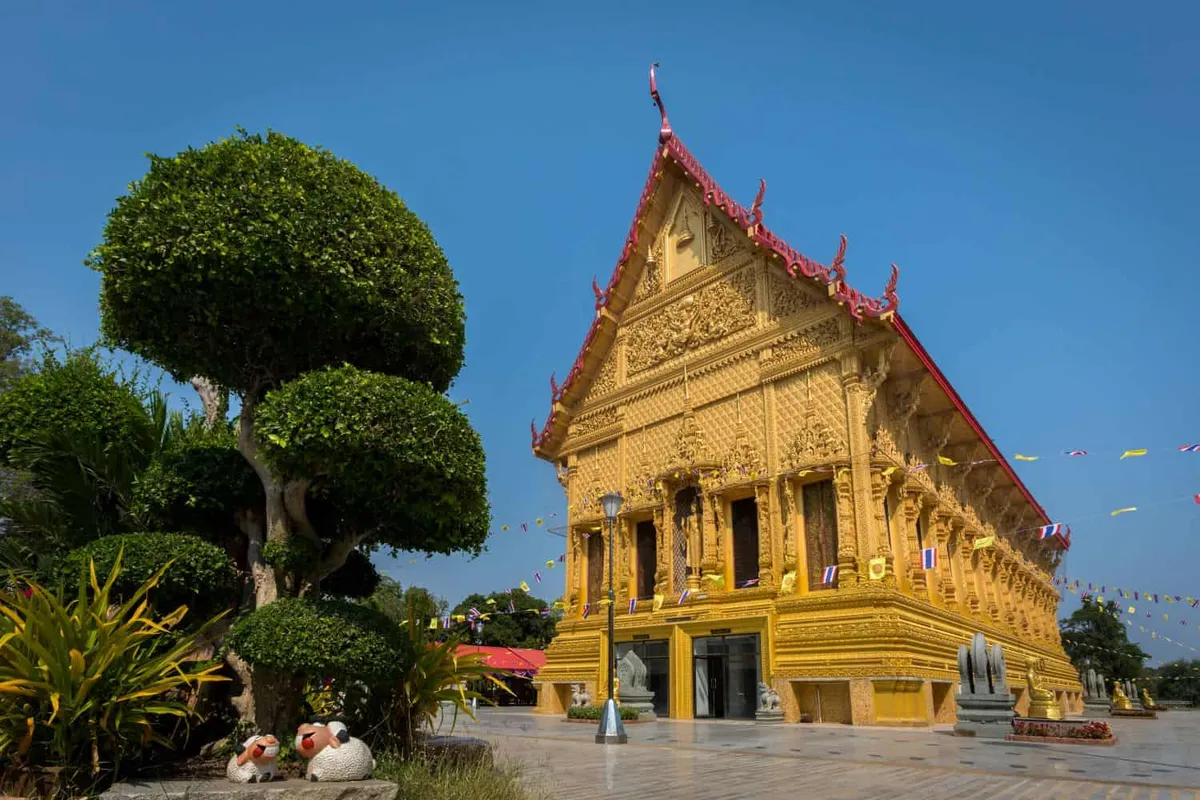
The province's principal historic temple — five Ayutthaya-era prangs at its centre built over older Dvaravati foundations, standing in the middle of the modern town. Worth an hour if you're passing through.

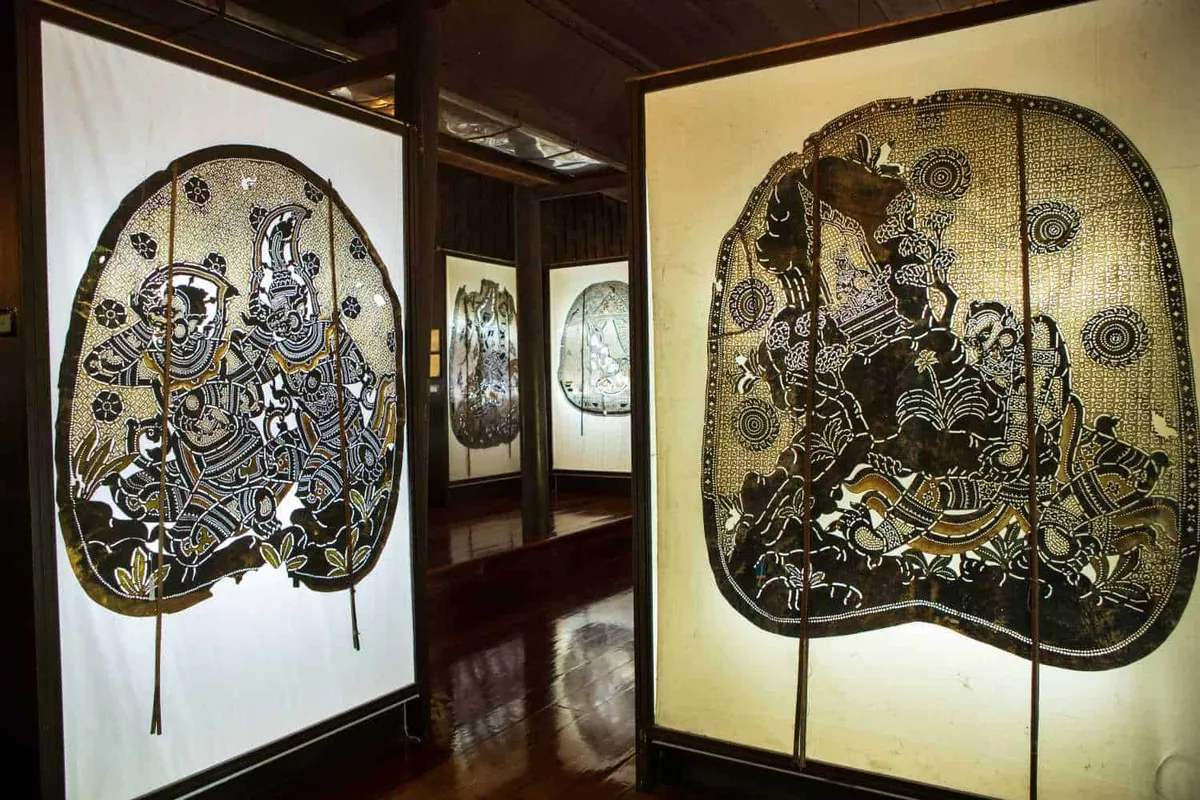
Nang Yai Museum Wat Khanon
Shadow puppet theatre is Ratchaburi's other craft tradition — this museum at Wat Khanon is where the surviving figures are kept, alongside demonstrations on request.
Get to Ratchaburi
Trains from Bangkok's Bang Sue station reach Ratchaburi in around 90 minutes — one of the easiest provincial day-trips from the capital.

eSIM for Thailand
Land with data already working and skip the airport SIM queue. We tested six plans — code THAIHOLIDAY saves 10%.

Travel insurance
Even a straightforward provincial day trip can take an unexpected turn — sort cover before you go.
Wats, shrines & spiritual sites
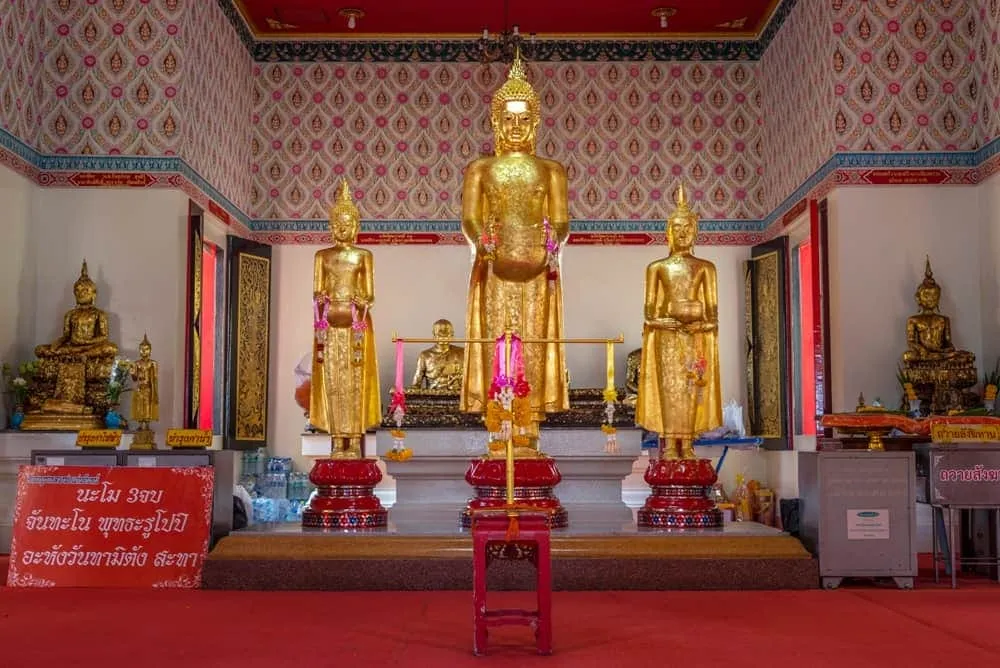
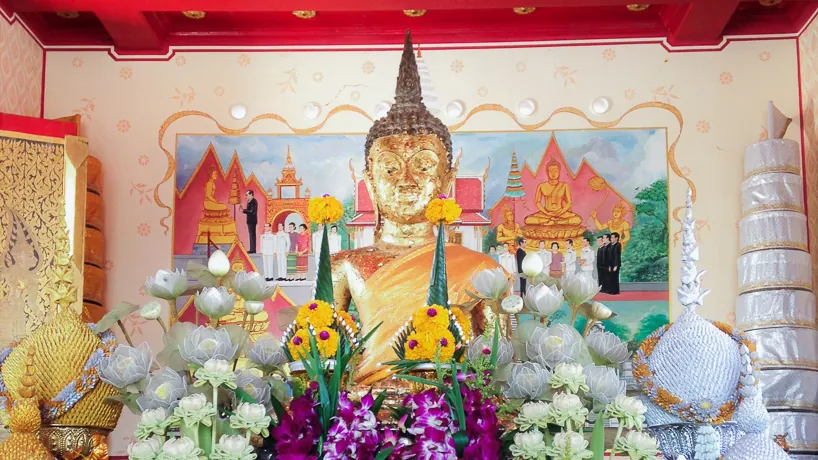
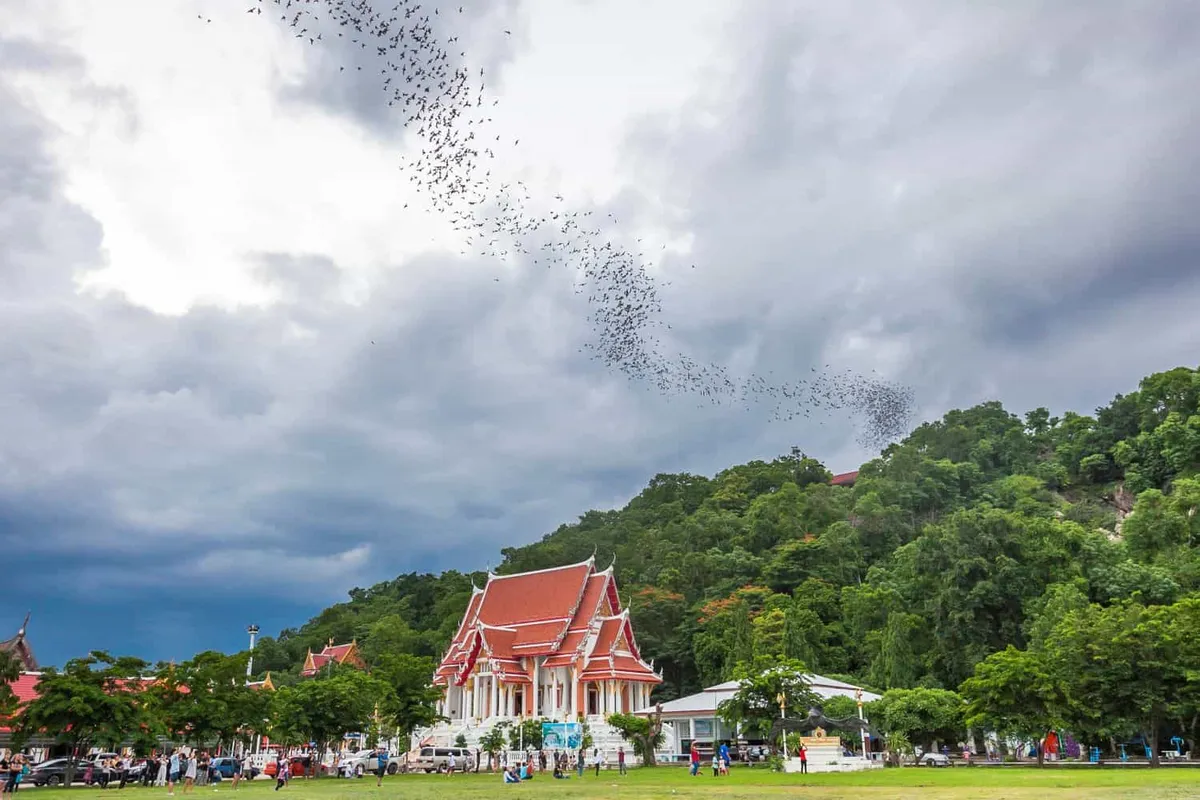
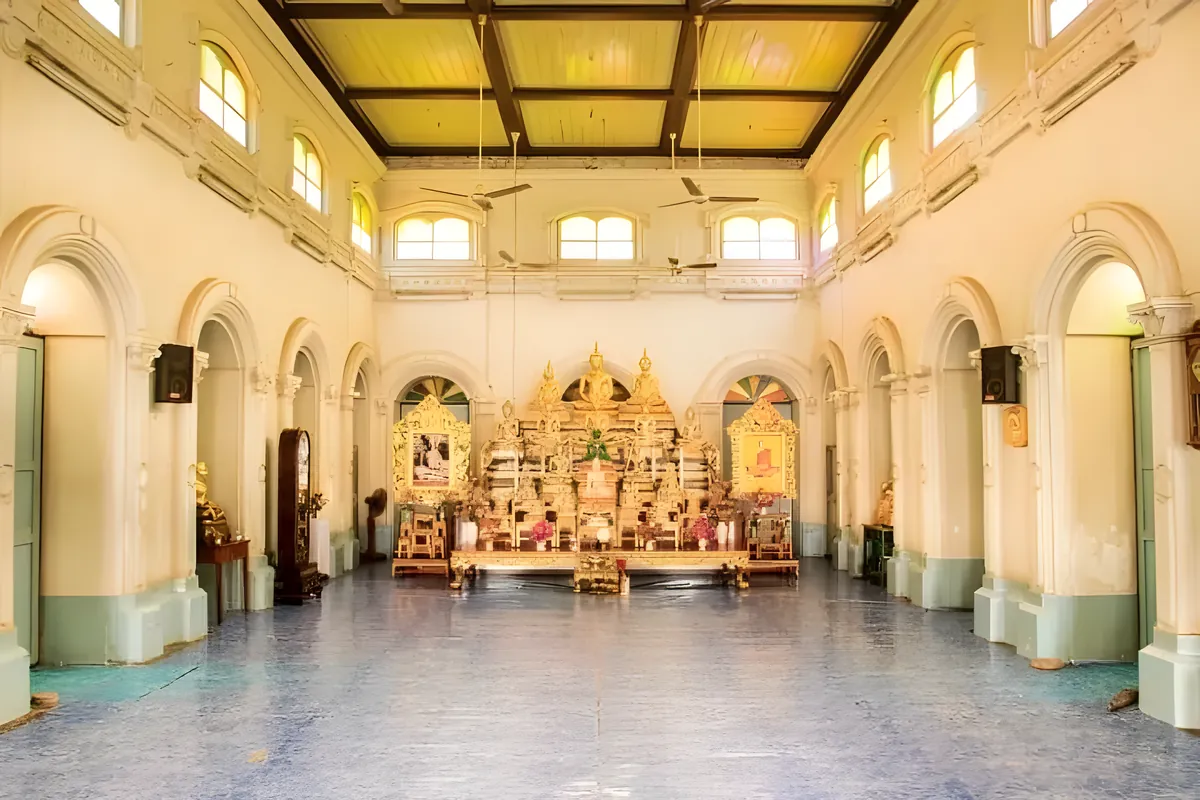
Temples in Ratchaburi






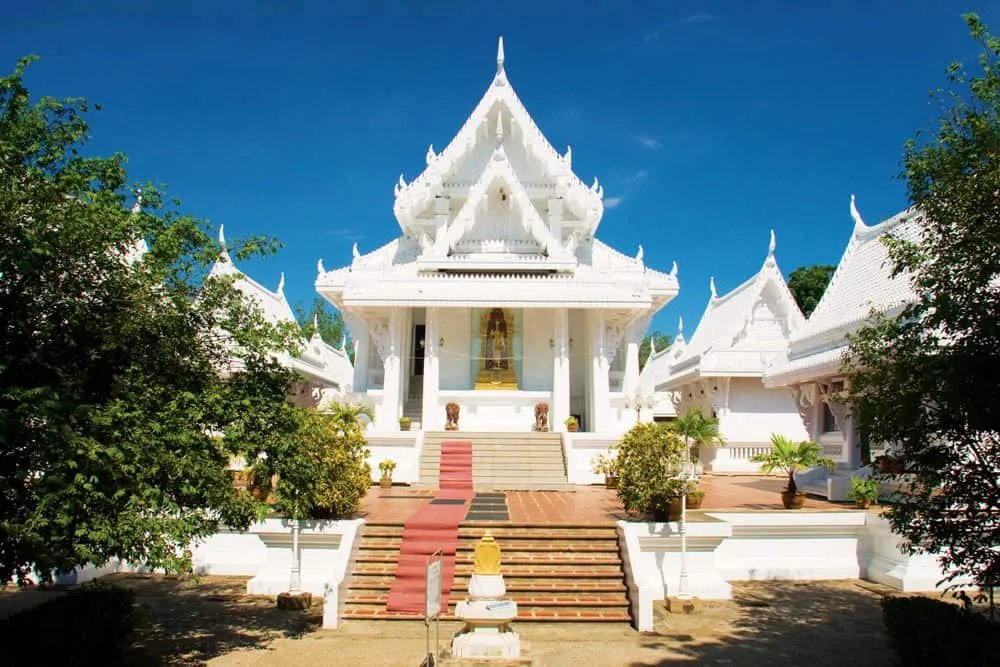


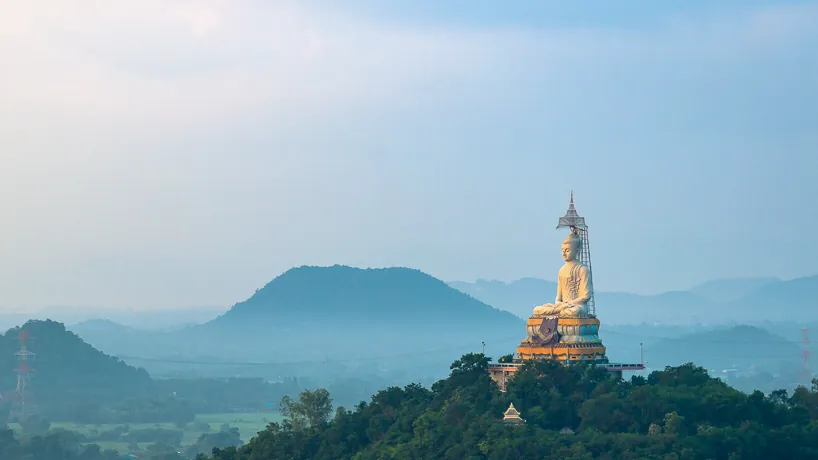

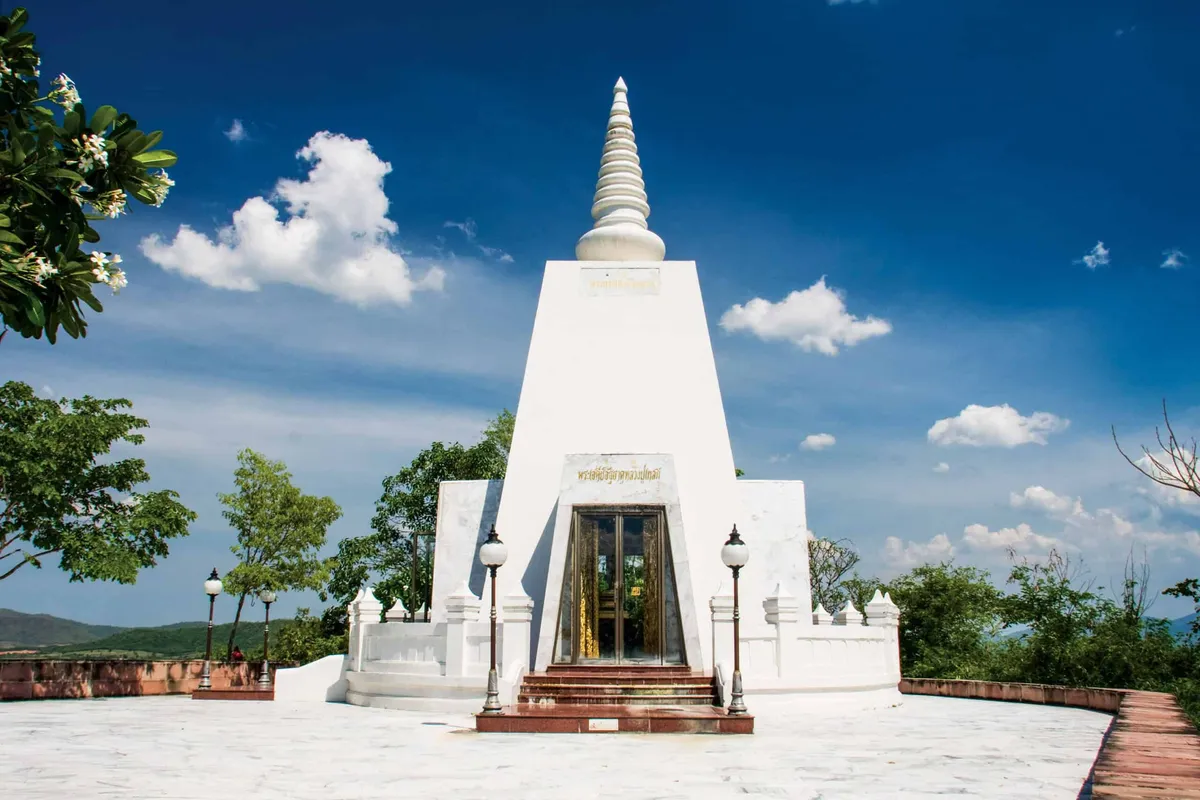

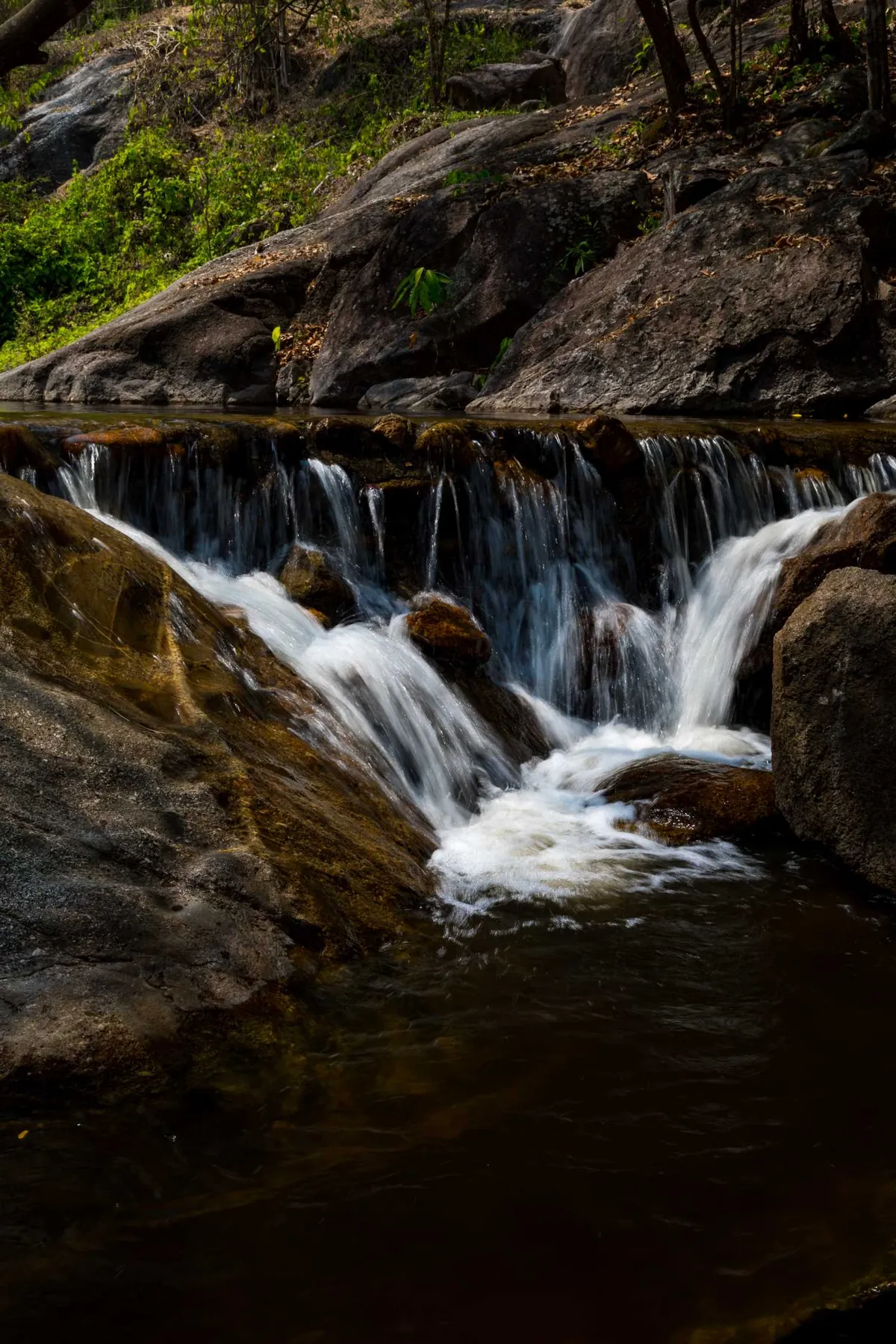
Waterfalls, peaks, caves & parks
Nature & outdoors around Ratchaburi












Night markets, street food & shopping
Markets & bazaars in Ratchaburi



Museums, history & heritage
Museums & culture in Ratchaburi












Crafts, communities & farms
Villages & countryside around Ratchaburi






Things to do on the map
Tap a pin for details — 40 places in Ratchaburi plotted.
When to go
Nov–Feb The dry cool season is the most comfortable time to visit. Temperatures drop pleasantly in the evenings, floating markets are busy without oppressive heat, and the Suan Phueng hills are refreshingly cool.
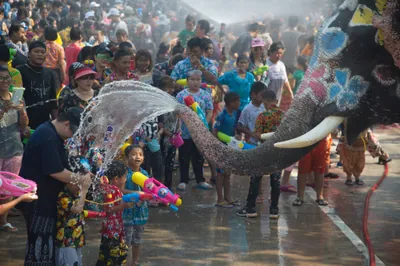
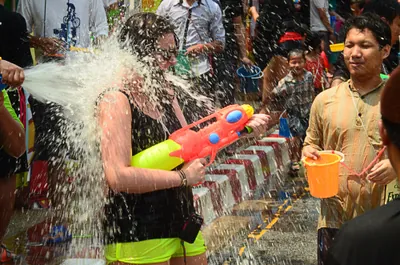
Mar–Apr Hot before the rains arrive — April peaks at around 37°C. Visit the floating market and cave sites before 09:00. Songkran in mid-April draws large Thai crowds to the town.
May–Oct The wet season brings heavy afternoon rain, with August through October the wettest months (September averaging 221mm). Damnoen Saduak and the caves remain accessible; Suan Phueng mountain roads can be slippery in downpours.
About Ratchaburi
Last updated September 2026
Overview
Ratchaburi sits about 80 kilometres west of Bangkok, straddling the Mae Klong River plain and the Tenasserim Hills that mark the border with Myanmar. Most visitors encounter it only as the province containing Damnoen Saduak Floating Market — a worthwhile destination in itself — but the province has considerably more depth than the tourist boats suggest.
The eastern lowlands are threaded with canals and waterways, a landscape shaped by the 32-kilometre Damnoen Saduak Canal that King Rama IV ordered built between 1866 and 1868 to connect the Mae Klong and Tha Chin rivers. The same flat terrain holds some of the best-preserved Dvaravati-period ruins in Thailand, at the ancient Mon town of Ban Khu Bua, founded in the 6th century. The provincial capital along the Mae Klong is a mid-sized Thai town with a National Museum that punches well above its weight.
To the west, the Tenasserim Hills rise sharply into the Suan Phueng district, a cooler upland area of forested hills, fruit orchards, and small resorts popular with Bangkok weekenders. And throughout the province, a tradition of dragon-jar pottery established by Chinese immigrants in 1933 has made Ratchaburi the place Thais think of whenever they picture an ohng mungkorn — the large stoneware vessels decorated with white-clay dragons that once sat in every Thai home.
King Rama I served as deputy governor (Luang Yokkrabat) of Ratchaburi before founding the Chakri dynasty — a provincial connection Ratchaburi residents are quietly proud of, though he was born in Ayutthaya.
Top Things to Do
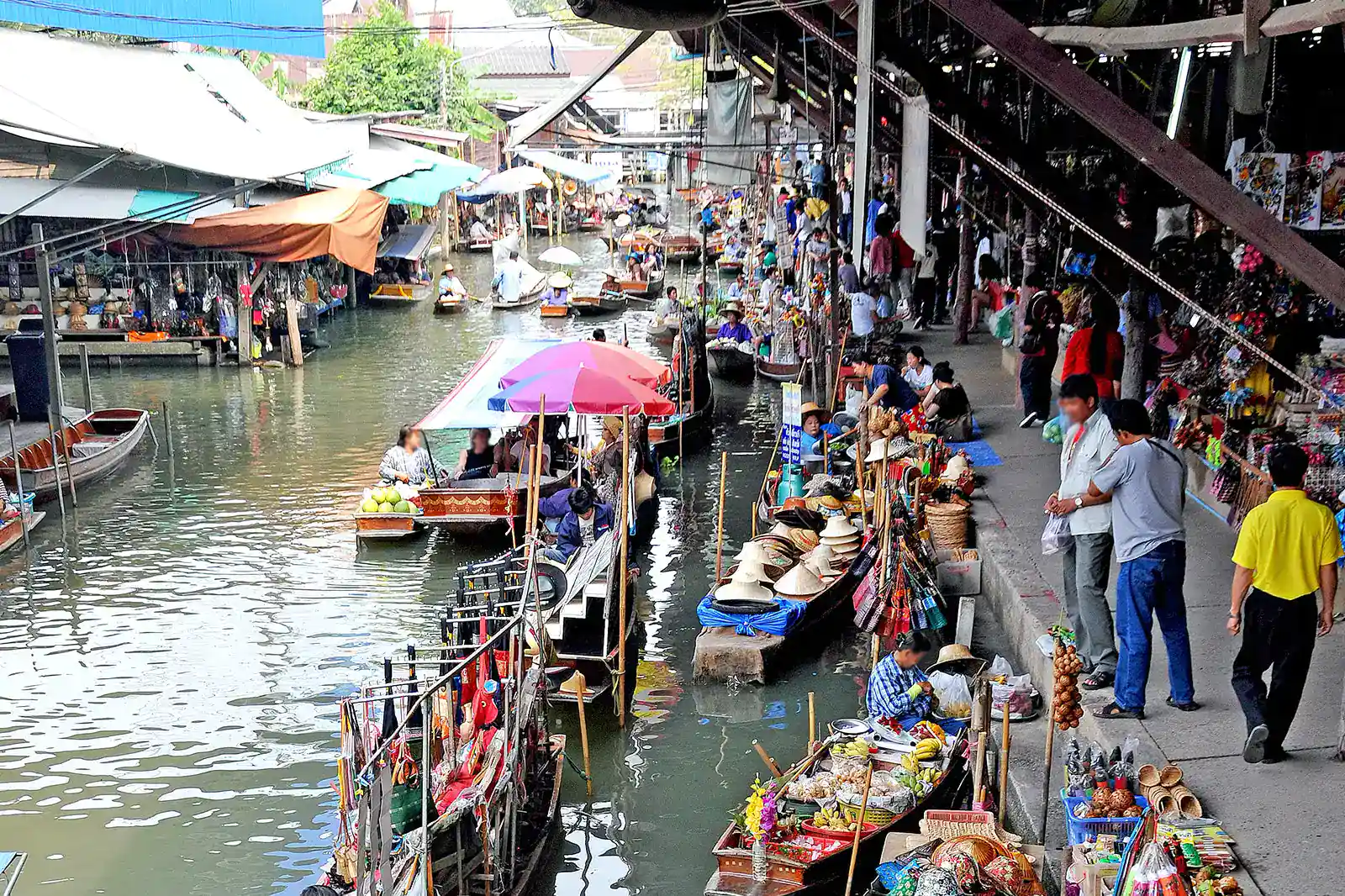
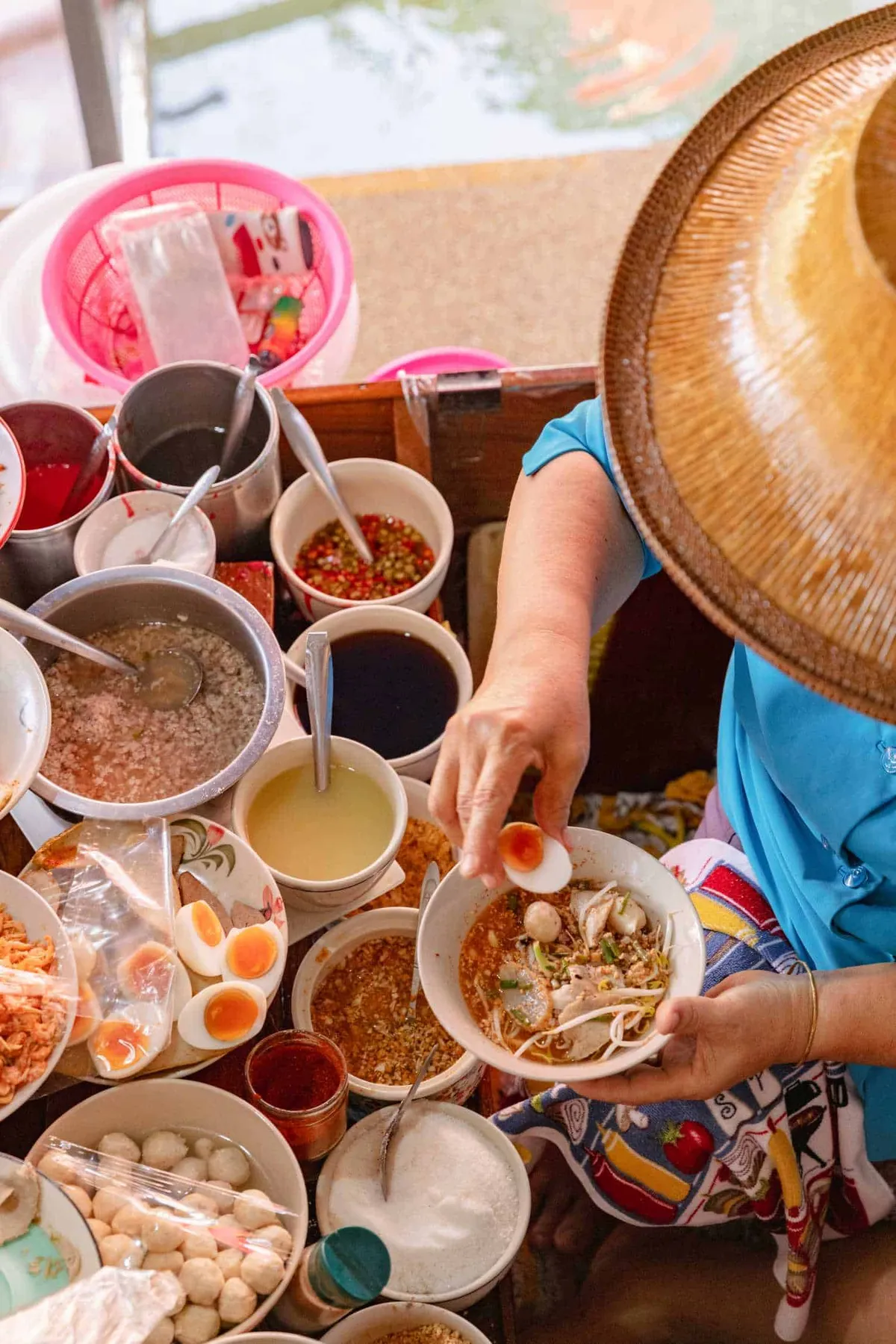
Damnoen Saduak Floating Market is the headline draw, and deservedly so. Located in the district of the same name, the market runs along a network of narrow canals where traders in flat-bottomed boats sell produce, cooked food, and souvenirs from dawn until midday, busiest between 07:00 and 09:00. Female vendors in the traditional blue farmers’ shirts (mo hom) and wide-brimmed hats are still very much a feature. It was established as a tourist attraction from 1971 and rebuilt in its current form in 1981 along the Ton Canal — go early to get ahead of the tour-bus crowds from Bangkok.
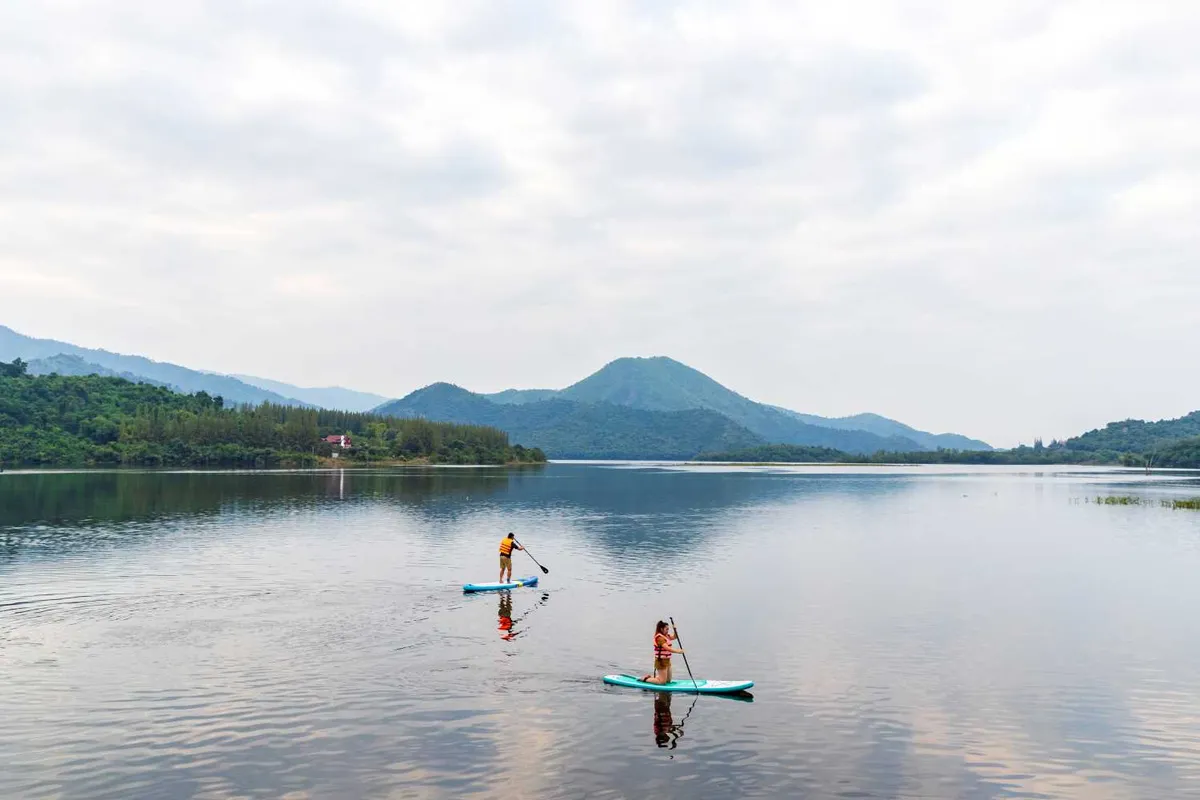
Khao Ngu Stone Park lies a few kilometres from the provincial capital: a landscape of limestone outcrops surrounding a reservoir, with caves carved into the hillsides. Tham Ruesi Khao Ngu (the Hermit’s Cave) and the adjacent Fa Tho and Chin-Cham caves hold Buddha images and have been sites of Buddhist practice since the 6th to 11th centuries — the Dvaravati-period carvings are the most historically significant. Entry is free. The park also has a population of fireflies visible at dusk in the cooler months.
Ban Khu Bua Ancient Town is 12 kilometres southeast of the provincial capital and one of the most significant Dvaravati sites in central Thailand, though it receives very few foreign visitors. The Mon city dates from the 6th century and its roughly rectangular plan, about 800 metres by two kilometres, is still visible in the earthen moat and dyke system. Over 60 Buddhist monument sites have been recorded within the walls. The Jipathapun Ban Khu Bua Museum on site displays ceramics, inscriptions, and artefacts; finer stucco fragments went to the Ratchaburi National Museum and the National Museum in Bangkok.
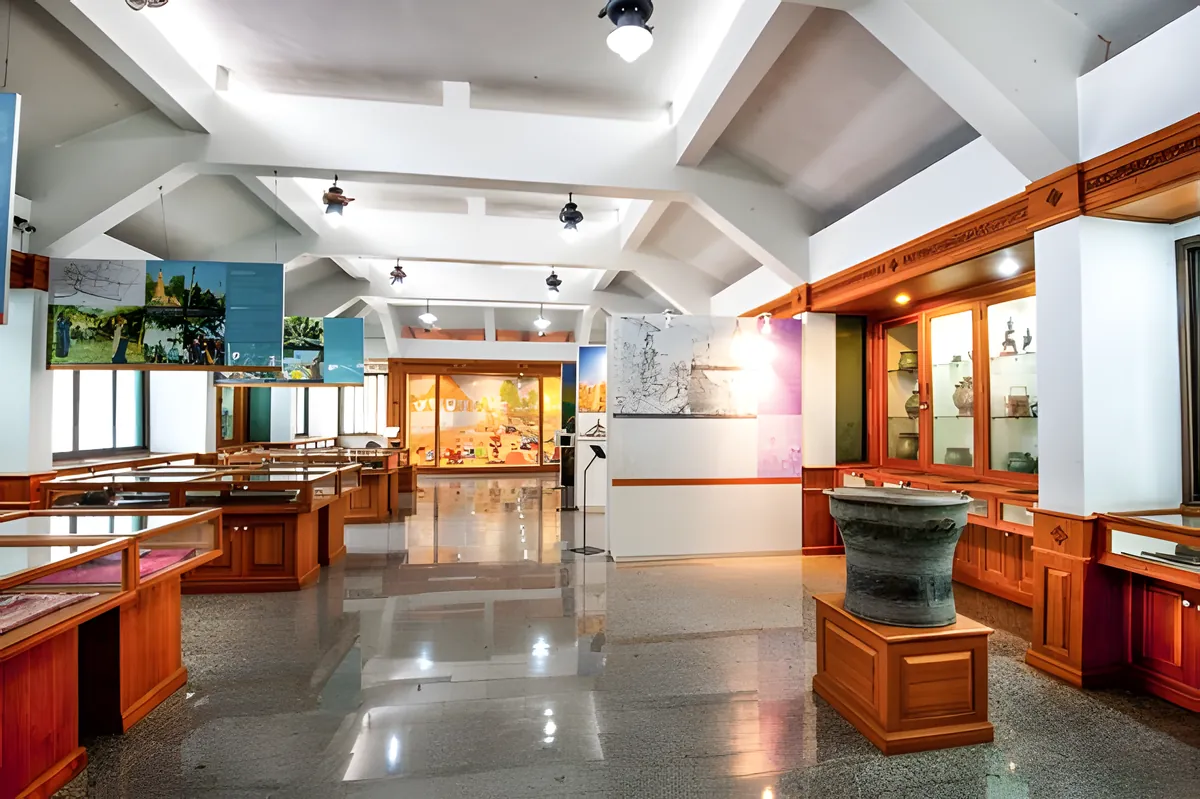
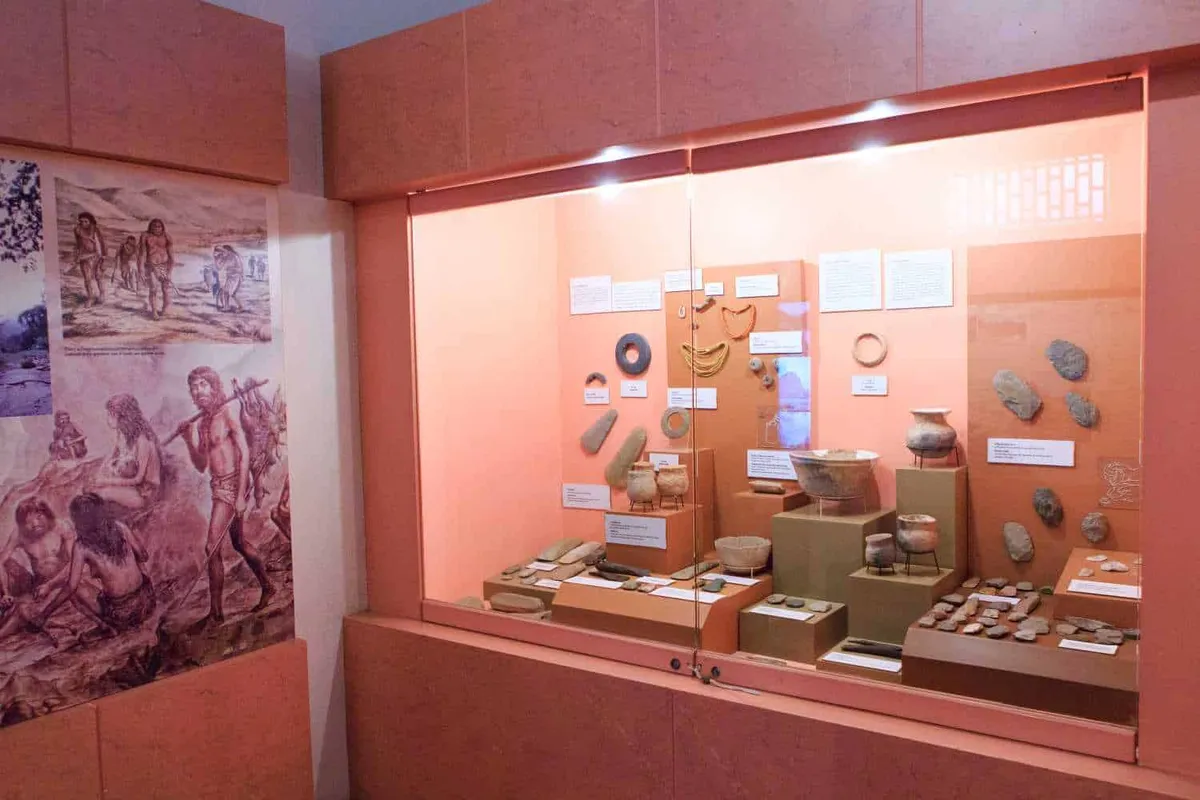
Ratchaburi National Museum is housed in a 1920s colonial-era building that was formerly the provincial hall. The collection covers prehistoric, Dvaravati, Lopburi, Sukhothai, and Rattanakosin periods, with the Dvaravati material — particularly the stucco fragments from Ban Khu Bua — being the most exceptional. There is also a dedicated ceramics section covering the province’s dragon-jar tradition.
Tao Hong Tai Ceramics gives you the chance to see dragon jars being made. The factory, founded in 1954 and one of the original producers in the province, runs guided tours of the workshops where you can watch artisans building and decorating the stoneware. The showroom stocks everything from traditional ohng mungkorn to contemporary decorative pieces, and a pottery workshop lets you try your hand at the craft. Open daily 08:00–17:00; free to enter.
Nang Yai Museum at Wat Khanon preserves one of Thailand’s rarest performing art forms: nang yai shadow puppetry, which by the late 19th century survived in only two places — Singburi and this temple in Photharam district. The museum holds over 300 large cowhide puppets in teak buildings. Performances drawn from the Ramayana run every Saturday from 10:00 to 11:00; private performances can be arranged on weekdays. Wat Khanon has received a UNESCO cultural award for its preservation work.
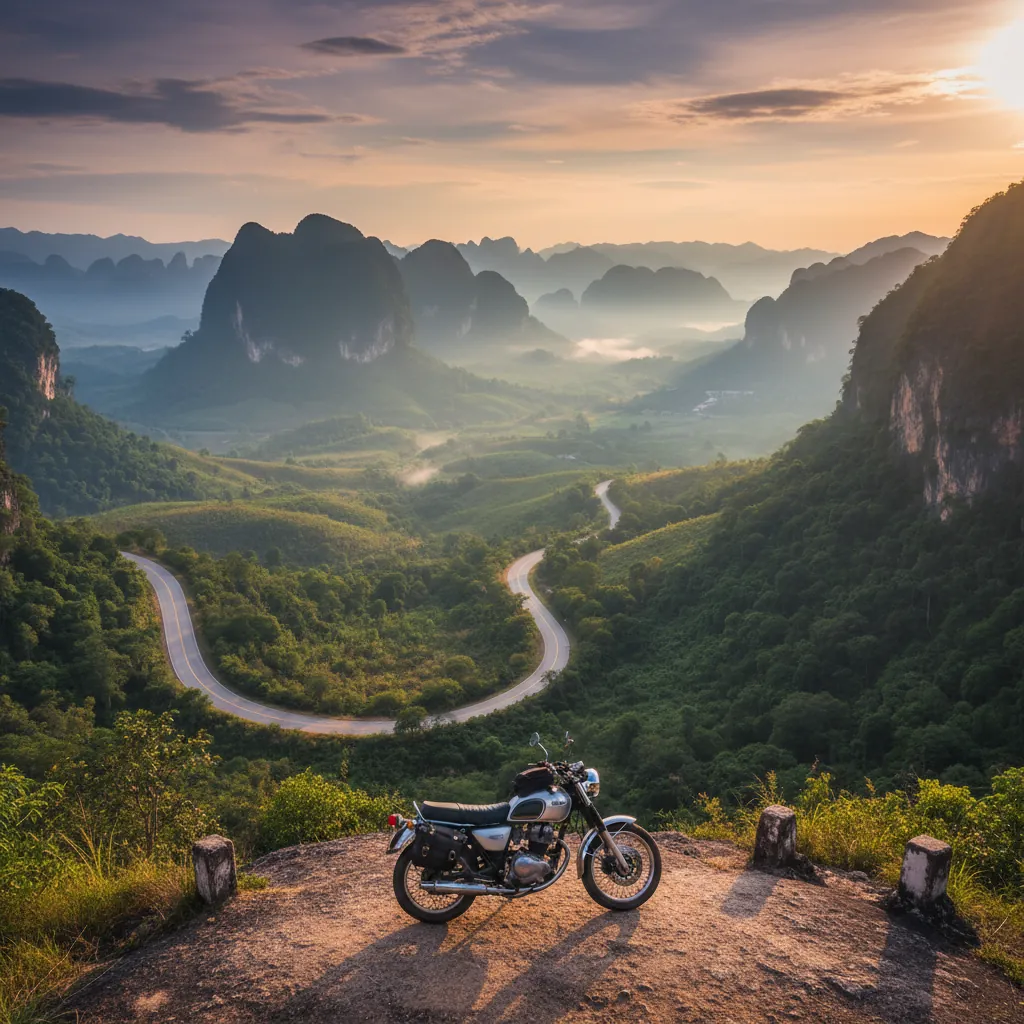
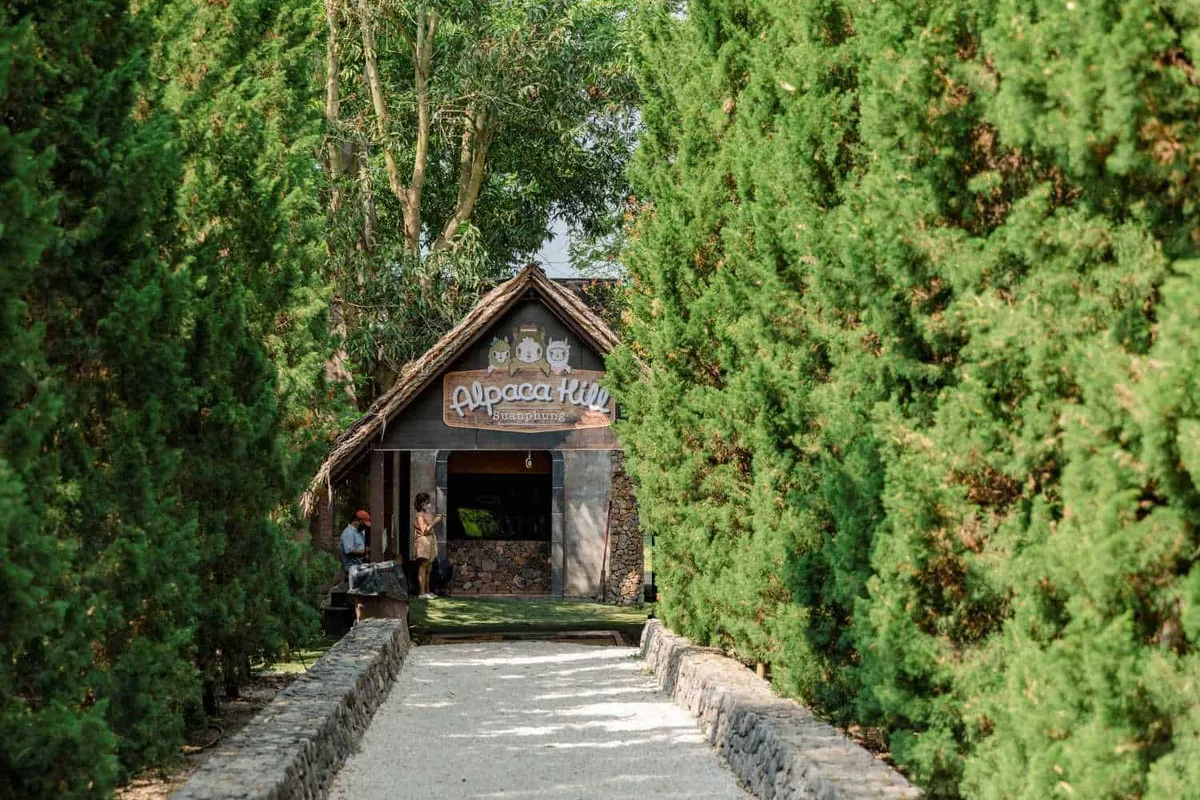
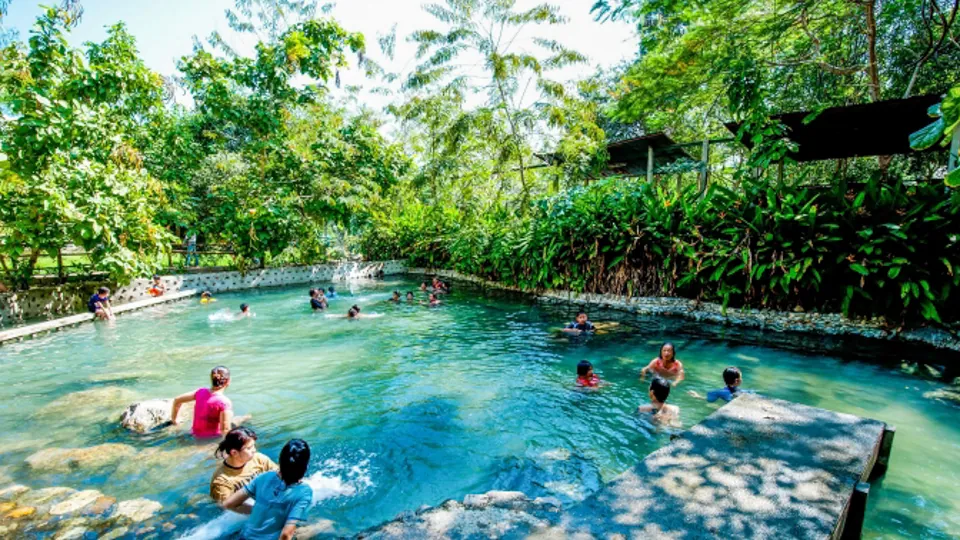
Suan Phueng is the upland district in the western hills, closest to the Myanmar border. The terrain here is markedly different from the canal-flat east — forested ridges, waterfalls, orchid farms, and small resorts. Alpaca Hill, an unusual alpaca breeding farm that draws domestic tourists, is in this area. Suan Phueng is about 2.5 hours from Bangkok by car — longer than the provincial capital — and works well as an overnight if you want hill-country air after the bustle of the floating market.
Bang Nok Khwaek and other floating markets give a quieter alternative to Damnoen Saduak. Bang Nok Khwaek market, also in the canal network, is smaller and sees far fewer tour groups — closer to the working-market atmosphere that Damnoen Saduak once had.
Where to Stay
Ratchaburi town has a reasonable stock of mid-range hotels concentrated near the river and the provincial centre — practical for a base if you want to explore the museum and Ban Khu Bua. Prices are low relative to Bangkok or the Gulf resorts; the Nine River Hotel and Le Lert Hotel both rate well on the booking platforms.
For Suan Phueng, small resorts and homestay-style properties are scattered through the hills and valleys; these book up quickly on Thai long weekends. There is no resort or luxury hotel offer in the province — that is not what Ratchaburi is.
For Damnoen Saduak as your primary goal, many visitors do it as a day trip from Bangkok rather than staying overnight in the province.
Getting There
Ratchaburi town is roughly 80 kilometres west of Bangkok — about 1.5 to 2 hours by car on the Rama II Road (Highway 35) and then Highway 4 in normal conditions. Trains on the southern line from Krung Thep Aphiwat Central Terminal reach Ratchaburi station in around two hours; the service runs throughout the day and tickets are inexpensive. Buses and minivans from Bangkok’s Southern Bus Terminal (Sai Tai Mai) take a similar time.
Damnoen Saduak market is about 100 kilometres from Bangkok in the northeast of the province, not adjacent to the provincial capital. Most visitors join an organised day trip from Bangkok or hire a private van — the market’s early-morning hours make it impractical on public transport unless you stay locally the night before.
Within the province, you need your own transport or a hired driver for any destination outside the town centre. The distance between Suan Phueng in the west and Damnoen Saduak in the northeast means visiting both in a single day requires an early start and a tight schedule.
Best Time to Visit
Ratchaburi follows a central-plains pattern: the wet season runs May through October, peaking in August, September, and October (September averages around 221mm of rain). November through February is dry, cool by Thai standards, and the most comfortable time for outdoor sightseeing. March and April are hot — April reaching a mean maximum of 37°C — and largely dry.
Unlike coastal provinces, there is no single monsoon window that shuts down the main attractions. The floating market operates year-round; the cave temples and museum are accessible in any weather. The practical constraints are the afternoon downpours of the wet season, which can make the Suan Phueng hill roads slippery, and the peak heat of March and April, which makes the open-air market uncomfortable after mid-morning.
Cool-season mornings at Damnoen Saduak — say, arriving by 07:30 in December or January — give the best combination of light, activity, and manageable heat.
Frequently Asked Questions about Ratchaburi
How do I get to Ratchaburi from Bangkok?
What is the best time of year to visit Ratchaburi?
How long do you need in Ratchaburi?
How do I get around Ratchaburi province?
What are the dragon jars of Ratchaburi?
Spotted something out of date or incorrect? Let us know
Plan your
Ratchaburi trip