


Sa Kaeo
สระแก้ว
Eastern Thailand's Cambodian border province — Khmer temple inscriptions, two UNESCO-listed national parks, and the Rong Kluea border market at Aranyaprathet.
Recommended by us
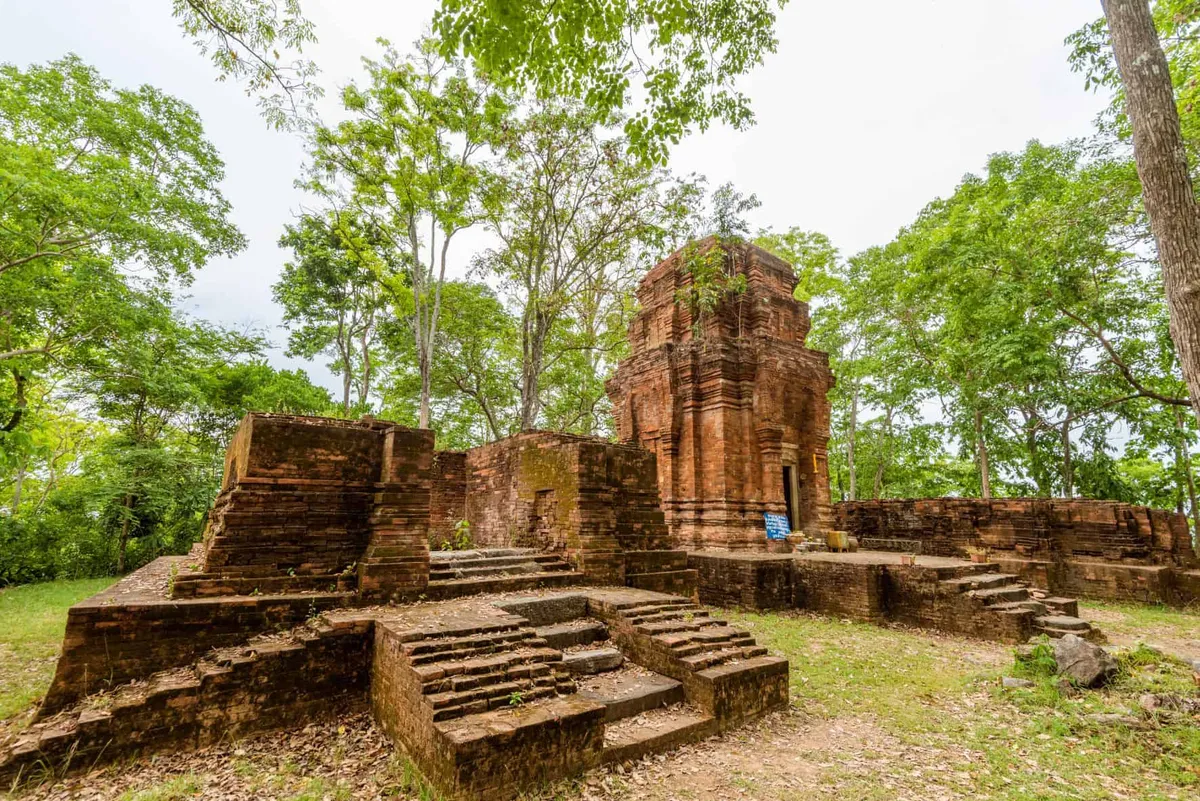
Prasat Sadok Kok Thom
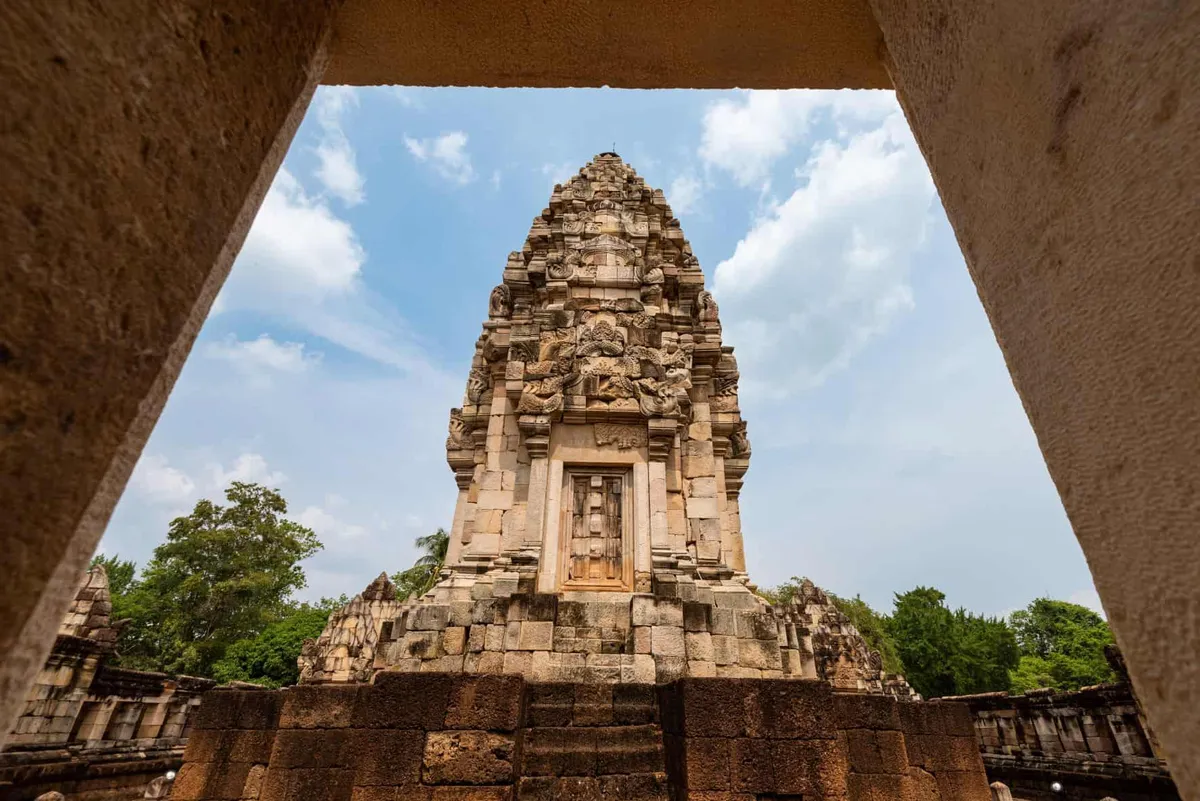
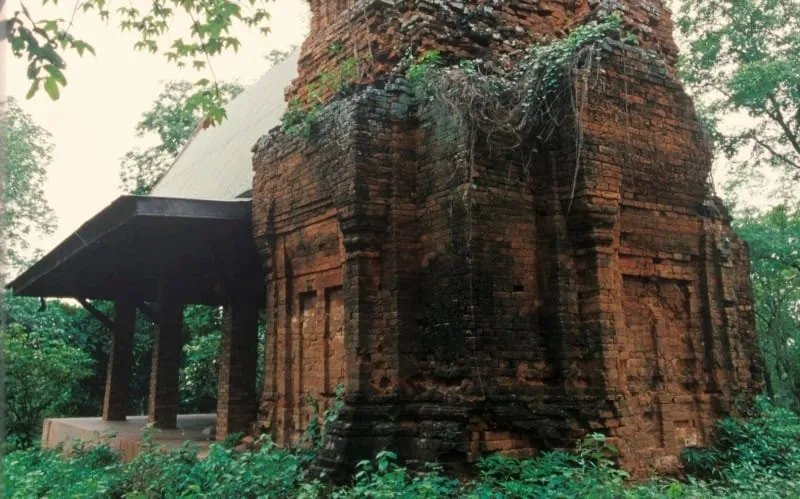
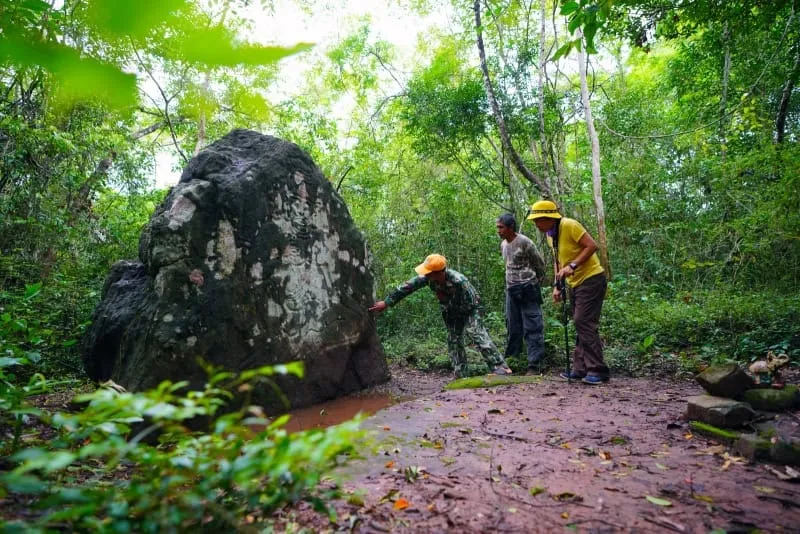
One of the most significant Khmer sites in eastern Thailand — a restored 11th-century sanctuary with a well-preserved inscribed stele in the museum on site. Far less visited than Phimai or Phanom Rung.

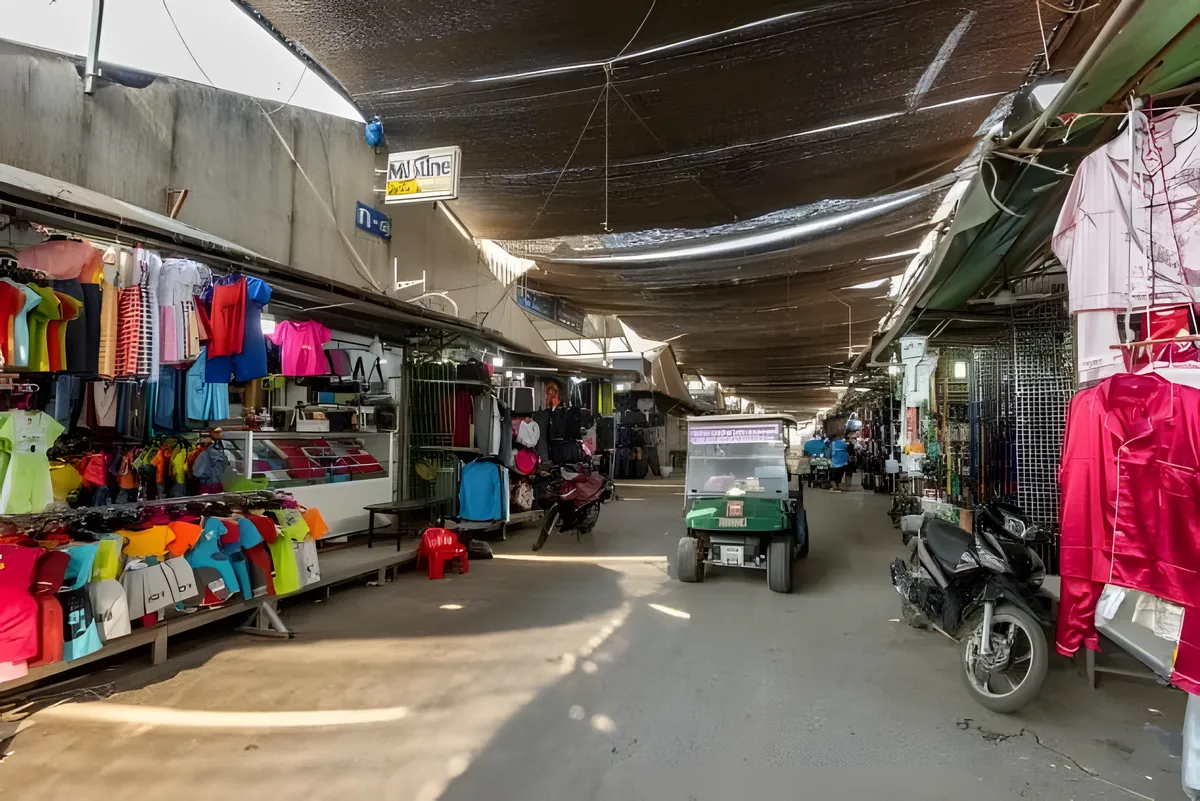
Rong Kluea Market
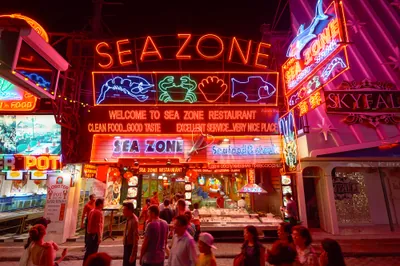
A huge cross-border trading market on the Cambodian frontier at Aranyaprathet — electronics, clothes, and cheap goods from both sides. Go on a weekend morning when it's busiest.

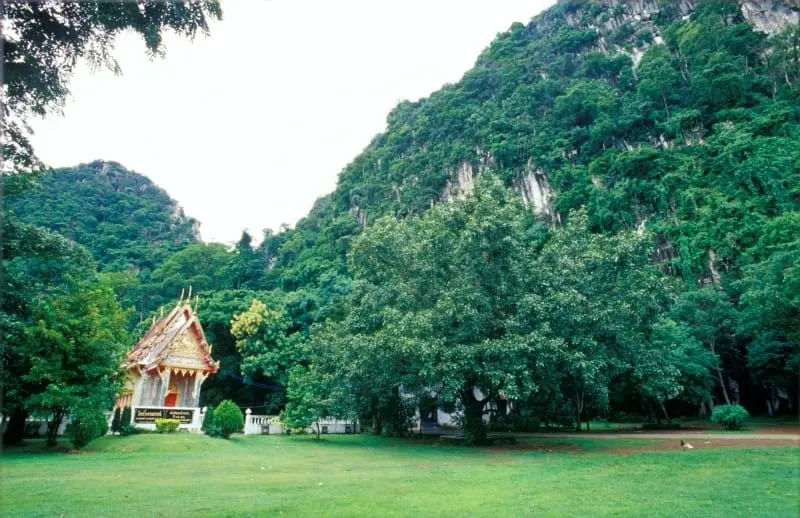
Wat Tum Khao Chakan
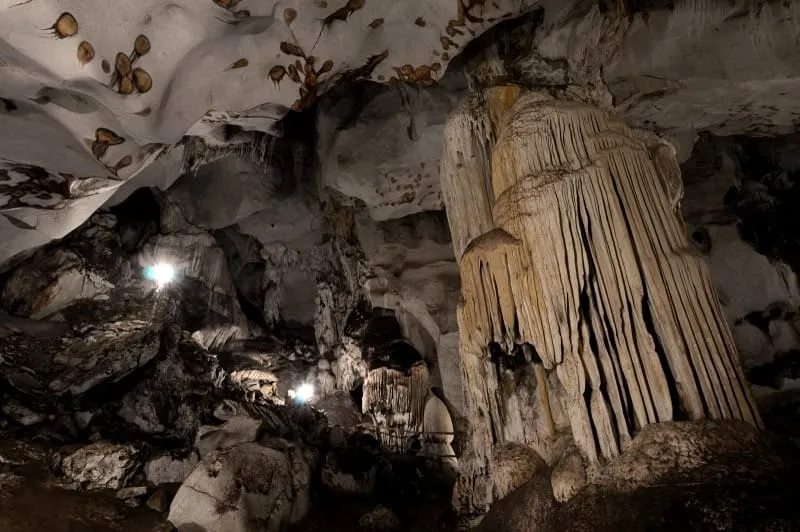
A cave temple inside a limestone hill — monks live in the surrounding forest, and the cave interior has shrine rooms lit by natural shafts of light. Worth the detour from Aranyaprathet.

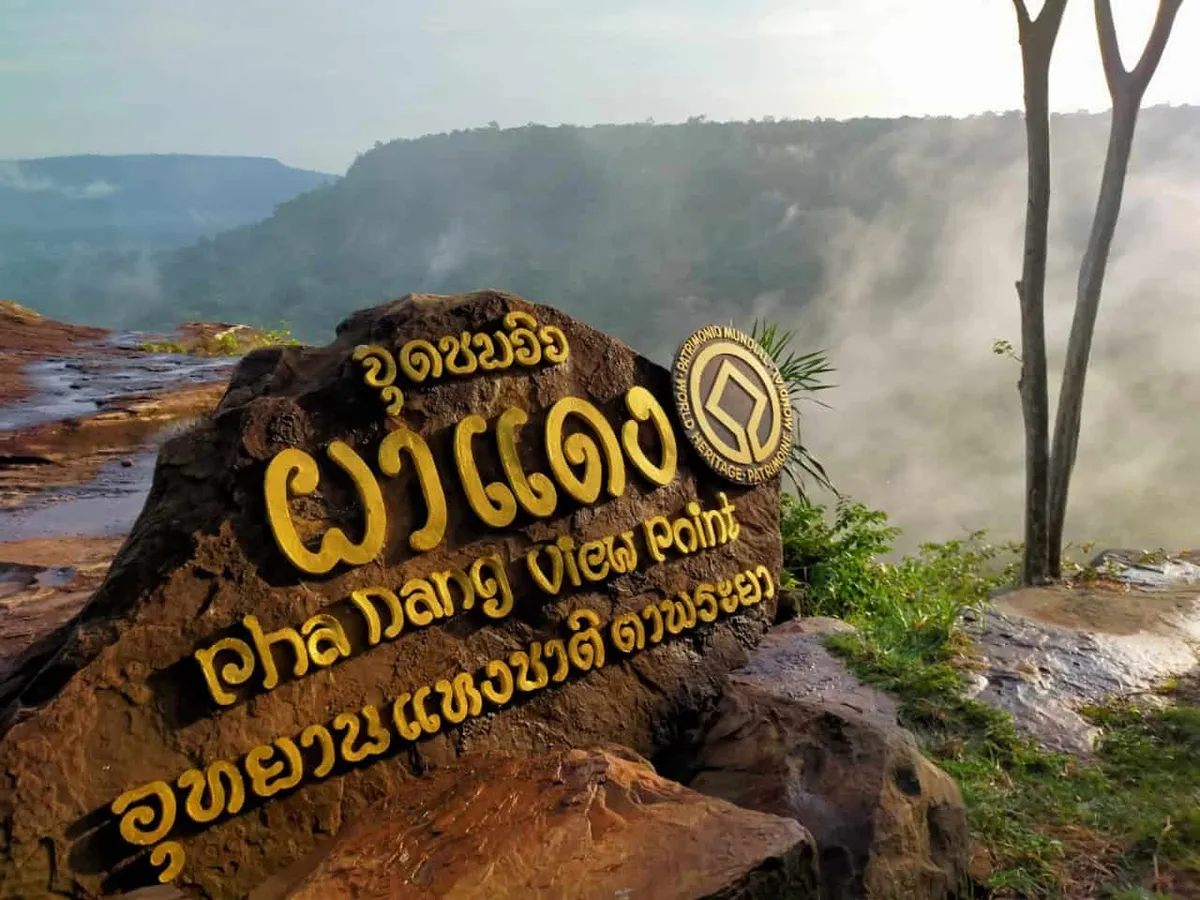
Ta Phraya National Park
A remote forest park on the Cambodian border with wildlife corridors shared across the boundary. Good for birdwatching; basic bungalows are available if you want to stay.
Get to Sa Kaeo
Buses from Bangkok's Eastern Bus Terminal reach Aranyaprathet, Sa Kaeo's main town, in around 4 hours — the standard gateway if you're heading for the Cambodian border crossing.

eSIM for Thailand
Land with data already working and skip the airport SIM queue. We tested six plans — code THAIHOLIDAY saves 10%.

Travel insurance
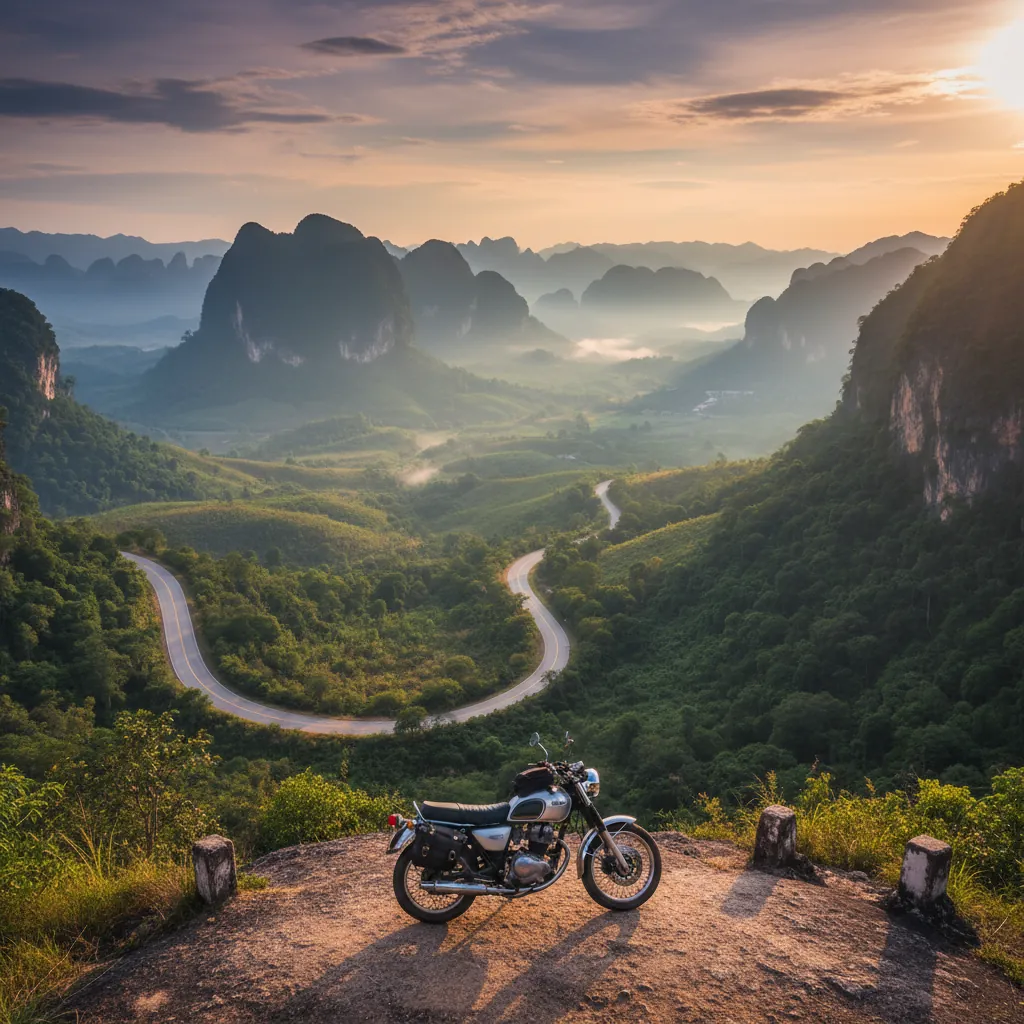
Motorbike hire is the easiest way to reach the Khmer sites and border-area parks — sort cover before you go and check the motorbike clause.
Wats, shrines & spiritual sites
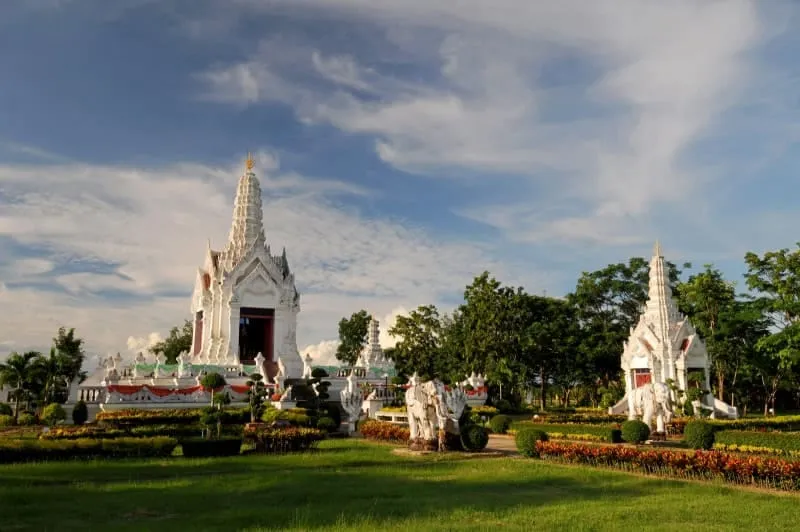
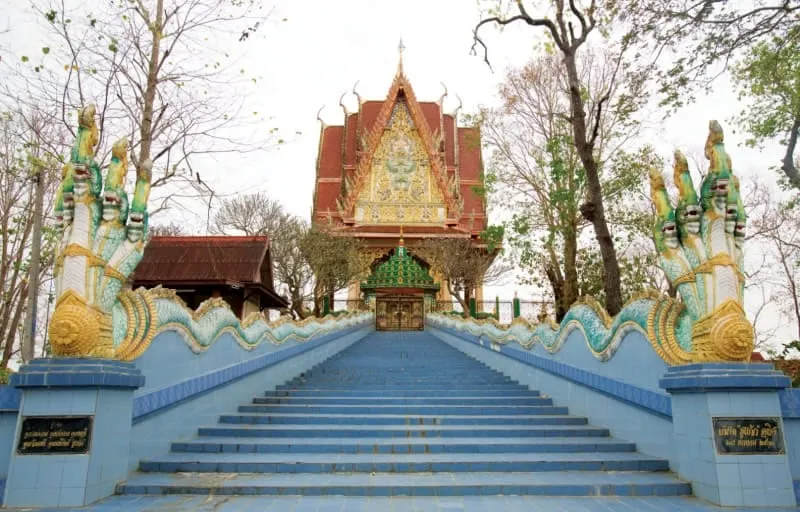
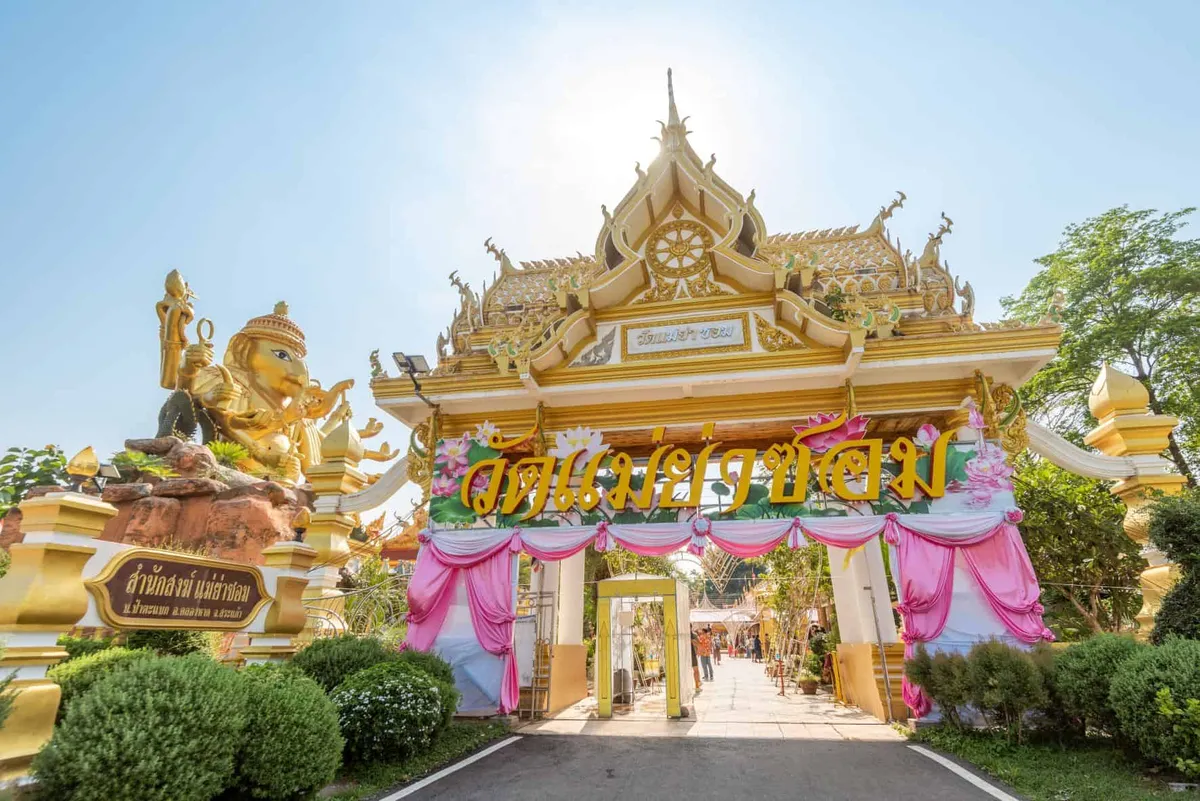
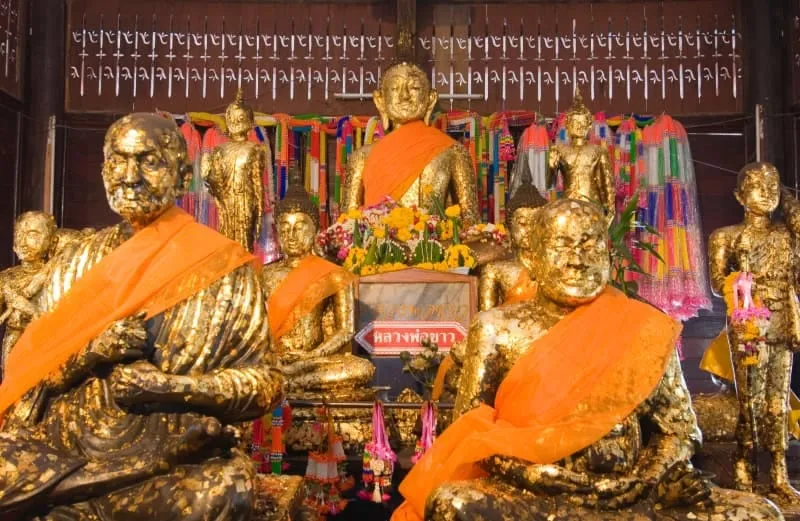
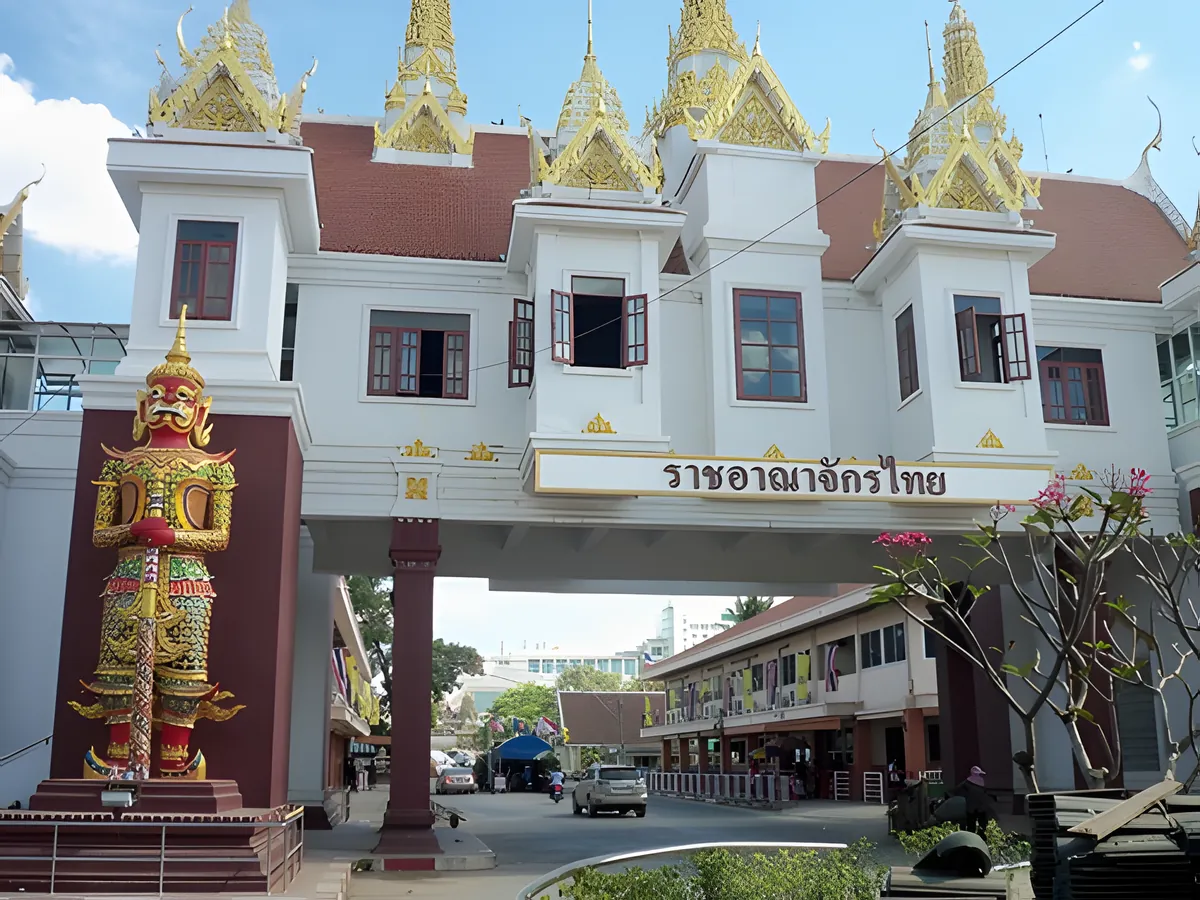
Temples in Sa Kaeo






Waterfalls, peaks, caves & parks
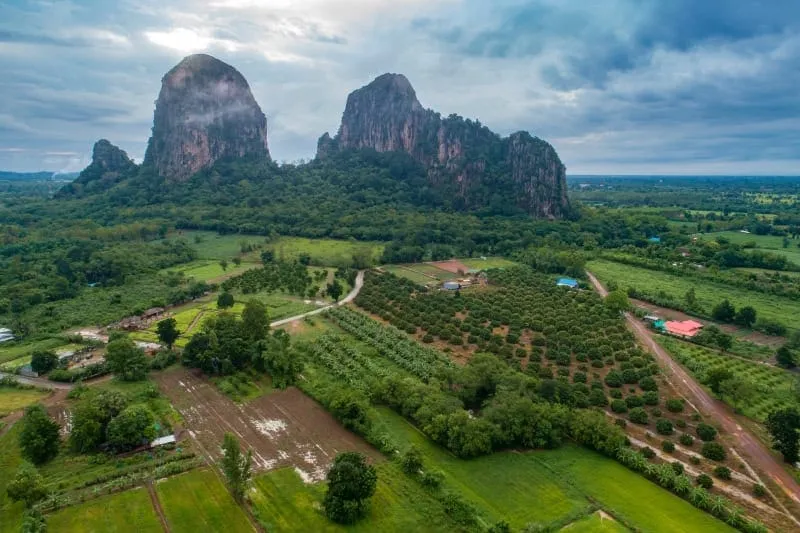
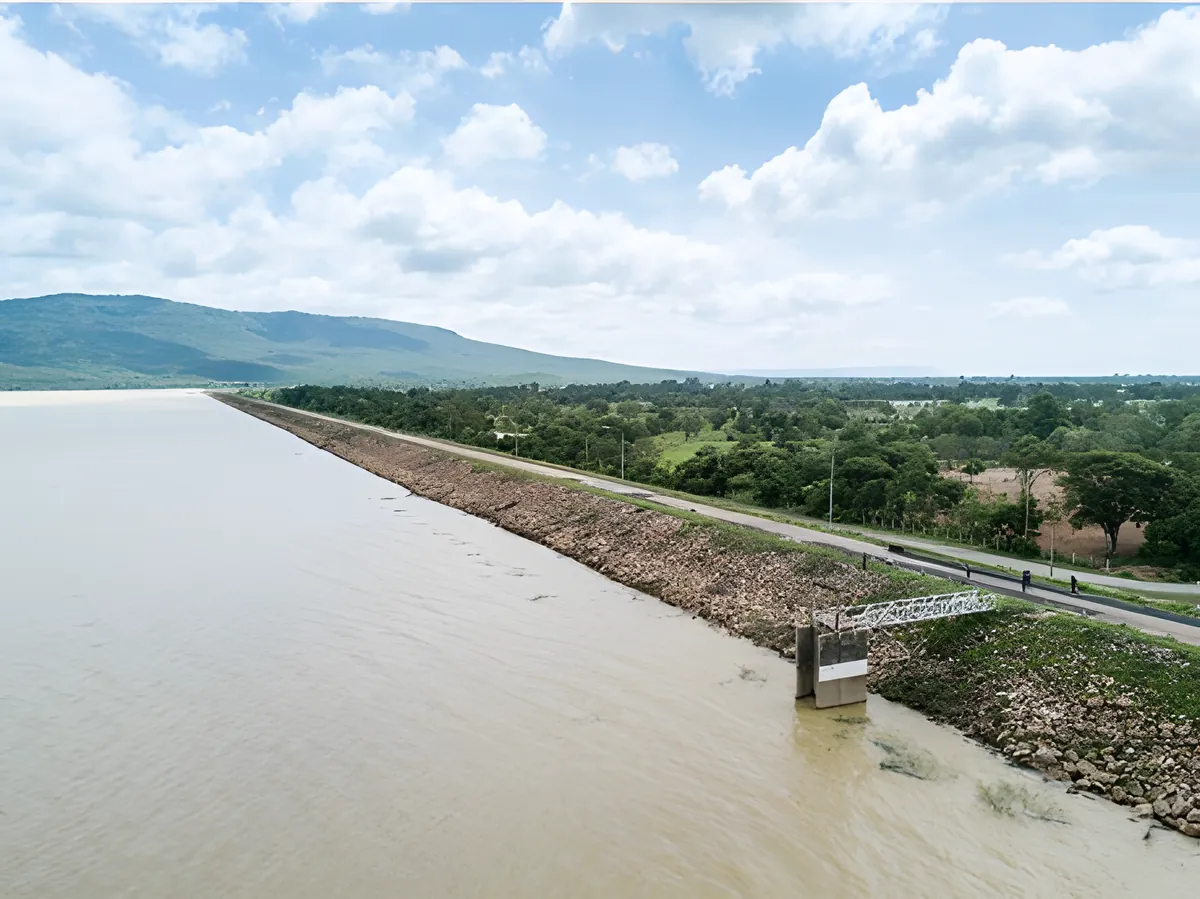
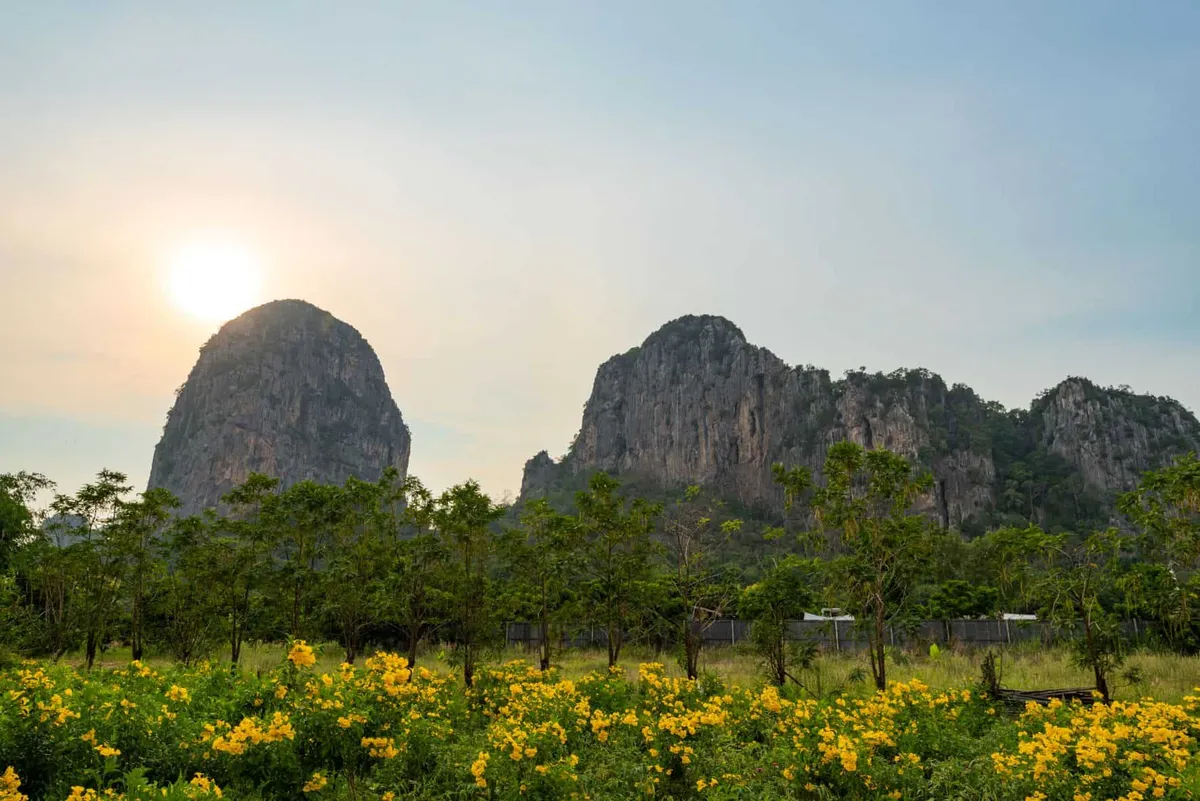
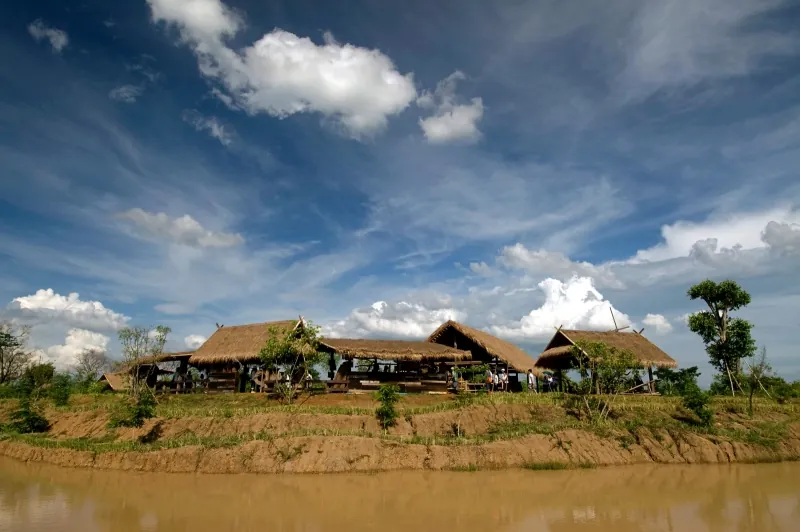
Nature & outdoors around Sa Kaeo









Museums, history & heritage
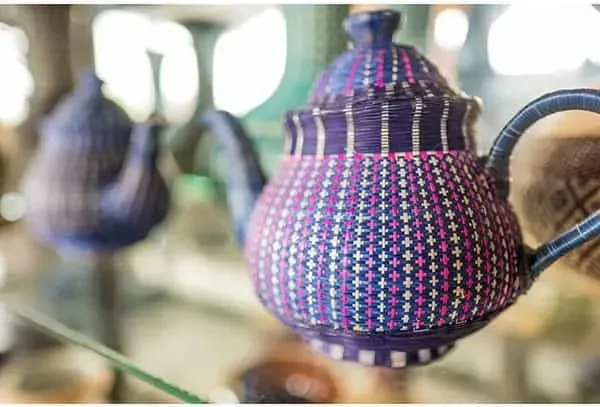
Museums & culture in Sa Kaeo









Things to do on the map
Tap a pin for details — 32 places in Sa Kaeo plotted.
When to go
Nov–Feb The dry cool season is the best window for exploring Prasat Sadok Kok Thom and the national parks — comfortable temperatures, clear forest trails, and the best butterfly congregations near Pang Sida's entrance.
Mar–May Hot before the rains, with April pushing past 34°C. The Rong Kluea border market and temple sites are still accessible but the heat is intense by midday — start early.
May–Oct Eastern monsoon season, peaking in September with around 280–300mm of rain. National park waterfalls are at full flow, but interior trails can become muddy. The Khmer temple and border market remain accessible in all but the heaviest downpours.
About Sa Kaeo
Last updated September 2026
Overview
Sa Kaeo is a flat, forested eastern province best known for the Aranyaprathet–Poipet border crossing — normally the busiest land route between Thailand and Siem Reap, though it has been closed since late June 2025 due to the Thailand–Cambodia border conflict, so the province is currently a destination in its own right rather than a transit corridor. That transit reputation understates what the province actually offers: one of the most historically important Khmer temples in Thailand, two national parks within a UNESCO World Heritage forest complex, a sprawling border market covering over 1,380 stores, and a limestone hill crawling with macaques.
The province was established on 1 December 1993 as Thailand’s 74th province (there are now 77) — one of the country’s youngest administrative units. Before that it was part of Prachin Buri. The capital, also called Sa Kaeo, sits about 200 kilometres east of Bangkok and 48 kilometres back from the Cambodian border.
The landscape is mostly flat with rice paddies and cassava fields between the towns, rising towards forested hills along the Cambodian border where the national parks sit. There are no beaches and no resort infrastructure — Sa Kaeo is a province for people interested in history, wildlife, and cross-border travel rather than seaside holidays.
Top Things to Do
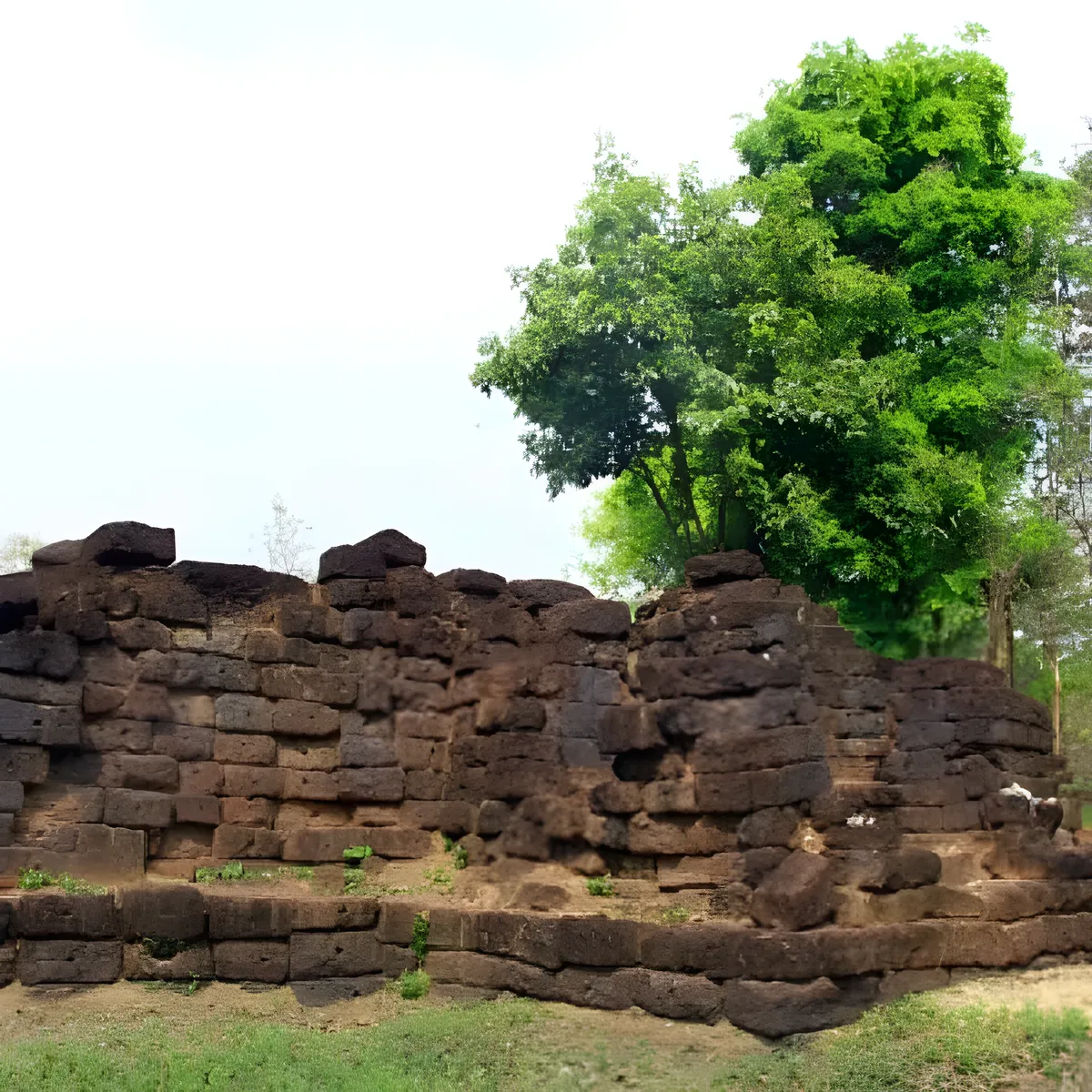
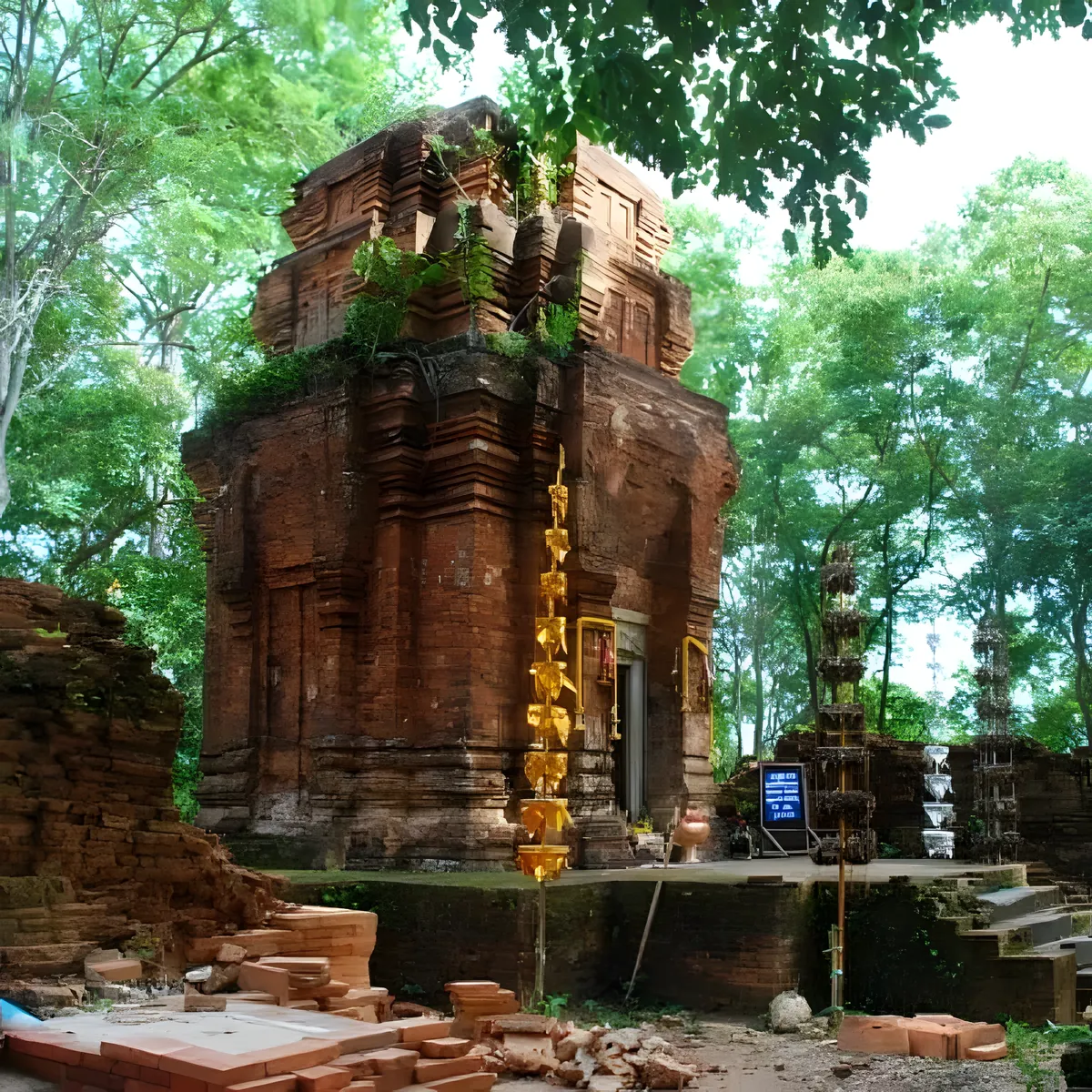
Prasat Sadok Kok Thom is the primary reason to come. This 11th-century Khmer sanctuary, about 34 kilometres northeast of Aranyaprathet, was completed during the reign of King Udayādityavarman II and built by a prominent priestly family who served as royal chaplains. The temple itself — red sandstone and laterite towers within a courtyard measuring roughly 42 by 36 metres, surrounded by a moat — is impressive, but what makes Sadok Kok Thom exceptional is the inscription found here. The sandstone stele, dated February 8, 1053 CE (classified as inscription K.235), documents two and a half centuries of Khmer royal lineage, the devarāja cult, and the social organisation of the empire across twelve rulers. It is one of the most detailed and illuminating inscriptions ever produced by the Khmer civilisation. The original stele is now held at the Prachinburi National Museum; the temple site itself has been partially restored and is managed as an archaeological park with a small museum on site.
Rong Kluea Market is an experience that doesn’t quite fit any standard category. Over 1,380 stores line the border zone at Aranyaprathet — in normal times more than 2,000 vendors cross from Cambodia each morning to set up second-hand goods (clothing, electronics, tools, and household items from Japan, South Korea, the US, and further afield), though the border closure in force since June 2025 has cut off the Cambodian vendors and left the market much quieter than usual; check locally before making a special trip. The market covers several kilometres. A golf buggy hire is worth considering. The Golden Gate Plaza covered section has more organised retail; the open-air sections are the real draw for second-hand hunting. The market is busiest early morning through midday.
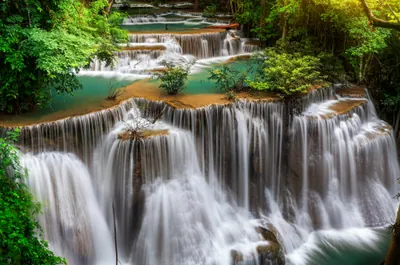
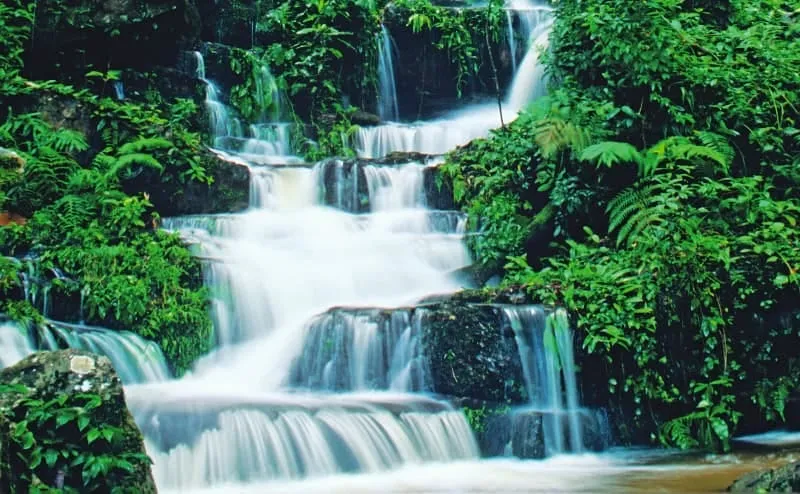
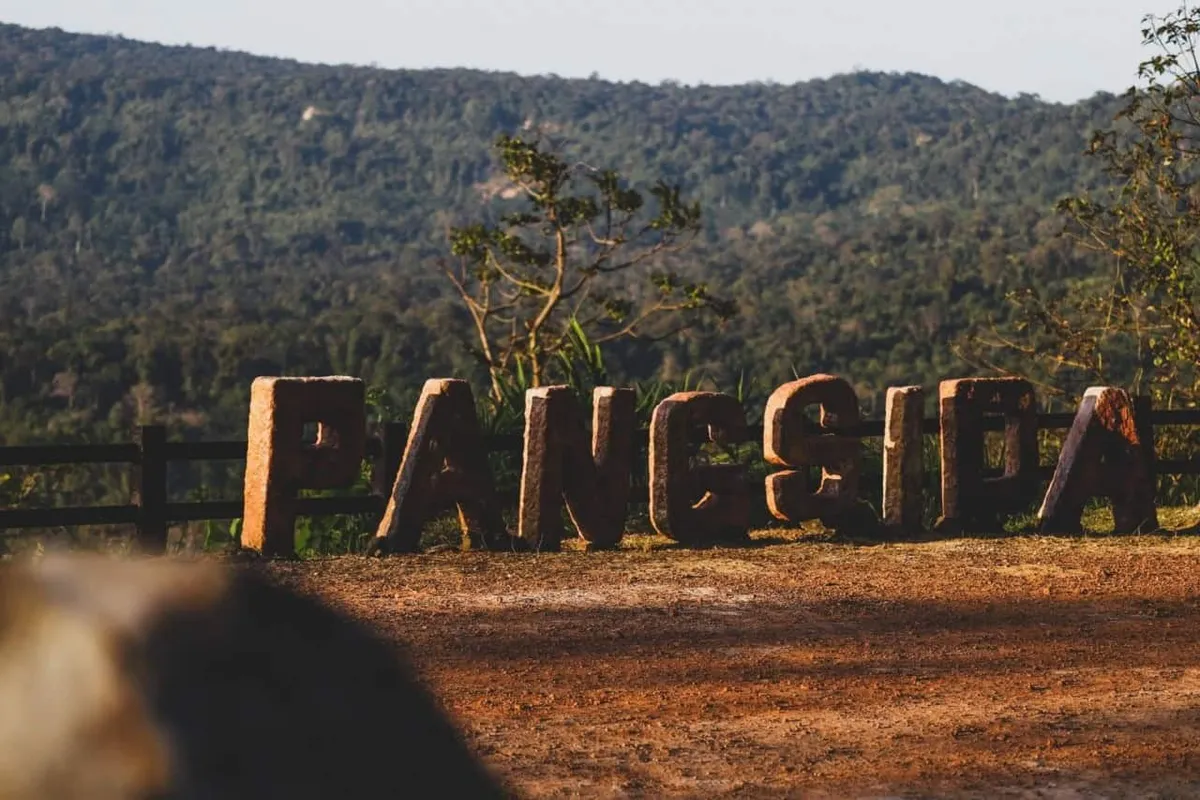
Pang Sida National Park covers 844 square kilometres of the Dong Phayayen–Khao Yai Forest Complex, a UNESCO World Heritage Site. The park is known for two things above others: its waterfalls and its butterflies. Pang Sida Falls, a multi-tier waterfall, is accessible on a short trail from the visitor centre. The butterfly congregation zone within 2 kilometres of the entrance draws hundreds of individuals on good days, with species diversity highest from October through February. The forest also supports Asian elephants, gaur, dholes, and critically endangered Siamese crocodiles, though large mammal sightings require patience and early starts.
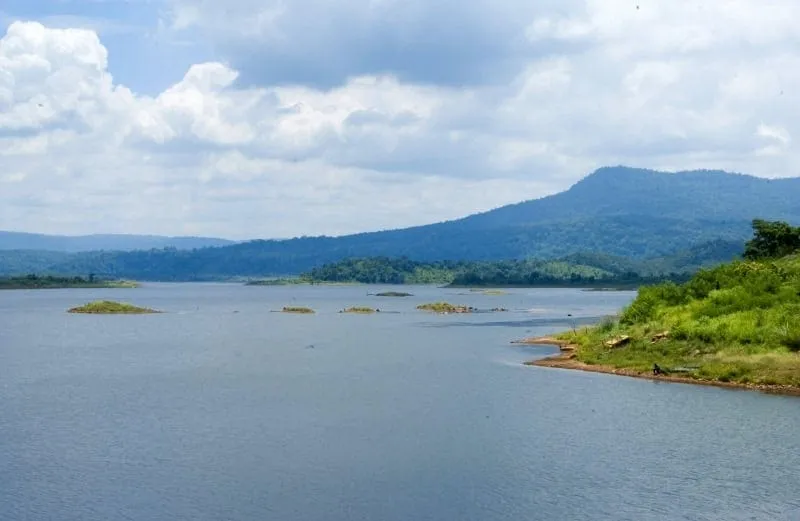
Ta Phraya National Park, east of Pang Sida and closer to the Cambodian border, covers 594 square kilometres within the same UNESCO forest complex. It is less visited than Pang Sida and has a wilder feel. The park is a stronghold for the Siamese rosewood, a critically endangered timber species heavily targeted by illegal loggers. Wildlife — including elephants and various primates — moves between Ta Phraya and the Cambodian forests along the border ridge.
Wat Tham Khao Chakan sits at the foot of a limestone hill in Khao Chakan district, about 50 kilometres north of Aranyaprathet. The hill, reaching roughly 240 metres at its highest point, is home to around 2,000 crab-eating macaques. The temple is active, the monkeys are habituated to visitors, and steep wooden stairs lead up through cave formations to a viewpoint at the summit. It is a compact half-day stop, best combined with the Khao Chakan Arboretum — a protected woodland plot managed by the Department of National Parks.
Prasat Baan Noi and Prasat Mueang Phai are smaller Khmer ruins elsewhere in the province, worth visiting if you have a strong interest in the Angkorian heritage trail. Neither approaches Sadok Kok Thom in scale or historical importance, but together they reinforce how thoroughly the Khmer empire used this corridor.
Where to Stay
Sa Kaeo town and Aranyaprathet both have modest hotels and guesthouses at low prices. Aranyaprathet traditionally served as a one-night transit stop for travellers crossing into Cambodia, though with the border closed since June 2025 that traffic has stopped. Sa Kaeo town offers slightly more choice and a calmer atmosphere, and is the better base for day trips to the national parks. Neither location has luxury resort options. Most visitors doing the province seriously will self-drive or hire a car — public transport between the main sights is limited.
Getting There
From Bangkok, Highway 33 runs directly east to Sa Kaeo and Aranyaprathet — roughly 3.5 to 4 hours to the provincial capital, and around 4.5 hours to Aranyaprathet. The Eastern Line train from Bangkok’s Hua Lamphong station runs twice daily, departing at 05:55 (arriving Aranyaprathet 11:30) and 13:05 (arriving 18:20). The train journey takes around 5.5 hours to Aranyaprathet, passing through Sa Kaeo station along the way. Buses from Mo Chit Northern Bus Terminal take 4 to 5 hours to Aranyaprathet.
Within the province, a hired car or self-drive vehicle is the most practical option. Songthaews (shared pickups) connect the main towns but do not serve the national parks directly. Aranyaprathet is normally the transport hub for Cambodia crossings, but the border checkpoint has been closed since June 2025.
Best Time to Visit
Sa Kaeo has an eastern Thailand climate: the wet season runs from around May through October, with the heaviest rainfall in September (typically 280–300mm). The dry cool season from November through February is the most comfortable period for sightseeing — pleasant temperatures, clear skies over the national parks, and the best conditions for the butterfly zone at Pang Sida. The forest parks are accessible year-round, but trails become muddy and slippery in the heavier monsoon months.
March and April are hot, regularly pushing past 34°C, and outdoor activities at the national parks or the Khmer temple site are best tackled before 10am. There is no burning-season smoke issue in Sa Kaeo — the province sits far enough east that the February–April agricultural burning haze affecting northern and western Thailand does not reach here in any meaningful way.
Frequently Asked Questions about Sa Kaeo
How do I get to Sa Kaeo from Bangkok?
What is the best time of year to visit Sa Kaeo?
How long do you need in Sa Kaeo?
Can I cross into Cambodia at Aranyaprathet?
Is Pang Sida National Park worth visiting?
Spotted something out of date or incorrect? Let us know
Plan your
Sa Kaeo trip