

Prachin Buri
ปราจีนบุรี
Ancient Dvaravati city, Thailand's oldest known bodhi tree, two UNESCO-listed national parks, and the quieter southern approach to Khao Yai.
Recommended by us
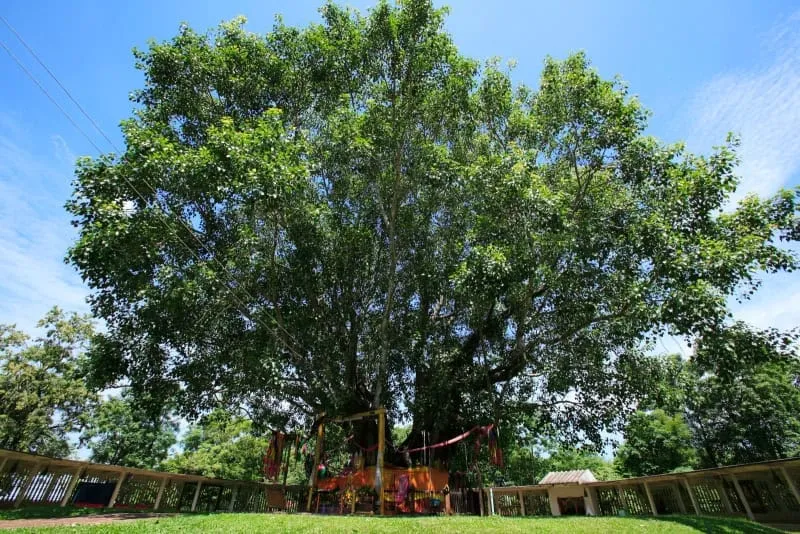
The Great Bodhi Tree
Said to be grown from a cutting of the original Bodhi tree in Sri Lanka — one of Thailand's most revered. Dress modestly and arrive in the cool of the morning.

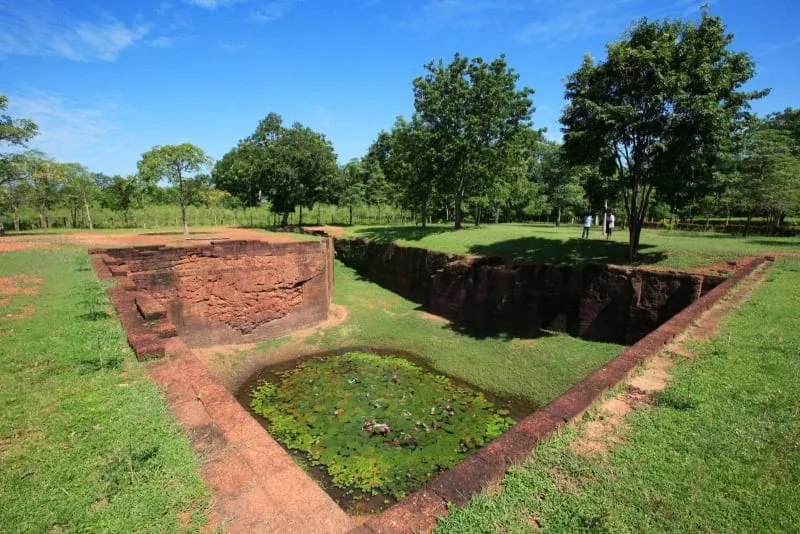
Si Mahosot Ancient Town
A Dvaravati-era settlement dating back over 1,000 years — one of the oldest urban sites in central Thailand. Quietly impressive if ancient history is your reason for being here.

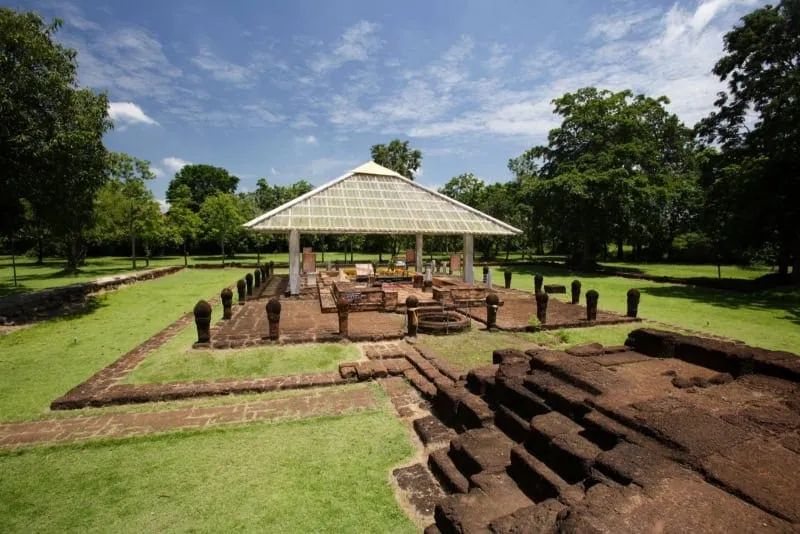
Sa Morakot Archaeological Site
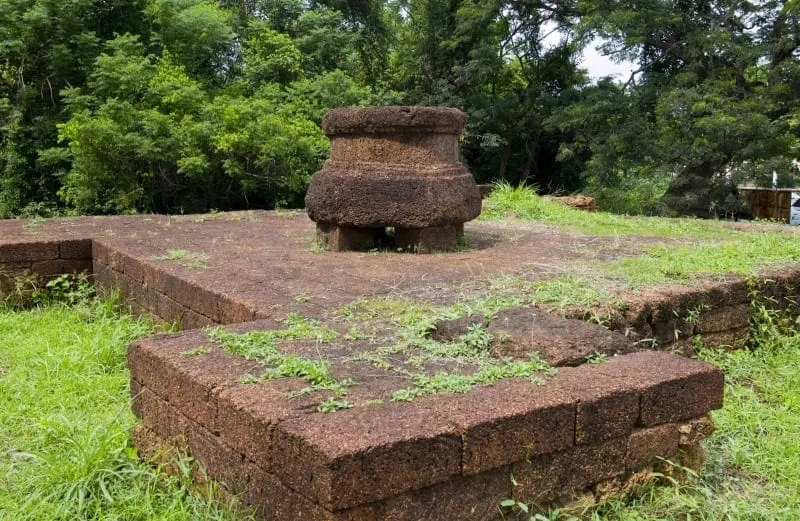
An ancient pond and excavation site tied to the Dvaravati period. Uncrowded on weekdays and gives context to the wider Si Mahosot complex nearby.

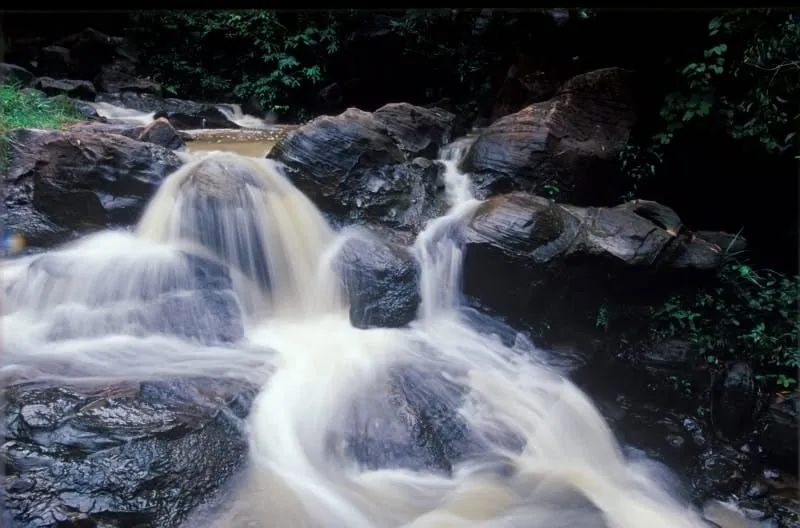
Namtok Khao Ito
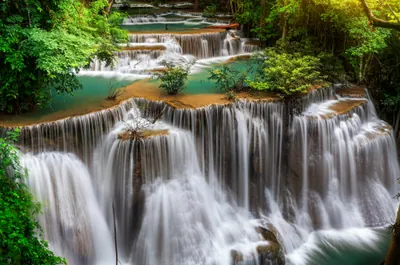
The most accessible natural escape near Prachin Buri town — a tiered waterfall in a forested park. Better after the rains (July–October) when the flow is strong.

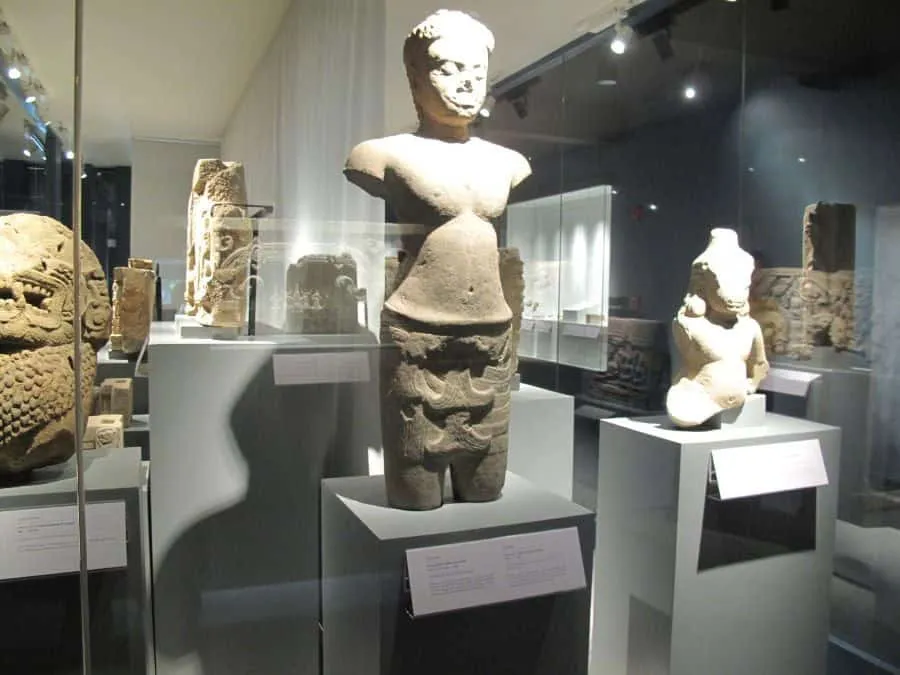
Prachin Buri National Museum
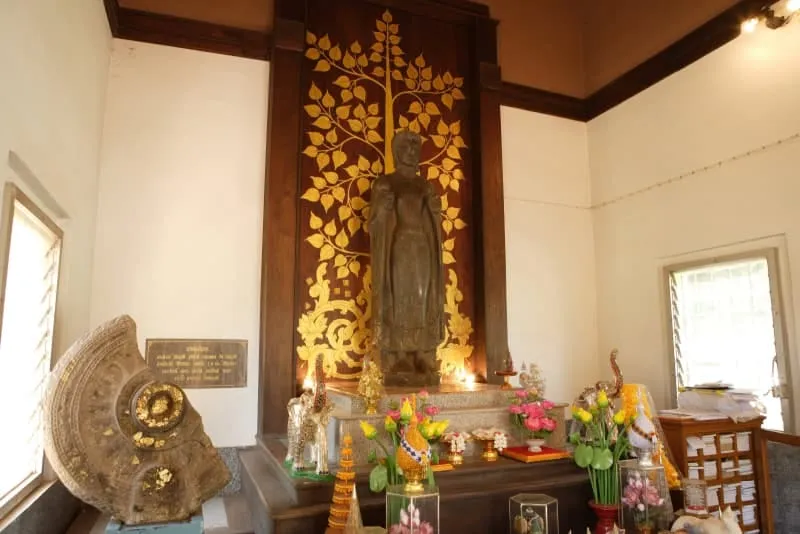
The place to understand the province's deep Dvaravati and Khmer past — bronze Buddhas and ancient stoneware in a well-kept provincial museum.

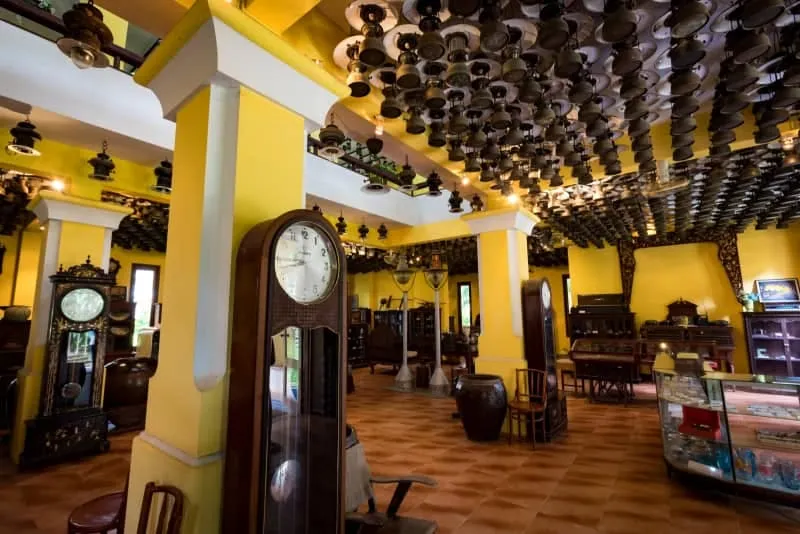
Yu Suk Suwan Museum
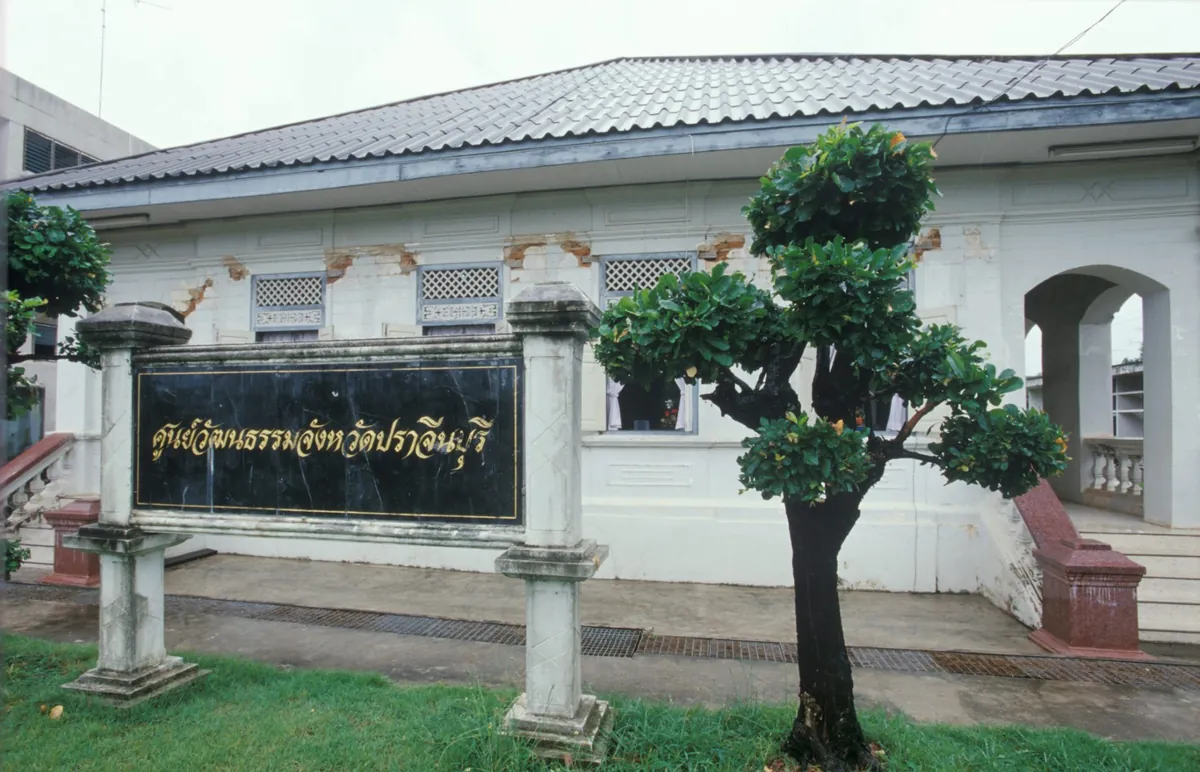
A local history collection with folk artefacts and provincial exhibits — small, free, and useful for context before exploring the ancient sites.
Get to Prachin Buri
Buses from Bangkok's Ekamai terminal reach Prachin Buri in around 2–3 hours — a manageable day trip from the capital.

eSIM for Thailand
Land with data already working and skip the airport SIM queue. We tested six plans — code THAIHOLIDAY saves 10%.

Travel insurance
Even a straightforward provincial trip can turn into a hospital visit — sort cover before you go.
Wats, shrines & spiritual sites
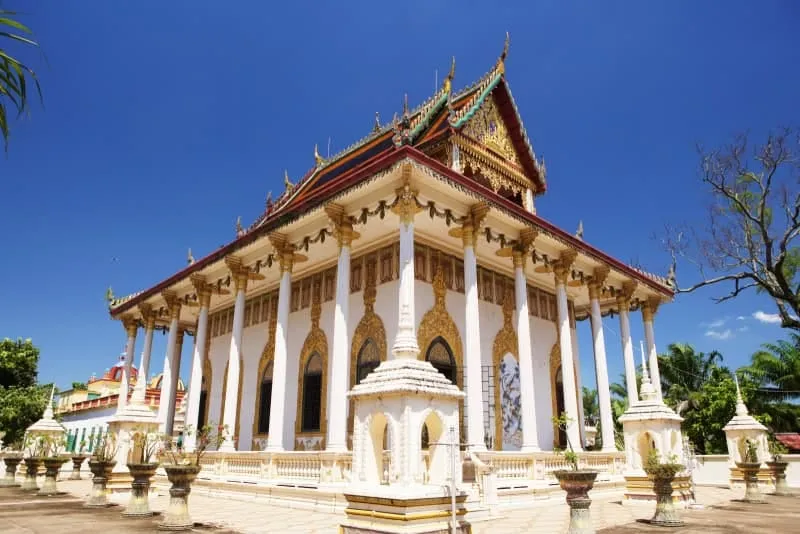
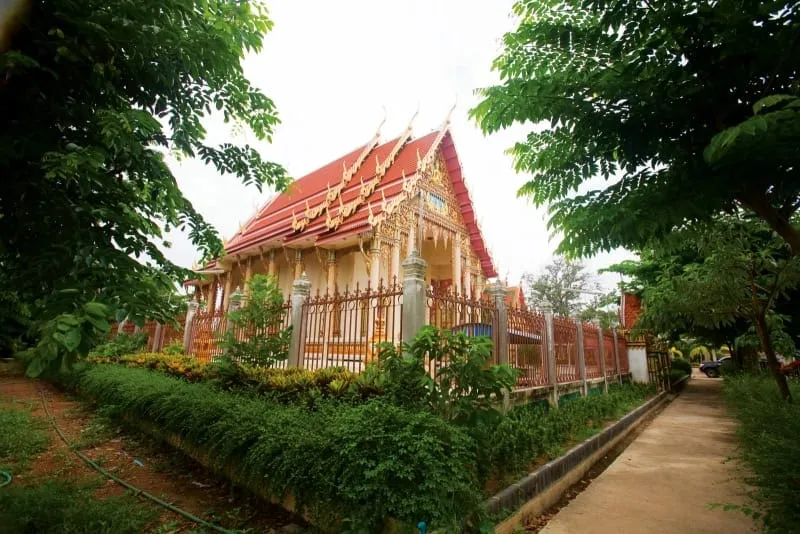
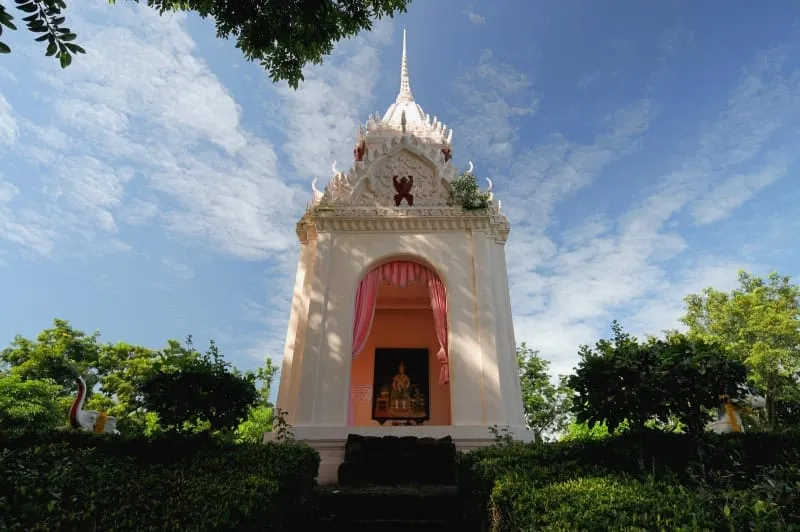
Temples in Prachin Buri





Museums, history & heritage
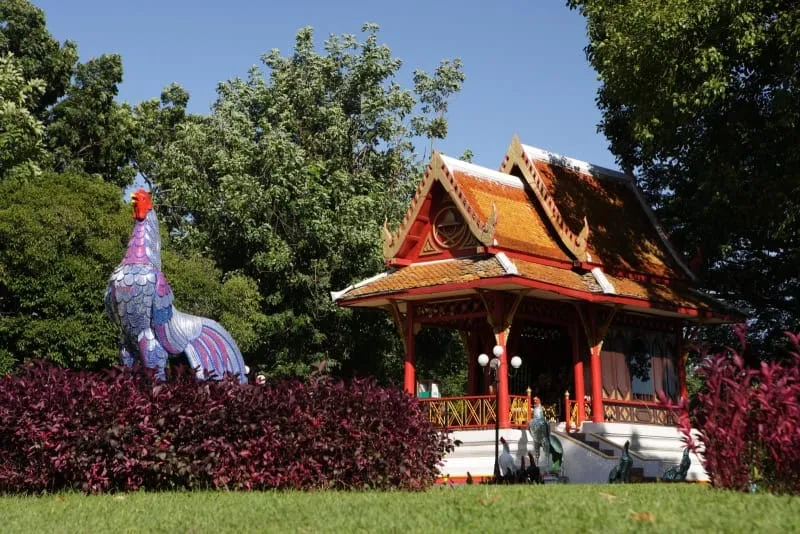
Museums & culture in Prachin Buri







Things to do on the map
Tap a pin for details — 19 places in Prachin Buri plotted.
When to go
Nov–Feb Cool and dry — the best window for the ancient sites, forest walks in Thap Lan, and using the southern Khao Yai entrance. The Dasada flower exhibitions typically run through these months.
Mar–Apr Hot season on the eastern plains before the rains. Si Mahosot and the bodhi tree are manageable early in the morning; temperatures regularly exceed 35°C by midday.
May–Oct Eastern monsoon brings rain from May with September the wettest month (around 317mm). Waterfalls in Thap Lan and Namtok Khao Ta Krup are at their most dramatic; dirt roads in both parks can become impassable after heavy rain.
About Prachin Buri
Last updated September 2026
Overview
Prachin Buri — literally “city of the east” — sits about 135 kilometres east of Bangkok along the Aranyaprathet railway line, and most travellers pass it without stopping. That is worth reconsidering. The province has one of the more unusual combinations of historical depth and natural cover in central Thailand: a 6th-century Dvaravati port city, what is regarded as the oldest living bodhi tree in the country, and two national parks that form part of a UNESCO World Heritage forest complex.
The provincial capital is a working Thai town with a river and a handful of functional guesthouses — no resort infrastructure, no tourist crowds. The sights are spread across the province, so a hire car makes the most of a visit, but the train from Bangkok is a reasonable way to arrive.
Two national parks cover a significant portion of the province’s western hills. Thap Lan is Thailand’s second largest national park at roughly 2,236 square kilometres, and together with Khao Yai, Pang Sida, Ta Phraya, and Dong Yai Wildlife Sanctuary, it forms the Dong Phayayen–Khao Yai Forest Complex inscribed as UNESCO World Heritage in 2005. The Prachin Buri side of Khao Yai also provides access to Heo Narok, the park’s tallest waterfall at 150 metres, via the southern (Noen Hom) entrance — a quieter approach than the main Pak Chong gate in Nakhon Ratchasima.
Top Things to Do
Si Mahosot Ancient Town is the most archaeologically significant site in the province. The ancient city dates to the Dvaravati period (6th–11th centuries CE) and was once a substantial port town on the Prachinburi River, with access to both overland and river trade routes. The walled settlement covered around 700 rai and is surrounded by a moat 16 to 20 metres wide. More than 100 archaeological sites have been identified within and around the town, and excavations have produced Indian pottery, Chinese porcelain spanning the Tang through Yuan dynasties, Persian utensils, and Carnelian beads — evidence of the city’s wide trading connections. Si Mahosot is also noted for containing Thailand’s oldest known Buddha footprint replica. The on-site museum is a good starting point before walking the moated earthwork remains.
Ton Pho Si Maha Pho (The Great Bodhi Tree) stands at Wat Ton Pho Si Maha Pho in the district of Si Maha Phot. Believed to be a direct descendant of the sacred tree at Bodh Gaya, India — under which the Buddha attained enlightenment — the tree is over 2,000 years old, 30 metres tall, and has a trunk circumference of 20 metres. It is the provincial symbol of Prachin Buri and a place of genuine religious importance. Thai Buddhist pilgrims visit throughout the year; the atmosphere is quiet and contemplative rather than touristic.
Thap Lan National Park covers the forested Sankamphaeng Range and takes its name from the vast groves of lan palms (Corypha lecomtei) that spread across the landscape — a plant formation found in few other places in Thailand. The park’s headquarters are in Na Di district on the Prachin Buri side, accessed from Highway 304 via Kabin Buri. Namtok Thap Lan waterfall, the Lan Forest and Recreational Garden, and the Thap Lan Reservoir are the main visitor points. The park is also one of only two confirmed tiger refuges in Thailand — a population of at least 18 tigers was documented here in 2017.
Khao Yai’s southern entrance and Heo Narok waterfall can be reached from Prachinburi town via Highway 33 and the Noen Hom junction. The second park gate at Noen Hom is the start of the road south through the park; Heo Narok waterfall — 150 metres high, falling in three tiers — lies about 21–22 kilometres from the gate. This southern approach through Prachin Buri is significantly less trafficked than the main Pak Chong entrance and is worth using if you want a quieter experience of the park.
Namtok Khao Ta Krup is a waterfall within easier reach of the provincial capital, making it a practical short excursion. It is most impressive during the wet season when the flow is at its peak.
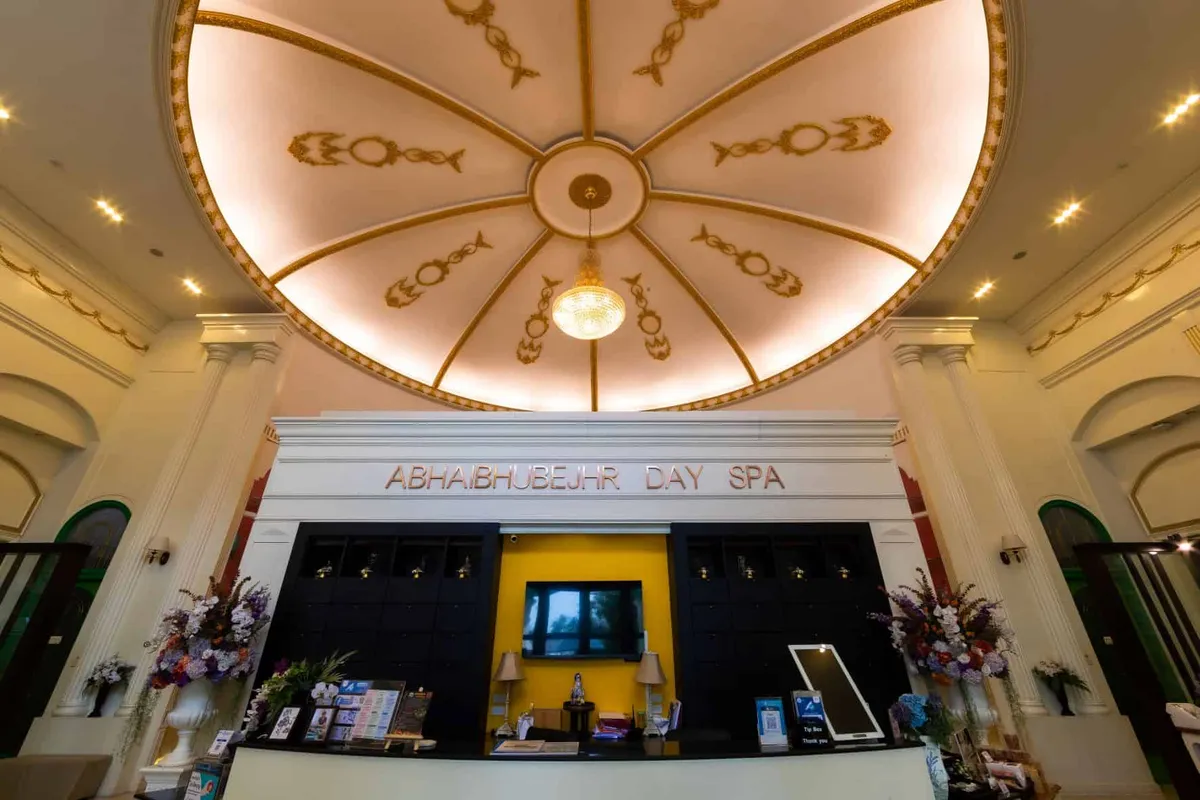
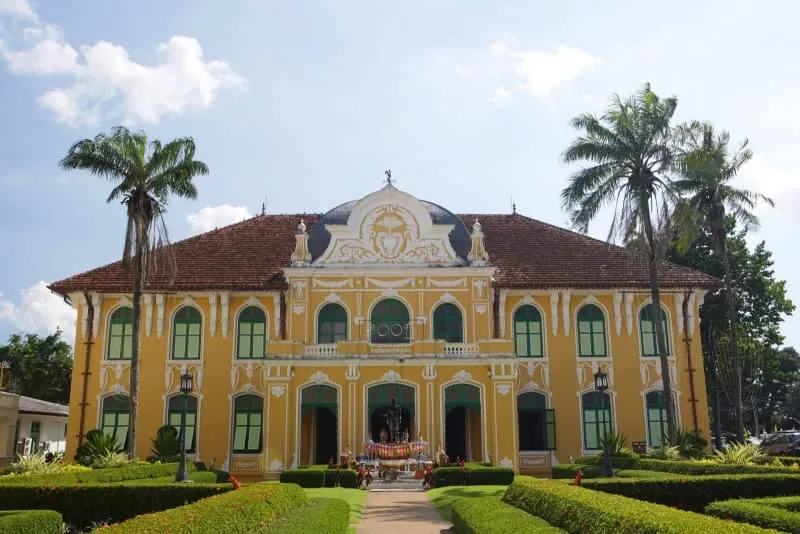
Chao Phraya Abhaibhubejhr Hospital and Herbal Medicine Museum occupies a European baroque building constructed in 1909 by Chao Phraya Abhaibhubejhr as a reception palace to host King Rama V, who died before he could visit. The building was later repurposed as a hospital, and in 1994 an herbal medicine museum was established within it. The museum displays an old-style Thai pharmacy with dispensing counters, collections of medicinal herbs, traditional reference texts, and preserved specimens — including glass jars of scorpions and snakes once used in treatments. The hospital still operates a traditional Thai medicine clinic offering massage, acupuncture, herbal compresses, and steam therapies. Admission is free; open 08:30–16:00 daily.
Dasada Gallery is a flower and art gallery set at the base of the hills leading to Khao Yai, in Noen Hom sub-district. The gallery stages seasonal flower exhibitions — typically running through the cool season months — featuring phalaenopsis orchids, hydrangeas bred specifically by Dasada, chrysanthemums, and gerberas, along with a dining greenhouse and art installations. The annual Dasada Flower Festival draws visitors from Bangkok and is one of the more distinctive events in the eastern region.
Sa Morakot Archaeological Site and other sites in the Si Mahosot area — including the Phan Hin Ancient Monument and the Royal Handwriting Monument — add further depth to a day spent in the ancient city zone. The cluster of archaeological remains here rewards a slow half-day with some walking between sites.
Where to Stay
Prachinburi town has a modest range of guesthouses and small hotels suited to overnight stays before national park visits. There are no international chains in the provincial capital, and the accommodation stock is functional rather than comfortable — rates are low by Thai standards. The Pruksa Resort is one of the more comfortable options available.
For visitors combining Thap Lan or Khao Yai with an overnight, some simple accommodation is available near the Noen Hom area and in Kabin Buri district. Dasada Gallery operates resort-style accommodation near the Khao Yai entrance, which is a quieter and more scenic base than the town itself.
Getting There
From Bangkok, Highway 304 east leads directly to Prachinburi in around two hours. Trains on the eastern (Aranyaprathet) line depart Bangkok’s Hua Lamphong station and reach Prachinburi in approximately two hours; there are multiple daily services. The station is a short distance from the town centre. Buses from Ekkamai (Eastern Bus Terminal) also cover the route.
For onward travel within the province, a hire car or motorbike is essential for reaching Si Mahosot (in Si Maha Phot district, about 30 kilometres from the capital), Thap Lan National Park, and the Khao Yai southern entrance.
Best Time to Visit
Prachin Buri follows the eastern Thailand climate pattern: wet from May through October with September the heaviest month (around 317mm), then dry and cooling from November through February. The cool season is the most comfortable time for the ancient sites and national park visits, and the Dasada flower exhibitions typically fall in this window.
March and April are hot ahead of the rains — manageable with early starts, but the midday heat at outdoor sites like Si Mahosot is intense. During the wet season, the waterfalls in Thap Lan and Namtok Khao Ta Krup are flowing strongly, but check road conditions before heading into either park — interior tracks can become impassable after heavy rain. The provincial capital and the main town sights are accessible year-round regardless of season.
Frequently Asked Questions about Prachin Buri
How do I get to Prachin Buri from Bangkok?
What is the best time of year to visit Prachin Buri?
How long do you need in Prachin Buri?
How do I get around Prachin Buri province?
What is special about the Ton Pho Si Maha Pho bodhi tree?
Spotted something out of date or incorrect? Let us know
Plan your
Prachin Buri trip