

DepositPhotos (standard license)
Phetchaburi
เพชรบุรี
Three royal palaces, a cave temple with skylit Buddhas, Thailand's largest national park, and an old town famous for its palace-era desserts.
Recommended by us

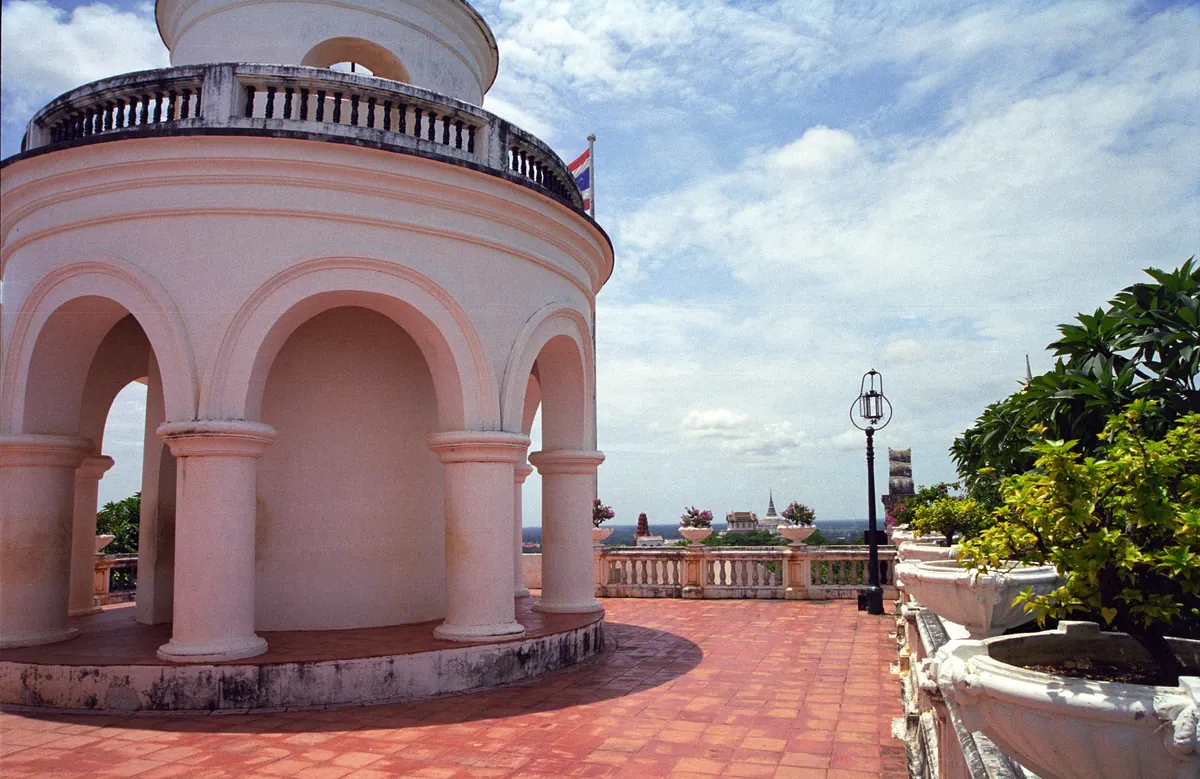
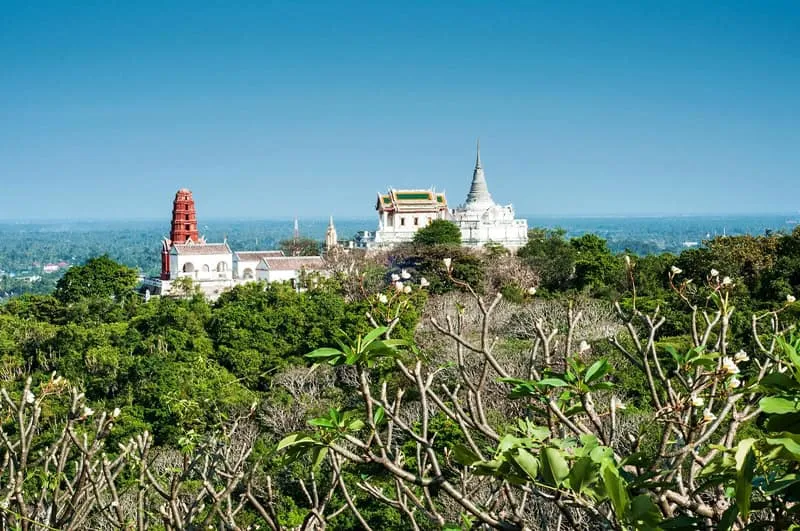
Phra Nakhon Khiri Historical Park
Three royal temples on a forested hilltop, with a cable car or a steep staircase to choose from. The 19th-century observatory at the summit is the surprise — Rama IV was a serious astronomer.

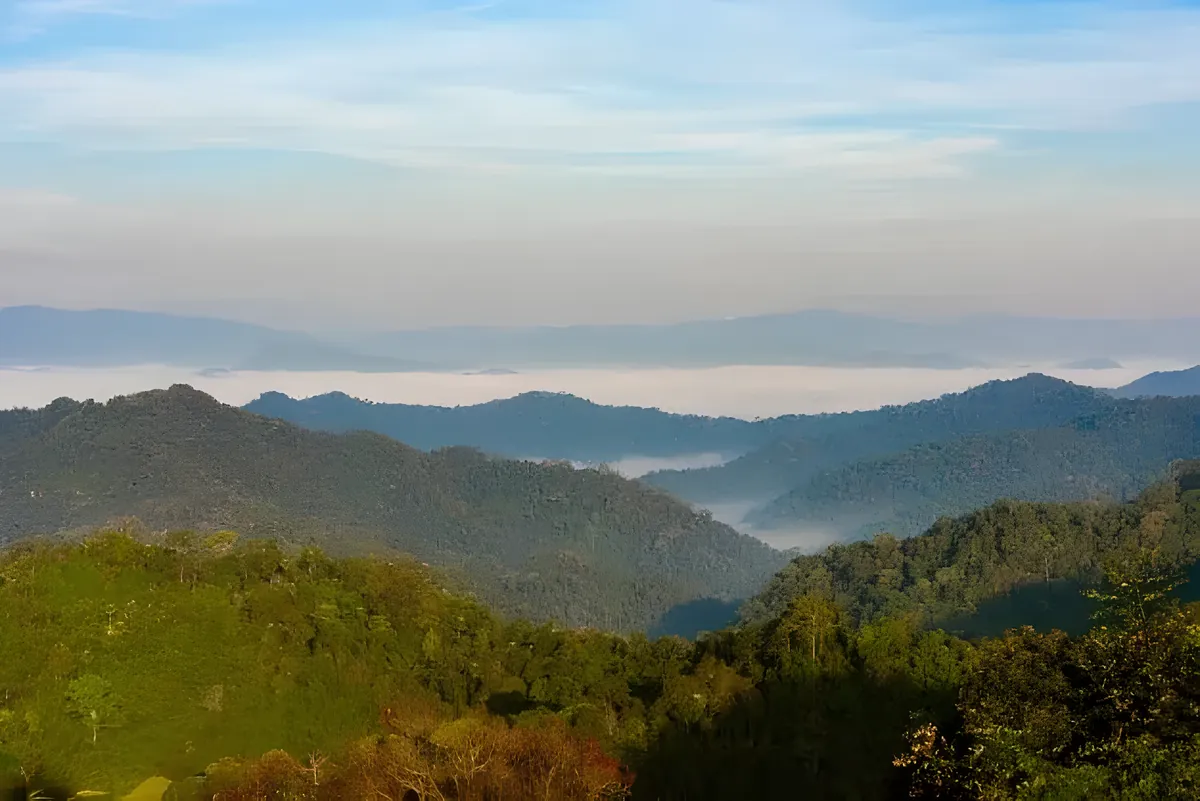
Kaeng Krachan National Park
Thailand's largest national park — over 2,900 sq km of forest on the Myanmar border with elephants, hornbills, and the highest bird diversity in the country. Hire a guide for the interior; the park is too large to navigate solo.

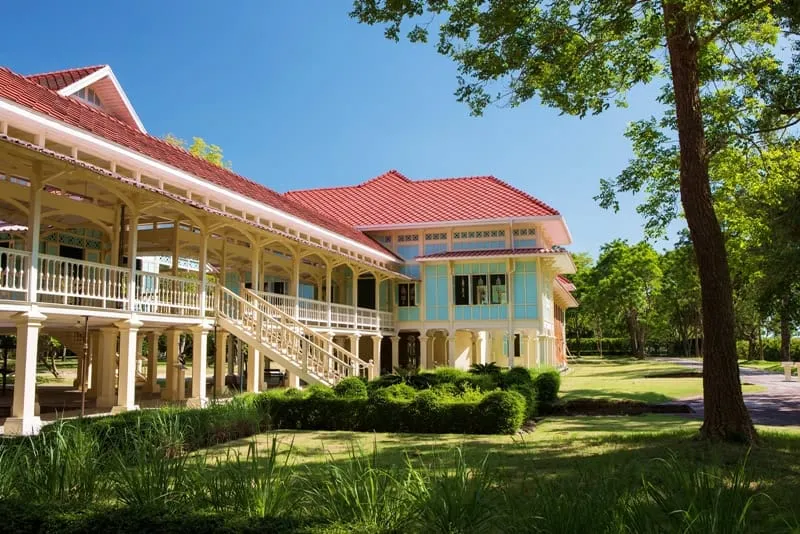
Maruekhathaiyawan Palace
A pastel-yellow teak palace built on stilts over the sea — 16 connected teak buildings across three pavilion groups, with sea breezes through every corridor. Open most days, but check before going as it closes for royal events.

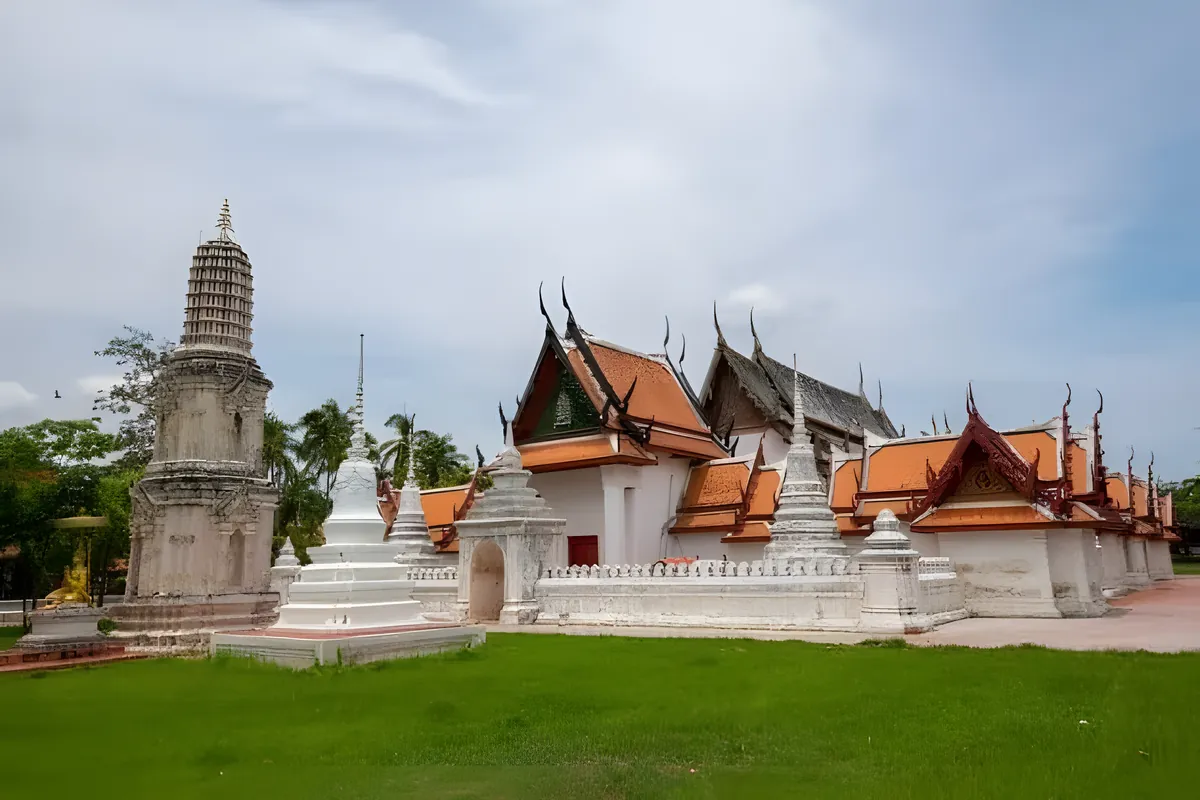
Wat Yai Suwannaram
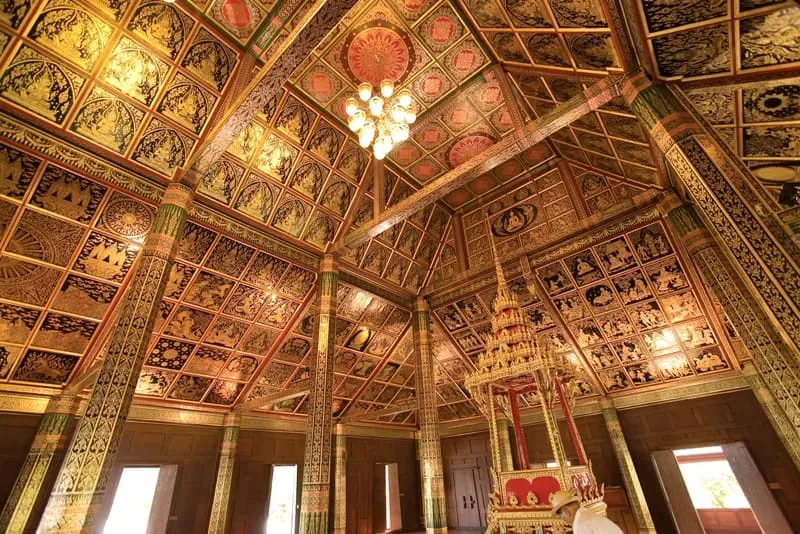
One of the finest examples of Ayutthaya-period temple murals still intact — four walls of 17th-century painting inside a single ordination hall. Worth the short detour into the old town.

Get to Phetchaburi
Around 2.5 hours by train from Bangkok — Phetchaburi station is a 10-minute songthaew ride from the hilltop palace.

eSIM for Thailand
Land with data already working and skip the airport SIM queue. We tested six plans — code THAIHOLIDAY saves 10%.

Travel insurance
Trekking in Kaeng Krachan is the main adventure here — sort cover before you go and check the hiking and wildlife-encounter terms.
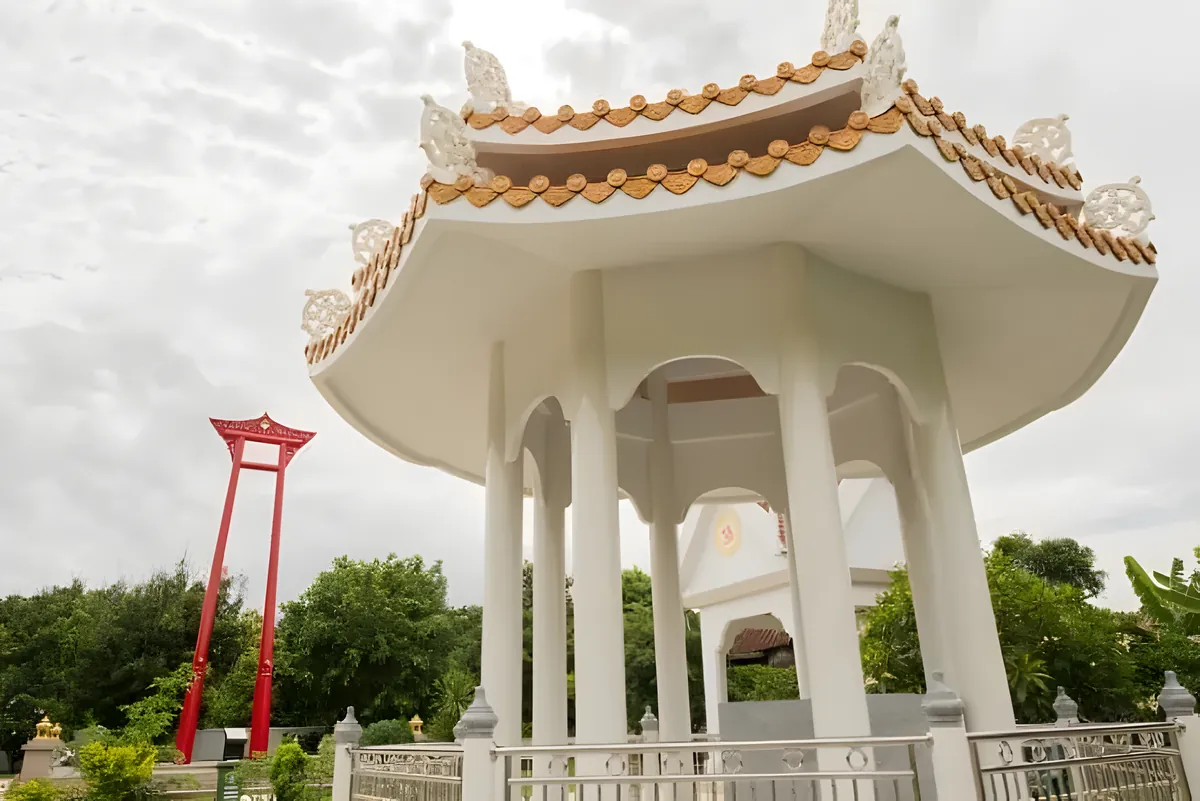
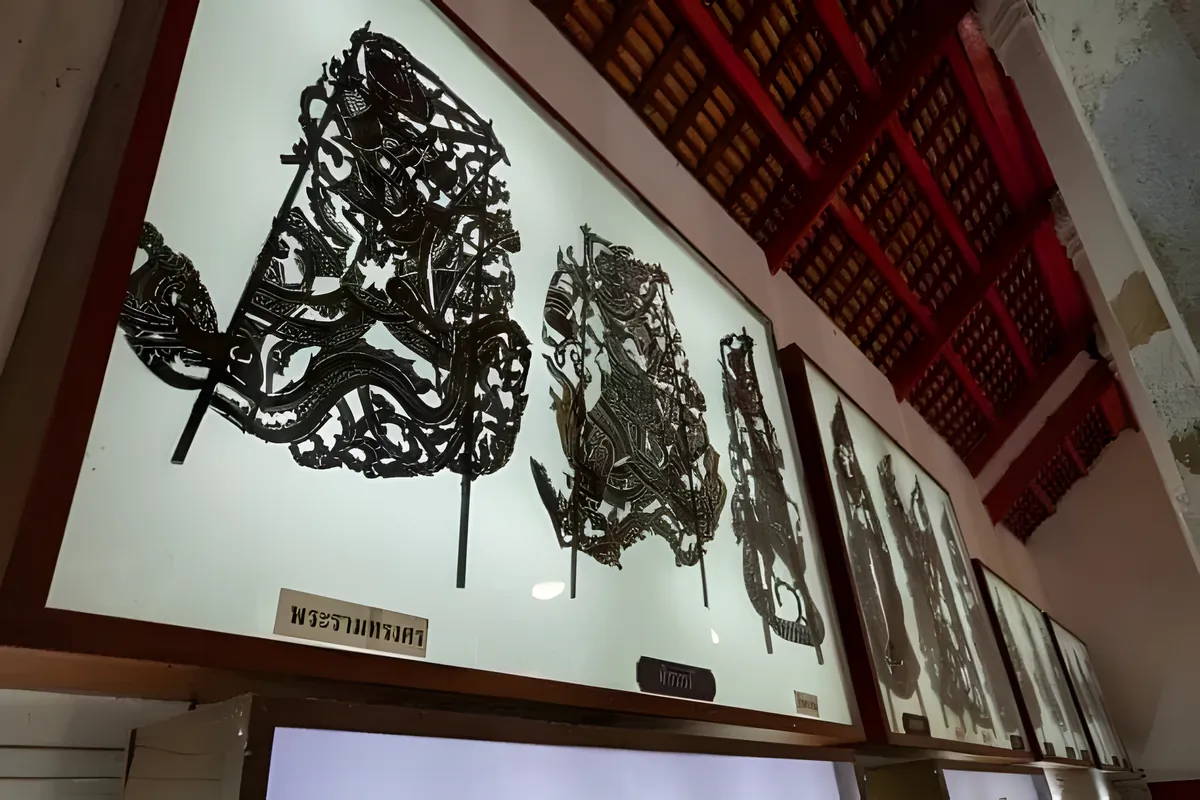
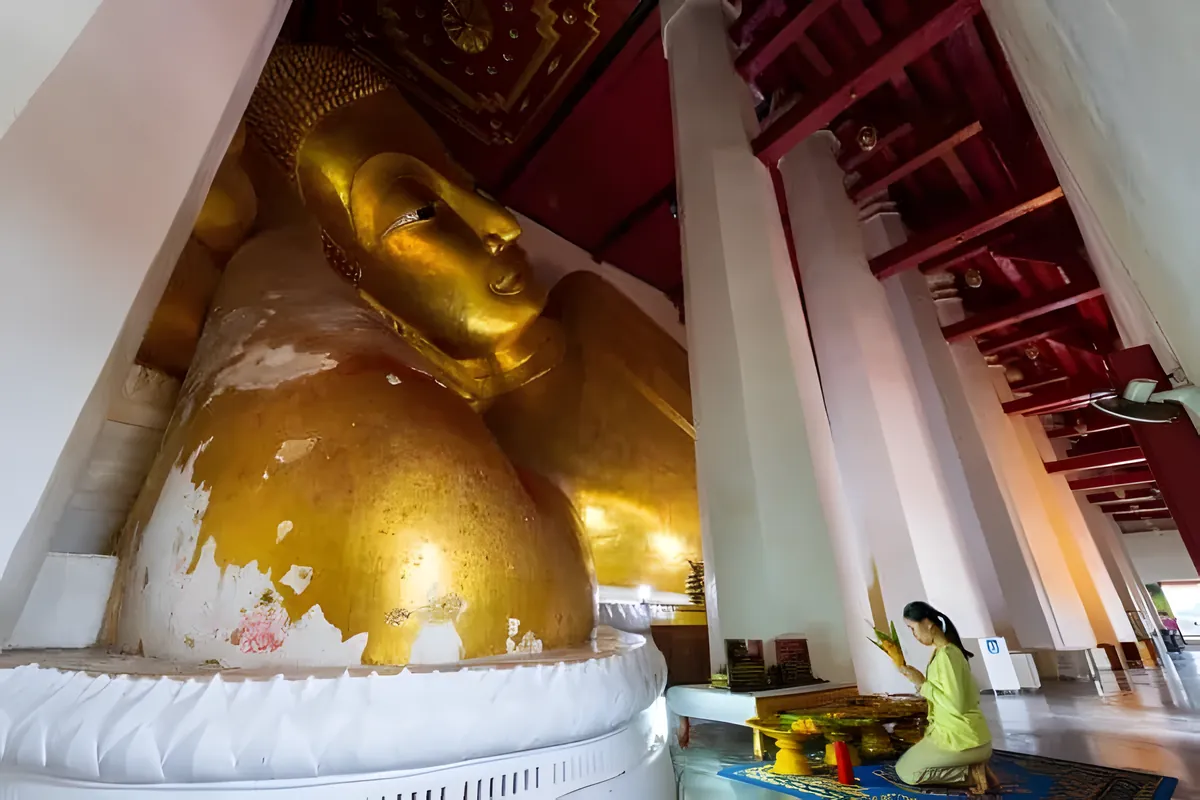
Wats, shrines & spiritual sites
Temples in Phetchaburi












Waterfalls, peaks, caves & parks
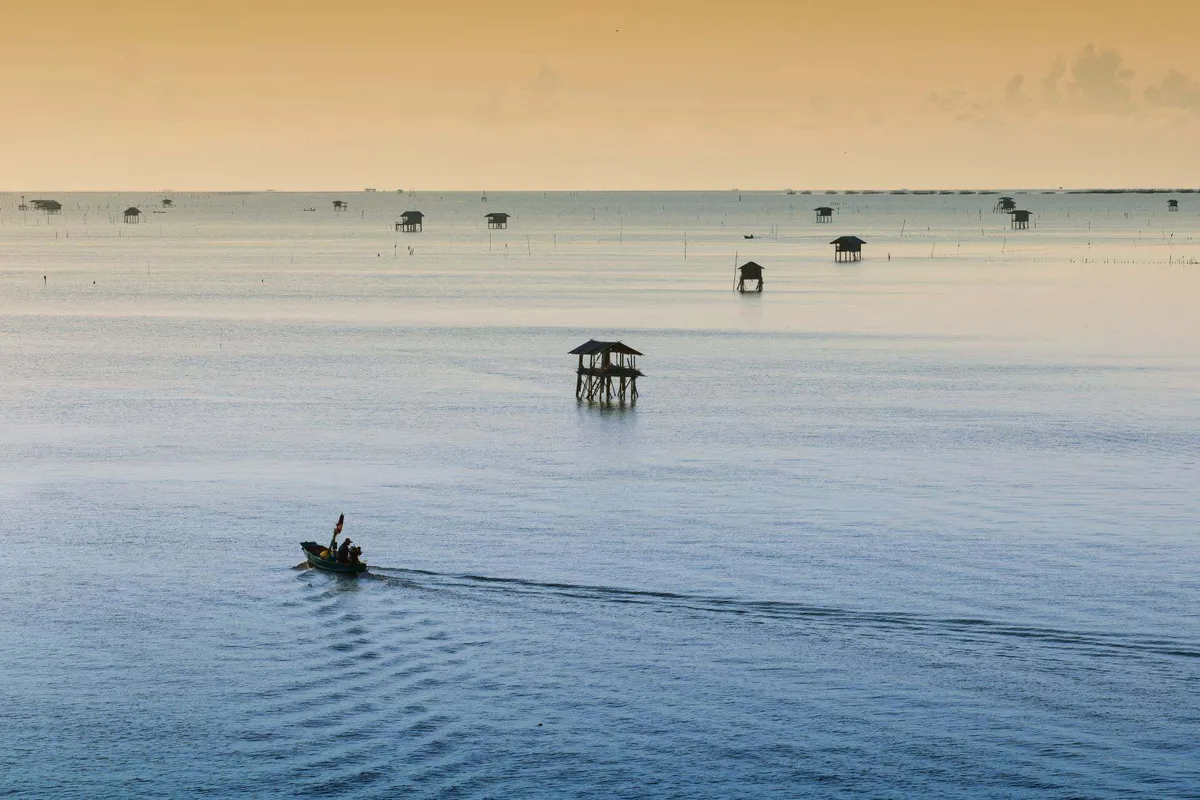
Nature & outdoors around Phetchaburi









Museums, history & heritage
Museums & culture in Phetchaburi





Crafts, communities & farms
Villages & countryside around Phetchaburi






Things to do on the map
Tap a pin for details — 40 places in Phetchaburi plotted.
Within Phetchaburi
Also in Cha-am Beach

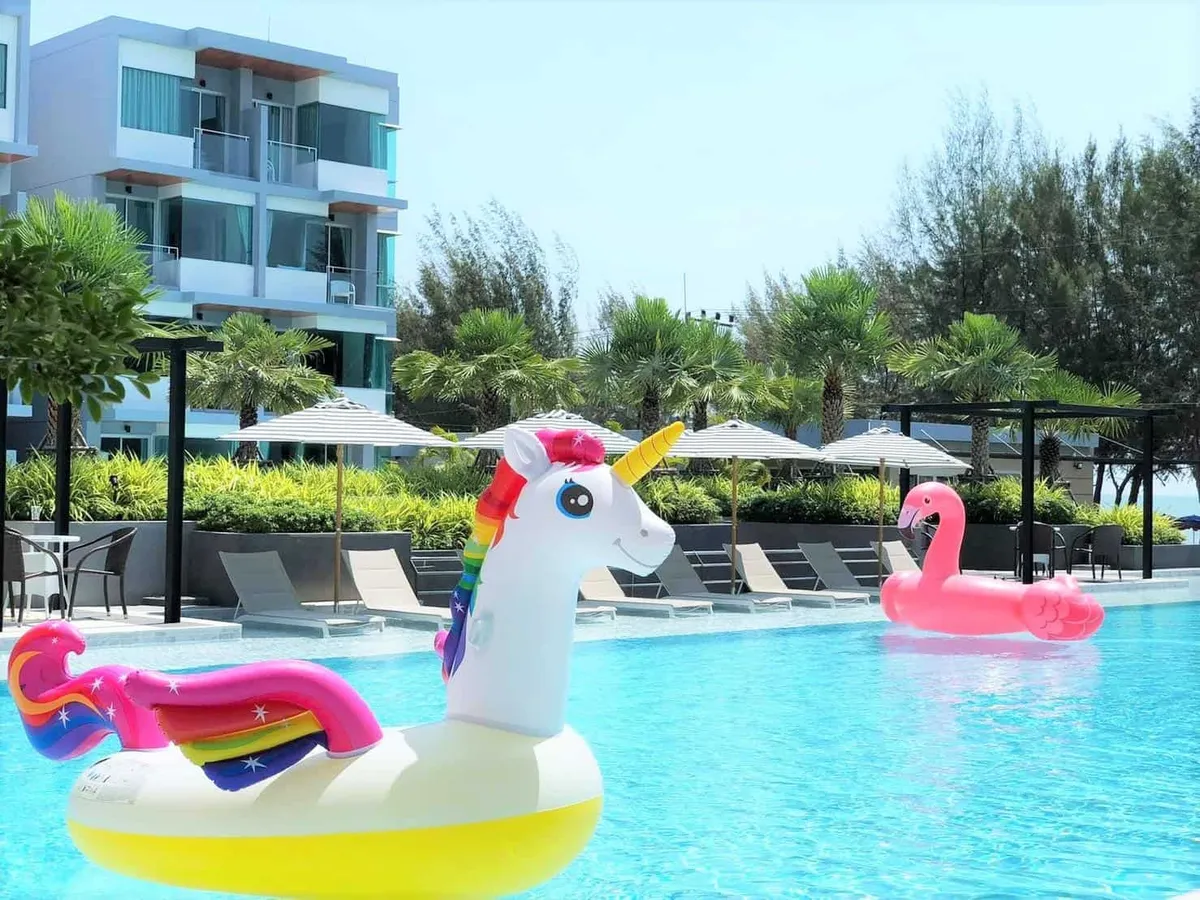
Bay Window @ Sea Hotel

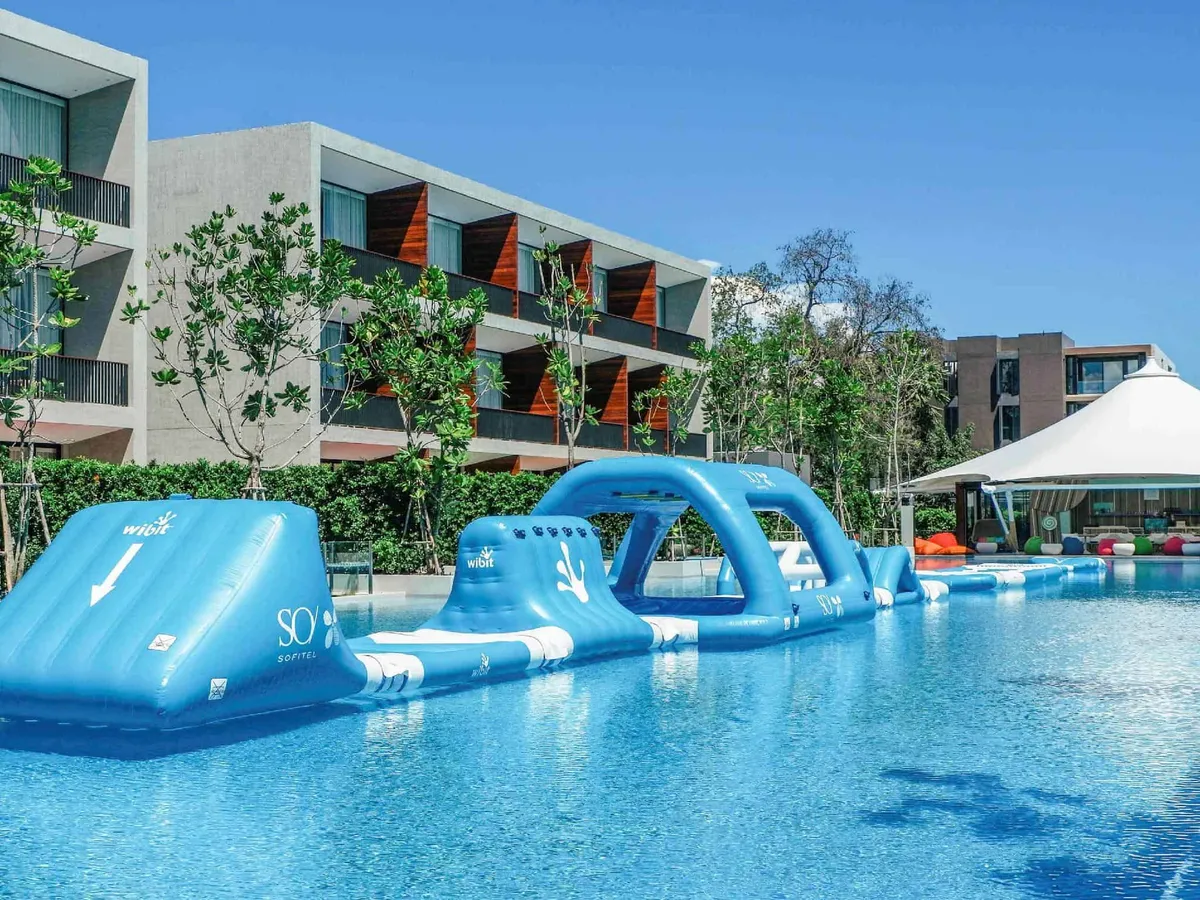
SO/ Sofitel Hua Hin

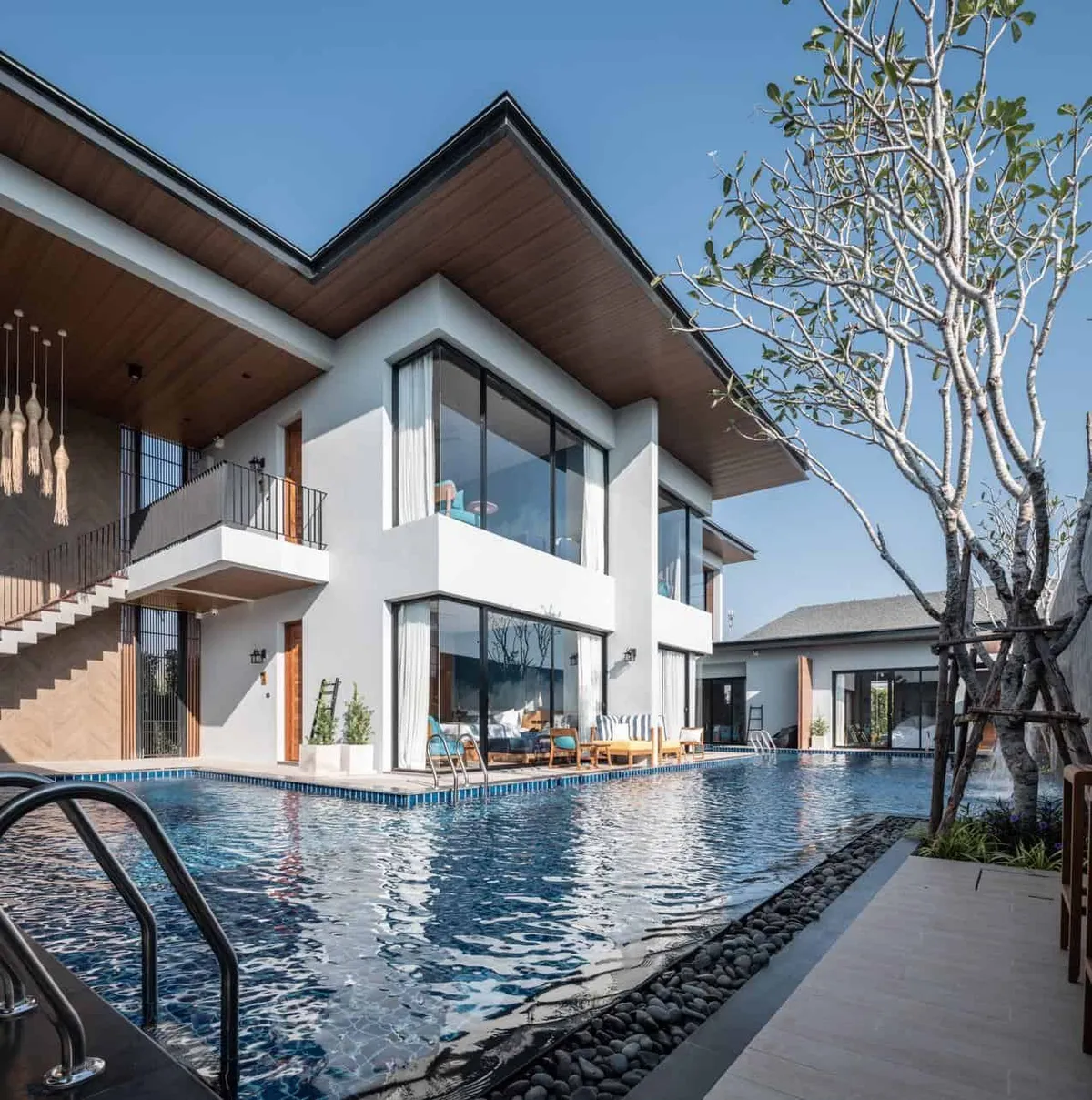
Vann Hua Hin Resort

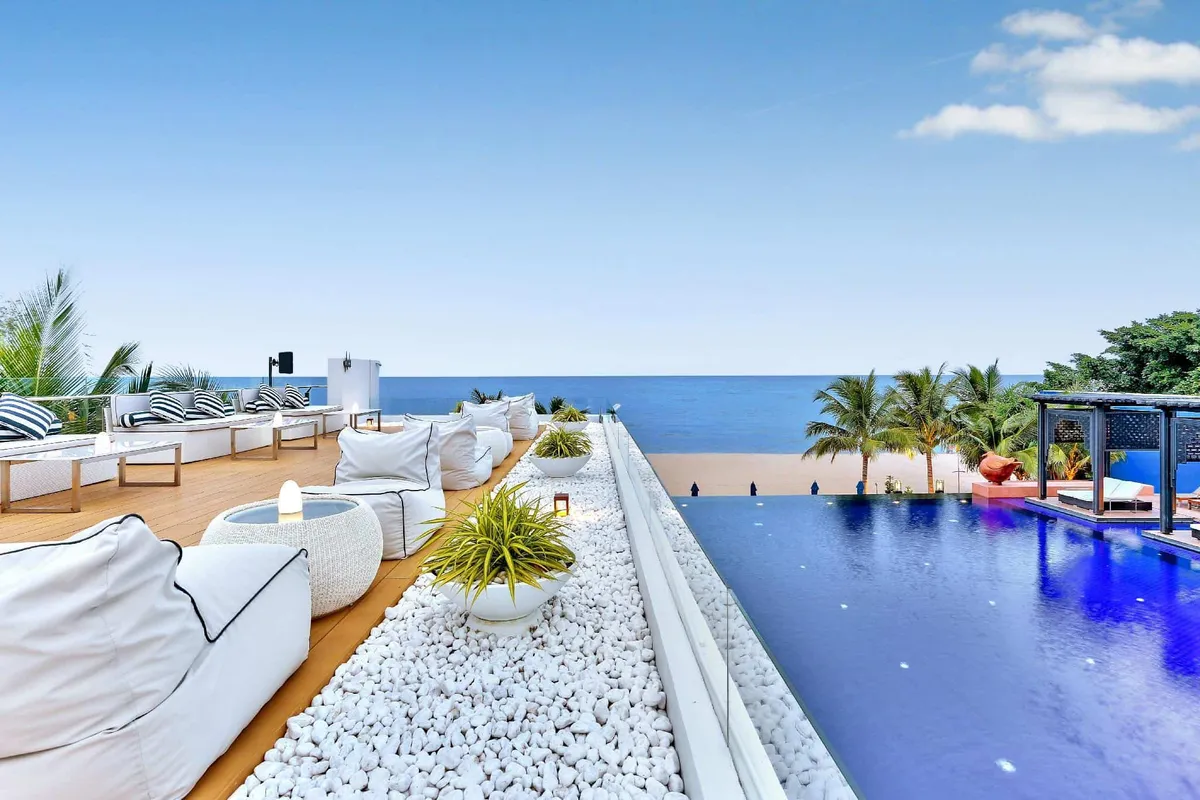
Ace of Hua Hin Resort

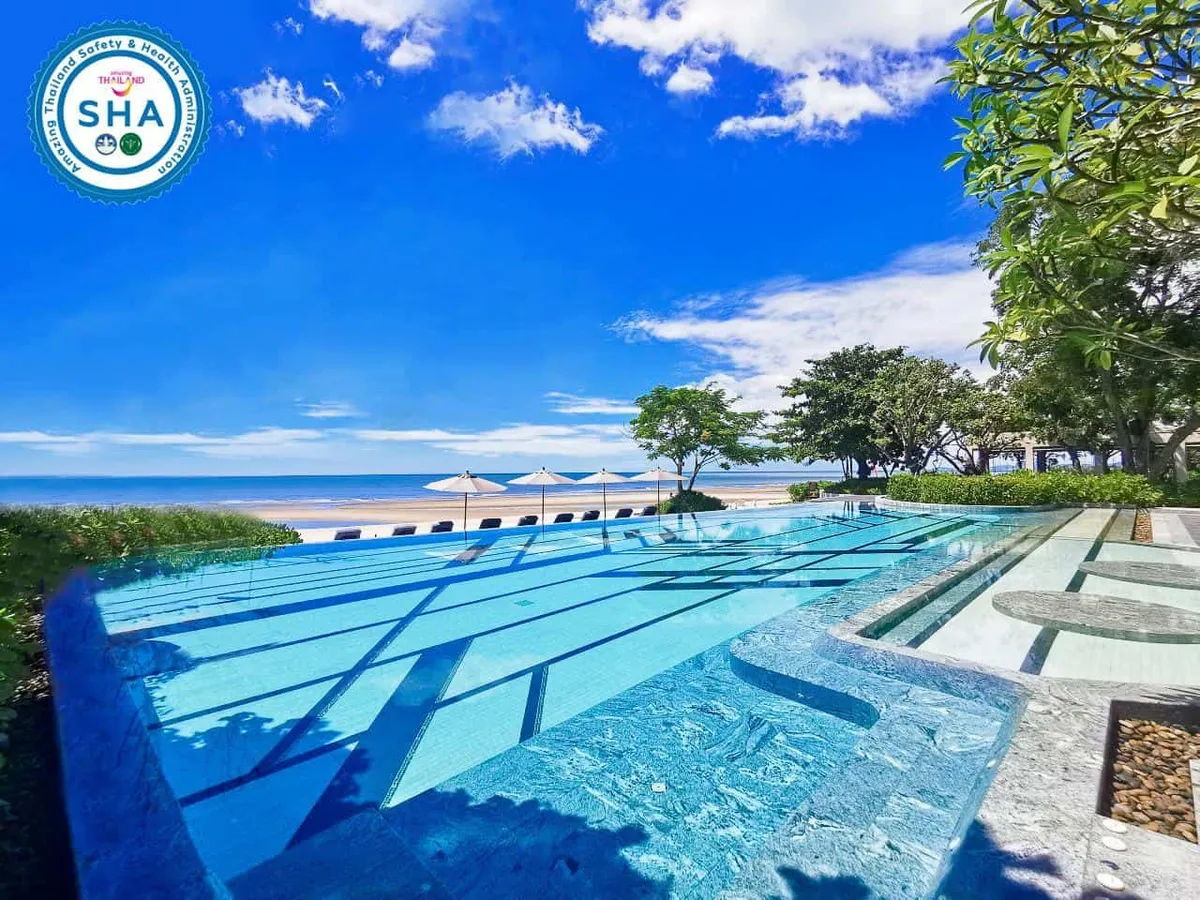
Baba Beach Club Hua Hin Cha Am Luxury Pool Villa Hotel by Sri Panwa

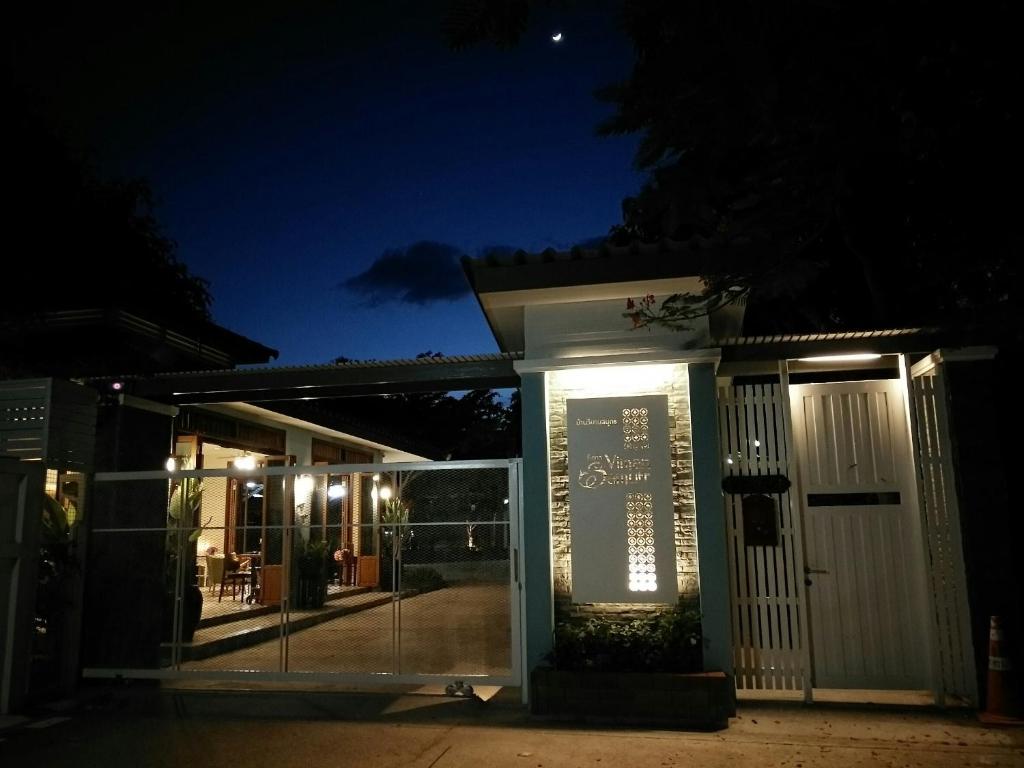
Bann Vimansamutr

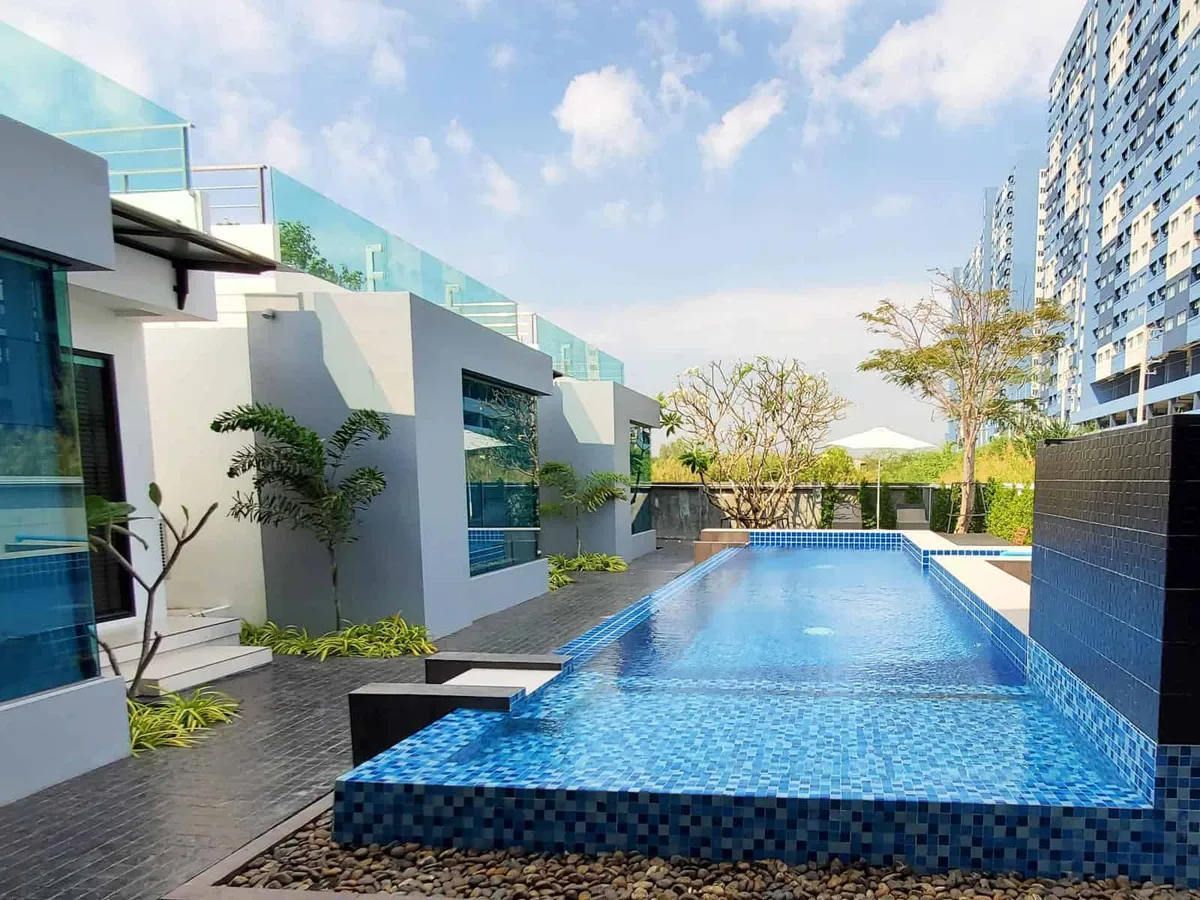
Eya Poolvilla

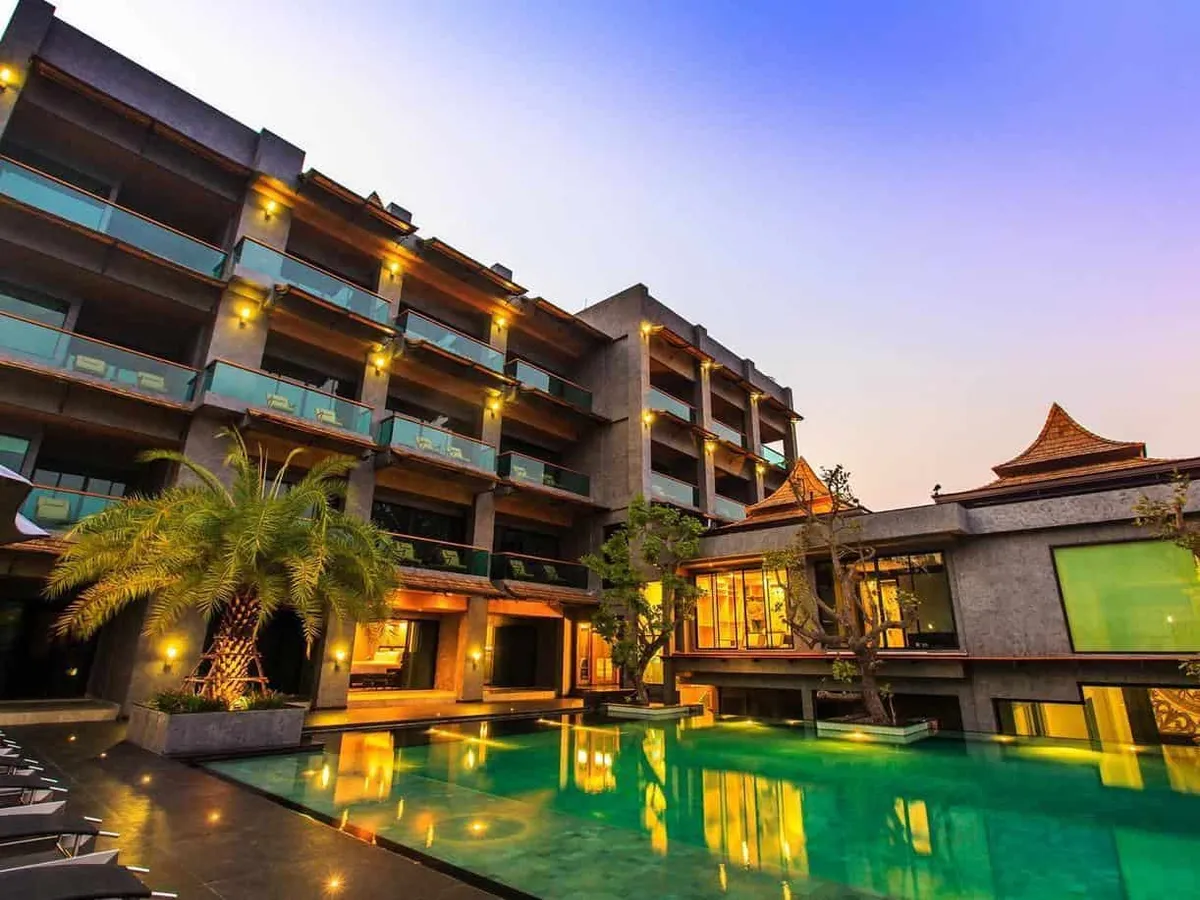
I Calm Resort

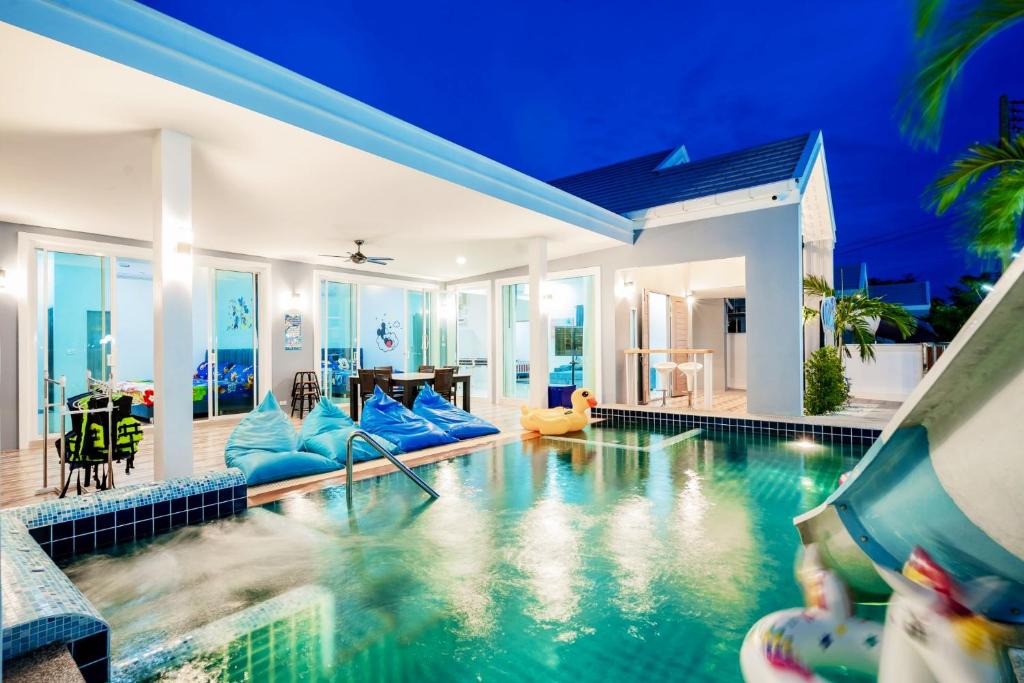
พลอยพูลวิลล่า ชะอำ 4 Ploy Poolvilla Cha-am 4

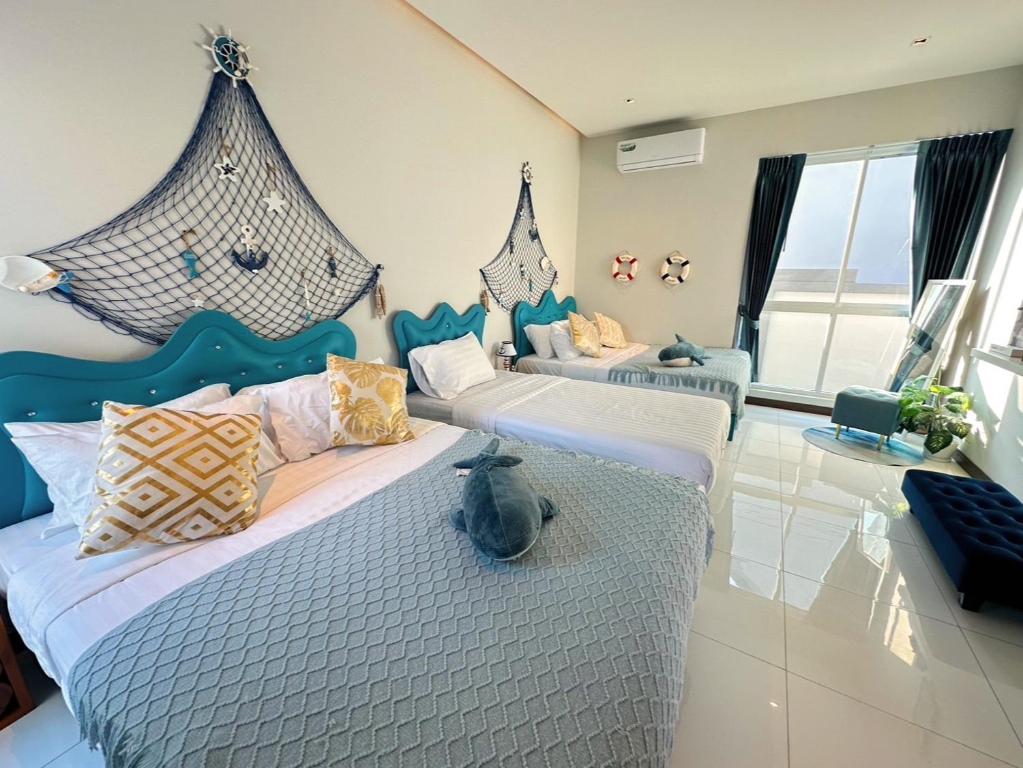
บ้านบลูสกาย POOL VILLA Cha-am

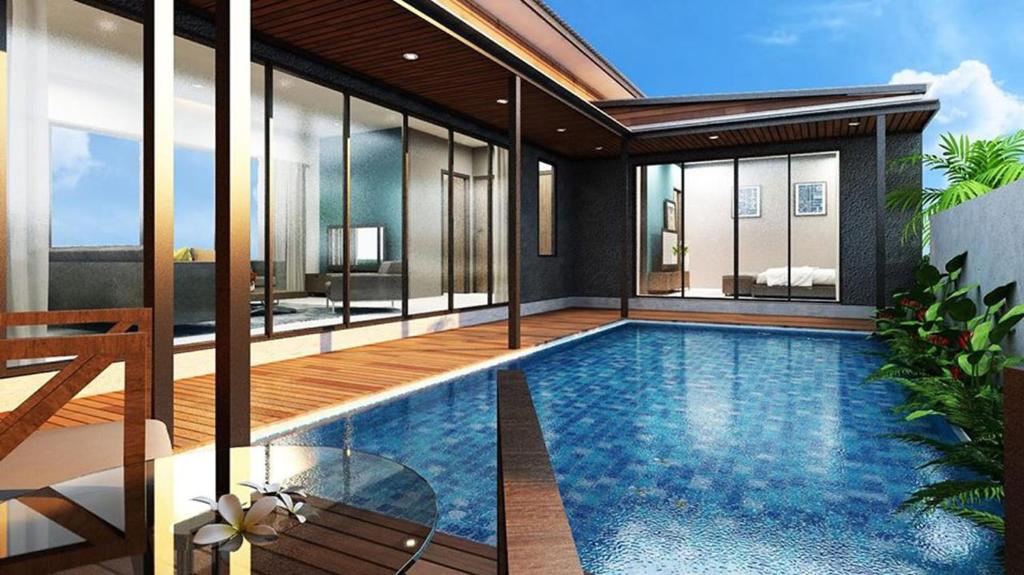
PoolVilla Breeze Valley

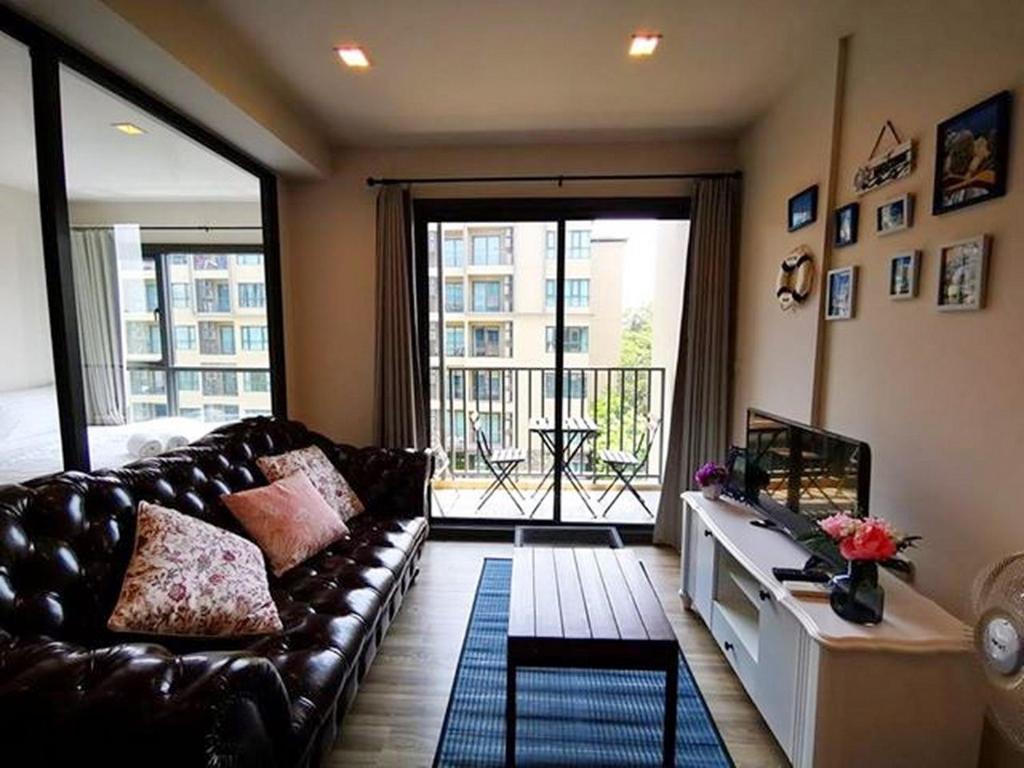
Rain Cha-am Huahin
Browse Stays in Phetchaburi
Counts include stays tagged to Phetchaburi and sub-areas (Cha-am Beach)— open a sub-area hub for inventory scoped to that place only.
When to go
Nov–Feb The dry cool season is the best window for all sightseeing — comfortable temperatures, clear skies over Kaeng Krachan, and good birdwatching on the Phanoen Thung plateau.
Mar–May Hot before the rains — Khao Wang hill and Tham Khao Luang cave are best visited before 10am. Songkran falls in mid-April and draws large Thai crowds to the old town.
May–Oct Upper Gulf monsoon season, with September and October the heaviest months. Day trips between downpours are still workable in town, but Kaeng Krachan roads can flood — check conditions before heading into the park.
Explore around Phetchaburi


About Phetchaburi
Last updated September 2026
Overview
Phetchaburi sits on the upper Gulf coast about 120 kilometres southwest of Bangkok, and for a provincial capital of its size it packs in a remarkable range of sights. Three royal palaces, a cave temple, some of the oldest surviving mural paintings in Thailand, a 12th-century Khmer ruin, and Thailand’s largest national park all fall within its borders. Most visitors pass through on the way to Hua Hin — an hour further south — without stopping. That is a mistake.
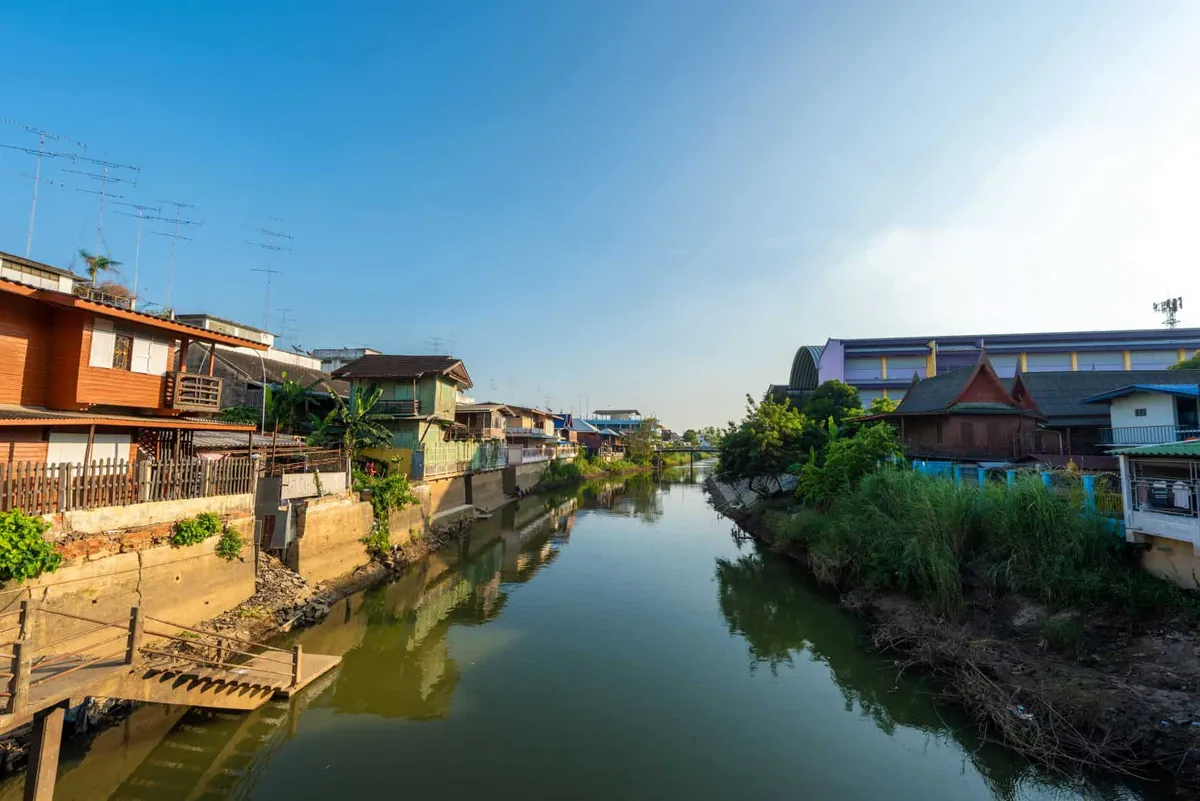
The province is sometimes called the city of three palaces, referring to Phra Nakhon Khiri (Khao Wang), Phra Ram Ratchaniwet (Ban Puen), and Mrigadayavan Palace. All three are open to visitors. The old town along the Phetchaburi River adds another layer: working craft temples, a surviving Khmer sanctuary in the centre of town, and a dessert-making tradition that stretches back centuries to the royal court.
To the west, the Tenasserim Hills rise sharply and Kaeng Krachan National Park covers most of that terrain — 2,914 square kilometres of forest inscribed as UNESCO World Heritage in 2021 as part of the Kaeng Krachan Forest Complex. It is the largest national park in Thailand, and one of the best places in the country to see wild elephants, gaur, and a vast range of birds.
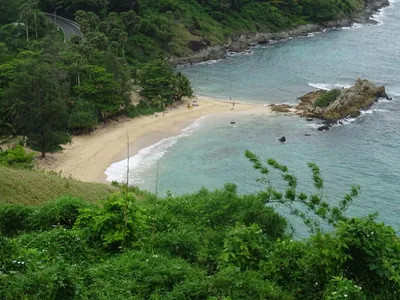
The provincial beach is Cha-am, a long sandy strip popular with Thai families on weekend getaways — the site has a dedicated page for it. Hua Hin lies just over the border into Prachuap Khiri Khan province.
Top Things to Do
Phra Nakhon Khiri Historical Park (Khao Wang) is the visual centrepiece of the province. Rama IV built the hilltop complex in 1859 as a royal retreat and astronomical observatory, and the collection of Thai, European, and Chinese-style structures spread across three peaks is unlike anything else in the Gulf region. You can walk up from the west entrance or take the funicular tram (cable car in common usage) to the summit. The views across the town and surrounding palm-sugar plantations are excellent. Allow two hours; the museum inside the palace building is worth the time.
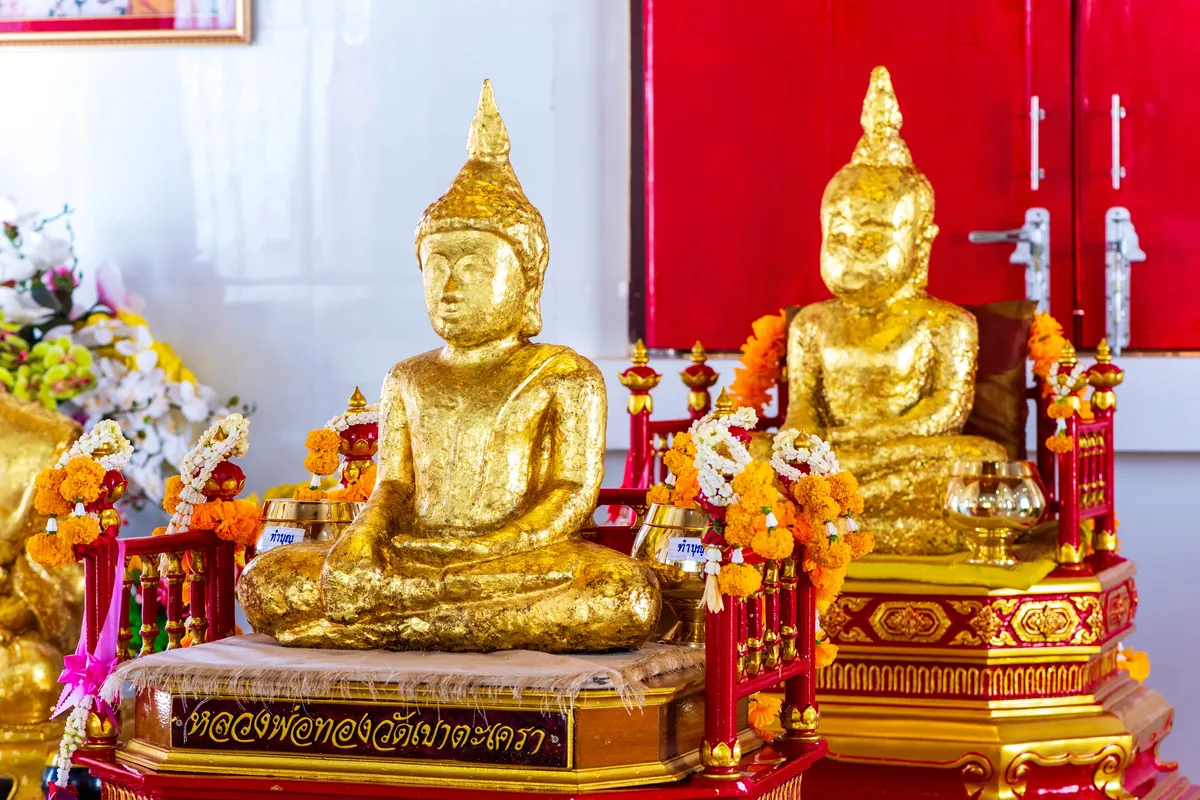
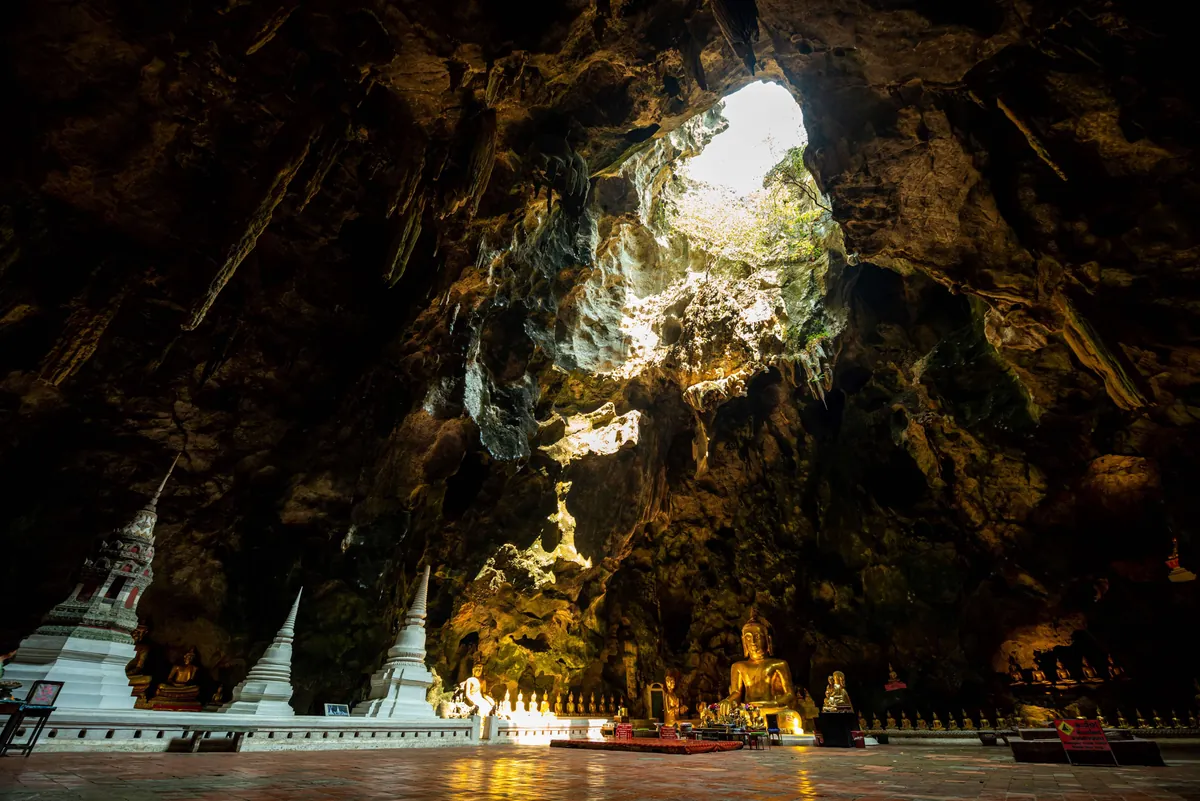
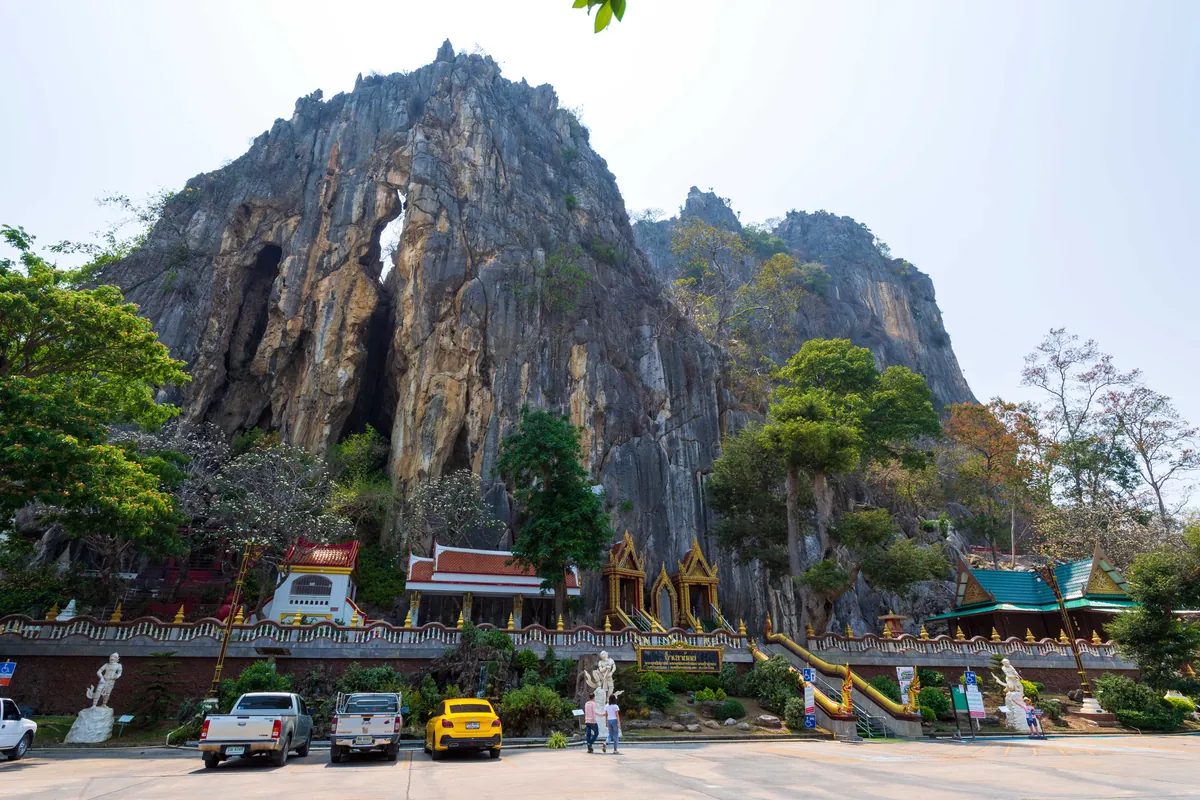
Tham Khao Luang is a few kilometres north of town — a cave temple where a hole in the ceiling sends a column of natural light onto a cluster of white Buddha images. It is one of those places that photographs well but is genuinely more affecting in person. The descent into the main chamber is straightforward on paved steps.
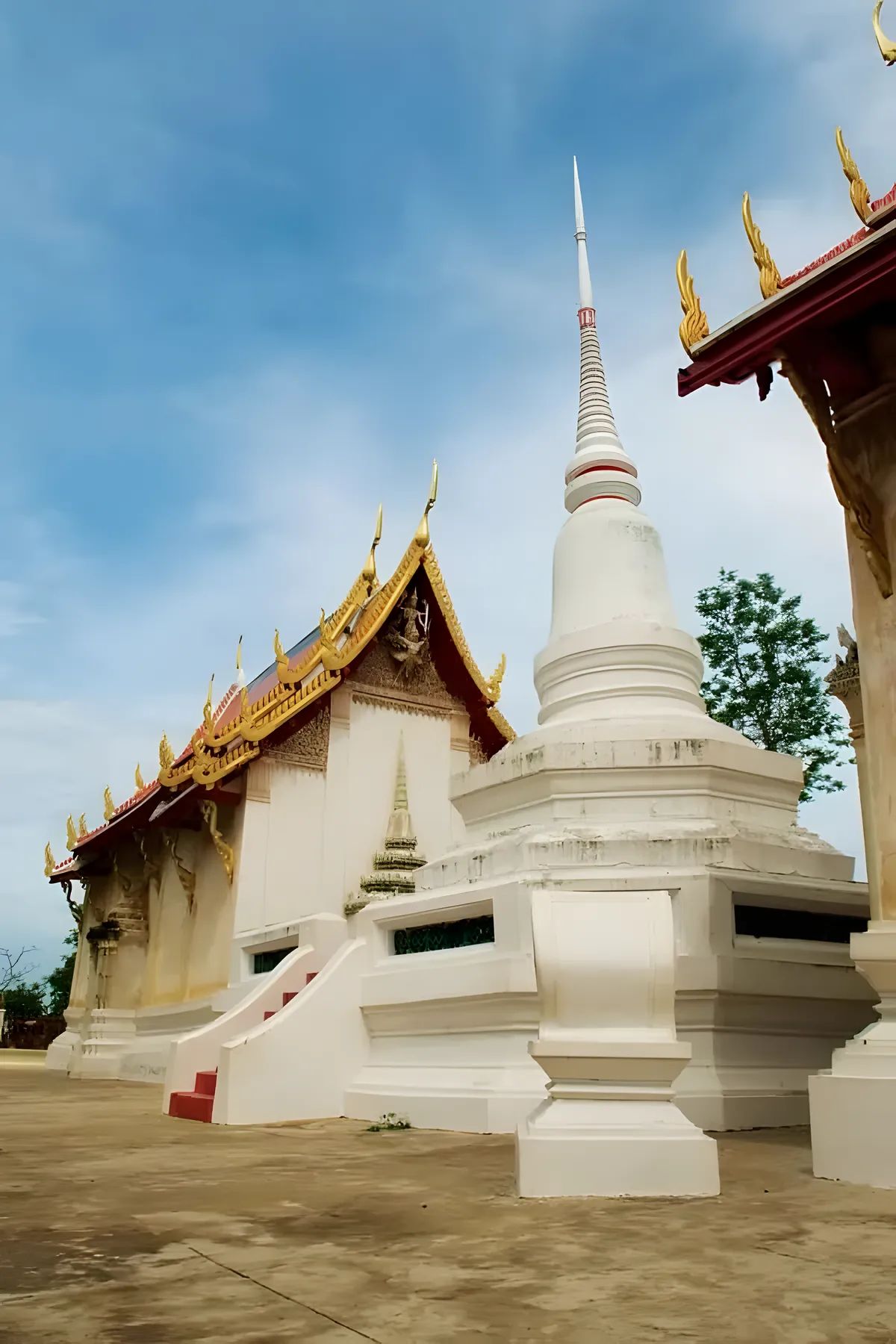
Wat Yai Suwannaram holds some of the oldest temple murals still visible in Thailand, dating to around 1700. The ordination hall paintings show the Buddha’s enlightenment in the late Ayutthaya style — tempera on plaster, with rows of devotees in varying dress arranged across the walls. The temple is active and receives local worshippers throughout the day.
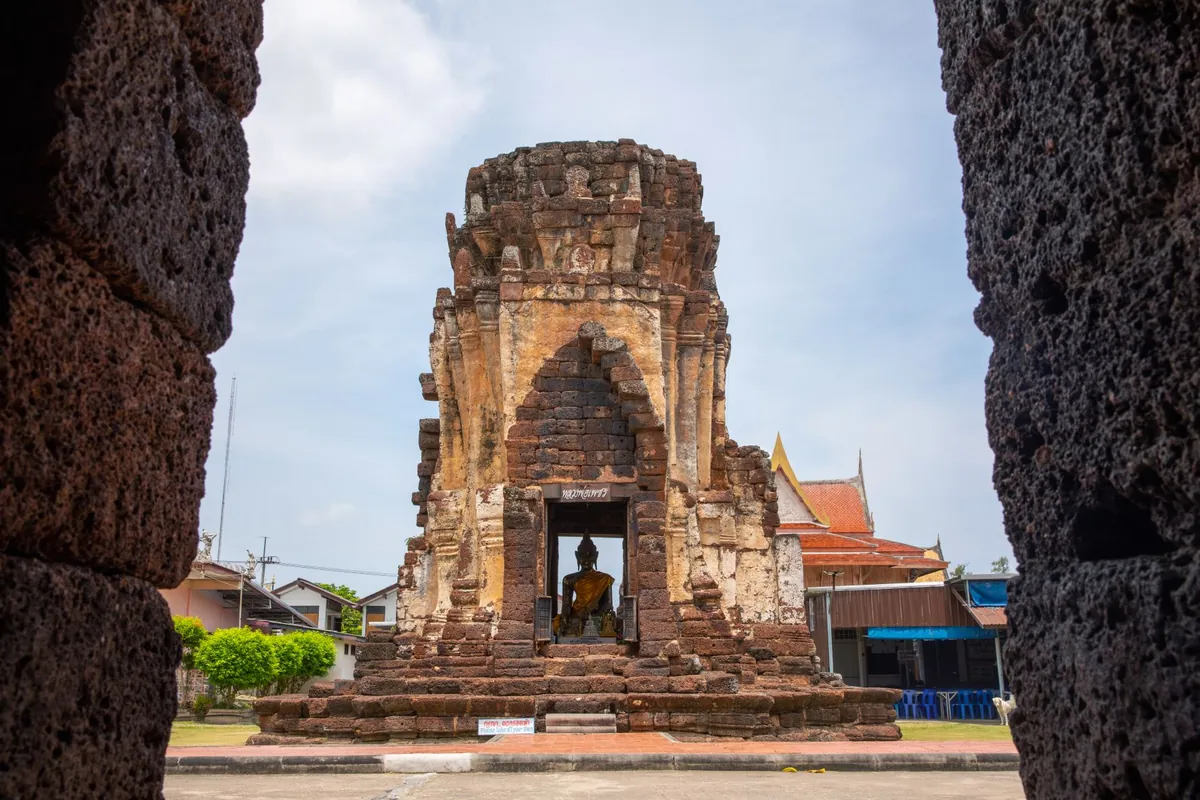
Wat Kamphaeng Laeng is the most southerly Khmer sanctuary in Thailand, built during the reign of Jayavarman VII in the late 12th century as a Hindu shrine and later converted to Buddhism. Four of the original five Bayon-style sandstone prangs still stand within a walled compound, surrounded by a working 20th-century monastery. Entry is free and it sees very few foreign visitors despite being in the middle of town.
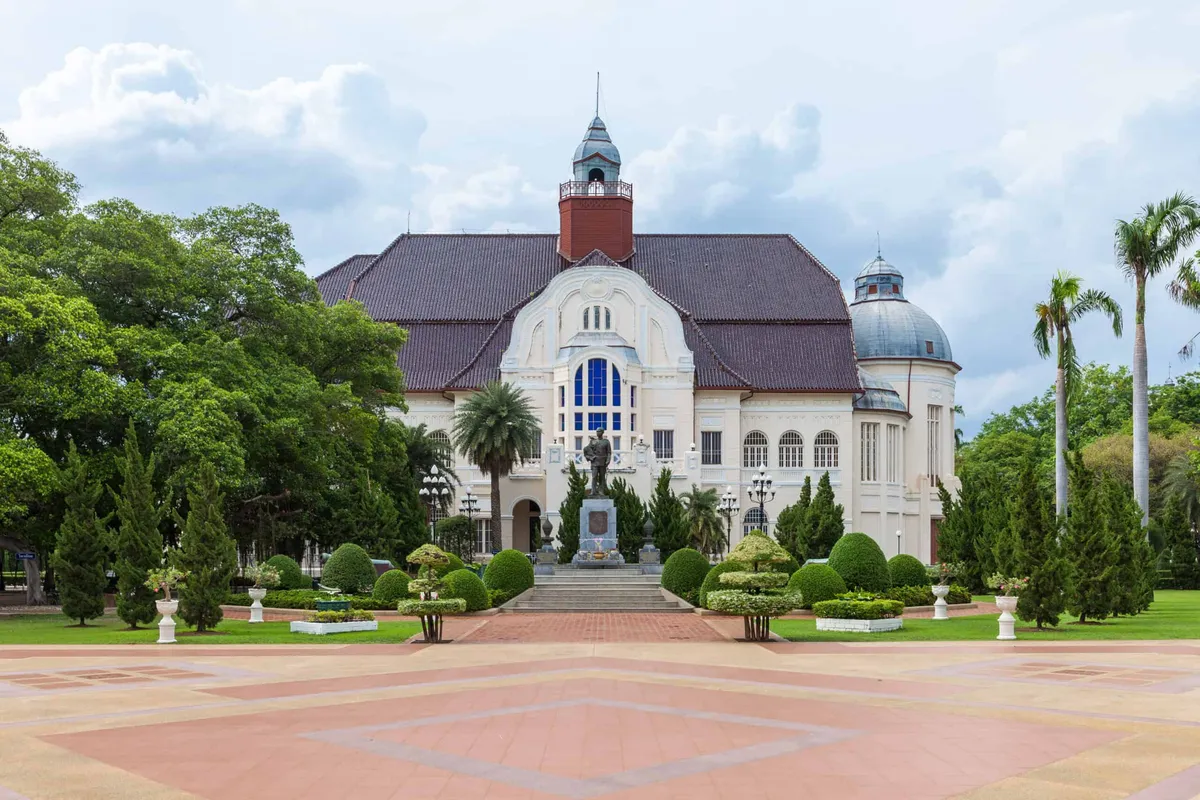
Phra Ram Ratchaniwet (Ban Puen Palace) was commissioned by Rama V and completed in 1916 to a German Art Nouveau design — an unlikely building to find on the Thai Gulf coast, with vaulted ceilings and arched colonnades set in quiet grounds.
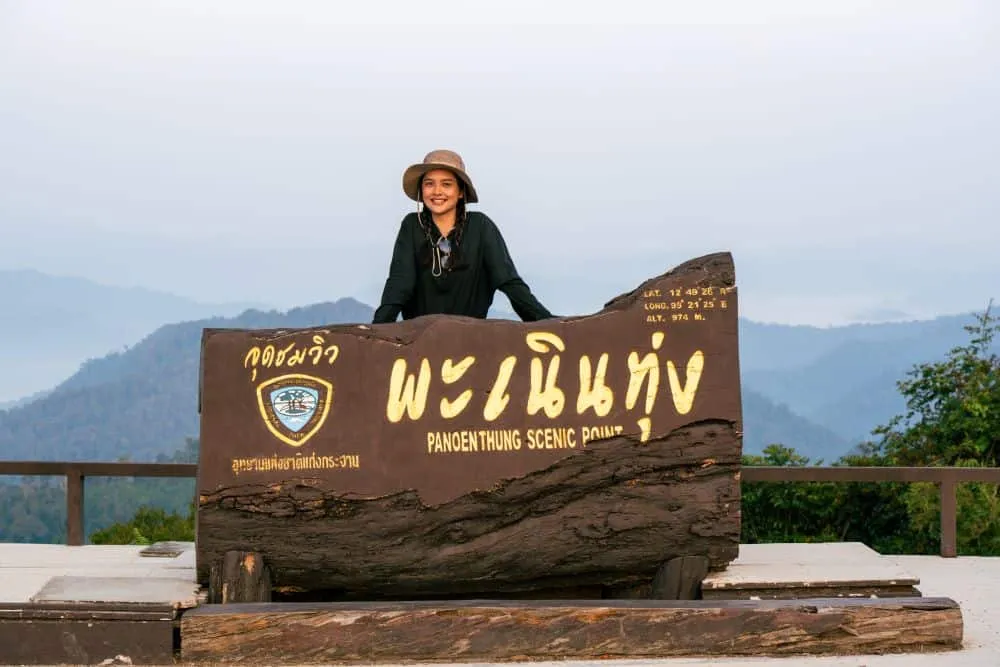
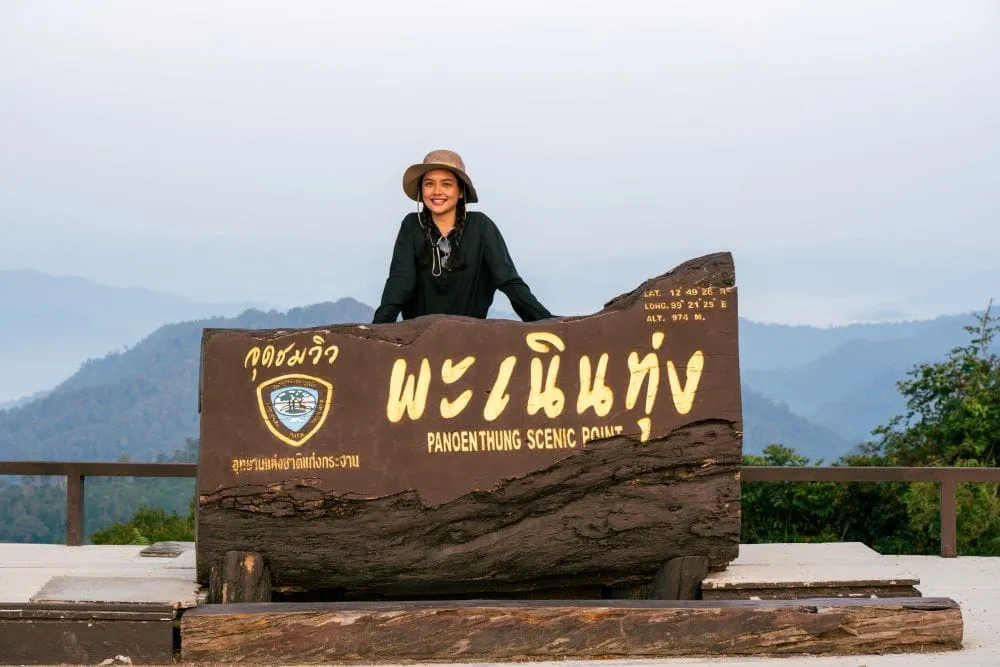
Kaeng Krachan National Park needs a day to itself. The Phanoen Thung plateau at 1,207 metres produces the famous sea-of-mist views at dawn in the cool season, when cloud sits in the valley below and the Tenasserim range stretches into Myanmar. The park is also one of Thailand’s prime wildlife-watching areas — wild elephants are commonly seen, and the birding is exceptional, with several species found nowhere else in the country. On the park’s southern edge, Pa La-U waterfall is a scenic and less-demanding alternative to the interior roads.
Old-town dessert culture deserves more than a passing mention. Phetchaburi’s position as a royal retreat means its confectionery tradition was developed to supply the palace. The results are still made by hand in family workshops along the old town lanes: khanom mo kaeng (baked egg-and-palm-sugar custard), foi thong and thong yip (the golden egg-yolk sweets with Portuguese origins introduced to the Thai court), and fresh palm sugar sold in bamboo tubes. The tanode palms that produce the sugar are a signature feature of the landscape around town. A walk through the morning market and the dessert shops on Phongsuriya Road gives a proper sense of this still-living tradition.
Where to Stay
Phetchaburi town has a small but functional selection of guesthouses and mid-range hotels — enough for a comfortable overnight without the resort prices of Hua Hin. Most accommodation sits within easy distance of the old town and Khao Wang. The province offers nothing that would be described as a luxury resort, but that suits the pace of the place.
For a beach stay, Cha-am is 25 kilometres south and has a wider range of beachfront properties at reasonable prices. Hua Hin, just over the provincial border, has the full range from budget guesthouses to international hotel groups.
Getting There
Phetchaburi is about 120 kilometres from Bangkok via Highway 35 (Rama II Road) and Highway 4 (Phetkasem Road) — roughly two hours by car in normal conditions, though the road can be slow leaving Bangkok on Friday afternoons. Trains on the southern railway line from Krung Thep Aphiwat Central Terminal stop at Phetchaburi station en route to Hua Hin and further south; the journey takes two to three hours. Minivans from Bangkok’s Southern Bus Terminal are a fast and affordable option, running through the day.
Within the province, you need your own transport or a hired driver for anything beyond the old town — particularly for Kaeng Krachan National Park, which has no public bus connection from town.
Best Time to Visit
Phetchaburi follows the upper-west Gulf pattern: the wet season runs May through October, with September and October bringing the heaviest rain. November through February is dry and comfortable — the best time for both the old-town circuit and a drive into Kaeng Krachan. The Phanoen Thung sea-of-mist views are a cool-season phenomenon, appearing reliably from November to February when temperature inversions trap cloud in the valley.
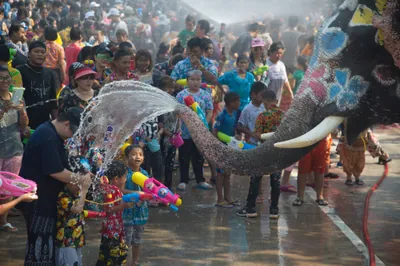
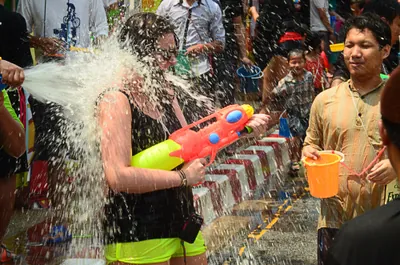
March through May is hot, with April the most intense month before the rains break. Songkran in mid-April brings domestic crowds to the old town, which adds atmosphere if you don’t mind the heat and the water. Even in the wet season, the palaces and cave temple are entirely accessible — the rain usually comes in afternoon bursts rather than all-day downpours — and a Phetchaburi day trip from Bangkok remains practical year-round.
Frequently Asked Questions about Phetchaburi
How do I get to Phetchaburi from Bangkok?
What is the best time of year to visit Phetchaburi?
How long do you need in Phetchaburi?
How do I visit Kaeng Krachan National Park?
What food should I try in Phetchaburi?
Spotted something out of date or incorrect? Let us know
Plan your
Phetchaburi trip