

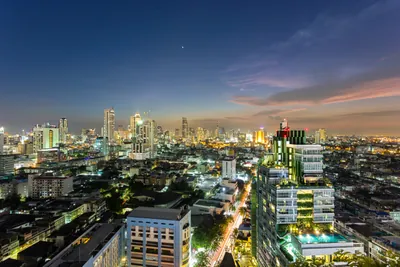





Bangkok to Hua Hin Train, Bus and Van Tickets
Reviewed Jul 2026


What's included
- 12Go search for Bangkok to Hua Hin trains, buses and vans
- Departure points and times compared in one view
- E-ticket or operator confirmation
- Onward and return legs bookable on the same route
Highlights
- Vans are usually the quickest road option at around 3-4 hours
- Most bookable long-distance trains leave Krung Thep Aphiwat; some ordinary trains still use Hua Lamphong
- Cheap seats. Ordinary train classes run under 200 THB
- Vans and buses leave from several Bangkok terminals, so check the departure point
Best for
- Weekend beach trips that need a known departure time
- Travellers who want the cheap, scenic rail option without driving
- Anyone starting the trip near a terminal or the MRT rather than with a car
Skip if
- Door-to-door comfort with lots of luggage. A private transfer suits that better
- Friday-evening departures, when road traffic out of Bangkok is at its worst
- Travellers staying far from Hua Hin's centre without an onward plan
Bangkok to Hua Hin is the capital’s classic quick escape, near enough for a weekend, far enough to feel like a different pace. The route splits three ways: van, bus or train, all in the same 3-to-4.5-hour band, and the right answer depends more on your departure point and day of the week than on price.
We link 12Go because this is exactly the kind of route where a single comparison view earns its keep: trains, buses and vans leave from different parts of Bangkok at different frequencies, and the practical decision is which departure point you can actually reach easily. Vans are the workhorses: frequent, quick when the road is clear. Buses trade a little speed for luggage space and comfort. Most bookable long-distance trains use Krung Thep Aphiwat Central Terminal on the MRT, while some ordinary services still leave from Hua Lamphong. Check the station on the ticket rather than relying on the train type alone.
Price will not decide it for most people: this is one of Thailand’s cheapest intercity hops. Ordinary train classes run under 200 THB, vans typically 180-250 THB. What decides it is the clock. On a quiet weekday morning, the van wins. On a Friday evening, when the southbound crawl out of Bangkok can add an hour or more to any road option, the train’s fixed schedule is the calmer bet.
Hua Hin’s station and van drops are close to the town centre, so onward travel is a short songthaew or taxi ride for most hotels. If you are staying at a resort well north or south of town, check the drop-off point before choosing the cheapest ticket: the final leg can cost more than the ticket saved.
For planning the beach end, start with the Hua Hin guide and things to do in Hua Hin. Coming straight from a flight instead? A private transfer from the airport is a different product. The Thailand airport transfers guide covers those options.
Insider Tip: For a day at the beach with an early return, take the first comfortable morning departure you can find and book the return leg at the same time. Sunday-evening seats back to Bangkok fill up the same way Friday’s outbound does.
Watch out: “Hua Hin” drop-off points vary by operator. Some vans stop on the highway edge of town rather than the centre. Check where yours lands before booking the cheapest seat.
Frequently Asked Questions
How long does Bangkok to Hua Hin take?
Where do trains and vans leave Bangkok from?
Train or van, which is better?
How much do tickets cost?
Related services


Bangkok to Ayutthaya Train and Minivan Tickets
Transport Pass

Bangkok to Chiang Mai Train Tickets: Sleeper & Day Trains
Transport Pass


Bangkok to Koh Chang Bus and Ferry Tickets
Transport Pass


Bangkok to Koh Samui: Train, Bus and Ferry Tickets
Transport Pass


Bangkok to Krabi Bus and Train+Bus Tickets
Transport Pass

Bangkok to Pattaya Bus and Van Tickets
Transport Pass