



Wat Sai Yai
วัดไทรใหญ่
Wat Sai Yai is a working village temple in Sai Noi district, Nonthaburi, founded in 1867 under Rama IV and home to a revered U-Thong style Buddha image, Luang Pho Thong Kham. Entry is free, open daily 08:00-16:30, with a canal-side floating market running right in front of the temple gates.
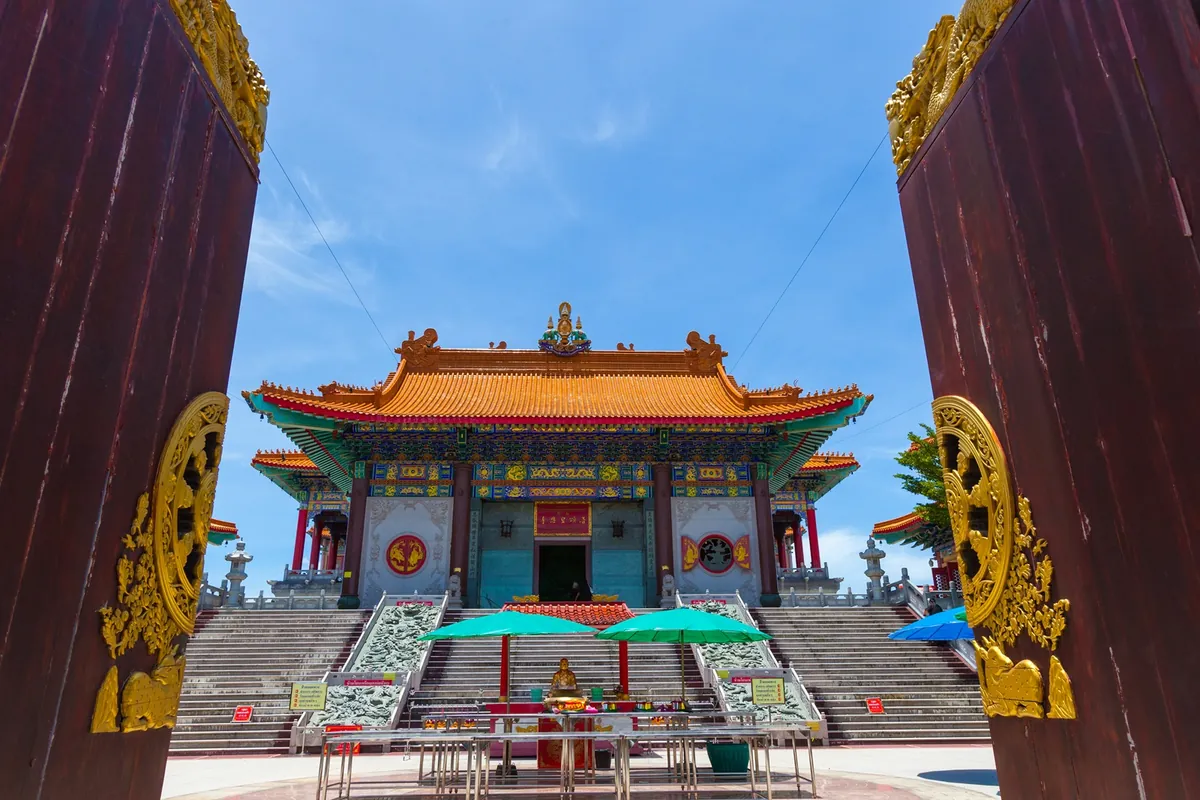
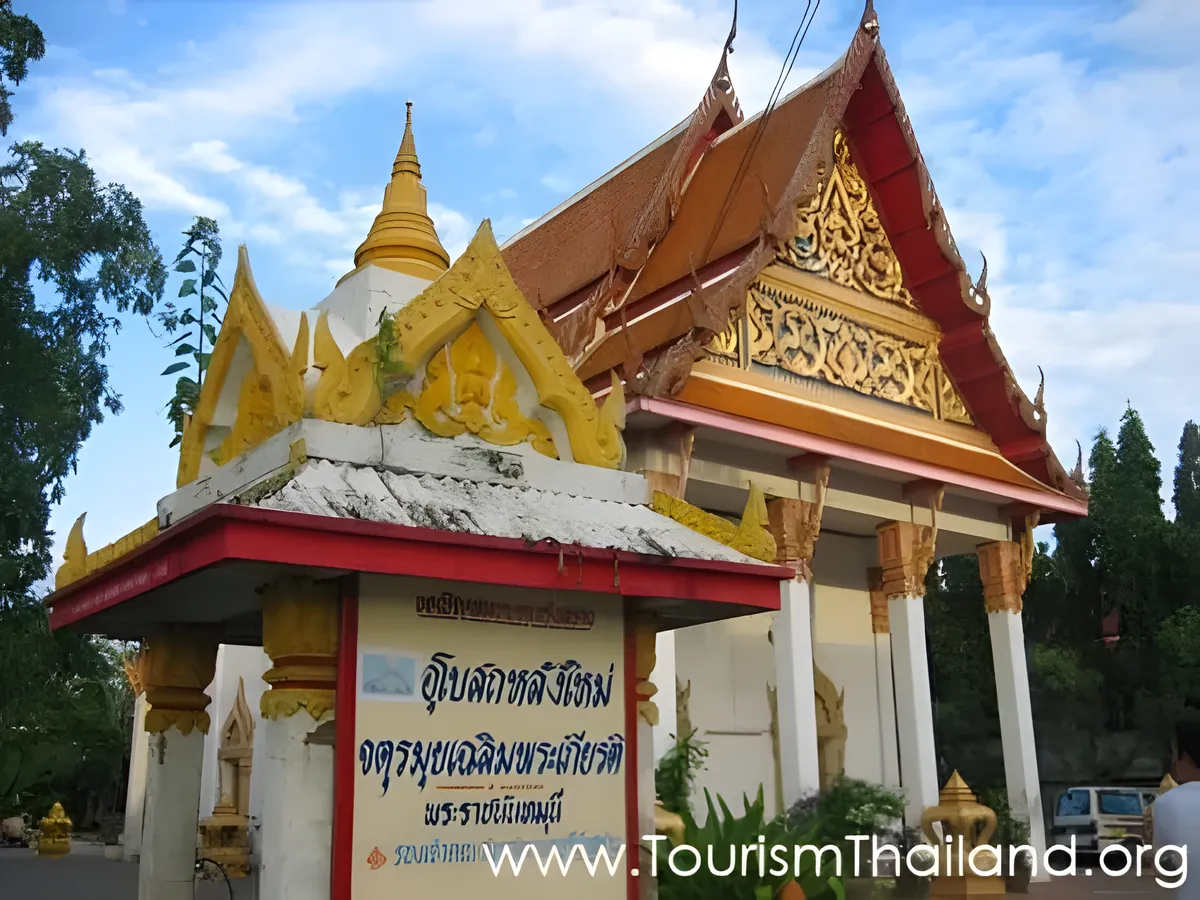
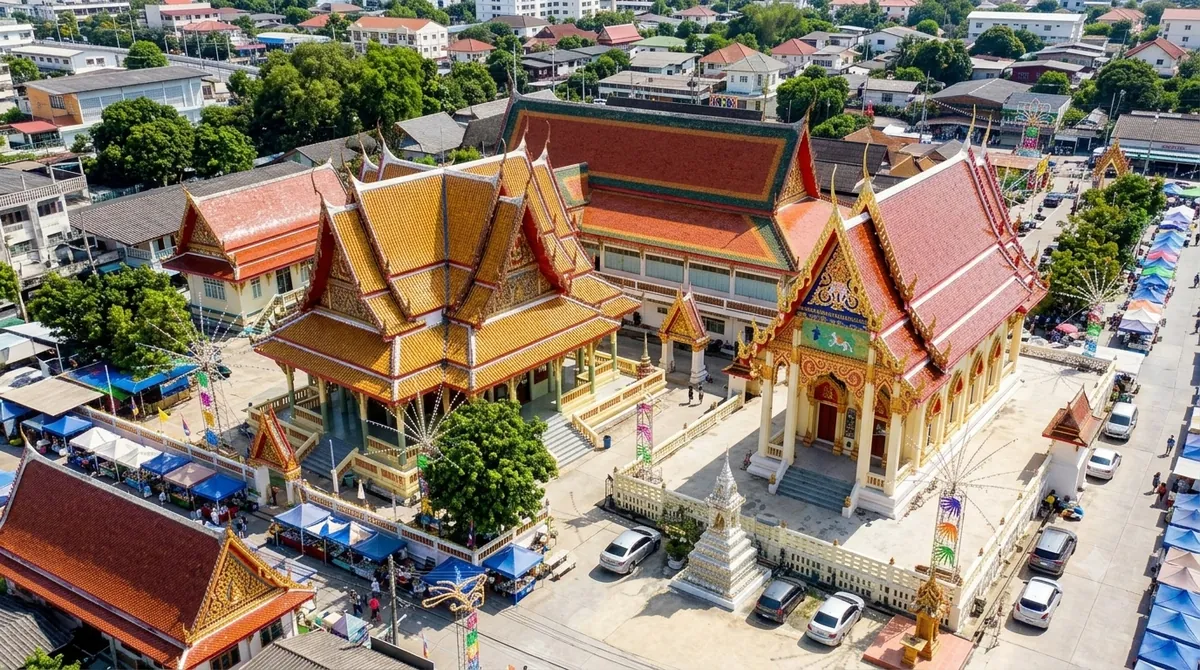
The temple wasn’t always called Wat Sai Yai. It was first built as Wat Mahanikhotharam — “great banyan temple” — after Nang Ngek Saengprapha donated the land, named for a large sai yai (banyan) tree that stood there. The name changed to Wat Sai Yai in 1955. The original ubosot (ordination hall) is teak, built alongside the temple’s founding; a second, newer ubosot was constructed between 2013 and 2016, so the two halls sit side by side spanning roughly 150 years of construction.
Luang Pho Thong Kham is the reason most Thai visitors come. It’s a U-Thong style Buddha image, an older regional style distinct from the more common Sukhothai or Chiang Saen forms seen elsewhere in the country, and it’s treated as the temple’s principal object of veneration — locals come specifically to pay respects to it rather than to see the grounds generally.
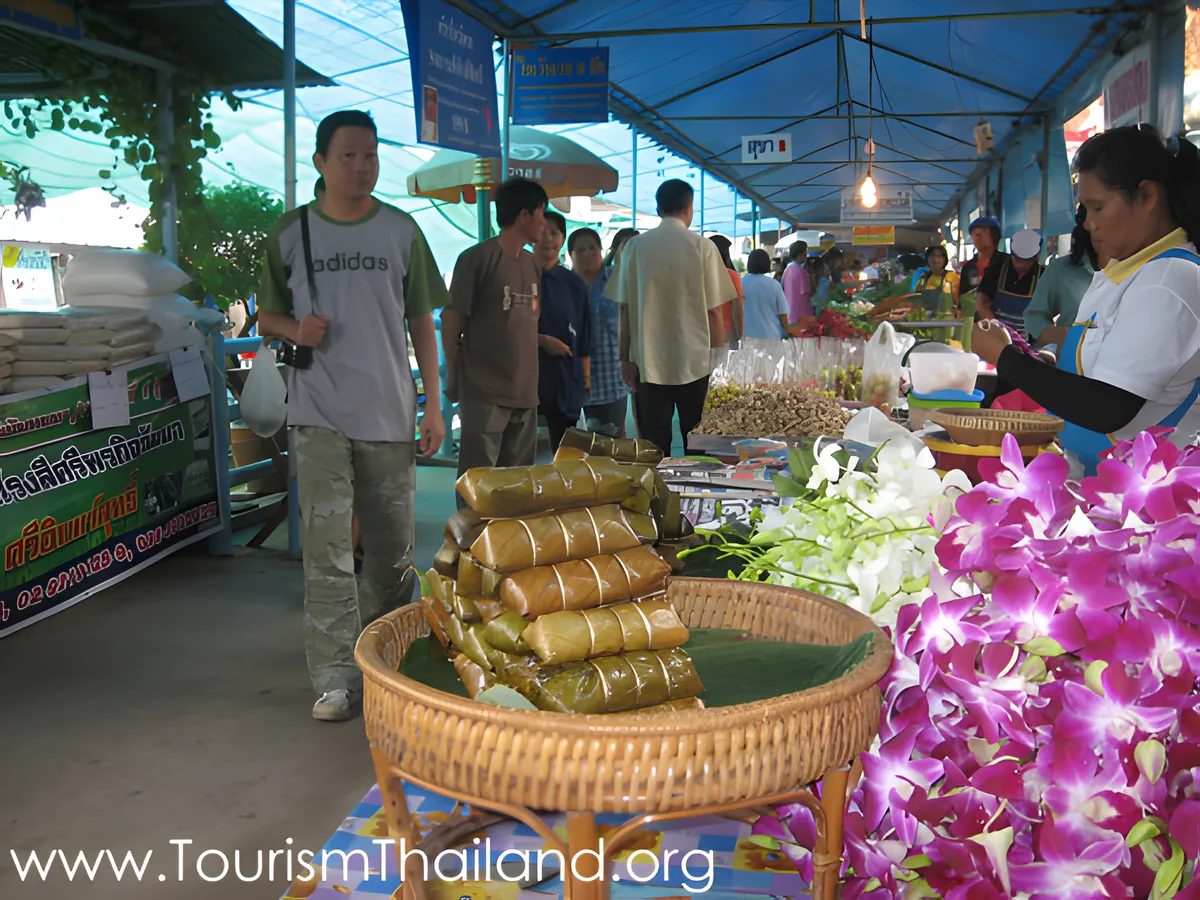
Right outside the temple, along Khlong Phra Phimon, the Sai Noi floating market has operated since it opened on 14 July 2002. It’s smaller and less touristy than Damnoen Saduak or Amphawa — food stalls, fruit and vegetable vendors, and boats line the canal bank, drawing a mostly local weekend crowd rather than tour buses.
Insider Tip: Combine the temple visit with the floating market on a weekend morning — the market is at its most active then, and it’s a five-minute walk from the temple gate, so you don’t need to plan them as separate trips.
Watch out: There’s no rail connection out here — getting from central Bangkok means a car, taxi, or a multi-leg bus/van journey, so build in extra travel time compared with the city’s more central temples.
Dress modestly (shoulders and knees covered), remove shoes before entering the ubosot, and keep noise down inside — it’s an active place of worship, not a museum. If a canal-side temple market appeals, Wat Saeng Siritham floating market elsewhere in Nonthaburi follows the same formula.
- Entry fee: Free
- Hours: Daily 08:00-16:30
- Founded: 1867 (Rama IV), renamed Wat Sai Yai in 1955
- Sacred image: Luang Pho Thong Kham, a U-Thong style Buddha
- Next door: Sai Noi floating market (open since 2002)
Location & Directions
65 Moo 5, Sai Noi-Ton Chueak Road, Sai Noi, Nonthaburi
Nonthaburi, Thailand
Show your taxi or Grab driver
วัดไทรใหญ่
Within Walking Distance



Frequently Asked Questions
What is Wat Sai Yai known for?
Why is it called Wat Sai Yai?
Is there anything to do near Wat Sai Yai besides the temple?
Is Wat Sai Yai free to visit?
How do I get to Wat Sai Yai from Bangkok?
Spotted something out of date or incorrect? Let us know
Stay Near Wat Sai Yai
Compare places to stay in Nonthaburi, or open the map for options closest to the attraction.