




Wat Phra Si Rattana Mahathat (Wat Yai), Phitsanulok
วัดพระศรีรัตนมหาธาตุวรมหาวิหาร
Wat Phra Si Rattana Mahathat — universally known as Wat Yai (“big temple”) — sits on the east bank of the Nan River in Phitsanulok, a short walk from Naresuan Bridge. It houses Phra Buddha Chinnarat, a 3.75-metre bronze Buddha image cast in 1357 that’s commonly regarded as the most beautiful Buddha statue in Thailand. Entry is free, with the temple grounds open daily from 06:30 to 18:00.
King Maha Thammaracha I, known as Lithai, founded the temple in 1357 during the late Sukhothai period, when Phitsanulok sat on the kingdom’s eastern frontier. According to temple history, three Buddha images were cast together for the site — Phra Buddha Chinnarat, Phra Buddha Chinnasi, and Phra Sri Sasda. The first two castings came out flawless; the third took three attempts, and the result, once finished, was judged the most beautiful of the three and given the name Chinnarat (“king of victory”). Phra Buddha Chinnasi and Phra Sri Sasda were later moved to Wat Bowonniwet in Bangkok, leaving Phra Buddha Chinnarat as the only one of the trio still in its original temple.
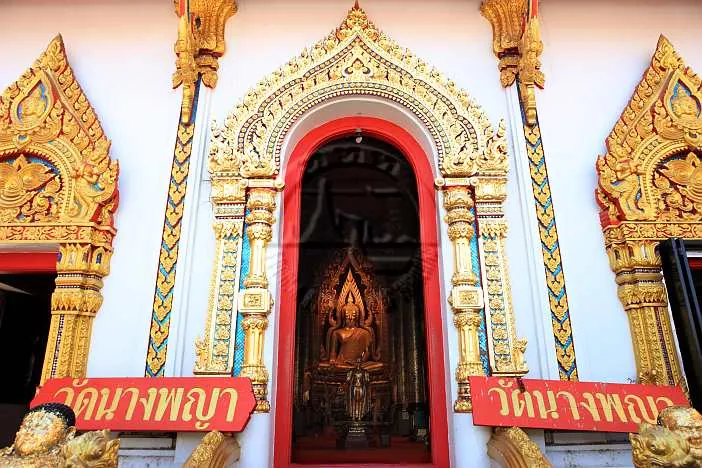
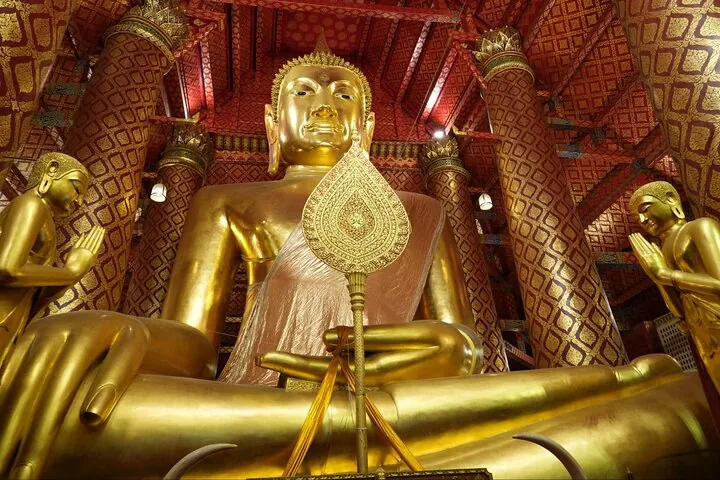
The image itself sits inside the main viharn in the classic Sukhothai subduing-Mara pose, distinguished by a flame-shaped aureole (rassmi) rising from the crown that frames the whole upper body rather than just the head — a design later copied on amulets and reproductions across the country. Gold plating was applied to the bronze surface in the early 17th century, and the statue draws a steady stream of Thai pilgrims making merit alongside visitors who come purely for the artistry. The viharn’s carved wooden doors, inlaid with mother-of-pearl, were commissioned in 1756 by King Boromakot of Ayutthaya as a royal donation — worth studying on the way in, since most visitors walk straight past them toward the Buddha image.
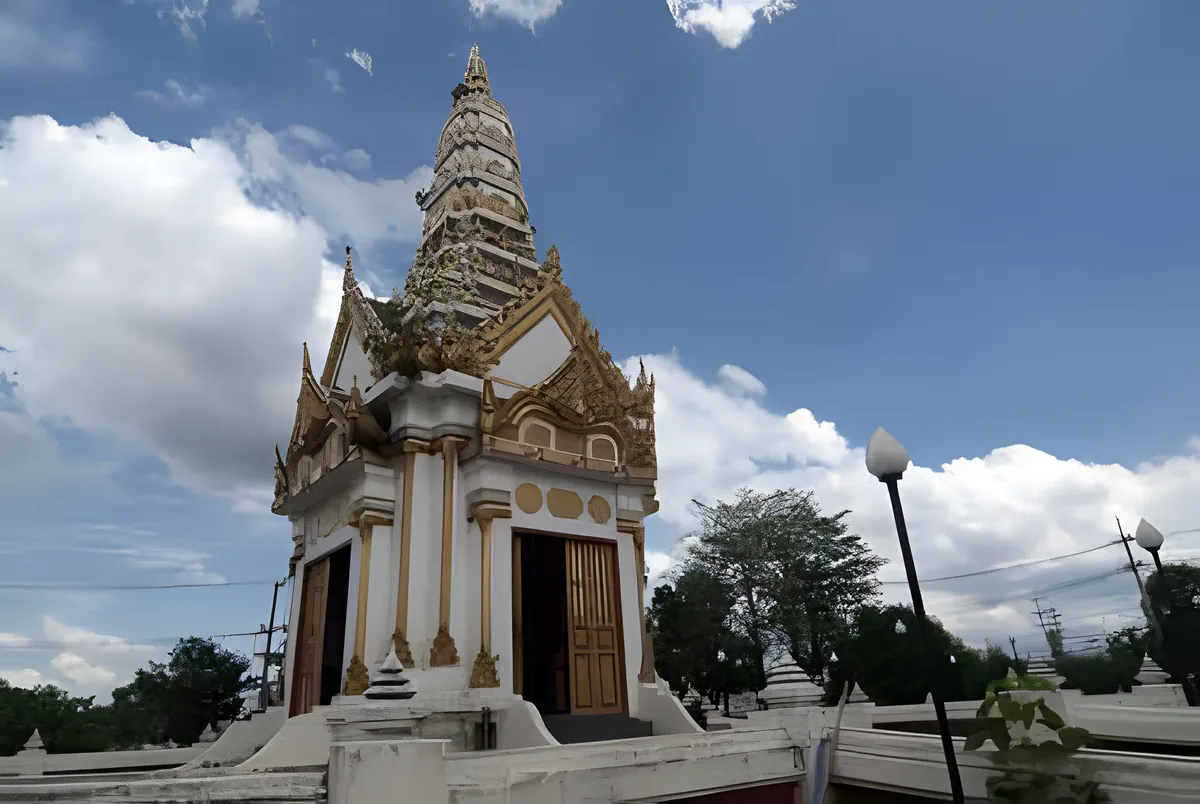
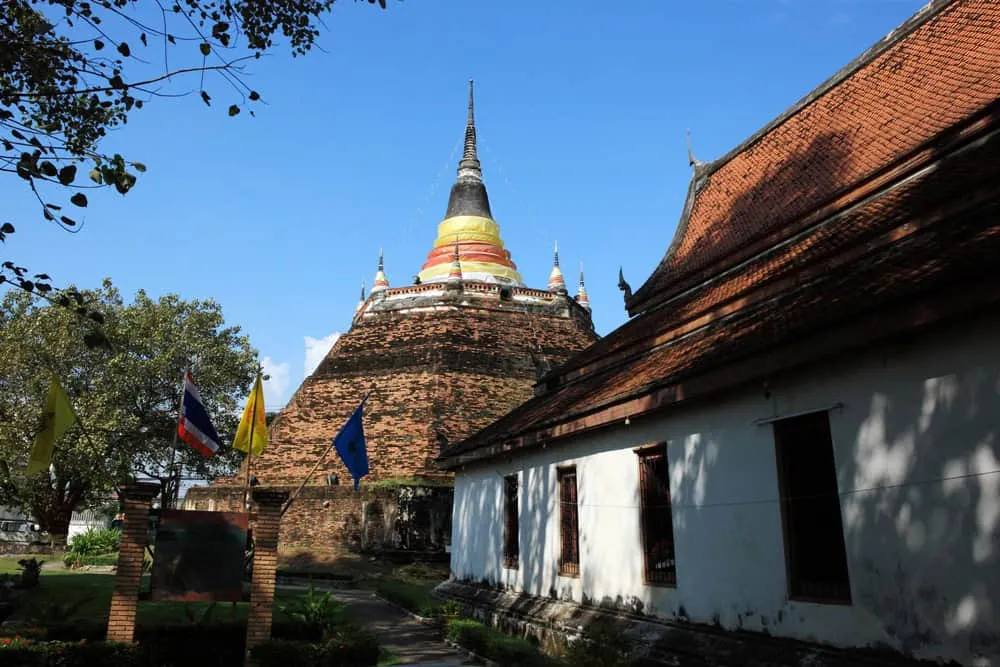
Behind the viharn, a smaller prang (Khmer-style tower) marks the temple’s older Sukhothai-era core, and the attached Phra Phutthachinnarat National Museum holds Buddha images and artefacts from the Sukhothai and Ayutthaya periods, open Wednesday to Sunday, 09:00–16:00, separately from the main temple hours. The temple complex also connects historically to King Naresuan, who governed Phitsanulok as viceroy in the 16th century when the city briefly served as a second Ayutthaya capital — the temple would have been the city’s central religious site throughout that period, much as it remains today.
- Entry fee: Free (donations welcome)
- Hours: Daily 06:30-18:00; museum Wed-Sun 09:00-16:00
- Main image: Phra Buddha Chinnarat, cast 1357, 3.75m bronze
- Founded by: King Maha Thammaracha I (Lithai) of Sukhothai
- Location: East bank of the Nan River, near Naresuan Bridge
Insider Tip: Visit in the early morning before the tour buses arrive from Sukhothai — Wat Yai is a standard stop on Sukhothai day trips, and the viharn gets crowded with tour groups from mid-morning onward.
Watch out: Cover shoulders and knees and remove shoes before entering the viharn. This is a working temple, not a roped-off monument — vendors near the entrance sell amulets and gold leaf, and the pressure to buy can feel persistent; it’s optional.
Wat Yai sits right at the heart of Phitsanulok, close to the riverside night market that runs along the Nan River in the evenings — an easy pairing after an afternoon temple visit. For more of the city’s history, Chan Palace, King Naresuan’s birthplace, and Wat Chulamani, the province’s oldest temple, are both a short drive away and make up the rest of Phitsanulok’s core historical circuit.
Location & Directions
92/9 Phutthabucha Road, Nai Mueang
Phitsanulok, Thailand
Show your taxi or Grab driver
วัดพระศรีรัตนมหาธาตุวรมหาวิหาร
Within Walking Distance




Frequently Asked Questions
Is this the same temple as Wat Phra Si Rattana Mahathat in Lopburi?
Is this the same as the ruins in Sukhothai called Wat Phra Si Rattana Mahathat?
What makes Phra Buddha Chinnarat so highly regarded?
Is there an entry fee?
What's the dress code?
Spotted something out of date or incorrect? Let us know
Tours visiting Wat Phra Si Rattana Mahathat (Wat Yai), Phitsanulok




Stay Near Wat Phra Si Rattana Mahathat (Wat Yai), Phitsanulok
Compare places to stay in Phitsanulok, or open the map for options closest to the attraction.