



Choa Le Village (To Ba Leaw Community)
หมู่บ้านชาวเล (ชุมชนโต๊ะบาหลิว)
Ban Sang Ka U (also spelled Sang Kha Ou), on Koh Lanta’s east side, is home to roughly 400 Urak Lawoi — Chao Le, or “sea-gypsy,” people descended from Indo-Malay seafarers who settled the island more than 500 years ago. Entry is free and the village is a working fishing settlement, not a recreated cultural display.
Who Lives Here
Koh Lanta holds one of Thailand’s largest concentrations of Urak Lawoi, whose language, matriarchal social customs and animist beliefs set them apart from both the Thai Buddhist majority and the hill-tribe peoples of the north — they are sea people, not mountain people. Most households fish, gather shellfish and run small boats for a living; wooden longtails line the shore in front of simple stilt houses.
The Loy Ruea Ceremony
The community’s biggest event is Loy Ruea, held on the full moons of the sixth and eleventh lunar months (roughly May-June and November each year). Villagers build small wooden spirit boats and launch them out to sea to carry away a year’s bad luck, with Rong Ngeng music and dancing on the beach into the evening. Outside those dates, the village is quiet — a scatter of fishing boats, drying nets and everyday chores rather than a scheduled attraction.
Insider Tip: Time a visit to the sixth- or eleventh-month full moon if the Loy Ruea ceremony interests you — check the Thai lunar calendar rather than a fixed Western date, since it shifts year to year.
Watch out: This is somebody’s home, not a museum. Ask before photographing people, and don’t wander into houses uninvited.
Practical Information
There’s no admission charge and no fixed visiting hours — it’s a residential village, best approached on foot or by rented scooter from Sala Dan. Buying seafood or handicrafts directly from stalls near the shore puts money straight into the community. A Thai-speaking guide helps with the language gap if you want more than a walk-through, since English is limited.
- Entry fee: Free
- Community: Urak Lawoi (Chao Le), around 400 residents
- Main event: Loy Ruea boat ceremony, 6th and 11th lunar-month full moons
- Livelihood: Fishing, shellfish gathering, small-boat seafaring
Getting There
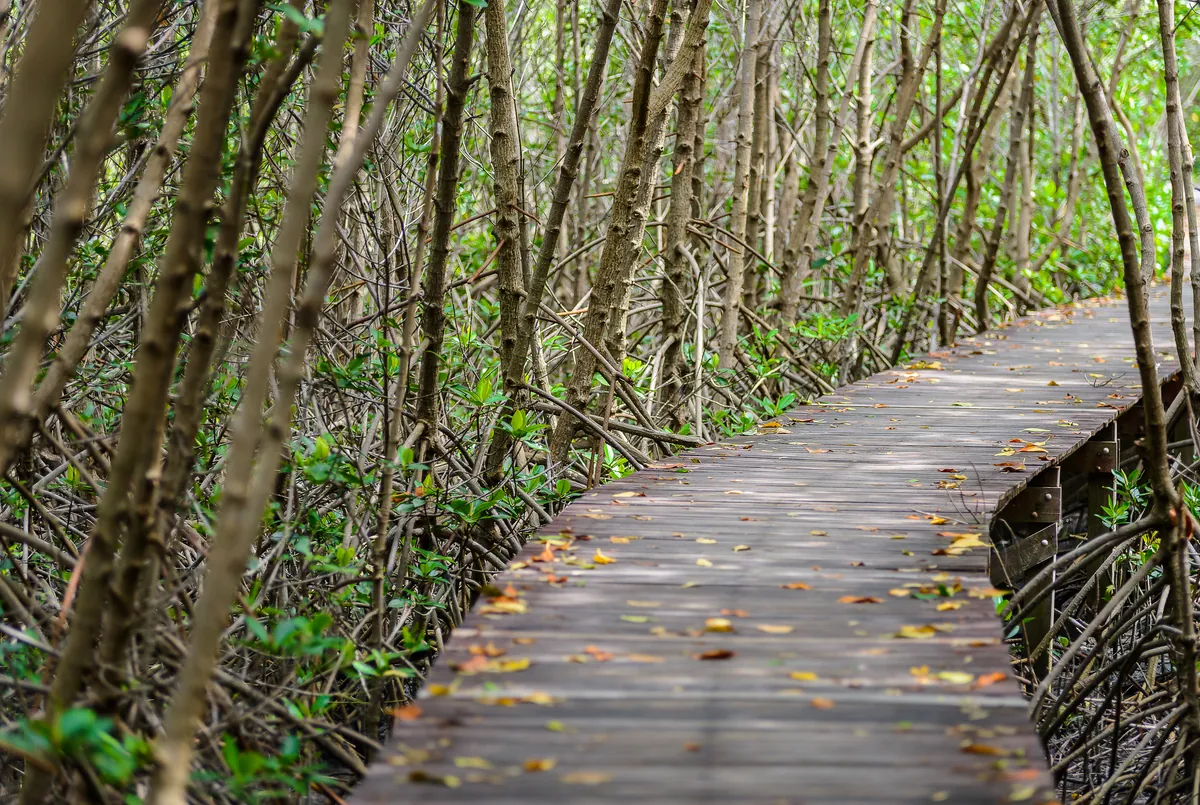
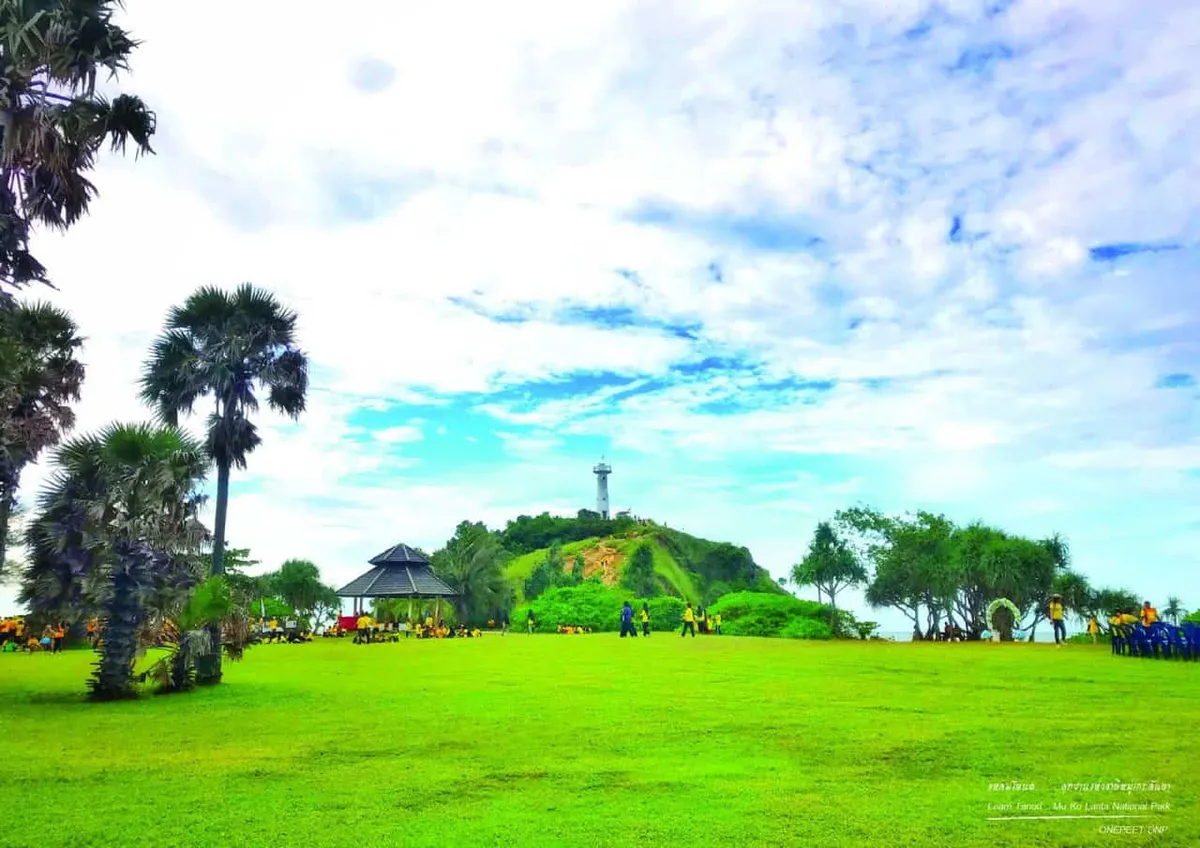
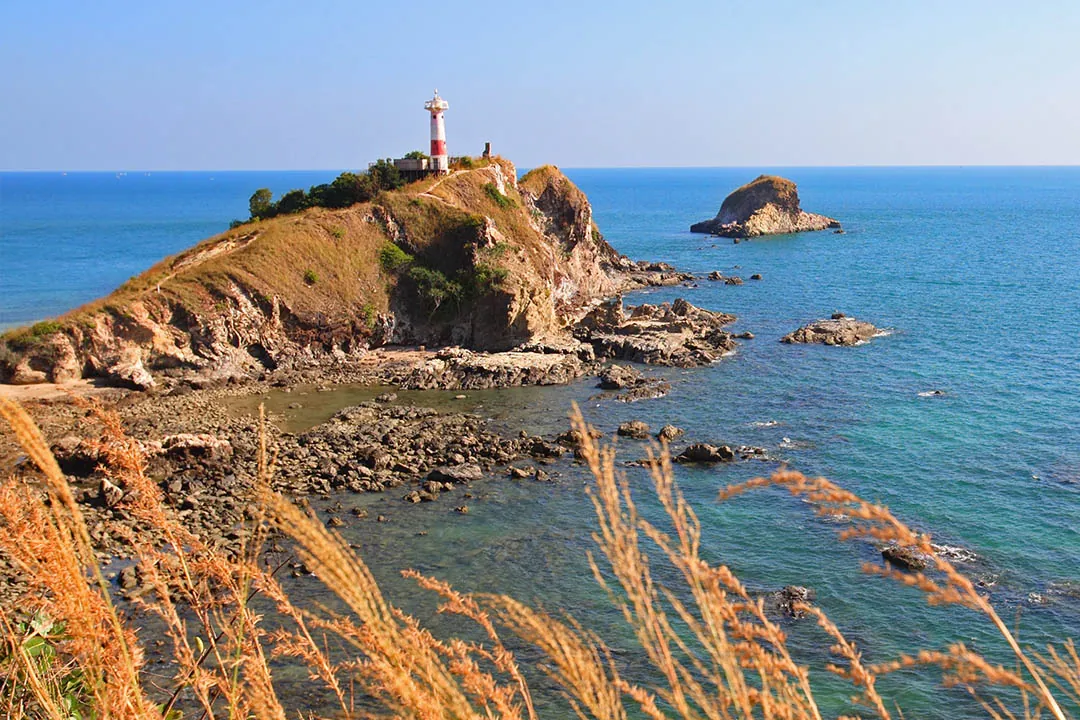
Choa Le Village (To Ba Leaw Community) is on Koh Lanta, Krabi. View on Google Maps. It sits within reach of Mu Ko Lanta National Park and the Thung Yee Peng mangrove forest, both worth combining into a day exploring the island beyond its beaches.
Location & Directions
Koh Lanta, Krabi
Koh Lanta, Thailand
Show your taxi or Grab driver
หมู่บ้านชาวเล (ชุมชนโต๊ะบาหลิว)
Frequently Asked Questions
Is this a hill tribe village?
Is there an entry fee?
When is the best time to visit?
Can I take photos of villagers?
Spotted something out of date or incorrect? Let us know
Popular tours in Koh Lanta

Stay Near Choa Le Village (To Ba Leaw Community)
Live prices for places closest to Choa Le Village (To Ba Leaw Community) — tap a pin to compare.