



Doi Pu Muen
ดอยปู่หมื่น
Doi Pu Muen is a Lahu hill-tribe village and Assam tea plantation in Mae Ai district, on the mountainous stretch of northern Chiang Mai province between Fang and the Myanmar border. It isn’t a hiking peak in the usual sense: there’s no marked summit trail or trailhead fee. It’s a working tea village that opened up to homestay tourism, built around a planting that traces back to a 1972 royal visit.
Lahu (Musoe Daeng) families settled this ridge after migrating south from China through Myanmar, and the village took its name (“grandfather’s thousand” in the local telling) generations before tourism arrived. In 1972, King Bhumibol Adulyadej (Rama IX) visited Ban Doi Pu Muen and gave the community Assam tea plants to cultivate as an alternative to the opium poppy farming common in the hills at the time. That planting became the village’s first tea crop, and the plantations that now cover the slopes descend from it.
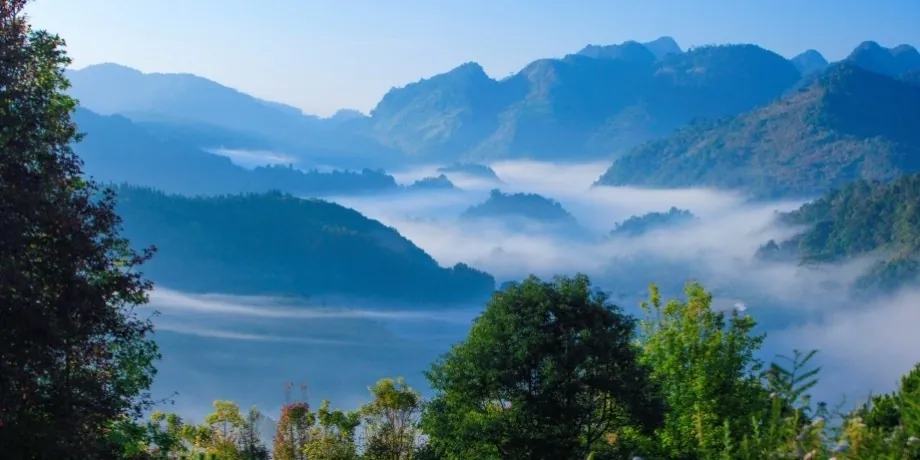
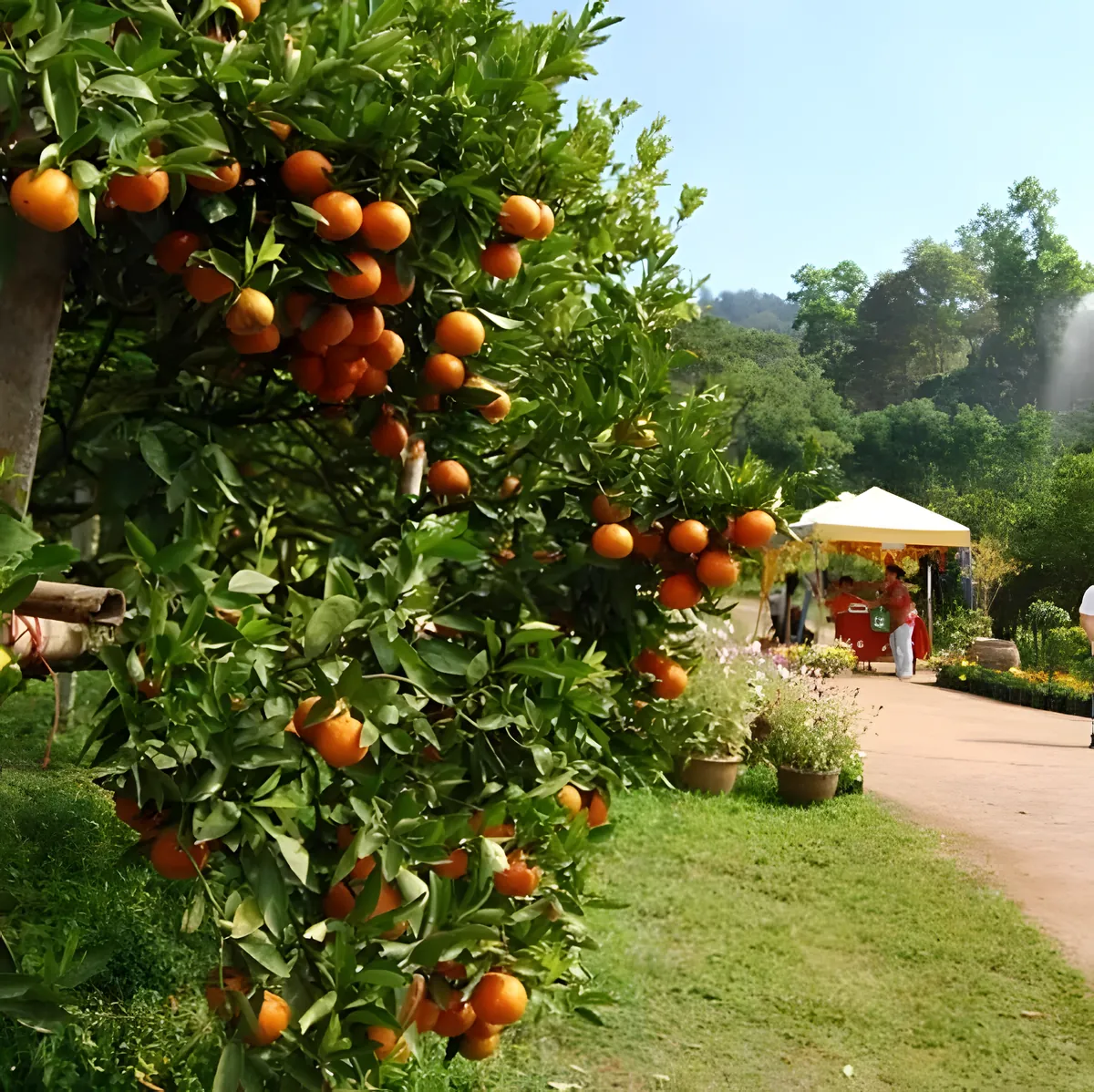
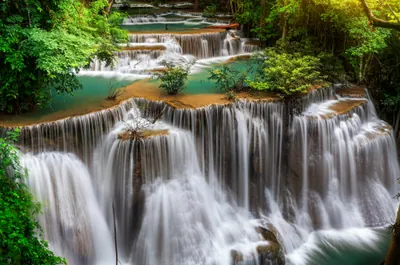
Visitors walk the tea rows, watch pickers work the bushes by hand, and can usually see the small-scale processing that turns raw leaf into the oolong and black tea sold from the village. A cluster of Lahu-run homestays gives a closer look at hill-tribe daily life than a day-trip allows. Expect simple rooms, home-cooked meals, and evenings without much beyond conversation and the cold mountain air. A short walk leads to Doi Pu Muen waterfall, and a hilltop clearing gives the area’s best view: on clear mornings, sea-of-mist conditions settle in the valleys below before burning off by mid-morning.
- Location: Ban Doi Pu Muen, Mae Sao subdistrict, Mae Ai district (near Fang)
- Entry: Free to walk the village and plantation; homestays and tours paid separately
- History: Lahu (Musoe Daeng) hill-tribe village; royal tea planting since 1972
- Best time: Cool season mornings (Nov–Feb) for the sea-of-mist view
- Access: Own vehicle or hired truck from Fang; the mountain road is steep
Insider Tip: Arrive before 8am if you want the mist view. It’s usually gone by mid-morning, and there’s no way to time it precisely since it depends on the previous night’s temperature drop.
Watch out: This is a working agricultural village, not a resort. Expect basic homestay facilities and no restaurant beyond what’s cooked for guests. Confirm a homestay booking ahead rather than turning up unannounced.
Doi Pu Muen sits within reach of Fang town and pairs naturally with Doi Ang Khang, the region’s larger and more developed tea-and-flower highland station, or a stop at Fang Hot Springs on the way back down.
Location & Directions
Moo 5
Fang, Thailand
Show your taxi or Grab driver
ดอยปู่หมื่น
Frequently Asked Questions
Is Doi Pu Muen the same as Doi Ang Khang?
What is there to do at Doi Pu Muen?
Can I stay overnight?
Is there an entry fee?
How do you get there from Fang?
Spotted something out of date or incorrect? Let us know
Stay Near Doi Pu Muen
Live prices for places closest to Doi Pu Muen: tap a pin to compare.