







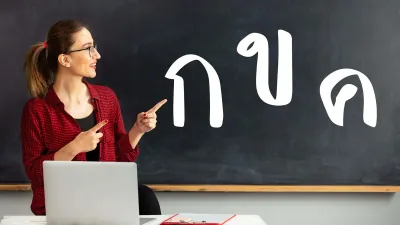
Thai has five tones — and the same syllable said five different ways means five different things. That’s the hard part. The easy part: Thai people genuinely light up when visitors attempt even a few words, and a basic vocabulary of 20-30 phrases handles most situations you’ll encounter.
This guide covers the essentials: greetings, polite particles (krap/ka), shopping phrases, restaurant vocabulary, and directions — plus a quick note on tones and pronunciation so you know what you’re getting into.
Common Thai Phrases
Greetings
Greetings are an important part of Thai culture and etiquette. It is customary to greet people with a smile, a bow, or the traditional Sawasdee (hello). This phrase can be used in both formal and informal settings.
When entering someone’s home or business, say “Sawasdee krap” if you speak as male or “Sawasdee ka” if you speak as female. The ending follows the speaker, not the person being greeted. To express gratitude, use “Khop khun krap” or “Khop khun ka” in the same way.
When meeting someone new, ask “Sabai dee mai?”, meaning “How are you?” A common reply is “Sabai dee”, or “I’m fine.” When leaving, say “La gorn” followed by the polite ending that matches how you speak.
Use “Khob khun” to thank someone. “Mai pen rai” means “no problem” or “never mind”; use it to accept an apology, decline help, or let a minor issue go, not as a replacement for thanks.
Greetings are an important part of Thai culture, and learning some basic phrases can help you make a great impression on locals.
For more about Thai etiquette and culture, you can see our guide here.
Using Polite Endings
Adding Ka/Krub to the end of a sentence is a way of conveying politeness while speaking. You will generally hear these particles all the time when listening to Thai being spoken.
A woman says “Ka“
A man says “Krub“
Basic Thai Words
I (male speaker)PhomผมI (female speaker)ChanฉันHelloSawasdeeสวัสดีHow are you?Sabai dee maiสบายดีไหมExcuse me/SorryKaw tohdขอโทษYou’re welcomeDuai khwam yin diด้วยความยินดีYes/NoChai/Mai chaiใช่/ไม่ใช่Thank youKhob khunขอบคุณI can’t speak ThaiPoot pah-sah Thai mai daiพูดภาษาไทยไม่ได้Can you speak slowly?Khun poot cha cha dai maiคุณพูดช้าๆได้ไหมI don’t understandMai kao jaiไม่เข้าใจSee you laterJer ganเจอกันGood nightFan diฝันดี
Questions
Questions are an important part of communication when travelling, especially in a foreign country.
Knowing the right questions to ask can help you get around and find what you need more easily. Here are some common questions that tourists may need to ask while in Thailand:
Where is the bathroom?Hong nam yoo tee nai ห้องน้ำอยู่ที่ไหนHow much does this cost?Raka tao rai ราคาเท่าไหร่Can you speak English?Khun poot pah-sah un-grit dai maiคุณพูดภาษาอังกฤษได้ไหมWhat is your name?Khun cheu ah-raiคุณชื่ออะไรHow old are you?Khun ah-yoo tao raiคุณอายุเท่าไหร่Where are you from?Khun mah jahk prah-teht ah-rai คุณมาจากประเทศอะไรDo you have Wi-Fi?Mee wifi maiมีไวไฟไหมWhat time is it?Ki mongกี่โมงWhat time does it open/close?Peid/Pid ki mong เปิด/ปิด กี่โมง
These basic phrases should be enough for most situations, but if all else fails, don’t forget that pointing and smiling will usually do the trick.
Shopping
Shopping in Thailand can be an exciting and rewarding experience. A handful of basic phrases covers most stalls — souvenirs, clothing, electronics — and knowing them before you haggle pays off. Here are some of the most useful phrases for shopping in Thailand:
What would you like?Aou arai deeเอาอะไรดีHow much does this cost?Auun nii tao rai อันนี้ราคาเท่าไหร่** **I want this. / I want that.Ao uhn nee / ao uhn nunเอาอันนี้/เอาอันนั้นCan you lower the price? Loht noy dai maiลดหน่อยได้ไหมIt’s too small. / It’s too big. Lek gern pai / yai gern paiเล็กเกินไป/ใหญ่เกินไปDo you have size ……?Mee ber/size……..maiมีเบอร์/ไซส์………..ไหมCan I try it on?Lawng sai dai maiลองใส่ได้ไหมThat’s cheap. / That’s expensive.Took / paengถูก/แพงWhat colours do you have?Mee see arai bangมีสีอะไรบ้างI like it. / I don’t like it. Chawp / mai chawpชอบ/ ไม่ชอบCan I pay with a credit card /cash ? Chan jay duay credit card/ ngern sod dai maiจ่ายด้วยเครดิตการ์ด/เงินสดได้ไหมI don’t want a plastic bagMai ao toongไม่เอาถุง
These phrases are most useful at independent stalls without fixed price tags. Negotiate politely only when the seller indicates that the price is flexible; shops, restaurants, and clearly marked stalls normally use fixed prices.
Eating Out
Eating out in Thailand can be a fun and exciting experience, but it can also be intimidating if you don’t know the language. To make sure your dining experience is as enjoyable as possible, here are some useful phrases to help you navigate Thai restaurants.
Are you hungry? Khun hiw maiคุณหิวไหม Have you eaten yet? Khun kin arai reu yangคุณกินอะไรหรือยังI’ve ordered alreadyChan Suhng laewฉันสั่งแล้วI** can eat spicy. / I can’t eat spicy.Chan kin pet dai/ Chan kin pet mai daiฉันกินเผ็ดได้/ฉันกินเผ็ดไม่ได้Don’t add [food], please. **Mai sai….ไม่ใส่…
Finally, when paying your bill at the end of your meal remember to say thank you with either “Khob khun krub” (for males) or “Khob khun ka” for females). This will show respect and appreciation towards your server.
Eating out in Thailand is a great way to sample the country’s delicious cuisine, so don’t forget to try some of the local dishes while you’re there! Now let’s move on to finding accommodations.
Directions
Asking for directions in Thailand can be a daunting task, especially if you don’t speak the language. However, with some basic Thai phrases and words under your belt, it doesn’t have to be so intimidating. Here are some useful phrases that will help you find your way around:
Where is…? …yoo ti nai
Here are some Vocabulary hotel: rohng-raem airport: suh-nahm-bin market: ta lad temple: waht massage: rahn nuad bus station: sa ta ni rod pra jam tang bathroom: Hong nam restaurant: rahn ah hahn post office: brai sa nee immigration: dtaw maw….อยู่ที่ไหนHow do I get there?Chan/ Phom ca pi tii nan dai yang rai ฉัน/ผม จะไปที่นั่นได้อย่างไรGo straight. / Turn left. / Turn rightTrohng pai / lee-oh sai / lee-oh kwah ตรงไป/เลี้ยวซ้าย/เลี้ยวขวาStop here. / Park thereYoot tee nee/ Jowt tee nun หยุดที่นี่/จอดที่นี่
These simple questions should help you navigate around Thailand more easily and make sure that you don’t get lost. If all else fails, just ask someone nearby for assistance or use Google Maps on your phone to locate yourself and figure out where you need to go next.
How do you pronounce Thai phrases?
The pronunciation of Thai phrases can be quite challenging for English speakers. It is important to take the time to learn the basics and practice regularly.
The tones used in Thai are an essential part of understanding how words should sound, as they change the meaning of a word when pronounced differently.
There are five tones in total: mid, low, falling, high and rising. Each tone has its own distinct sound that must be mastered in order to correctly pronounce a phrase or word.
Some consonants also require more emphasis than others when speaking Thai.
With patience and practice, you will soon become familiar with these nuances and be able to confidently speak basic phrases in no time!
Conclusion
Learning basic Thai phrases can be a great way to make your holiday in Thailand more enjoyable. Knowing how to greet people, ask questions and navigate around the country will help you feel more comfortable during your stay. With this knowledge, you’ll be able to enjoy all that Thailand has to offer without worrying about language barriers.
So don’t forget to brush up on your basic Thai phrases before embarking on your next trip!