



Khao Yai
เขาใหญ่
National parks, wild animals and natural beauty in the heart of Thailand
Recommended by us

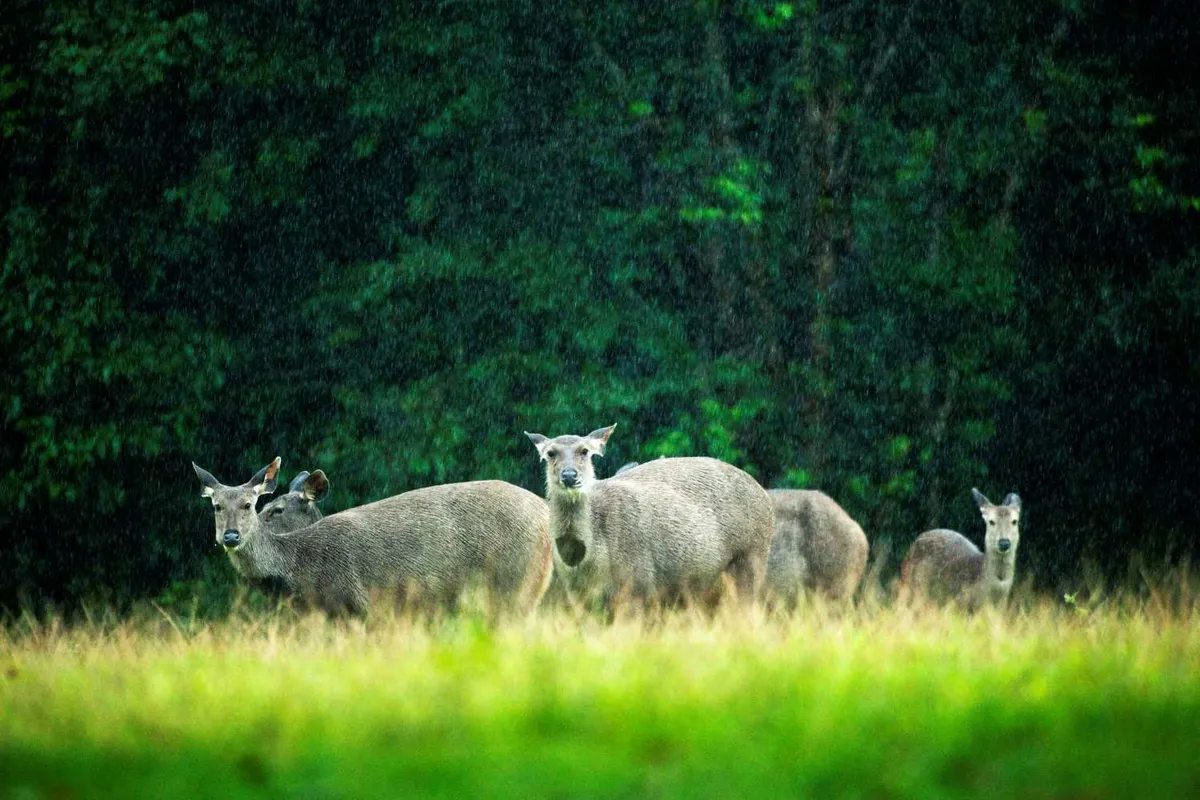
Khao Yai National Park
UNESCO-listed and genuinely wild — gibbons, hornbills, elephants and the occasional leopard. The night safari is the single best way to see mammals. Hire a local guide; the park is large and unmarked trails mislead.

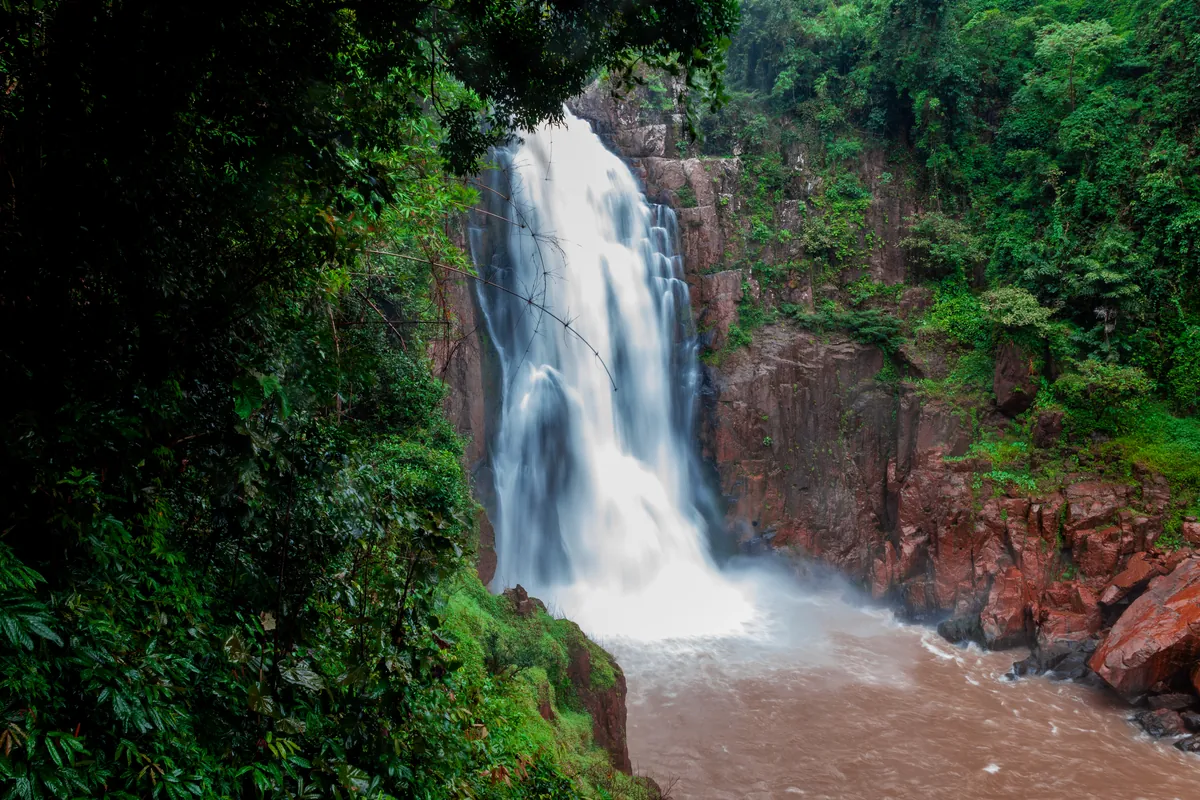
Haew Narok Waterfall
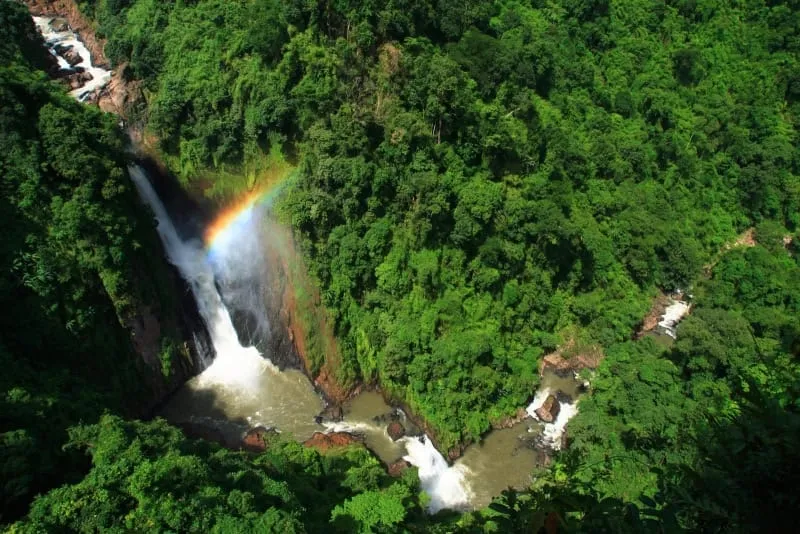
The park's largest waterfall — a 150-metre drop in three tiers. Elephants drink here in the dry season. The viewing platform is a 20-minute walk from the car park.

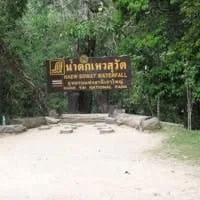
Heo Suwat Waterfall
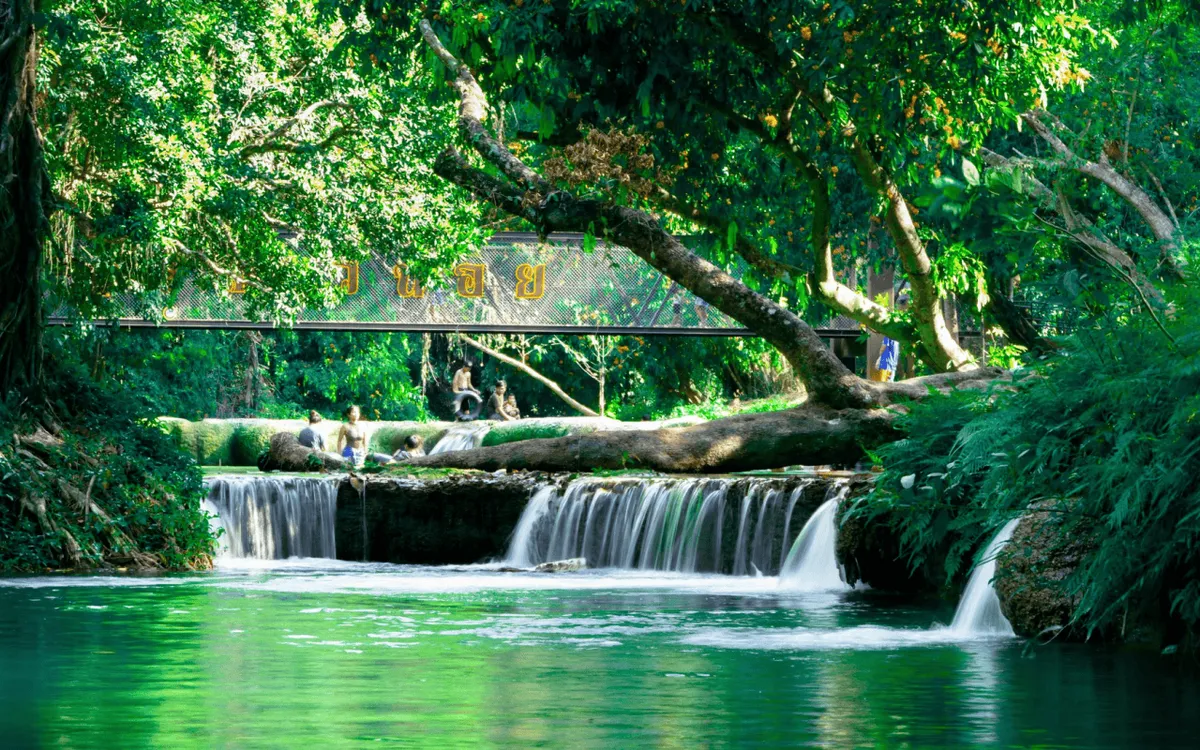
The waterfall from The Beach (the film, 2000). Smaller than Haew Narok but the pool below is swimmable and the forest walk in is pleasant.

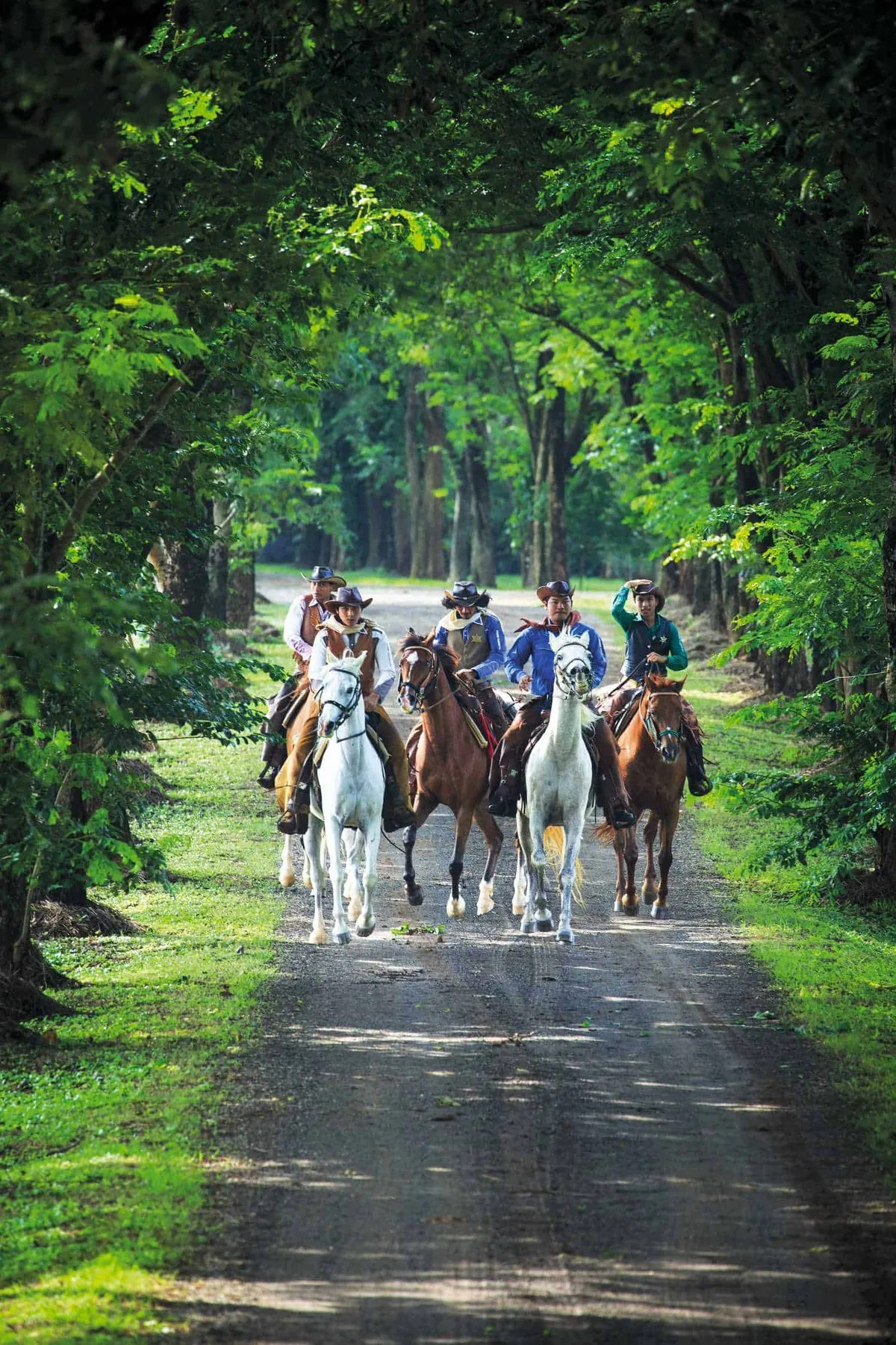
Farm Chokchai
Thailand's most famous cattle farm — part working ranch, part attraction, with tours, ice cream and cowboy shows. Good for families; book the farm tour in advance.

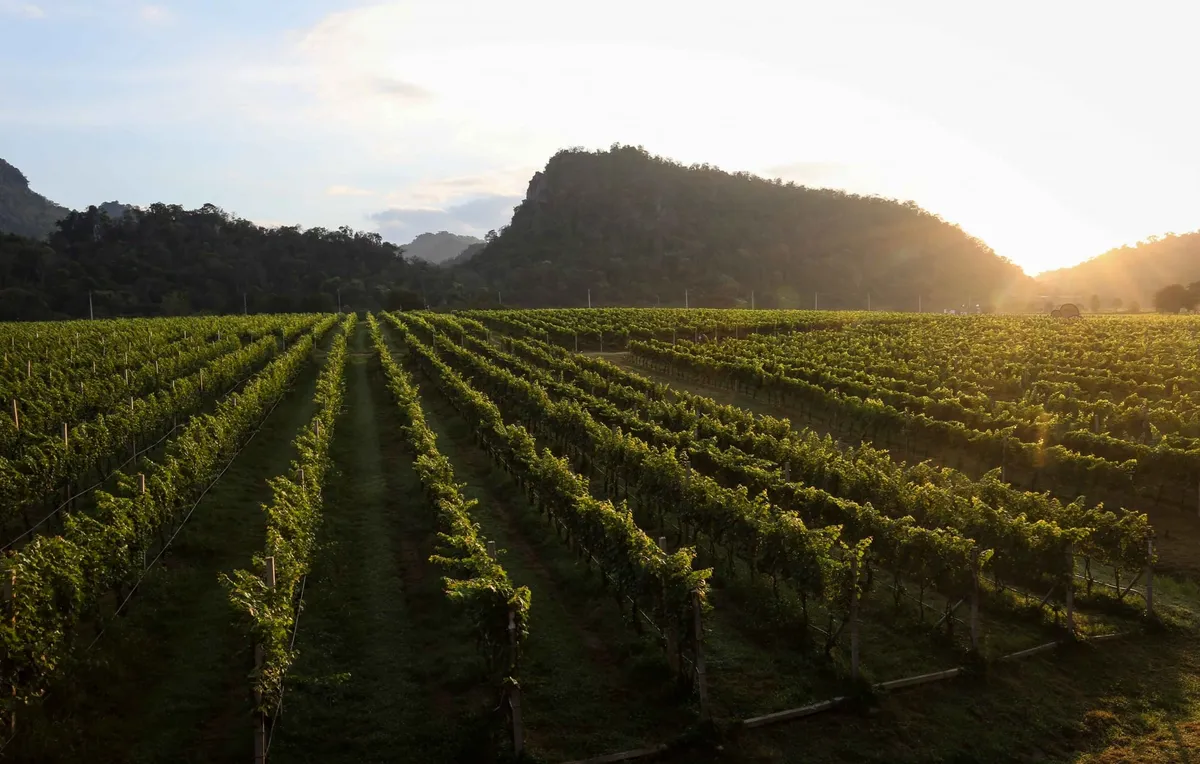
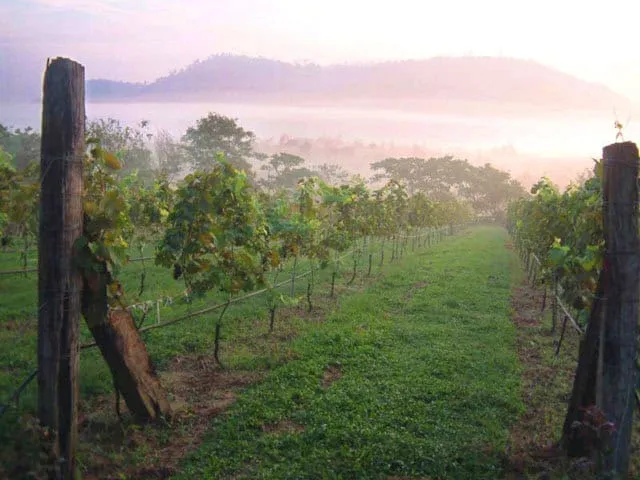
GranMonte Vineyard and Winery
One of Thailand's better-regarded wineries, growing Chenin Blanc and Syrah at altitude. Tours and tastings run daily — call ahead to confirm timings.
Get to Khao Yai
About 2.5 hours from Bangkok by bus to Pak Chong, then a songthaew or taxi into the park. A hired car gives you much more flexibility once you're there.

eSIM for Thailand
Land with data already working and skip the airport SIM queue. We tested six plans — code THAIHOLIDAY saves 10%.

Travel insurance
Jungle hiking, night safaris and wildlife encounters — sort cover before you go. Check it includes trekking activities.
Waterfalls, peaks, caves & parks
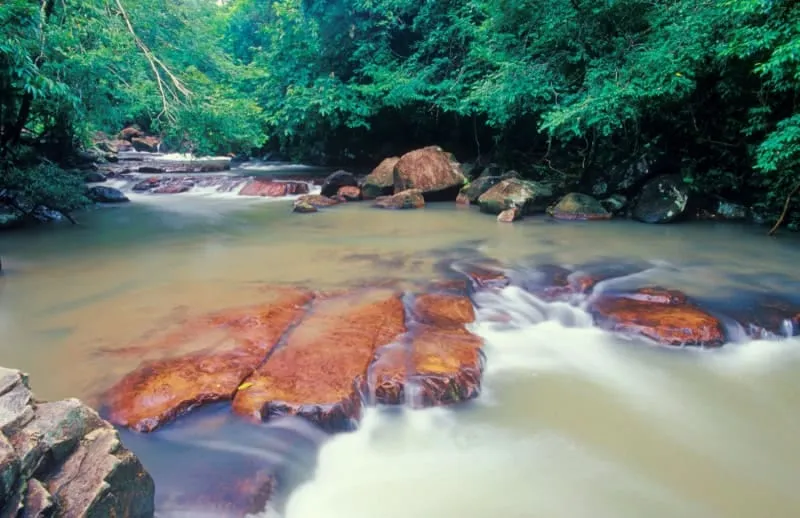
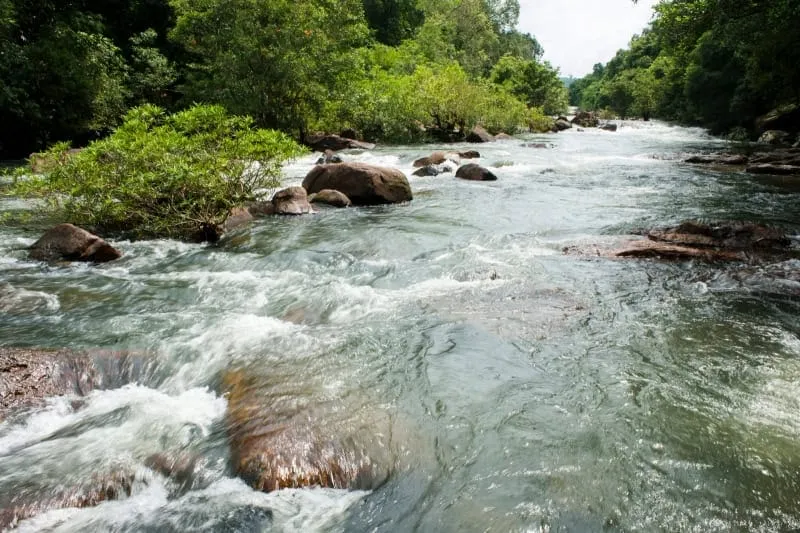
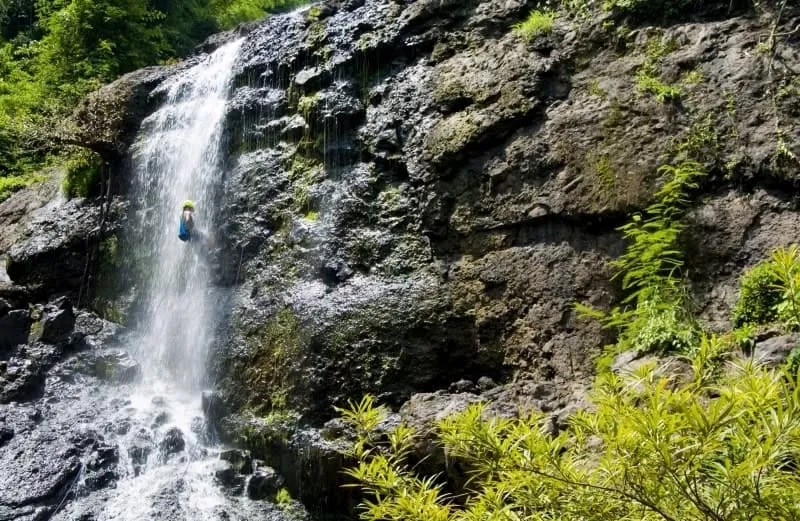
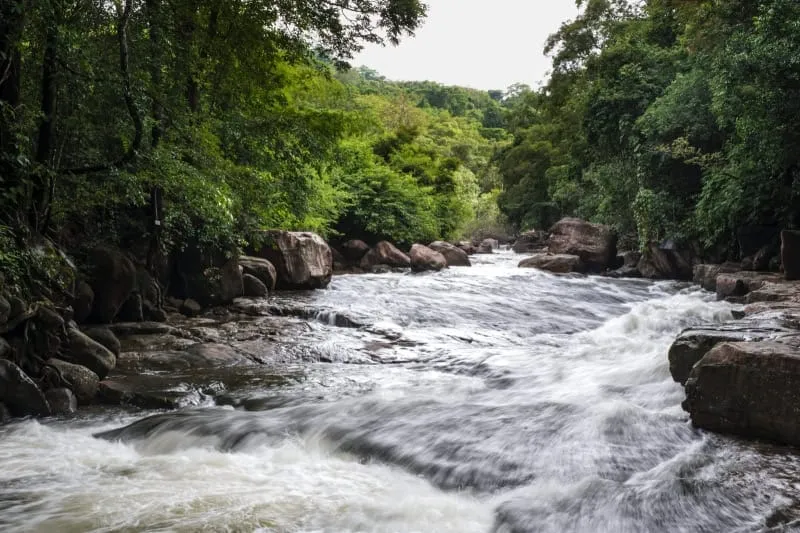
Nature & outdoors around Khao Yai













Crafts, communities & farms
Villages & countryside around Khao Yai




Things to do on the map
Tap a pin for details — 30 places in Khao Yai plotted.
Which area to stay in
Thanarat Road (Route 2090)
The main resort-and-restaurant strip running up to the park's northern gate. Most visitors base here — wineries, cafes and farm-themed attractions line the road.
Pak Chong
The gateway town on the railway line, with budget hotels and the cheapest food. Handy for arrivals and transport, but around 25 km from the park entrance.
Wang Nam Khiao
The cooler resort area on the Nakhon Ratchasima side, known for wineries and mountain-view stays. Quieter and more spread out than the Pak Chong approach.
Where to stay in Khao Yai

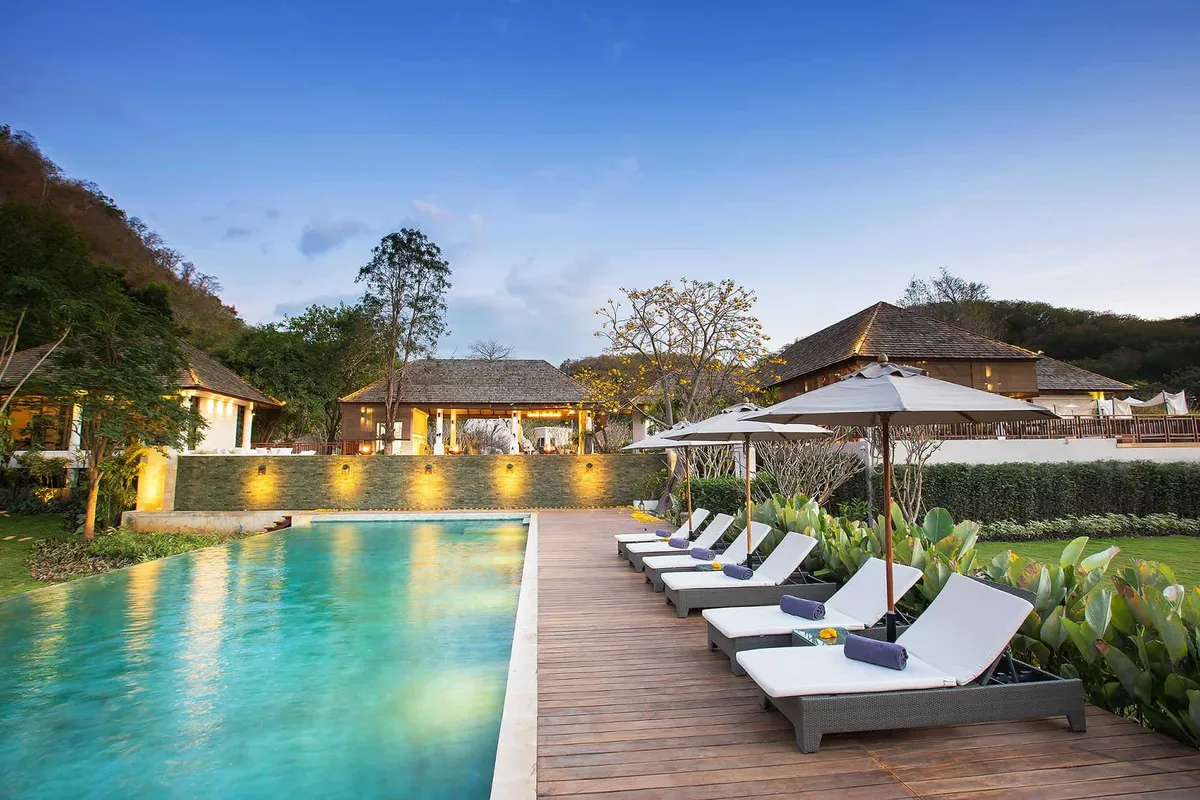
The Series Resort Khaoyai

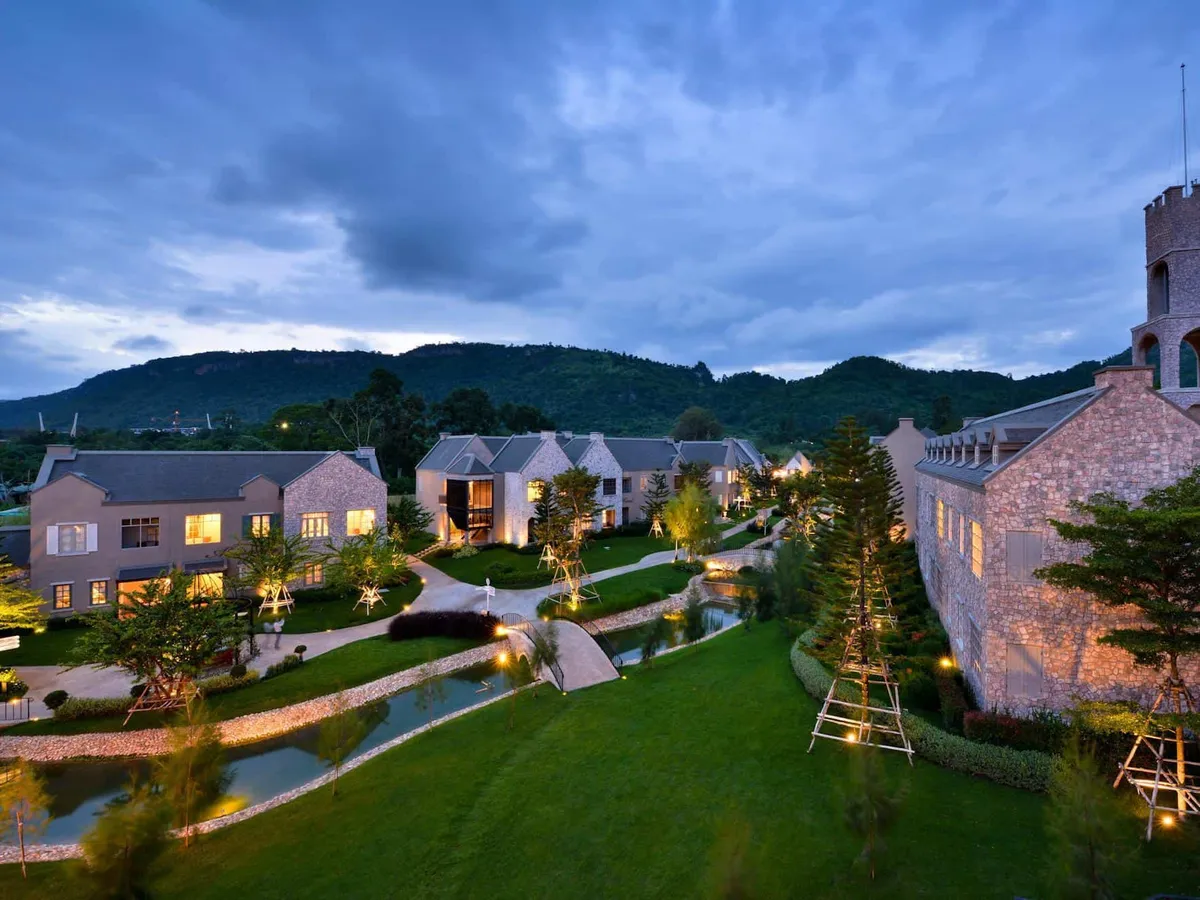
Thames Valley Khao Yai Hotel

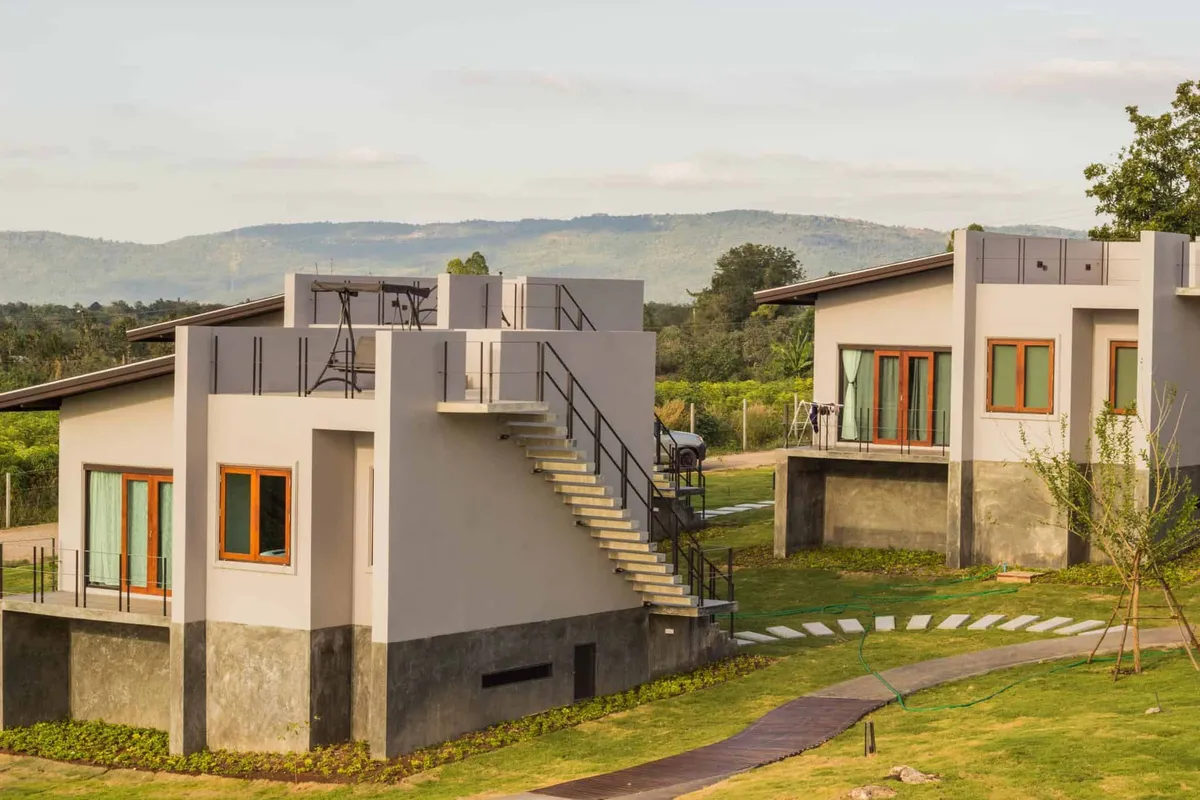
Chevin Khaoyai

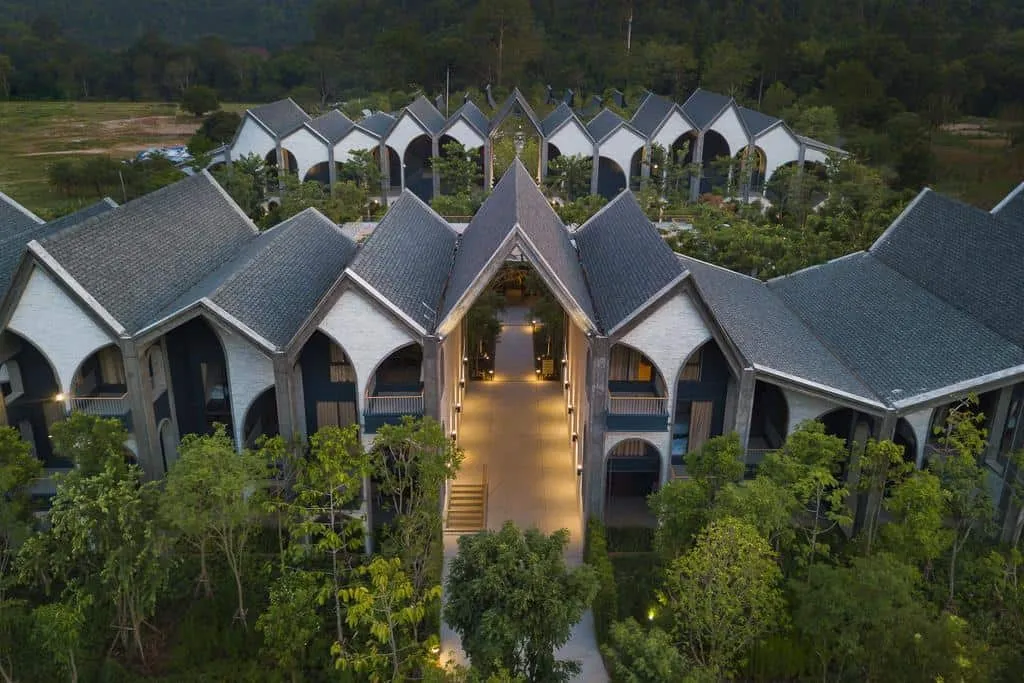
Hotel Labaris Khao Yai (SHA certified)

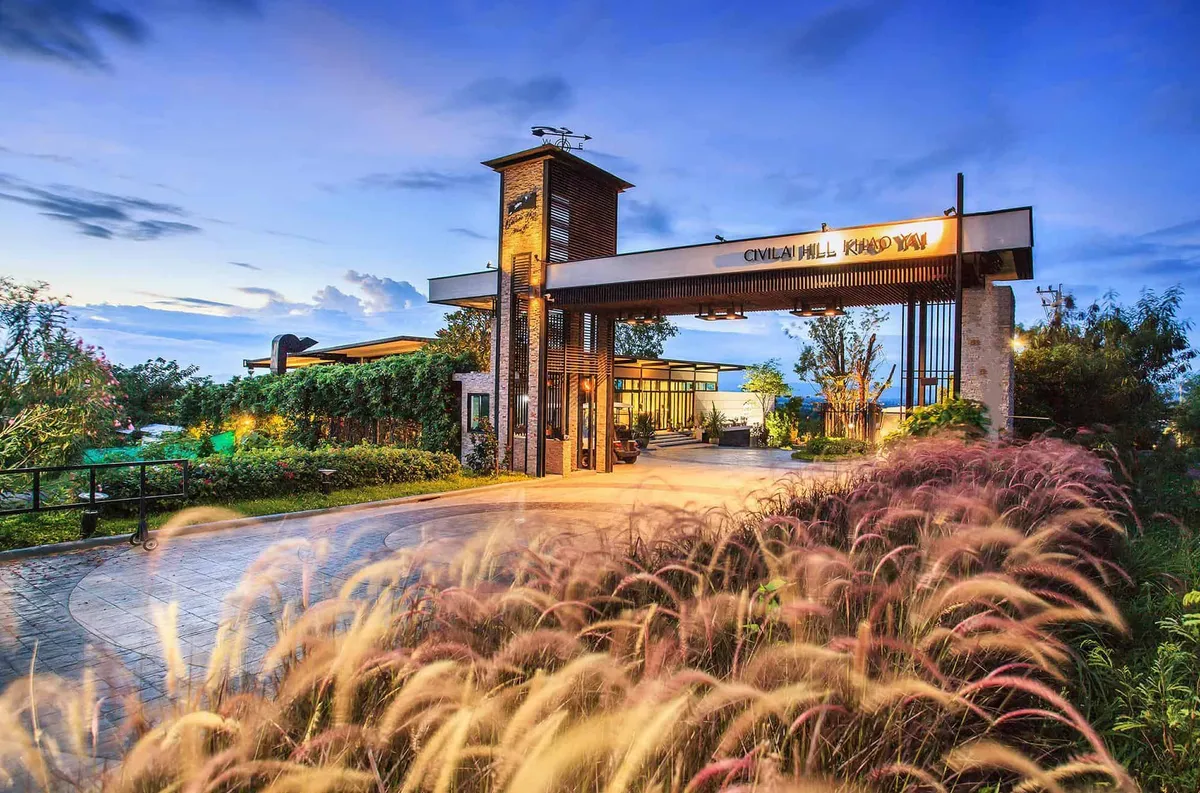
The Private Pool Villas at Civilai Hill Khao Yai

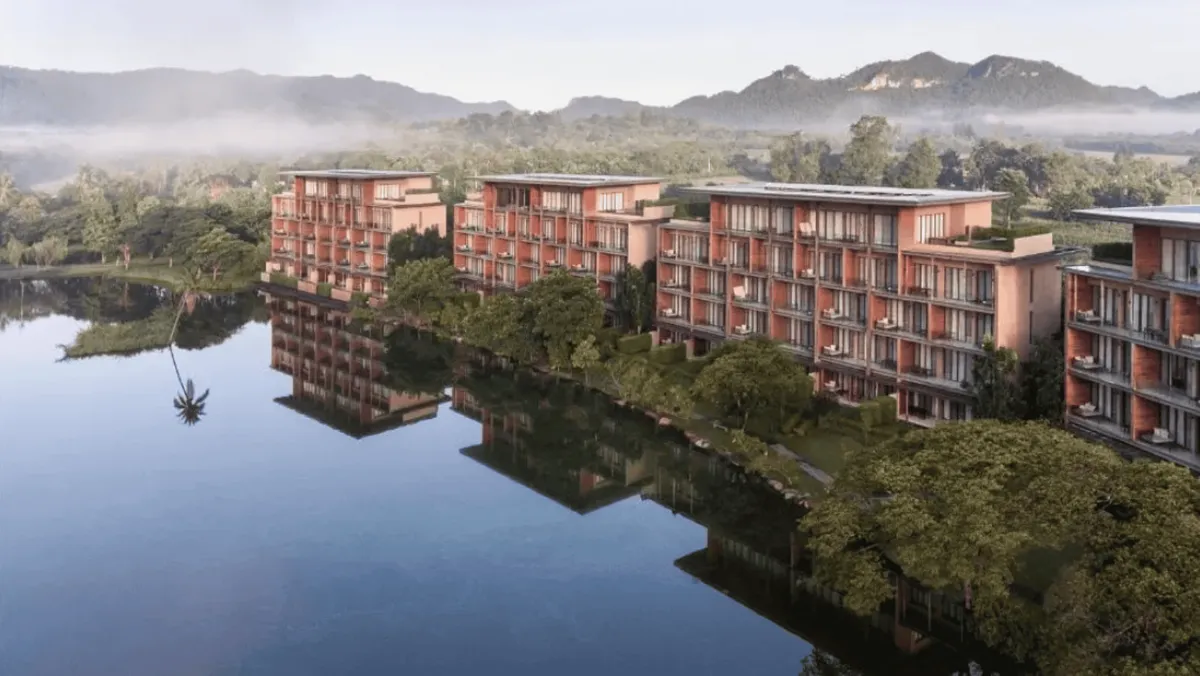
atta Lakeside Resort Suite (SHA Certified)

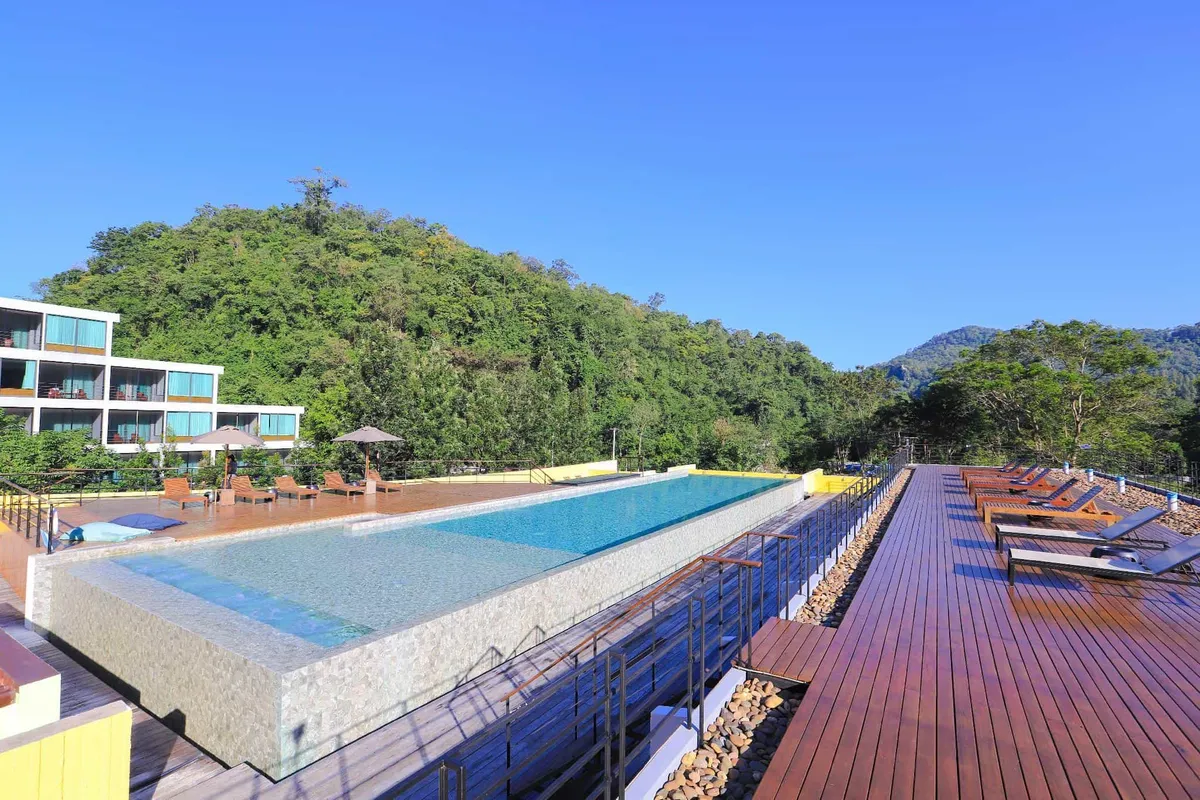
Hansar Thai Wellness

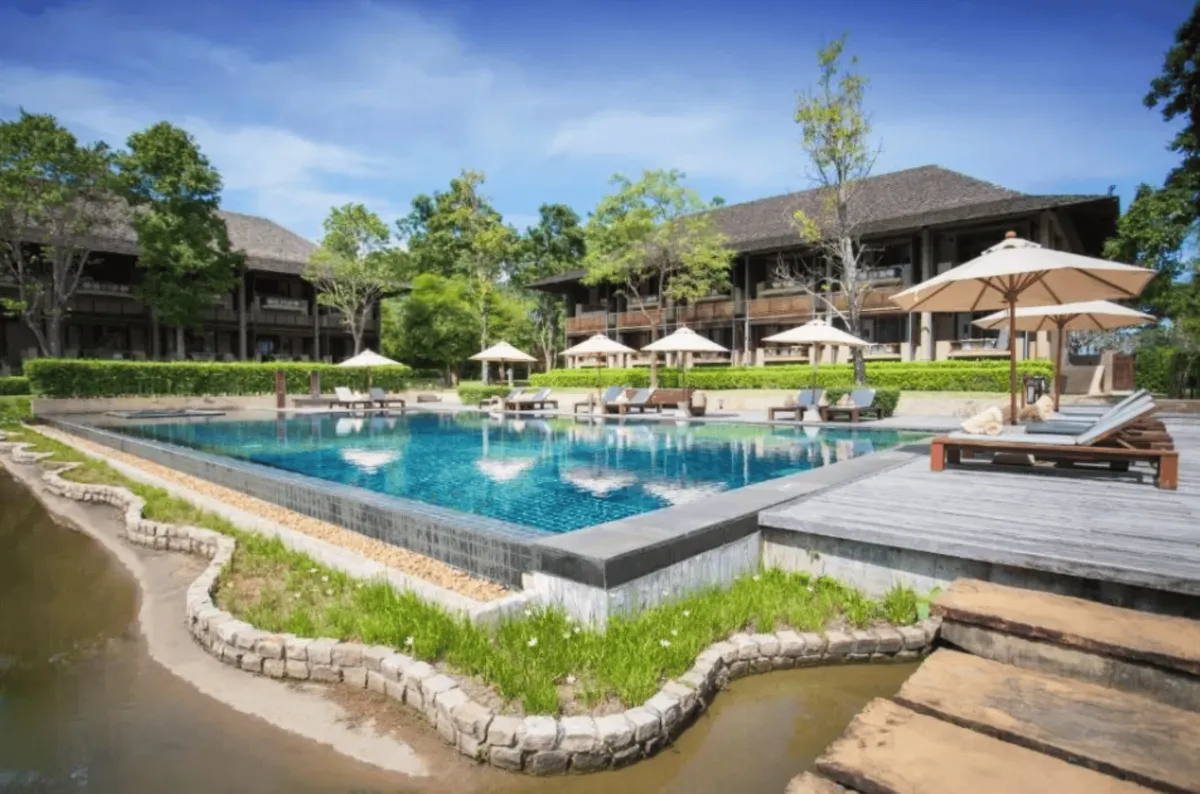
Kirimaya Golf Resort & Spa (SHA Certified)

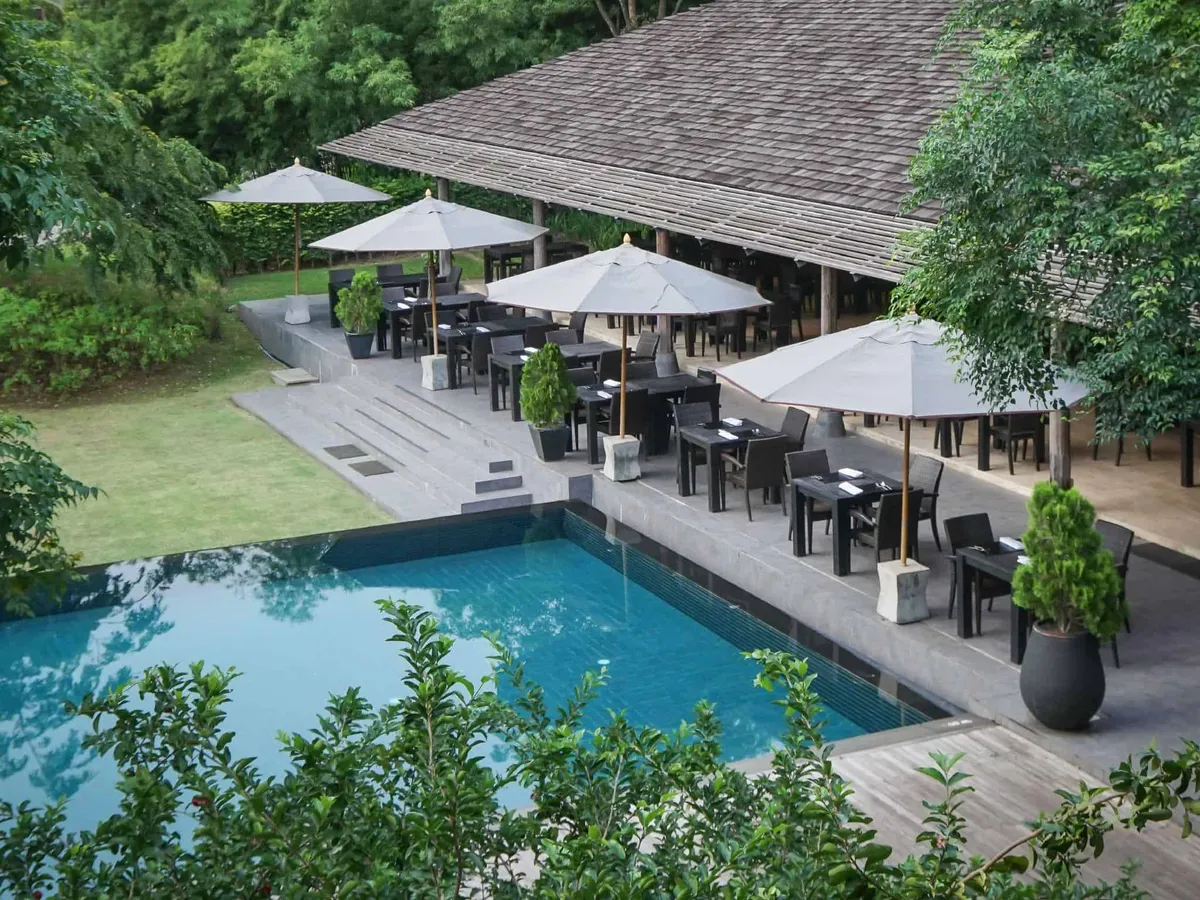
Muthi Maya Forest Pool Villa Resort (SHA Certified)

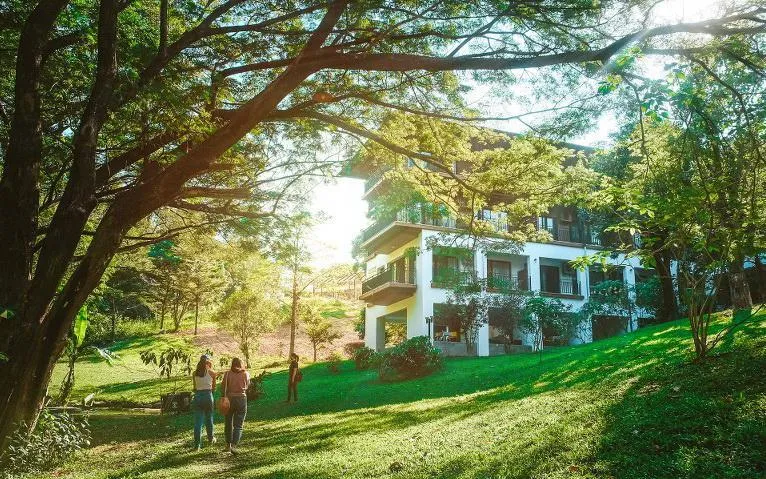
Rain Tree Khao Yai Hotel

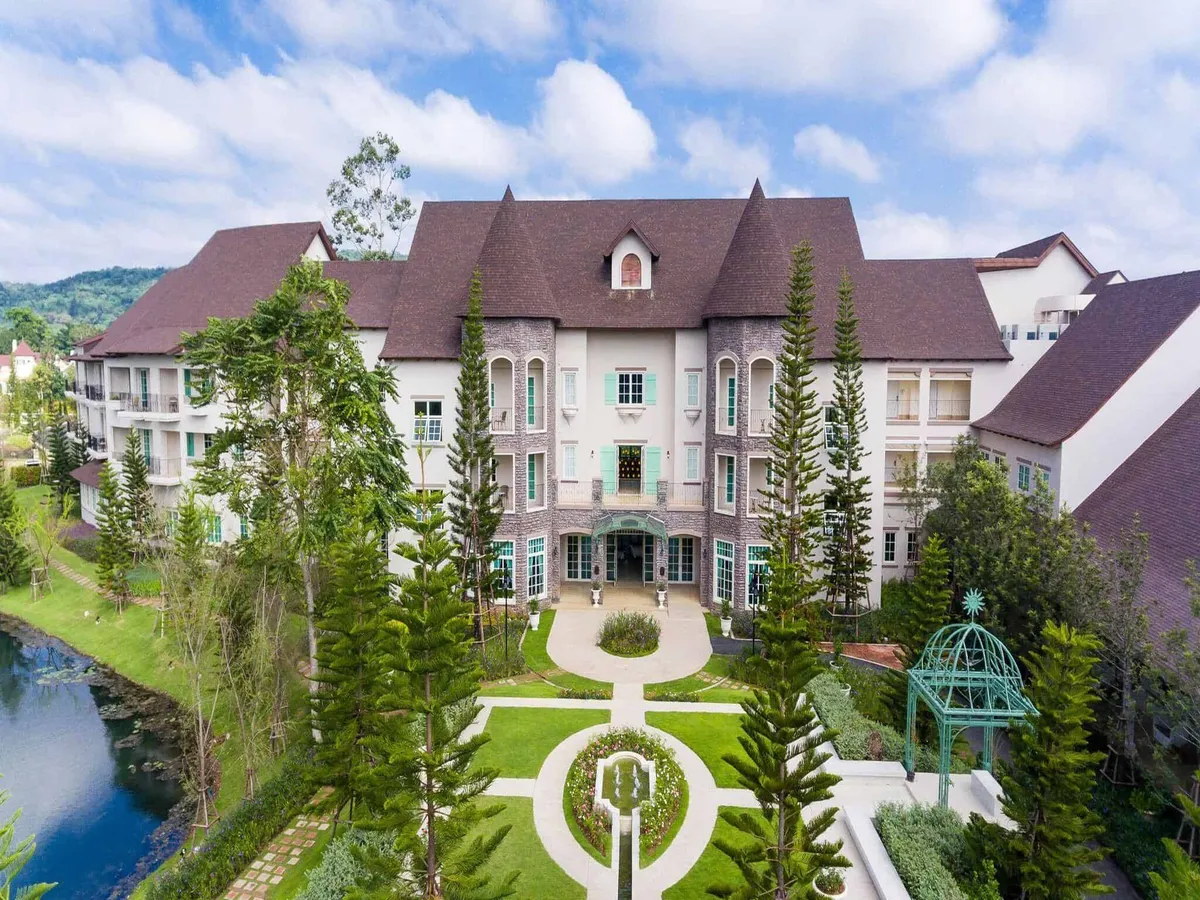
U Khao Yai

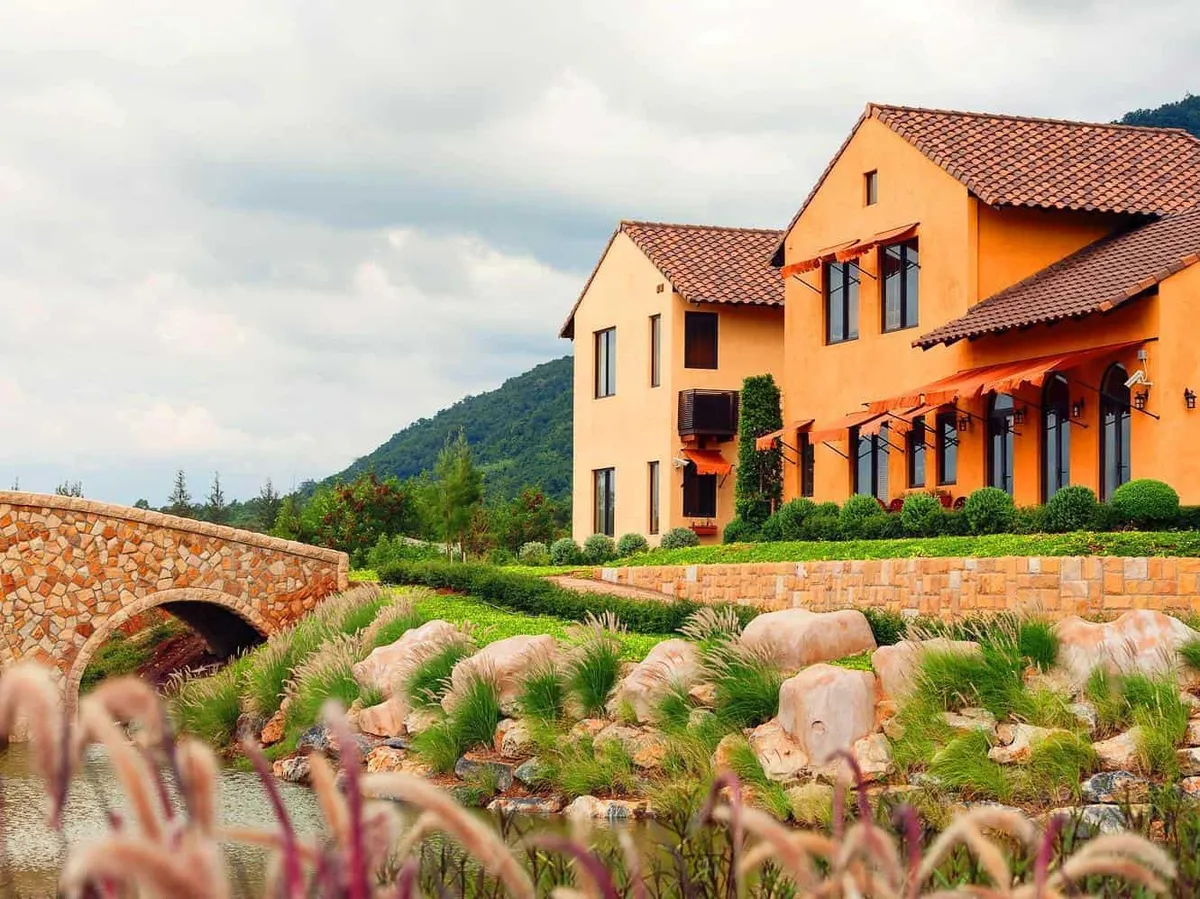
Hotel La Casetta by Toscana Valley
Browse Stays in Khao Yai
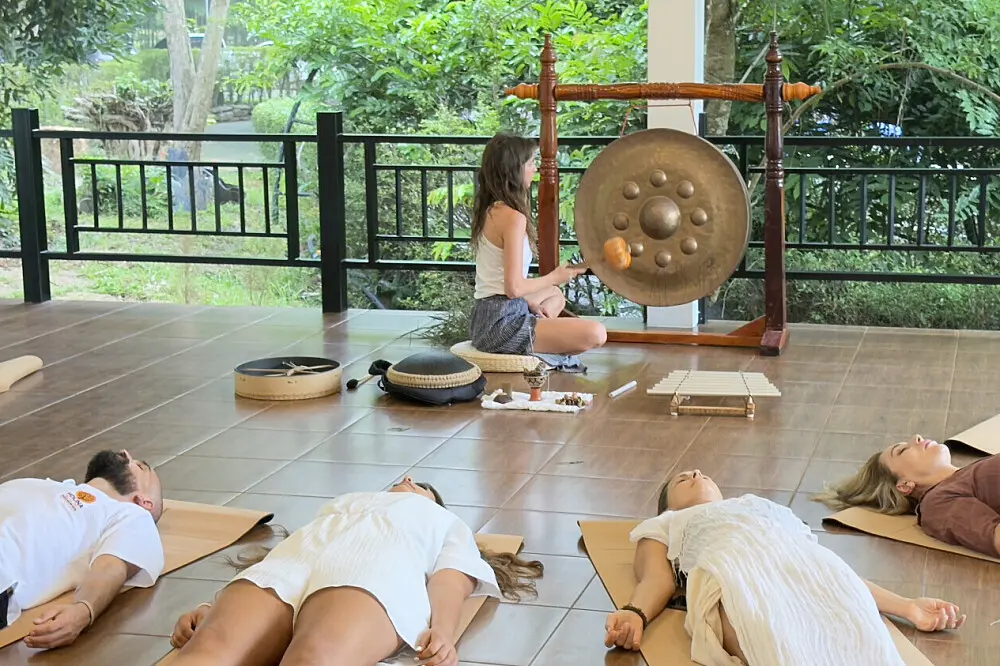
Retreats in Khao Yai

When to go
Nov–Feb The cool season is the best time to visit. Temperatures drop noticeably and hiking the national parks is genuinely comfortable. Wildlife spotting is good around water sources.
Mar–May Gets quite hot by midday, though early mornings and evenings are still pleasant for park visits. Fewer visitors than the cool season.
Jun–Oct Afternoon downpours are common through the monsoon months. The waterfalls are at their most impressive after the rains, and the jungle is dense and green. Expect muddy trails.
From the blog
Khao Yai guides & reading

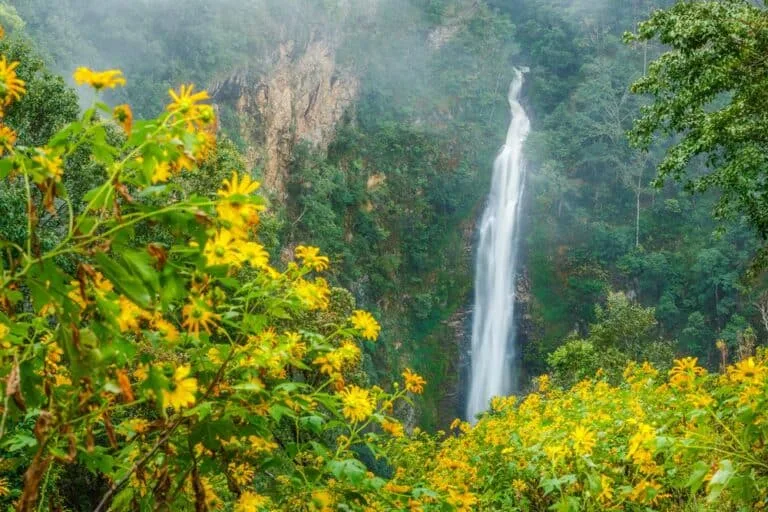
Best National Parks in Thailand: 10 Worth the Trip
Thailand's 10 best national parks for 2026 — rainforest, waterfalls, limestone islands and the country's highest peak, with fees, seasons and how to reach each.

Best Waterfalls in Thailand: 11 Worth Chasing
Thailand's 11 best waterfalls for 2026 — from swimmable emerald pools at Erawan to the 250m Thi Lo Su, with the honest word on seasons, swimming and access.
About Khao Yai
Last updated June 2026
Overview
Khao Yai is Thailand’s premier wildlife and nature destination, where dense national parks meet rolling hills dotted with temples and cascading waterfalls. This isn’t your typical Thai beach getaway — it’s where Bangkok residents escape for cooler air, elephant spotting, and genuine wilderness experiences.
You’ll find everything from sacred temples to unspoiled lakes tucked between mountains, spread across the region. The area draws nature lovers, families wanting to see wild animals, and anyone craving a break from Thailand’s heat and crowds. Thirteen national parks form the backbone of the region, while 44 temples offer cultural depth beyond the natural attractions. It’s the closest thing Bangkok residents have to a mountain retreat — without the long drive north to Chiang Mai.
Top Things to Do
Your days here revolve around the 13 national parks, where elephants, gibbons, and hornbills roam freely through dense jungle. The parks offer hiking trails, wildlife viewing platforms, and camping opportunities for serious nature enthusiasts.
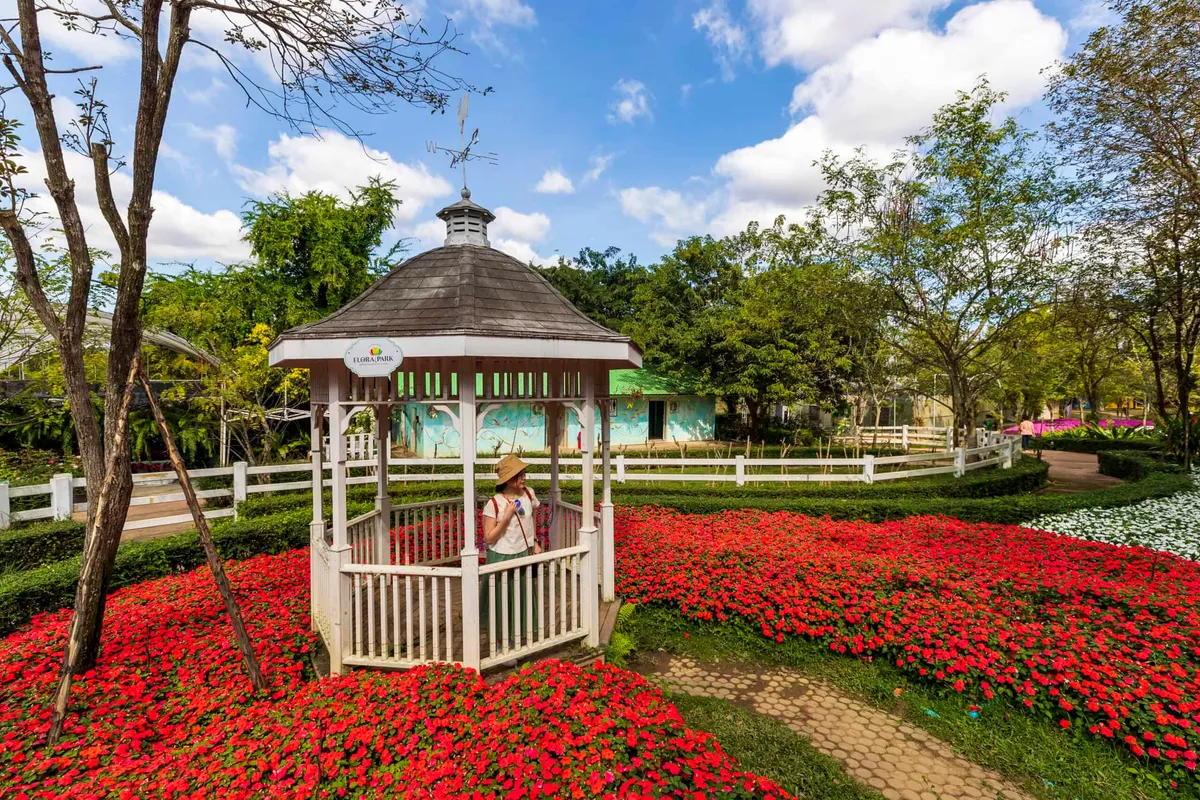
Don’t miss the 22 waterfalls scattered throughout the region — these aren’t just photo stops but genuine swimming holes and picnic spots where locals cool off on weekends. The 21 tropical gardens showcase everything from orchids to exotic fruit trees, perfect for leisurely afternoon strolls.
Temple hoppers will find plenty to explore among the 44 sacred sites, ranging from forest monasteries to elaborate complexes with mountain views. The 12 lakes and reservoirs offer fishing, boat trips, and peaceful spots for reflection.
Landmarks and memorials (10 sites) tell the region’s historical story, while the gardens often double as butterfly sanctuaries and bird-watching spots. Plan for full days — the attractions are spread out, and you’ll want time to properly experience each park or waterfall.
Where to Stay
Hotels range from budget-friendly options starting at free accommodation (likely camping or basic guesthouses) up to luxury properties at $362 per night, with an average of $82 nightly.
Top-rated properties include The Series Resort Khaoyai for modern comfort, Isaree Secret Garden for intimate surroundings, and Thames Valley Khao Yai Hotel for reliable service. Chevin Khaoyai offers another solid mid-range option, while Hotel Labaris Khao Yai carries SHA certification for health-conscious travelers.
With 55 hotels and resorts plus 1 retreat option, you’ll find everything from jungle lodges near the national parks to resort-style properties with pools and spas. Book ahead during Thai holidays when Bangkok families flock here for weekend getaways.
Getting There
Most visitors fly into Bangkok’s airports then drive or take buses to Khao Yai, roughly 200 kilometers northeast of the capital. The journey takes 2-3 hours by car, making it a popular weekend destination for city dwellers.
Regular bus services connect Bangkok’s major terminals to the region, while private transfers offer more convenience for families with luggage. Some tour companies run day trips, though you’ll want several days to properly explore the national parks and attractions.
Having your own transport (rental car or hired driver) makes the most sense given how spread out the attractions are across the mountainous terrain.
Best Time to Visit
The cool season from November to February brings the most comfortable weather, with temperatures dropping noticeably compared to Bangkok’s heat. This is prime time for hiking in the national parks and waterfall visits.
March through May gets quite hot, though mornings and evenings remain pleasant for wildlife spotting. The monsoon runs May through October — Khao Yai is inland, far from any coast, and follows central/northeastern Thailand’s rainfall pattern. Don’t let the wet season put you off entirely: the waterfalls are at their most impressive after the rains, and the jungle comes alive with fewer crowds around.
Insider Tip: Visit the national parks early morning or late afternoon for the best wildlife sightings. Animals are most active when temperatures cool down, and you’ll often see elephants coming to water sources around 4-5 PM.
Practical Tips
ATMs are available in the main towns, but bring cash for park entrance fees and small restaurants near attractions. Most signs include English translations at major sites, though learning basic Thai phrases helps with local interactions.
Rent a motorbike or car for maximum flexibility — public transport between attractions is limited. Dress modestly for temple visits with covered shoulders and long pants. Pack insect repellent and sturdy shoes for jungle hiking.
Download offline maps since mobile coverage can be spotty in remote national park areas. Many restaurants close early, so plan dinner before 8 PM outside major hotel areas.
Book Accommodation in Khao Yai
Compare prices across major booking platforms
Travel Concierge
Need help planning the wider trip?
Share your dates, budget and wishlist. A trusted travel specialist can help with hotels, transfers and activities.
Frequently Asked Questions about Khao Yai
How many days do I need in Khao Yai?
Plan at least 3-4 days to properly explore the national parks and waterfalls. There's enough variety here to easily fill a week.
Can I see wild elephants in Khao Yai?
Yes, the 13 national parks are home to wild elephants. Early morning and late afternoon offer the best viewing opportunities near water sources.
What's the average cost of accommodation?
Hotels average $82 per night, with options ranging from free basic accommodation to luxury properties at $362 nightly.
Do I need a car to get around Khao Yai?
Having your own transport is highly recommended since attractions are spread across mountainous terrain with limited public transport between sites.
Are the waterfalls swimmable year-round?
Yes, though the 22 waterfalls are most impressive during and after the rainy season (May–October) when water levels are highest.
Plan your
Khao Yai trip