
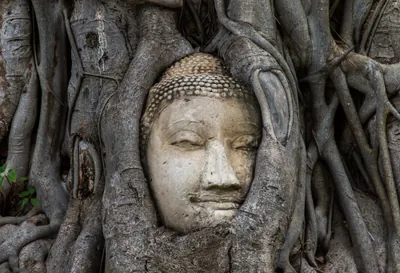


Wat Yai Chom Prasat
วัดใหญ่จอมปราสาท
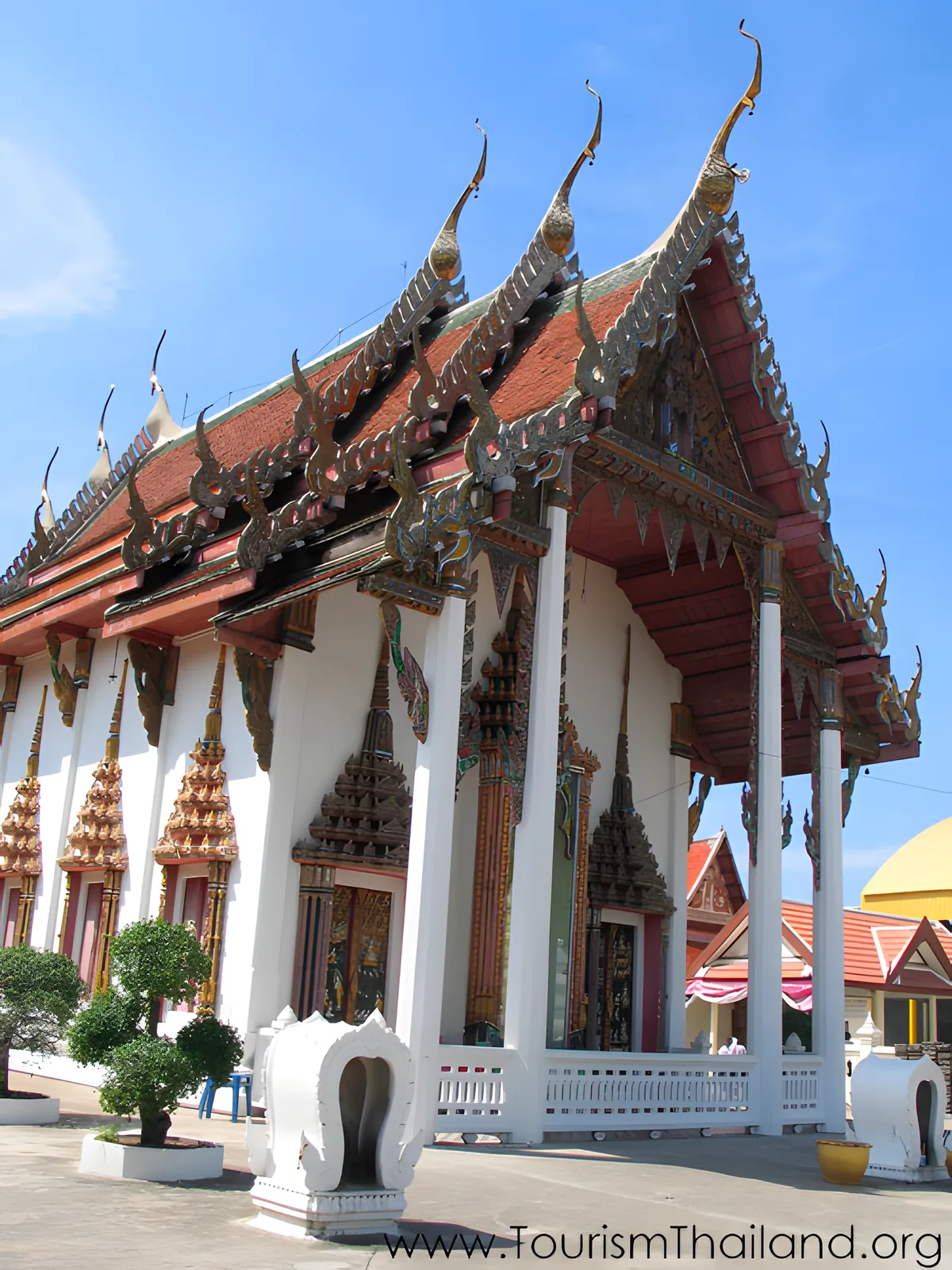
Wat Yai Chom Prasat is an Ayutthaya-era monastery on the banks of the Tha Chin River in Samut Sakhon, built during the reign of King Maha Chakkraphat (1548-1568) and long known simply as “Wat Yai” to locals. King Rama V later elevated it to royal-monastery status, renamed it Wat Yai Sakhon Buri and donated a 39-volume set of the Tripitaka scriptures; the older, shorter name is the one that stuck. The Fine Arts Department first registered the temple as a national ancient monument on 27 September 1936, then re-entered it in the register twice more (4 January 1955 and 14 December 1989) as later surveys documented more of the site.
The carved ordination-hall doors
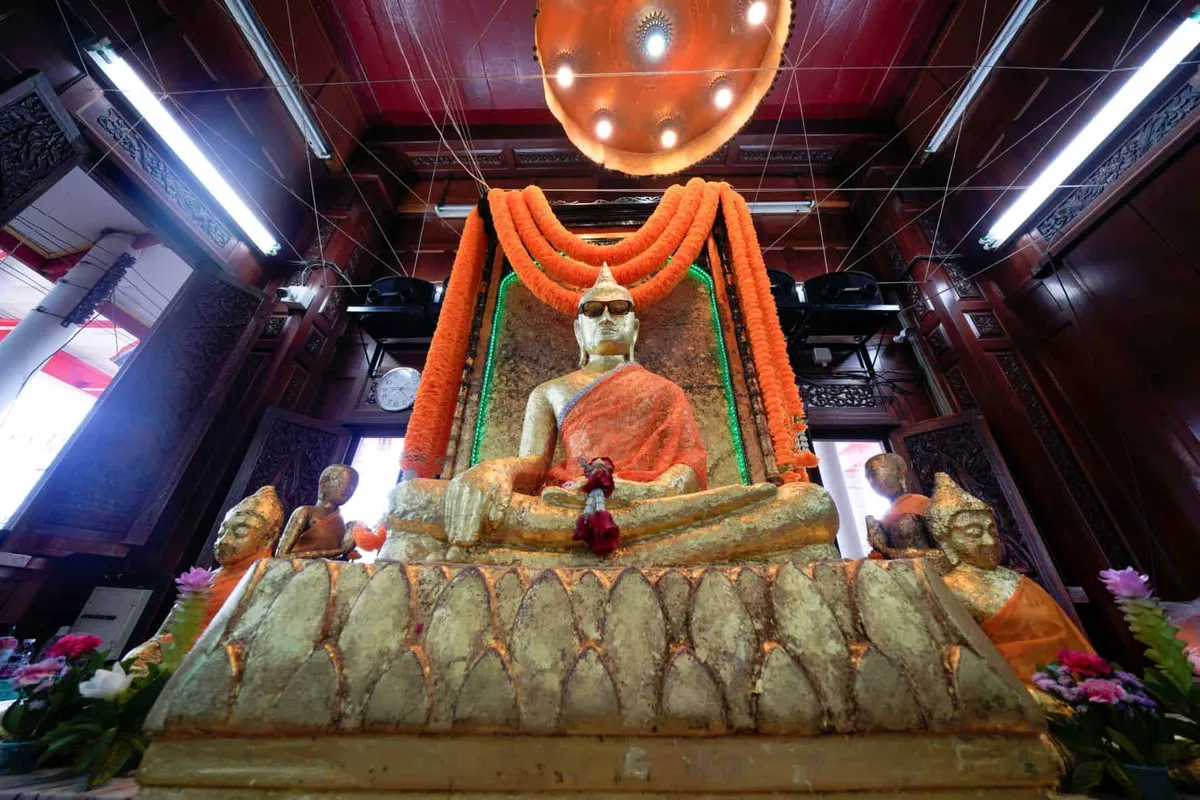
The ordination hall (ubosot) is the reason most visitors make the trip. Its wooden doors are carved four layers deep, producing a relief with genuine three-dimensional depth rather than the flatter single-layer carving typical of the period, an exceptional feat for hand tools and a technique rarely attempted at this scale. The panels depict vines, flowers, mountains, animals and human figures in a style that draws on Chinese as well as Thai motifs, evidence of the Chinese craftsmen believed to have worked alongside local artisans on the building. According to the Fine Arts Department’s own archaeological record, these carved panels originally belonged to the temple’s older viharn and were moved onto the ubosot during a later renovation, so the doors you see now predate the building they’re mounted on. The doors and windows of both the old and new chapels follow the same carved-floral tradition, and the principal Buddha image inside is attributed to the early Rattanakosin period.
Insider Tip: Bring a torch or use your phone light to pick out the depth of the carving on an overcast day: the viharn interior is dim, and the four-layer relief is easy to miss at a glance from the doorway.
A working temple, not a restoration
Structurally, the temple shows its age. The old viharn’s base curves gently like the hull of a boat (a known Ayutthaya-period construction feature rather than later subsidence) and the brick and plasterwork on some of the older buildings is worn rather than restored to a polished finish. That rawness is part of what the Fine Arts Department protects: this isn’t a rebuilt showpiece but a genuinely 400-plus-year-old working temple.
Watch out: The main carved doors sit inside the ordination hall, which isn’t always unlocked outside of ceremony times. Morning visits between 08:00 and 10:00 give the best chance of finding it open and of catching monks going about their daily routine.
Visiting
The temple sits on the Tha Chin River a short distance from Wat Chetsadaram, another old Samut Sakhon temple, making it easy to pair the two on a river-temple morning. Dress modestly (covered shoulders and long trousers or a skirt) and remove your shoes before entering any building. Parking is available on site, admission is free, and the temple is open daily from 08:00 to 16:00.
- Entry fee: Free
- Hours: Daily 08:00-16:00
- Built: Ayutthaya period, reign of King Maha Chakkraphat (1548-1568)
- Registered: National ancient monument, first listed 27 September 1936, re-entered 1955 and 1989
- Known for: Four-layer carved teak doors, originally from the older viharn, on the ordination hall
Location & Directions
22 Mu 5, Tha Chin, Mueang Samut Sakhon 74000
Samut Sakhon, Thailand
Show your taxi or Grab driver
วัดใหญ่จอมปราสาท
Frequently Asked Questions
Is Wat Yai Chom Prasat free to visit?
What makes the carved doors at Wat Yai Chom Prasat special?
How old is Wat Yai Chom Prasat?
Why is it also called Wat Yai Sakhon Buri?
Was the whole temple registered at once, or just the doors?
Spotted something out of date or incorrect? Let us know
Stay Near Wat Yai Chom Prasat
Live prices for places closest to Wat Yai Chom Prasat.