






Bo Kluea Rock Salt Well
บ่อเกลือสินเธาว์
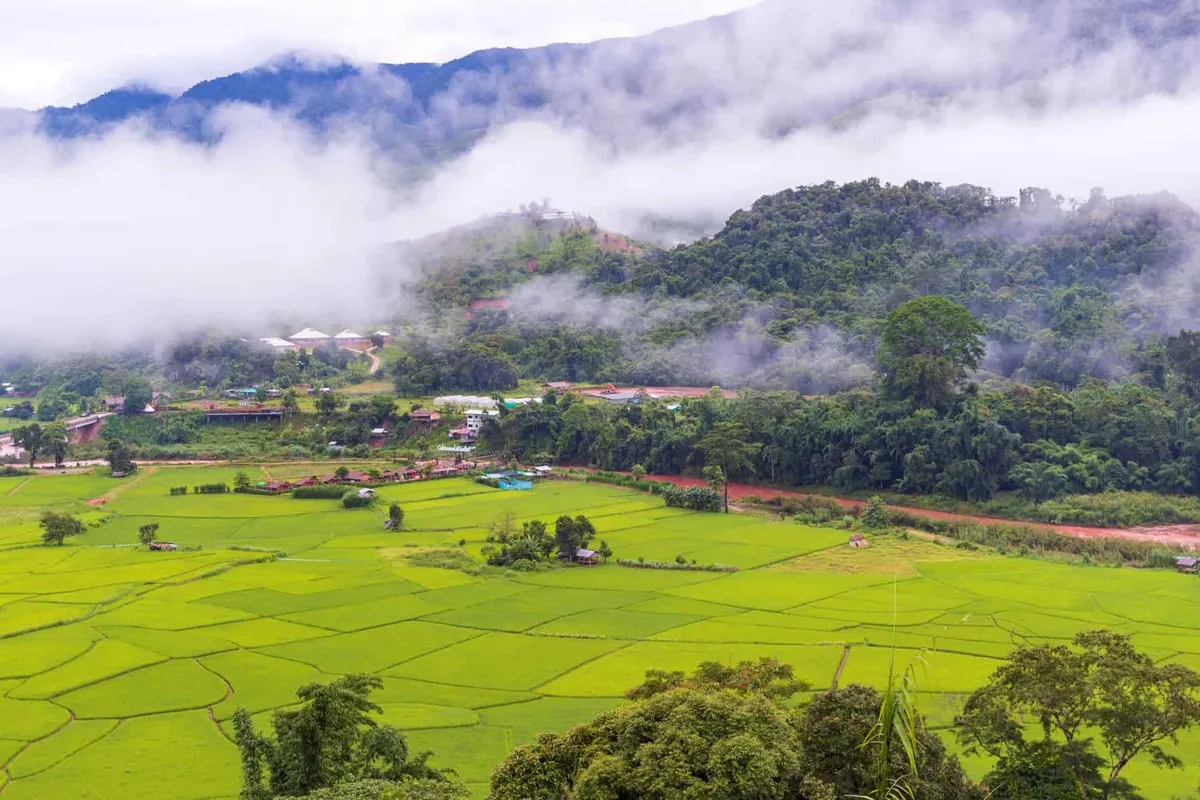
Bo Kluea Rock Salt Well is a still-working village salt operation in the mountains of Nan, where residents boil mineral-rich brine drawn from underground wells into rock salt — a method local accounts date back around 800 years. Entry is free and the salt house is open daily from 06:00 to 18:00.
Only two of the original wells still produce brine today, known locally as Bo Nuea (north well) and Bo Tai (south well), both in Ban Bo Luang village. Workers lower buckets down the wells on wooden pulleys, then carry the dark, mineral-heavy water to open-sided sheds where it’s poured into wide iron pans and boiled over wood fires for hours. As the water evaporates, crystalline white salt is left behind — the opposite process to the solar evaporation ponds used on Thailand’s coasts, since this brine comes from an ancient underground salt deposit rather than seawater. Steam rises off the simmering pans, the air smells of wood smoke and minerals, and the salt is raked out to dry once the water is gone.
This part of Nan was, legend says, discovered when two Lanna-era rulers — Phaya Phukha and Phaya Inthrarat — found a salty spring bubbling up in the hills and boiled it down to confirm it was real salt. Geologically, the brine is fed by a rock-salt layer left behind from an ancient sea bed some 250 million years old, pushed up through the limestone. In its trading heyday the salt here was valuable enough to move along trade routes into Laos and southern China; today it mostly supplies nearby villages and the modest tourist trade. It’s a working site, not a re-enactment — production depends on the weather and the workers’ own schedules, so what you see varies day to day.
Insider Tip: Go on a weekday morning. Weekend crowds sometimes coincide with quieter production, while a Tuesday or Wednesday visit is more likely to catch the pans actively boiling.
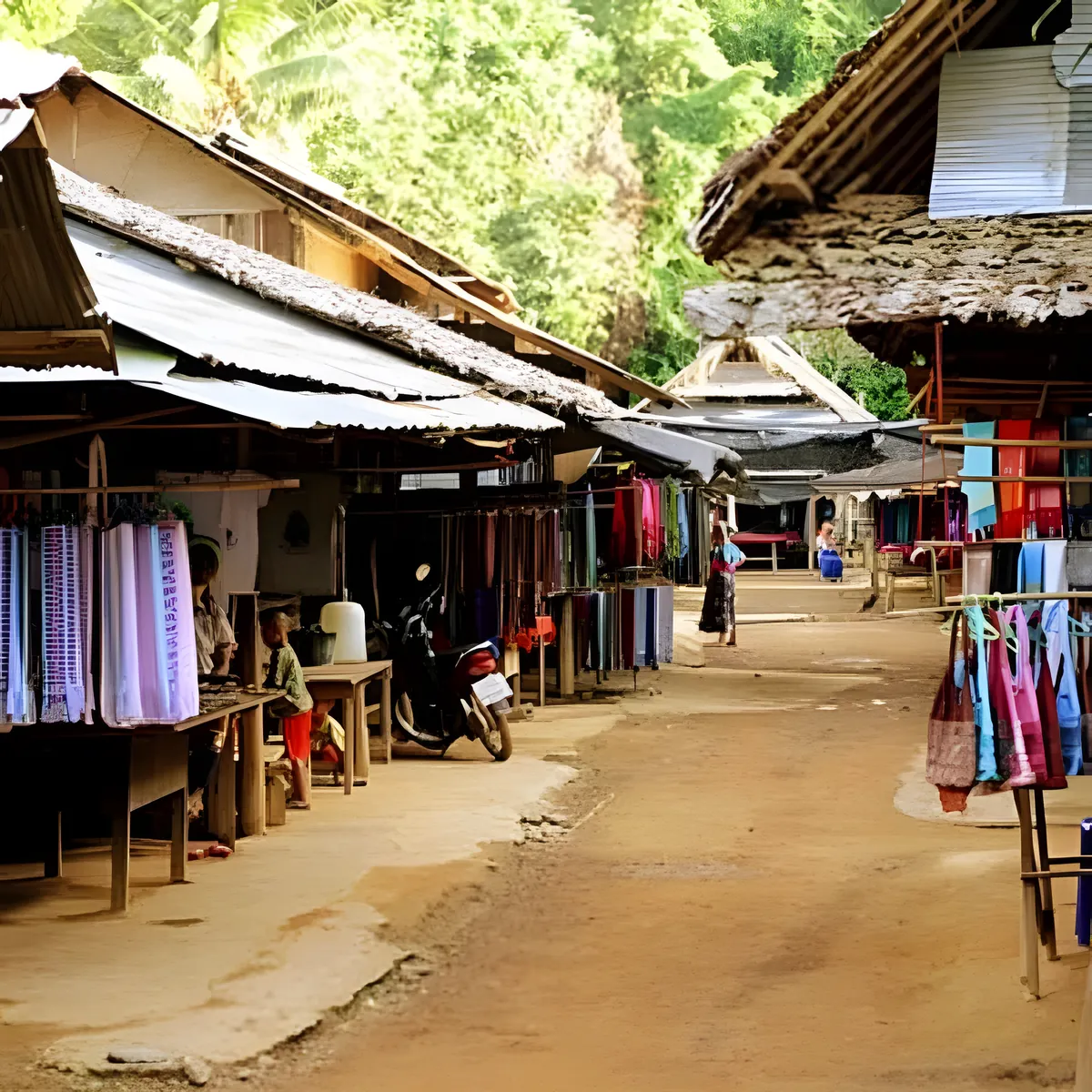
Watch out: This is a small, low-infrastructure village, not a resort attraction — there’s minimal shade, few facilities, and the road in is a winding mountain drive. Bring water and sun protection, and don’t expect signage in English beyond the basics.
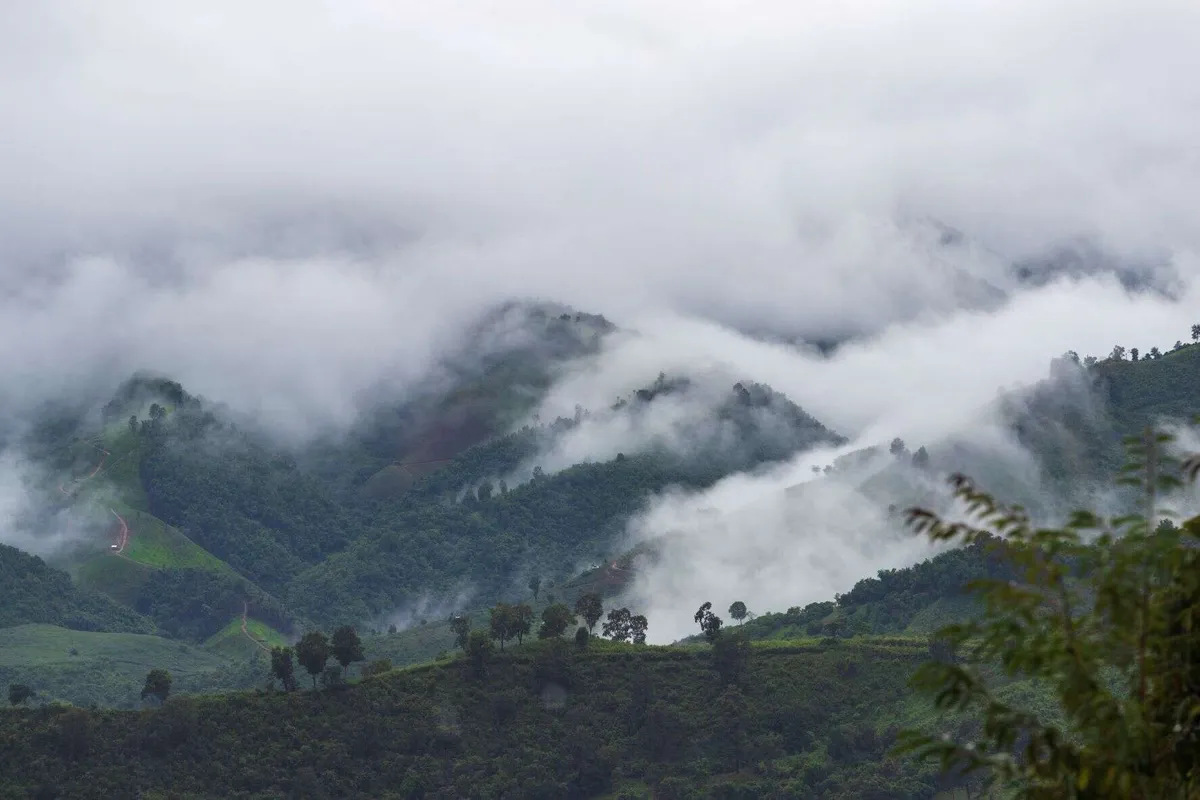
The drive along Highway 1081 from Nan town takes around two hours through mountain scenery; there’s no direct public transport, so a rental car, motorbike, or arranged driver is the only realistic way in. Wear closed shoes for the uneven ground around the wells and sheds. If you’re already making the trip into Nan’s mountains, Doi Phu Kha National Park is on the same road network, and the National Museum of Nan back in town fills in more of the province’s history before or after the drive.
- Entry fee: Free
- Hours: Daily 06:00-18:00
- Distance from Nan town: About 80 km via Highway 1081
- Salt-making method: Brine boiled in iron pans over wood fires
- Wells still active: Two (Bo Nuea and Bo Tai)
Location & Directions
Highway 1081
Nan, Thailand
Show your taxi or Grab driver
บ่อเกลือสินเธาว์
Frequently Asked Questions
Is Bo Kluea Rock Salt Well free to visit?
How old is the salt-making tradition here?
How is the salt actually produced?
How do I get to Bo Kluea from Nan?
When is the best time to see salt production happening?
Spotted something out of date or incorrect? Let us know
Stay Near Bo Kluea Rock Salt Well
Live prices for places closest to Bo Kluea Rock Salt Well — tap a pin to compare.