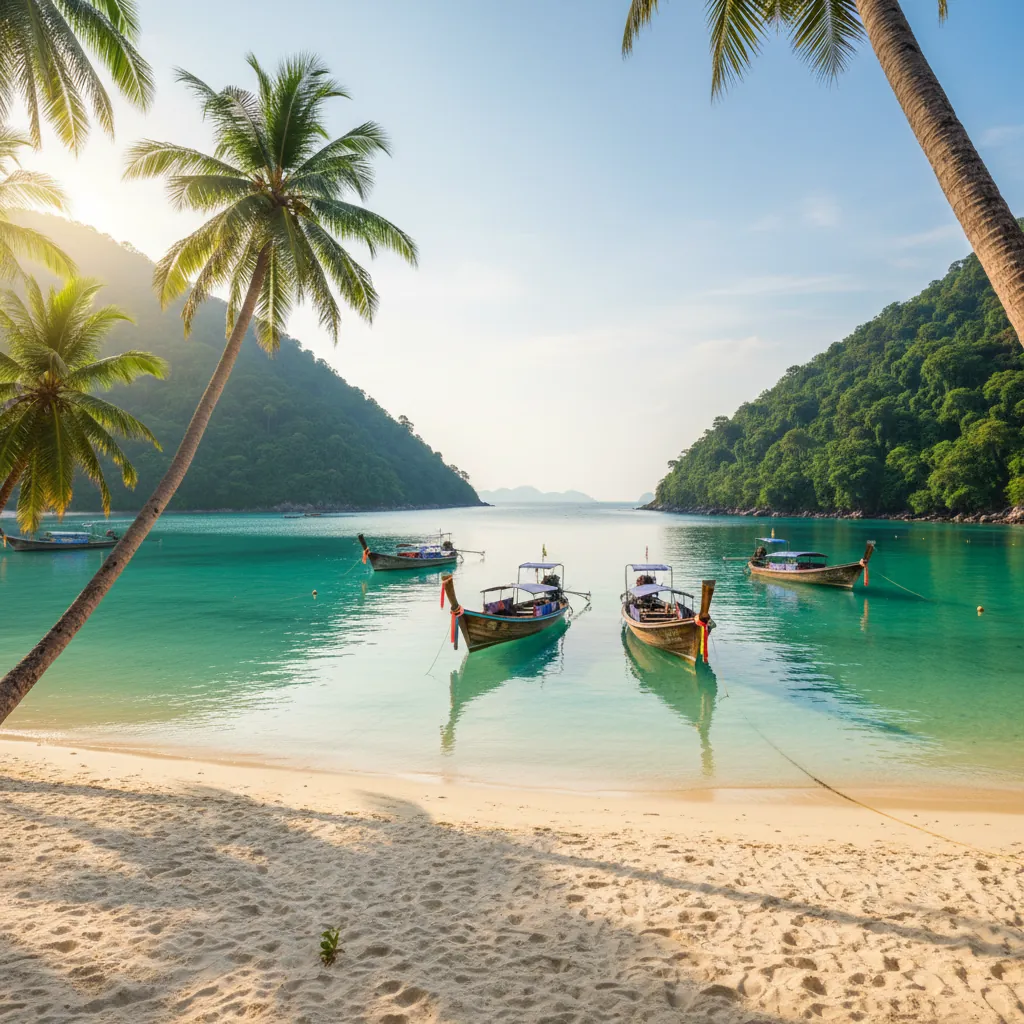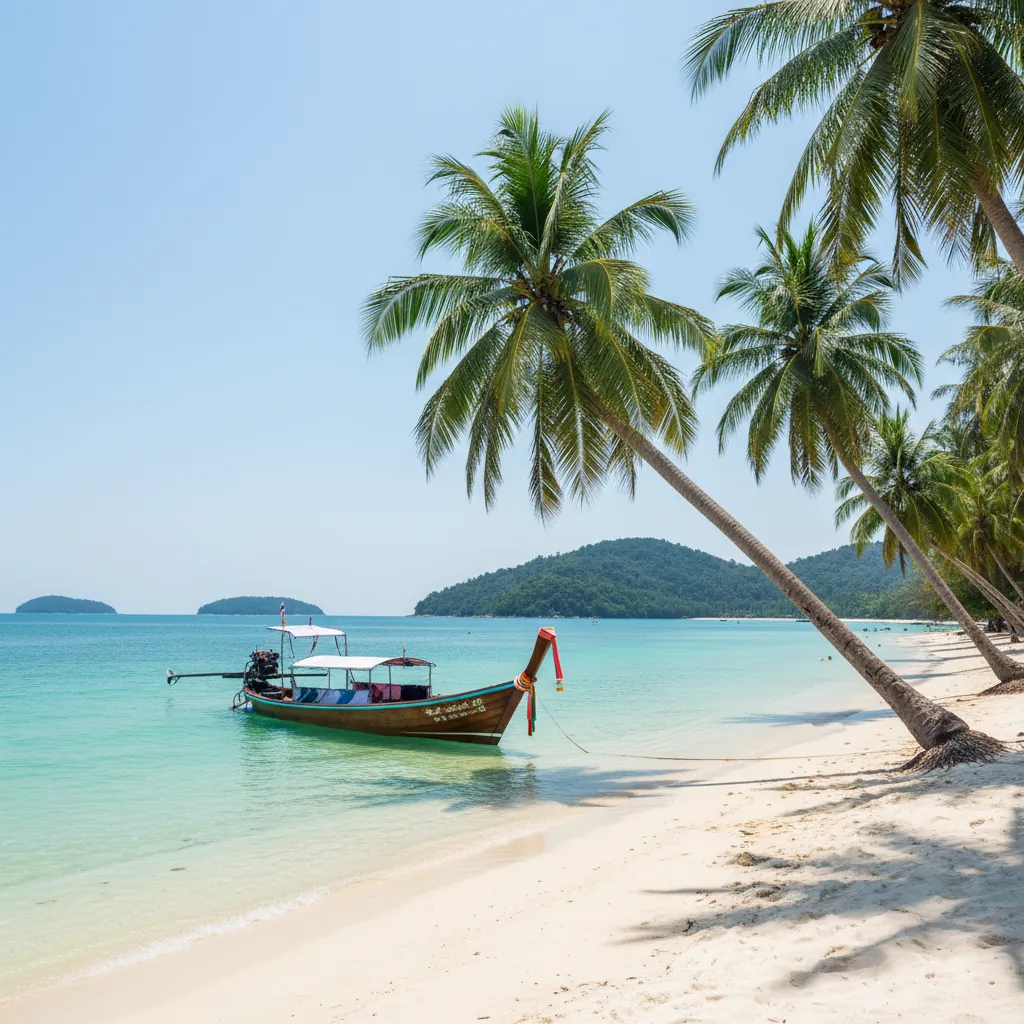









Thailand has hundreds of islands, but the practical map for a trip comes down to a few clusters and different regional weather patterns. Match the route to current sea conditions, ferry timetables and park openings rather than assuming one nationwide island season. This is a planning overview rather than a fixed itinerary.
Quick answer
Start with The two coasts and their different seasons, then compare Andaman cluster: Phuket, Phi Phi, Krabi, Lanta and Gulf cluster: Samui, Phangan, Tao by weather, travel time and ferry frequency. Use this as a shortlist, not a fixed itinerary.
| Best for | Pick | Why it belongs | Main tradeoff |
|---|---|---|---|
| Best first pick | The two coasts and their different seasons | Strongest planning anchor | Check weather, ferry timetables and park notices before you commit |
| Best alternative | Andaman cluster: Phuket, Phi Phi, Krabi, Lanta | Good second option when it fits your route | Check travel time, season, and opening days before you commit |
| Best different pace | Gulf cluster: Samui, Phangan, Tao | Different pace from the obvious pick | Check travel time, season, and opening days before you commit |
| Good fit when nearby | Quieter alternatives: Lipe, Chang, Mak, Kood | Worth adding when nearby | Check travel time, season, and opening days before you commit |
| Good fit when nearby | How the ferries actually work | Worth adding when nearby | Check travel time, season, and opening days before you commit |
How we picked these stops
The islands and crossings here come from the routes this guide maps, weighed by ferry logistics, seasonal sea conditions, how well each island pairs with the next, and the effort of the transfer versus the payoff. Boat timetables change by season — confirm the crossing you need is running before locking in accommodation.
The two coasts and their different seasons

The Andaman coast in the west — Phuket, Krabi, Koh Phi Phi, Koh Lanta and far-south Koh Lipe — is generally calmer from November to April. The southwest monsoon can bring rougher seas from around May to October. The Similan Islands normally open from 15 October to 15 May; other parks and individual attractions use different closure dates.
The Gulf coast — chiefly Koh Samui, Koh Phangan and Koh Tao — follows a different pattern and often receives its heaviest rain later in the year. Conditions still vary within each coast, so check a local forecast rather than treating the seasons as exact opposites.
Andaman cluster: Phuket, Phi Phi, Krabi, Lanta

The classic western chain links Phuket, Koh Phi Phi, the Krabi coast and Koh Lanta. Services are route-, pier- and season-specific, so confirm each leg rather than assuming one ferry connects every stop. A common route moves from Phuket to Phi Phi, then Krabi or Railay, and finishes on Koh Lanta. Smaller-island trips also depend on weather and current park access.
Gulf cluster: Samui, Phangan, Tao

Multiple daily ferries connect Koh Samui, Koh Phangan and Koh Tao, but journey time depends on the piers and service. Check whether the return sailing makes a day trip practical before committing. Samui has the airport and larger resorts, Phangan has beaches and the Full Moon Party, and Koh Tao has many dive schools. Trips to Ang Thong Marine Park depend on weather and park access.
Quieter alternatives: Lipe, Chang, Mak, Kood
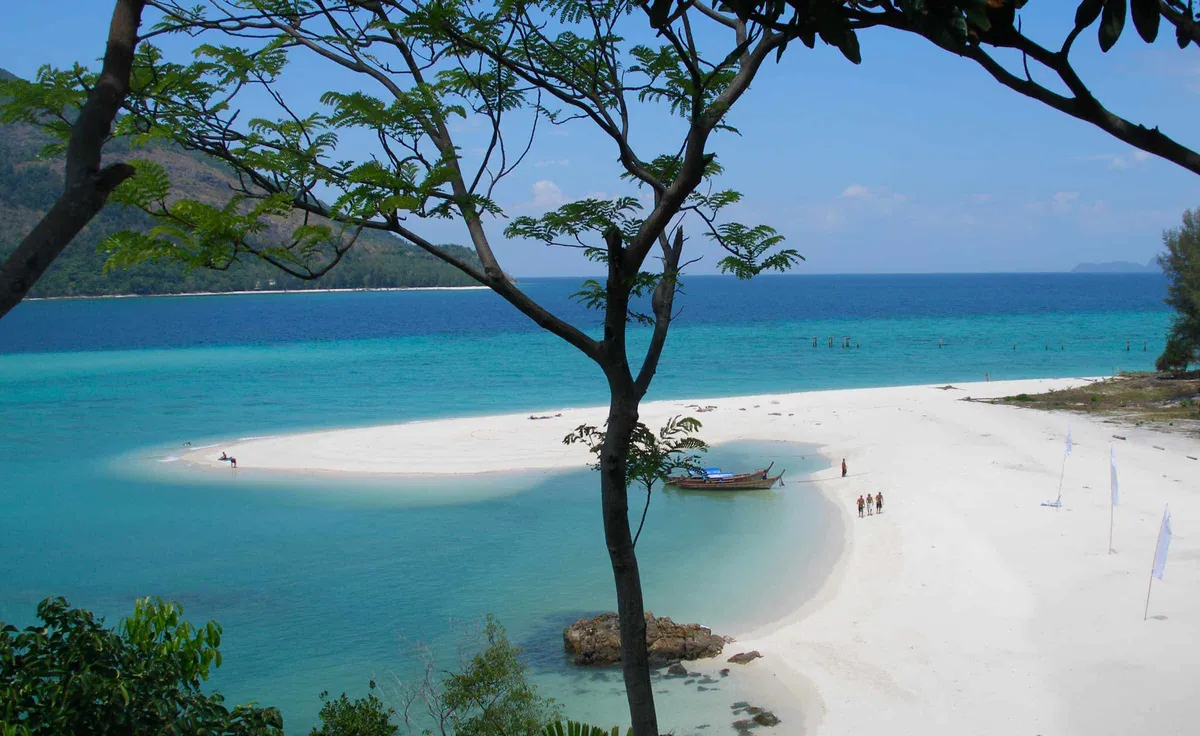
For fewer crowds, look farther south or east. Koh Lipe is reached from Pak Bara, but protected attractions and through-routes around the Tarutao island group operate seasonally. In Trat, the main Ao Thammachat car ferry to Koh Chang operates year-round, subject to weather. Connections onward to Koh Mak and Koh Kood may reduce or pause in rough conditions.
How the ferries actually work
Boats range from car ferries to catamarans, speedboats and longtails. Check the operator timetable before every leg and book limited departures ahead, especially when services are reduced. Build in buffer time because weather can delay or cancel sailings, and do not plan a flight or long transfer around the final boat of the day without a fallback.
Crossing between the coasts
There is no direct island-to-island ferry between the Andaman and the Gulf. Most crossings use an overland transfer to Surat Thani or Chumphon for the Gulf piers. Phuket also has direct flights to Koh Samui, but no current direct Phuket- or Krabi-to-Surat-Thani flight should be assumed. Allow a full transfer day and verify every connection.
How to choose what to do first
Choose by time of day, weather, and transport first. Thailand rewards early starts, and the best-looking stop on a map can be the wrong one if it puts you in midday heat or cross-town traffic.