




Kamphaeng Phet Historical Park
อุทยานประวัติศาสตร์กำแพงเพชร
Khamphaeng Phet Historical Park, in Kamphaeng Phet, preserves the ruined core of a former Sukhothai-kingdom garrison town on the Ping River, one of three sites (alongside Sukhothai and Si Satchanalai) that make up the “Historic Town of Sukhothai and Associated Historic Towns” UNESCO World Heritage Site, inscribed in 1991.
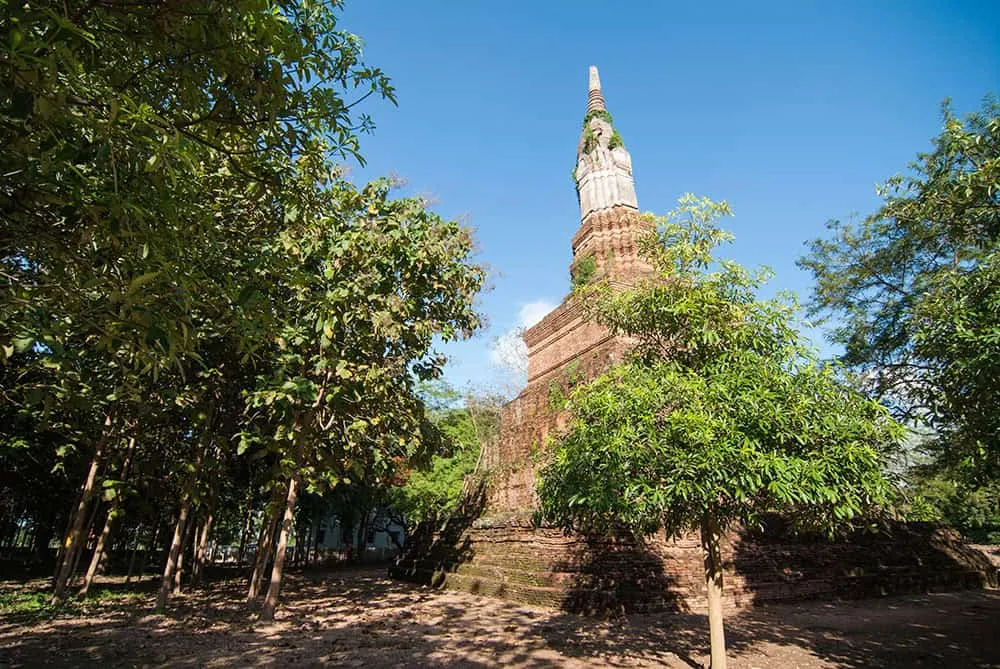
The park splits into two ticketed zones on opposite banks of the old moat. The in-town, eastern zone holds the bigger monuments, built mostly of laterite block: the ruined city walls trace a rectangle roughly 300-700 metres wide and 2,200 metres long, and at its centre stands the chedi of Wat Phra Kaew, its base still ringed with weathered stone lions. Several other large chedis stand nearby, their brick cores exposed where the stucco has worn away over six centuries. Across the old town boundary, in Nakhon Chum, the ruins turn smaller and brick-built rather than laterite, a visible shift in construction that reflects the two sides’ different roles in the original city.
The second zone, Aranyik, sits about 2 kilometres northwest of the main cluster. The name means “forest”: it was a retreat where monks lived apart from the town to meditate, and its ruins are more scattered among tree cover rather than arranged along a formal axis. It’s the quieter of the two zones and easy to have largely to yourself outside weekends.
Architecturally, Khamphaeng Phet sits between two eras: the layout and chedi style lean Sukhothai, but a number of monuments show the Ayutthaya influence that followed as the town’s importance grew under later kings as a fortified outpost guarding the approach to the capital.
Insider Tip: Rent a bicycle at the visitor centre rather than walking. The two zones are around 2 km apart and the laterite ruins have almost no shade at midday.
Watch out: The zones are separately fenced and separately staffed; buy the combined ticket at the first gate you reach if you plan to see both; there’s no reliable way to switch to it later in the day.
- Entry fee: 200 THB/zone or 300 THB combined (foreigners); 20 THB/zone or 30 THB combined (Thai nationals)
- Hours: Daily 08:30-16:30
- UNESCO status: Component of the Sukhothai World Heritage Site (inscribed 1991), not a standalone listing
- Layout: Two zones: in-town laterite ruins (Wat Phra Kaew) and the Aranyik forest-monastery ruins, ~2 km apart
- Contact: 0 5571 1921
Getting There
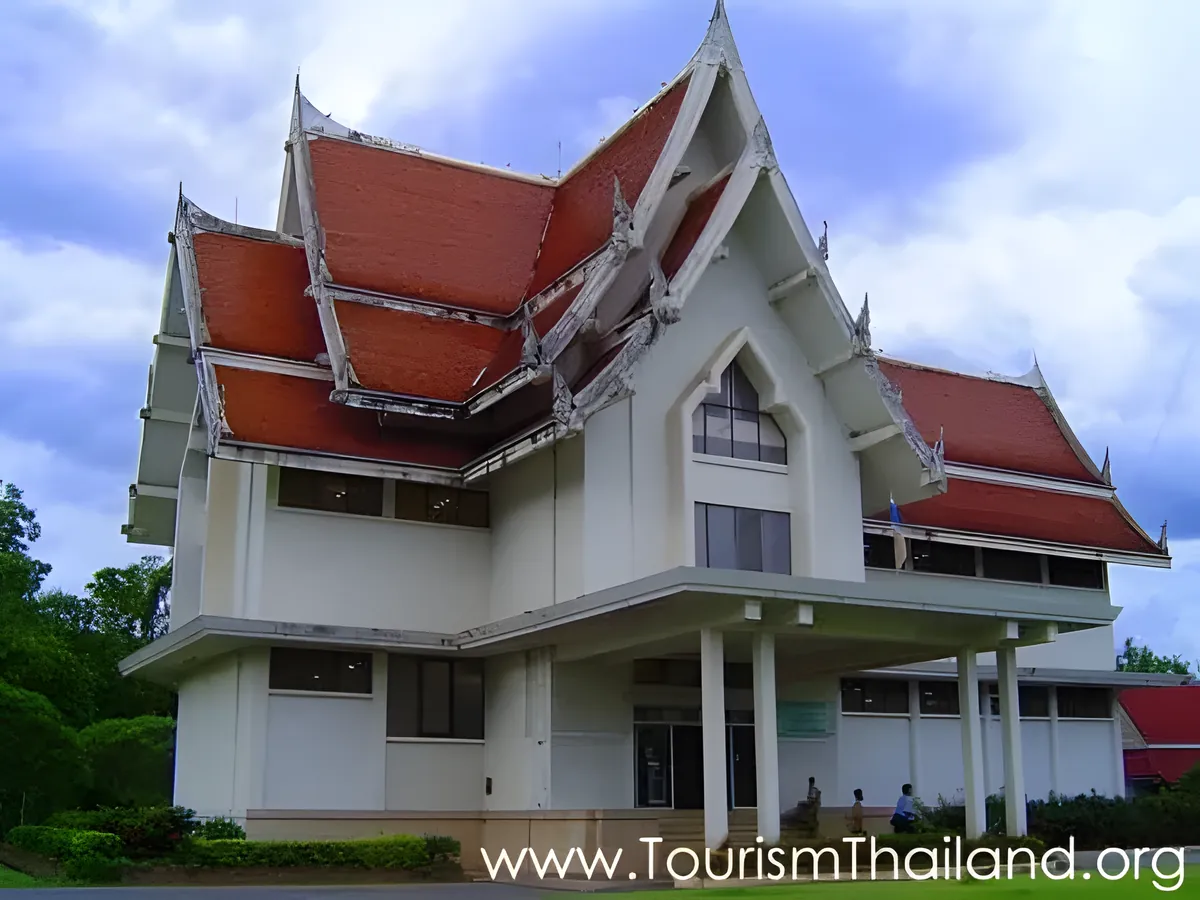
Khamphaeng Phet Historical Park is located at Mueang Kamphaeng Phet, Kamphaeng Phet, about 5 km from town centre on the Kamphaeng Phet-Phran Kratai road. View on Google Maps. The Kamphaeng Phet National Museum at the park entrance is worth the stop first: it holds artefacts recovered from the site and gives useful context before walking the ruins. Wat Nakhon Chum, across the river in the old brick-built quarter, makes a natural add-on.
Location & Directions
Mueang Kamphaeng Phet, Kamphaeng Phet
Kamphaeng Phet, Thailand
Show your taxi or Grab driver
อุทยานประวัติศาสตร์กำแพงเพชร
Frequently Asked Questions
Is Khamphaeng Phet part of the Sukhothai UNESCO World Heritage Site?
How much does entry cost?
What's the difference between the two zones?
How long does a visit take?
Is Kamphaeng Phet worth visiting alongside Sukhothai?
Spotted something out of date or incorrect? Let us know
Stay Near Kamphaeng Phet Historical Park
Live prices for places closest to Kamphaeng Phet Historical Park: tap a pin to compare.