





Ban Chiang National Museum
พิพิธภัณฑสถานแห่งชาติ บ้านเชียง
Ban Chiang National Museum sits at Ban Chiang, Tambon Ban Chiang, Amphoe Nong Han, Udon Thani province — approximately 55 kilometres from the provincial capital. Part of the UNESCO World Heritage-listed Ban Chiang Archaeological Site, inscribed in 1992, it preserves evidence of one of Southeast Asia’s earliest known farming settlements.
Watch out: Guides and older sources sometimes repeat a “5,000-year-old” figure for Ban Chiang. That number comes from 1970s thermoluminescence testing that was later found unreliable — current radiocarbon dating puts the earliest settlement at around 1500 BCE and bronze metalworking at roughly 2000-1700 BCE, with the youngest burials closer to 200 CE. Still remarkably early for Southeast Asian bronze technology, just not the figure still printed in some guidebooks.
What makes the site significant isn’t just its age but the combination of evidence found together: early wet-rice farming, domesticated livestock, and bronze tools appearing in the same settlement layers — a rare, well-preserved technological package for this period in Southeast Asia. The distinctive red-on-buff swirl-painted pottery the site is best known for is actually one of its later phases, dating from roughly 300 BCE to 200 CE; the earlier, plainer black and cord-marked wares underneath it are older still.
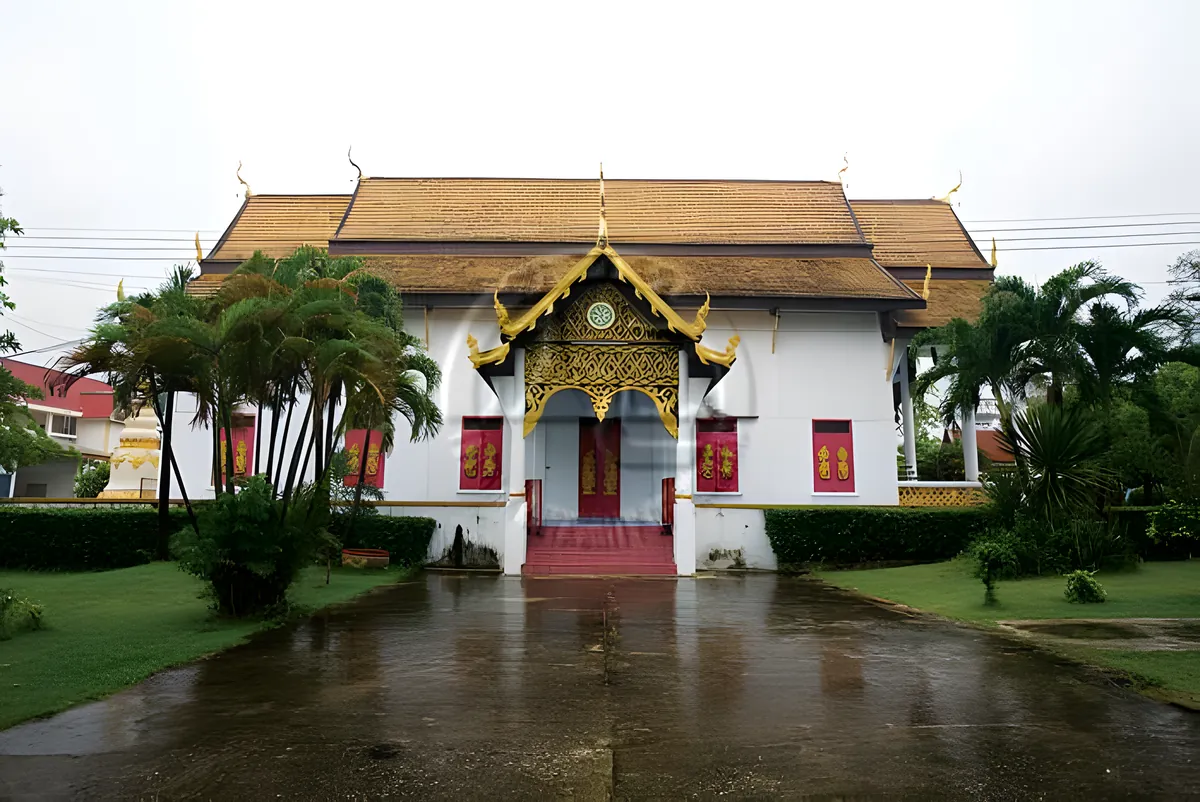
The museum is divided into two sections. The first, on the right of the entrance within the grounds of Wat Pho Si Nai, is an open-air excavation display showing burial pits as they were uncovered — most earthenware vessels were interred alongside human remains. The second section, in the Galyani Vadhana building to the left, houses the permanent indoor exhibition covering Ban Chiang’s prehistory across nine themed parts, including Bronze Age tools, pottery, and ornaments. A selection of Ban Chiang pieces was famously exhibited in the United States; the building also contains a resource centre and seminar room.
Insider Tip: Walk the open-air pits first, then the indoor building — seeing the burials in situ before the curated exhibits makes the pottery and bronzework in the main collection easier to place in context.
Opening hours are Wednesday to Sunday, 09:00–16:00 (closed Monday, Tuesday, and public holidays). Admission is 150 THB for foreigners and 30 THB for Thai nationals. Contact the museum on 0 4223 5040 for group visits or further information.
Phu Phra Bat Historical Park, Udon Thani’s other prehistoric site, pairs naturally with a Ban Chiang visit, though it’s on the opposite side of the province. For more of the area, see Udon Thani.
- Entry: 150 THB (foreigners), 30 THB (Thai nationals)
- Hours: Wed-Sun 09:00-16:00 (closed Mon, Tue, public holidays)
- Earliest settlement: Around 1500 BCE, per current radiocarbon dating
- UNESCO listing: Inscribed 1992
- Layout: Open-air burial-pit display + indoor Bronze Age exhibition
Location & Directions
Sutthiphong Road
Udon Thani, Thailand
Show your taxi or Grab driver
พิพิธภัณฑสถานแห่งชาติ บ้านเชียง
Frequently Asked Questions
How old is Ban Chiang really?
What's the difference between the two sections of the museum?
Why is Ban Chiang a UNESCO World Heritage Site?
How much does entry cost and when's it open?
How far is it from Udon Thani city?
Spotted something out of date or incorrect? Let us know
Stay Near Ban Chiang National Museum
Live prices for places closest to Ban Chiang National Museum — tap a pin to compare.