








Some links are affiliate links. If you book through them we may earn a small commission at no extra cost to you.
Chiang Mai is one of the easiest cities in Thailand to live in with a dog — leafy suburbs, long-stay apartments, and a cool season that won’t cook a thick-coated breed. Finding a hotel in Chiang Mai that will actually take your pet, though, is a shorter list than you’d expect. And if you’re picturing a two-week holiday with the dog in tow, read the import rules first — bringing a pet into Thailand is a relocation-grade process, not a holiday errand.
Genuinely pet-friendly hotels here are rare. A handful take dogs outright — Four Seasons Resort Chiang Mai, Proud Phu Fah Muang, Chiang Ron and De Wiang Kum Kam — plus the Ketawa Hotel, which is set up specifically for pets. Each sets its own rules on size, deposits and fees, so the real work is matching your animal to the policy.
Quick answer
Genuinely pet-friendly stays in Chiang Mai are a short list. Start with a property that already publishes pet terms (or is built for dogs), then confirm the live weight limit, fee, and eligible room type before you pay — a resort that looks right on paper can still be inconvenient if every walk or meal needs a car.
| Best for | Pick | Why | Main tradeoff |
|---|---|---|---|
| Luxury space + resort base | Four Seasons Resort Chiang Mai (Mae Rim) | Pavilion suites over rice terraces; more outdoor room than a central high-rise | ~30 minutes north of the Old City; confirm live weight limit, pet fee, and eligible room type |
| Boutique near the Old City | Proud Phu Fah Muang (Chang Phueak) | Small boutique with proper in-room kitchen space on the north edge of the Old City | Confirm eligible room types and the current pet fee on the hotel’s own policy |
| Long-stay / apartment format | Chiang Ron / De Wiang Kum Kam (Saraphi) | Full kitchens, living space, and garden — the format that works for living with a pet | 15–20 minutes from the Old City; plan Grab or a scooter |
| Pet-built (any size) | Ketawa Hotel (Wat Ket) | Built around pets — dog pool, cafe, daycare/grooming; not negotiating a weight limit at check-in | No accommodation page on this site yet; fees vary by booking channel — confirm the per-night pet charge |
| If you need central Nimman / Old City | Accor pet rooms: ibis / Novotel Nimman, Mercure by the moat | Published Accor pet policies for designated rooms (already detailed below) | Weight caps ~15–20kg; pet fee typically 400–1,000 THB/night; less outdoor space than the suburban picks |
- How to search: Filter for “Pets allowed” on Booking.com, then confirm the policy directly with the property
- Typical conditions: Weight cap, cleaning fee or refundable deposit, one to two pets per room
- Most central option: ibis or Novotel in Nimman, Mercure by the Old City moat (Accor pet rooms, 400–1,000 THB/night)
- Best season: November to February — cool and dry (March–April burning season is the time to avoid)
- Where to walk: Ang Kaew Reservoir at CMU (late afternoon) — check signage elsewhere, some lakes restrict pets
- Emergency vet: Purpoon Animal Hospital (24h, off Thipanet Road)
How we picked these stays
The shortlist keeps to stays this guide covers with their pet rules stated, weighed by what actually decides a pet stay: written pet policy, fees, room type and how walkable the surroundings are. Pet policies are the most volatile detail a hotel publishes — reconfirm directly with the property before booking, every time.
Can you bring a pet to a hotel in Chiang Mai?
Sometimes — but read the small print. When a booking site shows “Pets allowed,” it means the hotel accepts animals in principle. It rarely means free, and almost never means unconditional. Common conditions in Chiang Mai are a weight cap (small and medium dogs place far more easily than large breeds), a cleaning fee or refundable deposit, and a rule that pets can’t be left alone in the room.
For context on how short the list is: Booking.com shows roughly 55 “pet-friendly” properties across the wider Chiang Mai area, but most are filter-flagged rather than genuinely set up for animals. The cleanest approach is to run the “Pets allowed” filter, then message the property to confirm the specifics for your dog. A 6kg shih tzu and a 30kg ridgeback are very different propositions, and the listing won’t always tell you which one the hotel had in mind.
Watch out: A pet-friendly tick is not a contract. Plenty of guests have arrived to find a cleaning fee or deposit they weren’t expecting, a size limit their dog fails, or a “small dogs only” caveat buried in the policy. Confirm in writing before you pay, and screenshot the reply.
It’s worth checking the exclusions too. Some well-known boutique hotels are firmly no-pets — Puripunn Hideaway in Wat Ket, for example, keeps a strict no-animals policy. Do not assume a garden or residential setting means pets are accepted.
The best pet-friendly hotels in Chiang Mai
These properties were listed as pet-friendly on Booking.com when checked on 10 July 2026. Pet policies change without notice, so confirm the current rules, fee and room type directly before paying.
Four Seasons Resort Chiang Mai — the splurge
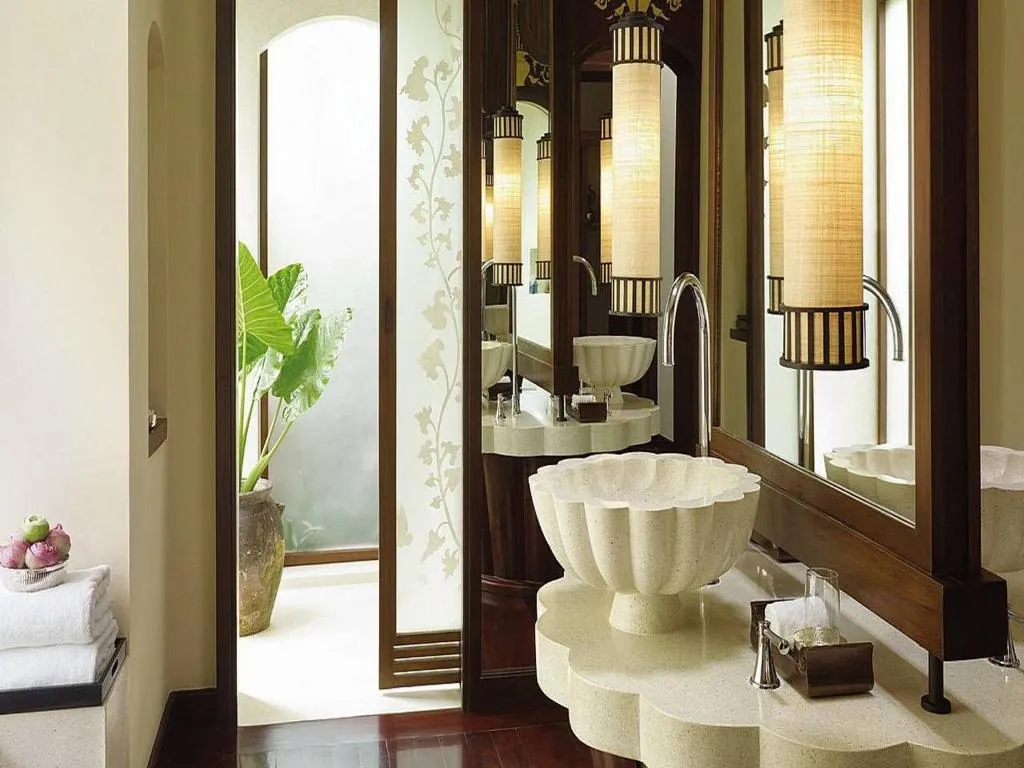
Four Seasons Resort Chiang Mai
Pick this when you want space for a dog and a self-contained resort base in the Mae Rim rice terraces. Confirm the live weight limit, pet fee, and eligible room type before paying — resort rules can be stricter than a booking-site "pets allowed" tick.
- Area
- Mae Rim · 502 Moo 1, Mae Rim-Samoeng Old Road, 50180 Mae Rim, Thailand
Out in the Mae Rim rice terraces, about 30 minutes north of the Old City, the Four Seasons Resort Chiang Mai is the luxury end of the pet-friendly spectrum. Pavilion suites look over working paddy fields, there is a spa and pool, and a dog has more room than in a central high-rise. Confirm the live room rate, weight limit and pet fee directly when you book; resort policies can be stricter than the “pets allowed” tick suggests.
Proud Phu Fah Muang — boutique with a kitchen
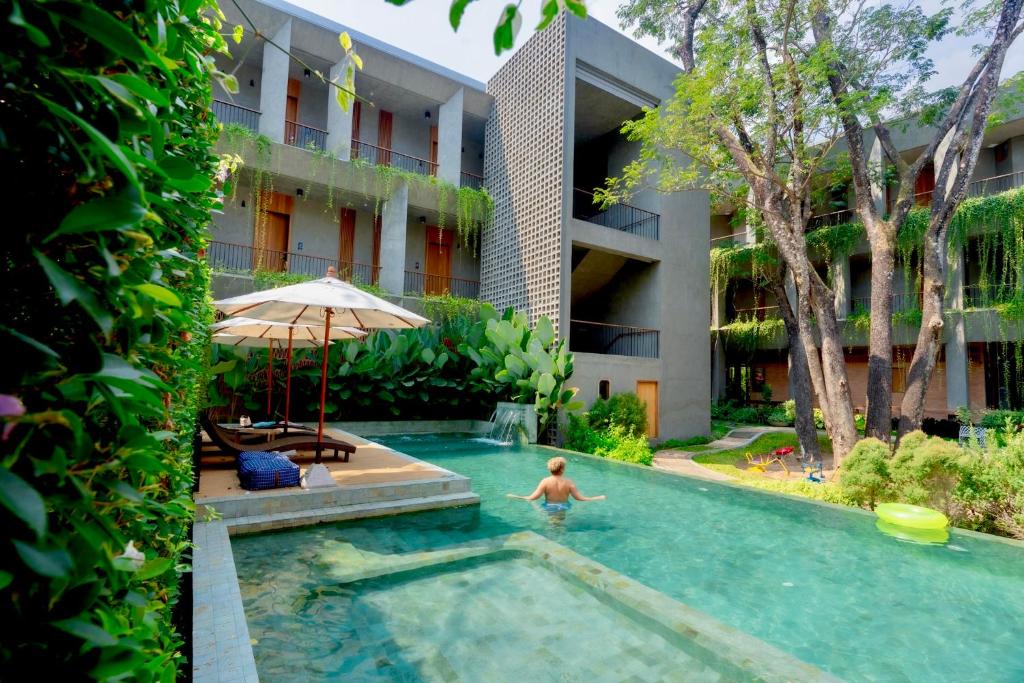
Proud Phu Fah Muang Chiang Mai
Stay here for a boutique room with proper kitchen space on the north edge of the Old City. The hotel page and FAQ mark it pet-friendly; still confirm eligible room types and the current pet fee for your dates.
- Area
- Chang Phueak · 238/10 Moo 1 Kai Luk Sua Road, Chang Phueak, 50300 Chiang Mai, Thailand
Proud Phu Fah Muang sits in the Chang Phueak district on the north edge of the Old City, an easy run to Doi Suthep and the northern-gate markets. It is a small boutique hotel with mountain views and proper in-room kitchen space, which matters when you would rather not leave a nervous dog while you eat out. The hotel publishes its pet policy on its own site; check the eligible room types and live rate before booking.
Chiang Ron and De Wiang Kum Kam — the long-stay picks
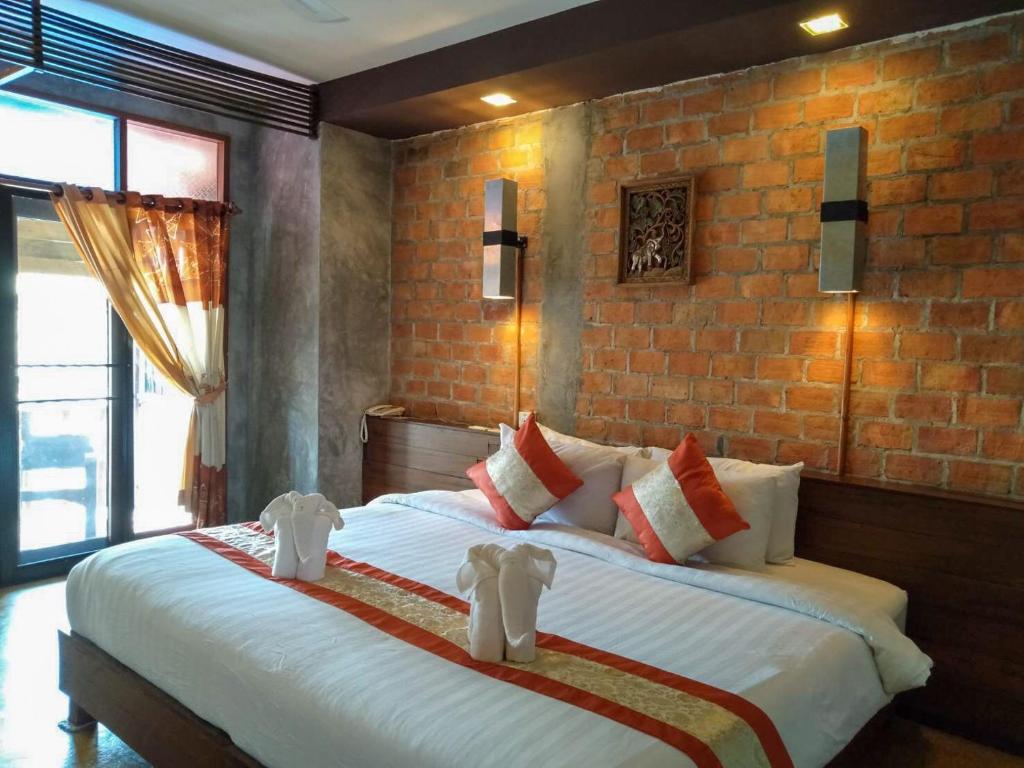
De Wiang Kum Kam
Choose this Saraphi apartment-style stay when a full kitchen, living space, and garden matter more than a walk to the Old City. Confirm the live pet terms; the format suits multi-week trips better than a standard hotel room.
- Area
- Saraphi · 171/1 Soi Ban Chang Kham 4k, Tha Wang Tan, Saraphi, 50140 Chiang Mai, Thailand
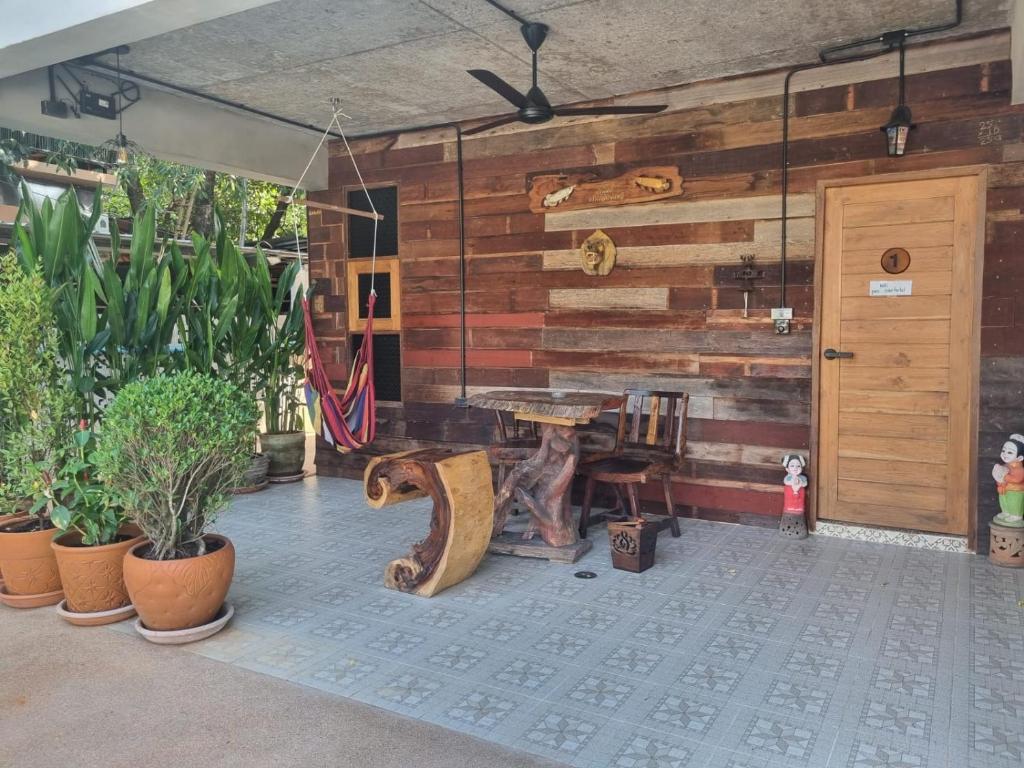
Chiang Ron
A quiet Saraphi neighbour to De Wiang Kum Kam with a published pet-friendly policy and more room to spread out than a central high-rise. Plan on Grab or a scooter for Old City days, and confirm the current pet fee before booking.
- Area
- Saraphi · 171/1 Soi Ban Chang Kham 4k, Tha Wang Tan, Saraphi, 50140 Chiang Mai, Thailand
Both sit in the quiet Saraphi area south of the city, beside the Wiang Kum Kam ruins — the half-buried 13th-century city that predates Chiang Mai itself. They’re apartment-style, which is the format that genuinely works for living with a pet.
De Wiang Kum Kam has full kitchens, separate living areas, a garden and outdoor space. Chiang Ron is nearby with a similarly quiet setting and a pet-friendly policy. Compare the live rates and exact pet terms; either format suits a multi-week stay better than a standard hotel room.
- Full kitchens — no need to leave your dog while you eat out
- Separate living areas, garden and outdoor space to burn off energy
- Quiet residential setting away from tourist crowds
- More space than a standard hotel room
- Saraphi is a 15–20 minute drive from the Old City — you’ll want a scooter or Grab
- Fewer walk-out cafes and restaurants than central Nimman
- Confirm the per-pet limit if you travel with more than one animal
Ketawa Hotel — the one built for pets
If your dog is the point of the trip, Ketawa in the Wat Ket riverside neighbourhood is the standout — it’s built around pets rather than tolerating them. It takes dogs of any size and piles on the extras: an on-site cafe, a dedicated dog pool, plus pet daycare and grooming. Fees vary by booking channel, so confirm the per-night pet charge when you reserve. It doesn’t have a page on our site yet, but it’s the rare Chiang Mai stay where you’re not negotiating a weight limit at check-in, and it’s an easy ride from the Night Bazaar.
Insider Tip: If your dates are flexible, target the cool season (November–February). It’s peak pricing, but it’s also the only stretch of the year when midday walks are comfortable for a dog — the hot season hits 38–40°C and the March–April burning season fouls the air.
If you need to be central: Nimman and the Old City
Every pick above is a little out of the centre (Mae Rim, Chang Phueak, Saraphi). If being walkable to Nimman’s cafes or the Old City’s Lan Na temples matters more, the Accor chain hotels are the dependable option — each publishes its pet policy on its own website, so you know the terms before you book:
- ibis Chiang Mai Nimman Journeyhub — a practical central pick. Cats and dogs up to 15kg, 500 THB per pet per night, in designated rooms. Steps from One Nimman and Maya; check the live room rate.
- Novotel Chiang Mai Nimman Journeyhub — the ibis’s pricier sister in the same complex. Same 15kg cap, but 1,000 THB per pet per night and only in the Deluxe Terrace room type — book that room specifically.
- Mercure Chiang Mai — north of the Old City moat by Chang Phueak Gate, an easy walk to the Sunday Walking Street. Dogs up to 20kg are accepted for 400 THB per pet per night; compare the live room rate with the Nimman options.
All three cap you at two pets per room, ask for a vaccination certificate at check-in, and keep pets out of the pool and restaurant areas. A central room also means less outdoor space — if your dog needs a garden, the apartment-style stays above still win.
Pet-friendly cafes and restaurants in Chiang Mai
There are two different things going on in Chiang Mai’s pet-cafe scene, and it helps to know which you’re after.
The first is venues that welcome your dog, and the reliable format is a garden cafe with outdoor seating. Robert Bake & Brunch, on Wiang Kaew Road in the northern Old City, is named after the owner’s dog and knocks 10% off the bill if you arrive with yours — big garden, indoor and outdoor zones. No.39 Cafe out by Wat Umong wraps wooden seating around a green pond where dogs are free to potter. And Starbarks, a dog cafe-and-hotel by the Ping River, pairs a fenced run-around yard with beer and wine for the humans. Samorn Cafe in Wat Ket is the in-between option — resident miniature dachshunds greet you, but your own leashed dog is welcome in the garden too.
The second is animal cafes, where the draw is the resident pets rather than your own. Box Box Dog Cafe, out toward Mae Jo, has featured several dog breeds, but its price and current animal roster are not reliably published. Contact the cafe before making the trip.
Pro Tip: Chiang Mai cafes open and close fast — a place that was packed last year may be a noodle shop now. Check the venue’s Facebook or Instagram for a post from the last month or two before you build a morning around it, and always ask whether they mean “your dog” or “our dogs.”
For the wider lay of the land — where to eat, which markets to hit, how to get around — the things to do in Chiang Mai guide covers the city beyond the dog-friendly slice, and the Chiang Mai visit guide covers where to stay if a pet isn’t the deciding factor.
Where to walk your dog in Chiang Mai
Your most reliable bet is the green strip around Ang Kaew Reservoir behind Chiang Mai University. From around 4–5pm it turns into an informal dog park — locals bring their dogs to walk and socialise, weekends get busier, and it’s free. It’s the closest thing the city has to a proper communal dog space.
Be careful with the lakes and parks that travel sites tag “dog-friendly,” though — several have quietly tightened up. Local accounts report a no-pets sign at Huay Tung Tao Reservoir, and expats have flagged the same restriction going back years, even though aggregator listings still call it leash-friendly. The reservoir is well worth a visit on its own merits; it’s just not a safe bet for bringing your own dog. The rule of thumb anywhere: read the signage at the gate before you assume.
One firm rule: leave the dog behind for the national parks. Thailand bans pets from all of them — Doi Suthep-Pui and Doi Inthanon included — and the Department of National Parks enforces it with on-the-spot fines and ejection; owners have been prosecuted for letting dogs swim at park waterfalls. So the headline mountain hikes above the city are off-limits with a dog. Stick to the reservoir edges, unprotected foothill trails, and the quieter sois on the city fringe instead.
Safety Tip: Chiang Mai has a large free-roaming street-dog population, and most soi dogs are territorial rather than friendly. Keep your dog leashed, avoid walking past packs at dusk, and make sure its rabies shot is current — this is a genuine, not theoretical, risk here.
Vets, groomers and pet services
Chiang Mai is well covered for veterinary care, with several English-speaking clinics.
For emergencies, Purpoon Animal Hospital off Thipanet Road runs 24 hours. The Chiang Mai University Small Animal Hospital (CMUAH) is the city’s main teaching hospital and where complex cases get referred — thorough, professional, and used to foreign owners. Several private clinics around Nimman and Santitham handle routine visits, often at a fraction of Western prices. Hours and emergency cover change, so call ahead rather than turning up.
Insider Tip: Save two numbers in your phone the day you arrive — your nearest clinic and the 24-hour hospital. Grab will carry a pet if you ask the driver first and bring a carrier or a towel for the seat; don’t assume every car will take a large dog without warning.
Groomers, pet shops and boarding kennels are easy to find across the Nimman and Santitham neighbourhoods, and most of the long-stay condo areas have a vet within a few minutes’ scooter ride.
Bringing a pet into Thailand (the honest bit)
Here’s why you almost never see holidaymakers with their own dog in a Chiang Mai hotel: getting a pet into Thailand is a relocation-grade process, not a holiday errand.
Thailand’s Department of Livestock Development (DLD) sets the rules. Your pet must be microchipped, and the microchip number must match the health and vaccination documents. Do not assume one universal sequencing rule: confirm it with the relevant Animal Quarantine Station and the authority issuing the export certificate.
DLD’s general procedure asks importers to apply at least seven days before travel. A current US-specific guide allows some accompanied pets with complete original documents to apply on arrival, but still recommends checking with the airline in advance. Requirements vary by departure country, arrival airport, transport method and animal, so contact the arrival station before booking and follow its written checklist.
None of that is a weekend’s work. So this guide is most useful if you’re already living in or relocating to Thailand — the short list above is your starting point. Flying in for a fortnight? It’s kinder, and far cheaper, to leave the dog with a sitter back home.
How to choose where to stay
Choose the area before the property. The best-looking room is the wrong pick if it makes every walk, dinner, veterinary visit, or transfer harder than it needs to be.