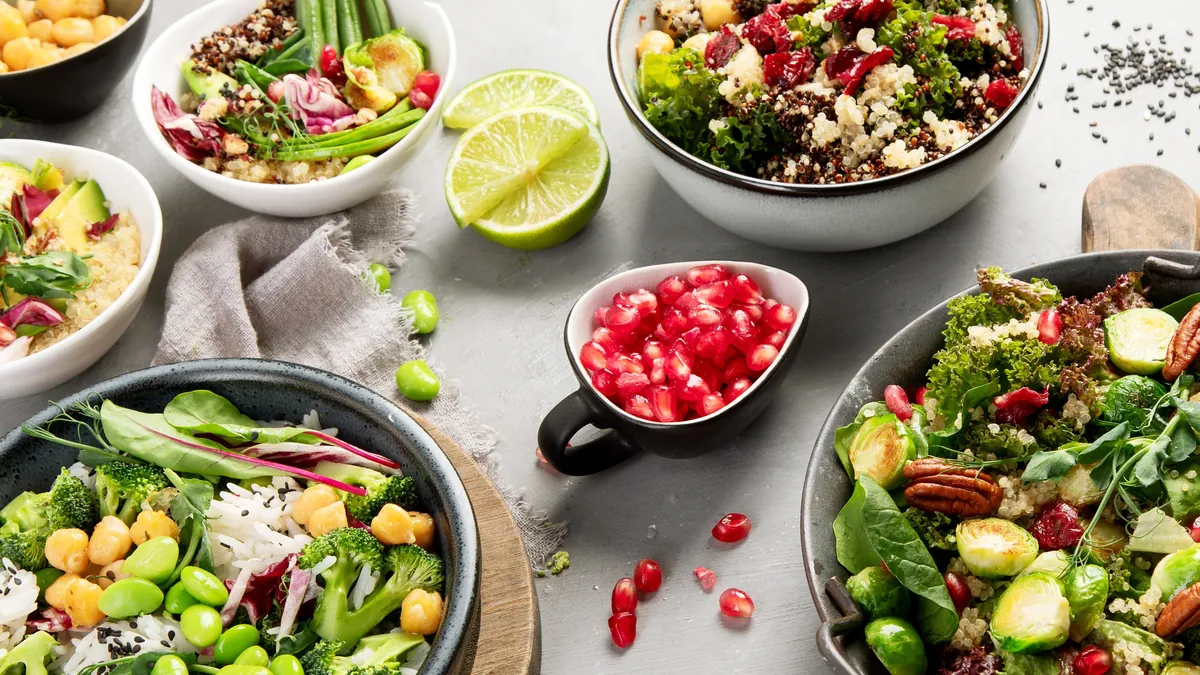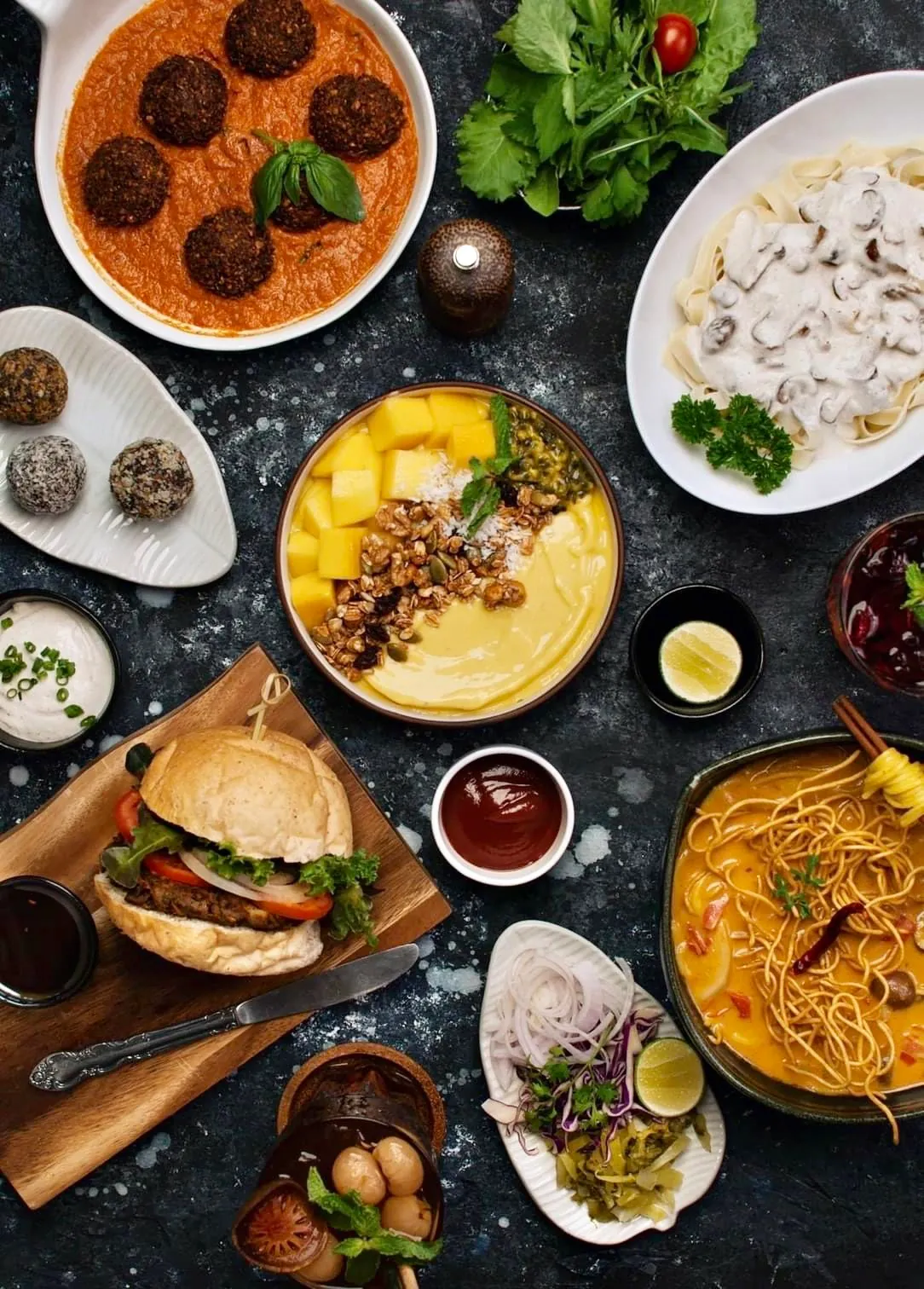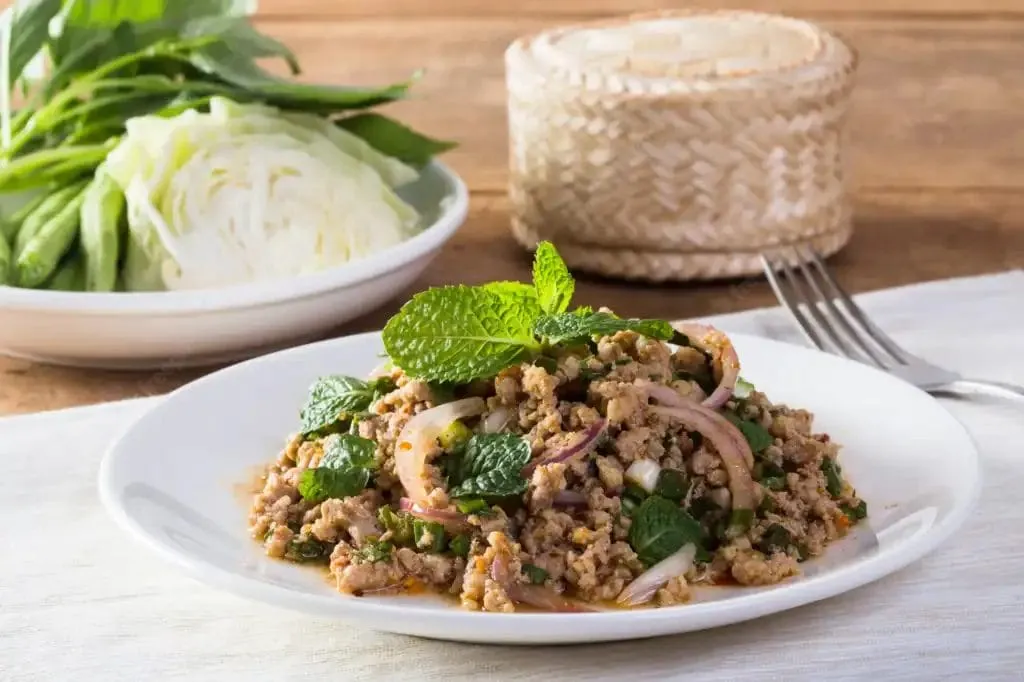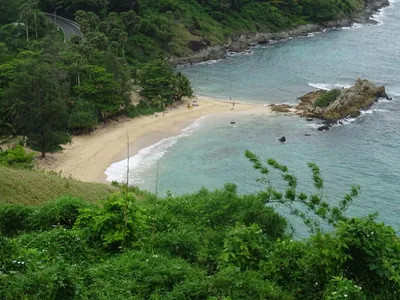

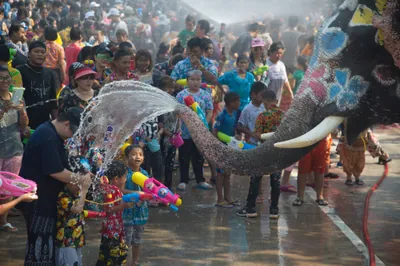



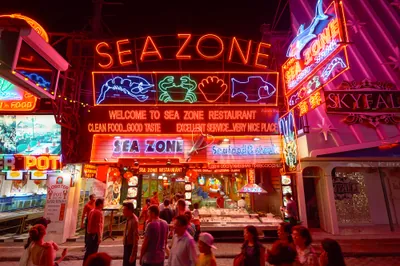



Phuket has both local jay restaurants and modern plant-based cafes. The Chinese-Thai heritage of Phuket supports year-round vegetarian eating, while the October festival brings many more participating stalls around the island’s Chinese shrines.
Useful current options include Pure Vegan Heaven, The Vegan Table, SOUL Vegan Cafe, Hesan, Jiya Chai, Mae Orathai Vegetarian, and the October jay stalls near Jui Tui Shrine in Phuket Town.
- Best areas: Rawai/Chalong and Phuket Town (year-round); Ranong Road, Phuket Town (October Festival)
- Prices: Check current menus; local counters and full-service cafes differ substantially
- Jay season: Phuket Vegetarian Festival, scheduled for 10–18 October 2026
- Payment: Options vary; carry some cash and ask before ordering
- Labelling: Yellow jay flags identify participating food but are not an allergy or cross-contact guarantee
Quick answer
Start with Pure Vegan Heaven in Chalong for the strongest all-round pick. Use Highway Curry for Indian and Thai food, The Vegan Table for fully vegan food, and Hesan Vegetarian when jay-style vegetarian food matters most.
| You want | Go to | Area / timing |
|---|---|---|
| All-round vegan cafe | Pure Vegan Heaven | Chalong / confirm branch hours |
| Plant-based pizza and Thai dishes | The Vegan Table | Phuket Town / Thu–Tue |
| Breakfast through dinner | SOUL Vegan Cafe | Karon / daily |
| Local vegan Thai food | Mae Orathai Vegetarian | Patong / daytime |
| Local jay food | Hesan or Jiya Chai | Phuket Town / daytime |
| Festival street food | Jui Tui Shrine area | Phuket Town / October |
| Indian-Thai vegan curries | Highway Curry | Rawai / daily |
How we picked these food stops
Check whether a restaurant is fully vegan or simply has a vegan menu, then compare area and hours. The smaller jay restaurants rely on recent diner reports and directory listings, so confirm locally before crossing the island for one meal.
Vegan phuket: Rawai and the wellness south
Rawai is the anchor for Phuket’s plant-based dining scene. The neighbourhood has a longer-stay expat base than the party beaches, and restaurants here cook for people who actually care what goes into the food.
Pure Vegan Heaven
A fully vegan cafe with Thai dishes, burgers, pasta and smoothie bowls. The operator currently lists two Phuket branches, at Soi Taiad and Saiyuan; confirm the hours for the branch you plan to visit.
- Area
- Chalong · 45/40 Moo 1, Soi Ta-iad, Chalong
- Hours
- Confirm current hours for the Soi Taiad branch
- Go for
- Thai green curry or vegan burger
Highway Curry
An Indian and Thai restaurant in Rawai with a separate vegan menu. It is vegan-friendly rather than fully vegan, so order from that menu and confirm any dietary restrictions with staff.
- Area
- Rawai · 90 Moo 1, Soi Saiyuan, Rawai
- Hours
- Daily, 11am–11pm
- Go for
- Dal fry or vegetable jalfrezi
Insider Tip: Rawai has a small cluster of juice bars and health-food shops along Viset Road. If you’re self-catering or want a cheap grab-and-go lunch, the fresh coconut smoothie and açaí stalls outside the market are a better value per calorie than any sit-down option.
Getting to Rawai from Patong or Kata takes 20–25 minutes by taxi or songthaew. It’s worth combining with a swim at Rawai Beach or a trip to Promthep Cape at sunset — both are close.
Phuket Town: local roots and year-round jay
Phuket Town is the most interesting neighbourhood on the island for food of any kind, and plant-based eating is no different. The Chinese-Thai community here has been cooking vegetarian food for generations, long before the wellness movement arrived.
The Vegan Table
A fully vegan restaurant in Phuket Old Town serving Thai and international dishes, including wood-fired pizza. It opens for lunch and dinner from Thursday through Tuesday and closes on Wednesday.
- Area
- Phuket Town · 106 Rassada Road, Talat Yai
- Hours
- Thu–Tue, 1pm–10pm; closed Wed
- Go for
- Smoked tofu summer rolls or vegan pizza
Hesan Vegetarian
A local vegan jay restaurant opposite Jui Tui Shrine with prepared dishes served over rice. Recent diner reports from 2026 confirm it is trading; its hours are directory-listed rather than operator-published, so confirm locally.
- Area
- Phuket Town · 207 Ranong Rd, opposite Jui Tui Shrine, Phuket Town
- Hours
- Current listing says daily 7:30am–6pm; confirm locally
- Go for
- Rice plate with curries and mock meat
Jiya Chai
A small vegan jay restaurant near the corner of Ranong and Phuthon roads. A January 2026 diner report confirms it is trading; the listed hours are not operator-published, so confirm locally.
- Area
- Phuket Town · 223/4 Ranong Rd at Phuthon Rd, Phuket Town
- Hours
- Current listing says daily 6am–8pm; confirm locally
- Go for
- Rice with a selection of jay dishes
Ranong Road is the most useful area for local jay food because Hesan, Jiya Chai and festival stalls sit near the Chinese shrines. Hours are more dependable in the morning and daytime than late evening.
For context on the neighbourhood, the best restaurants in Phuket guide covers the full dining landscape including non-vegetarian options in the Old Town area.
Karon and Kata: beach-zone plant-based eating
The beach zones aren’t the strongest area for vegan eating, but there are solid options if you’re staying south of Patong.
SOUL Vegan Cafe
A fully plant-based restaurant at 224 Karon Road serving breakfasts, bowls, burgers and desserts. Operator pages agree on a 9:30pm close but differ between 8:30am and 9am opening, so confirm if arriving early.
- Area
- Karon · 224 Karon Rd, Karon
- Hours
- Daily until 9:30pm; operator pages differ on opening time
- Go for
- Scrambled tofu breakfast or smoothie bowl
For raw and whole-food cooking specifically, Santosa up on the hill above Kata is the dedicated option in the beach zone — worth the climb if that’s your thing.
Santosa Vegan Restaurant
Santosa serves vegan and raw dishes at its wellness centre above Kata. The restaurant area is under renovation, with meals temporarily served in the Main Sala until 20:00; the Saturday buffet is currently listed from 18:30. Reserve and confirm the arrangement before visiting.
- Area
- Karon · Soi Plak Che 2, Patak Rd, Karon (Santosa Wellness Center)
- Hours
- Meals currently served in the Main Sala until 8pm
- Go for
- Raw lasagna or cashew-cheese cannelloni
A few family-friendly resorts in the south — see best family resorts in Phuket — now carry vegan menu sections as a standard offering, so it’s worth checking your hotel kitchen before committing to a taxi ride south.
Jay on a budget: Patong and beyond
Not every good vegan meal in Phuket requires a café setting or a taxi ride south.
Mae Orathai Vegetarian
A small fully vegan Thai restaurant in Patong serving prepared dishes with rice. Recent 2026 diner reports confirm it is trading, but reports differ on exact hours and note closures around some Buddhist observance days, so confirm locally.
- Area
- Patong · 38/50 Soi Nanai, Patong
- Hours
- Usually mornings to early afternoon; closes on some Buddhist observance days
- Go for
- Rice with a selection of prepared vegan dishes
Mae Orathai is away from the beach strip on Soi Nanai. It is a daytime stop, and recent diners report periodic closures around Buddhist observance days, so confirm before walking or taking a taxi there.
The October Vegetarian Festival: jay food explained
The Phuket Vegetarian Festival is scheduled for 10–18 October 2026. It follows the Nine Emperor Gods tradition maintained by Phuket’s Chinese community. Devout participants eat jay food, abstain from alcohol and dress in white; visitors can follow the food stalls and public processions without assuming every business on the island participates.
What is jay food? Jay (เจ) follows stricter rules than ordinary vegetarian cooking. No meat, no seafood, no eggs, no dairy — and critically, no pungent vegetables: garlic, onion, shallots, leeks, and chives are all excluded. The logic is Taoist: these foods are thought to stimulate desire and hinder spiritual purification. The result is a cuisine that’s simultaneously more restricted and more creative than standard veganism.
During the festival, yellow flags with red Chinese characters identify jay food at participating restaurants and stalls. They are not issued under one universal certification scheme and do not guarantee against allergens or cross-contact, so ask when an ingredient matters.
The main food hubs are near the Chinese shrines:
- Ranong Road market, near Jui Tui Shrine — a major concentration of jay stalls, with noodles, rice dishes and mock-meat preparations.
- Phuket Road, near Bang Neow Shrine — another area with participating stalls during the festival.
Outside the festival, recent diner reports confirm Hesan and Jiya Chai are trading in Phuket Town. Their timetables remain directory-listed rather than operator-published, so confirm locally.
Insider Tip: Shrine processions affect roads and crowd levels. Check the daily programme, allow extra travel time and carry some cash because payment options vary by stall.
For broader food context, popular Thai food covers the nationwide staples that underpin much of what jay cooking remixes.
How to choose where to eat in Phuket
Learn two phrases. “Jay” (เจ, pronounced like the English letter J) covers the Chinese-Taoist definition. “Mangsawirat” (มังสวิรัติ) means standard vegetarian. Tell a kitchen “gin jay” (กินเจ, “I eat jay”) and they’ll understand the full scope of what to avoid.
Use HappyCow. The app has good coverage for Phuket and is frequently updated by locals. Filter by “vegan” rather than “vegetarian” to avoid restaurants where vegan options are an afterthought.
Skip the Patong beach strip. The main Bangla Road tourist corridor is oriented around mass-market Thai food and beach bars. There are vegan options nearby but they take more hunting. If plant-based eating matters to you, base yourself in Rawai, Phuket Town, or Kata — or be prepared to taxi to your meals.
Ask about fish sauce. Standard Thai dishes often use nam pla (fish sauce), including recipes described as vegetarian. Jay food excludes animal products by definition, but a flag alone does not verify every kitchen process. “Mai sai nam pla” (ไม่ใส่น้ำปลา, “no fish sauce”) is useful at general restaurants.
Travel prep: Stay connected without roaming charges. Check best eSIM for Thailand before you fly — you’ll want data for HappyCow, maps, and checking restaurant hours. Most plant-based cafes in Phuket post their current hours on Instagram rather than Google Maps.
For planning accommodation near the best dining areas, luxury hotels in Phuket and the broader Phuket nightlife guide help with location decisions.
Phuket has both dedicated vegan restaurants and local jay food, with the widest festival choice around participating shrines in October. Check current hours before crossing the island for any small restaurant, especially the local listings without an active operator page.