

Wat Pa Lelai Worawihan
วัดป่าเลไลยก์วรวิหาร
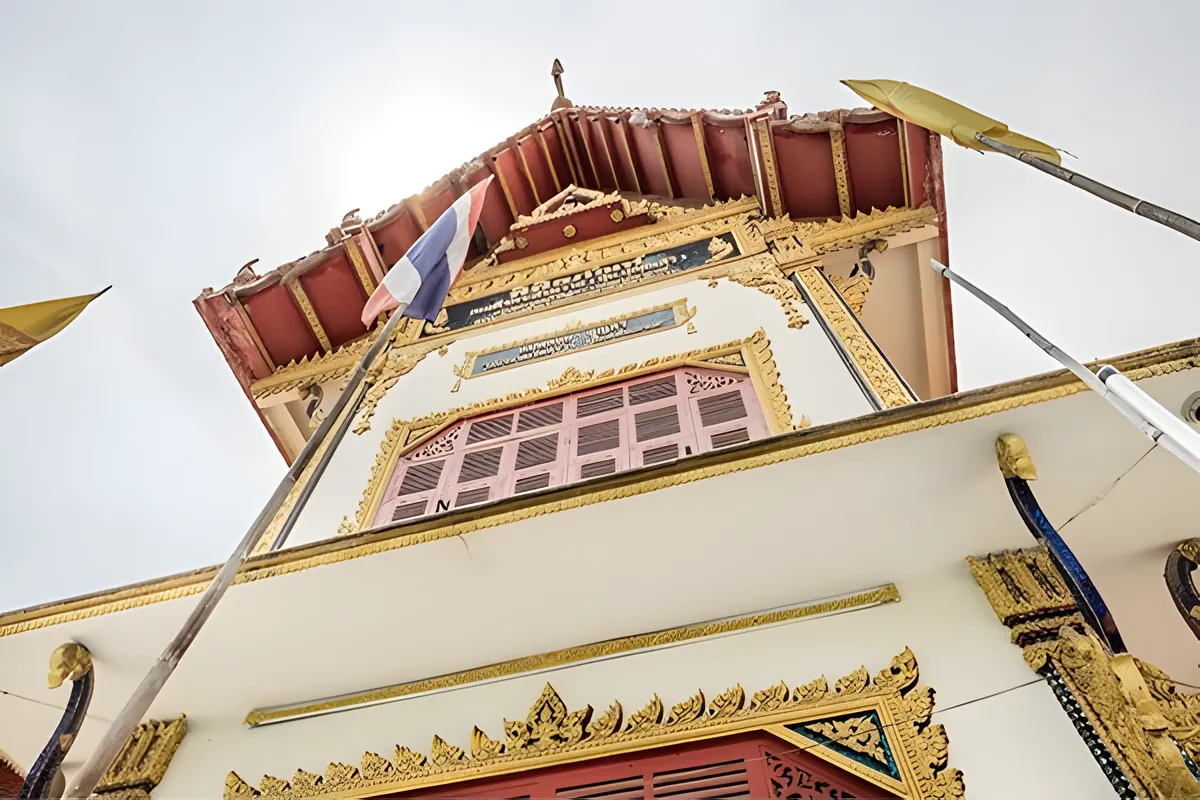
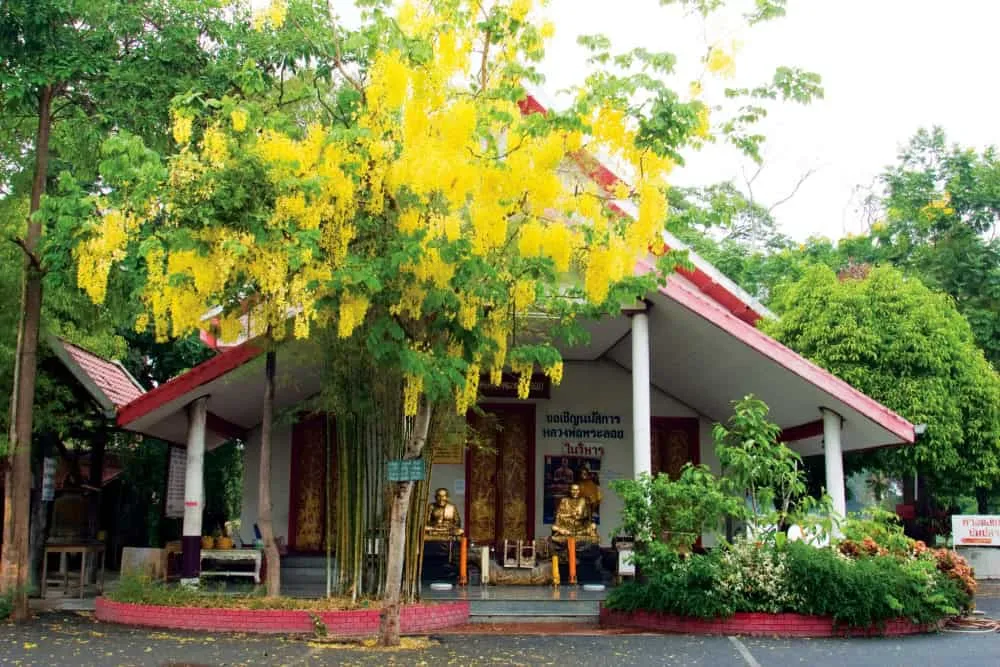
Wat Pa Lelai Worawihan is one of Suphan Buri’s oldest and most significant temples, standing on the west bank of the Suphan Buri River on Malaiman Road. Locals simply call it Wat Pa. Its centrepiece is Luang Pho To, a seated Buddha image 23.46 metres tall and 11.20 metres around, one of the largest Buddha statues in central Thailand, built in the Pa Lelai posture: seated on a rock with legs hanging down, attended by an elephant and a monkey offering fruit and honey, in the U Thong-Suphannaphum artistic style associated with Suphan Buri’s early prosperity. Tradition holds that 36 relics brought by Phra Maha Thera Lai Lai are enshrined within the image itself.
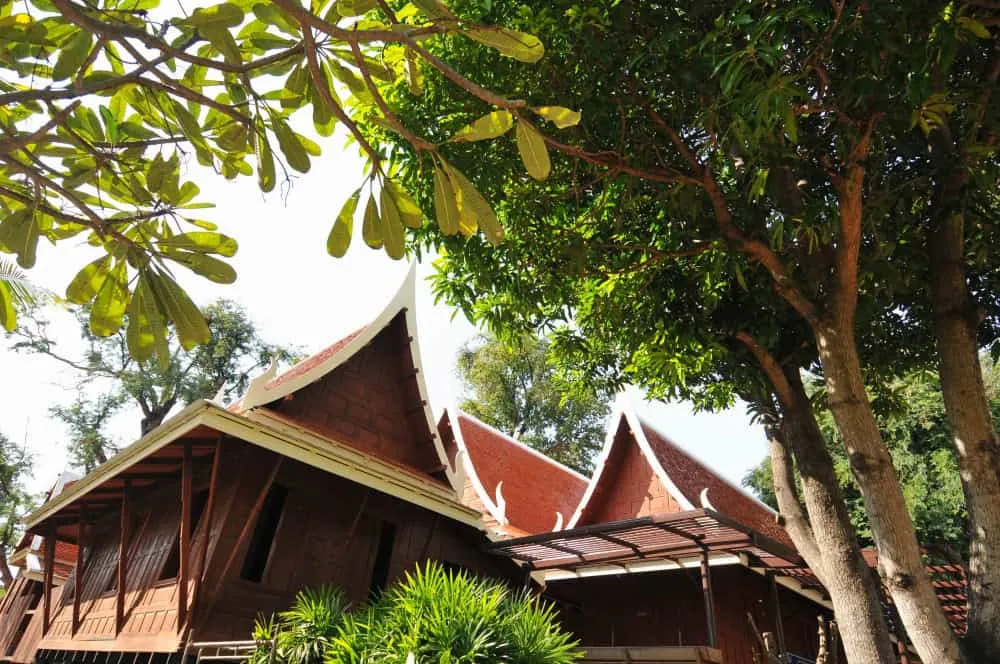
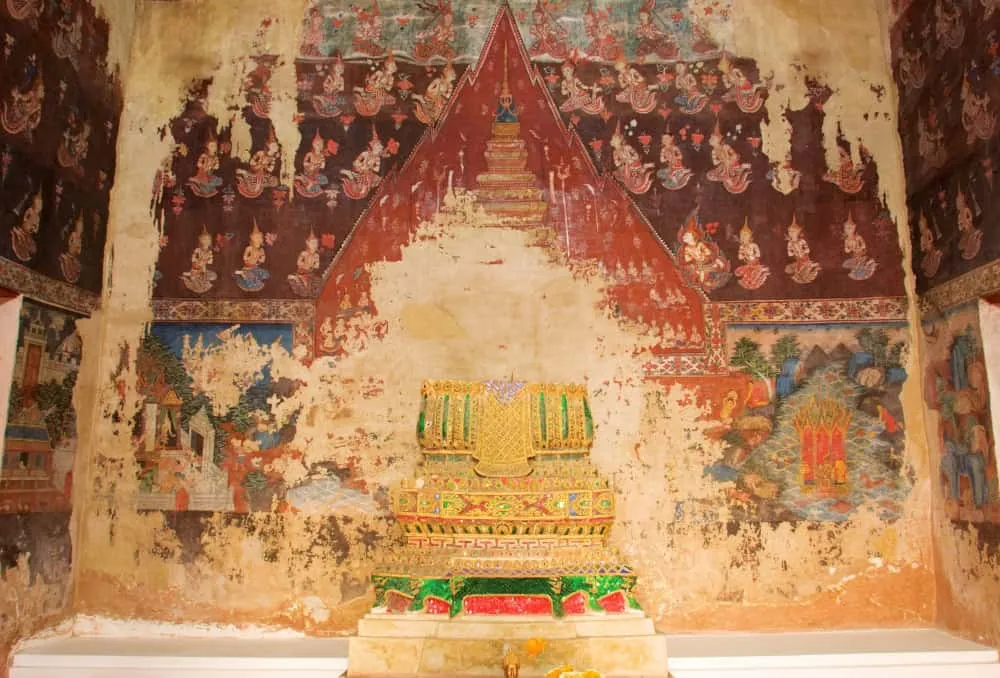
The temple carries real literary weight in Thailand. It’s a named setting in the Khun Chang Khun Phaen epic, the country’s most celebrated verse narrative, and murals circling the vihara around Luang Pho To illustrate scenes from the story from beginning to end. To keep that connection alive for visitors, the temple built a reconstructed teak house on the grounds, known locally as Khun Chang’s House, as an educational display rather than a period-accurate relic. The 19th-century poet Sunthorn Phu also referenced the temple in his travel poem Nirat Mueang Suphan, adding another literary layer to the site. Each year the temple hosts a Thet Maha Chat sermon, a traditional recitation of the Buddha’s penultimate-life story that draws worshippers from across the province.
Architecturally, the temple carries the formal classification of Worawihan, a third-class royal monastery under Thailand’s temple-ranking system, reflecting its historical standing rather than its physical size. The main vihara itself is arranged around Luang Pho To’s seated form, with the murals and gilded decoration typical of an active royal-grade temple rather than a museum piece; monks continue to use the halls for daily chanting and ceremony.
- Entry fee: Free
- Hours: Daily, 08:00-17:00
- Main image: Luang Pho To: 23.46m seated Buddha, U Thong-Suphannaphum style
- Literary link: Setting in the Khun Chang Khun Phaen epic; murals depict the full story
- Classification: Phra Aram Luang, third class, Worawihan grade
Insider Tip: Go early, before the tour groups arrive from Bangkok day trips, to see the murals around Luang Pho To in decent light without needing to jostle for a clear view.
Dress modestly and remove shoes before entering the vihara, as at any Thai temple. For more of Suphan Buri’s history in one visit, the National Museum Suphan Buri covers the same U Thong-era period the temple’s Buddha image belongs to, and the antique shophouses of Sam Chuk Old Market make a good half-day pairing if you’re spending a full day in the province.
Location & Directions
Malaiman Road
Suphan Buri, Thailand
Show your taxi or Grab driver
วัดป่าเลไลยก์วรวิหาร
Frequently Asked Questions
What is Luang Pho To at Wat Pa Lelai?
How does this temple connect to Khun Chang Khun Phaen?
How old is the temple?
Is it free to visit?
What does 'Worawihan' mean in the temple's name?
Spotted something out of date or incorrect? Let us know
Stay Near Wat Pa Lelai Worawihan
Live prices for places closest to Wat Pa Lelai Worawihan: tap a pin to compare.