





Pai is a small mountain town in Mae Hong Son province, reached from Chiang Mai by a road famous for its 762 curves. The days are for waterfalls, hot springs, and viewpoints, while the centre shifts toward food stalls and bars after dark. Do not learn to ride a scooter here: the winding roads, steep sections, and gravel turn-offs require experience.
Quick answer
Start with Walk the ridges at Pai Canyon if it matches your route, then compare Yun Lai Viewpoint and Soak in the hot springs by season, travel time, and crowd level. Use this as a shortlist, not a fixed itinerary; skip anything that adds a long transfer for a small payoff.
| Best for | Pick | Why it belongs | Main tradeoff |
|---|---|---|---|
| Best first pick | Walk the ridges at Pai Canyon | Strongest planning anchor | Check travel time, season, and opening days before you commit |
| Best alternative | Yun Lai Viewpoint | Good second option when it fits your route | Check travel time, season, and opening days before you commit |
| Best different pace | Soak in the hot springs | Different pace from the obvious pick | Check travel time, season, and opening days before you commit |
| Good fit when nearby | Chase the waterfalls | Worth adding when nearby | Check travel time, season, and opening days before you commit |
| Good fit when nearby | Visit the white Buddha and the Memorial Bridge | Worth adding when nearby | Check travel time, season, and opening days before you commit |
How we picked these stops
We prioritised places that fit naturally into Pai’s daily rhythm: viewpoints early or late, waterfalls when conditions allow, and hot springs in cooler weather.
Road safety matters more than squeezing in another stop. Check access, water levels, and local opening arrangements before leaving town.
Walk the ridges at Pai Canyon
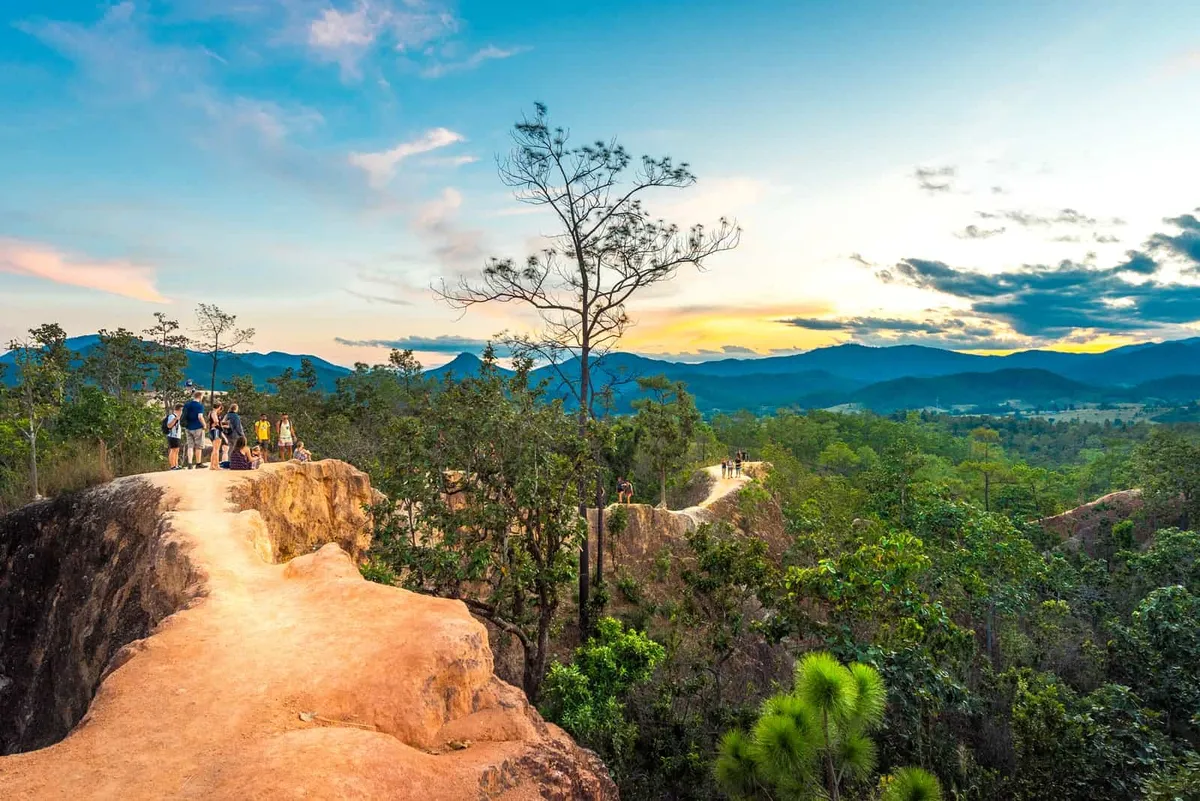
Pai Canyon (Kong Lan) has narrow red-earth ridges, steep drops, and no railings. The first viewpoint is easier than the exposed spines beyond it. Wear shoes with reliable grip, stay back from edges, and do not continue onto the ridges in rain or darkness.
Yun Lai Viewpoint
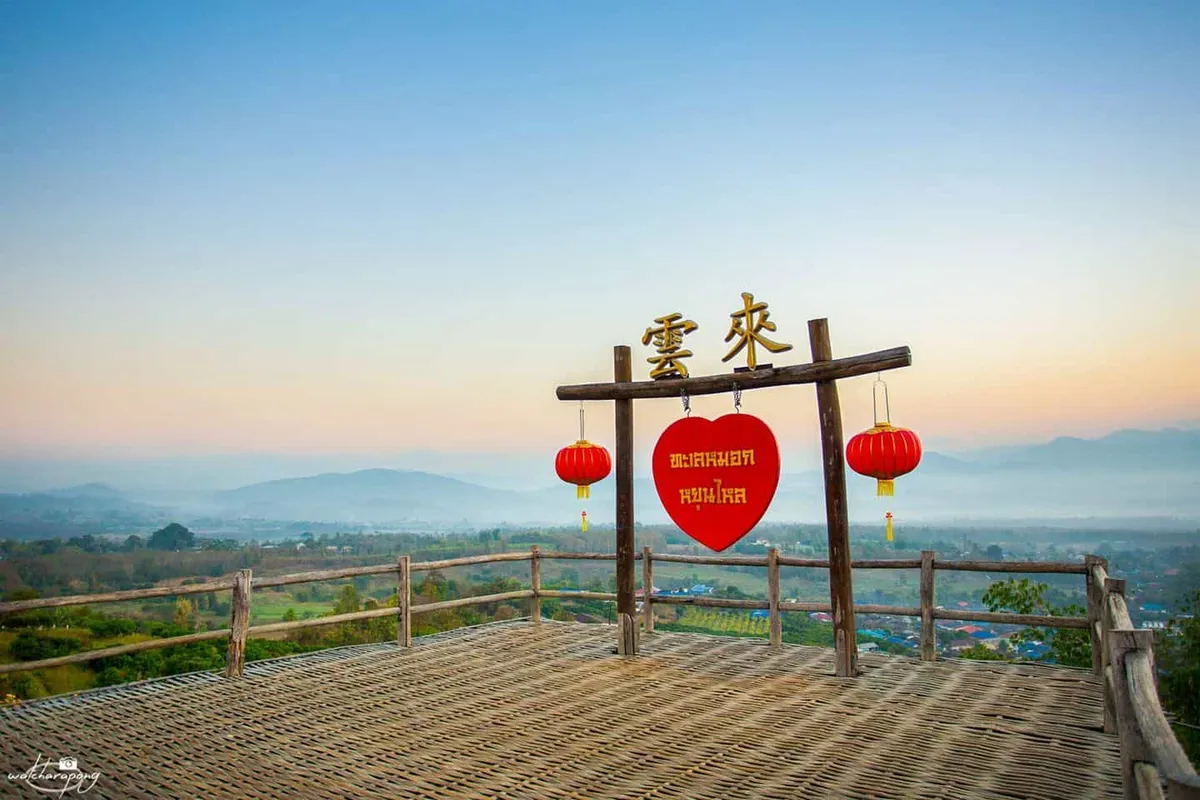
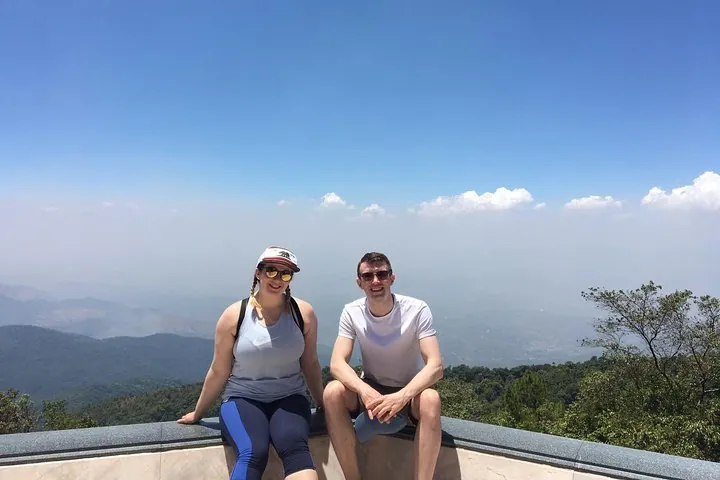
Above the Chinese village of Santichon, Yun Lai is a sunrise viewpoint over the Pai valley, with mist possible on cool mornings. Confirm current admission and opening arrangements locally. The road is dark before sunrise, so use suitable transport rather than riding if you are not confident.
Soak in the hot springs
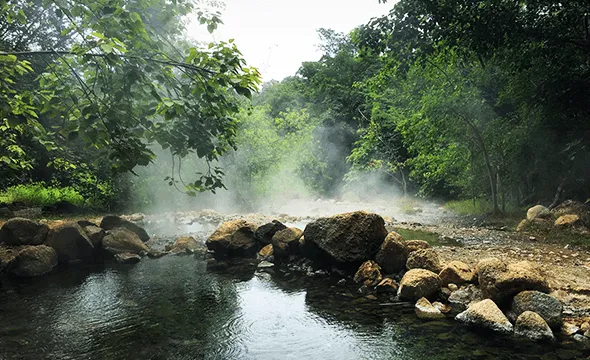
Tha Pai Hot Springs sit inside Huai Nam Dang National Park southeast of town. Water near the source is too hot for bathing; use only designated soaking areas and follow park signs. Confirm the current park fee and opening arrangements before visiting.
Chase the waterfalls
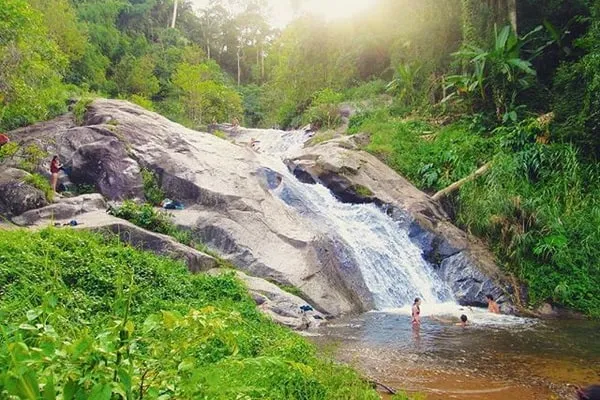
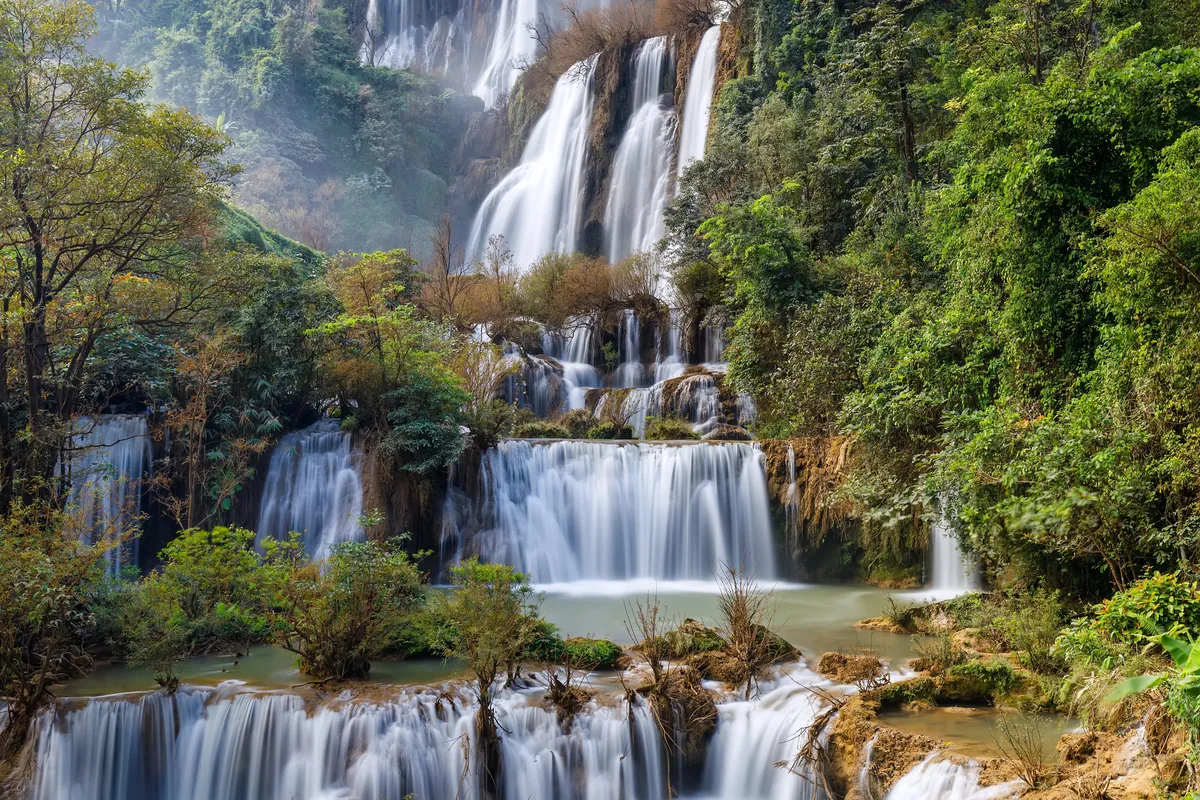
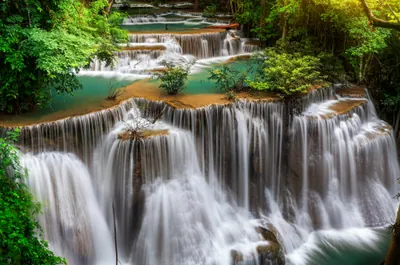
Pai has several waterfalls within reach of town. Mo Paeng has sloping rock and pools, while Pam Bok sits in a narrow gorge. Sliding and swimming depend on water level, weather, and current local rules; never assume a pool is safe because other visitors are in it.
Visit the white Buddha and the Memorial Bridge
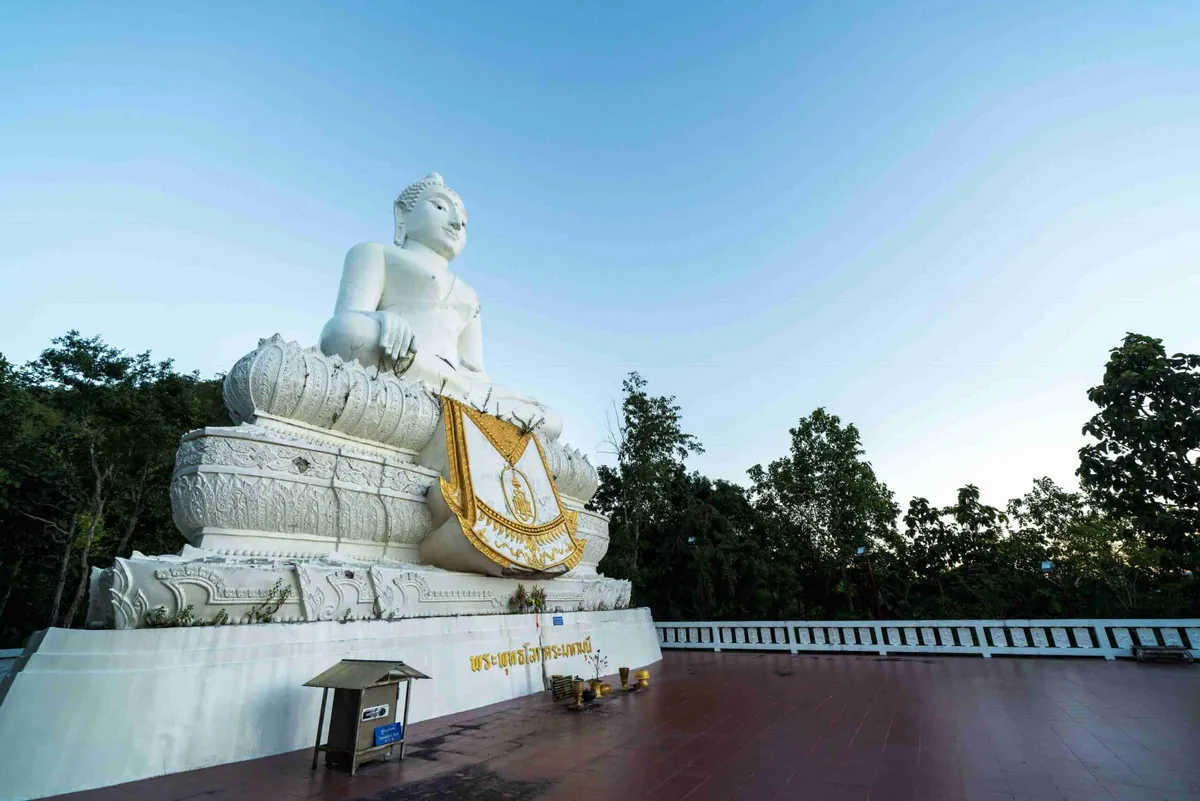
Wat Phra That Mae Yen, on the hillside east of town, is reached by more than 300 steps and looks back across the Pai valley. The Pai Memorial Bridge marks the wartime transport route, but the present steel bridge is a later replacement completed in 1976 rather than the original Second World War structure.
Spend the evening on the Walking Street
Pai Walking Street usually sets up in the town centre from early evening, with food stalls, crafts, music, and bars. Trading can vary by season and local arrangements, so confirm locally rather than assuming every stall operates every night of the year.
How to choose what to do first
Choose by time of day, weather, and transport first. Thailand rewards early starts, and the best-looking stop on a map can be the wrong one if it puts you in midday heat or cross-town traffic.